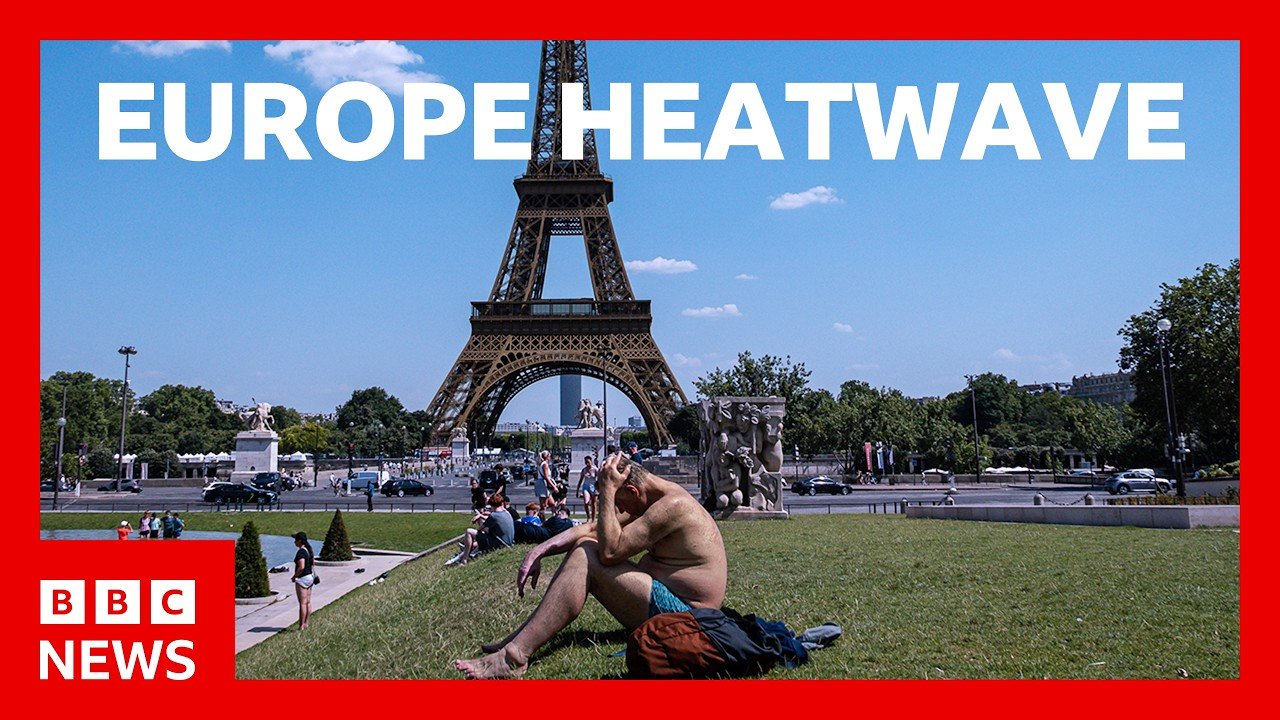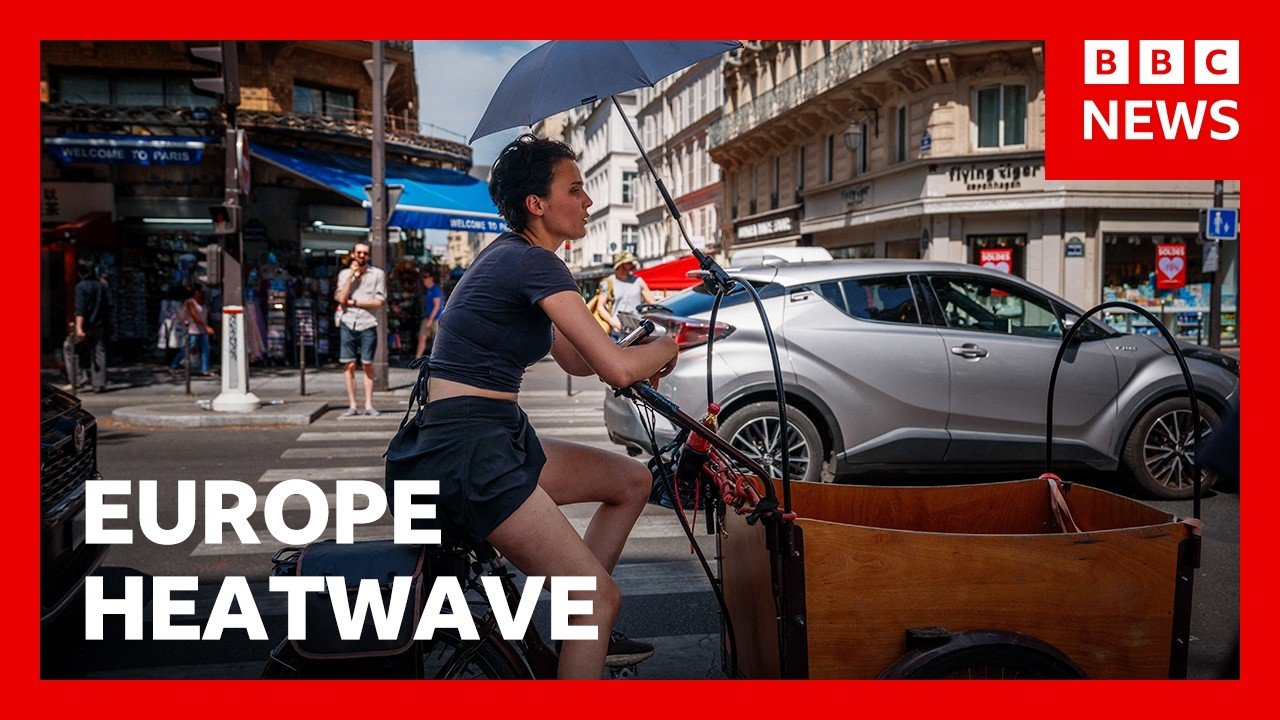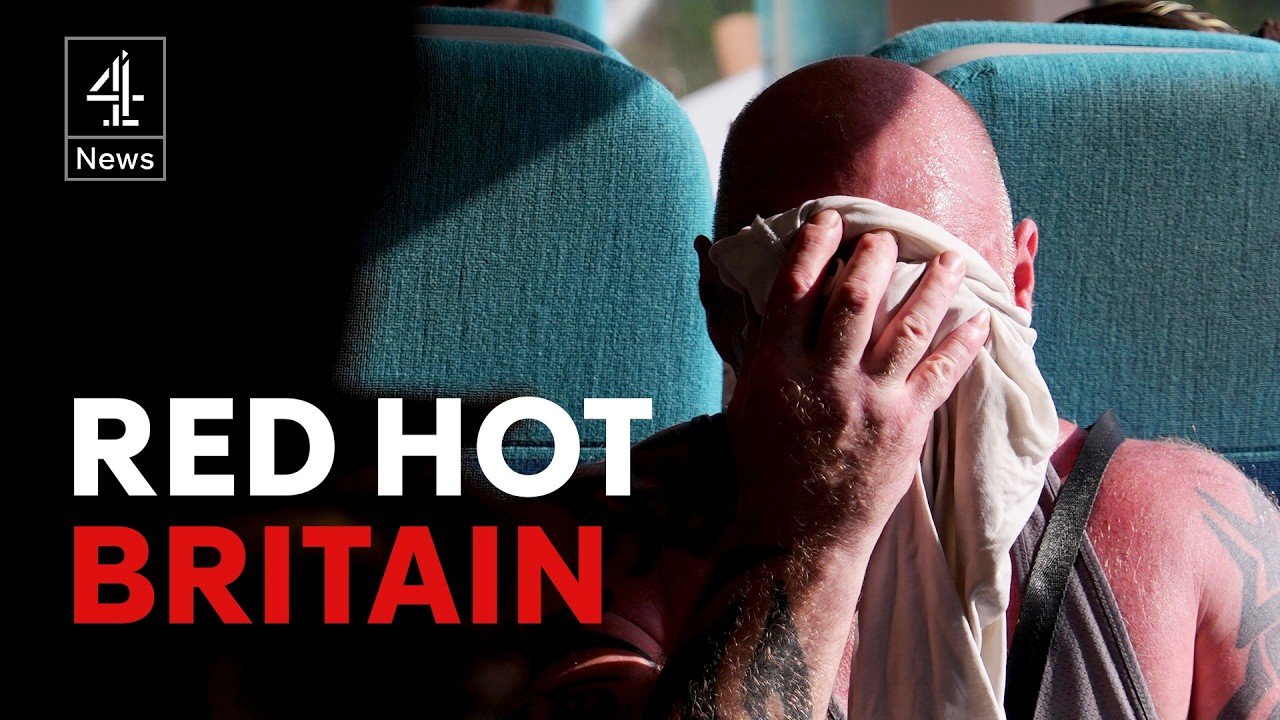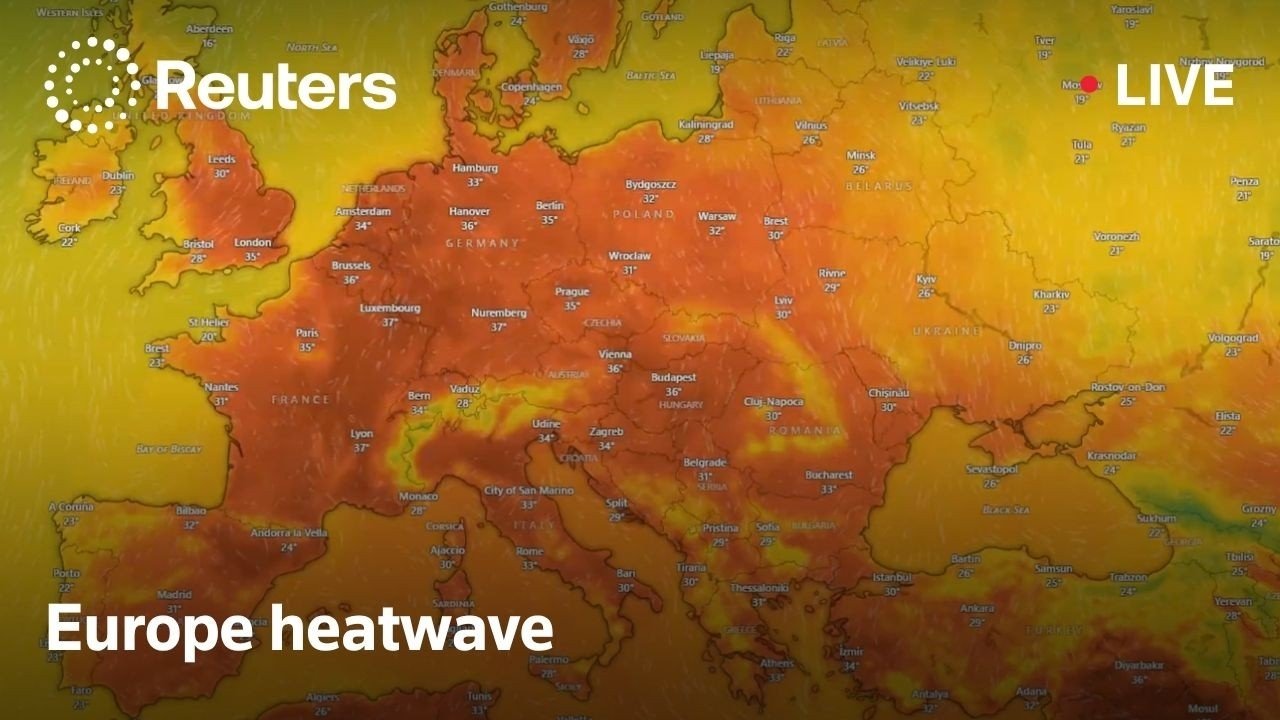








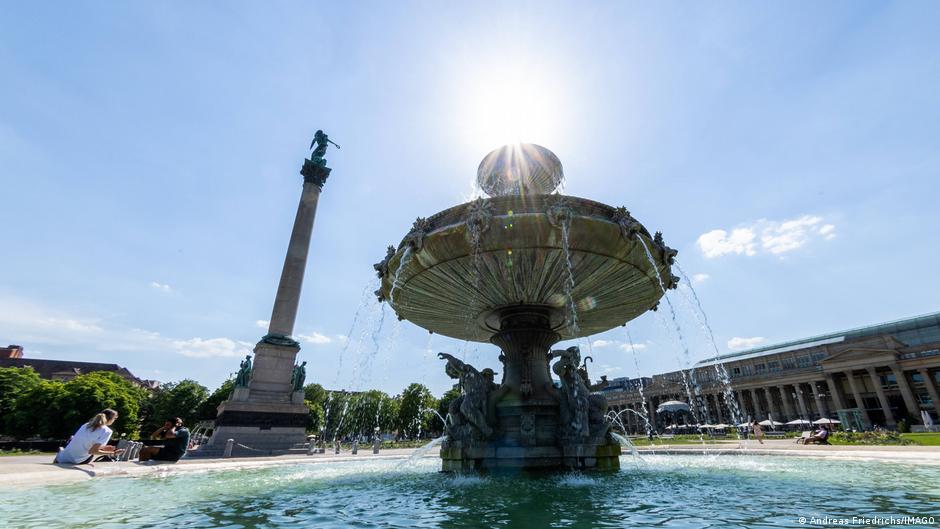


A record-breaking heatwave is sweeping across Europe, driven by a rare and persistent “Omega block” weather pattern that has locked the continent under a powerful heat dome, pushing temperatures to unprecedented levels and straining infrastructure, healthcare systems, and daily life.
The phenomenon, named for its resemblance to the Greek letter Ω, has stalled normal atmospheric circulation. This has allowed a mass of superheated air from North Africa to surge northward and remain trapped over Europe, preventing cooler Atlantic systems from bringing relief. In several regions, temperatures have surged up to 18°C above seasonal averages.
Heatwave expands Eastward
While Western Europe is beginning to see marginal राहत, the most intense conditions are now shifting into Central and Eastern Europe. Germany, Poland, Italy, and the Balkans are entering peak exposure, placing more than 150 million additional people under severe heat warnings.
Red-level alerts remain in force across multiple countries, including the United Kingdom, the Netherlands, Germany, Croatia, and Hungary, with authorities warning of prolonged exposure risks and rising mortality.
Compounding the danger, high humidity levels are pushing “wet-bulb” temperatures — a key measure of heat stress — into critical territory. Nearly half of monitored European urban areas are exceeding safe thresholds, where the human body struggles to cool itself even in shade.
Record temperatures shatter June benchmarks
The scale of the event is evident in widespread temperature records being broken across the continent:
- France recorded its hottest June day on record, with Paris reaching 40.9°C and several regions climbing above 43°C.
- The United Kingdom logged its highest-ever June temperature at 36.1°C.
- Spain, Germany, and Austria reported multiple local records, with parts of southern Spain exceeding 45°C.
Meteorologists note that the geographic spread and intensity of the heatwave make it one of the most significant early-summer events ever recorded in Europe.
Healthcare systems under severe strain
Hospitals in major cities including Paris and London are nearing saturation as heat-related emergencies surge. Some facilities report up to a fourfold increase in admissions linked to heatstroke, dehydration, and cardiac complications.
Critical medical infrastructure is also being affected. High ambient temperatures have caused sensitive equipment, including MRI machines, to malfunction or shut down, further limiting capacity during peak demand.
Early estimates indicate hundreds of fatalities linked directly or indirectly to the heatwave, including a rise in drownings as people seek relief in rivers and lakes.
Infrastructure and energy systems disrupted
The extreme heat is exposing vulnerabilities in Europe’s infrastructure:
- Roads in Germany have buckled under thermal stress, while rail tracks in parts of northern Europe have warped, causing service disruptions and at least one cargo derailment.
- France has experienced power outages affecting tens of thousands of homes after overheating damaged grid components.
- Several French nuclear power plants have been forced to scale back operations because river water used for cooling has become too warm, reducing overall electricity generation capacity.
Energy demand has simultaneously surged due to air conditioning use, placing additional strain on national grids.
Public life curtailed
Governments and local authorities have introduced emergency measures to reduce risk and manage public safety:
- Major public events, including festivals, Pride celebrations, and historical reenactments, have been cancelled or postponed.
- Paris has imposed restrictions on evening alcohol consumption following a spike in river-related accidents and drownings.
- Schools in some regions have closed early, and outdoor work restrictions have been introduced during peak heat hours.
Climate change intensifying extremes
A rapid attribution study by the World Weather Attribution group concluded that human-induced climate change made this heatwave both more intense and more likely.
According to the analysis, a similar atmospheric setup 50 years ago would have produced temperatures approximately 3.5°C cooler. Scientists say such an extreme June heatwave would have been “virtually impossible” without global warming.
The event adds to a growing body of evidence that Europe is warming faster than the global average, with heatwaves arriving earlier in the year, lasting longer, and reaching higher peak temperatures.
A preview of future summers
Meteorologists warn that while the current Omega block will eventually break down, the broader pattern is likely to repeat with increasing frequency. As climate change continues to amplify baseline temperatures, events once considered rare are becoming part of a new seasonal norm.
For policymakers and infrastructure planners, the current crisis is being viewed as a stress test — one that is exposing gaps in urban cooling strategies, grid resilience, and public health preparedness across the continent.