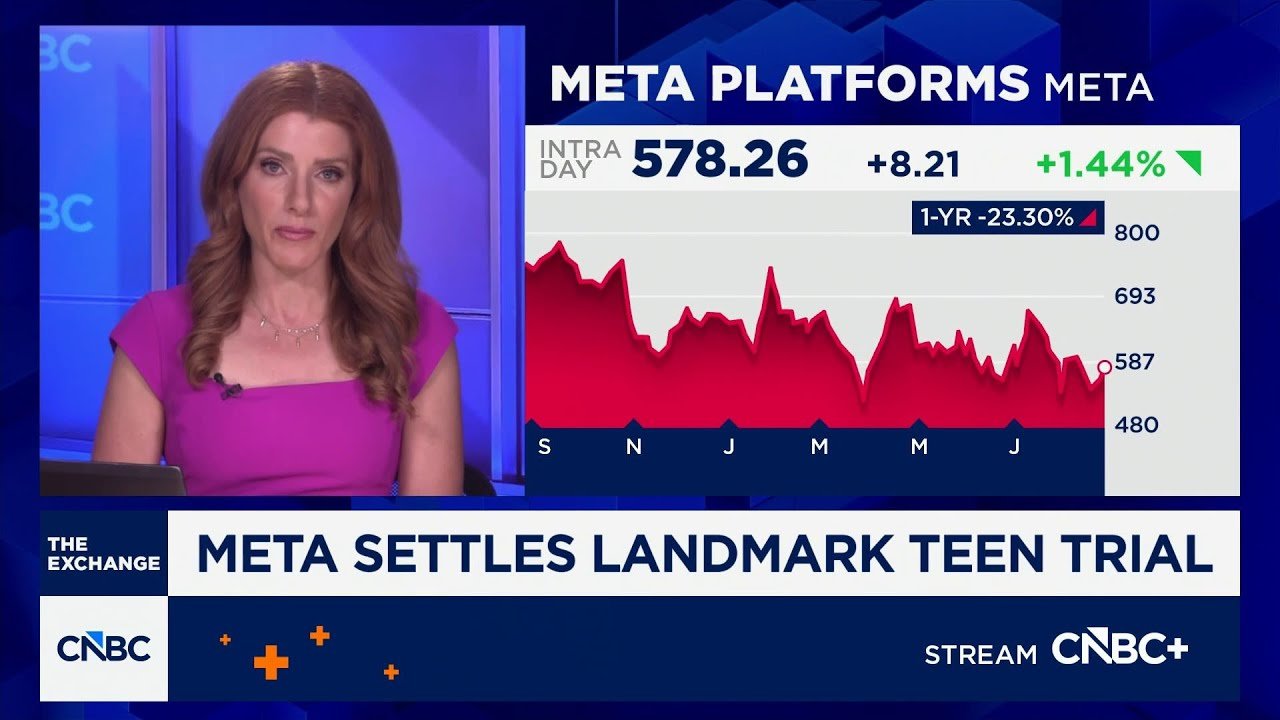





Meta has agreed to a landmark settlement worth up to $18billion and to implement far‑reaching safety changes on Facebook and Instagram after a multi‑state trial accused the company of designing its platforms to addict children and teenagers.
The deal, announced on August 26, 2026, resolves claims brought by dozens of US states and territories and imposes a decade of new guardrails on how teens can use Meta’s apps.
The legal action grew out of a bipartisan coalition of state attorneys general who alleged Meta engineered addictive features—such as infinite scroll, engagement‑driven feeds, and social comparison tools—that contributed to a national youth mental health crisis.
Court filings and statements from attorneys general describe a pattern of internal research and product decisions that prioritized time spent and engagement, even when the company understood potential harms to minors.
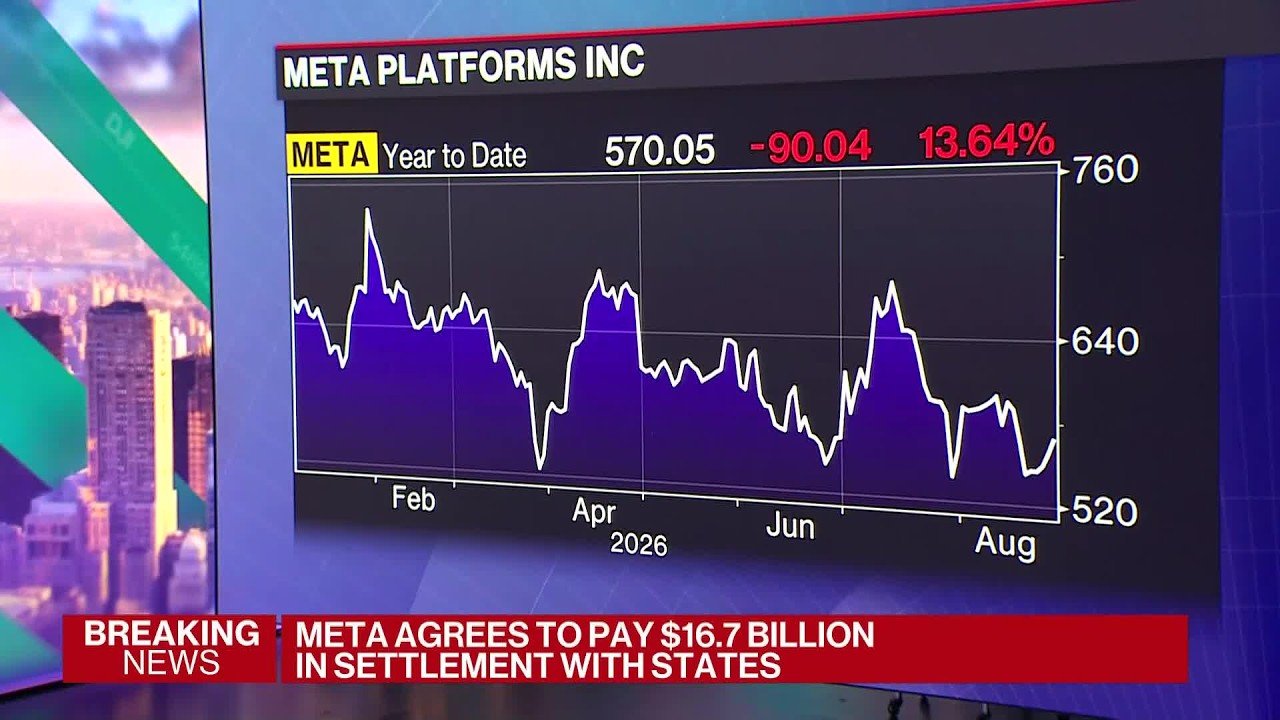
Reports place the total settlement value at roughly $18billion, to be paid over 10 years, with about $17billion tied to a 2023 lawsuit filed by 29 states and additional funds resolving claims from other states and territories.
Some outlets cite a figure near $16.7billion to $16.8billion for the core multi‑state component, reflecting how different states structured their claims and payouts. The money is earmarked to fund youth online safety initiatives and related state programs.
Meta has denied wrongdoing as part of the resolution, framing the payment as a way to end litigation while maintaining that its platforms can be used safely. Relative to Meta’s annual revenue and profit, the settlement represents a significant but manageable financial hit—equivalent to a small fraction of a year’s earnings rather than an existential threat to the business.
Mandatory platform changes for users under 18
The settlement’s most visible impact will be on product design. Over the next decade, Meta must enforce a suite of default protections for teen accounts (ages 13 to 17) on Facebook and Instagram, with many controls adjustable only by a parent or guardian.
Key requirements include:
- Daily time limit: A default, cumulative two‑hour cap per day across Facebook and Instagram for teens, with time counted even if a teen uses multiple accounts. Parents can override the limit, but the default is “on.”
- Night Mode: A default block on most teen activity from midnight to 6 am local time, preventing access to Feed, Stories, Explore, and Reels during those hours. Some reporting notes additional nighttime notification pauses from 10pm to 6am to 7 am as part of the broader safeguards.
- School Mode: Push notifications will be muted during school hours, generally 8 am to 3 pm on school days, with exceptions for direct messages and safety/account alerts.
- Usage prompts: Teens will see on‑screen prompts after 15 minutes of continuous scrolling and again at 60 and 90 minutes of daily use, designed to encourage intentional breaks.
- Social comparison limits: Like and reaction counts on posts will be hidden by default for minors, reducing public metrics that can fuel comparison and pressure.
- Filter and feed controls: Teens will be blocked from using extreme makeup or cosmetic surgery filters, and will be able to choose a non‑algorithmic (non‑personalized) feed and turn off autoplay by default.
- Parental oversight and age assurance: The agreement calls for stronger age‑assurance measures, more user‑friendly parental controls, and alerts when teens link secondary accounts or interact with suspicious profiles. An independent auditor will monitor Meta’s compliance over the life of the deal.
Meta has said direct messaging will not be included in the time, nighttime, or school‑hour restrictions, preserving teens’ ability to communicate even when other features are limited.
What the settlement does—and doesn’t—do
The agreement is binding for Meta but does not automatically impose identical rules on rivals such as TikTok, Snapchat, or YouTube. Some coverage notes that Meta flagged the possibility of adjusting certain restrictions if competitors adopt “identical safety standards,” but the core obligations in the settlement apply to Meta regardless of what other platforms do.
For families, the most immediate changes will be the default time caps, night blocks, and notification silencing during school hours, along with less visible but meaningful shifts like hiding likes and limiting appearance‑altering filters. For policymakers and advocates, the settlement sets a precedent for using state litigation to force product‑level reforms, not just fines or corporate statements.
Context: Meta’s other 2026 legal and regulatory pressures
This settlement arrives amid a string of high‑profile legal and regulatory challenges for Meta in 2026, including separate state actions and federal scrutiny over data practices, content moderation, and competition. While the $18billion figure is large, it is distinct from other penalties and settlements the company has faced or may still face in different jurisdictions.