







A New Mexico judge has ordered Meta Platforms to pay $25billion after a jury found that the company misled consumers about Facebook’s data privacy practices and its handling of harmful content, delivering a major financial penalty in a case rooted in the Cambridge Analytica scandal.
The October 21 ruling by Judge Francis Mathew followed a September jury verdict finding more than 43 million violations of the state’s consumer protection laws. Meta disputes the decision and says it intends to appeal.
Facebook’s wrongdoing — over the course of years and systematically broadcast to the public — goes to the heart of Facebook’s core business practices.
Judge Mathew wrote in his order.
What the jury found
The case concerned what Facebook told the public about who could access users’ information, how it enforced policies on hate speech and misinformation, and whether its public assurances reflected its internal practices.
On September 25, jurors found that 26 of 29 statements made by the company and its leadership were misleading. The violations were counted according to the number of Facebook users or New Mexico residents who formed the audience for each misleading statement—not as 43 million separate statements or individual data breaches.
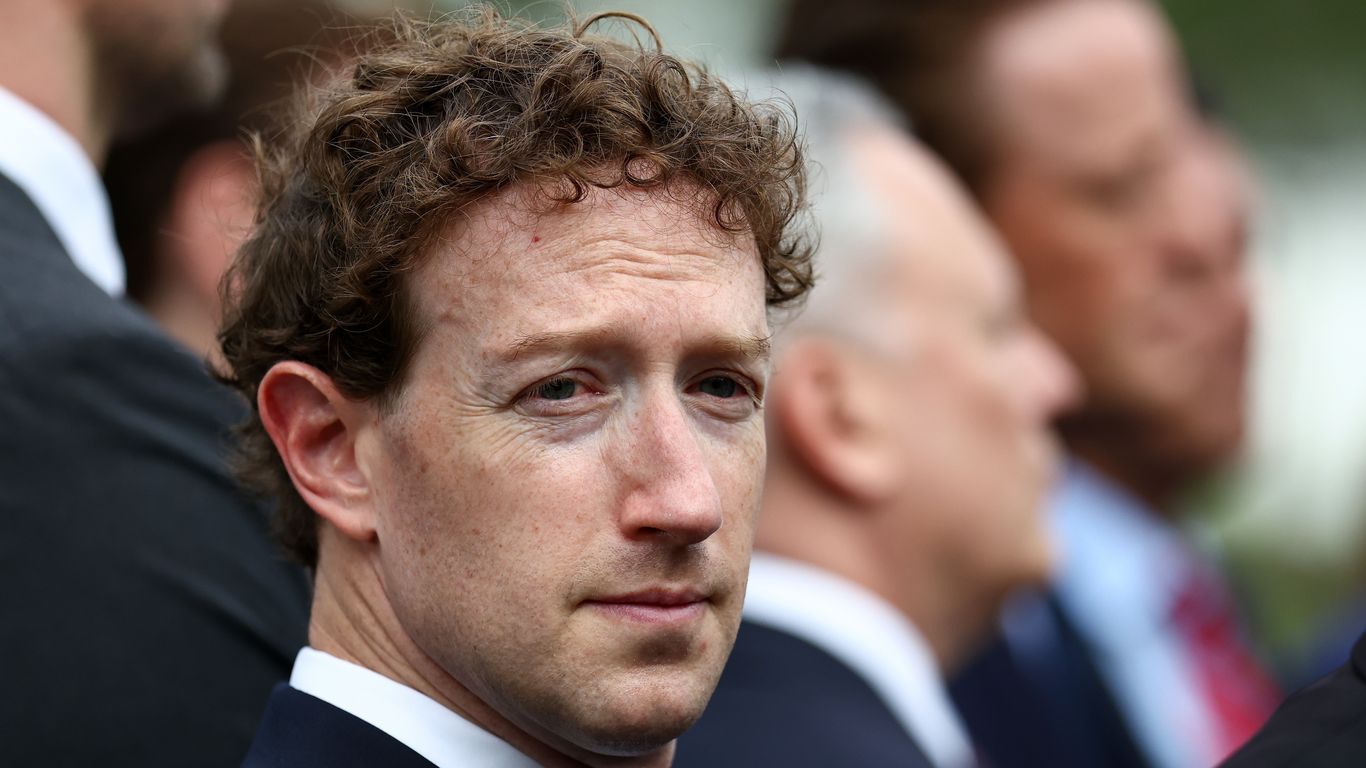
Mathew described the company’s conduct as “willful” and said the misrepresentations extended from 2010 to 2021. His order also said communications involving senior executives, including Mark Zuckerberg, were designed to mislead the public, according to the BBC.
New Mexico argued that Meta knew third parties had broad access to personal information and tolerated hate speech or other harmful content when doing so benefited its business. Meta rejected the allegations, arguing in court filings that it does not sell user data and that the state had not proved any consumer was actually misled.
How Cambridge Analytica led to the lawsuit
New Mexico filed the lawsuit in 2021, following revelations that political consulting firm Cambridge Analytica had obtained personal information from as many as 87 million Facebook users through a third-party application.
The now-defunct firm, which worked for Donald Trump’s successful 2016 presidential campaign, obtained the information from a researcher who had been permitted to deploy an app on Facebook. The data was acquired without users’ consent for voter profiling and targeting.
The lawsuit reached beyond that episode. It challenged years of public statements about Facebook’s privacy protections and content policies, making the central issue whether the company accurately described how its platform operated—not simply whether a single outside firm had misused information.
Why the penalty reached $25billion
New Mexico law allows civil penalties of up to $5,000 per violation. Applied to the jury’s findings, Mathew determined that a penalty exceeding $219billion was warranted under state law, but reduced the award to $25 billion.
The final amount was also below the $35billion to $40billion requested by the state’s lawyers at an October 1 hearing. Meta had urged the judge to cap the penalty at $3.45billion, arguing that a larger award risked violating constitutional protections involving due process and excessive fines.
The award is five times the $5billion penalty imposed on Facebook by the Federal Trade Commission in 2019 over privacy practices connected to the Cambridge Analytica scandal. Reuters described the New Mexico penalty as the largest imposed on Meta in the scandal’s aftermath.
Attorney General Raúl Torrez said state law directs the penalty money to New Mexico’s school system. That makes the award a civil enforcement penalty intended for public education, rather than a compensation fund distributed directly to affected Facebook users.
Meta challenges the ruling
Meta’s chief legal officer, C.J. Mahoney, said the company was confident it would prevail on appeal and argued that the ruling made it “all but impossible to do business in the state of New Mexico.”
At its core, this lawsuit seeks to impose a tax on speech to enforce new rules for what people can say online.
Mahoney said.
“At its core, this lawsuit seeks to impose a tax on speech to enforce new rules for what people can say online,” Mahoney said.
The company’s constitutional objections are likely to be central to the next stage of the dispute. Legal experts and financial analysts told Reuters that the penalty could face a lengthy appeals process. The $25billion is therefore a court-ordered award, not money the state has already collected.
A separate case over children’s safety
The privacy judgment is distinct from another New Mexico lawsuit against Meta concerning young users’ safety on Facebook, Instagram and WhatsApp. In that case, a Santa Fe jury ordered $375million in civil penalties in March. A subsequent ruling required another $567million for a teen mental health fund and measures to protect young Facebook and Instagram users in the state.
The October ruling adds a much larger financial judgment to that confrontation, while leaving its ultimate size subject to further litigation. For New Mexico, the case centres on holding a company accountable for the promises it makes to consumers; for Meta, the appeal will test whether the state’s enforcement and the scale of the penalty can withstand constitutional scrutiny.


