





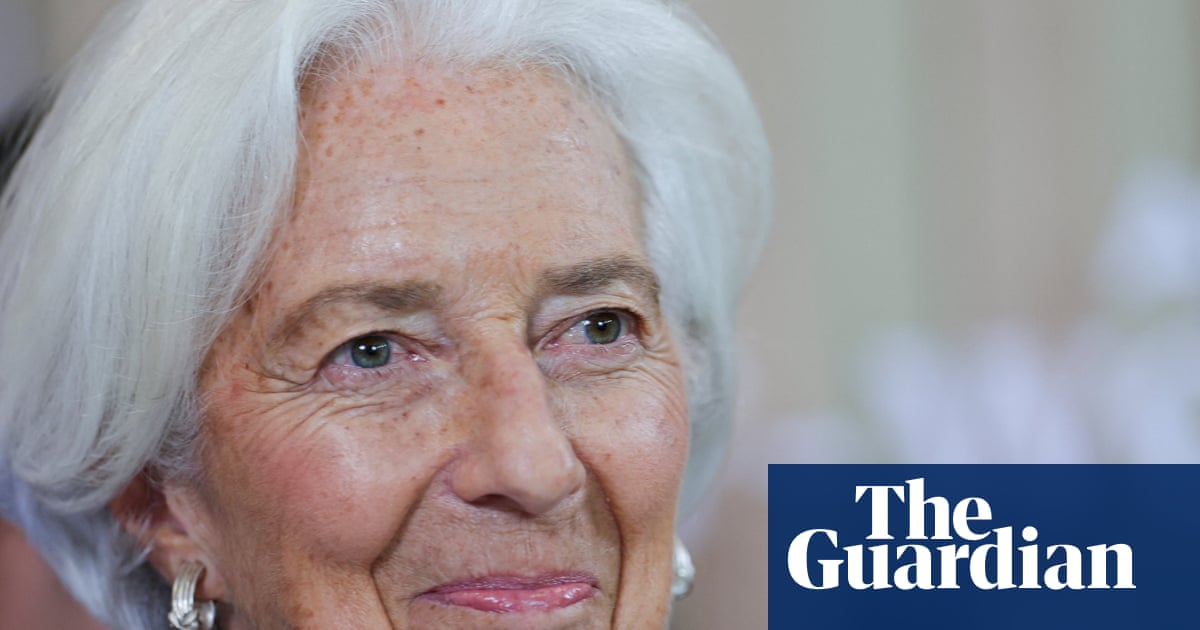



Her February 2027 departure opens a succession race before France’s presidential election, with two other senior ECB positions also coming vacant.
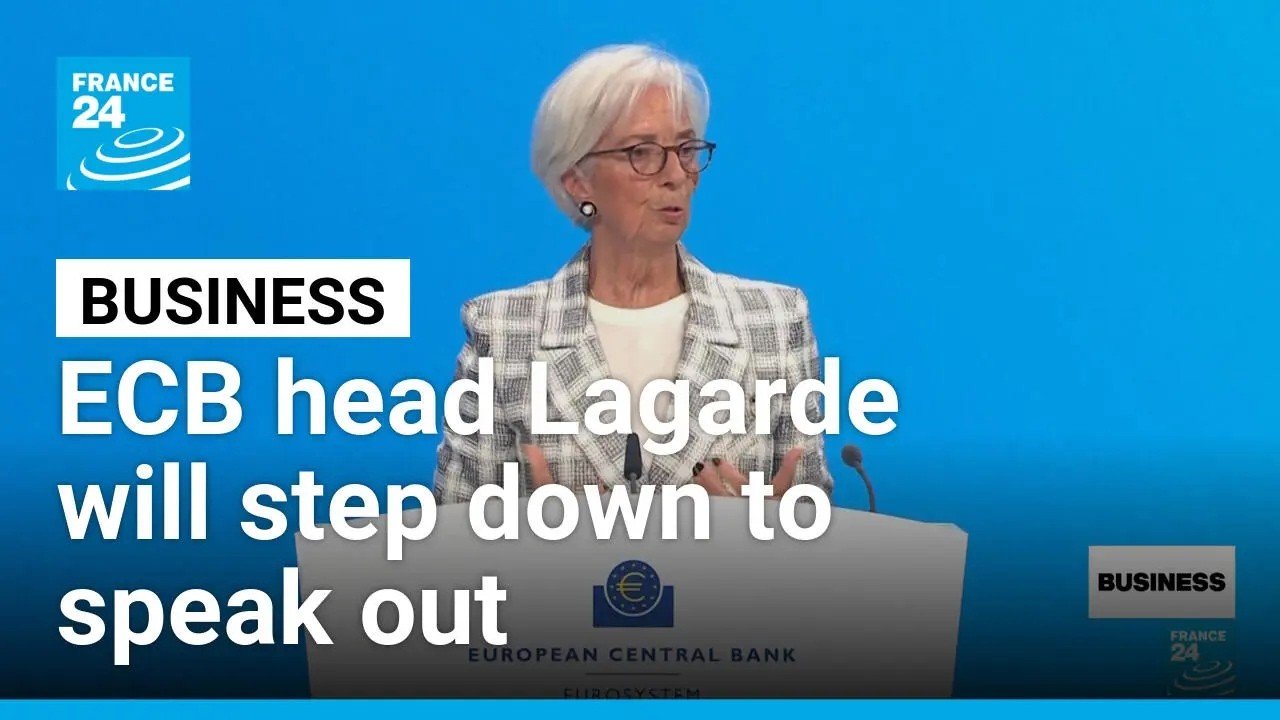
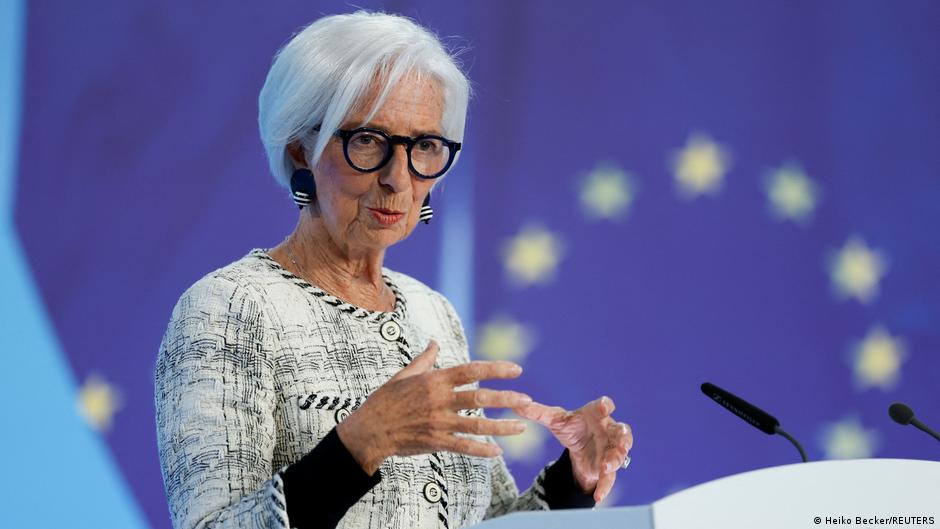
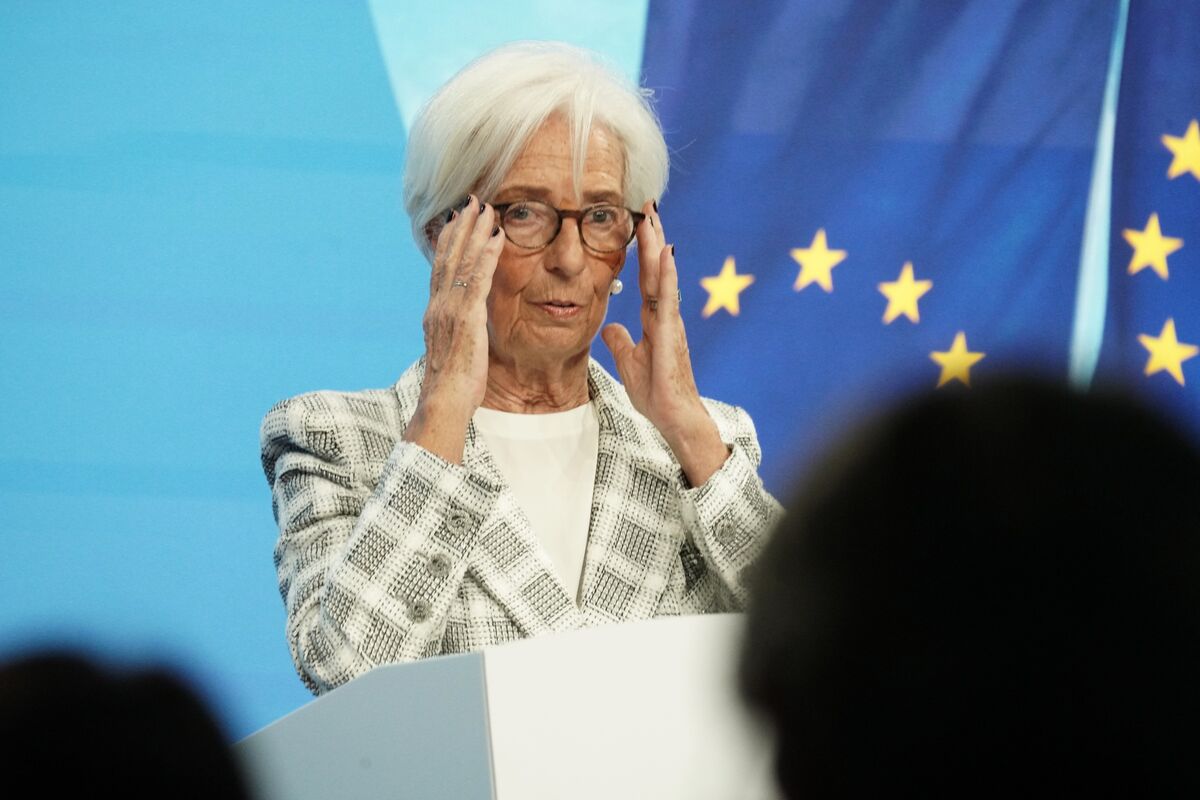
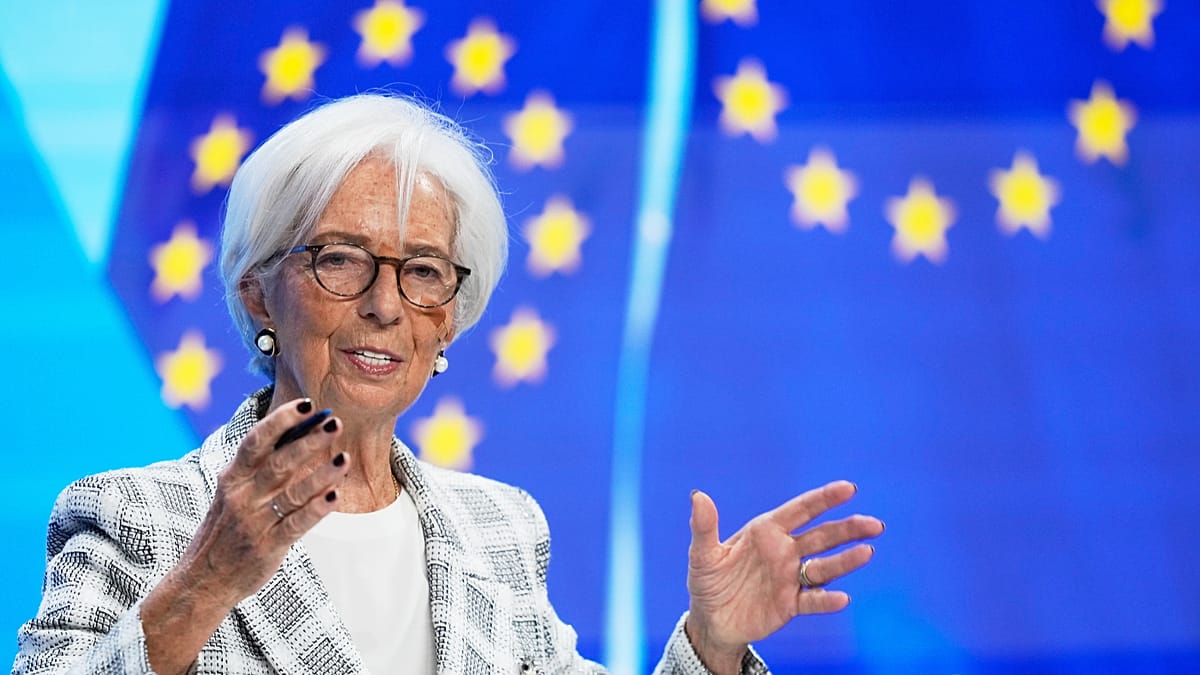
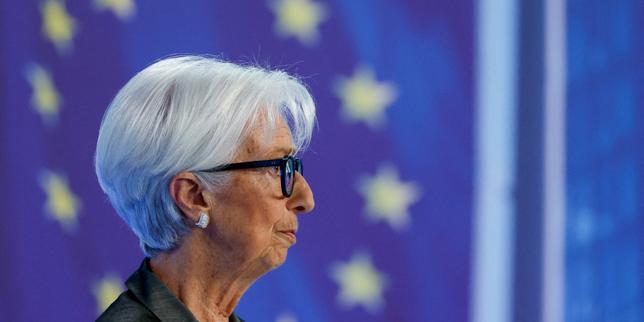
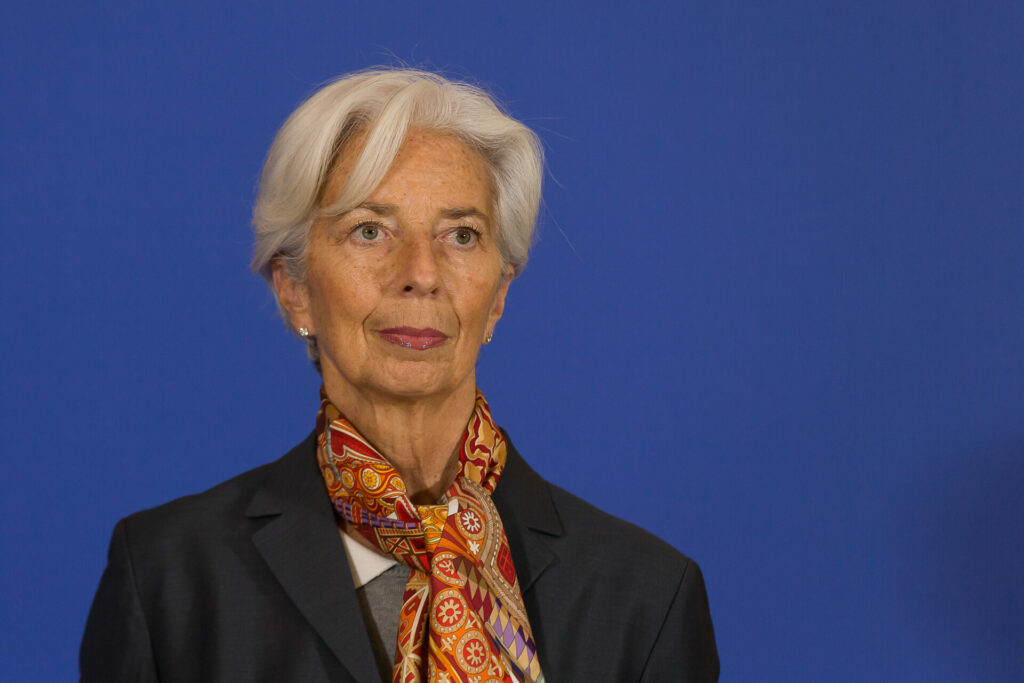
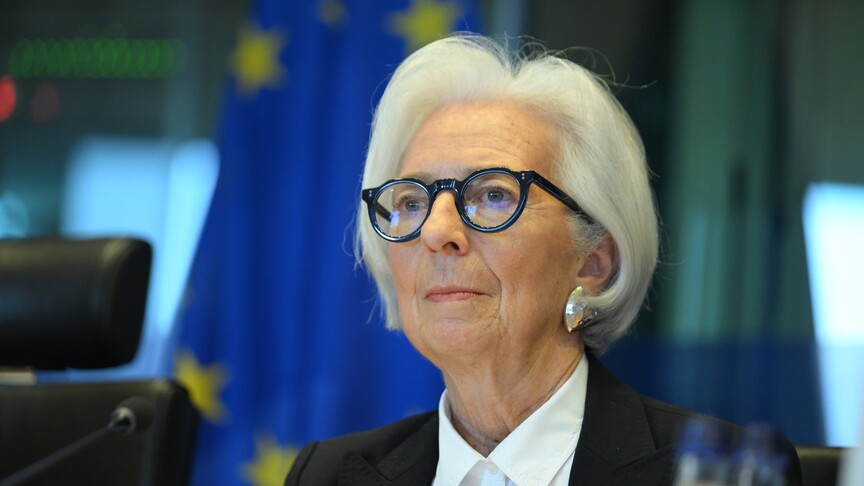
Christine Lagarde will step down as president of the European Central Bank on February 7, 2027, leaving nearly nine months before the end of her term and setting in motion a leadership transition ahead of France’s presidential election. The ECB confirmed her departure on October 29 after she informed its Governing Council and European Council President António Costa.
Lagarde, 70, said she wanted greater freedom to address issues outside monetary policy, explaining that the political neutrality required of her position had become a constraint she no longer felt comfortable accepting. Her eight-year term had been due to end on October 31, 2027.
I want to have the freedom of speech, the freedom of expression and the freedom to engage on matters that are not monetary policy matters.
Lagarde said during a news conference in Frankfurt.
Her announcement shifts attention toward the choice of a successor at an institution whose interest-rate decisions shape borrowing costs for households, businesses and governments across the 21 countries using the euro. It also creates an opportunity for European leaders to settle the appointment while French President Emmanuel Macron remains in office.
Why Lagarde says she is leaving
Lagarde linked her decision to a desire to speak more openly about broader international issues, rather than identifying a disagreement over the ECB’s monetary policy.
“We have an obligation of neutrality, we comment on the situation with the focus on monetary policy,” she said, describing that constraint as “the price we pay for being independent.”
She also expressed concern about the public treatment of facts.
“I’m interested in the truth, and I see the truth being very often damaged, contradicted by misrepresentation,” she said, without specifying the people or events she had in mind.
Drawing on more than two decades in international economic and financial roles, Lagarde said she believed she had something to contribute beyond central banking. She did not announce a new position or set out a political programme.
There are things that I can say — whether people will listen or not is another story.
Lagarde said.
But I feel that I should say those things and I cannot do so in my current position.
Why the French election matters
The departure comes before France’s presidential election in spring 2027, giving Macron an opportunity to participate in choosing the next ECB president before his successor takes office. The appointment is a collective European decision, not one made by France alone.
Analysts have interpreted the timing as a way to reduce the possibility that a future eurosceptic French administration could influence the selection. Holger Schmieding, chief economist at Berenberg, told the Associated Press that the transition would allow the appointment to take place while the pro-European Macron was still in the Élysée Palace.
That political interpretation is distinct from Lagarde’s stated reason for leaving: she publicly emphasised her wish to speak beyond the boundaries of the ECB’s mandate. She did not present blocking a particular French candidate as the purpose of her resignation.
Nor has she announced a presidential bid. Le Monde reported that she ruled out standing in the French election at the end of September, although her departure would leave her free to participate more openly in public debate.
Who could succeed her?
Costa said the selection process would begin immediately and proceed “without delay.” The ECB confirmed that the European Council would appoint Lagarde’s successor through the nomination process set out in Article 283 of the Treaty on the Functioning of the European Union.
Two names have emerged prominently in early reporting:
- Klaas Knot, the former head of the Dutch central bank.
- Pablo Hernández de Cos, the former governor of Spain’s central bank and current general manager of the Bank for International Settlements, an international organisation of central banks.
Schmieding identified both as leading possibilities, but neither has been announced as the chosen successor. Their names remain part of the succession discussion rather than a confirmed appointment.
The negotiations extend beyond the presidency. Chief economist Philip Lane’s term is due to end in 2027, while Executive Board member Isabel Schnabel is also leaving for the International Monetary Fund. Those vacancies could encourage European leaders to negotiate a package of appointments, balancing candidates and national representation across several senior posts.
Schmieding said leaders would probably seek agreement on all three positions before their December 17–18 summit. That is an analyst’s expectation, not an officially announced appointment deadline.
A transition amid renewed inflation pressure
Lagarde announced her departure on the same day the ECB held its key deposit rate at 2.5%, despite eurozone inflation reaching 3.8% in September — above the bank’s 2% target.
Explaining the decision to hold, she said inflation excluding energy remained broadly stable and that knock-on pressures, including demands for higher wages, were no greater than the ECB had already anticipated. The bank maintained that future decisions would depend on incoming data and be taken meeting by meeting.
The succession therefore comes as policymakers weigh persistent price pressures against the risk that higher borrowing costs could weaken economic activity. Nevertheless, Schmieding said Lagarde’s early departure did not, by itself, change his outlook for ECB policy.
Lagarde also sought to reassure markets that the transition would not interrupt decision-making.
The institution is solid, strong, like a rock, and it will continue being so.
Christine Lagarde
A tenure shaped by successive crises
Lagarde took over from Mario Draghi in November 2019 after leading the International Monetary Fund, becoming the first woman to head the ECB. Her presidency subsequently encompassed the COVID-19 pandemic, Russia’s invasion of Ukraine and successive energy shocks.
During the pandemic, the ECB used emergency bond purchases to support financing conditions and prevent a collapse in the flow of credit. Later, Lagarde oversaw the bank’s shift away from negative interest rates as policymakers confronted a sharp rise in inflation.
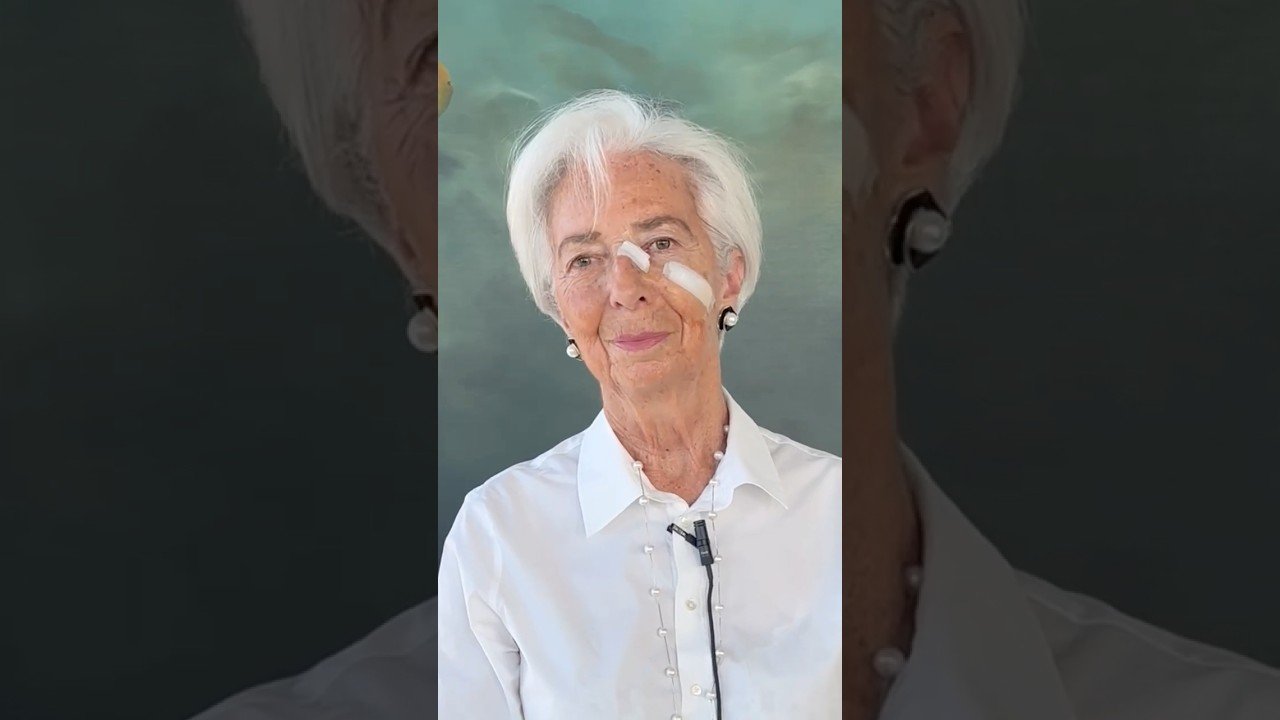
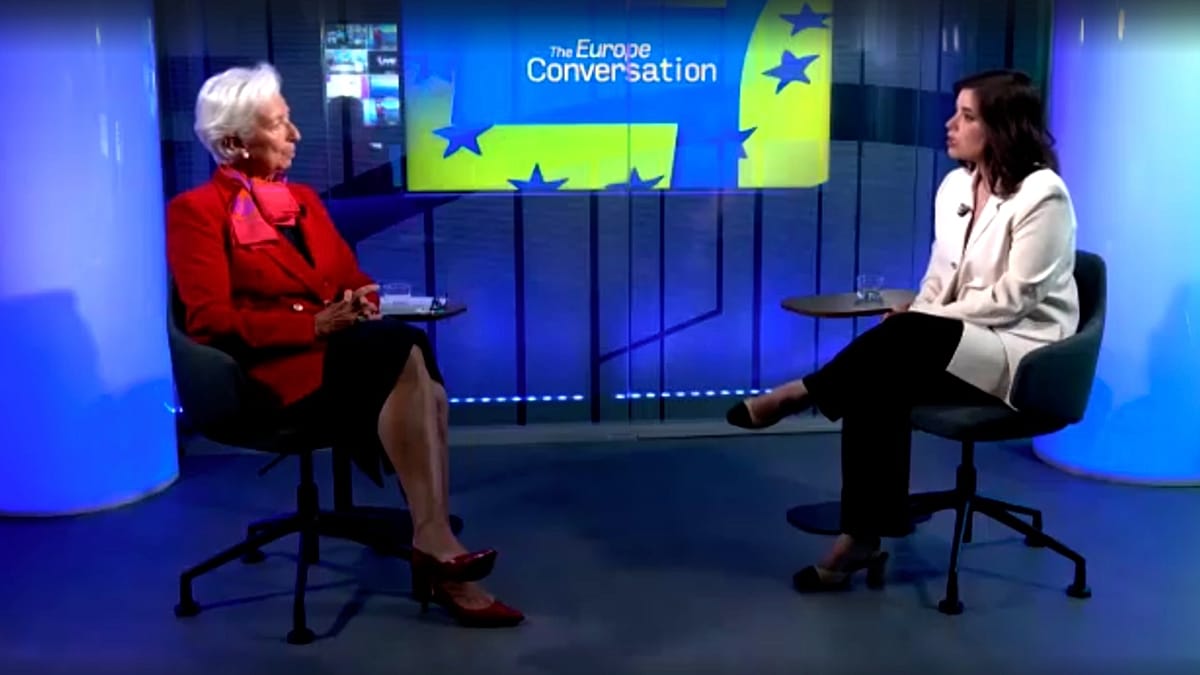
Reflecting on her departure in a video message, she described leading the institution as “a great pride and a huge privilege.”
I think that I leave this institution with a sense of good work done and an ECB that is fit for the future.
Christine Lagarde