
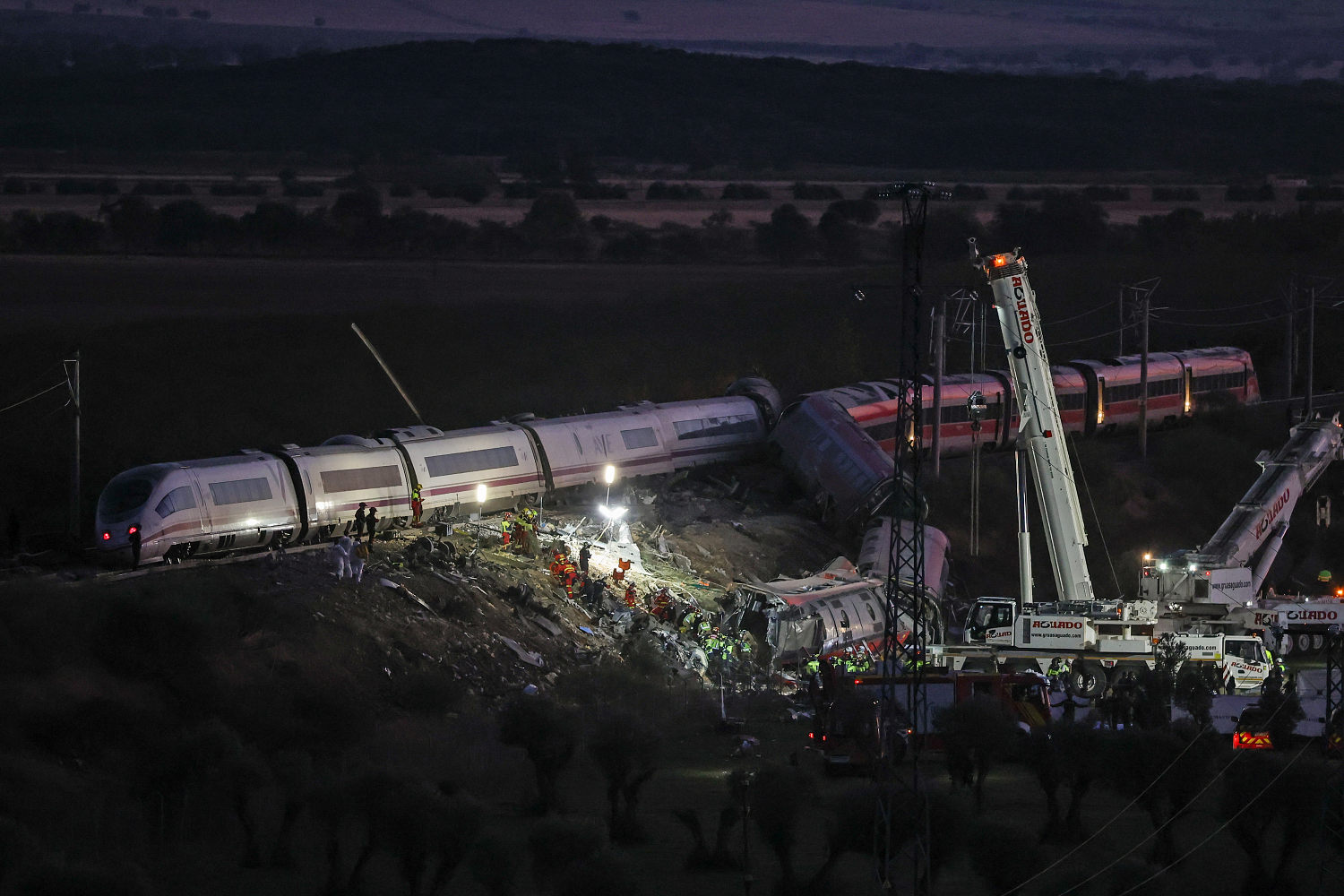

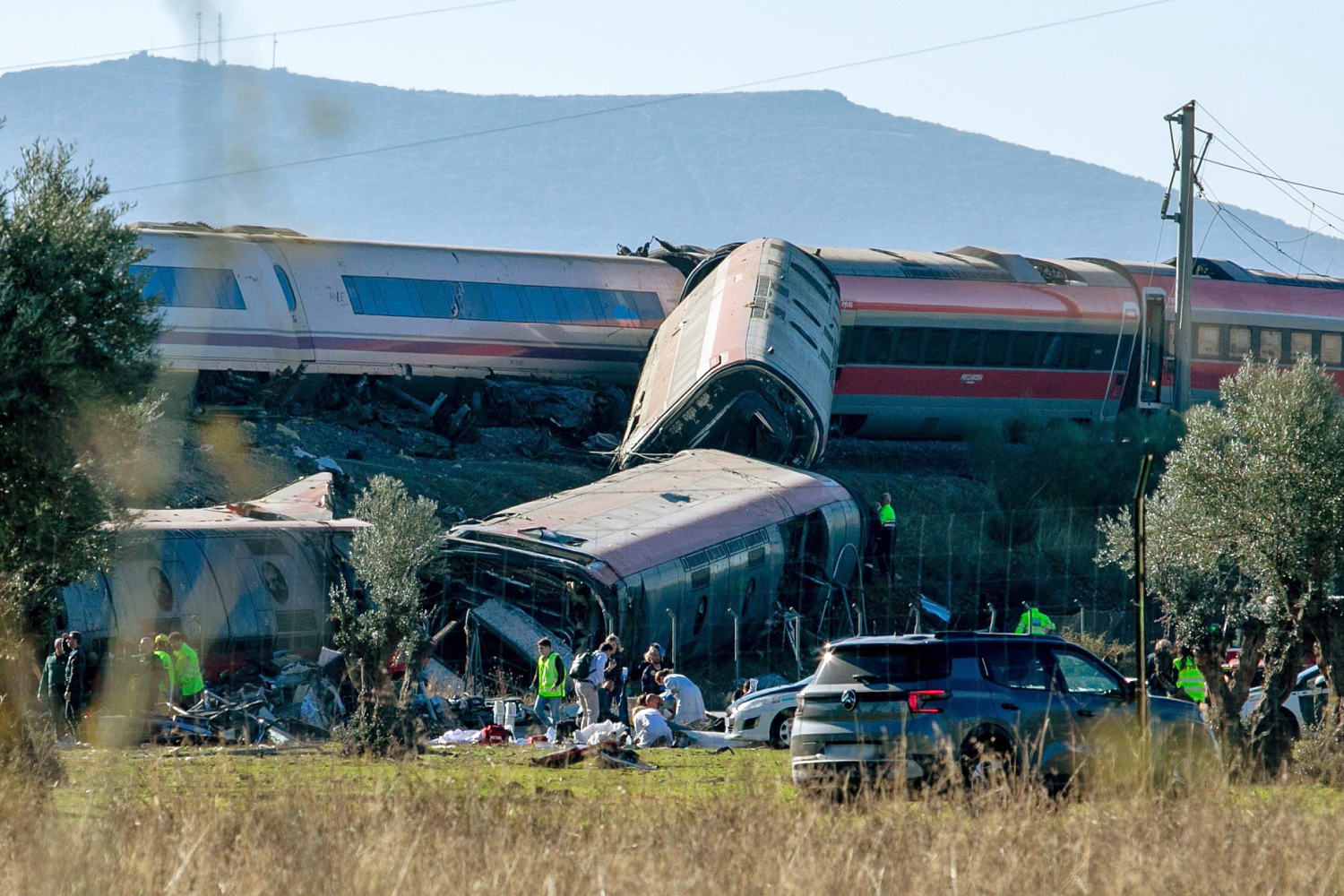

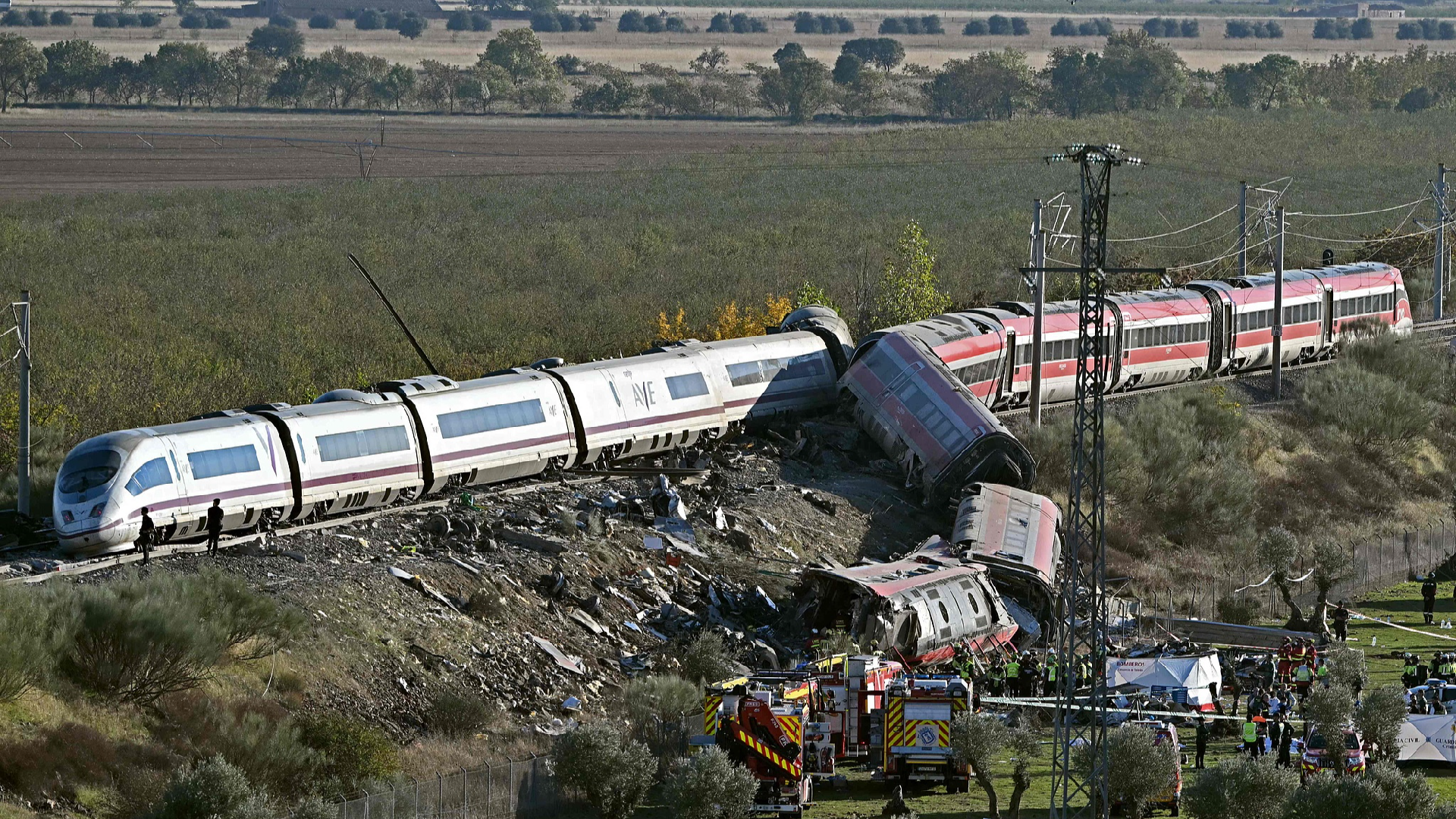










The collision near Urda has intensified scrutiny of railway safety after Spain’s second major high-speed rail disaster this year.
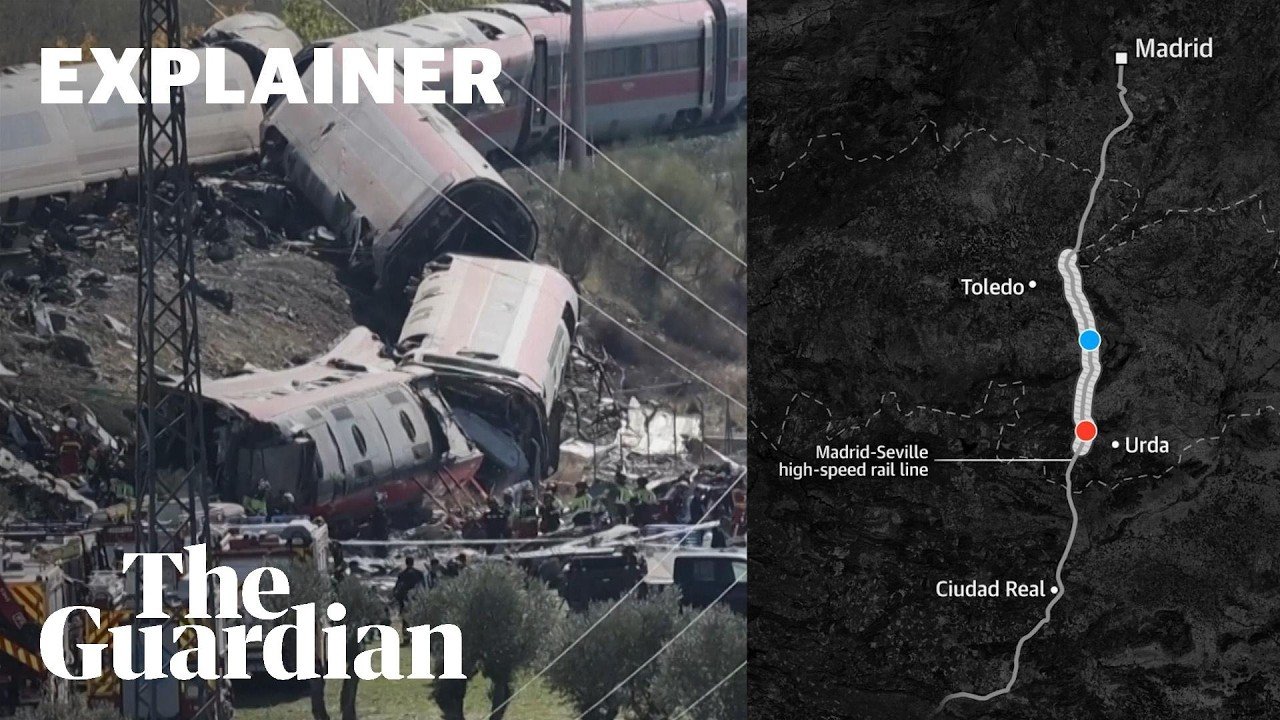
At least 69 people were killed when a Renfe high-speed train struck the rear of a stationary Iryo service near Urda in central Spain on October 28, prompting an investigation into why the train was allowed to resume its journey after a computer failure halted traffic on the route.
The collision on the Madrid–Seville high-speed line left dozens injured and renewed political pressure on Transport Minister Óscar Puente, who has rejected calls to resign. It was Spain’s deadliest rail crash since 2013 and its second major high-speed collision this year, following a January disaster near Adamuz that killed 46 people.
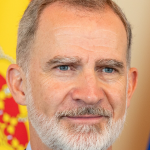
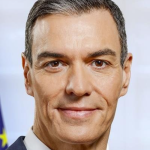
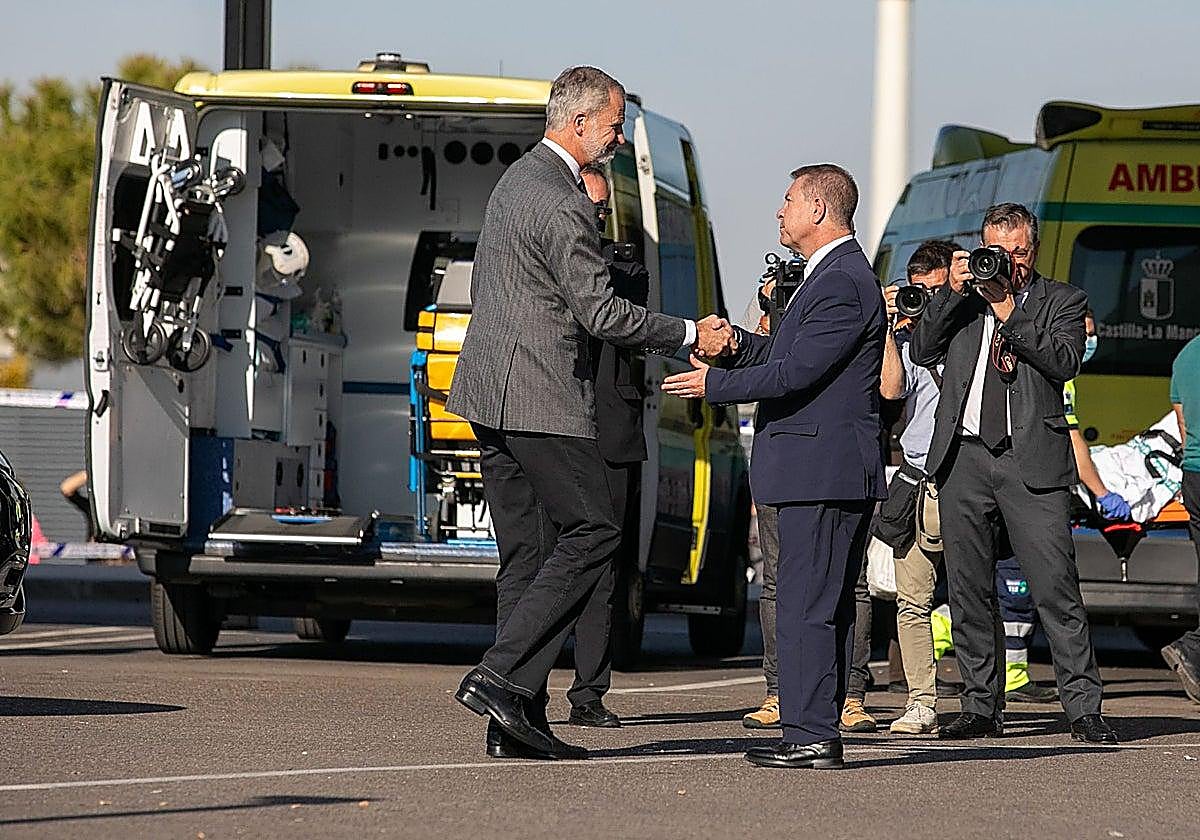
Spain observed three days of national mourning from October 29 to 31 for those killed in the crash. Prime Minister Pedro Sánchez visited the scene and pledged support for victims and their families, while King Felipe VI expressed his condolences.
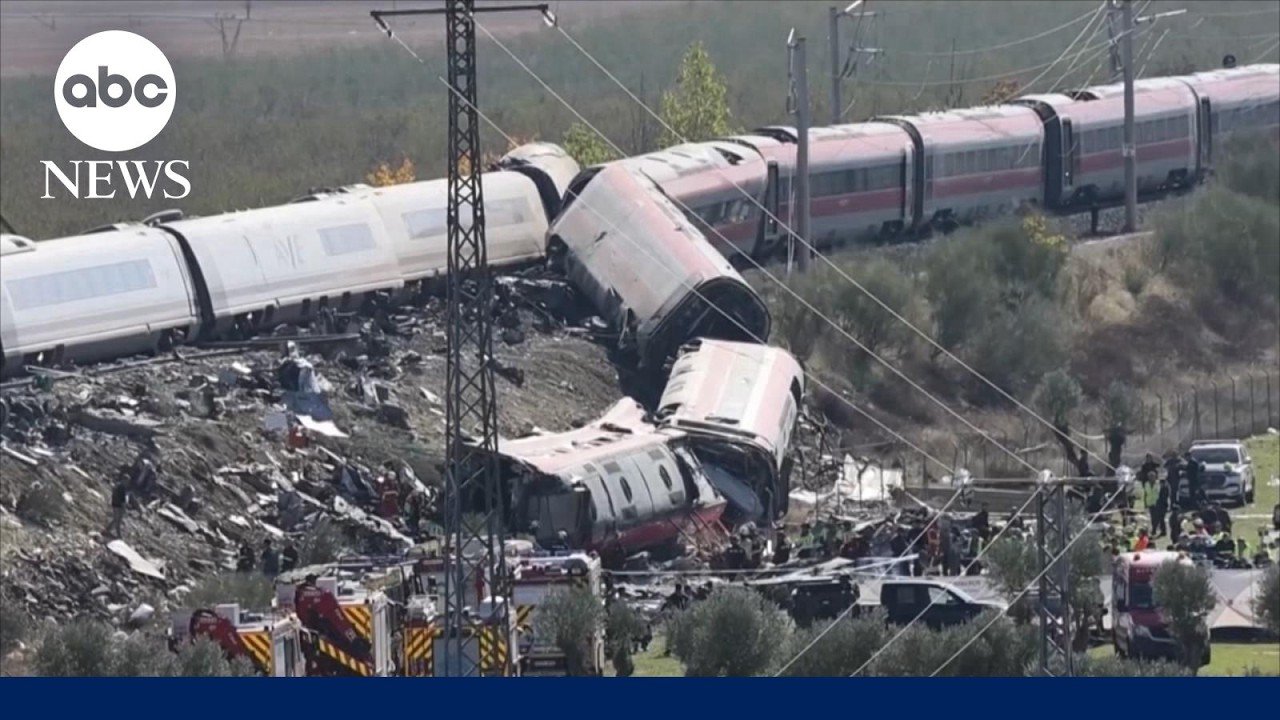
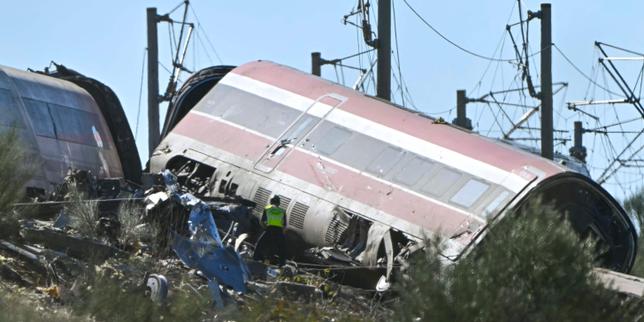
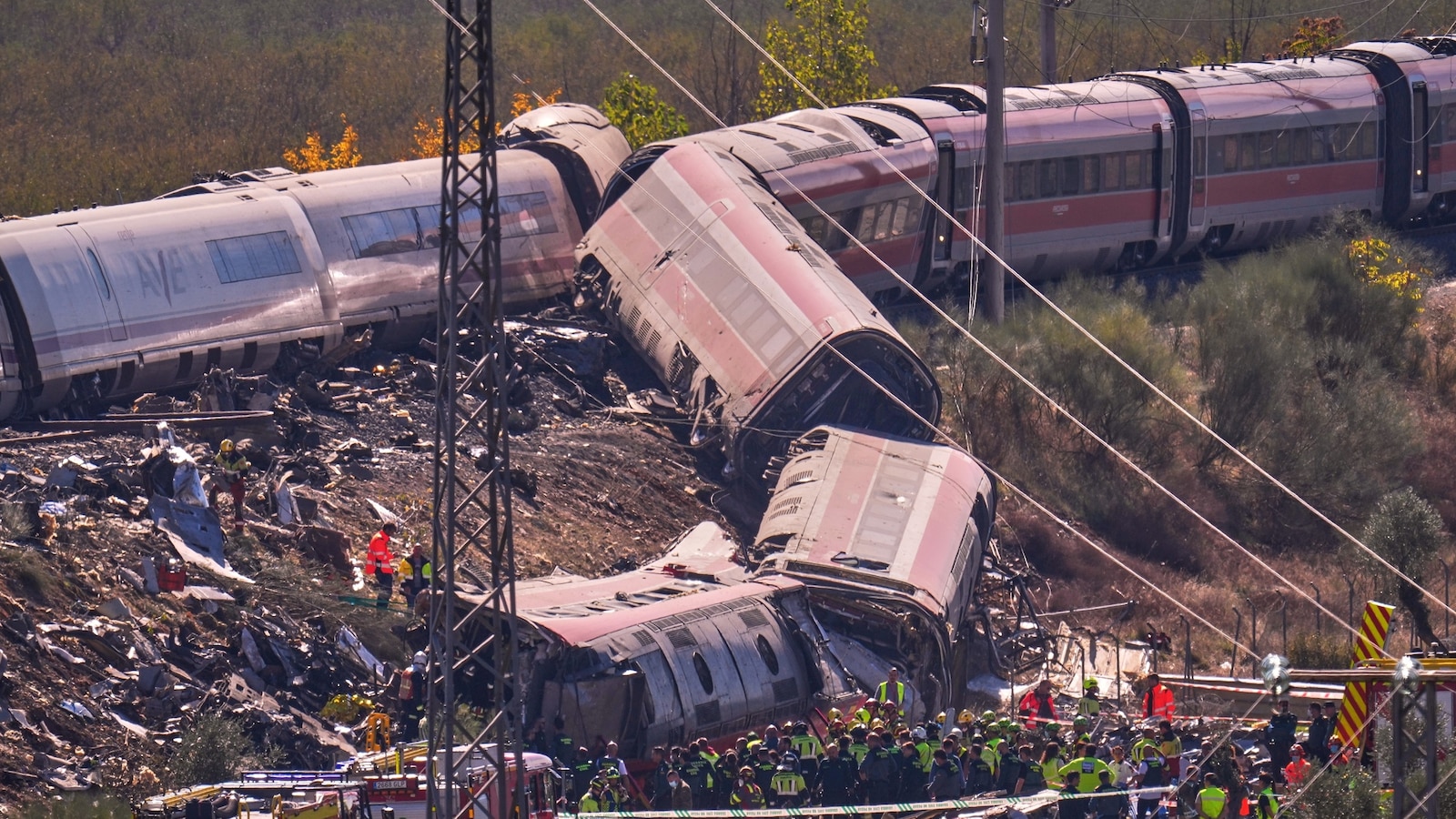
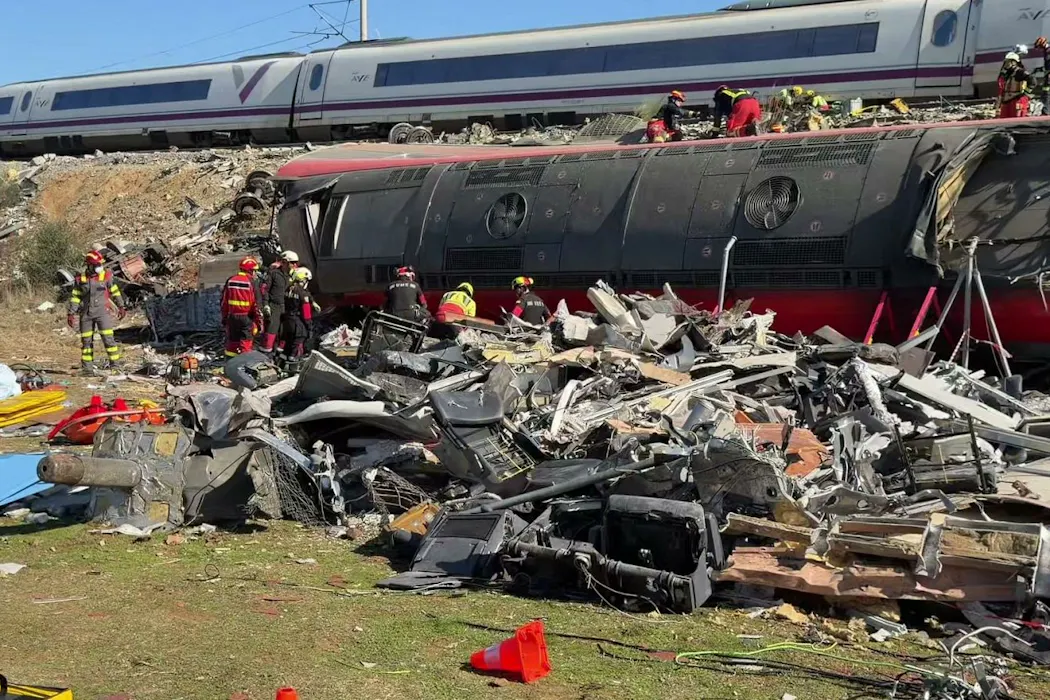
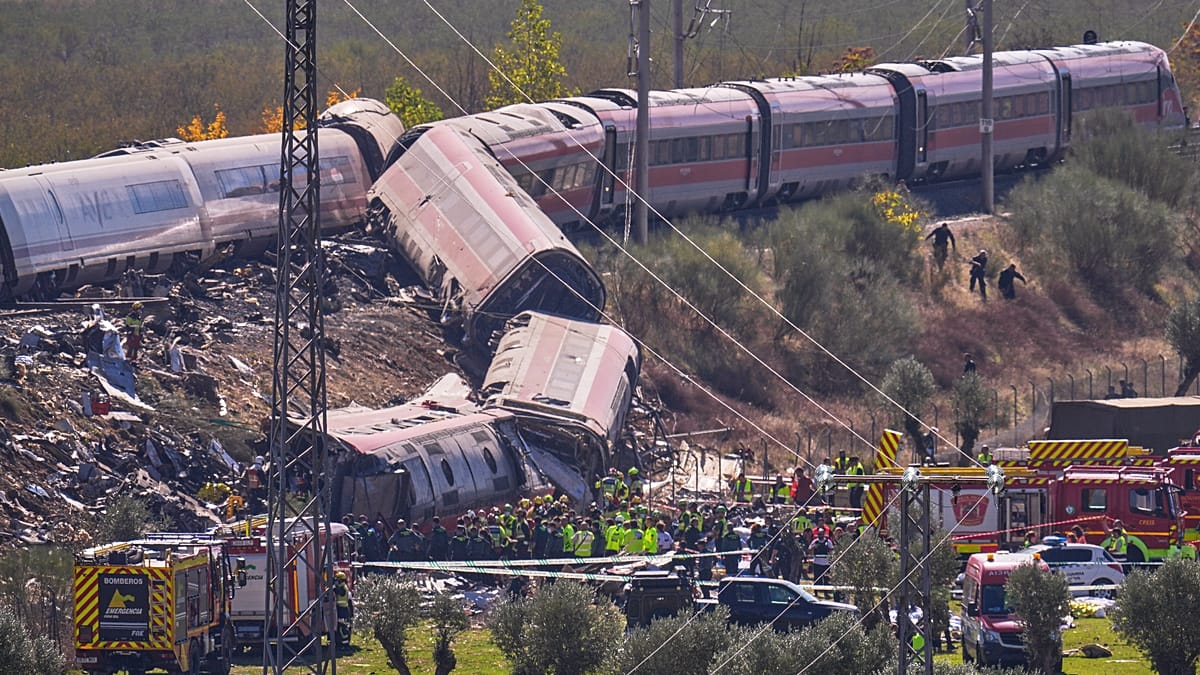
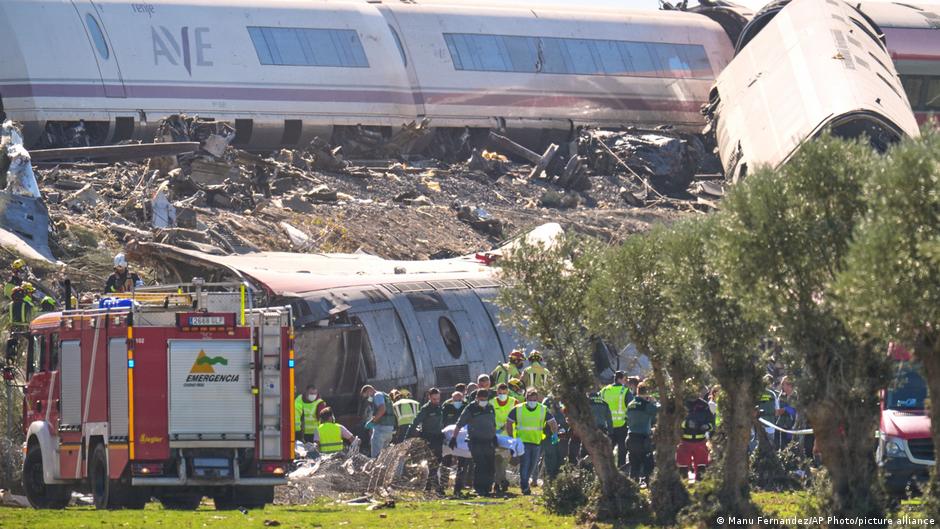
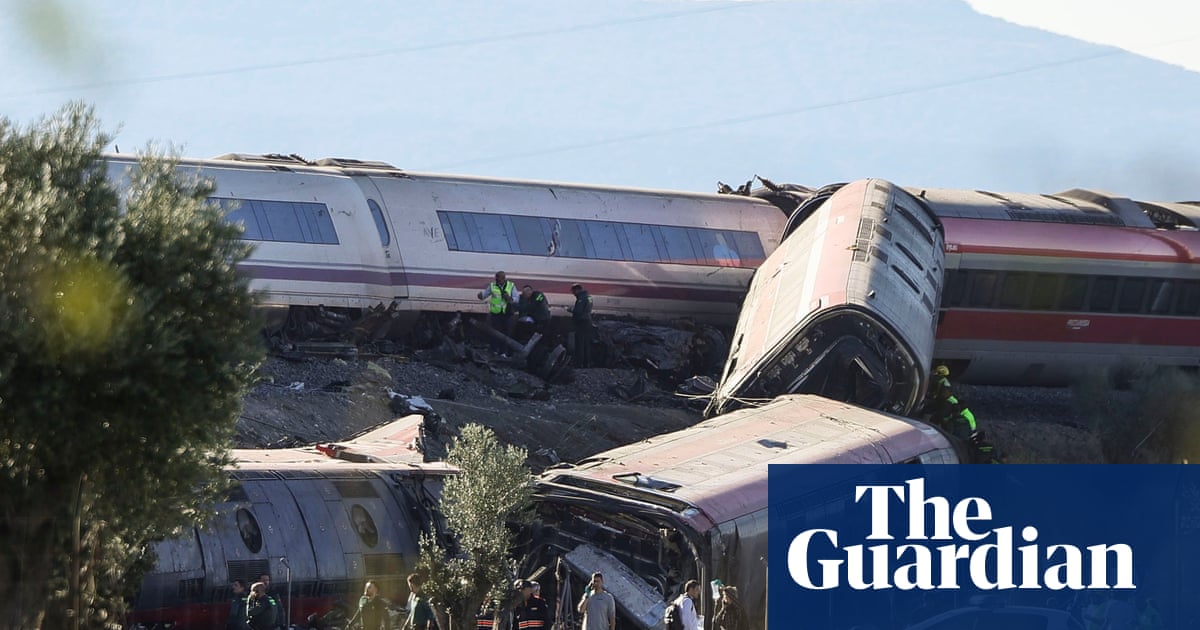
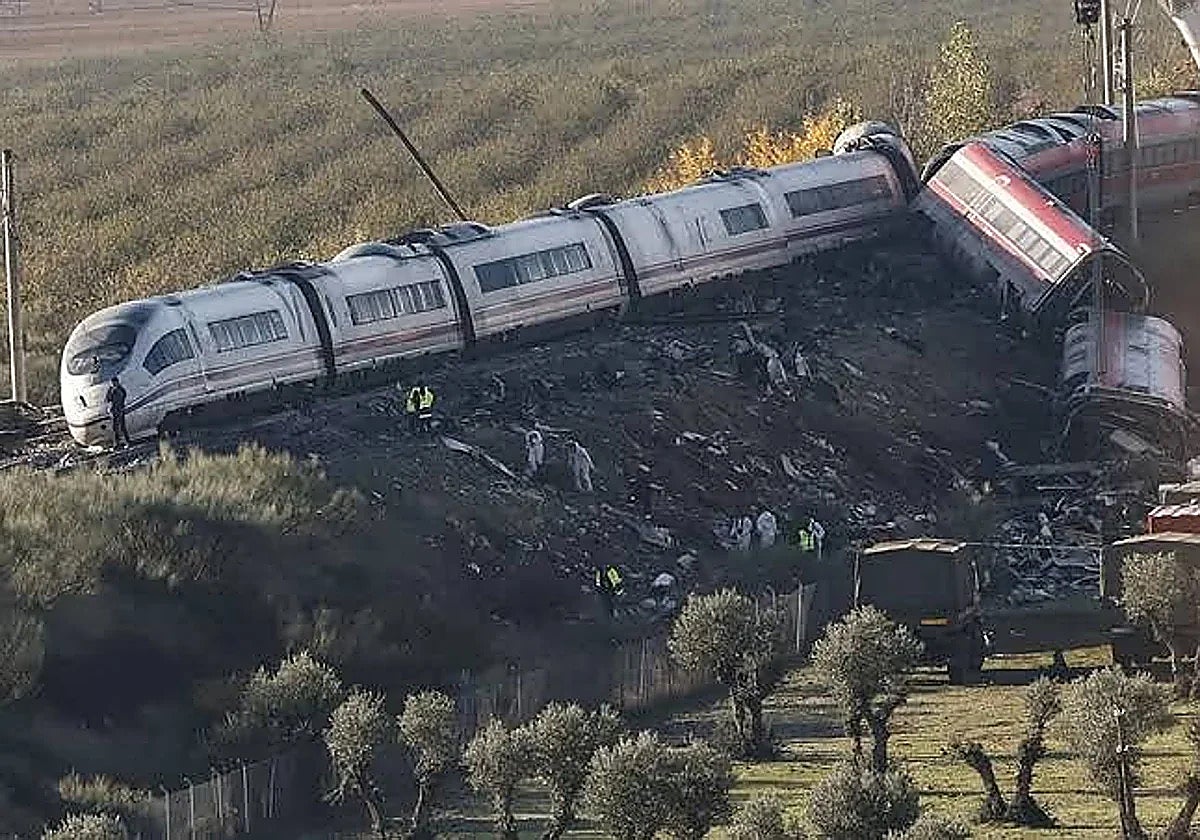
A preliminary report released on October 29 found that the Renfe train was travelling at between 160 and 200 kilometres per hour when it hit the Iryo train, according to the BBC. Its front carriage became embedded in the rear of the stationary service. Authorities said two coaches derailed and fell down an embankment.
Both trains were travelling from Madrid to Seville. The collision occurred near kilometre marker 118 in Toledo province, south of the capital, according to information Spain’s Transport Ministry provided to ABC News.
Computer failure and clearance order under scrutiny
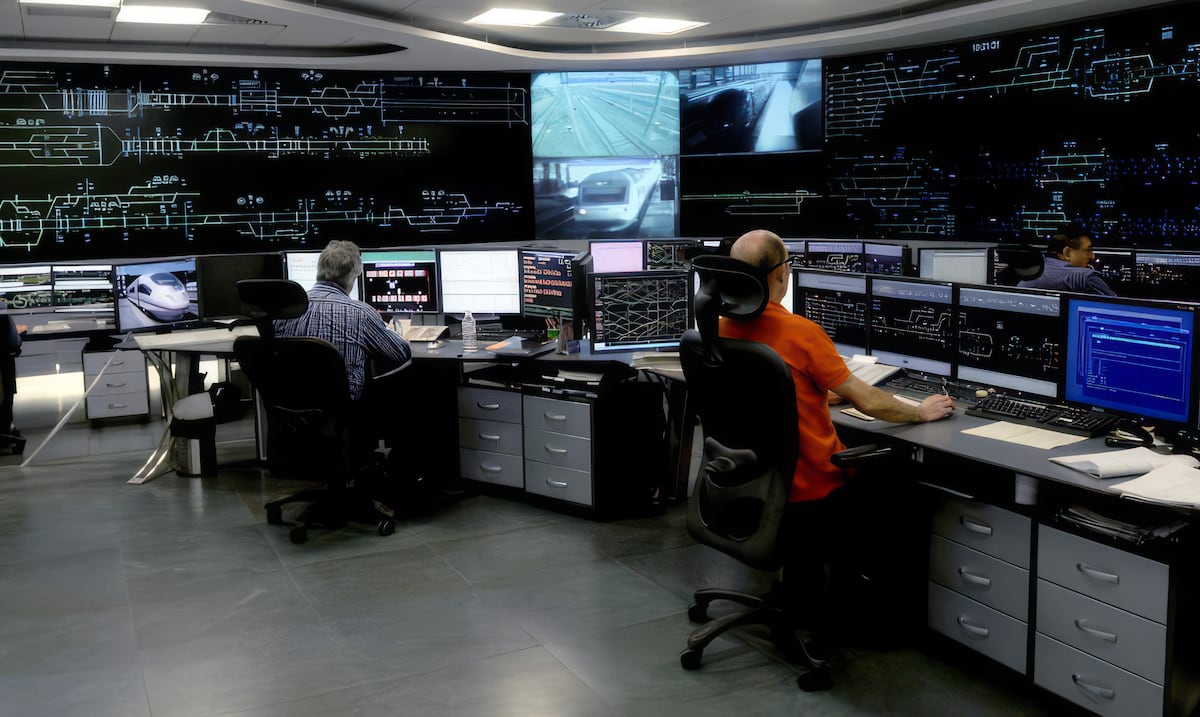
The investigation is examining a sequence that began with a computer failure at about 8:30 a.m., bringing six trains to a halt, including the two later involved in the collision. Puente said the control centre subsequently authorised trains to move again without speed restrictions.
TIME reported that a communications failure involving three railway computers took the LZB train-control system offline across a 63-kilometre stretch. The system monitors train speeds and transmits instructions to drivers; the disruption required the control centre to take over management of rail traffic.
According to the timeline Puente presented, the Renfe service received permission to continue at about 8:36 a.m. The stationary Iryo train was approximately 25 kilometres ahead. TIME placed the collision at about 8:53 a.m., although published accounts differ on the precise time.
Leaked recordings reported by Spanish media appear to capture exchanges between the Madrid control centre and train drivers before the crash. The BBC reported that the recordings indicate one train was cleared to proceed while another remained stopped ahead of it.
Puente described the decision to restart traffic without speed restrictions as “inexplicable.” That assessment remains a ministerial statement about the preliminary evidence, rather than a final investigative determination of responsibility.
Survivors describe a sudden impact
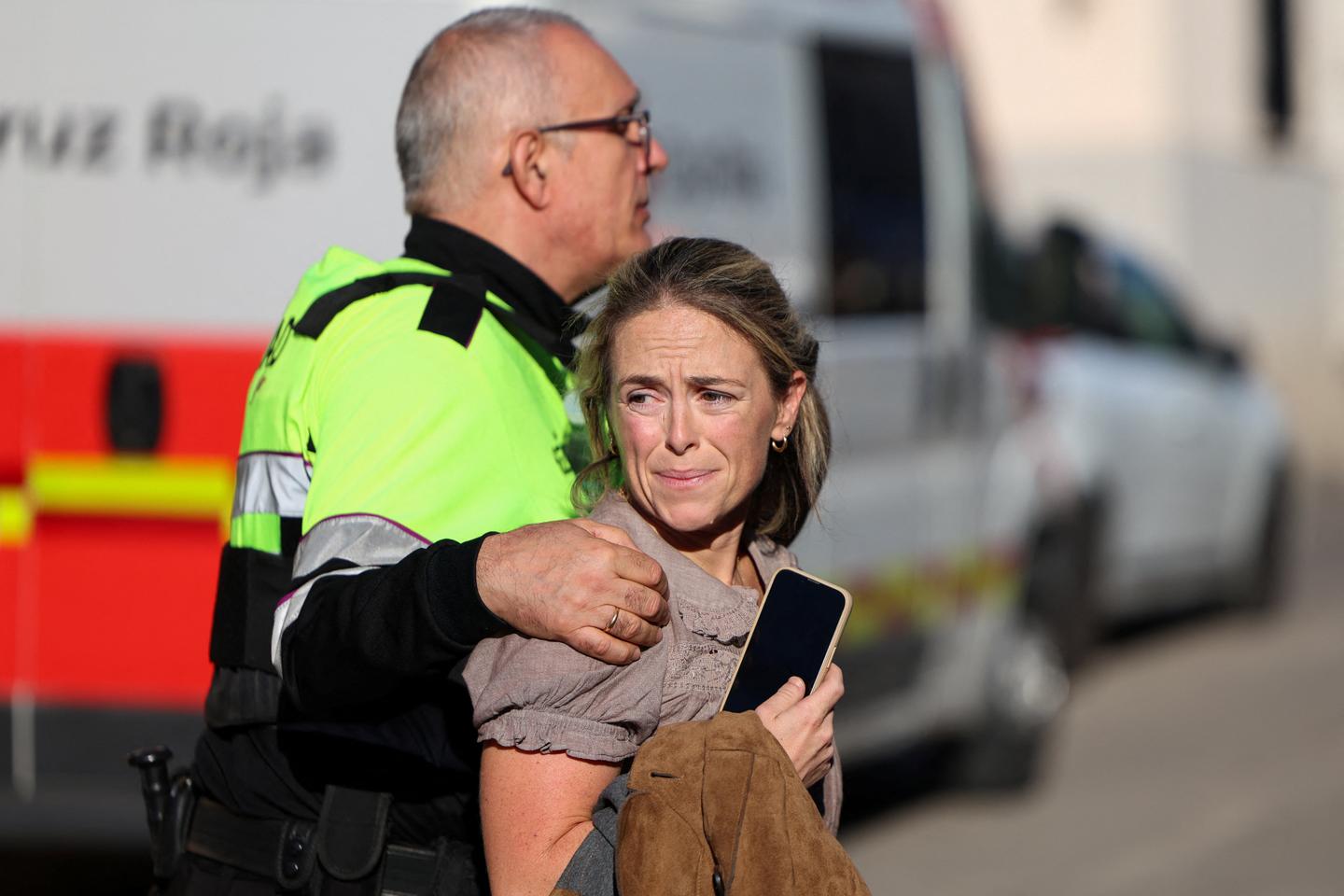
Emiliano García-Page, president of the Castilla-La Mancha regional government, said on the day of the crash that at least 15 people had suffered serious injuries and more than 50 others had been hospitalised with less severe injuries. Those figures were an early assessment, not a final accounting of casualties.
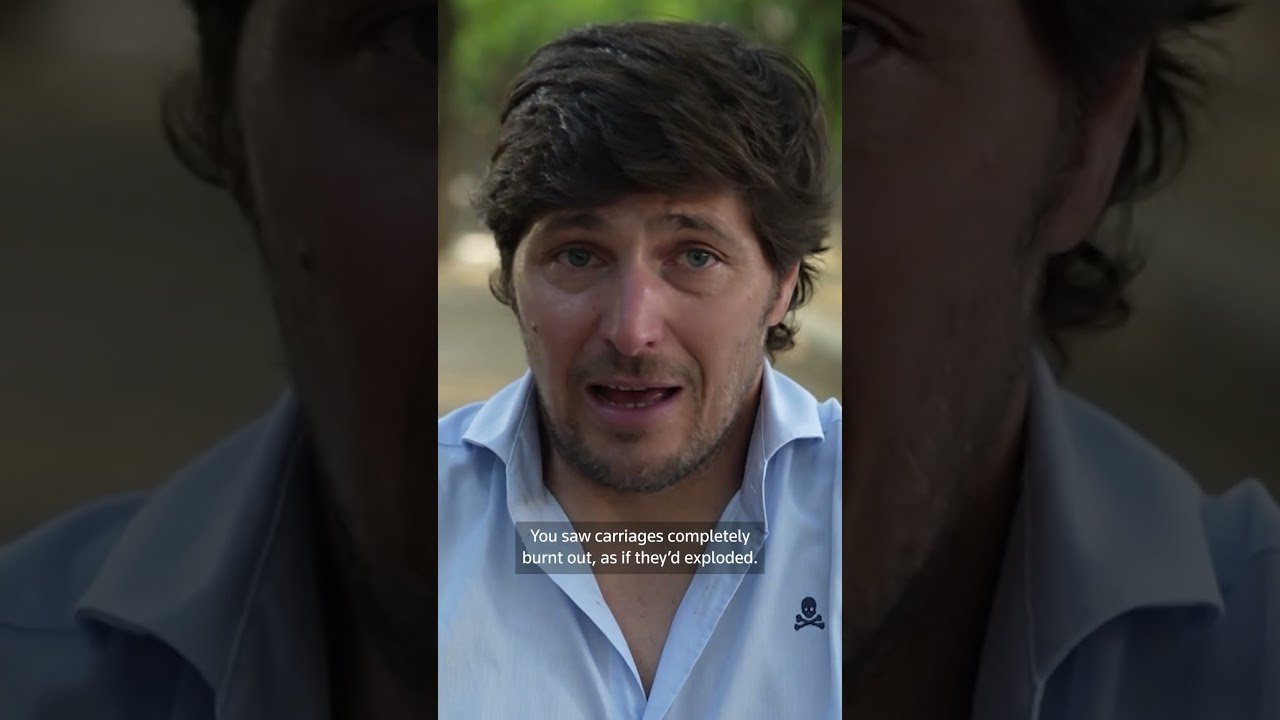
Miguel Ángel Pérez, a passenger travelling with colleagues in the last carriage of the Renfe train, told Spanish public broadcaster RTVE that the service had stopped before moving again.
“Then it started moving again, and that’s when we felt immense impact,” he said, according to ABC News. “We felt the train move, derail and we were tilted.”
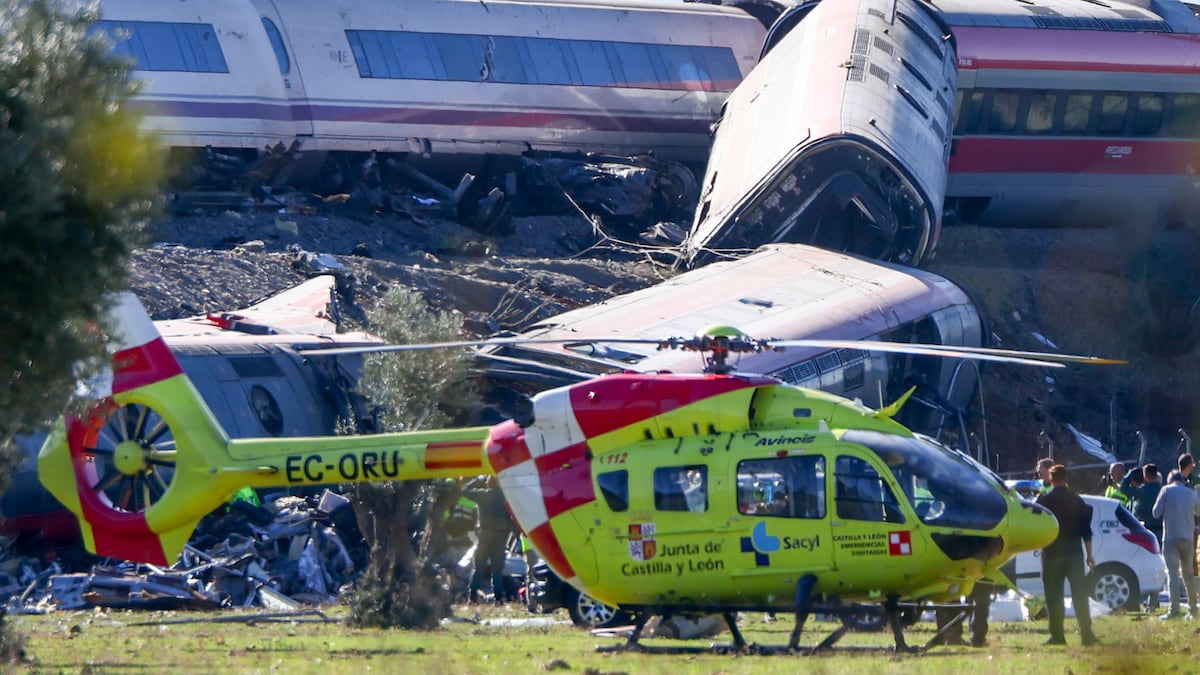
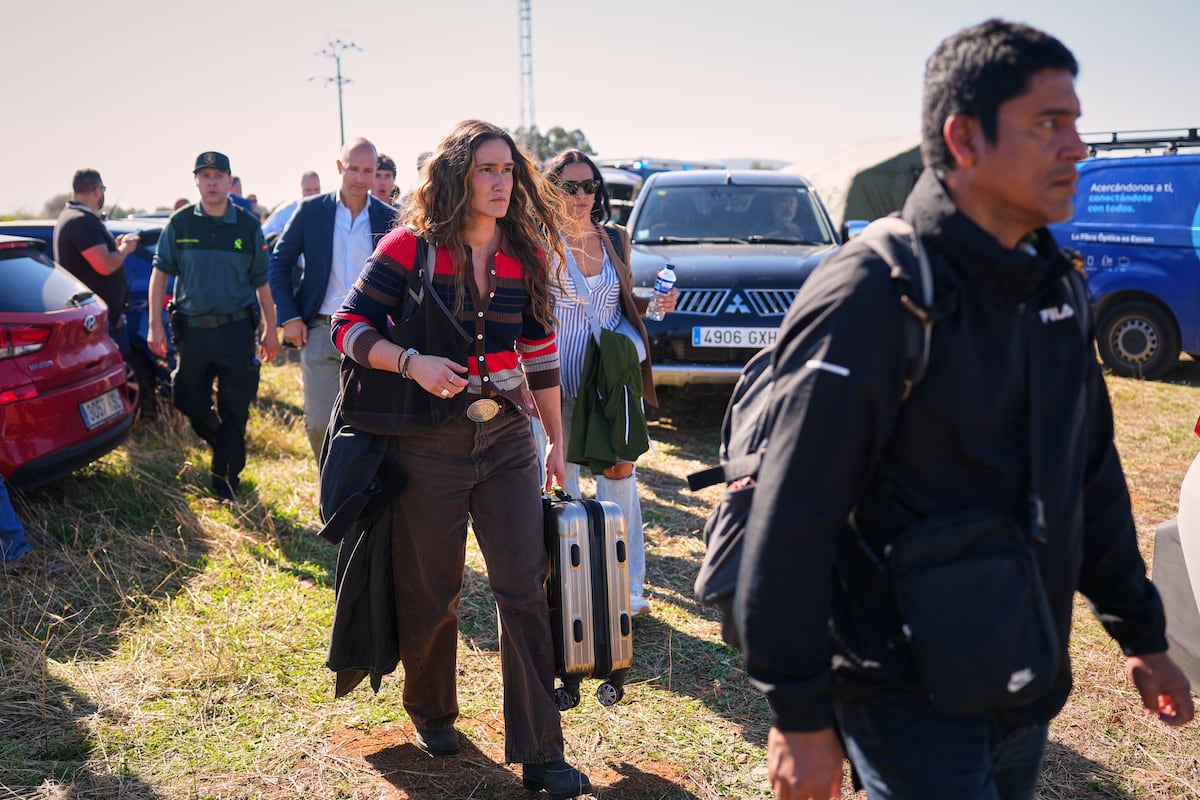
Emergency teams, including military rescue personnel, worked at the wreckage, while search crews used dogs to look for victims. Police asked relatives to provide DNA samples to help identify those killed.
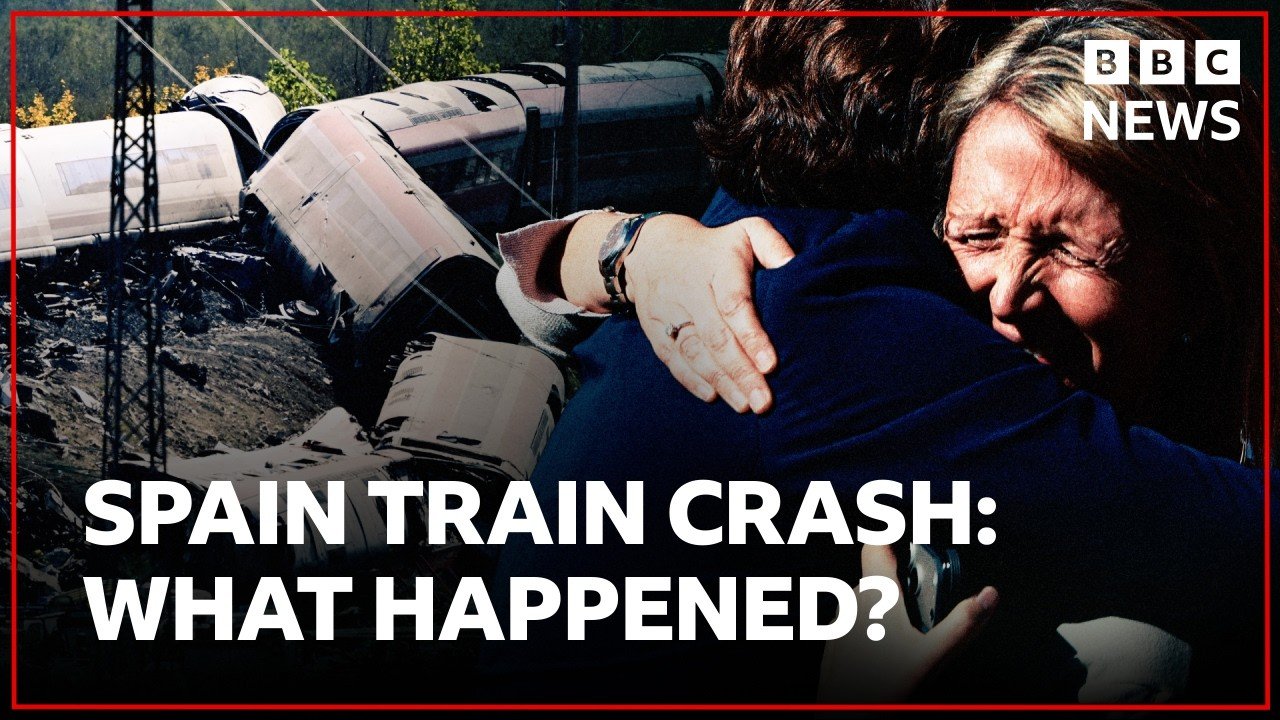
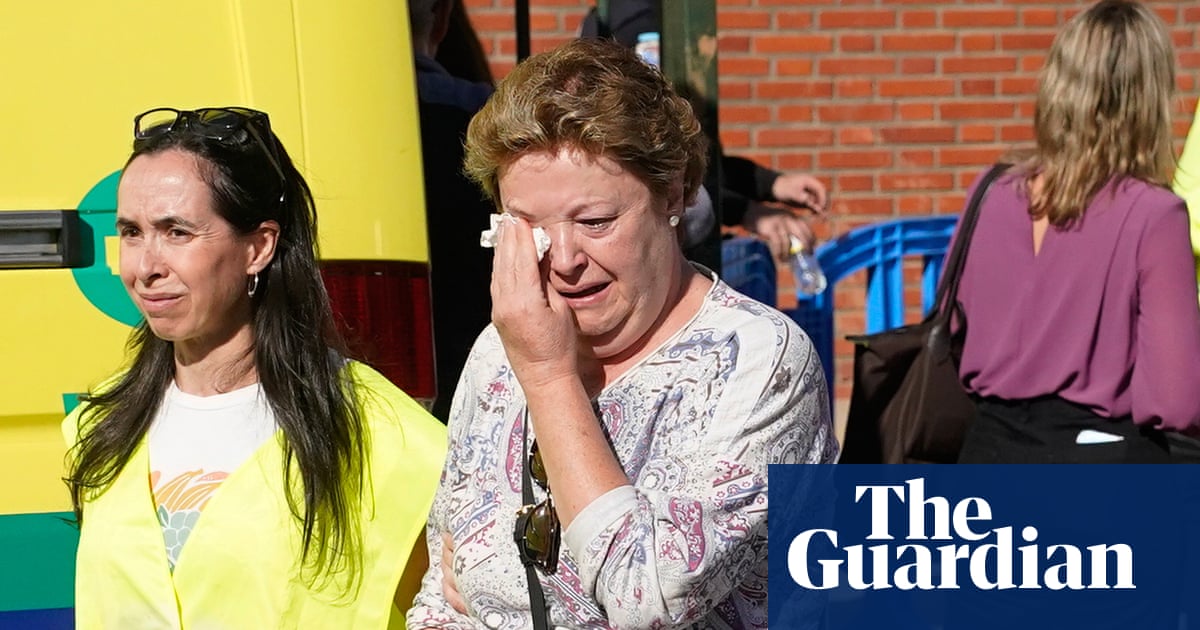
The identification process left some families waiting for information about missing relatives. In Toledo, relatives of a missing 54-year-old passenger, Pepe San Emeterio, described their distress and frustration over the uncertainty.
Authorities also revised the provisional death toll. A figure of 74 was briefly announced before officials corrected it to 69, underscoring the difficulty of establishing an accurate count during the recovery operation.
Minister rejects resignation calls
Spain observed three days of official mourning from October 29 to 31. Prime Minister Pedro Sánchez visited the crash site and pledged support for victims and their families, while King Felipe VI expressed condolences.
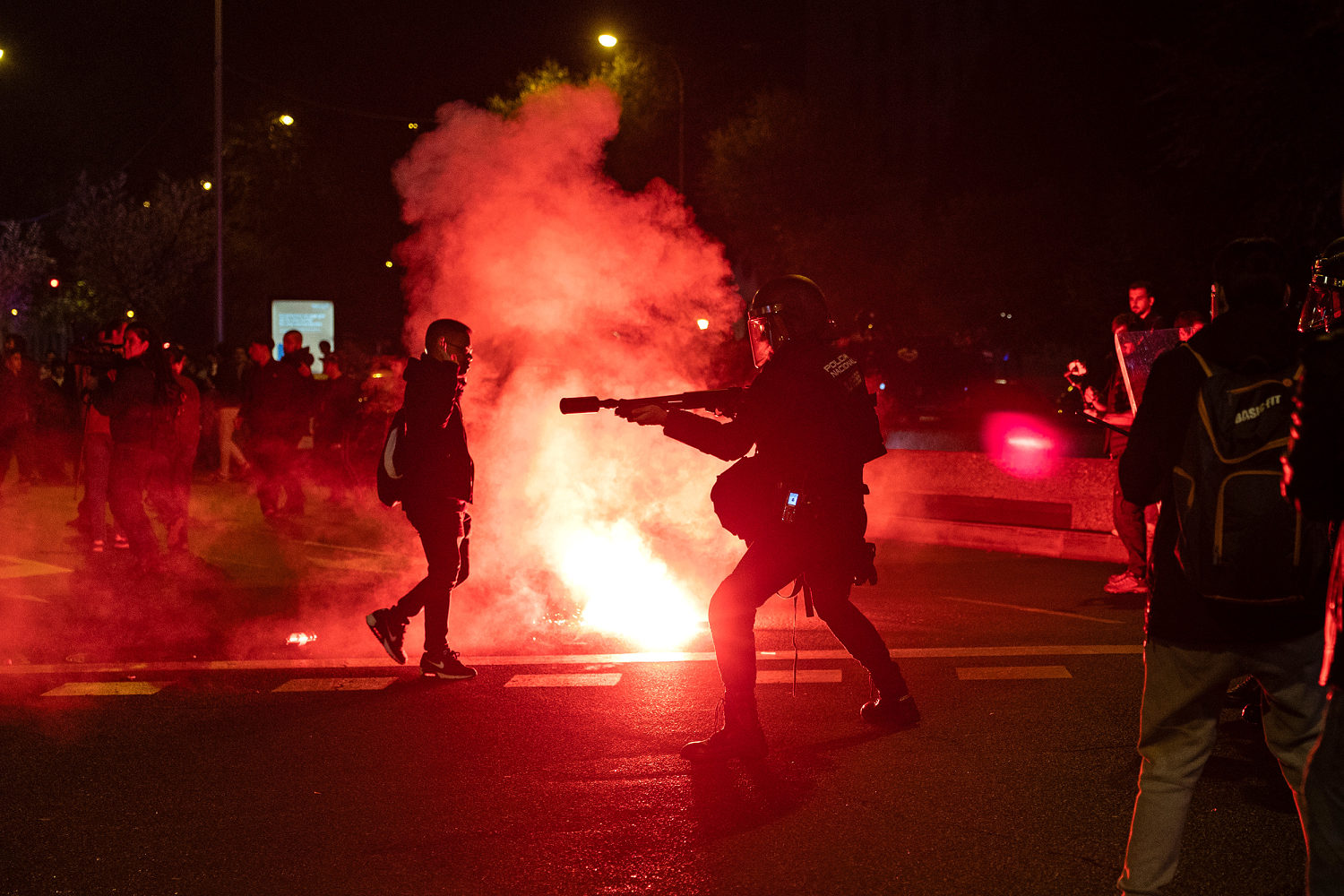
By October 30, Puente was facing resignation demands from the conservative People’s Party and the CSIF trade union. Demonstrators had also gathered outside the Transport Ministry in Madrid.
“My duty right now is not to talk about whether I should remain in my position, but to resolve the problem,” Puente told a news conference. He said he would not use a worker “as a shield” and that the investigation needed to answer outstanding questions.
The European Trade Union Confederation also urged authorities not to rush to blame individual employees. In a condolence statement, it called for an independent investigation and emphasized safety, staffing and investment in public railway infrastructure.
Second disaster raises wider safety questions
The Urda collision followed January’s crash near Adamuz, in Córdoba province, which also involved Renfe and Iryo trains on the Madrid–Seville route. In that incident, authorities said one train derailed and another struck the derailed carriages—a different reported sequence from the rear-end collision near Urda.
García-Page said preliminary indications suggested the causes of the two disasters were unrelated, while stressing that establishing the causes was the investigators’ responsibility.
The latest collision has nevertheless deepened concerns about the resilience of Spain’s high-speed network. Sánchez acknowledged that public trust had been broken and described two such tragedies in one year as unacceptable. Puente maintained that the railway system remained safe, while conceding that failures could occur despite established rules and procedures.
El Gobierno de España trabaja para que la investigación aclare cuáles son las causas de este terrible accidente ferroviario. Porque no es asumible. Hay una confianza quebrada en el sistema de alta velocidad en nuestro país y la labor del Gobierno no es solamente hacer el diagnóstico. Vamos a ofrecer soluciones para que una tragedia de esta magnitud no vuelva a suceder. Y en ese trabajo estamos.
— Pedro Sánchez (@sanchezcastejon) October 30, 2026
The central unresolved question is why permission to move was given while a train remained stationary ahead—and what happened to the safeguards intended to prevent that situation from ending in a collision.