
Two powerful earthquakes struck northern Venezuela in rapid succession on the evening of June 24, 2026, triggering widespread destruction across Caracas and surrounding regions and leaving at least 235 people dead, more than 4,300 injured, and hundreds still missing.
The tremors—measuring magnitude 7.2 and 7.5—occurred just 39 seconds apart in what seismologists describe as a rare “earthquake doublet,” compounding the scale of damage and overwhelming emergency response systems. Venezuelan authorities have declared a nationwide state of emergency as search-and-rescue operations continue amid fears the death toll will rise.
A rare and violent doublet
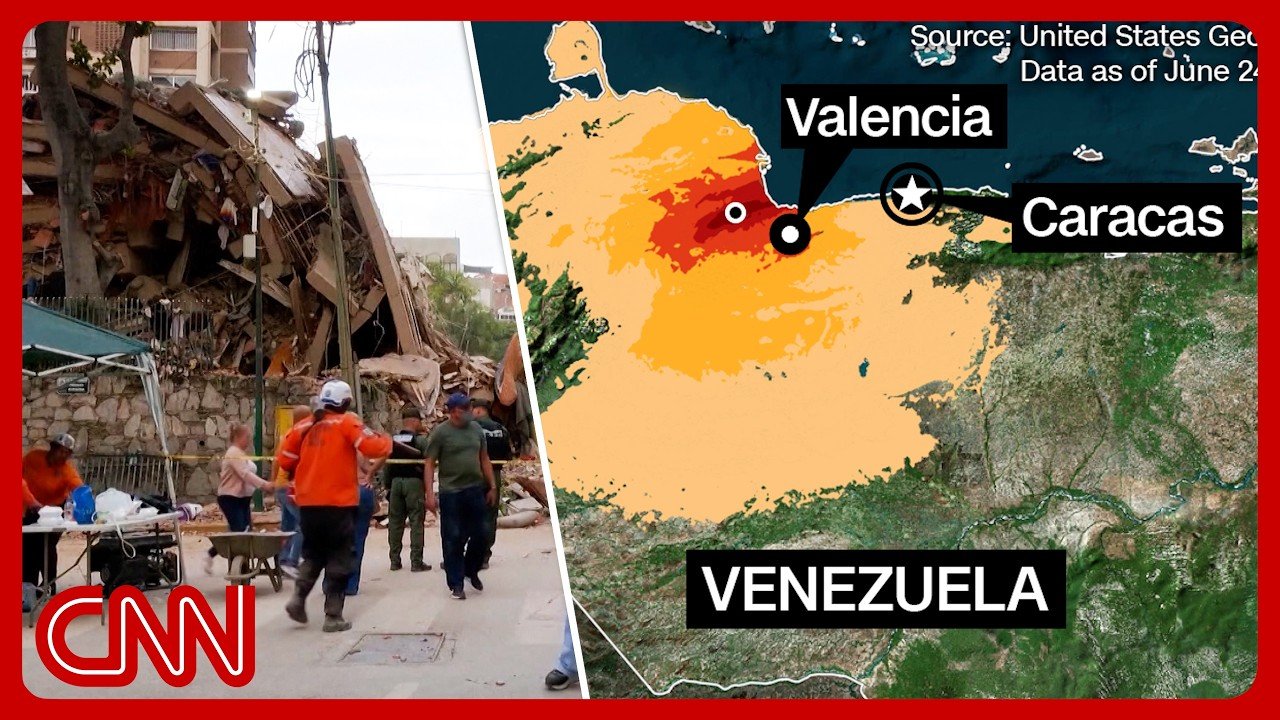
The first quake, a magnitude 7.2 foreshock, struck shortly after 6PM local time near San Felipe, the capital of Yaracuy state. It was immediately followed by a stronger 7.5 magnitude mainshock centered near the town of Yumare, just several kilometers away.
Both quakes originated at a shallow depth of approximately 20 kilometers along the complex boundary between the Caribbean and South American tectonic plates. This region is known for strike-slip faulting, but events of this magnitude and especially in rapid succession are uncommon.
Seismologists note that the short interval between the two quakes likely prevented structures weakened by the first shock from withstanding the second, significantly increasing the scale of collapse and casualties.
Caracas hit hard despite distance
Although the epicenters were roughly 150 kilometers west of Caracas, the capital experienced some of the worst damage. The city’s location atop a deep sedimentary basin amplified seismic waves, intensifying ground shaking.
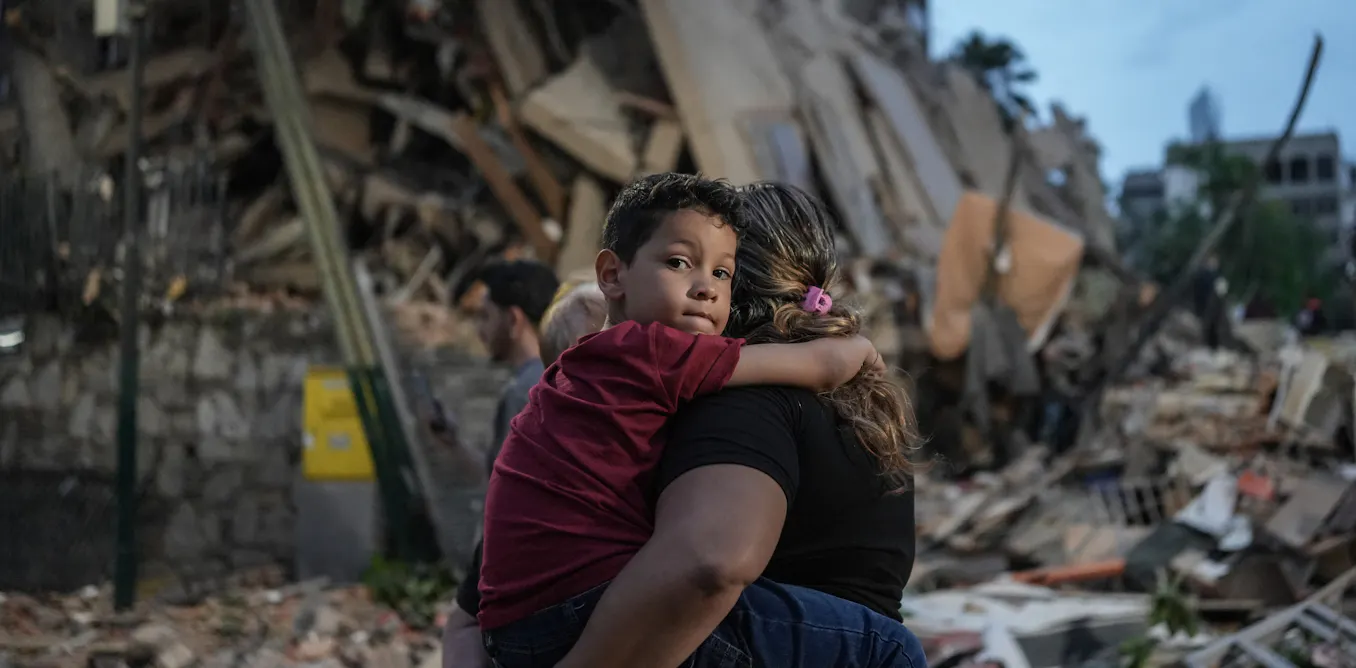
Entire sections of northern Caracas, including San Bernardino, reported building collapses, while landslides in hillside districts such as Baruta destroyed homes and blocked roads. Infrastructure failures have been widespread, with prolonged power outages and water disruptions affecting large parts of the metropolitan area.
At least eight hospitals sustained structural damage, severely limiting emergency medical capacity at a critical time. The Venezuelan Red Cross headquarters and multiple schools were also affected.
Coastal destruction and infrastructure collapse
Coastal regions closer to the epicenters, including La Guaira and Catia La Mar, suffered extensive structural damage. Several multi-story buildings collapsed, including the near-total destruction of the Eduard’s Hotel Boutique. Venezuela’s naval academy also sustained heavy damage.
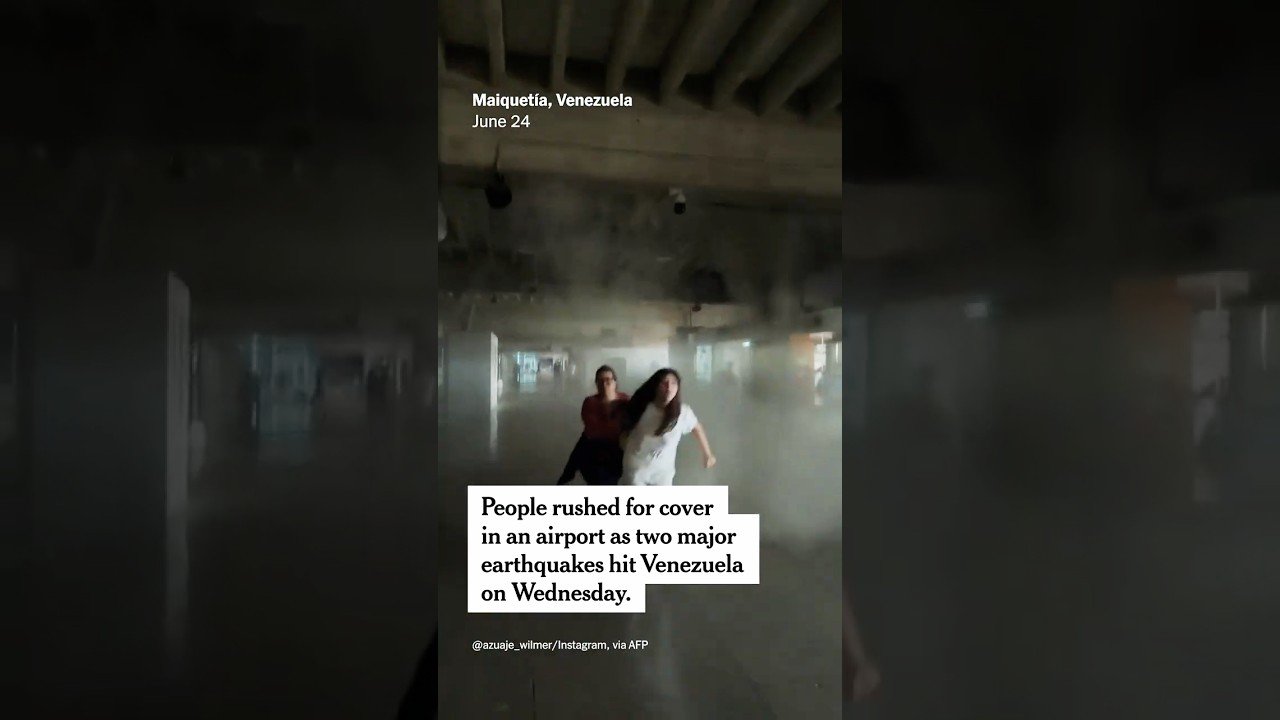
Transportation infrastructure has been significantly disrupted. Simón Bolívar International Airport—the country’s main international gateway—was forced to shut down after sustaining structural damage and debris impacts, complicating the arrival of international aid and evacuation efforts.
Road networks linking Caracas to coastal areas have been partially blocked by landslides, further isolating affected communities.
Mounting humanitarian crisis
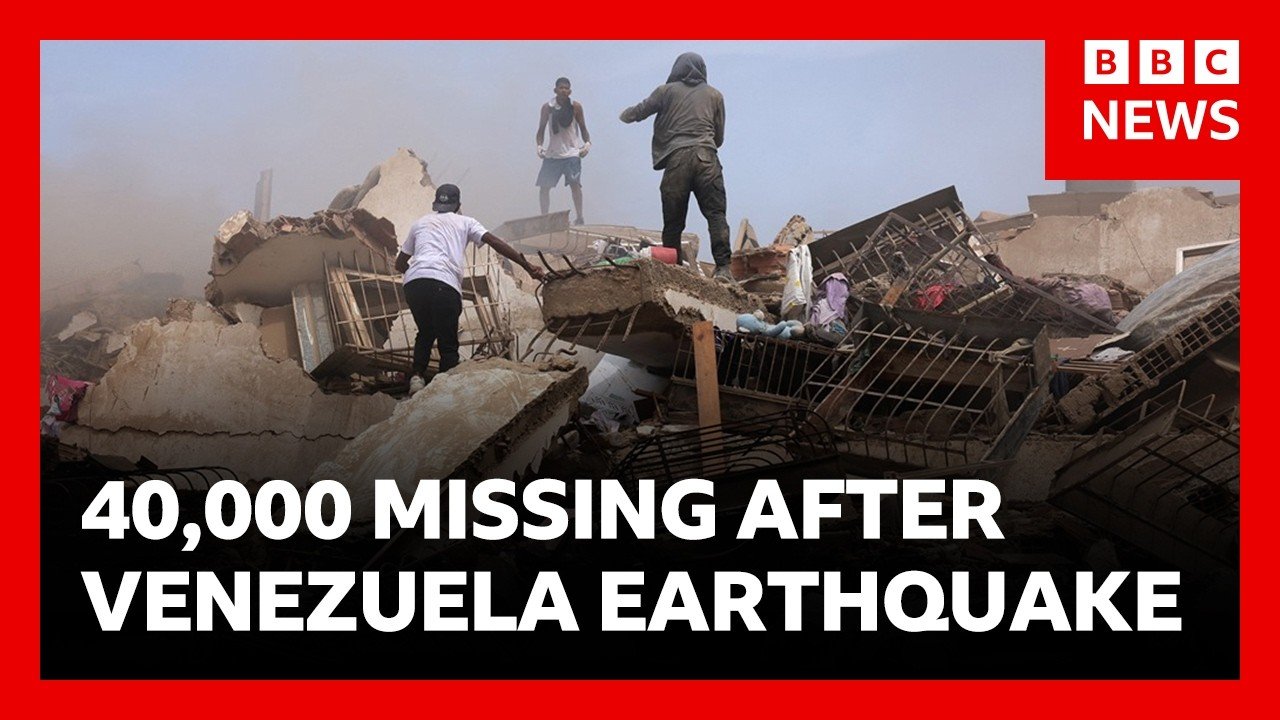
Emergency crews, supported by military units and volunteers, are continuing search-and-rescue operations, often working with limited equipment. Authorities warn that hundreds of people may still be trapped under collapsed buildings.
Hospitals are operating beyond capacity, and shortages of medical supplies, electricity, and clean water are being reported. Temporary shelters have been set up, but displacement is expected to rise significantly in the coming days.
International aid agencies and neighboring countries have begun mobilizing assistance, though logistical challenges remain due to damaged infrastructure.
Economic impact and structural vulnerability
Preliminary estimates suggest the disaster could cost between 1% and 7% of Venezuela’s GDP, a significant blow to an economy already facing long-term instability.
Urban vulnerability has been a key factor in the scale of destruction. Much of Caracas includes older buildings not designed to withstand major seismic activity, as well as densely populated informal settlements on unstable hillsides.
Experts warn that aftershocks — some already recorded above magnitude 5 — could continue for days or weeks, posing ongoing risks to damaged structures and rescue operations.
As Venezuela grapples with the aftermath, the twin earthquakes stand as one of the most destructive natural disasters to hit the country in decades, exposing deep structural vulnerabilities while placing immense strain on emergency response systems.