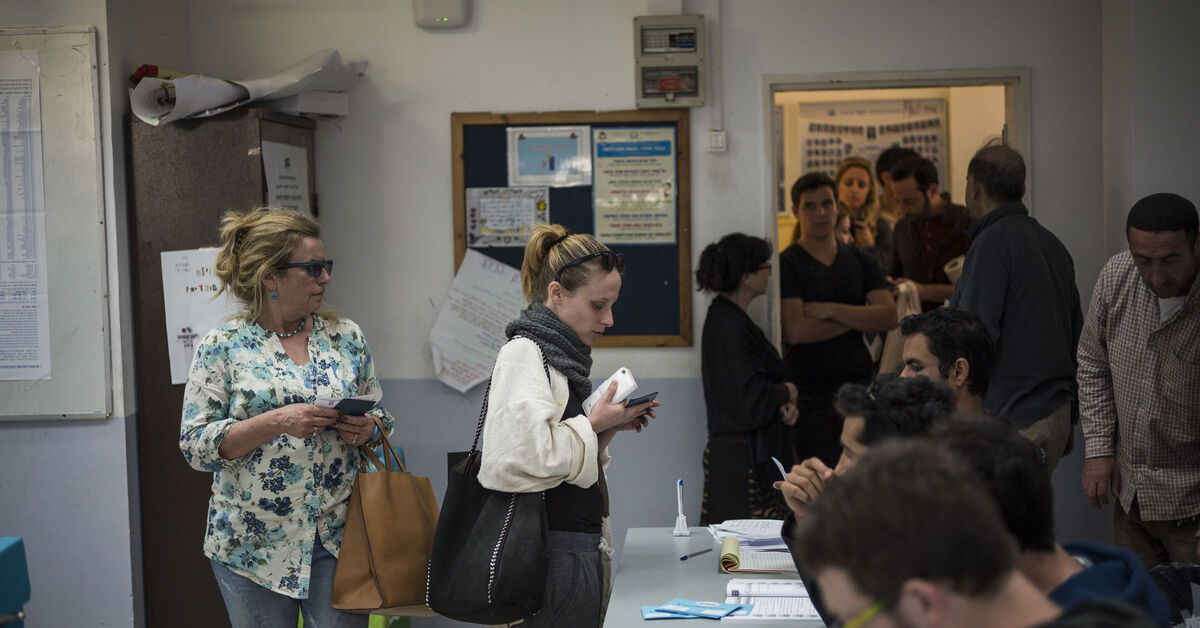

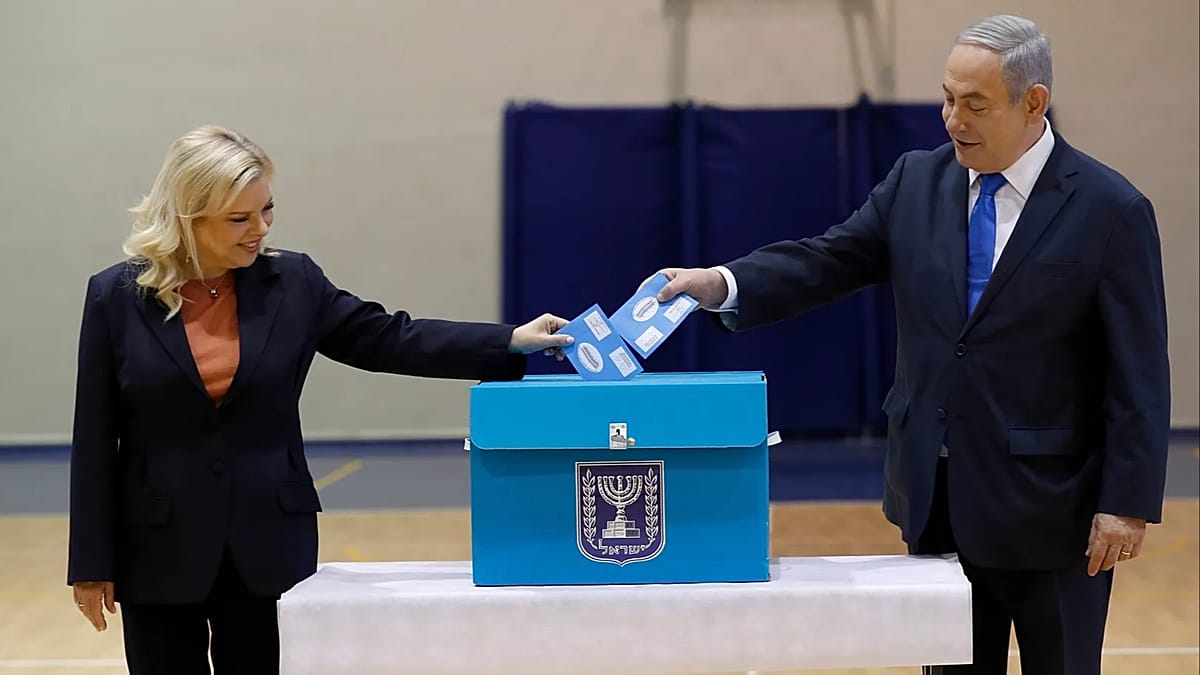




Israel will hold national elections on October 27, 2026, after the Knesset confirmed the date on July 12. The vote marks a rare moment in Israeli politics: the first parliamentary election held on schedule since 1988, following decades of early dissolutions and coalition collapses.
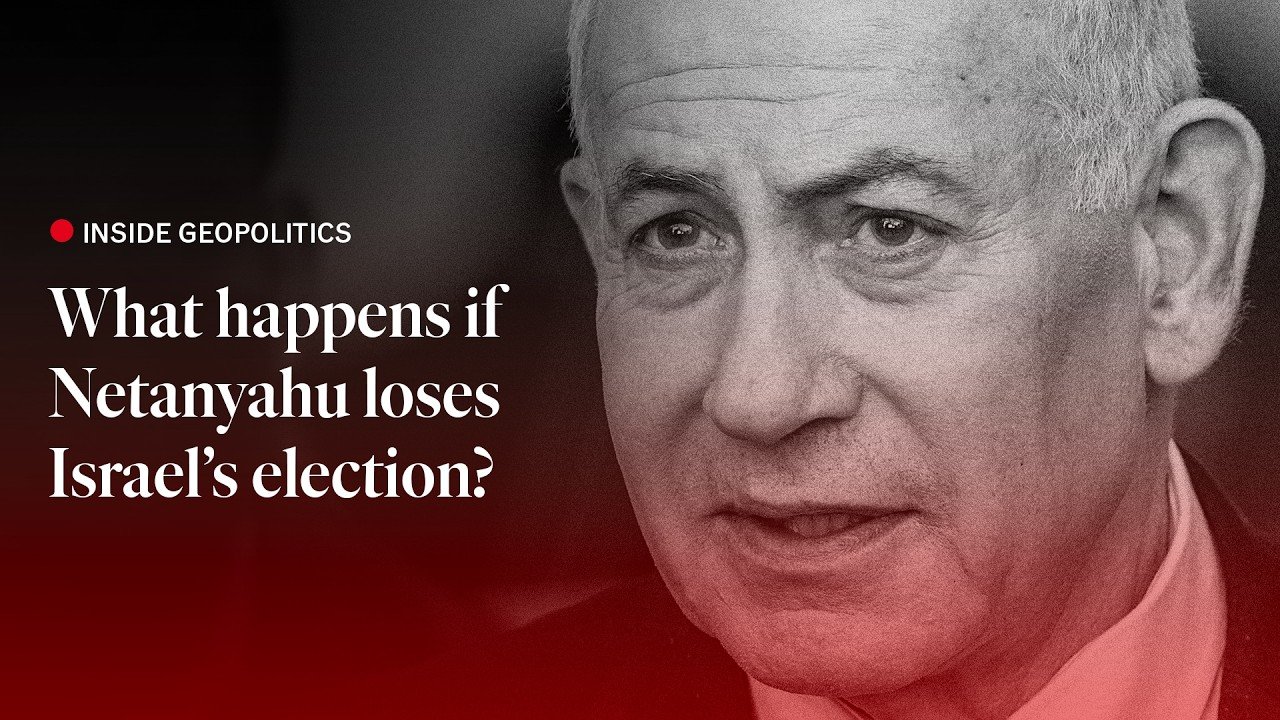
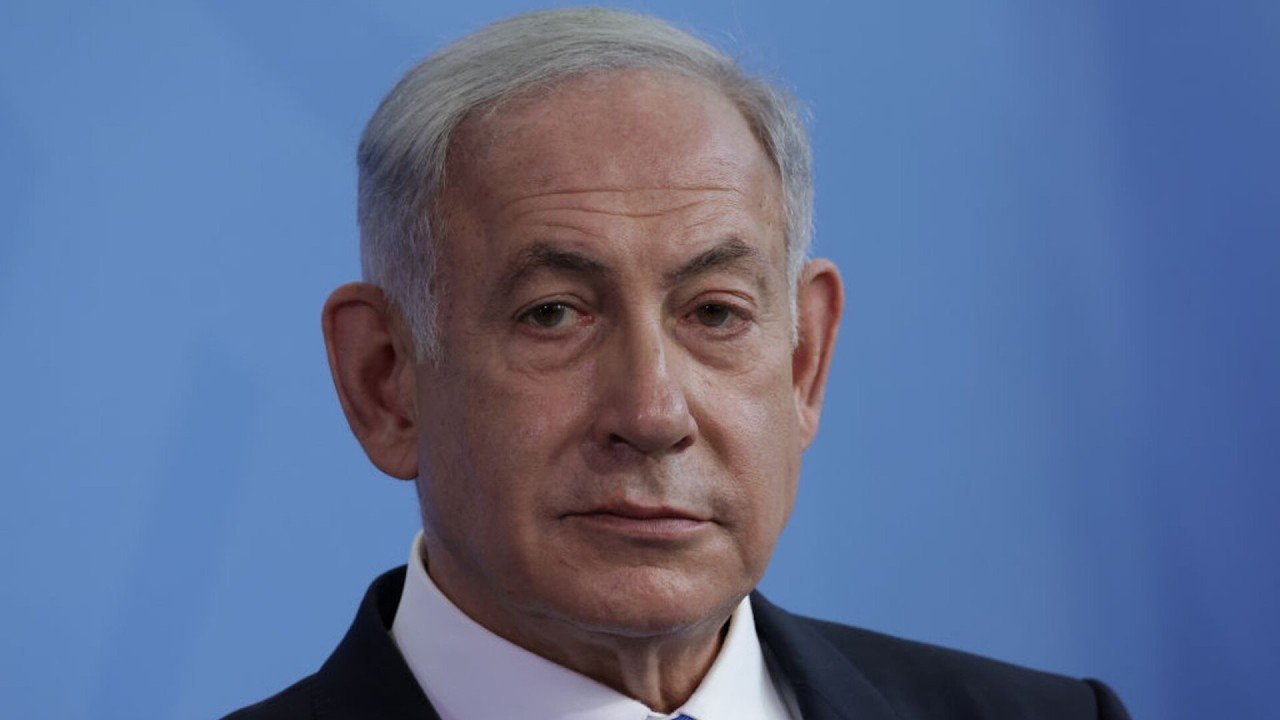
The election is widely being framed as a verdict on Prime Minister Benjamin Netanyahu, who has confirmed that he will seek another term. He enters the campaign under heavy scrutiny over the October 7, 2023 Hamas attacks and the wider war that followed in Gaza and the region.
Netanyahu faces wartime backlash
Netanyahu’s critics argue that the election is as much about accountability as ideology. Public frustration remains high over the security failures that preceded the Hamas assault, as well as the continuing diplomatic and military fallout from conflicts involving Gaza, Lebanon, and Iran.
The campaign is also likely to be shaped by long-running domestic disputes over judicial reform, military conscription, and the role of ultra-Orthodox parties in government. Those tensions have already deepened political polarization and made coalition-building more difficult.
Opposition tries to consolidate
The opposition has not yet unified around a single leader, but several figures are emerging as the main challengers. Former military chief Gadi Eisenkot has gained attention as the strongest anti-Netanyahu contender in some recent polling. Former prime minister Naftali Bennett and centrist politician Yair Lapid have also moved to consolidate the anti-Netanyahu vote through a new alliance.
Other names remain relevant, including Avigdor Lieberman and Benny Gantz, both of whom continue to appeal to voters seeking a harder line on security or a more centrist alternative. But recent reporting suggests the opposition bloc still lacks a clear and unified route to power.
How the election works
Israel uses a nationwide proportional representation system, meaning voters cast ballots for party lists rather than individual candidates. The country functions as a single electoral district, and parties must pass the legal threshold to win seats in the 120-member Knesset.
That system often produces fragmented results and coalition governments, which helps explain why Israeli elections frequently become tests of alliance management rather than direct two-party contests. In this election, that structure may again decide whether Netanyahu can retain power even if his bloc loses ground.
What to watch next
The most important question is whether Netanyahu’s right-wing bloc can hold together through October, or whether opposition parties can translate public frustration into a workable majority. Early polling suggests the race is competitive, but the opposition’s challenge is not only defeating Netanyahu — it is agreeing on what comes next.
For readers, the election matters beyond Israel’s borders because it will influence the future of the Gaza war, regional security, and Israel’s internal political direction. The outcome could determine whether the country continues along its current path or enters a new phase of coalition politics and policy change.