



The United States has opened what it calls an “economic D‑Day” against Iran, unveiling a whole‑of‑government campaign dubbed Operation Economic Outcast that expands secondary sanctions risk across five critical sectors and targets nearly 60 entities, individuals and vessels tied to Tehran’s oil, weapons and cyber networks.
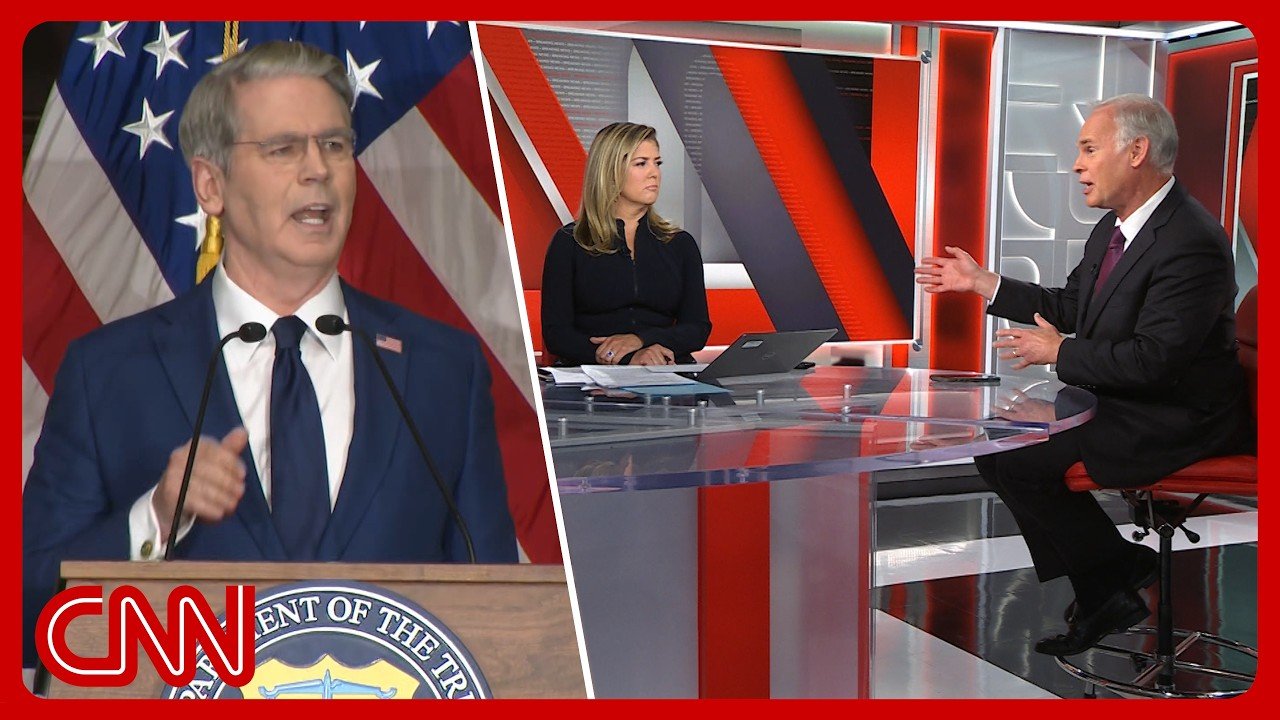
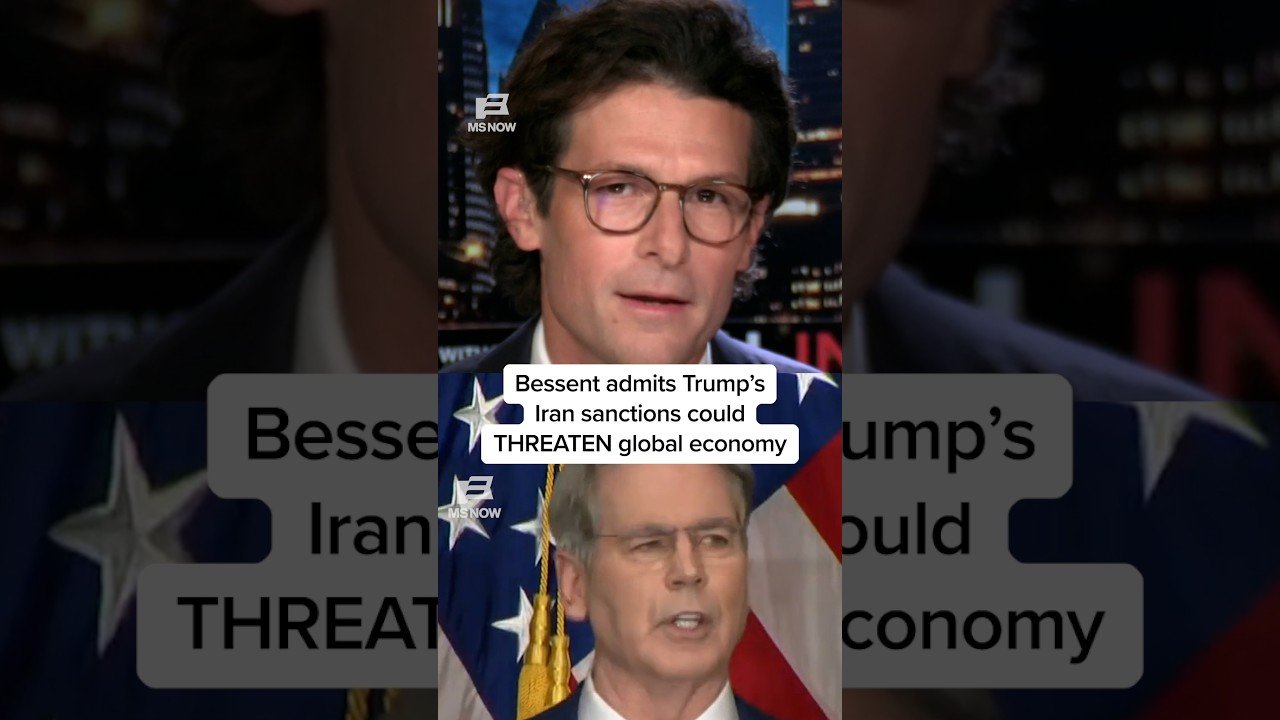
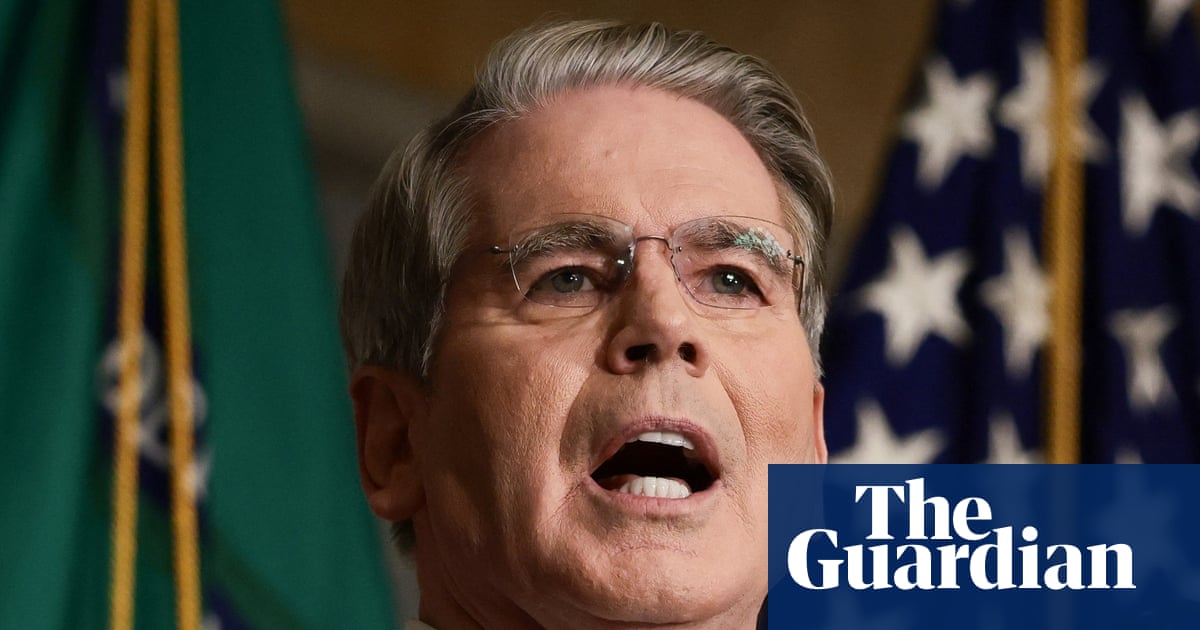
Treasury Secretary Scott Bessent said the operation’s objective is to “sever every economic lifeline that sustains this tyrannical regime until Tehran stands alone”, warning that any entity facilitating money laundering or sanctions evasion for Iran “will be removed from the US dollar system.”
What the new sanctions cover
Five new sectoral determinations
The Treasury Department issued unprecedented sectoral sanctions determinations under Executive Order 13902, giving OFAC authority to sanction any person, anywhere, operating in or supporting these five Iranian economic sectors:
- Digital assets – targeting Iran’s use of cryptocurrency and other digital assets for sanctions evasion and IRGC‑linked transactions.
- Technology – aimed at Iran’s efforts to acquire advanced, dual‑use tech for weapons, missiles and nuclear research.
- Gold – intended to disrupt Tehran’s attempts to stabilise the rial and hedge against inflation using gold as the formal financial sector erodes.
- Aviation – focusing on regime‑controlled airlines used to move fighters, weapons, cash and gold to proxies.
- Shipping – targeting Iran’s national shipping lines and tanker services that transport weapons components and illicit oil.
These determinations build on earlier sanctions on Iran’s financial and petroleum/petrochemical sectors, which Treasury says have already seen significant revenue declines.
Nearly 60 new designations across multiple jurisdictions
Alongside the sectoral move, OFAC sanctioned nearly 60 entities, individuals and vessels across several countries, including the UAE, China, Hong Kong, Singapore, Switzerland, Europe and Malaysia, for enabling Iran’s nuclear and missile procurement, cyber operations and oil‑revenue networks.
Key targets include:
- A procurement network supporting Iran’s Ministry of Defense (MODAFL) and Malek Ashtar University of Technology, with front companies and logistics firms in Hong Kong, China and Malaysia moving sensitive equipment such as laser optics and accelerometers.
- A MOIS‑directed cyber group responsible for intrusions into US critical infrastructure and digital‑asset theft, including actors already charged in a US indictment.
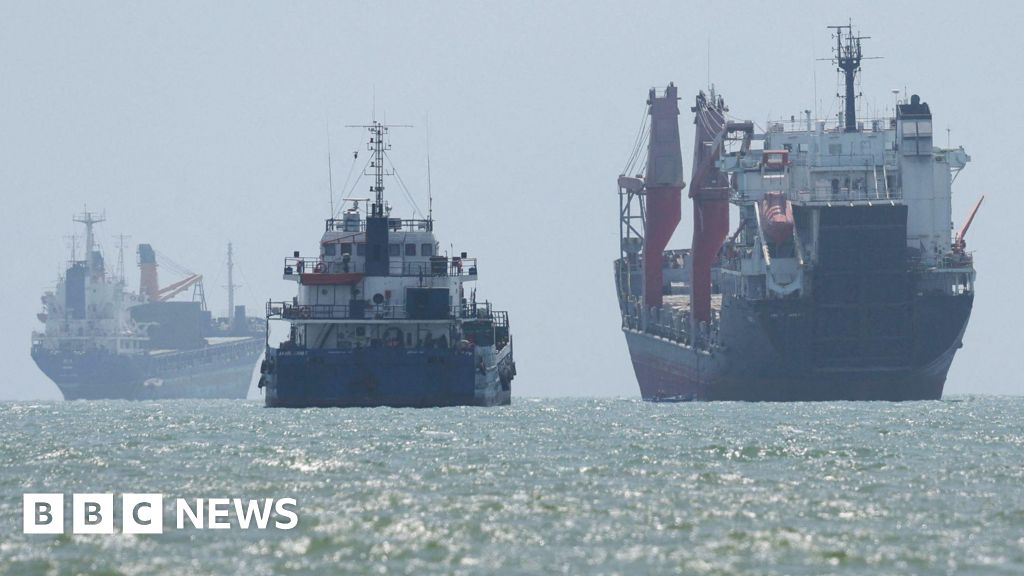
- A shadow‑fleet and oil‑revenue network involving brokers, ship managers and bunkering providers in the UAE, Singapore and Dubai that facilitate ship‑to‑ship transfers and fuel services for sanctioned Iranian tankers.
- Several shadow‑fleet vessels accused of moving millions of barrels of Iranian crude and petroleum products to Asia and beyond.
- A Shamkhani‑linked commodities trader, Wellbred Capital and its UAE and Swiss subsidiaries, plus a French cooking‑oil refinery acquired by the group, as part of efforts to launder oil and petrochemical revenues.
The State Department concurrently designated seven members of Iran’s defense leadership and two Iranian entities tied to military strikes against US forces and oil trading.
Licenses suspended: remittances and cultural/academic access
OFAC also suspended several general licenses that had previously allowed:
- Certain remittance payments to Iran
- Some Iranian access to the US cultural and academic system
The move tightens rules that previously carved out limited humanitarian or people‑to‑people channels, signaling a shift toward maximum pressure.
Secondary sanctions threat: “no one is above the reach”
Bessent framed the campaign as a warning to third countries: teams from Treasury, State and the Pentagon are engaging counterparts worldwide with a “defined timeline” to shut down identified Iran‑related activity, or face US action.
He declined to name specific countries that would be hit first, saying the administration wanted to give a “cure period” before imposing penalties, but stressed that “no one is above the reach of US sanctions.”
The Treasury expects to announce sanctions on a major foreign financial institution by the end of the week, according to Bessent, though details were not provided.
Bank Melli, Iran’s state bank, was singled out; Bessent said every branch globally “must be shuttered and dark.”
Analysts described the initial rollout as a “warning shot” rather than an immediate blow to the largest enablers, notably Chinese banks that facilitate Iranian oil sales.
Iran’s response: defiance and confidence others will resist
Iranian officials have dismissed the new measures as “gross lawlessness” and predicted that many countries will not fully comply. Economy Minister Ali Madanizadeh said neither China nor Russia had “accepted” the US measures and expressed confidence that other partners would resist.
Government spokeswoman Fatemeh Mohajerani said President Masoud Pezeshkian would guide Iran through the developments, while state media emphasized that Iran is “fully prepared” to counter the widened sanctions.
Regional reactions
China: “illegal unilateral sanctions,” vow to protect interests
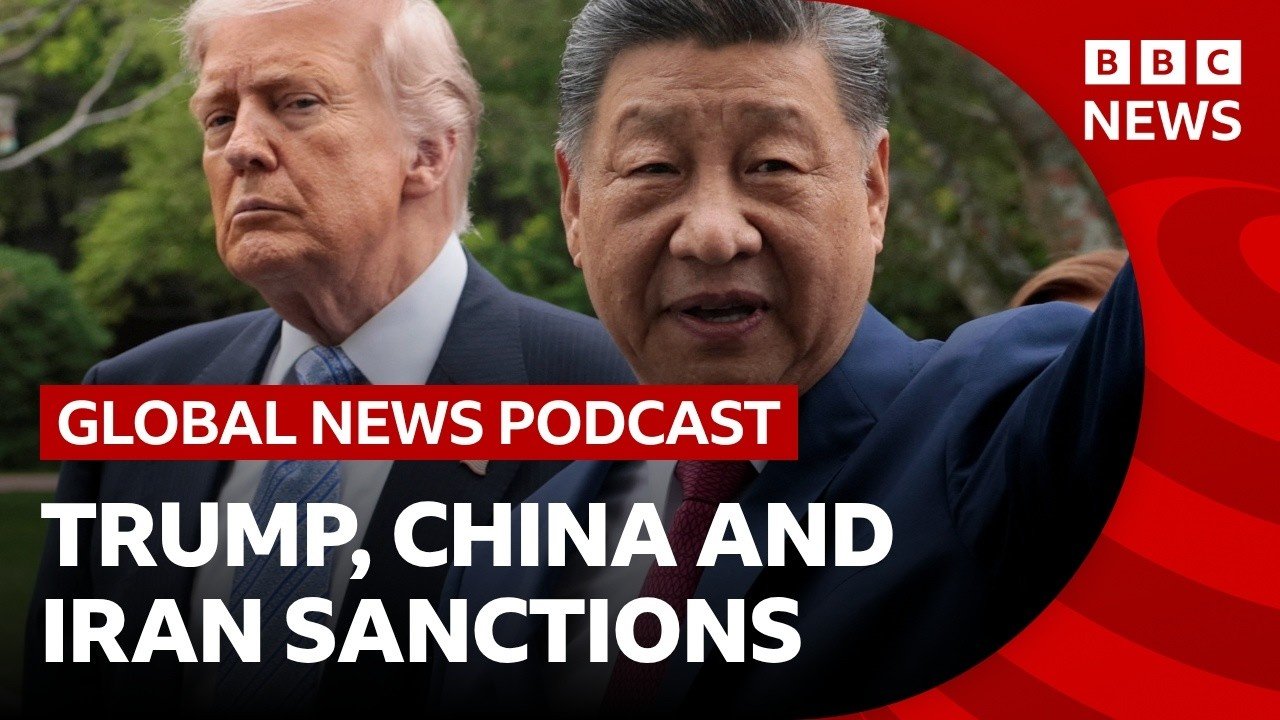
Beijing has mounted the sharpest official pushback against the new US sanctions, calling them “illegal unilateral sanctions” that lack a UN Security Council mandate. Foreign Ministry spokesman Lin Jian said China would take “all necessary measures” to protect its rights and interests if Chinese firms are hit.
- Cooperation with Iran is “lawful” and should not be disrupted. Lin said China–Iran ties are conducted “within the framework of international law” and must not be interfered with by Washington.
- Sanctions will “intensify tensions,” not solve the conflict. Beijing argued that “economic warfare and maximum pressure” will only worsen regional instability and create financial spillover risks.
- No exemption for China. Treasury Secretary Scott Bessent explicitly said “no one is above the reach of US sanctions” when asked about Chinese banks, and the initial designation list included Chinese and Hong Kong entities tied to Iran’s procurement and oil networks.
Analysts note that Chinese refineries have been absorbing nearly 90% of Iran’s oil exports, making Beijing the biggest test of whether the US is willing to follow through with secondary sanctions on major financial institutions. So far, the US has held off on sanctioning large Chinese banks, which some observers describe as a “warning shot” rather than a full confrontation.
UAE: already halting trade and financial ties with Iran
The United Arab Emirates has moved faster and more decisively than other regional partners. On August 19, Abu Dhabi announced it was halting all trade, commercial exchanges and financial transactions with Iran “until further notice” following what it described as Iranian missile attacks on Emirati maritime targets.
- The UAE is a critical transshipment and re‑export hub for goods into Iran, and its imports account for nearly a third of Iranian imports, including basic goods.
- Emirati officials framed the move as defending “the integrity of the international financial system” and responding to “regional escalations that undermine peace and security.”
- US analysts describe the UAE as the primary beachhead for Operation Economic Outcast, given Dubai’s historic role as Iran’s commercial and financial back door.
While the UAE has signalled alignment with Washington, some reports suggest it wants to preserve diplomatic channels in case the US pressure campaign fails, and could pursue Iranian‑affiliated entities in the Emirates if Iran attacks again.
What this means for the sanctions campaign
- China’s stance is the make‑or‑break factor. If Washington eventually sanctions a major Chinese bank or refiner, it could significantly choke Iranian oil revenue but also risk a sharp diplomatic and economic clash with Beijing.
- Gulf alignment strengthens the pressure. The UAE’s trade freeze, combined with US designations of Emirati‑based brokers and shadow‑fleet operators, closes one of Iran’s most important economic back doors.
- Secondary‑sanctions risk is now global. From Singaporean ship managers to Swiss traders and Indian exporters, the message is clear: continue facilitating Iran’s oil, tech or gold flows and face potential exclusion from the US financial system.
How this could play out
If the US follows through with secondary sanctions on a large foreign bank, especially in China or the Gulf, the move could:
- Further choke Iranian oil revenues by scaring off buyers and insurers.
- Force regional governments to choose between access to the US financial system and continued trade with Iran.
- Increase global energy market volatility, particularly if Hormuz disruptions persist alongside tighter enforcement on shadow fleets and bunkering networks.
For now, Operation Economic Outcast is less a single blow than the opening of a sustained, escalating financial offensive, with the Treasury mapping “every node, every facilitator and every network” it says Iran uses to move money, oil and technology.