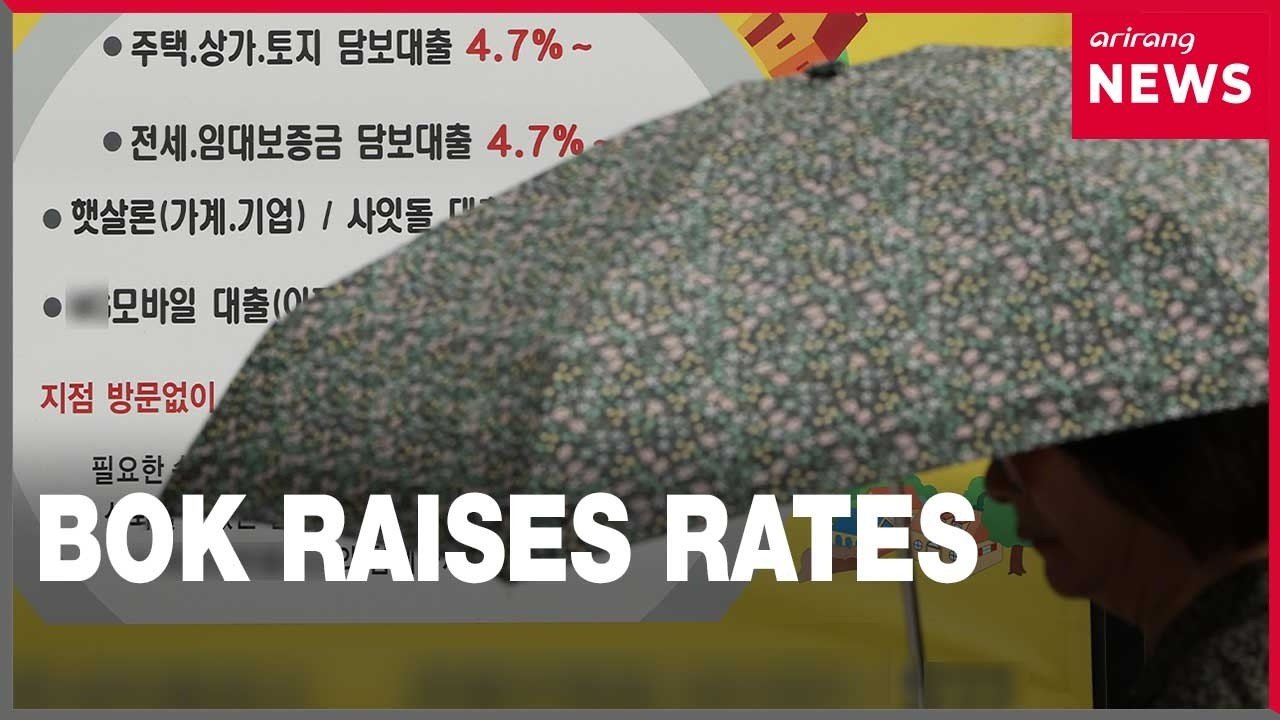


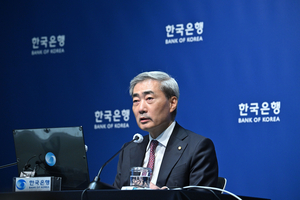


South Korea’s central bank raised its benchmark interest rate for the first time in more than three years, signaling a decisive shift away from its post-pandemic monetary easing stance as inflation pressures and an AI-driven semiconductor boom reshape the country’s economic outlook.
The Bank of Korea (BOK) increased its seven-day repurchase rate by 25 basis points to 2.75% in a unanimous decision, marking its first rate hike since January 2023. The move caught markets off guard, prompting sharp reactions across equities, currencies, and bond markets.
Inflation, currency pressure, and growth rebound
Policymakers cited a combination of persistent inflation, currency weakness, and financial stability risks as key drivers behind the decision. Consumer prices rose 3.2% year-on-year in June, remaining above the central bank’s 2% target and highlighting continued price pressures in energy, housing, and services.
The Korean won has also faced sustained downward pressure in 2026, depreciating roughly 6% against the U.S. dollar prior to the decision. A weaker currency has amplified imported inflation, particularly in energy and raw materials, reinforcing the need for tighter policy.
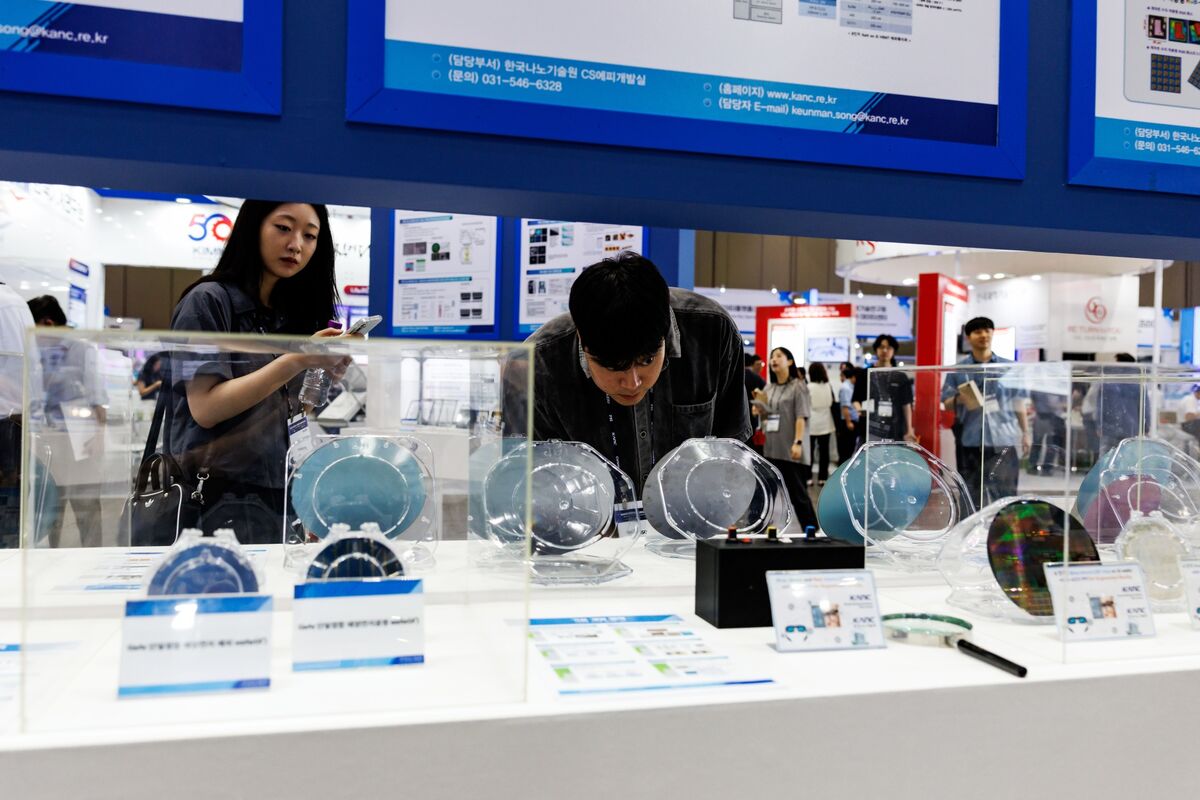
At the same time, South Korea’s economy has shown stronger-than-expected momentum, largely fueled by a surge in global demand for advanced semiconductors used in artificial intelligence systems. Exports—especially memory chips led by firms such as Samsung Electronics and SK Hynix—have rebounded sharply, supporting industrial output and business investment.
Household debt, one of the highest among advanced economies relative to GDP, also remains a structural concern. Higher borrowing costs are intended to curb credit growth and reduce systemic financial risks.
Won stabilizes as rate differential narrows
The immediate effect of the rate hike was felt in foreign exchange markets, where the Korean won strengthened modestly against the US dollar. The USD/KRW pair declined toward the mid-1,480 range following the announcement, reflecting renewed investor confidence.
Higher domestic yields are expected to attract foreign capital into Korean fixed-income markets, easing capital outflow pressures that had built up amid a wide interest rate gap with the United States. Analysts note that narrowing this gap reduces incentives for investors to shift funds into higher-yielding dollar assets.
The BOK’s hawkish turn also signals a more proactive stance in defending currency stability, particularly as exchange rate volatility has become a key transmission channel for inflation.
Equity market shock and tech sell-off
While the currency found support, equity markets reacted sharply. The benchmark KOSPI index plunged more than 6% intraday, reflecting a rapid repricing of risk assets under tighter financial conditions.
Technology stocks led the decline, with major chipmakers such as Samsung Electronics and SK Hynix experiencing steep losses. The sell-off was exacerbated by leveraged retail investors unwinding positions amid rising borrowing costs and heightened volatility.
The correction highlights the sensitivity of South Korea’s equity market to shifts in liquidity conditions, particularly given its heavy concentration in export-oriented technology firms. Investors are increasingly reassessing whether the current semiconductor upcycle—driven by AI demand—can sustain its pace under tighter monetary conditions.
Policy divergence with the United States
The BOK’s move underscores a growing divergence between South Korea and the United States in monetary policy direction.
While Seoul has pivoted toward tightening to contain inflation and financial imbalances, the US Federal Reserve has signaled a more cautious stance as inflation shows signs of moderating. Recent US data indicate cooling price pressures, with core inflation trending closer to target levels.
This divergence has narrowed the interest rate differential between the two economies to around 100 basis points, reducing pressure on the won and helping stabilize cross-border capital flows.
The policy split also reflects differing economic dynamics. South Korea faces supply-side pressures linked to surging AI chip demand, while the US is experiencing a broader disinflation trend as post-pandemic demand normalizes.
Outlook: Balancing growth and stability
The Bank of Korea’s decision marks a turning point in its policy cycle, but it also introduces new risks. Further tightening could dampen domestic consumption and investment, particularly given elevated household debt levels.
At the same time, failure to act could allow inflation and financial imbalances to become entrenched, especially if the semiconductor boom continues to drive economic overheating.
Markets will now focus on whether this move signals the start of a sustained tightening cycle or a one-off adjustment aimed at stabilizing the currency and anchoring inflation expectations.
The trajectory of global semiconductor demand, US monetary policy, and capital flows will remain key variables shaping South Korea’s economic path in the months ahead.