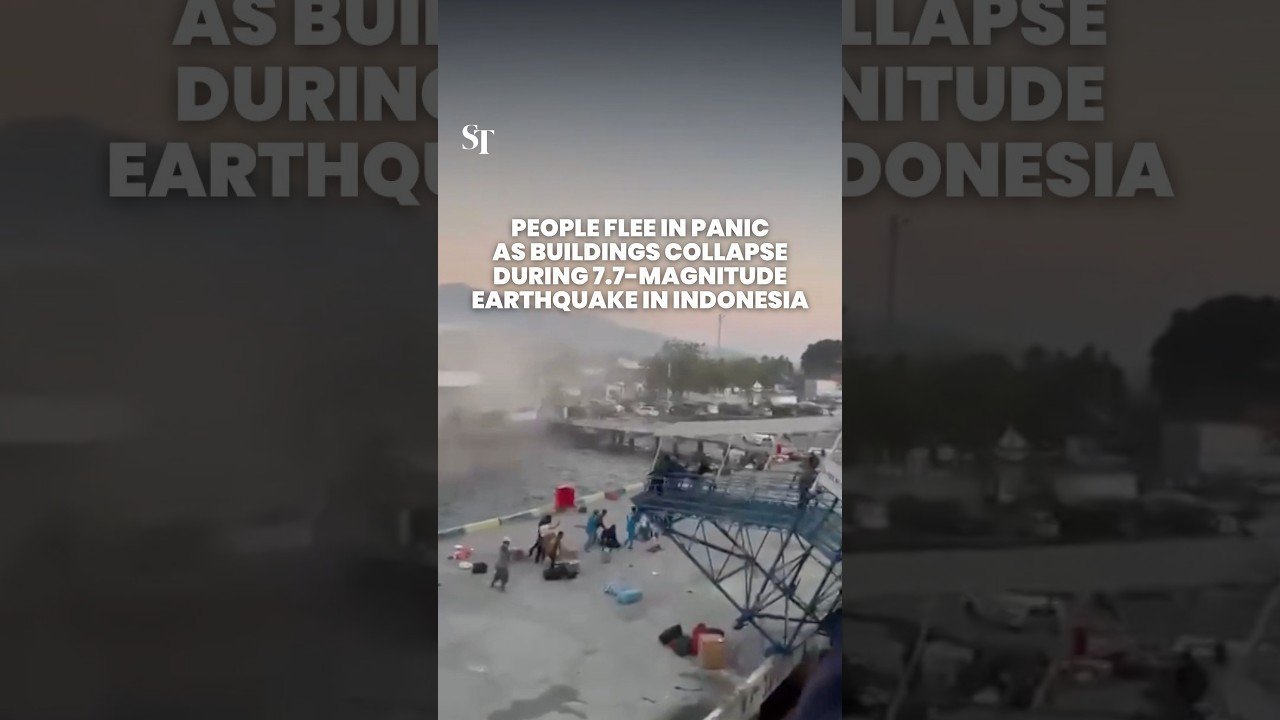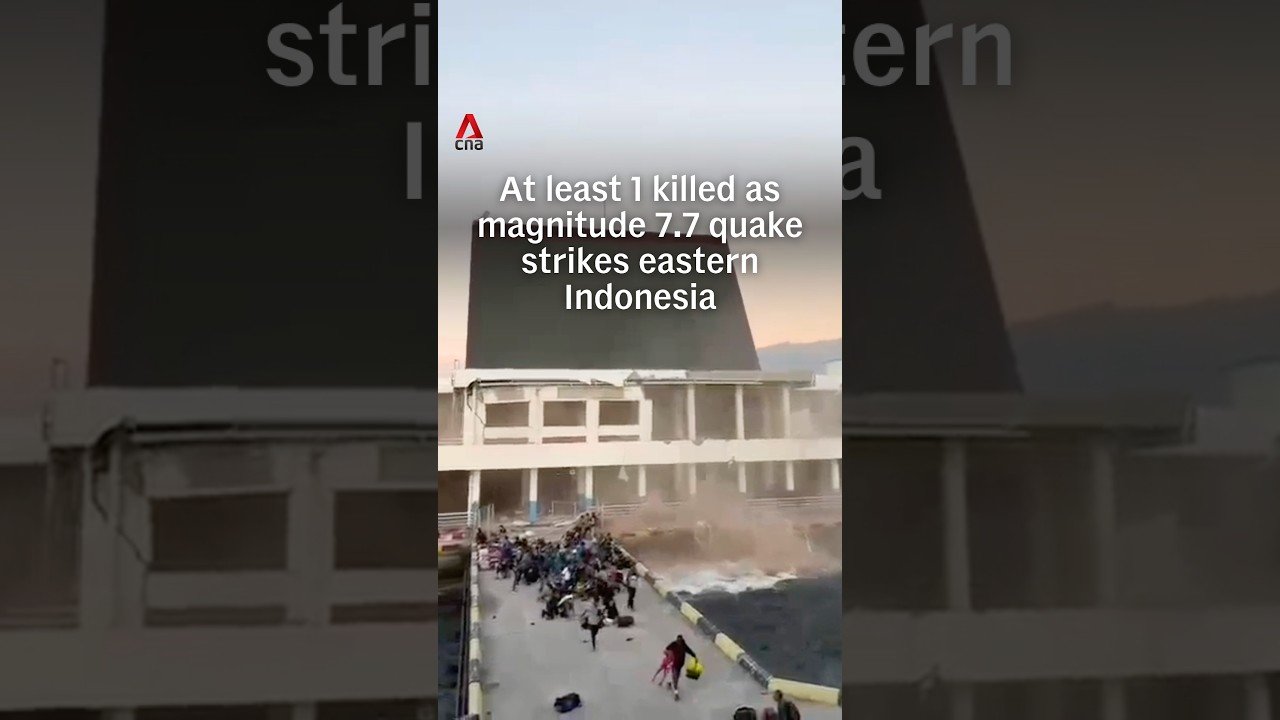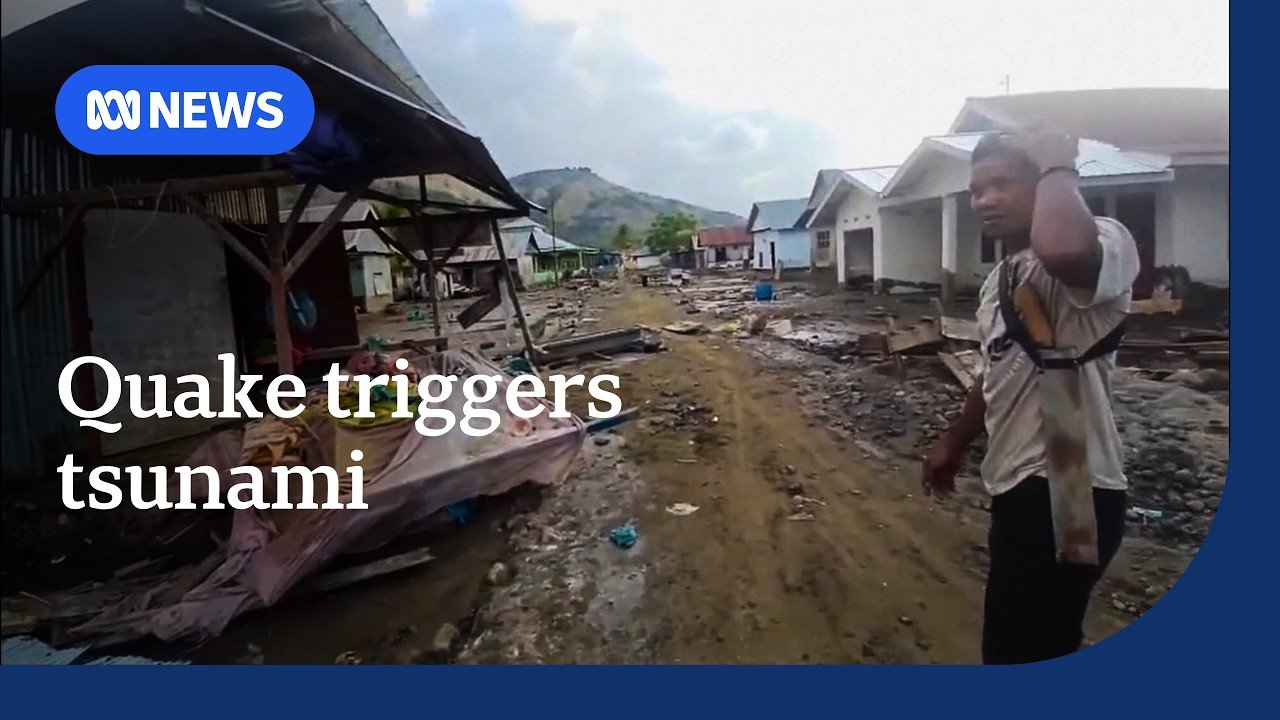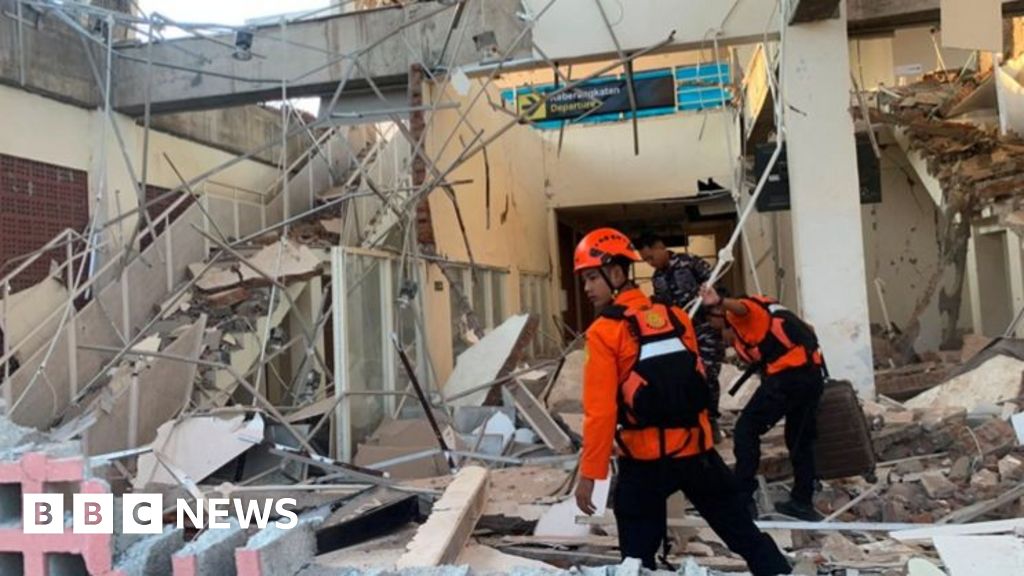
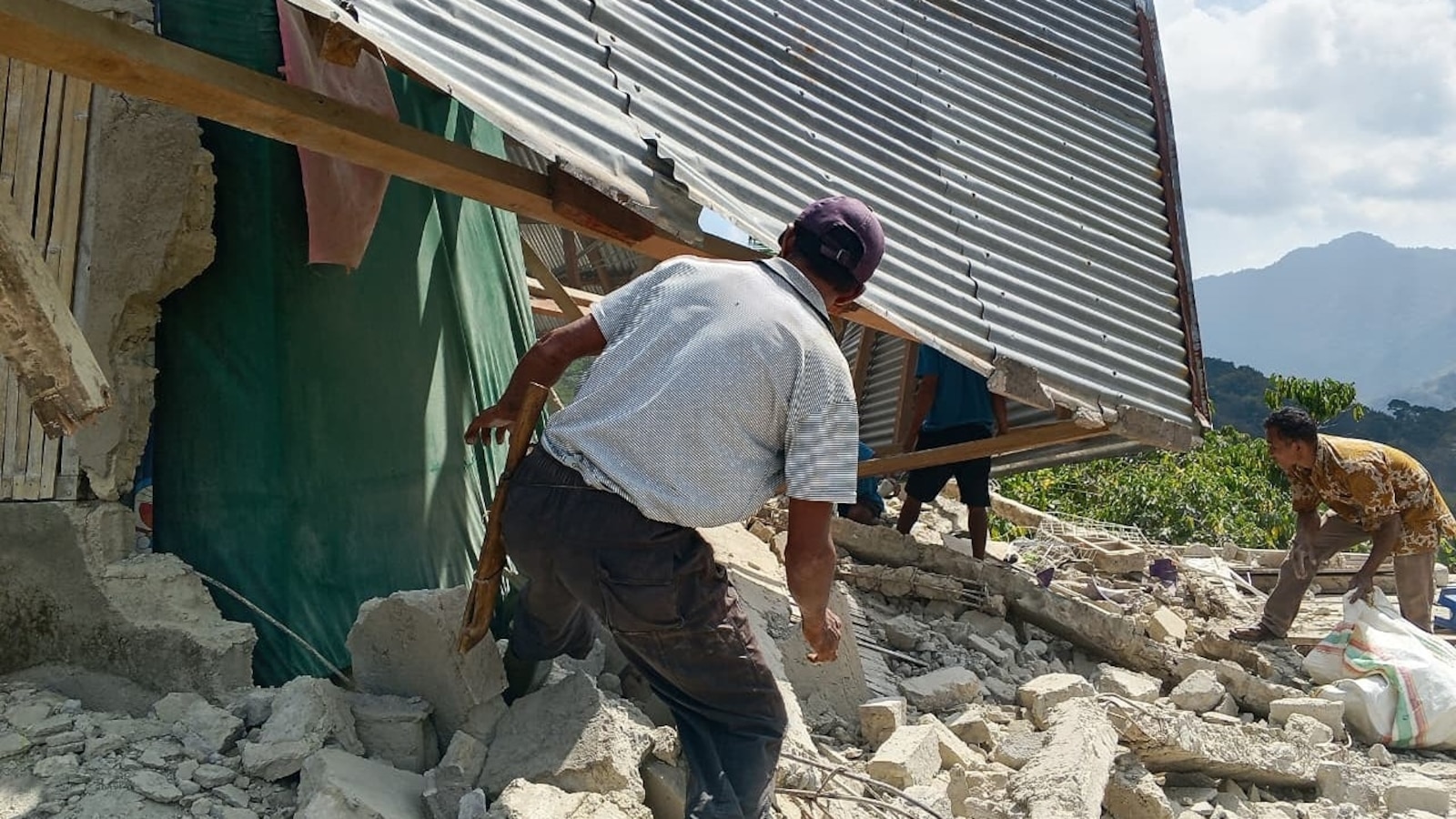





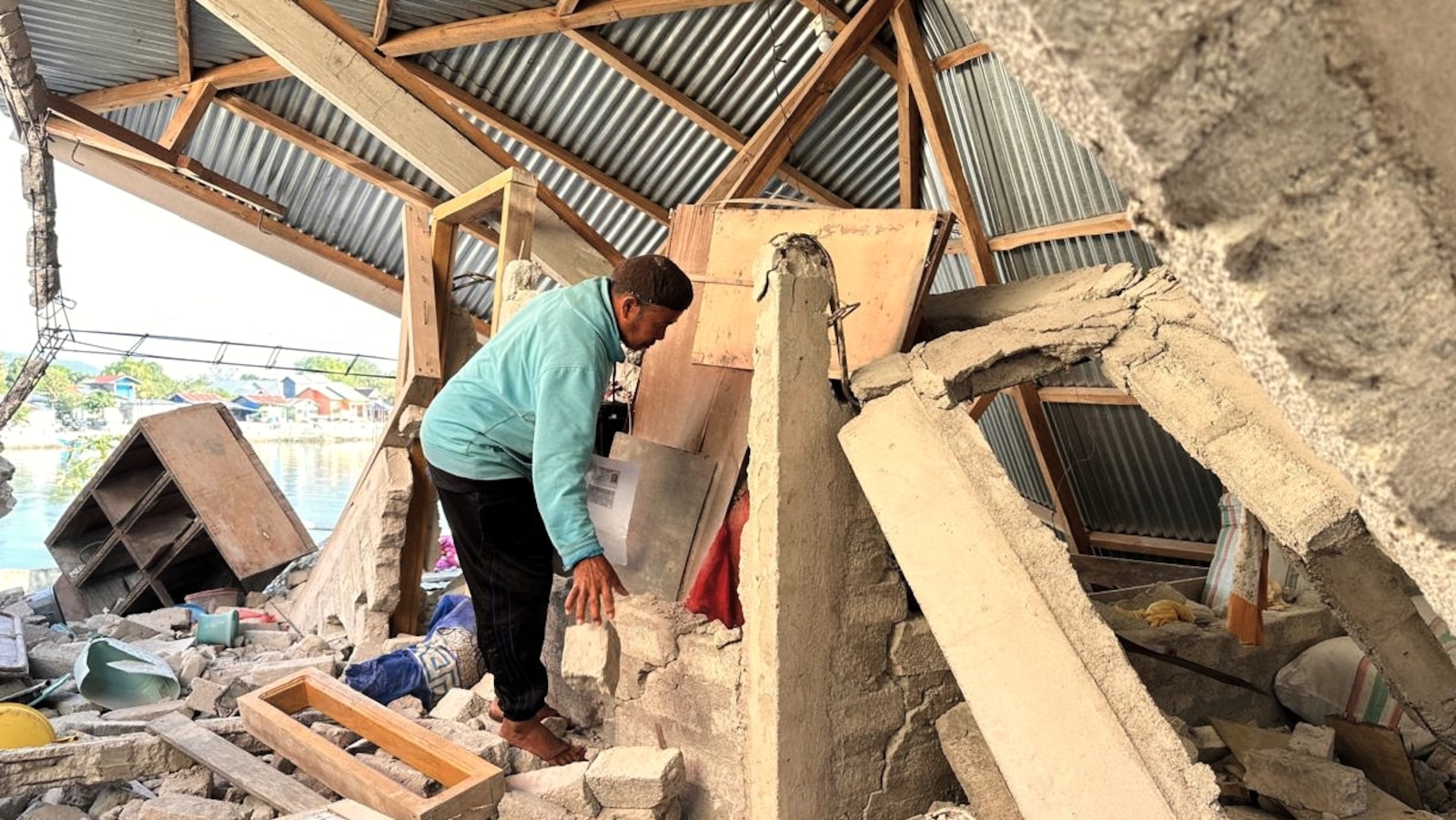
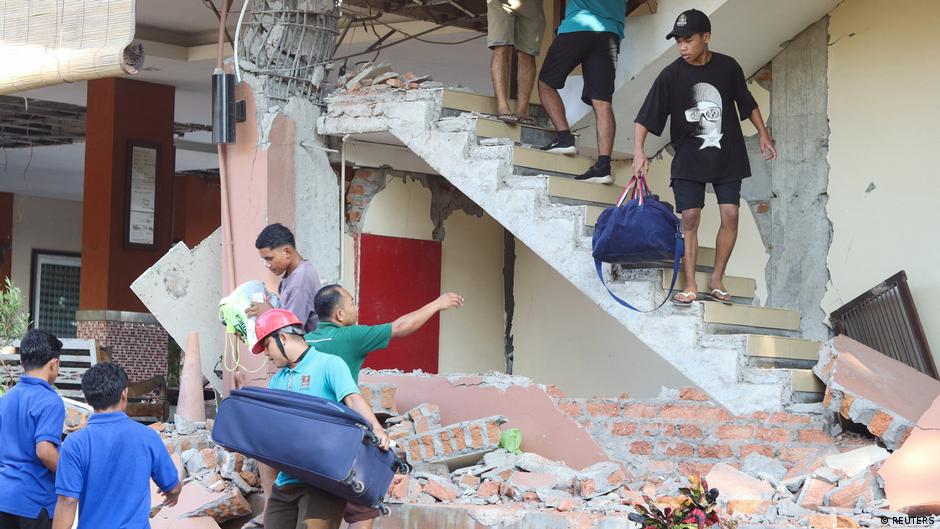

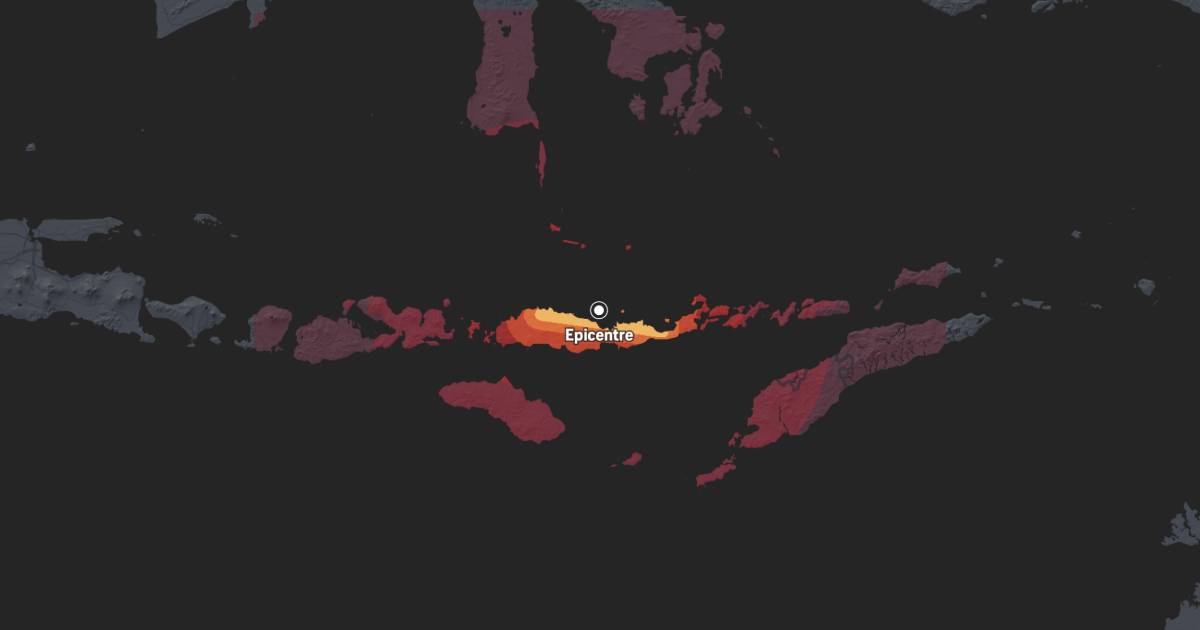

A powerful 7.7-magnitude earthquake struck the island of Flores in Indonesia’s East Nusa Tenggara province on Saturday, August 15, 2026, killing at least 73 people and injuring more than 900 others, triggering widespread destruction and a massive humanitarian crisis across the region.
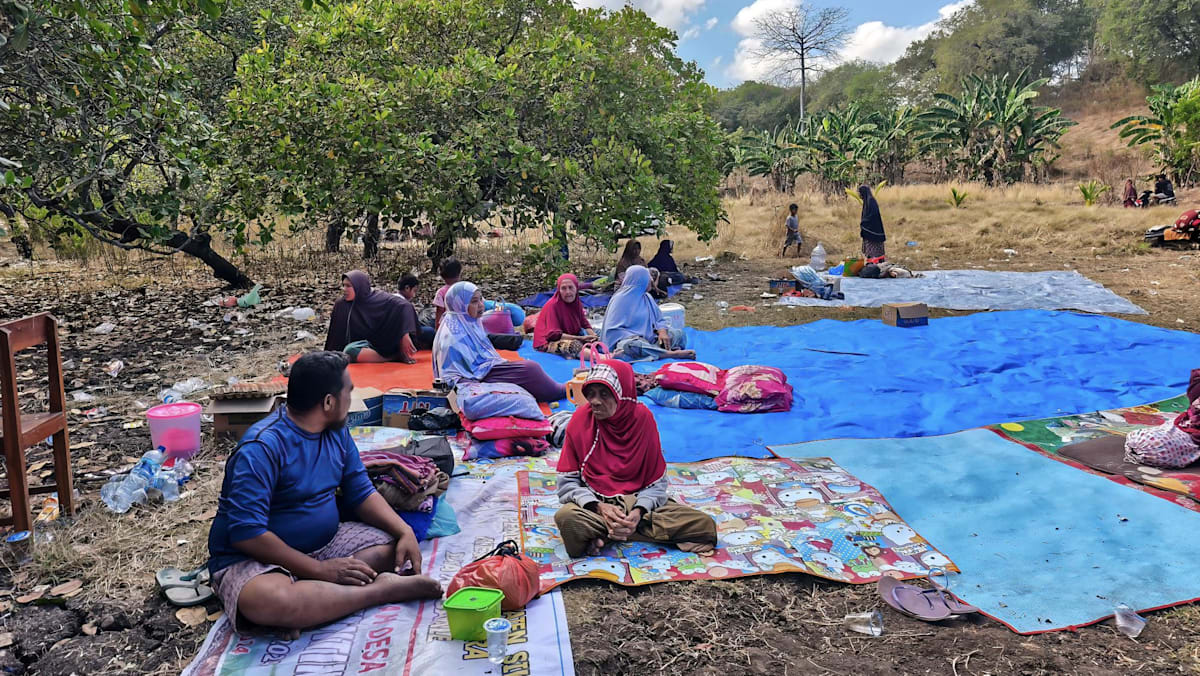
The disaster has displaced nearly 60,000 residents, destroyed or damaged more than 19,000 homes, and crippled critical infrastructure including hundreds of schools, health facilities, and government offices, while rescue teams continue to search through rubble and landslides for survivors amid thousands of aftershocks.
The main shock hit at 5:58 a.m. local time (21:58 GMT on Friday) with its epicentre located about 68 kilometres (42 miles) northwest of the town of Ende, at a shallow depth of 10 kilometres, according to the U.S. Geological Survey. The shallow depth and proximity to populated areas amplified the destructive force, collapsing buildings and triggering landslides across the mountainous terrain.
Authorities briefly issued a tsunami warning immediately after the quake, causing thousands of residents to flee to higher ground before the alert was lifted when no significant wave activity was detected. Since the main event, the region has been rattled by more than 3,000 aftershocks, including multiple strong tremors above magnitude 5.0 and 6.0, keeping local populations in constant fear and hampering rescue operations.
Escalating death toll and casualties
The death toll has risen steadily as rescue teams gain access to remote areas. Initial reports on Saturday afternoon recorded 14 fatalities, which climbed to 47 by Saturday evening, then to 53 by Sunday, 68 by Monday, and at least 70–73 by midweek, according to Indonesia’s National Disaster Management Agency (BNPB) and local disaster officials.
Fatalities were recorded across multiple regencies, with the heaviest losses in Manggarai (24–25 deaths), East Manggarai (17–20 deaths), Sikka (3–4 deaths), Ngada (1–2 deaths), and Ende (1–2 deaths). More than 1,182 people have been injured, with hundreds suffering serious injuries including broken bones and crush trauma.
In a remarkable rescue story, an 84-year-old woman was found alive several days after being trapped under rubble, offering a glimmer of hope amid the devastation.
Widespread destruction and displacement
Nearly 60,000 residents are currently living in temporary tents, evacuation centres, and makeshift shelters across Flores and surrounding islands. At least 19,297 homes have been damaged, of which 6,463 were severely damaged, 2,481 moderately damaged, and 12,006 slightly damaged, according to BNPB data.
The quake damaged 653 schools, 184 government offices, and 173 places of worship, disrupting education, public services, and community life. Over 182 health facilities, including hospitals and community health centres (puskesmas), were damaged, forcing medical teams to treat patients in emergency field hospitals and tents.
Emergency response and relief operations
East Nusa Tenggara Governor Emanuel Melkiades Laka Lena declared a 14-day state of emergency beginning August 15, streamlining disaster response protocols and expediting relief distribution across the affected regions. More than 3,500 military and police officers, including 1,267 personnel from the Indonesian National Armed Forces (TNI), have been deployed to clear landslides, search debris, and distribute aid.
The BNPB has mobilized military airlifts and sea routes to speed humanitarian relief, dispatching over 100 tons of emergency cargo via seven military cargo flights between August 15 and 17. The Indonesian Air Force deployed C-130 Hercules transport aircraft to airlift 13 tons of emergency aid to Maumere in Sikka Regency, with onward distribution to severely impacted and isolated regions including Ende, Nagekeo, and Bajawa.
Indonesia’s Ministry of Social Affairs is deploying personnel and delivering relief supplies worth more than Rp4.5 billion (over US$250,000), including food, water, medicine, and shelter materials. While basic food, water, and power grids are slowly being restored, remote mountainous areas face severe aid shortages due to blocked roads and ongoing landslides.
Regional seismic activity
In addition to the Flores disaster, a secondary, unrelated 6.1-magnitude earthquake struck off northern Sumatra on Tuesday, August 18, 2026, at a depth of 29 kilometres, rattling coastal communities but causing no major damage or casualties. Another 6.0-magnitude quake hit the Minahassa Peninsula in Sulawesi on Sunday, August 16, at a depth of 77 kilometres.