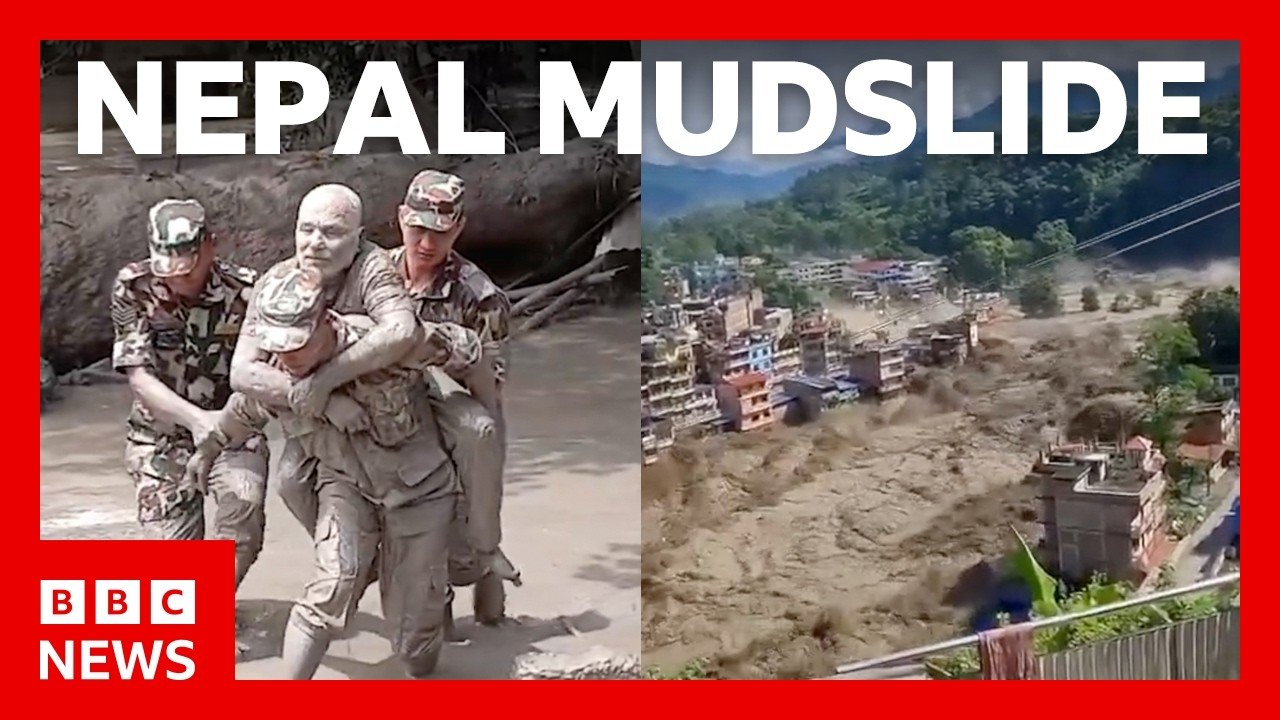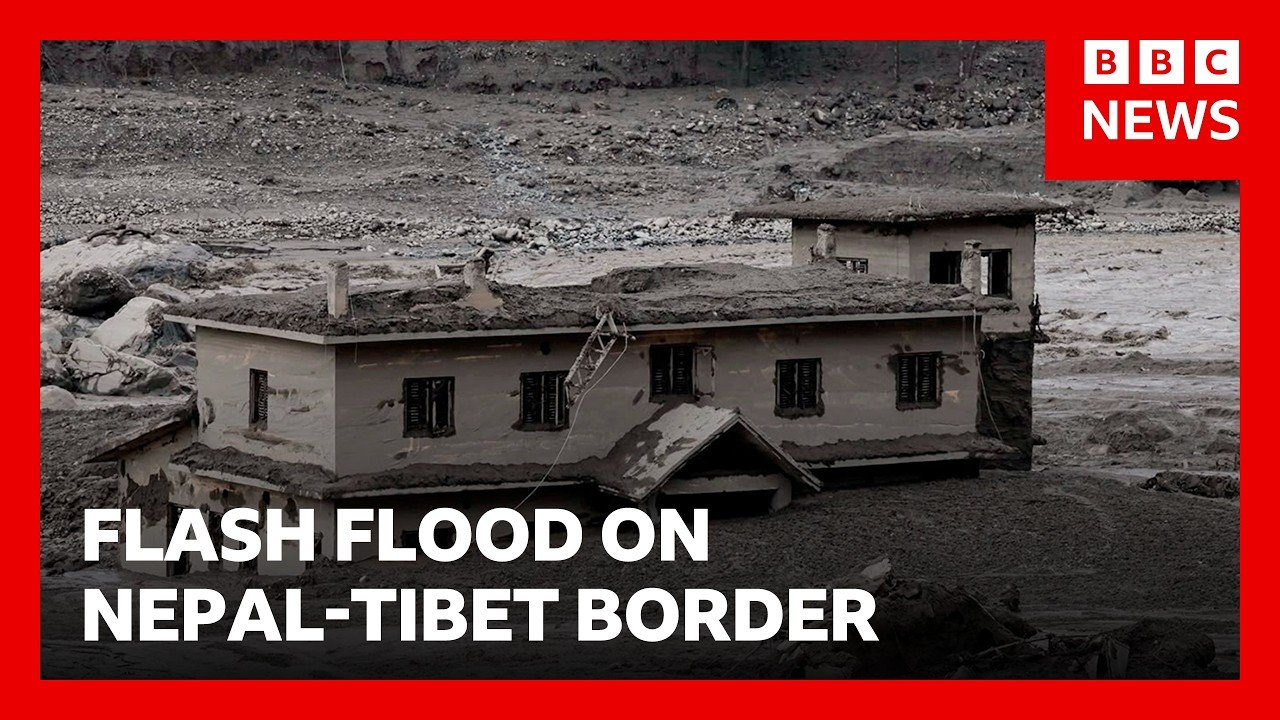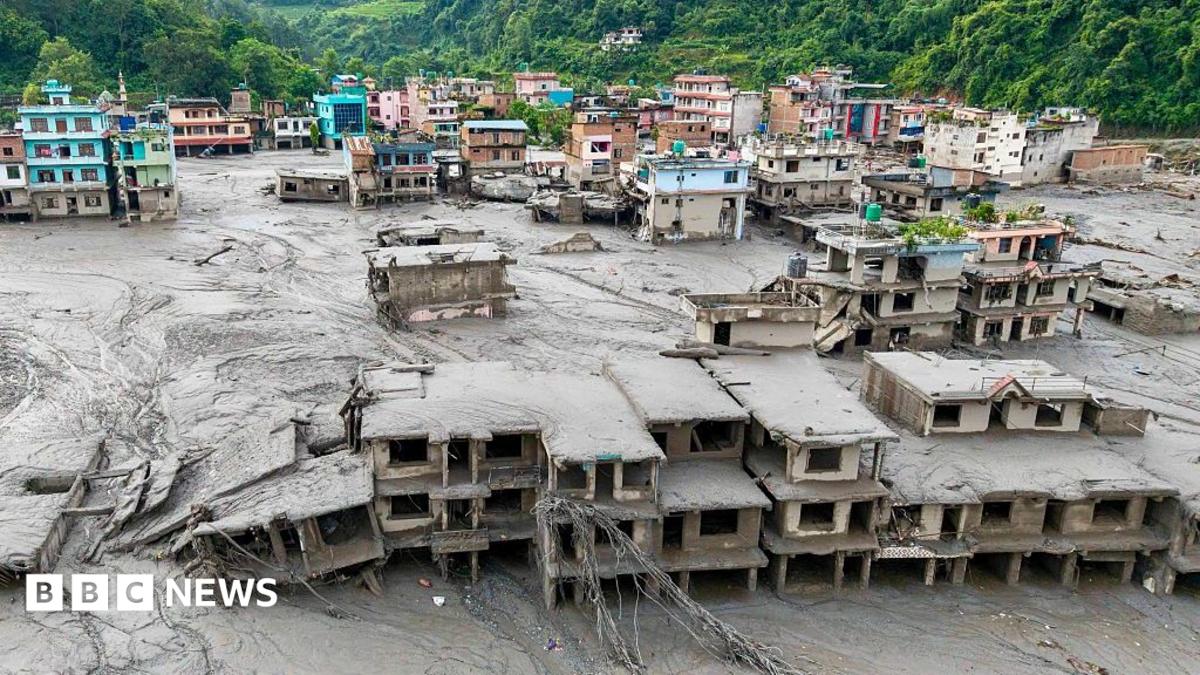





A massive glacial collapse in the high Himalayas triggered devastating flash floods along the Nepal–Tibet border on August 26, 2026, killing at least 165 people and leaving more than 1,300 missing across both sides of the frontier.
The disaster obliterated villages, washed away critical infrastructure, and stranded hundreds of foreign pilgrims and trekkers in one of the region’s deadliest natural catastrophes in recent years.
A Glacier, Not an Earthquake: The True Cause of the Disaster
Initial seismic readings confused responders. The United States Geological Survey (USGS) first logged a magnitude 4.4 tremor near the border, prompting early speculation of an earthquake-triggered landslide. However, further analysis of long-period seismic waves, nearby station data, and satellite imagery led USGS to reclassify the event as a magnitude 5.2 glacial collapse and debris flow—no tectonic earthquake had occurred.
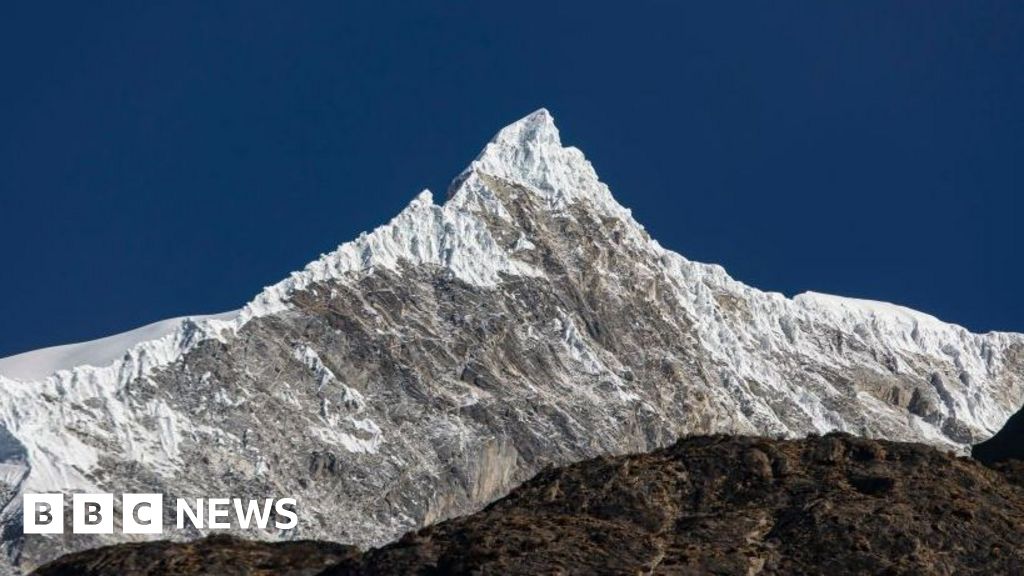
According to reports, a large section of glacier ice broke off at roughly 17,000 feet, crashing into the valley floor and temporarily damming the Lhende Khola river before failing catastrophically. The resulting avalanche of ice, rock, and sediment surged downstream as a high-speed slurry, overwhelming river channels and floodplains in minutes.
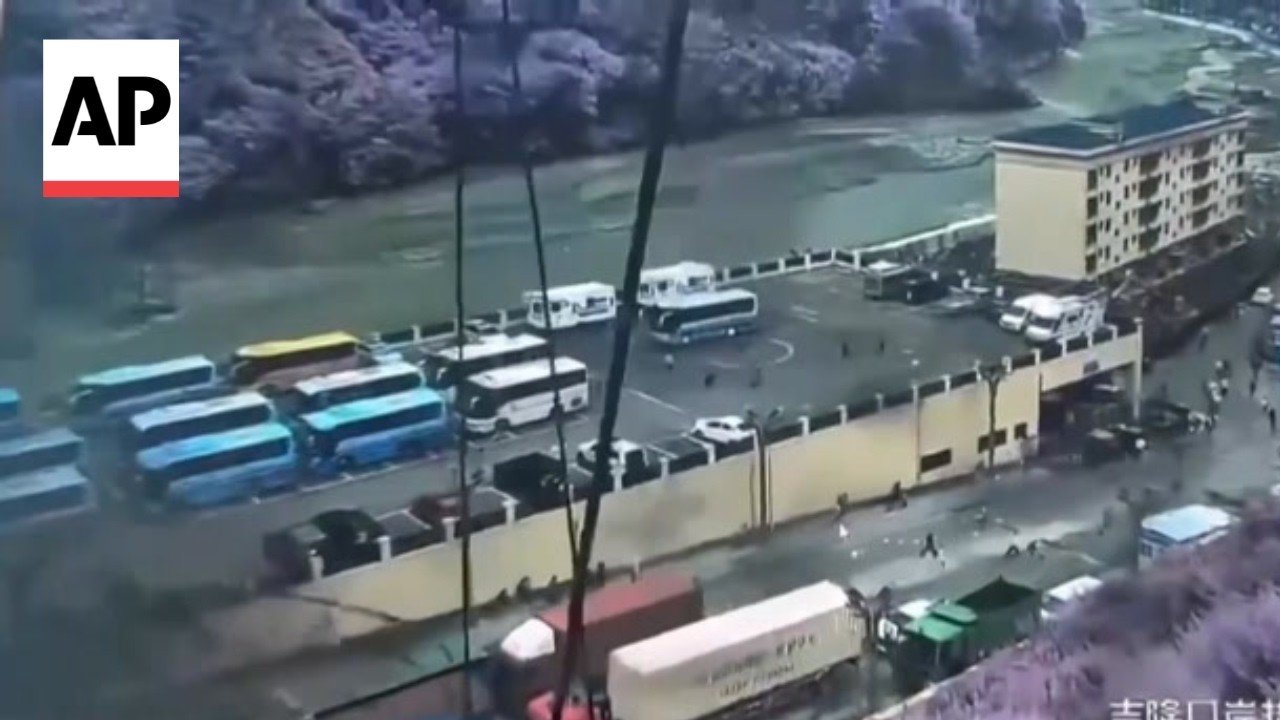
Border Crossing Engulfed: CCTV Shows Wall of Mud Sweeping People Away
The human toll was starkly visible in verified footage from the Gyirong Port immigration center on the China side of the border, where a towering wall of mud and debris engulfed travelers, truck drivers, and security personnel within seconds. Chinese state broadcaster CCTV reported at least three deaths and 265 missing in Gyirong County, with rescue teams working amid deep sediment and unstable ground.
On the Nepali side, the flood tore through the Rasuwa and Nuwakot districts, obliterating settlements along the Bhote Koshi and Trishuli river corridors. Police in Nepal confirmed at least 157 bodies recovered by late Wednesday, with officials warning the death toll would rise sharply as search teams reached remote areas.
Pilgrims and trekkers among hundreds of foreign nationals missing
The affected corridor is a vital route for Hindu and Buddhist pilgrims traveling to Mount Kailash in Tibet, as well as trekkers heading to the Langtang region. Nepal’s Tourism Board reported that at least 384 travelers were missing, including 291 foreigners and 93 Nepali nationals. Other tallies put the total missing near 1,500 across Nepal and Tibet, with roughly 750 foreigners unaccounted for.
Among the missing are large numbers of Indian pilgrims—reports cite between 105 and 177 Indian nationals—along with dozens of citizens from the United States, United Kingdom, Australia, Malaysia, Canada, Ukraine, and South Korea. South Korean authorities said eight of their nationals working on a hydropower plant were missing.
Infrastructure Wiped Out: Bridges, Roads, and Hydropower Projects Destroyed
The flood’s physical footprint was extensive. At least 19 bridges and 40 kilometers of roads were washed away, severing access to multiple villages and project sites. The torrent also heavily damaged hydropower infrastructure, with early assessments indicating that more than a dozen projects were affected and over 12% of Nepal’s total hydroelectric capacity crippled.
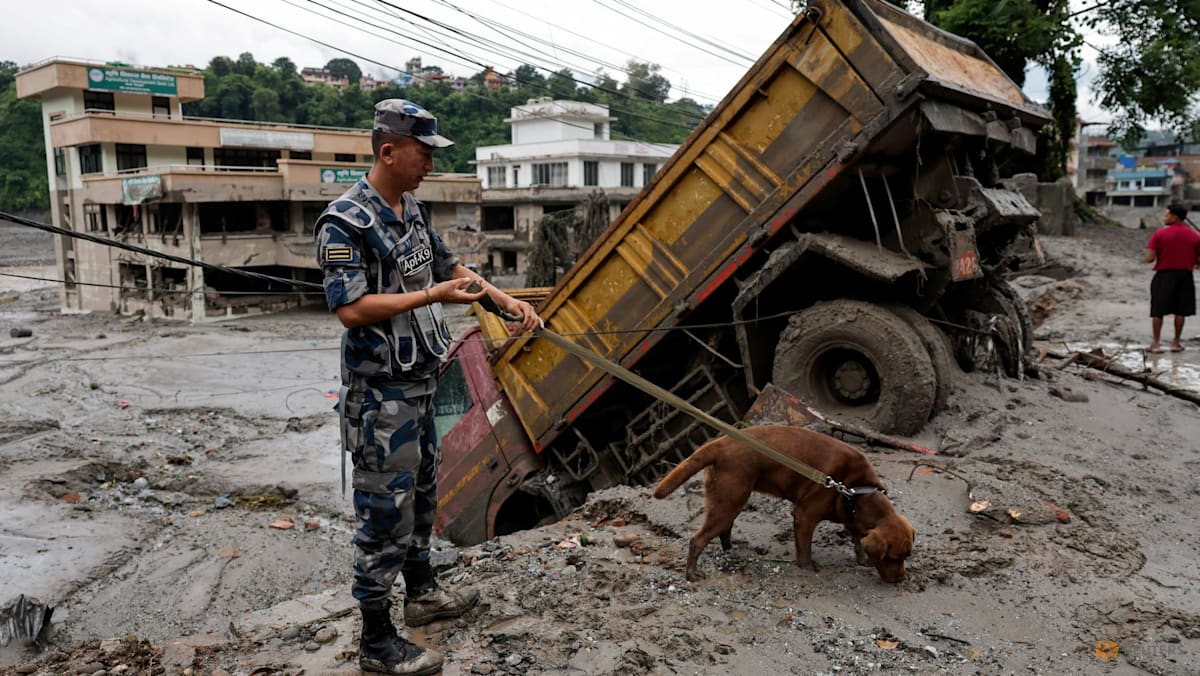
Deep sediment deposits, high river levels, and forecasted rain have complicated rescue operations, raising fears of secondary landslides in saturated slopes. More than 5,000 army and police personnel have been mobilized, with helicopters, drones, and search dogs deployed to locate survivors; by Thursday, rescuers had saved at least 125 people, including 20 foreigners.
International aid mobilizes as search continues
India dispatched military transport aircraft carrying relief supplies to Kathmandu, while United Nations agencies began mobilizing emergency provisions for affected communities. Nepalese authorities have set up coordination centers for families of the missing and are working with foreign embassies to verify nationals’ whereabouts.
With entire stretches of the border region still inaccessible and river levels remaining high, officials caution that the final casualty count may not be known for days. For now, the focus remains on reaching isolated settlements, stabilizing damaged infrastructure, and supporting the hundreds of families awaiting news of loved ones caught in the flood’s path.