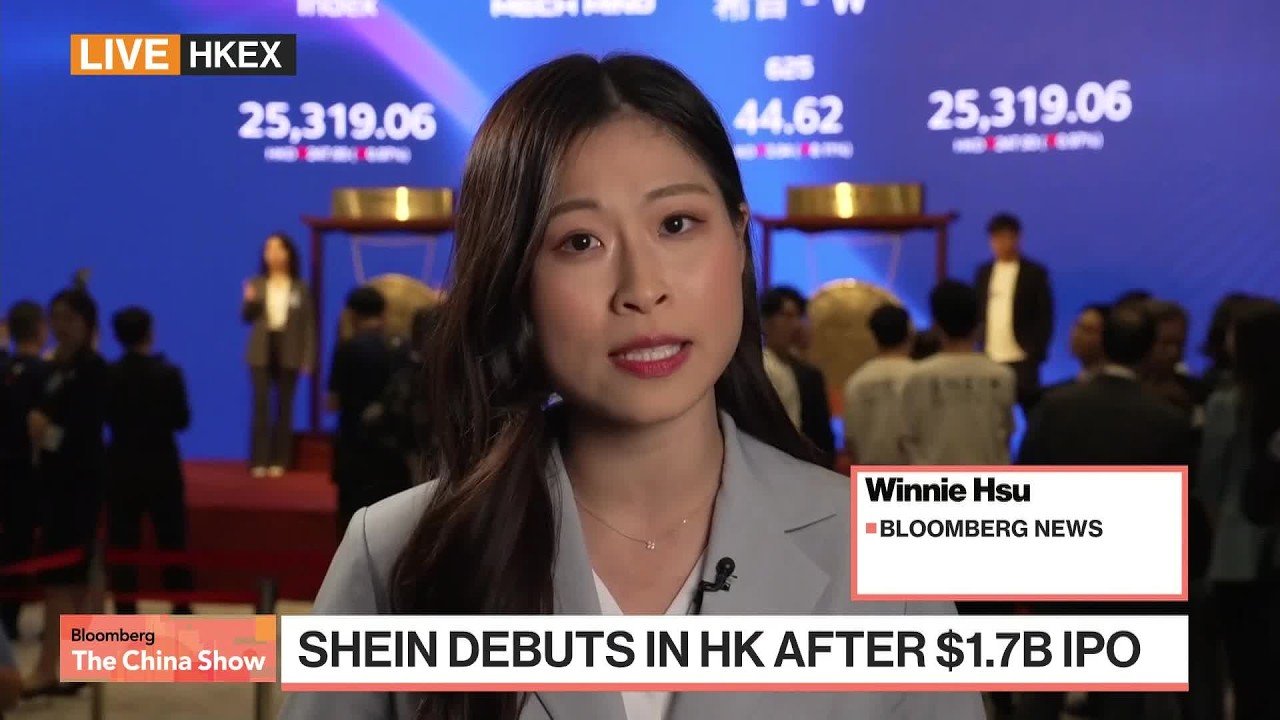
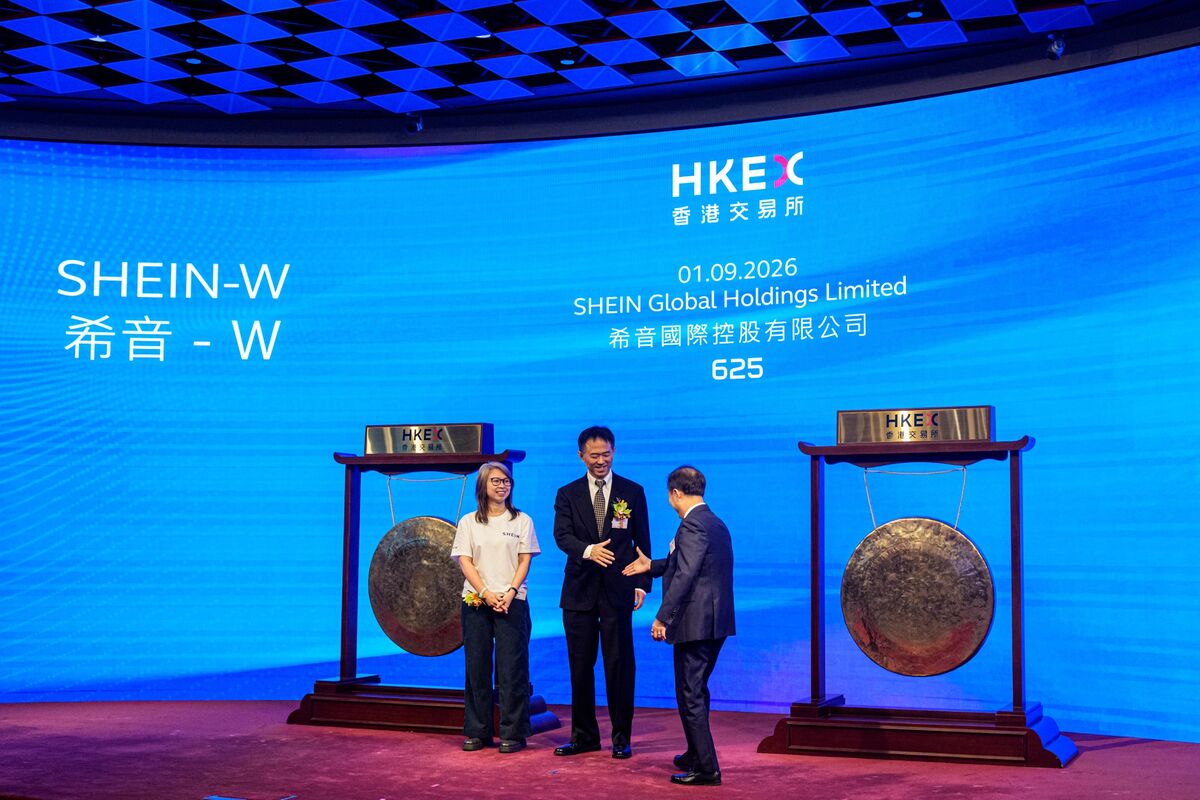


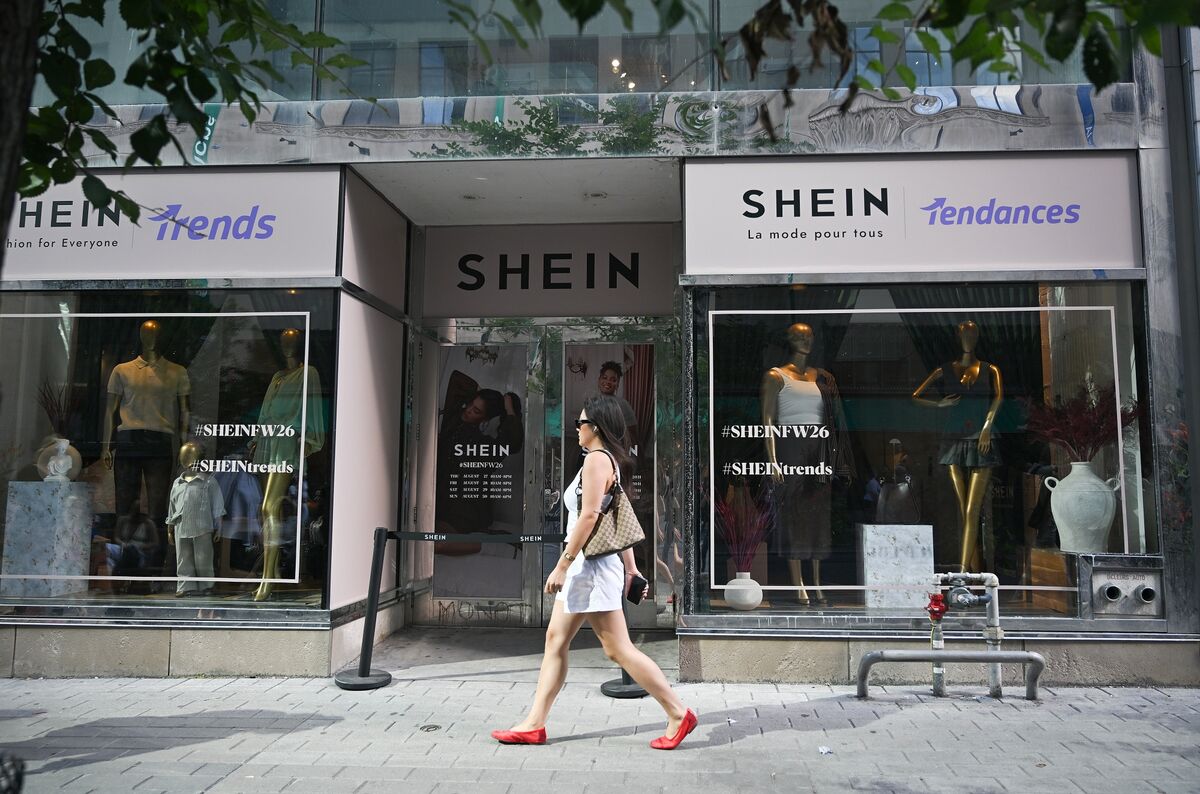





Shein began trading on the Hong Kong Stock Exchange on Tuesday, 1 September, in one of the city’s largest new share offerings this year—but the long-awaited listing immediately exposed investors’ doubts about the fast-fashion retailer’s growth prospects.
The Singapore-headquartered company priced its initial public offering at HK$48.56 per share and raised approximately HK$13.6billion, or US$1.74billion, from the sale of about 280 million shares. The offering valued Shein at roughly US$26.5billion to US$26.7billion, depending on the calculation used.
That represents a dramatic fall from the nearly US$100billion private-market valuation Shein achieved during the pandemic-era online-shopping boom in 2022. The Hong Kong valuation is therefore approximately 70% below the company’s peak, reflecting a sharp reset in investor expectations.
A volatile first day
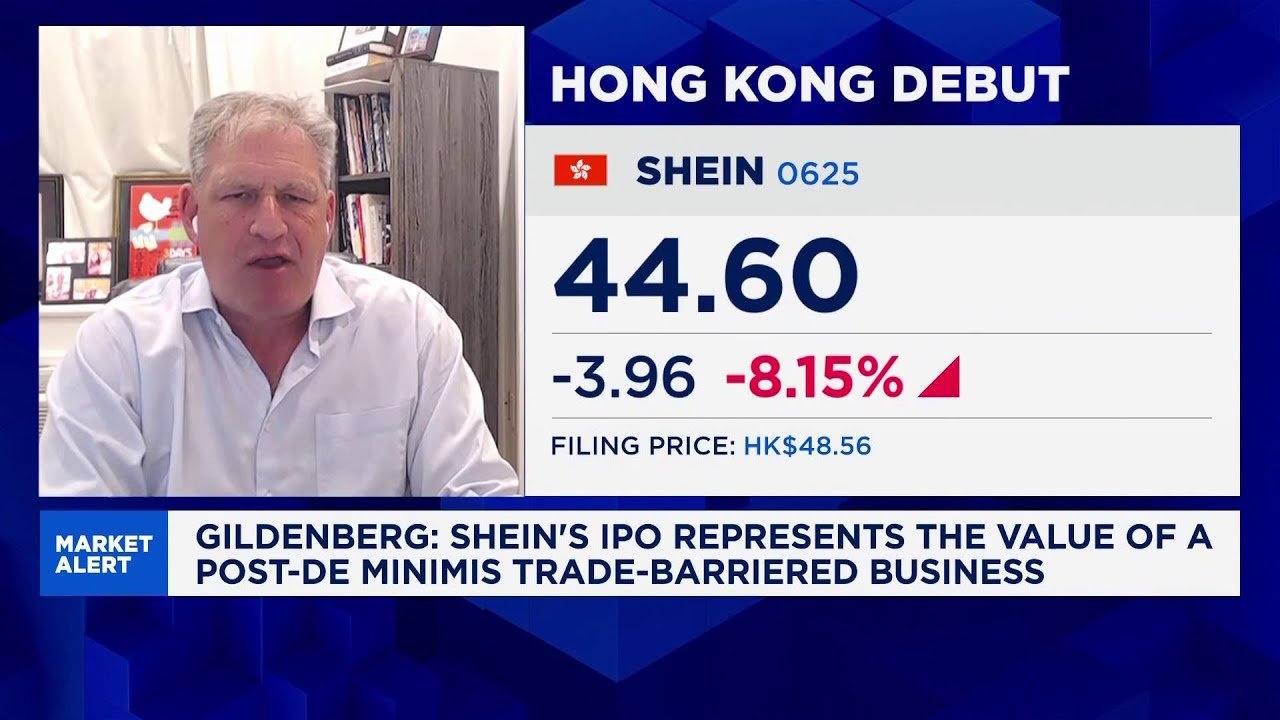
Shein shares opened around their IPO price before falling sharply. The stock dropped as low as HK$43.72 to HK$43.80 in early trading—roughly 10% below the offer price—before recovering most of its losses. It closed at HK$48.50, just below the IPO price.
The muted finish did little to dispel concerns about demand for the stock. Investors are assessing whether Shein’s highly efficient, China-linked supply chain can continue delivering rapid growth as shipping costs rise, trade rules tighten and governments scrutinise the company’s labour and data practices.
The company’s listing also arrived after years of delay and uncertainty over where it could go public. Shein had initially pursued a US listing, later explored London, and ultimately settled on Hong Kong—a venue that offered access to international capital while remaining closer to China’s regulatory and political orbit.
Why the valuation fell
Shein’s private-market valuation soared during the pandemic as consumers shifted rapidly toward online shopping. Its business model combined low prices, social-media marketing, data-driven product selection and a network of manufacturers able to produce small batches of new designs quickly.
The environment has since become less favourable.
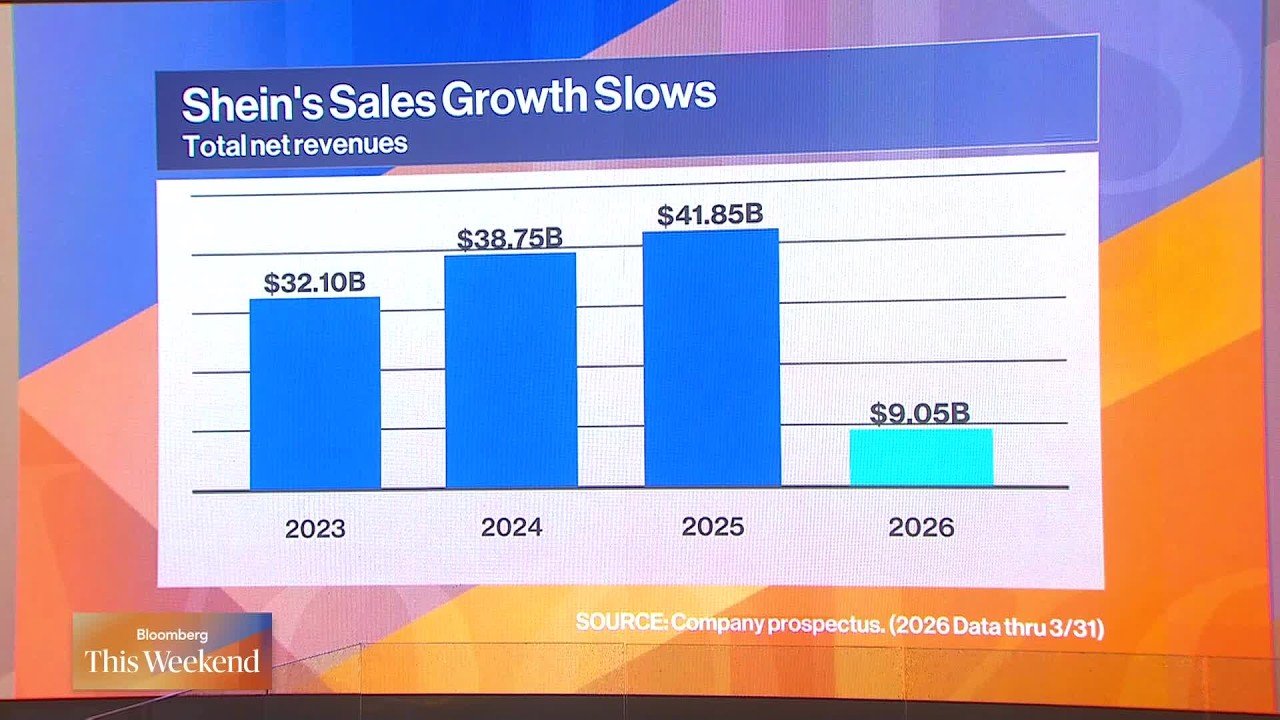
Revenue growth slowed to about 8% in 2025, according to reports citing the company’s listing documents. Shein also warned that first-half 2026 revenue growth was expected to remain broadly in line with the 1.1% growth recorded in the first quarter, while its operating margin was expected to decline slightly.
The company reportedly recorded a net loss of approximately US$99million in early 2026 as shipping, compliance and other operating costs increased. Those pressures have intensified just as Shein faces higher costs for delivering low-value parcels to major markets.
A crucial change has been the US decision to end the “de minimis” duty exemption for low-value imports. The rule had allowed packages valued below US$800 to enter the country with fewer customs obligations, helping companies such as Shein ship individual orders directly from China to American consumers.
With the exemption removed, more parcels are exposed to duties and processing costs. The European Union has also moved to increase the cost of low-value e-commerce shipments. The changes threaten one of the foundations of Shein’s direct-to-consumer model and could force the retailer either to absorb higher costs or raise prices.
More than a fashion retailer
Shein is attempting to reduce its dependence on ultra-cheap apparel. The company has expanded into beauty through its SHEGLAM brand, home goods and small appliances, while also operating a marketplace for third-party sellers.
Its broader platform generated a significant share of sales outside traditional clothing, according to analysis of the company’s business. The company has also developed supply-chain services for other brands through its Xcelerator programme, effectively offering parts of the infrastructure that made Shein successful to external partners.
In May, Shein completed the acquisition of US clothing brand Everlane for approximately US$80million. The deal included the repayment of about US$74million in Everlane loans, according to Shein’s Hong Kong listing documents.
The acquisition is now reportedly facing review by the Committee on Foreign Investment in the United States, or CFIUS, over potential national-security concerns related to data and ownership.
The Everlane deal illustrates Shein’s attempt to broaden its brand portfolio and move into a more premium segment. It also demonstrates the continuing regulatory complications surrounding a company whose roots, manufacturing base and technology infrastructure remain closely associated with China.
Listing delayed by political pressure
Shein was founded in China but is headquartered in Singapore. The relocation helped the company present itself as a more international business, although it did not remove scrutiny of its origins and operations.
The company’s proposed US listing faced pressure from lawmakers and campaigners over allegations involving labour conditions and the use of cotton from China’s Xinjiang region. Shein has denied forced-labour allegations and says it has strengthened its supply-chain compliance procedures.
A possible London listing later appeared to stall amid similar concerns over transparency, governance and the company’s ability to satisfy regulators and investors. Hong Kong eventually became the chosen venue, but the decision still required Shein to navigate Chinese regulatory considerations alongside international scrutiny.
The listing documents also reveal an unusual balance of economic and voting power. Shares sold to public investors carry one-tenth the voting rights of the founders’ shares. Shein’s co-founders—Sky Yangtian Xu, Maggie Gu, Molly Miao and Tony Ren—are expected to retain about 90% of the company’s voting rights.
That structure gives public shareholders limited influence over major corporate decisions, even though they now own a stake in the listed company.
How Shein plans to use the money
Shein says it will devote approximately 80% of its IPO proceeds to technology, supply-chain improvements, brand-building and international expansion.
The prospectus allocates about 40% of the proceeds to strengthening technology capabilities and another 40% to increasing brand awareness and expanding its global presence. The remainder is intended for corporate-responsibility initiatives and general corporate purposes.
The company has also agreed to pay up to approximately US$3.5billion in cash to certain investors who acquired special shares in earlier private funding rounds, according to reporting based on the prospectus.
Existing investors and cornerstone backers have committed to lock up their shares for six months, limiting the amount of stock freely available for trading immediately after the listing. Cornerstone investors—including Boyu, Tiger Global and General Atlantic—subscribed for approximately US$383 million of shares.
The relatively restricted float may have contributed to the sharp price swings during the debut session. With fewer shares available for ordinary trading, even modest buying or selling pressure can produce larger movements.
A public test of Shein’s model
Shein’s Hong Kong listing is not simply a fundraising event. It is a test of whether the company can convert a highly effective online retail machine into a durable public-market business.
Its original advantage came from selling inexpensive items directly to consumers, quickly testing new designs and relying on a tightly coordinated manufacturing ecosystem. That model remains powerful, but it is increasingly exposed to tariffs, environmental criticism, labour concerns, data-security questions and pressure to improve corporate governance.
The company now has to invest in logistics, compliance, physical-market access and brand credibility while preserving the low prices that attracted its core customers.
For investors, the central question is whether Shein’s next phase will be defined by continued international expansion—or by the diminishing returns of a business model built for an era of cheap shipping, light-touch customs treatment and pandemic-fuelled online demand.
Its first day in Hong Kong offered no clear answer. But the roughly US$70billion gap between Shein’s peak private valuation and its public-market debut shows how substantially the market’s view of the company has changed.