










Australia has tabled draft legislation that would, for the first time, give adult social media users a legal right to opt out of algorithmic feeds and force platforms to proactively reduce foreseeable harms or face fines of up to A$109.2million.
The package —dubbed the Online Safety Digital Duty of Care Bill 2026 and anchored by Prime Minister Anthony Albanese’s “My Feed, My Way” initiative—targets recommender systems on platforms such as Meta’s Facebook and Instagram, TikTok, YouTube, X and Reddit, while also extending new safety obligations to apps, online games and AI chatbots used by under‑18s.
We're holding big tech to account and giving Australians more power over their feeds. pic.twitter.com/tDifjrprsq
— Anthony Albanese (@AlboMP) September 8, 2026
What the “My Feed, My Way” rules actually do
Under the draft laws, platforms must notify both new and existing users (aged 16 and over) and offer a clear choice over their default feed:
- Opt in: Keep receiving personalised content recommended by the platform’s algorithm.
- Opt out: See only posts from friends, creators, pages and groups they explicitly follow, in a simpler, largely chronological feed.
Platforms would be required to respect that choice unless the user changes it, and the government is consulting on whether the default should be opt‑in or opt‑out.
The aim, according to Albanese, is to stop “unregulated product testing” on Australians by giving people control over whether divisive or addictive content is pushed into their feeds.
Fines, enforcement and new powers for the eSafety Commissioner
Non‑compliance can trigger maximum penalties of A$109.2million (about US$79million) per breach, putting the bill in the same league as Australia’s earlier world‑first under‑16 social media ban.
Enforcement falls to the eSafety Commissioner, which would:
- Monitor whether platforms document and maintain effective measures to address identified risks of harm.
- Issue removal notices for harmful or illegal content, including so‑called “nudify” deepfake apps that generate non‑consensual intimate imagery.
The legislation also requires platforms to identify and manage foreseeable risks on their services, shifting some burden from users and regulators onto the companies themselves.
Stronger protections for under‑18s
Beyond feeds, the bill imposes a digital duty of care for minors, covering social media, apps, games and AI chatbots. Key requirements include:
- Turning off recommendation algorithms and infinite‑scroll features for users under 16.
- Actively protecting under‑18s from harmful content and design, including material that promotes eating disorders, misogyny, pornography, crime glorification, dangerous stunts, and content likely to cause serious mental health distress such as abuse and bullying.
These rules build on Canberra’s earlier move to ban under‑16s from social media altogether, signalling a broader push to treat online environments as safety‑critical products.
Geopolitical friction: Trump calls it “extortion”
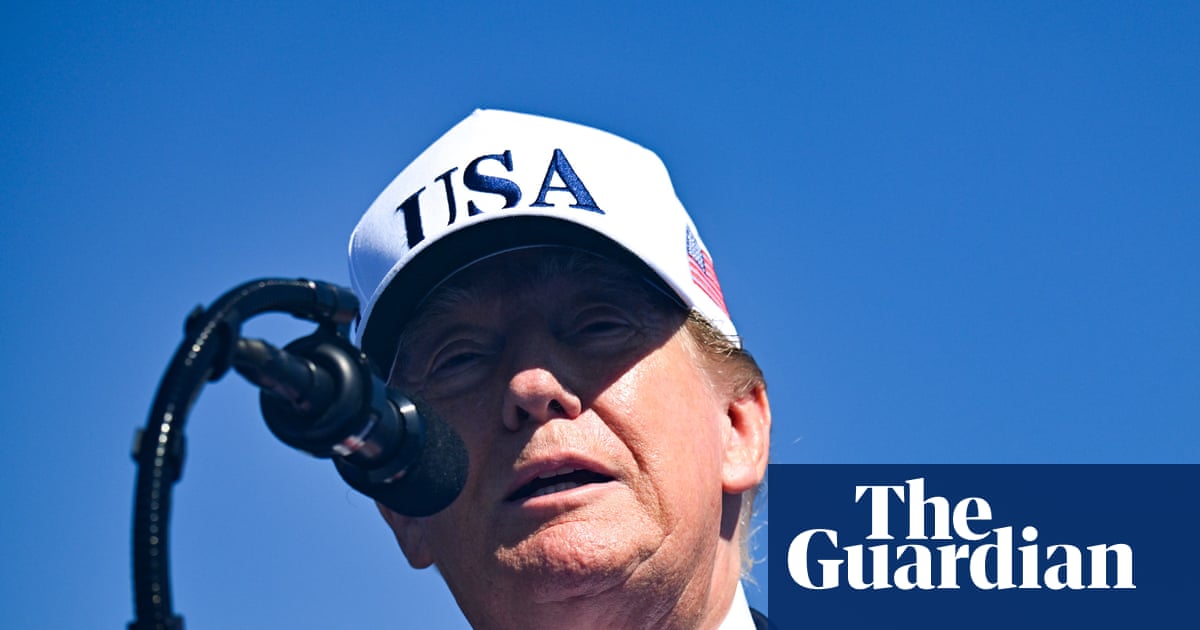
The proposal has already sparked international pushback. Former US president Donald Trump has condemned the measures, describing Australia’s algorithm mandates and penalty regime as a form of “extortion” against American tech companies.
Australian ministers have pushed back, arguing that national sovereignty includes the right to set product‑safety standards for services used by millions of Australians, even when those services are owned overseas.
What happens next
- The draft Online Safety Digital Duty of Care Bill 2026 was released for targeted consultation on 8 September 2026.
- The government plans to introduce the legislation to parliament later in 2026, with passage expected before Christmas if it secures cross‑bench support.
- If enacted, platforms will need to roll out the feed‑choice notifications and compliance systems, under the watch of the eSafety Commissioner.
Why this matters beyond Australia
If passed, Australia’s algorithm opt‑out would be among the first binding, user‑level “off switches” for recommender systems in a major democracy, potentially setting a template for the EU, UK and other Asia‑Pacific regulators already debating similar duties of care.
For users, the practical effect could be a social media experience that looks more like an old‑school timeline: less “For You” rabbit hole, more control over what actually appears when you open the app.