










China’s launch of a long-range submarine-fired ballistic missile across the Pacific has jolted regional security dynamics, coming within hours of a landmark new defense pact between Australia and Fiji and accelerating a broader strategic realignment in the South Pacific.
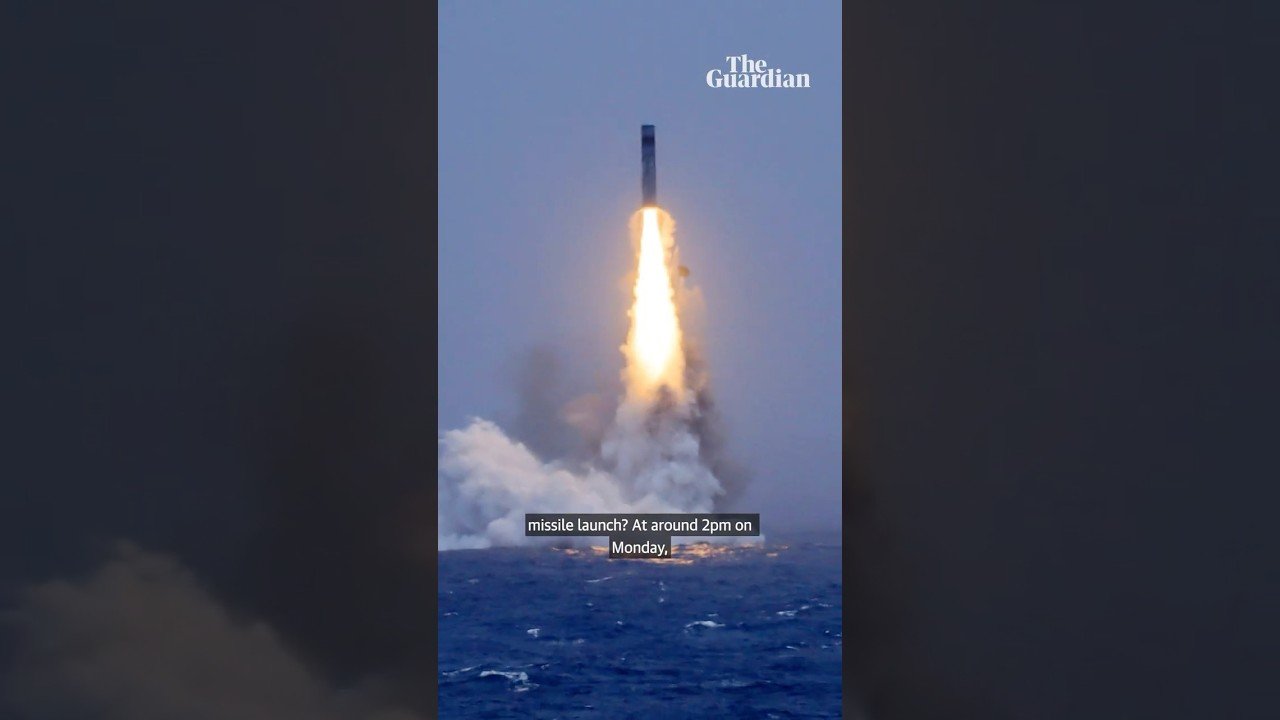
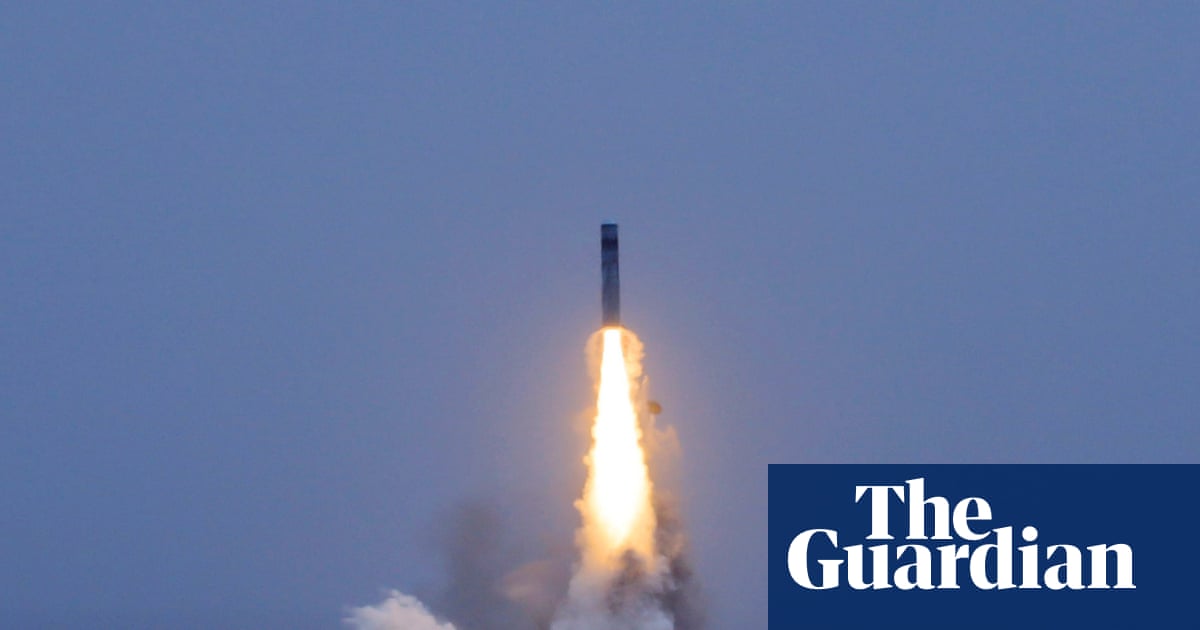
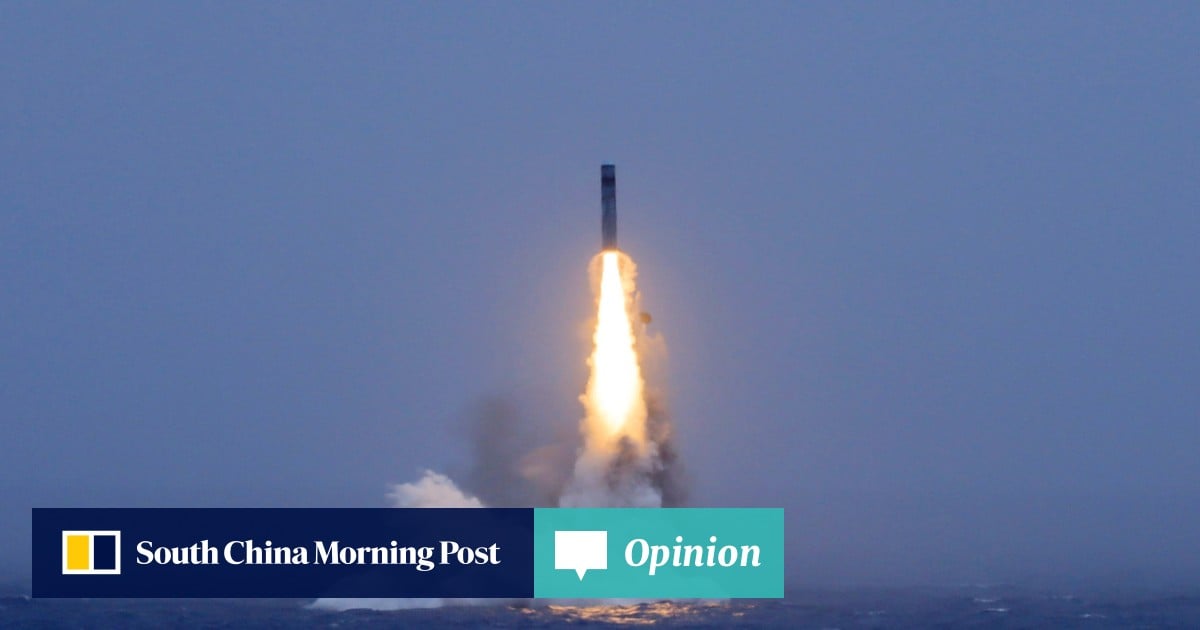
On 6 July 2026, the People’s Liberation Army Navy (PLAN) fired an unarmed, nuclear-capable submarine-launched ballistic missile (SLBM) from the South China Sea into open waters in the South Pacific. While Beijing described the launch as part of “routine annual training,” analysts widely see it as a deliberate and highly visible demonstration of China’s sea-based nuclear deterrent.
The missile—believed to be either the JL-2 or the newer JL-3—traveled roughly 7,300 km before splashing down near Tuvalu. If it was the JL-3, the test underscores a major strategic leap: with an estimated range exceeding 10,000 km, China’s submarines could theoretically strike the continental United States from waters closer to home, reducing the need to deploy into more exposed regions.
This matters because sea-based nuclear weapons form the most survivable leg of a “nuclear triad” (land, air, sea). Submarines are difficult to detect, making them central to a credible second-strike capability—ensuring retaliation even after a first nuclear attack.
Completing China’s “nuclear triad”
China has spent the past decade modernizing its nuclear forces, moving from a relatively modest deterrent posture toward a more robust and flexible system. The SLBM test is widely interpreted as a signal that Beijing’s sea-based deterrent is now operationally credible.
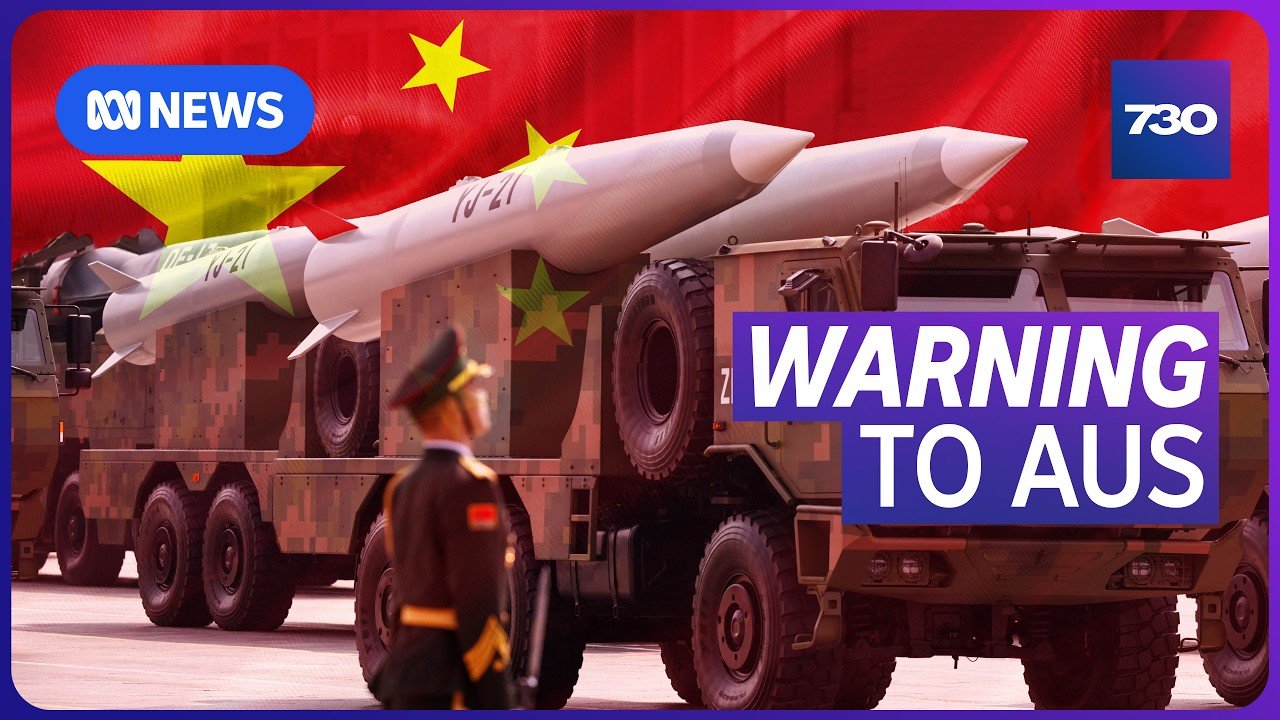
- Land: China maintains intercontinental ballistic missiles (ICBMs), including silo-based and road-mobile systems.
- Air: Its bomber fleet is being upgraded to carry nuclear-capable cruise missiles.
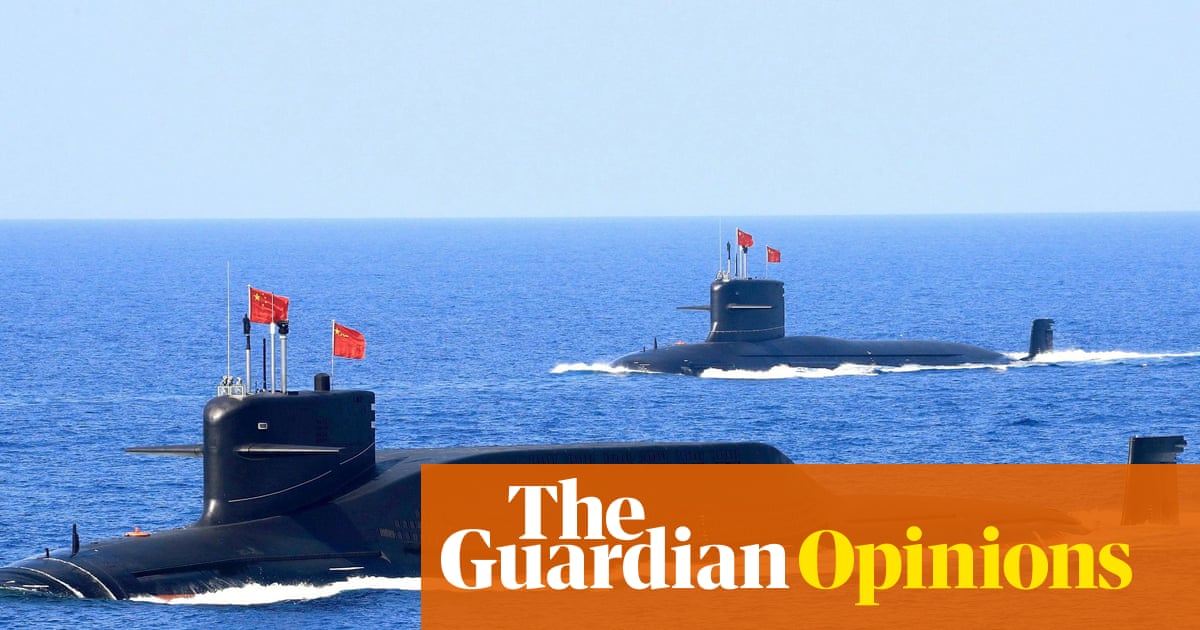
- Sea: Jin-class (Type 094) and newer submarines armed with JL-series SLBMs provide a concealed second-strike option.
This launch builds on a September 2024 milestone, when China fired an ICBM into the Pacific for the first time in over four decades — another indication that Beijing is becoming more willing to visibly demonstrate its strategic capabilities.
Regional backlash over transparency and timing
Despite the test being unarmed, the reaction across the Indo-Pacific was swift and critical, driven largely by how the launch was conducted.
Several governments — including Australia, Japan, and New Zealand — said they received only a few hours’ notice. The United States criticized the notification as insufficient, highlighting the lack of robust missile launch transparency mechanisms in the region.
The missile’s splashdown point added further sensitivity. It landed within the South Pacific Nuclear Free Zone, established under the 1985 Treaty of Rarotonga, which prohibits nuclear explosive devices in the region. Although the missile carried no warhead, Pacific leaders argued the test violated the spirit of the treaty.
New Zealand Foreign Minister Winston Peters called the launch “unwelcome and concerning,” warning against normalizing such tests. Pacific Island leaders echoed similar concerns, emphasizing their longstanding position that the region should remain an “ocean of peace.”
Collision with a new Pacific security bloc
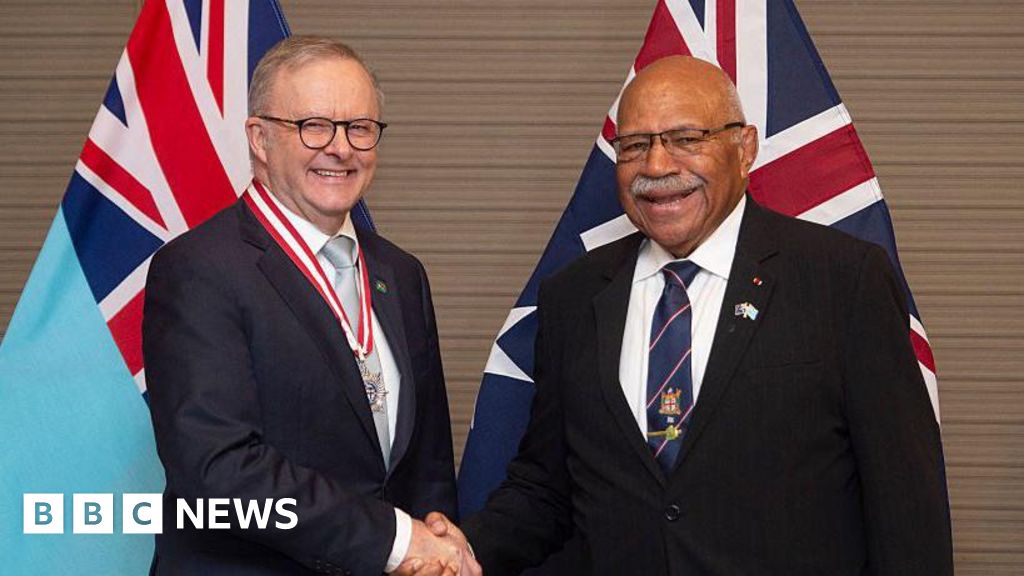
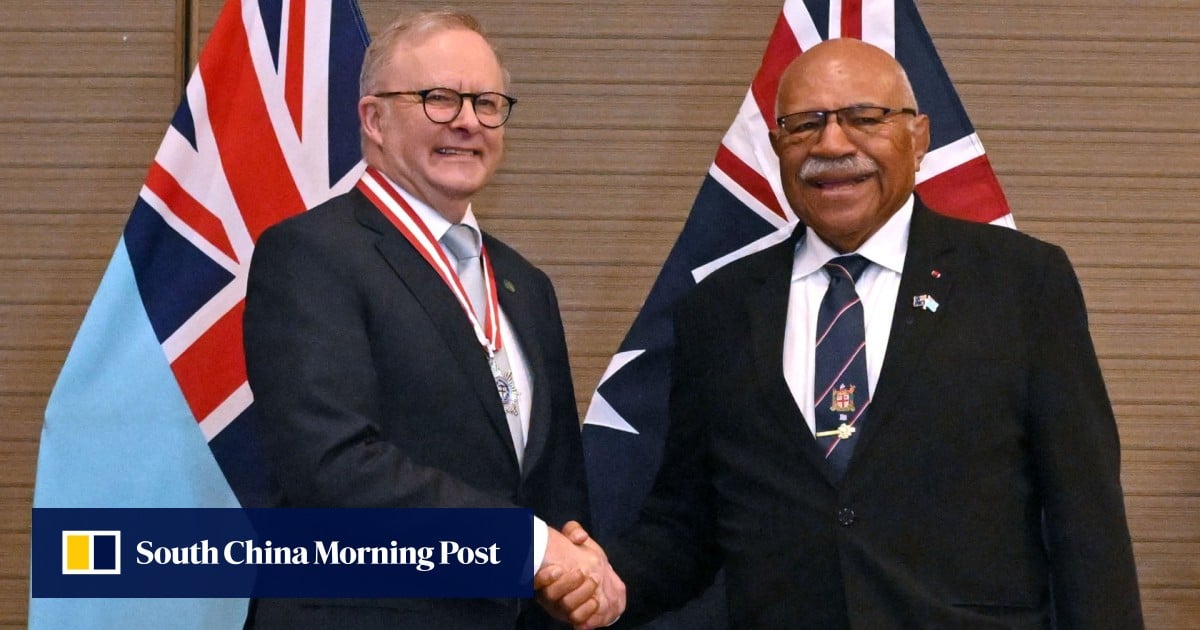
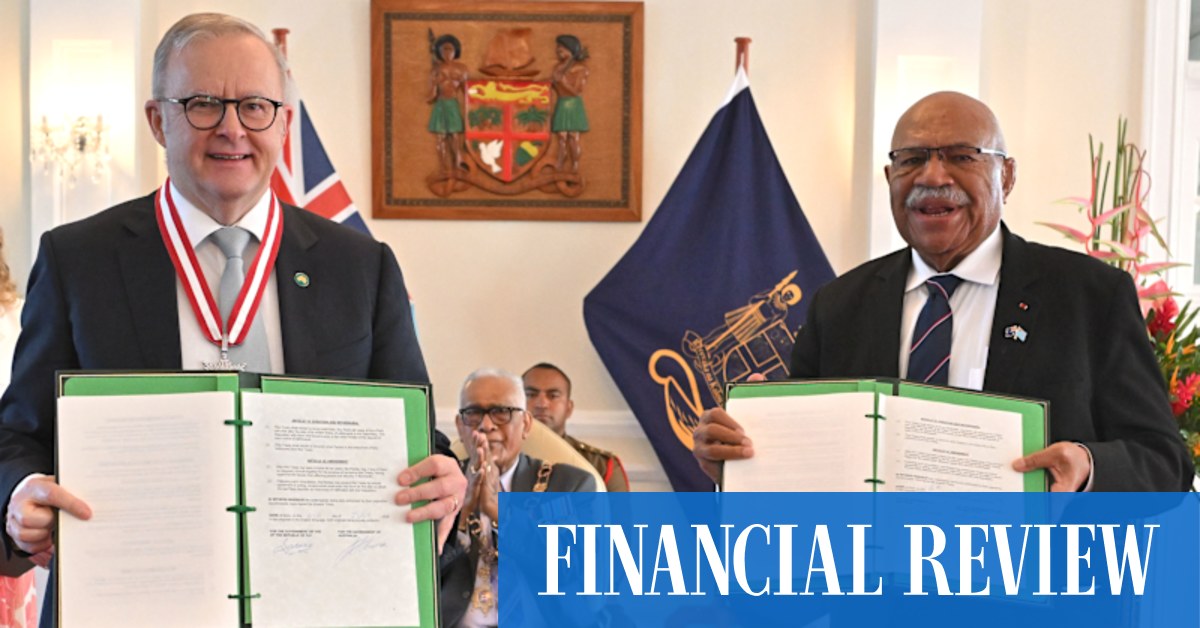
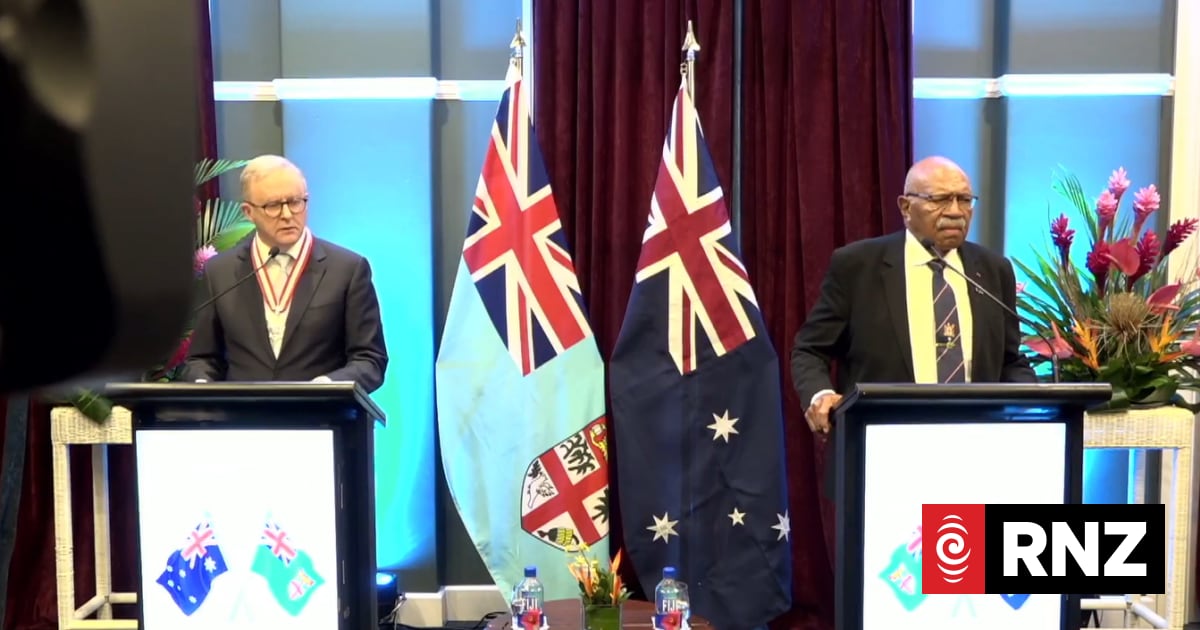
The timing of the launch amplified its geopolitical impact. It occurred on the same day Australia and Fiji signed the Ocean of Peace Alliance (also known as the Veitacini Treaty), a major new mutual defense pact.
Key elements of the agreement include:
- A binding mutual defense clause, treating an attack on one as a threat to both;
- Fiji’s first-ever formal military alliance;
- Australia’s deepened regional role, marking only its fourth such alliance; and
- Over A$1billion in associated investment through the “Vuvale Union” initiative, spanning development, policing, and mobility.
The treaty is widely viewed as part of Canberra’s effort to counter China’s growing influence in the Pacific, where Beijing has expanded its economic and security footprint in recent years.
Critics and some analysts have suggested the missile test may have been intentionally timed to coincide with the agreement, signaling China’s ability to project power into the same region. Beijing has not acknowledged any such link.
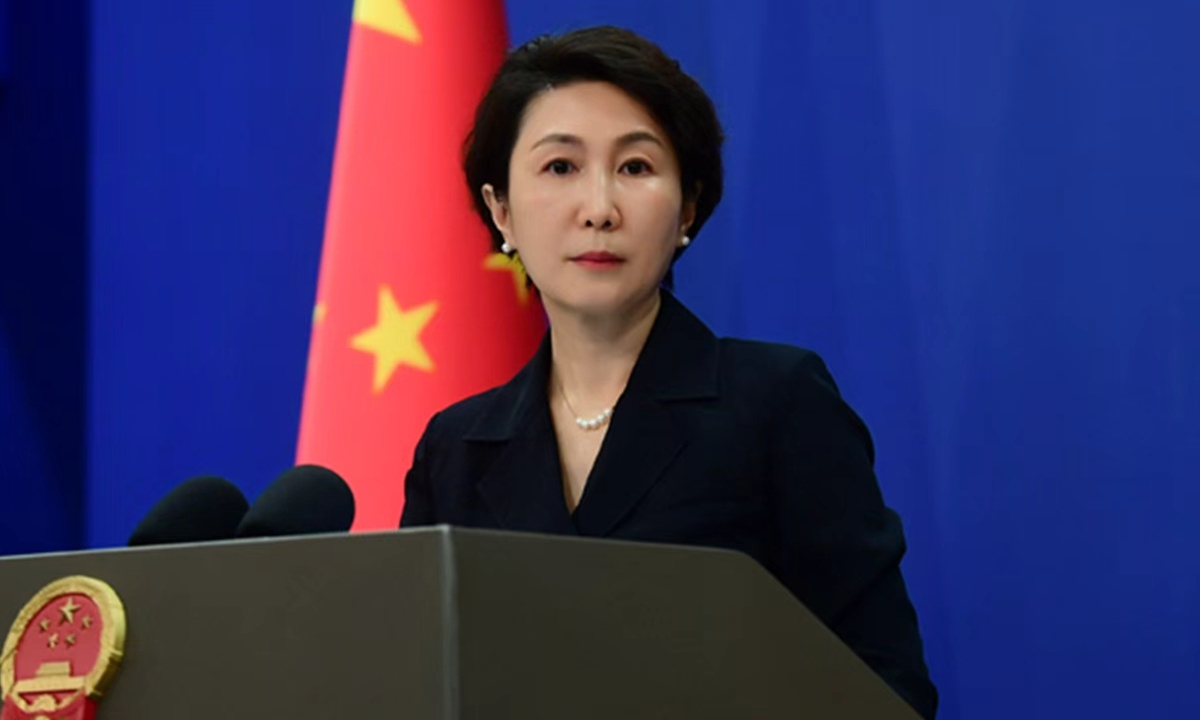
Chinese Foreign Ministry spokesperson Mao Ning said the launch was a routine military training activity, not directed at any specific country or target, and said relevant countries had been notified in advance. She added that others should not overinterpret the test.
New Zealand moves closer to alignment
China’s missile test appears to have accelerated regional alignment rather than deterred it.
On 9 July, New Zealand Prime Minister Christopher Luxon confirmed that his government will formally explore joining the Ocean of Peace Alliance. Wellington framed the move as a “logical” extension of existing defense cooperation with Australia and Pacific partners.
New Zealand officials emphasized that the alliance is designed to be “Pacific-led,” reflecting a preference for regional security frameworks rather than reliance solely on external powers. The treaty itself is open-ended, allowing additional members such as New Zealand, Papua New Guinea, or Tonga to join with consent.
The missile launch played a direct role in shaping this response. Senior New Zealand leaders condemned the test in unusually strong terms, linking it to broader concerns about militarization and strategic competition in the Pacific.
A shifting Pacific security landscape
Taken together, the SLBM test and the Australia-Fiji alliance mark a turning point in Pacific geopolitics.
China is demonstrating longer-range, more survivable nuclear capabilities and a greater willingness to showcase them beyond its immediate periphery. At the same time, regional actors — particularly Australia and New Zealand — are deepening security ties with Pacific Island nations, aiming to shape a more coordinated response to external pressure.
Where the Pacific was once largely defined by development aid and diplomacy, it is increasingly becoming a theater of strategic signaling and military alignment.