






Severe flooding across Bangkok in late September 2026 paralysed Suvarnabhumi Airport, stranding thousands of suitcases, forcing flight cuts and culminating in the suspension of Thai Airways’ chief executive.
How the floods unfolded
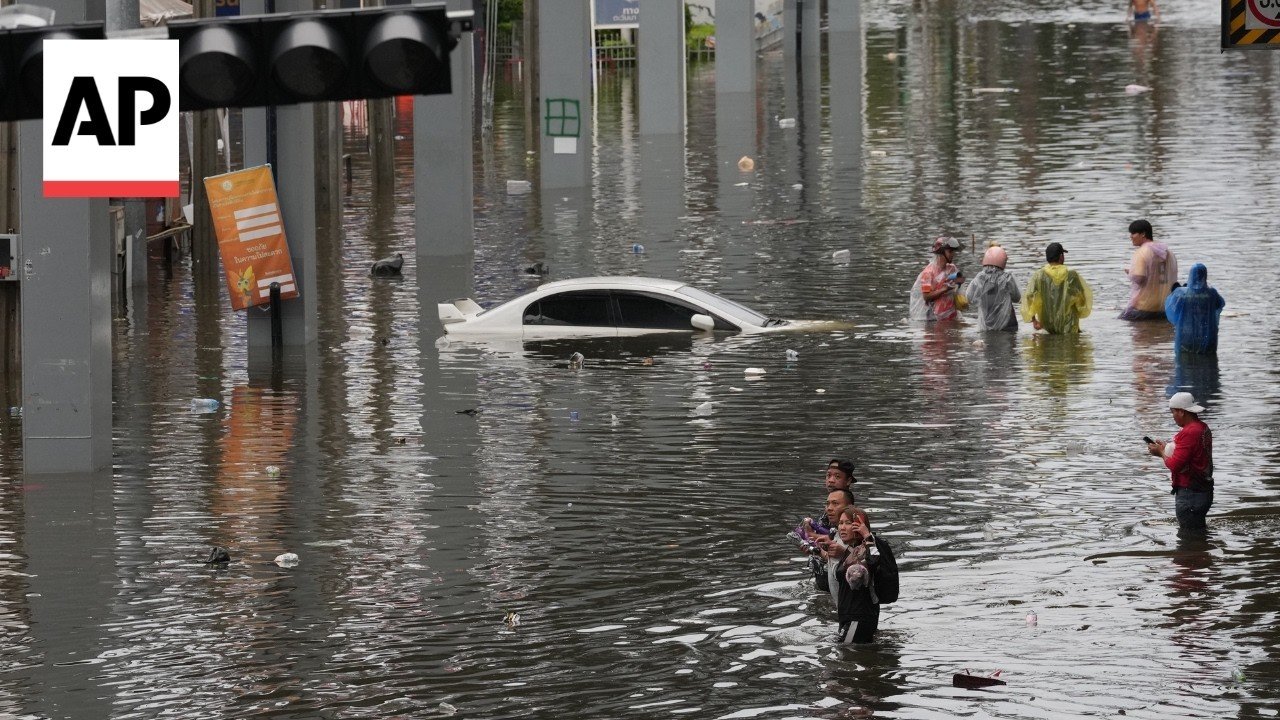
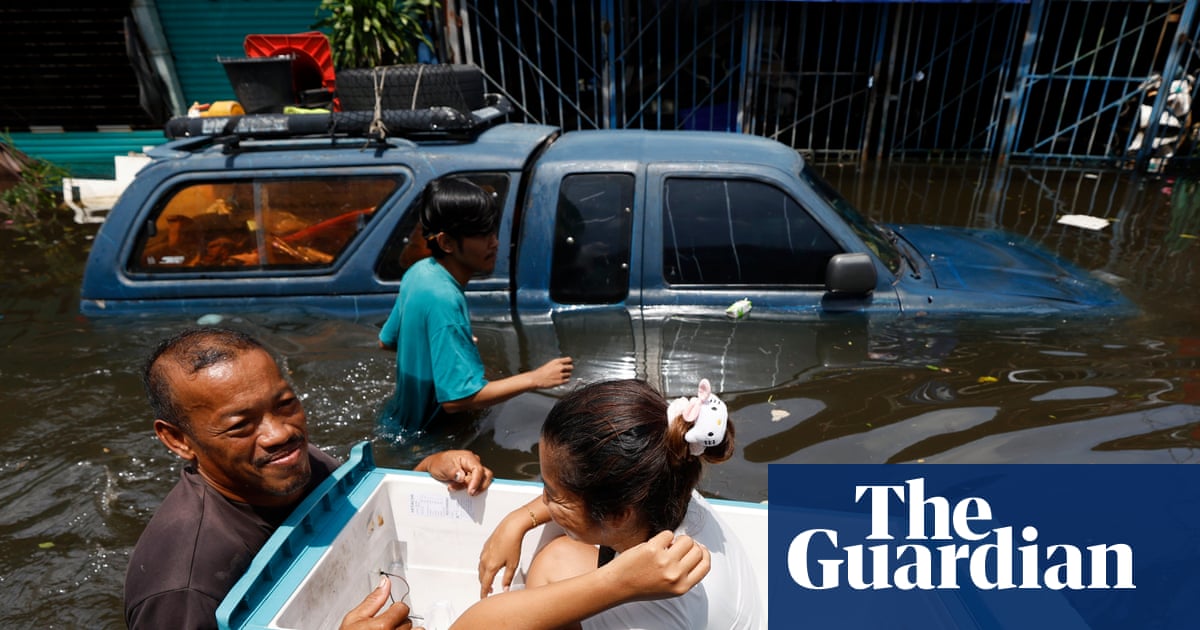
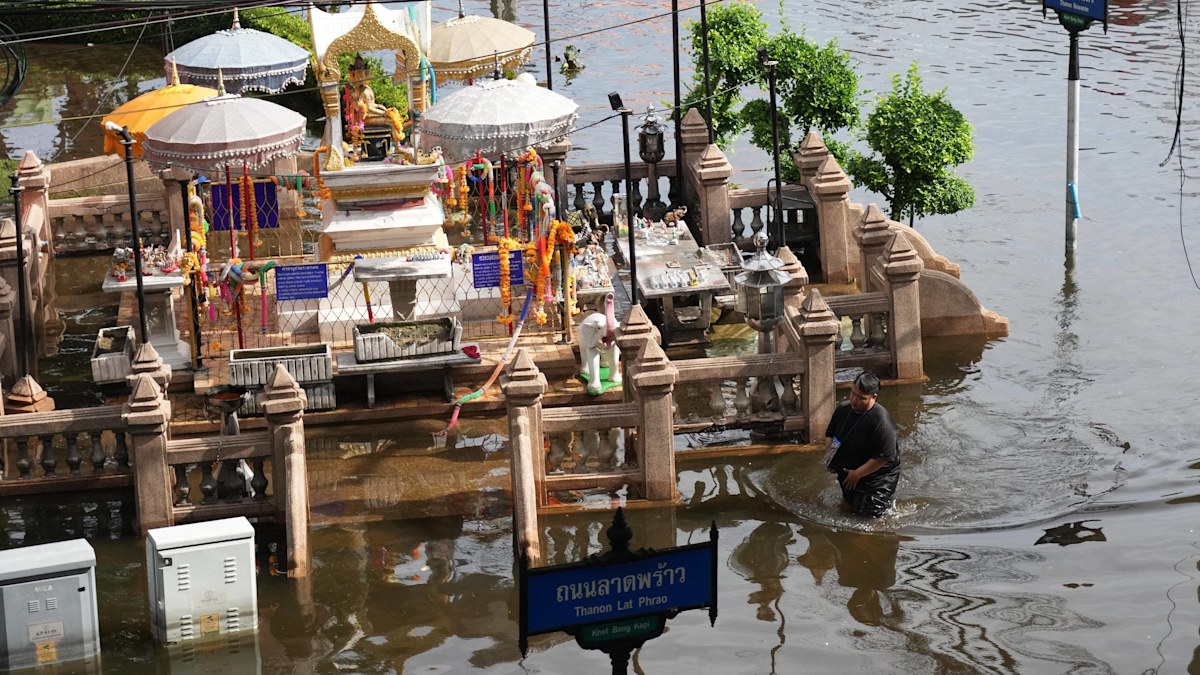
A torrential downpour dumped roughly 320 mm of rain over Bangkok in just three days—close to the city’s typical monthly total for September—overwhelming drains and canals and submerging major roads. On 26 September, authorities declared all 50 Bangkok districts disaster-affected after 48 hours of continuous heavy rain, with floodwaters blocking traffic at dozens of locations and forcing schools to close for two days.
Nationwide, the disaster has since grown: by early October, flooding since 16 September had affected more than 3.1 million people across 21 provinces, with the death toll rising to at least 44 and later reports putting it at 60. Prachin Buri recorded the highest provincial death toll at 19, while Bangkok itself saw four fatalities.
Suvarnabhumi Airport grinds to a halt
Although Suvarnabhumi Airport remained technically open, operations quickly unraveled as floodwaters cut off commutes for ground staff. Thai Airways reported that more than 200 of its roughly 500 general workers could not reach the airport, and only about 20 of the usual 45 loadmasters were on duty. Transport Minister Phiphat Ratchakitprakarn said around half of ground-handling and airline staff were unable to get to work through flooded streets.
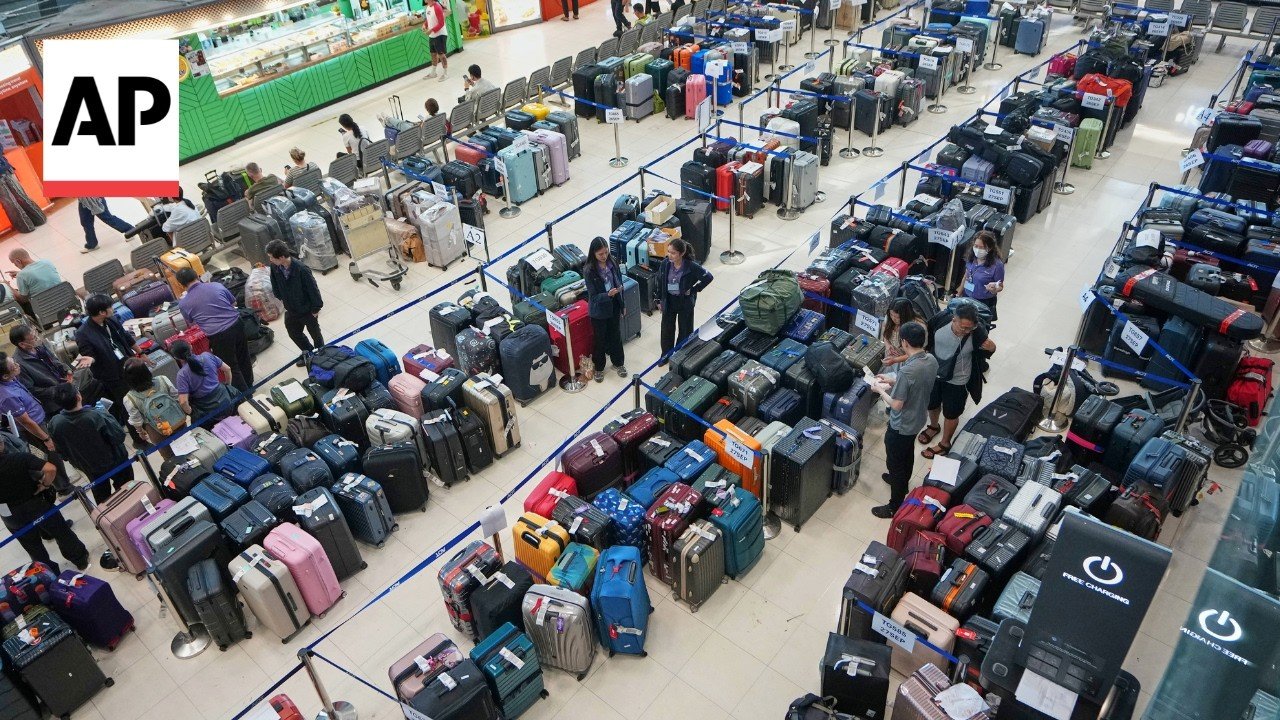
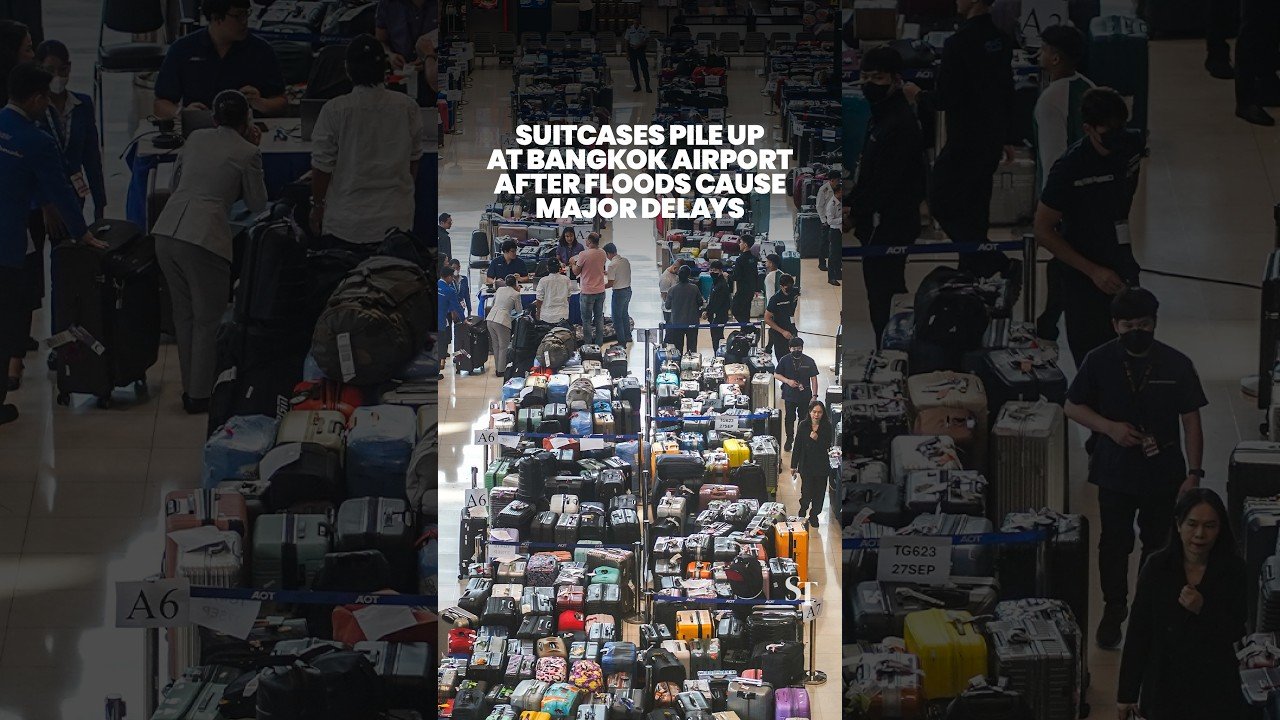
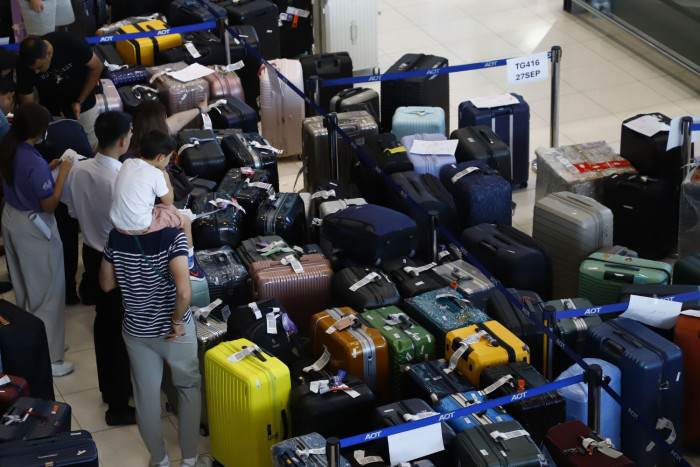
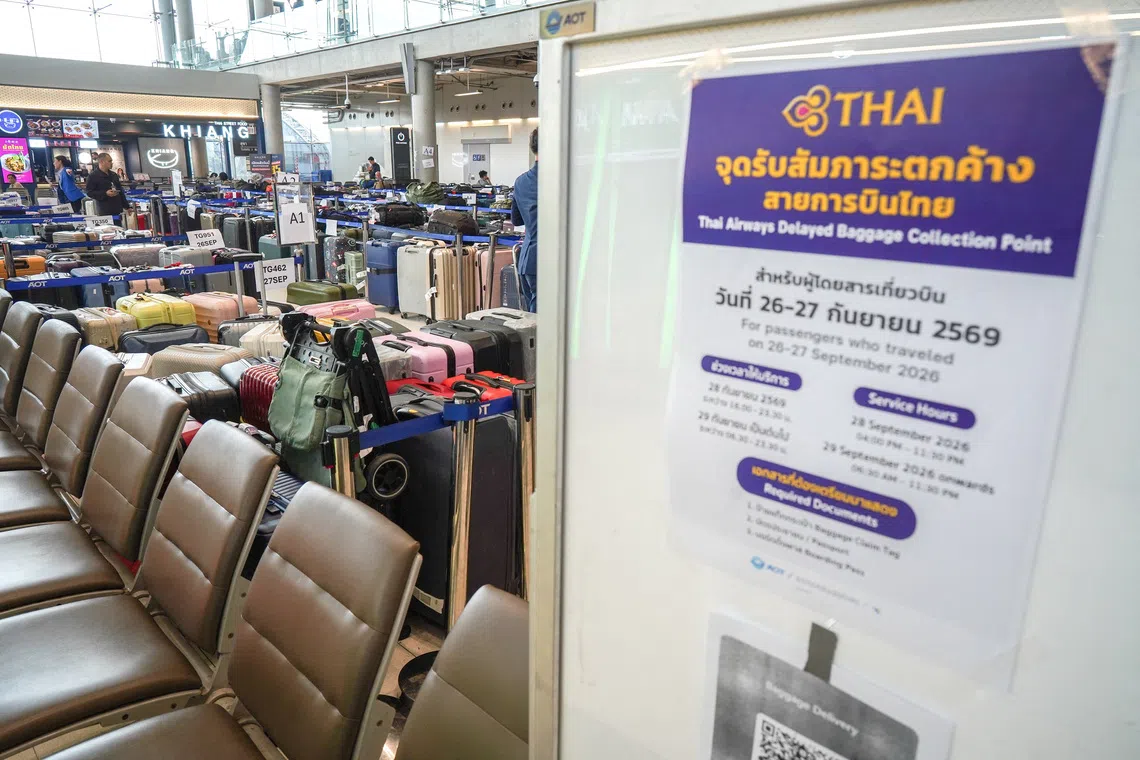
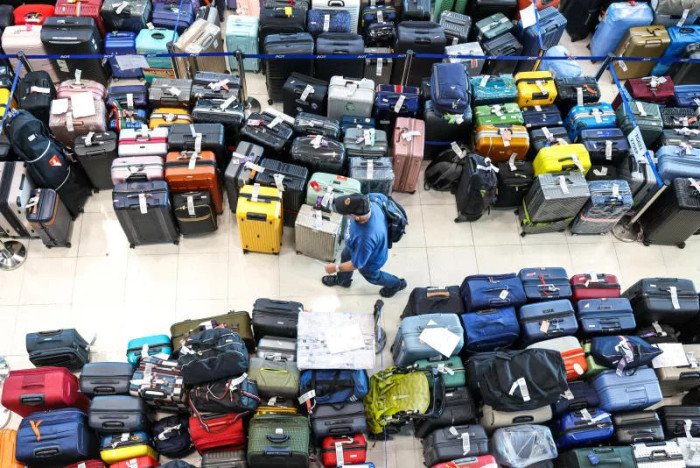
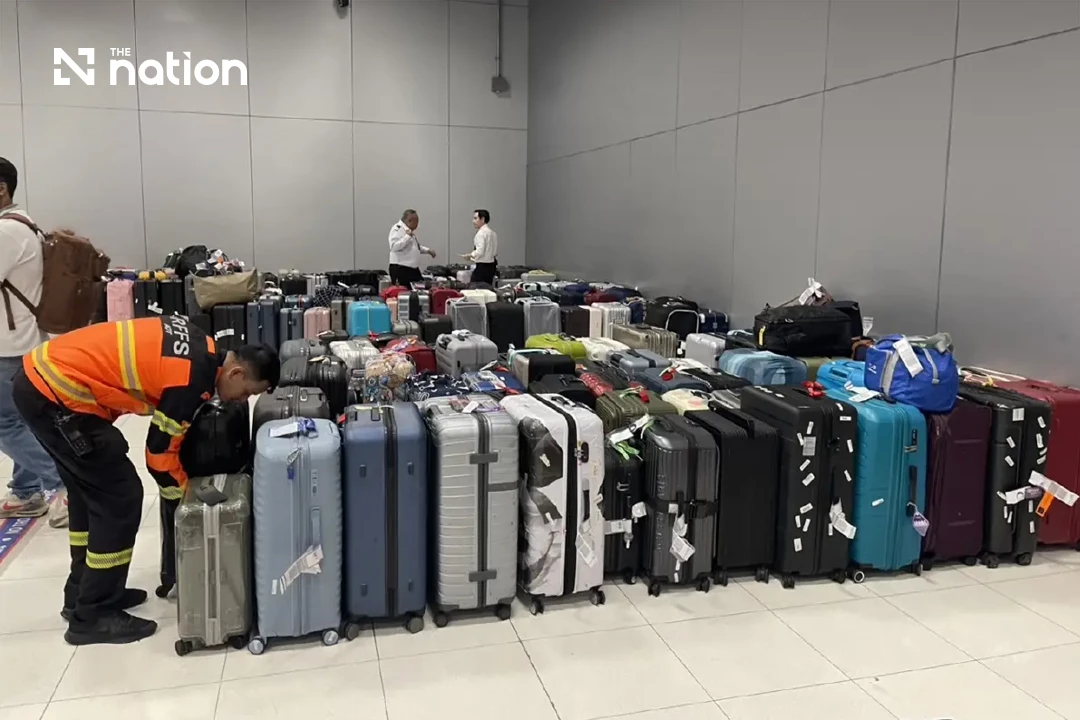
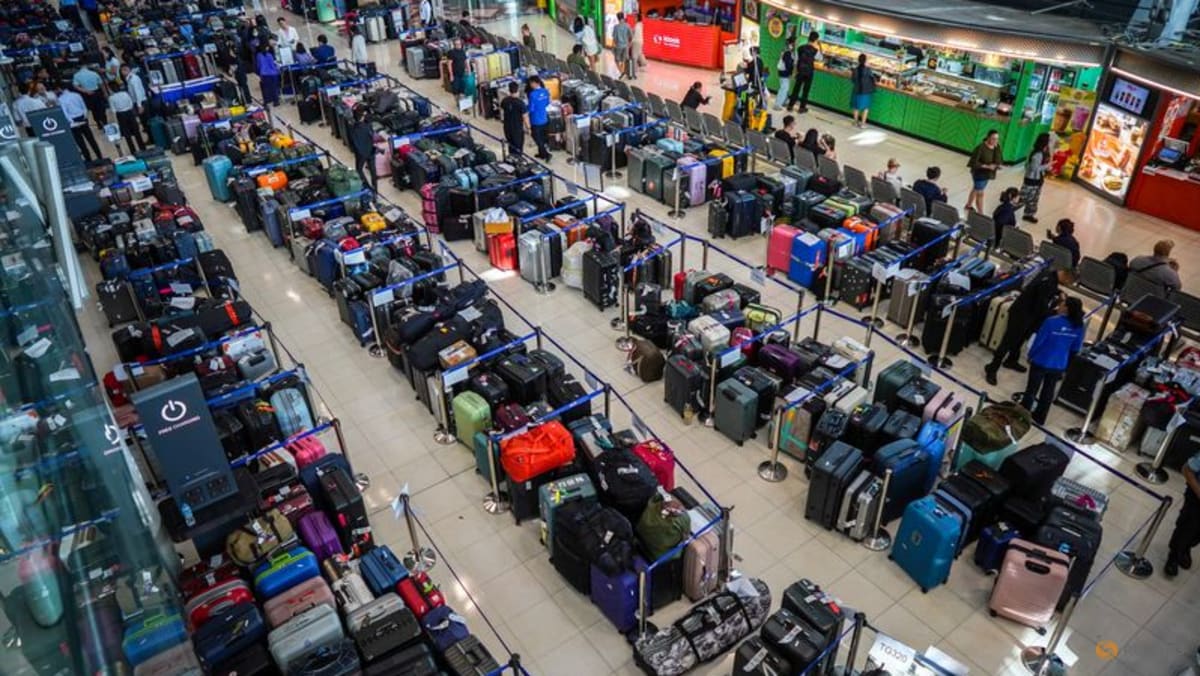
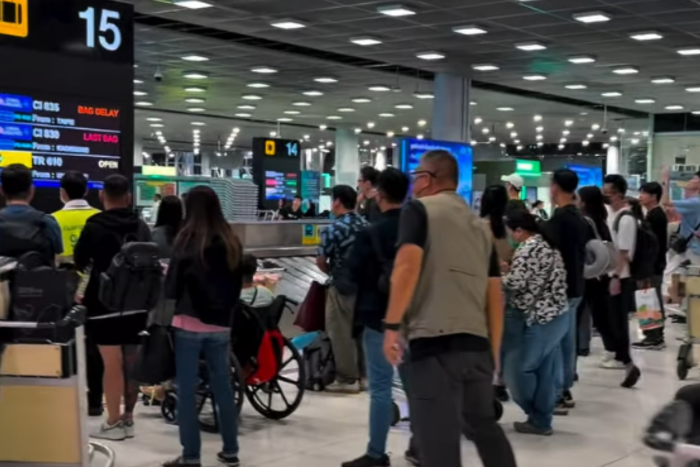
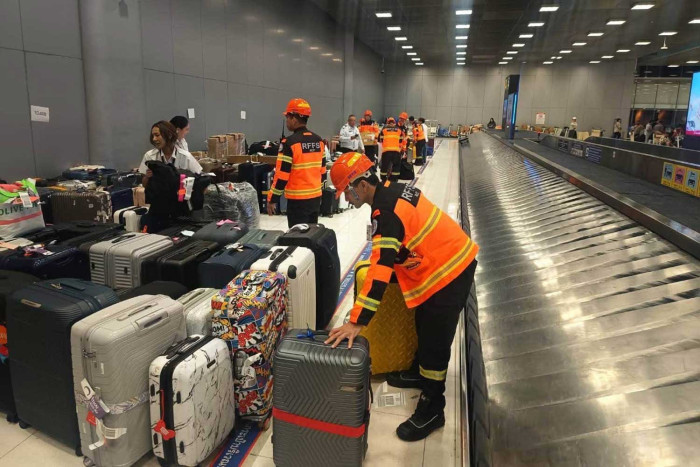
The labour shortage hit baggage handling hardest. Between 26 and 28 September, an estimated 5,600 to nearly 10,000 checked bags accumulated in the arrivals and transfer areas, spilling into public halls as passengers searched for missing luggage. Rows of suitcases piled up on the floor, with some bags left exposed in non-secure zones, raising security and theft concerns.
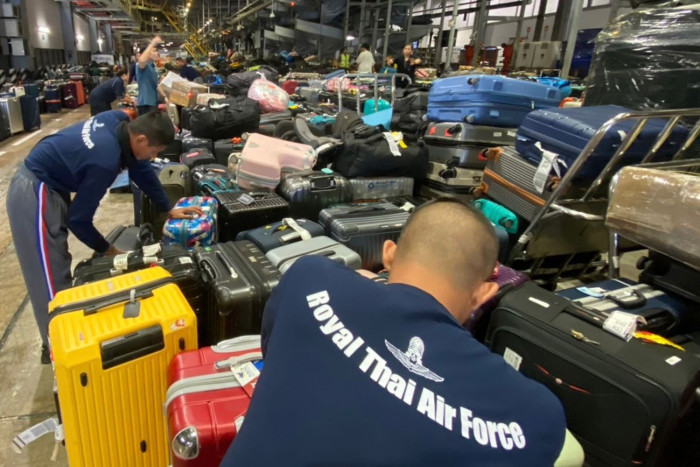
To clear the backlog, about 100 Royal Thai Air Force personnel were deployed to assist with unloading, cargo handling and baggage sorting, while the airline temporarily halted inbound and outbound cargo flights until 6 October. Thai Airways also suspended cargo intake at Suvarnabhumi for seven days from 30 September to prioritise clearing the existing pile-up.
Flight cancellations and passenger disruption
In response to the staffing crisis, Thai Airways cut about 30 flights—roughly 30% of its planned departures from Bangkok—on 30 September, affecting key international and domestic routes. The airline later extended cargo flight suspensions and warned of ongoing delays as it worked to restore normal operations.
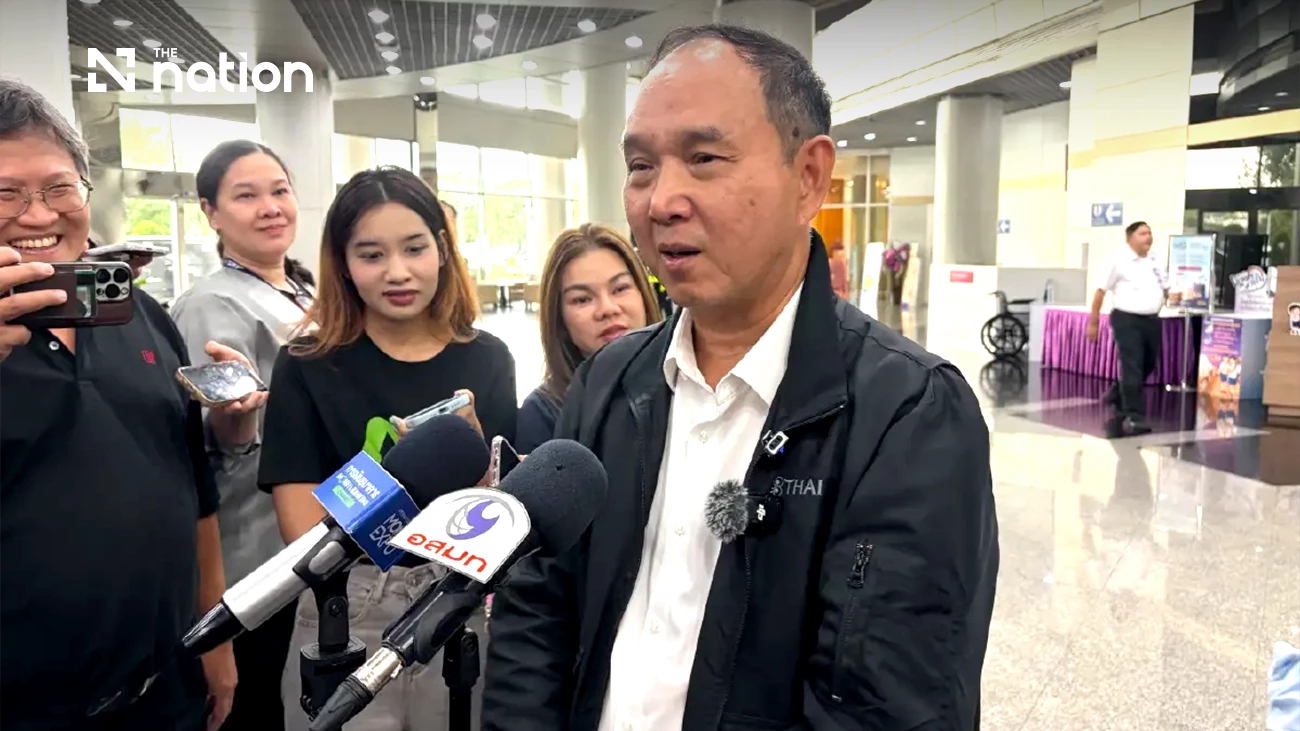
By 29 September, Thai Airways CEO Chai Eamsiri told reporters that around 5,000 bags remained stranded but would be cleared within 72 hours; however, the backlog persisted into early October, with officials estimating 8,000 bags still to be returned by 2 October. To speed up resolution, the carrier opened a 24-hour self-collection hub at its Ground Service Maintenance Building from 3 October and expanded baggage delivery units from two to three, allowing passengers to register delivery addresses via QR code.
CEO suspended as board launches probe
The operational meltdown triggered immediate executive fallout. On 2 October, Thai Airways’ board suspended CEO Chai Eamsiri pending a fact-finding investigation into the airline’s crisis management and procurement practices. Director Sumrid Sumneing was appointed acting CEO, while a special committee led by Pol Gen Thatchai was set to lead the probe into the baggage crisis.
Chai publicly denied corruption allegations linked to a separate, high-profile controversy over an 860,000-bottle wine purchase, asserting his integrity over 41 years with the airline as the board’s inquiry continued. Industry observers questioned the timing and scope of his suspension, noting that the flooding was an external shock that overwhelmed many agencies, not just the carrier.
Wider economic and political fallout
Beyond aviation, the floods disrupted more than 10 auto-parts plants, threatened supply chains and prompted a citywide disaster declaration that affected hundreds of thousands of households. By early October, an estimated 329,000 households in Bangkok alone had been impacted, with water levels still rising in several central provinces.
The disaster also cast a shadow over Thailand’s tourism-dependent economy just as the country prepared to host major international meetings, including IMF–World Bank events at the Queen Sirikit convention centre, which was scheduled to close from 11–18 October. Public anger grew over perceived slow preparation and inadequate drainage maintenance, with critics pointing to long-standing warnings about Bangkok’s vulnerability to extreme rainfall.
What went wrong—and what comes next
Officials and analysts identified several failure points: insufficient contingency staffing for extreme weather, overreliance on road-based commutes for airport workers, and bottlenecks in baggage systems that could not scale quickly under stress. The deployment of military personnel and creation of self-collection hubs helped ease the immediate backlog, but questions remain about long-term resilience at Suvarnabhumi and other critical infrastructure.
For Thai Airways, the board’s investigation will likely examine both operational readiness and governance issues, including whether earlier scenario planning could have mitigated the scale of disruption. For Bangkok and central Thailand, the 2026 floods underscore the mounting pressure of climate-driven extremes on a megacity built on former marshlands—and the high cost when drainage, transport and emergency systems are pushed beyond their limits.