










The immigration hardliner will replace Susie Wiles on November 9, as the White House prepares to face Democratic control of Congress.
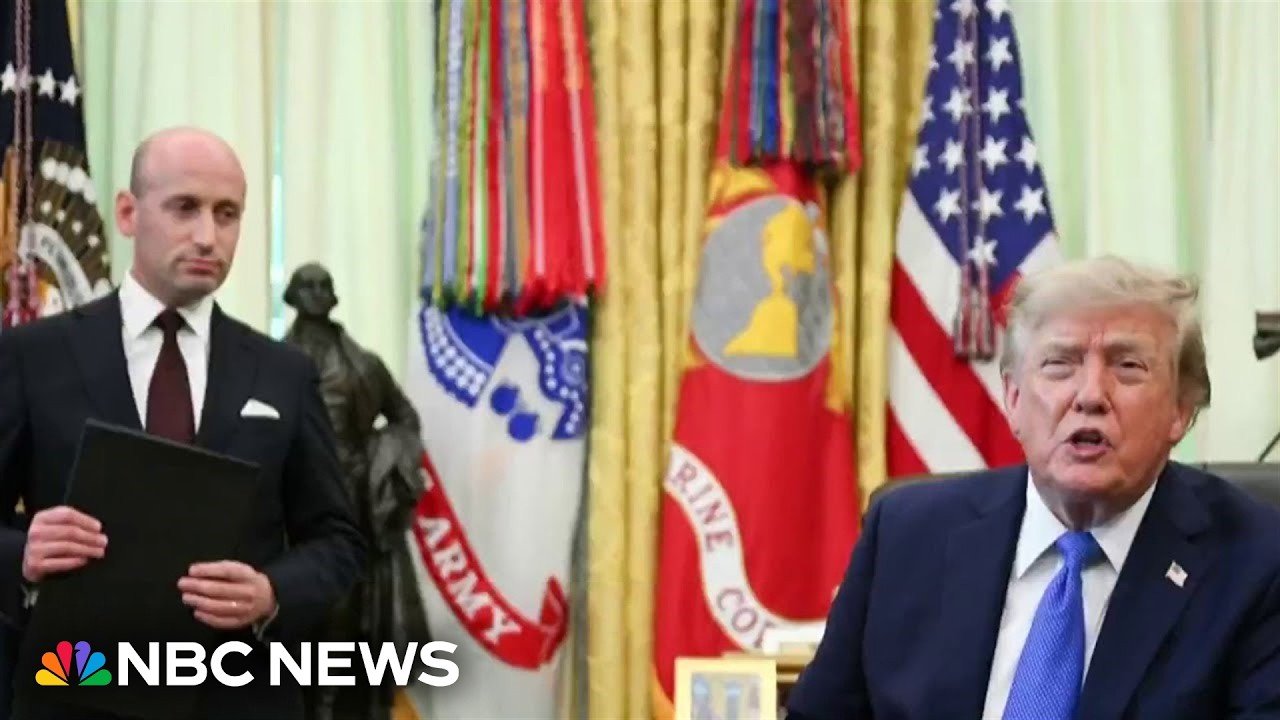
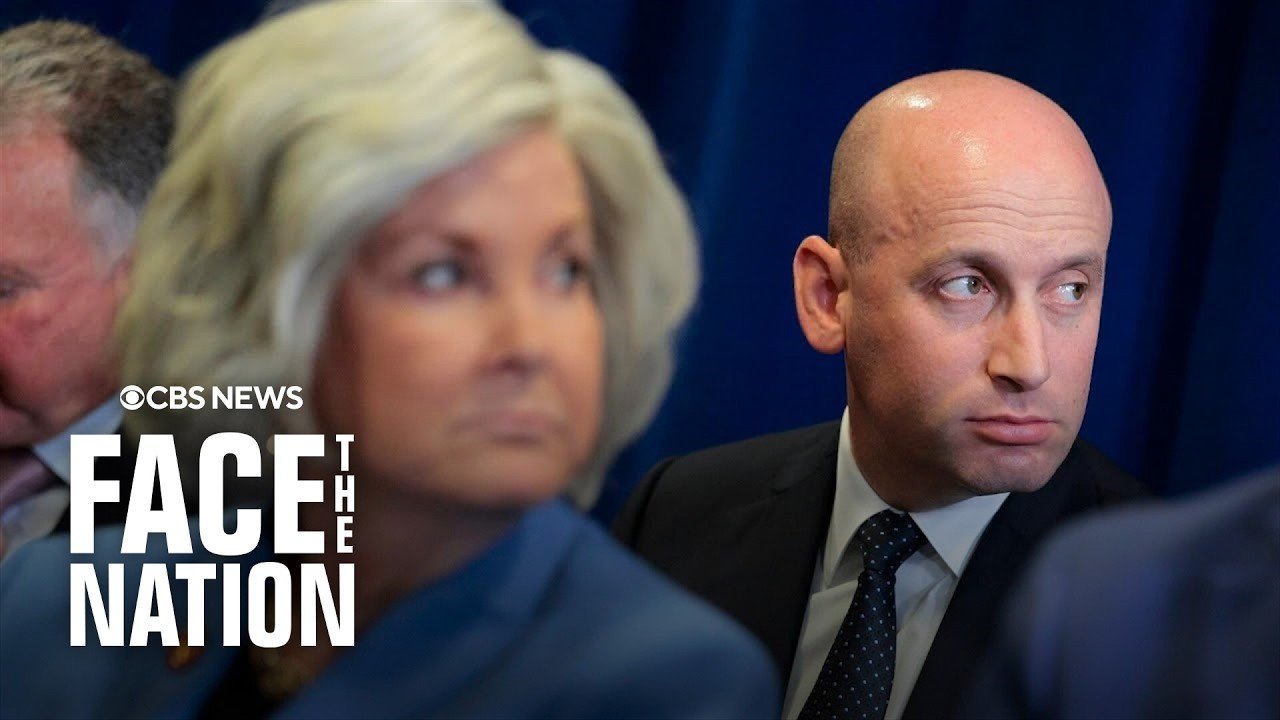
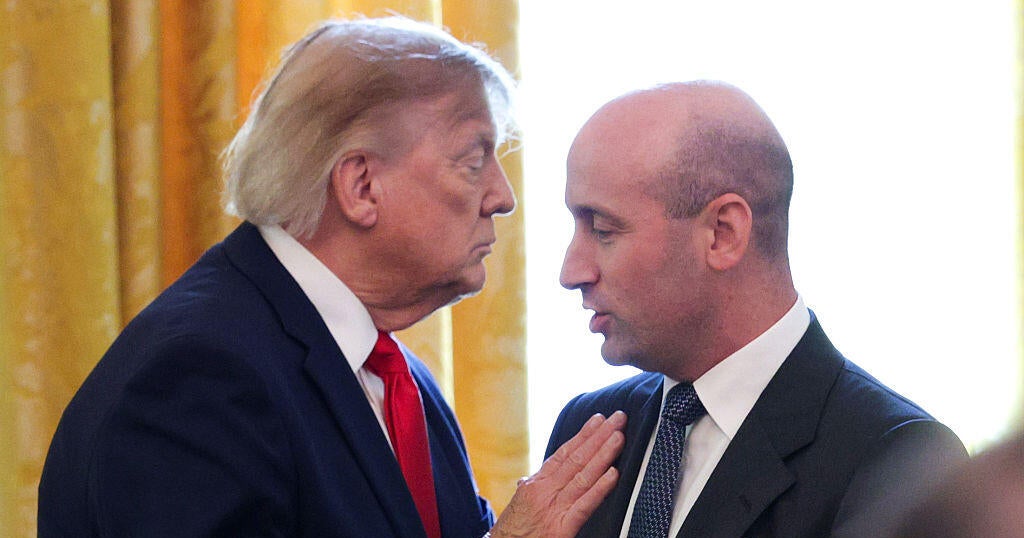
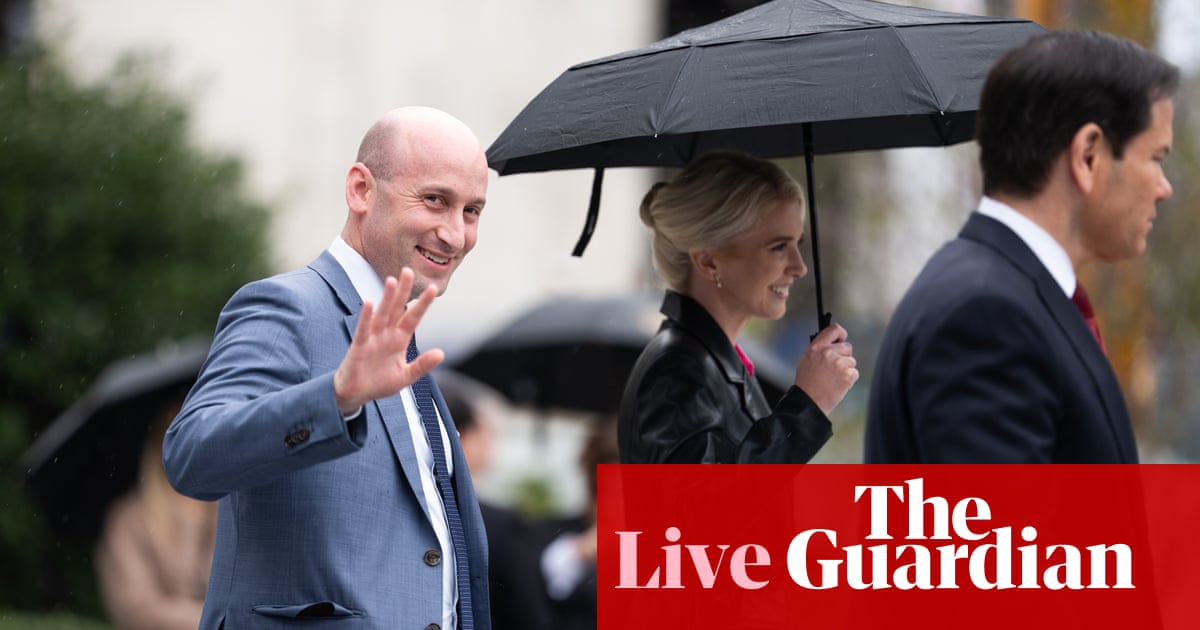
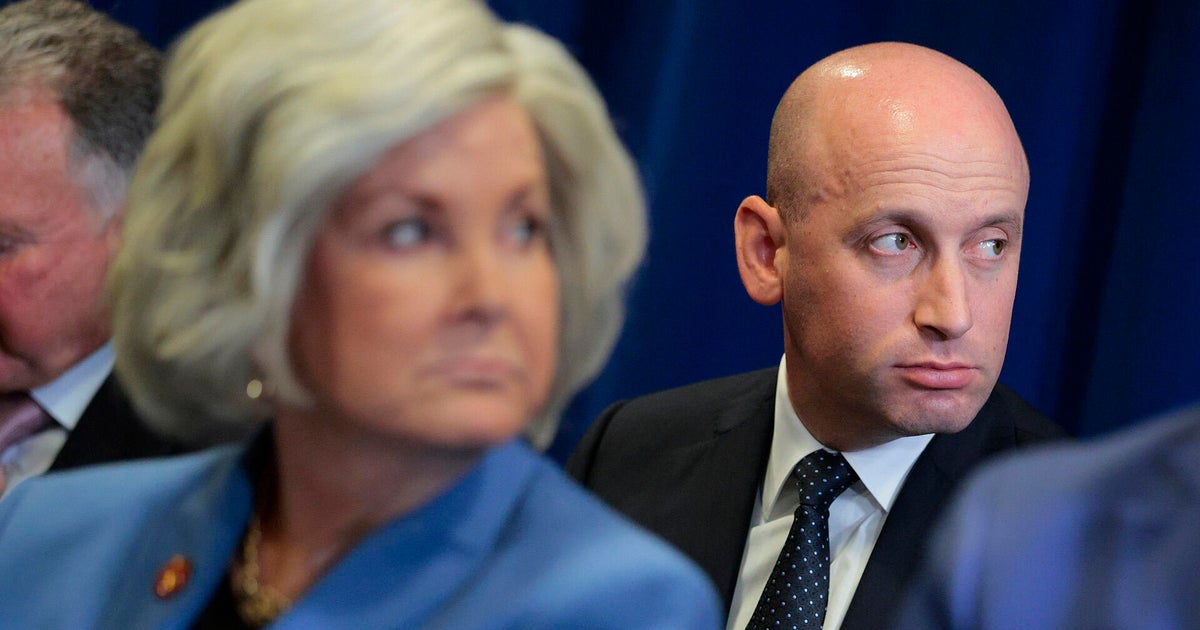
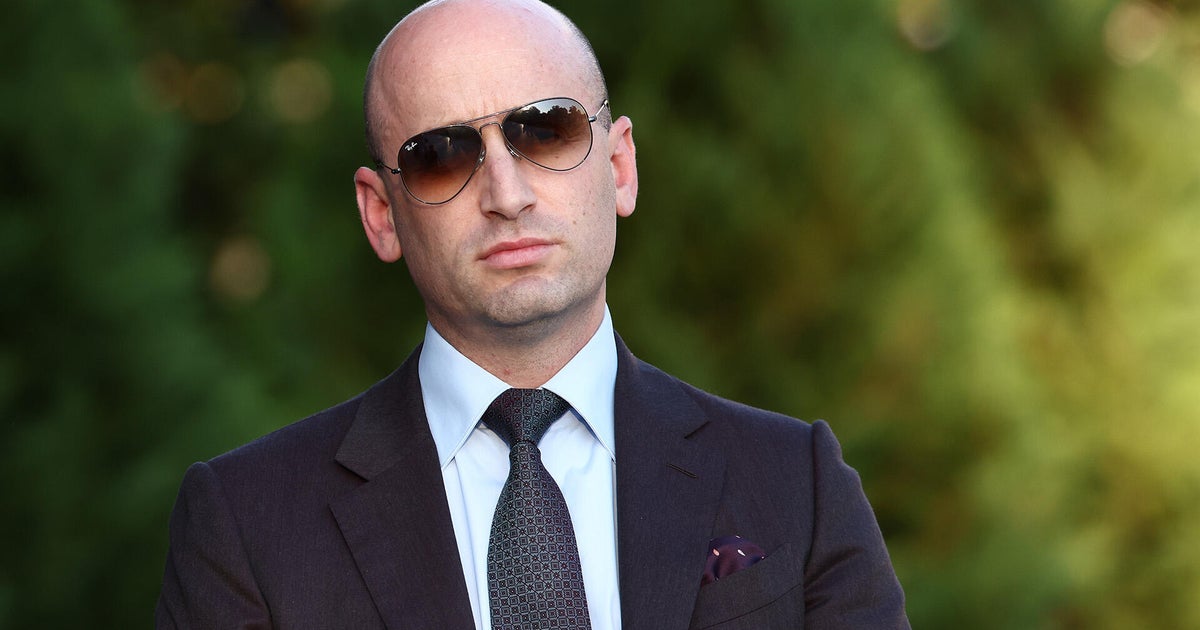
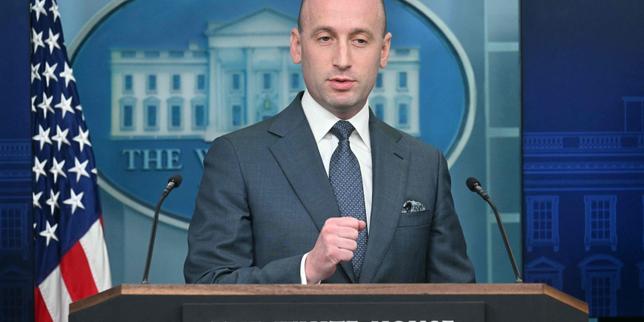
WASHINGTON — President Donald Trump has named Stephen Miller as his next White House chief of staff, replacing Susie Wiles in a major personnel shake-up days after Democrats won control of both chambers of Congress in the midterm elections. Miller, a longtime Trump adviser and central architect of his immigration policies, will take over on Monday, November 9.
Trump announced the change on Friday, November 6, saying Wiles would move to his political operation. Her departure elevates one of the administration’s most combative policy advocates to a position overseeing White House operations and access to the president.
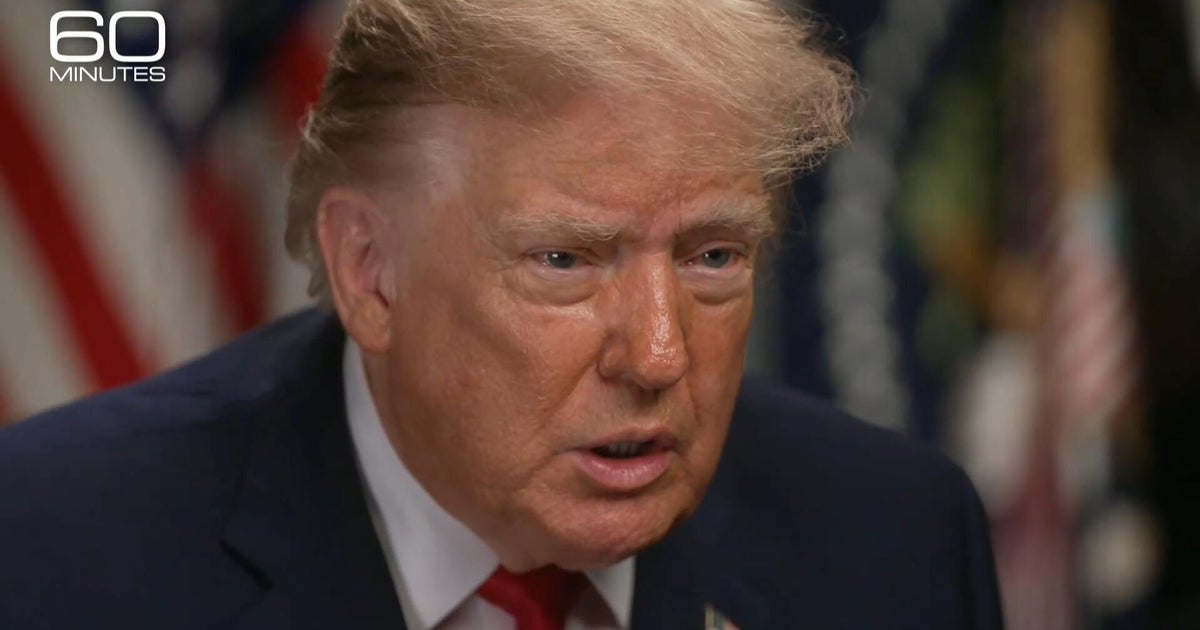
Stephen’s been with me since the beginning. He gets it.
Trump told reporters.
Asked why he was replacing Wiles, Trump said she had done a “great job” but that he “wanted to make a change,” ABC News reported.
The appointment drew praise from administration allies, sharp criticism from Democrats and concerns from some Republicans about Miller’s ability to negotiate with the incoming congressional majorities.
Wiles leaves after election setback
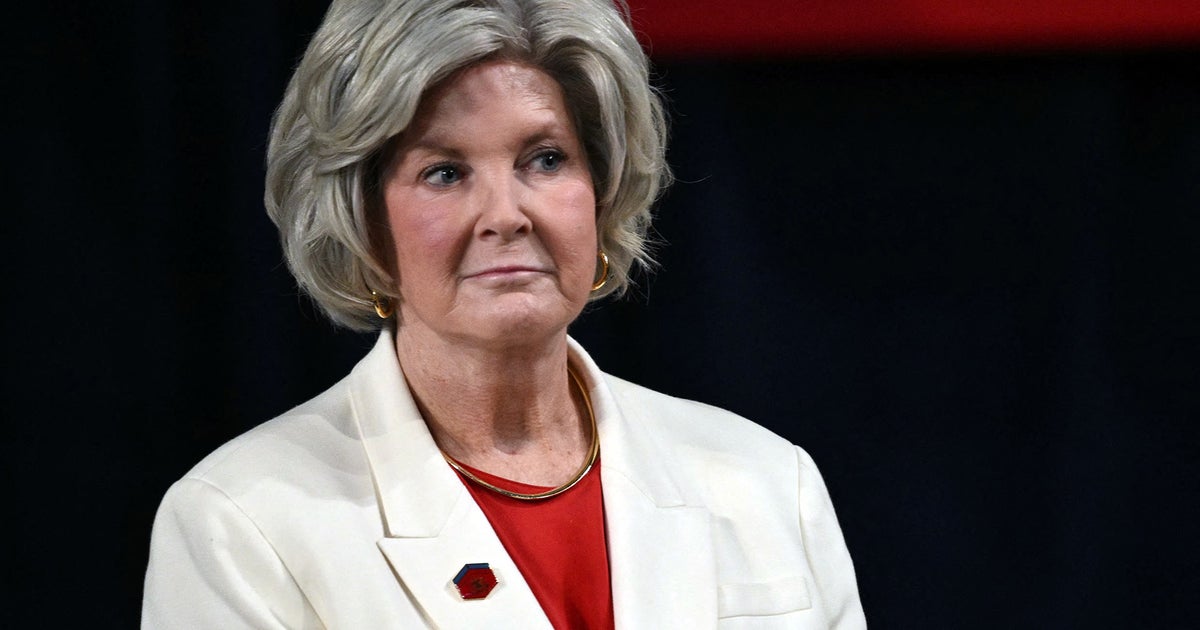
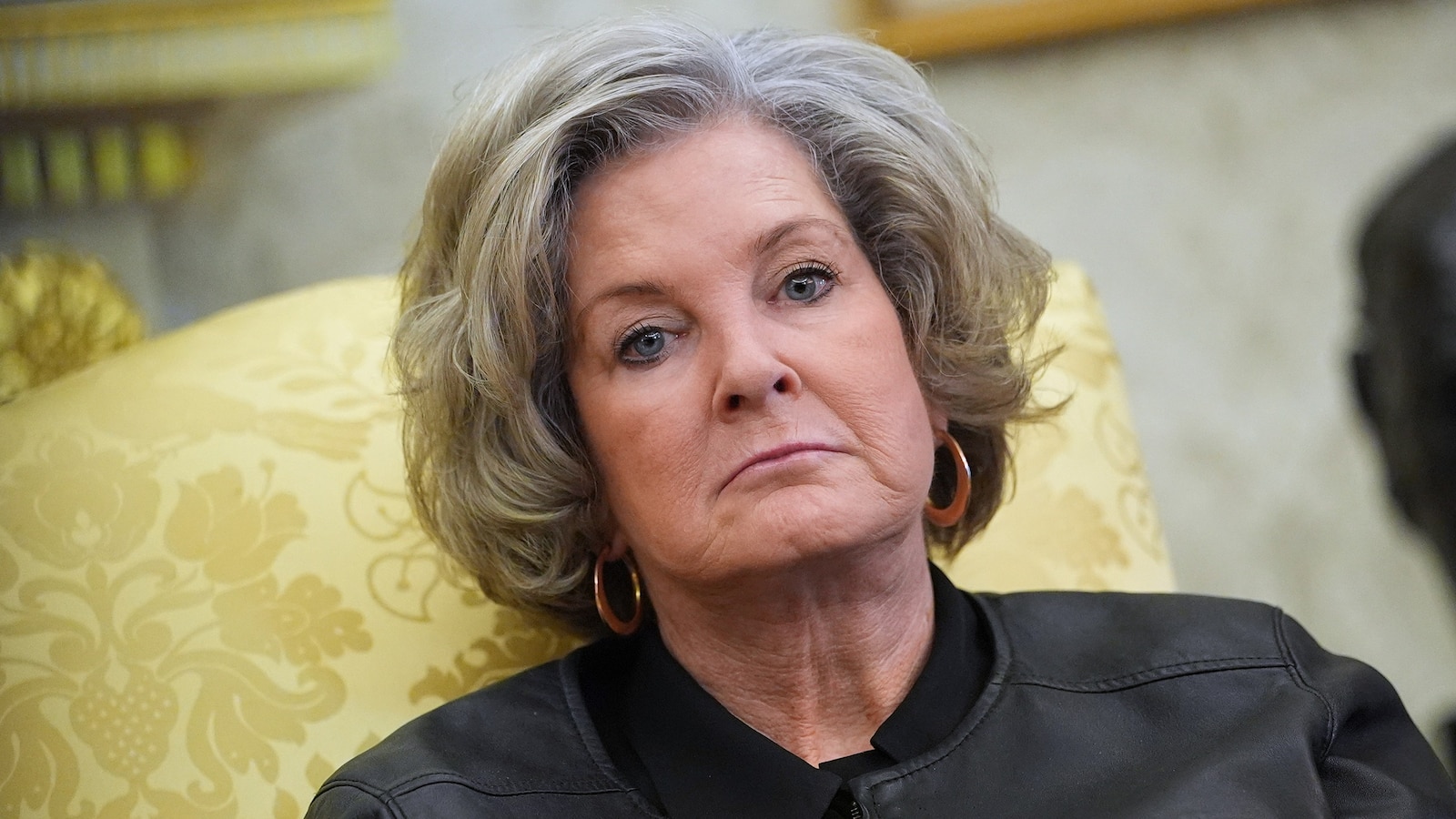
Wiles submitted her resignation on Thursday night after Trump privately blamed her for Republican midterm losses, ABC News reported, citing sources familiar with the discussions. She confirmed that Friday would be her final day as chief of staff.
Publicly, both Trump and Wiles presented the transition in positive terms. Trump praised her work, while Wiles described serving as chief of staff as “the honor of a lifetime.”
“While my role may be changing, my commitment to the President and the mission never will,” she said in a statement.
Wiles became the first woman to serve as White House chief of staff when Trump returned to office in January 2025. A veteran Republican strategist with deep ties to Florida politics, she had co-managed his successful 2024 presidential campaign alongside Chris LaCivita.
Her management helped produce a steadier White House than during Trump’s first term, when he cycled through four chiefs of staff amid frequent infighting and turnover. But the election defeat brought renewed scrutiny of the administration’s political strategy and calls for her departure.
Miller’s influence expands beyond immigration
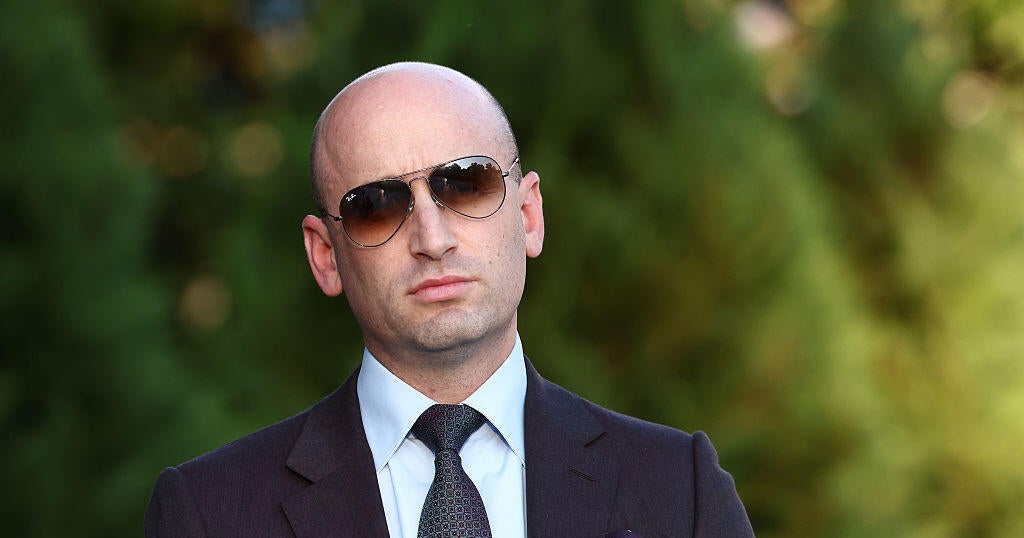
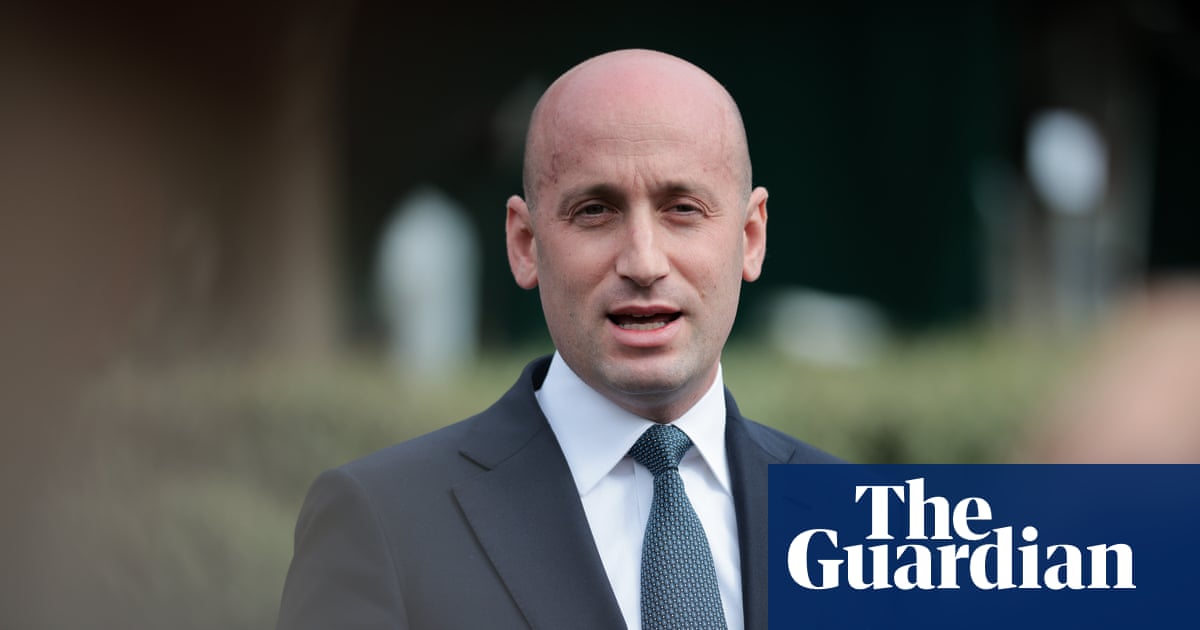
Miller, 41, moves into the job from his position as deputy chief of staff for policy and homeland security adviser. He has worked with Trump since the 2016 presidential campaign, when he served as a policy adviser and speechwriter.
Before joining Trump, Miller worked for conservative members of Congress, including then-Senator Jeff Sessions of Alabama. He helped oppose the bipartisan immigration legislation that passed the Senate in 2013 but never became law.
During Trump’s first administration, Miller helped develop the travel ban targeting several predominantly Muslim countries and policies that resulted in thousands of migrant children being separated from their families at the border. He returned for the second term as a principal architect of Trump’s immigration and border-security agenda.
His promotion gives him a broader institutional role. The chief of staff manages the president’s time, information and access, while helping coordinate competing voices within the administration, David Cohen, a University of Akron political scientist who studies the position, told NPR.
In a statement accepting the appointment, Miller thanked Wiles and signaled a confrontational approach: “The mission now is more clear than ever: Fight with all of our soul to support our President and defend this magnificent Republic.”
President Trump is the most transformative political leader in American History — and he has single-handedly saved America from those who would destroy it. It has been the privilege of my lifetime to have served on his team from Day One, and I am honored beyond words to serve as his White House Chief of Staff. I want to thank the incomparable Susie Wiles for her years of devoted service to the President and the Country, and for her friendship. The mission now is more clear than ever: Fight with all of our soul to support our President and defend this magnificent Republic.
— Stephen Miller (@StephenM) November 6, 2026
Praise from allies, criticism across party lines
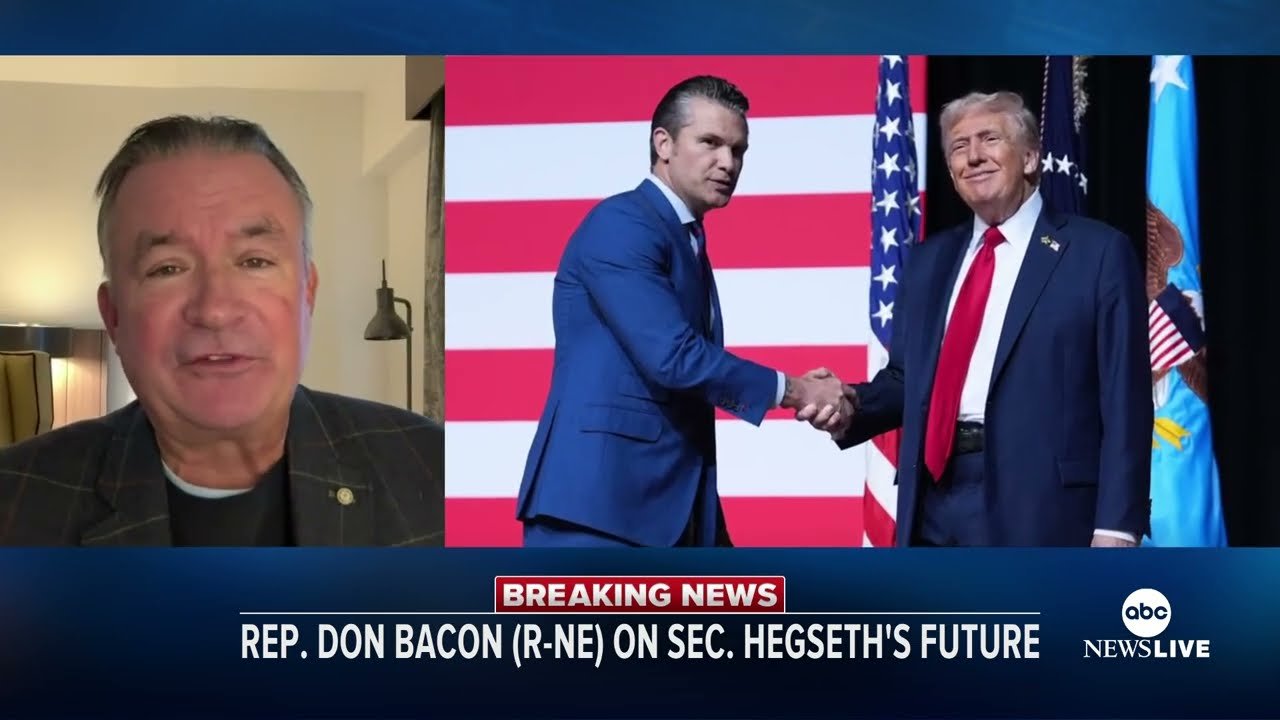
Vice President JD Vance congratulated Miller on what he called a “well deserved promotion” and thanked Wiles for her service. Defense Secretary Pete Hegseth responded with the message “Patriots in control,” ABC News reported.
Other supporters argued that Miller’s aggressive style would suit a White House facing Democratic oversight. Republican operative Caroline Wren told Politico that she could not think of a better “wartime consigliere” for the next two years.
Democratic leaders portrayed the appointment as evidence that Trump had rejected the message of the election. Senate Minority Leader Chuck Schumer said Trump had “learned nothing from his historic defeat” and pledged opposition from the incoming Democratic majorities. House Minority Leader Hakeem Jeffries called Miller a “dangerous xenophobe and reckless extremist” and demanded his dismissal.
The criticism was not confined to Democrats. Outgoing Republican Senator Thom Tillis of North Carolina called Miller “the worst of all possible choices” in an interview with CNN, questioning whether such a polarizing figure could build working relationships with the new congressional leadership, according to ABC News.
A test for governing under divided power
The change comes as Republicans debate whether to recalibrate after their electoral losses. Politico reported that some Republicans blamed Miller’s immigration policies and unpopular enforcement tactics for contributing to the party’s setbacks, particularly among Hispanic voters in Texas and Arizona.
His elevation also raises practical questions about how the administration will pursue legislation. Two Republican lobbyists told Politico they expected the transition to make engagement with Congress and Washington’s lobbying community more difficult, contrasting Miller’s approach with Wiles’s established relationships.
The appointment does not, by itself, establish what policies Trump will pursue next. But it places a leading advocate of his hardline agenda in charge of White House operations at a moment when passing legislation will require dealing with Democratic majorities—a task even some Republicans question whether Miller is suited to perform.