





















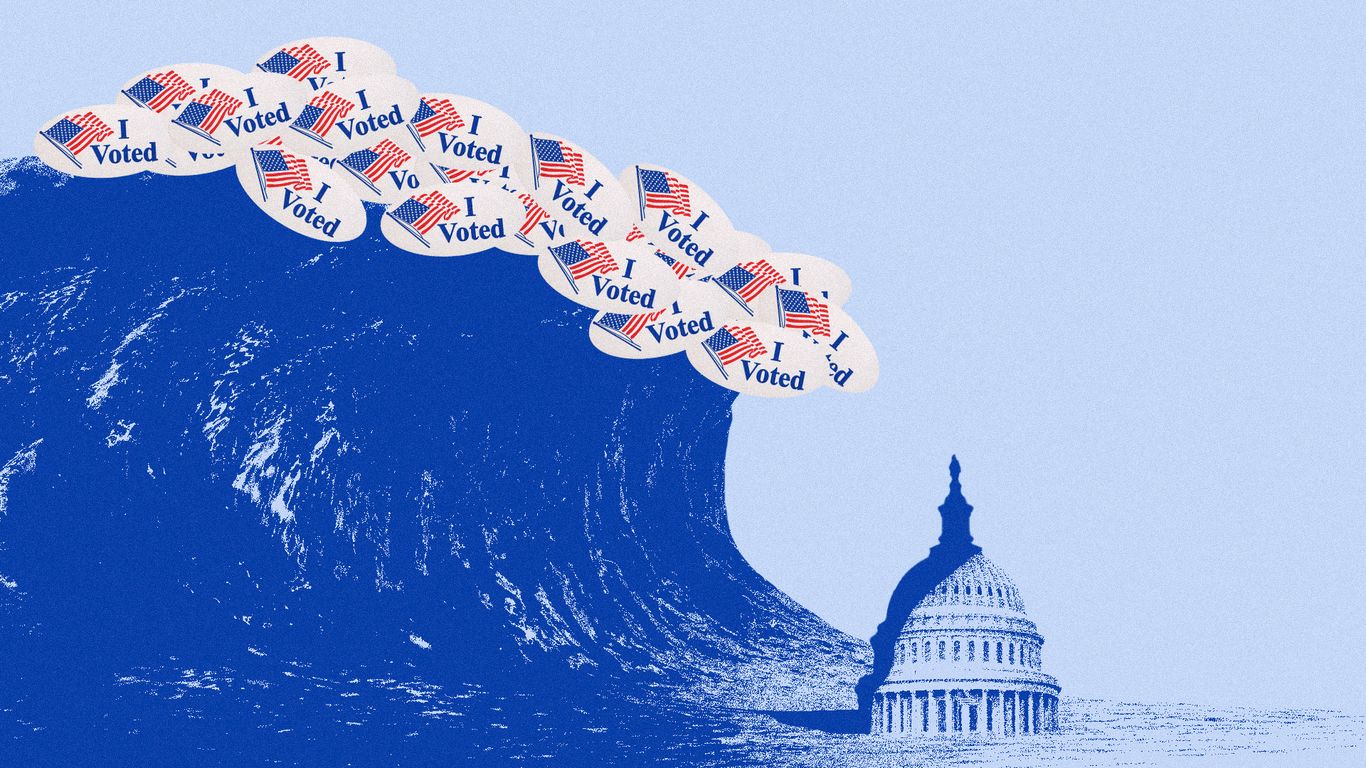























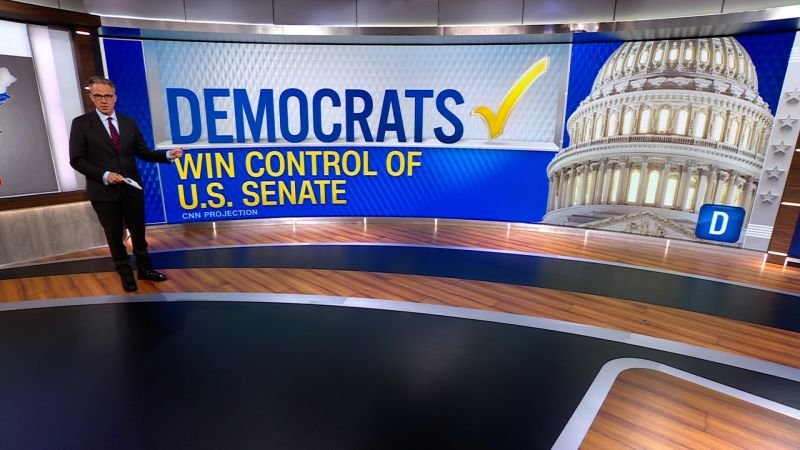




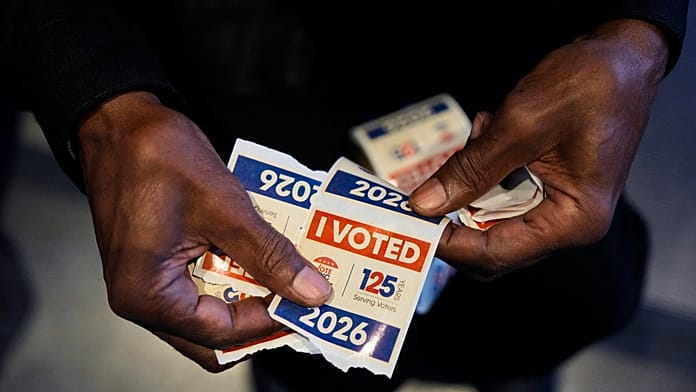


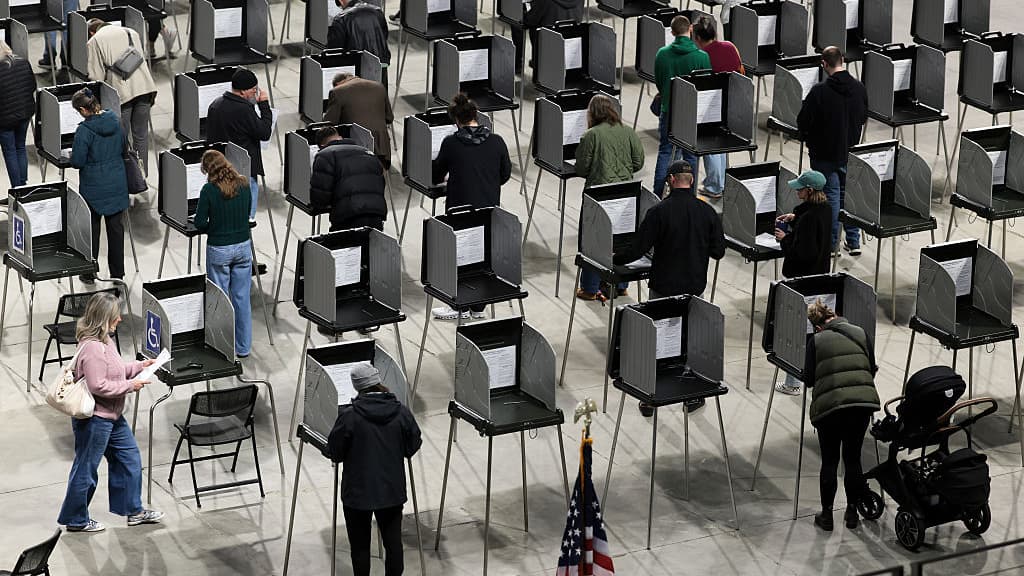











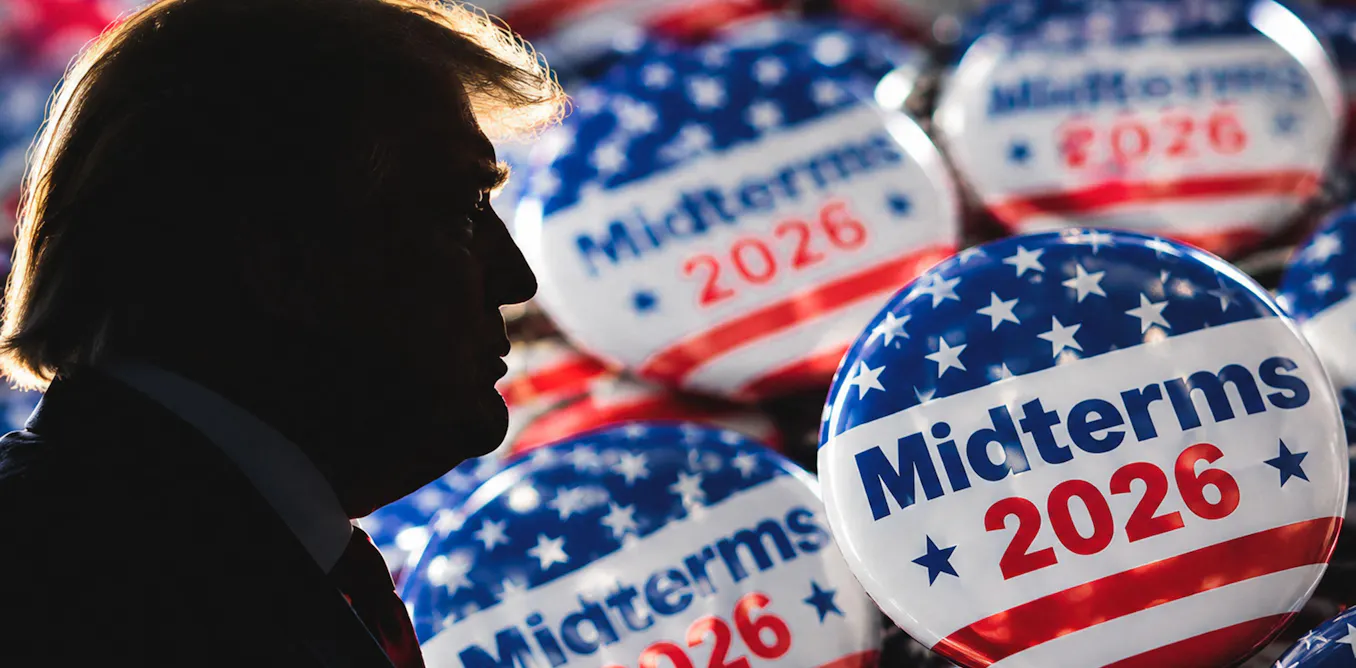

Democrats are projected to take control of both chambers of Congress after sweeping victories in the November 3 US midterm elections, delivering a sharp rebuke to President Donald Trump and breaking Republican control of Washington. The party’s gains extended beyond traditional battlegrounds into Republican strongholds, including Texas and Kansas.
The results set up a period of divided government for the final two years of Trump’s presidency. When the new Congress takes office in January, Democrats will have greater power to challenge his legislative agenda, investigate his administration and influence the fate of presidential appointments.
Control of both chambers has been projected, but votes are still being counted and the final size of the Democratic majorities remains unsettled.
Economic frustration drives a Republican reckoning
The election unfolded amid widespread frustration over the cost of living, with higher fuel prices and the economic consequences of the war with Iran weighing on Republicans. BBC reporting identified voter anger over prices, tariffs and the conflict as central to the party’s losses.
Trump acknowledged in an election-night interview with Fox News that higher gasoline prices had hurt his party, saying people “didn’t like it” when they had to pay more for fuel. He congratulated Democrats on doing “a good job” but rejected the suggestion that the outcome amounted to a personal repudiation.
The breadth of the Democratic victories nevertheless underscored the scale of the setback. The party flipped seven Republican-held Senate seats — in Texas, Kansas, Ohio, Iowa, North Carolina, South Carolina and Maine — while defending important seats of its own.
Senate gains stretch deep into Republican territory
In Texas, Democrat James Talarico defeated Republican Ken Paxton, becoming the first Democrat elected to the US Senate from the state in more than three decades. Addressing supporters in Austin, Talarico declared: “We just took back Texas.”
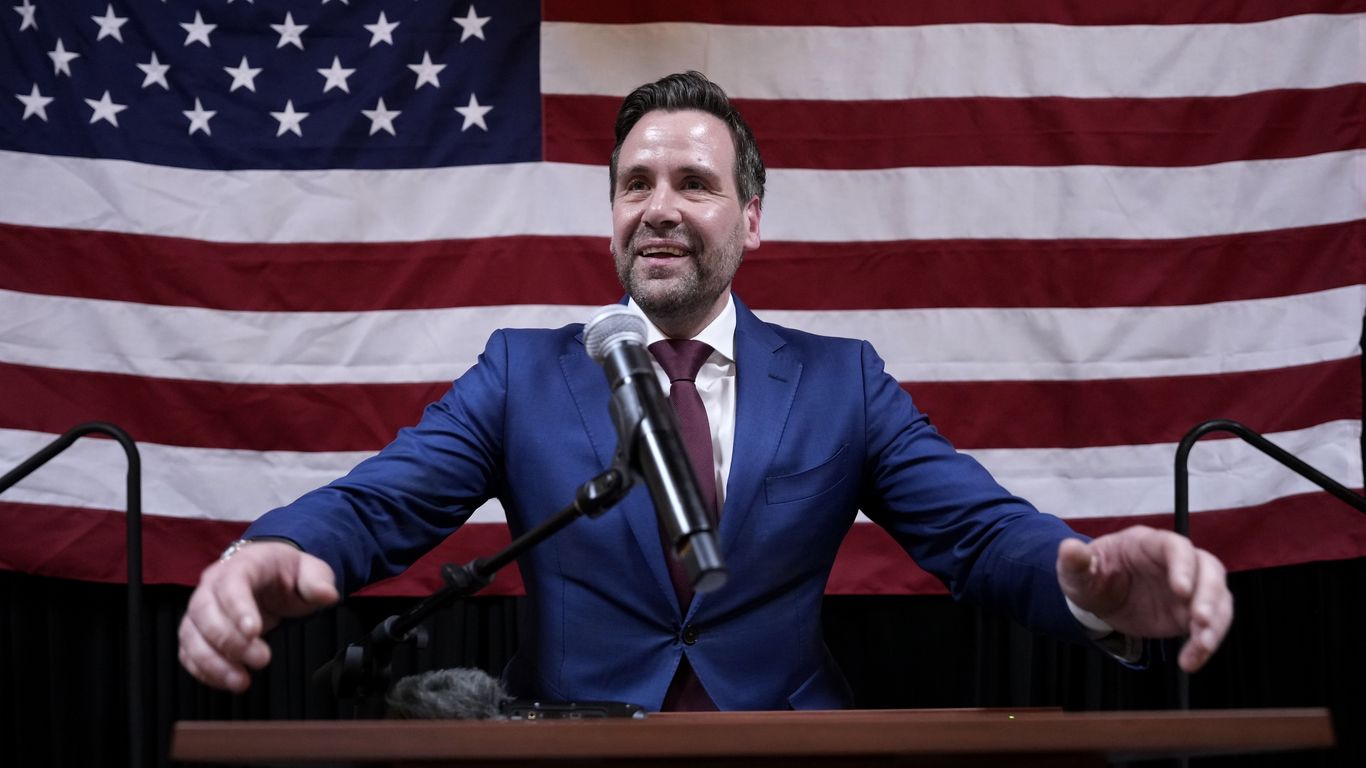
Kansas delivered another striking result. Democrat Adam Hamilton defeated Republican Senator Roger Marshall, ending a Democratic Senate-election drought stretching back to 1932. Hamilton, a pastor, described himself after the victory as an “independent-minded Democrat.”
Democrats also secured notable victories elsewhere:
- In Ohio, Sherrod Brown defeated Republican Senator Jon Husted, winning a return to Washington and flipping the seat previously held by Vice President JD Vance.
- In Maine, Troy Jackson defeated Susan Collins, ending a Senate career that began in 1997. Collins said she had called Jackson to congratulate him and promised a smooth transition.
- In North Carolina, former governor Roy Cooper won a Republican-held Senate seat.
- In South Carolina, Annie Andrews defeated Republican Darline Graham, adding another unexpected Democratic gain in a state long dominated by Republicans.
Democrats also held seats in Michigan, New Hampshire and Georgia. Those victories were important to securing the majority, but unlike the results in Texas and Kansas, they did not represent changes in party control.
Historic firsts in Michigan, New Hampshire and Georgia
Michigan elected Abdul El-Sayed as the first Muslim member of the US Senate. An epidemiologist and former public health official associated with the Democratic Party’s progressive wing, El-Sayed defeated Republican former representative Mike Rogers. He will succeed retiring Democratic Senator Gary Peters.
In New Hampshire, Democratic Representative Chris Pappas defeated former Republican Senator John E. Sununu, becoming the first openly gay man elected to the Senate. His victory keeps the seat held by retiring Democratic Senator Jeanne Shaheen in Democratic hands.
Georgia produced a milestone beyond Congress. Former Atlanta mayor Keisha Lance Bottoms defeated Republican Rick Jackson in the governor’s race, becoming the first Black woman elected governor of any US state. Her victory also returns Georgia’s governorship to Democrats for the first time in more than two decades.
Democrats scored another major gubernatorial upset in Texas, where Gina Hinojosa defeated Republican Governor Greg Abbott. Hinojosa will become the state’s first Latina governor.
House victory puts Jeffries in line for speakership
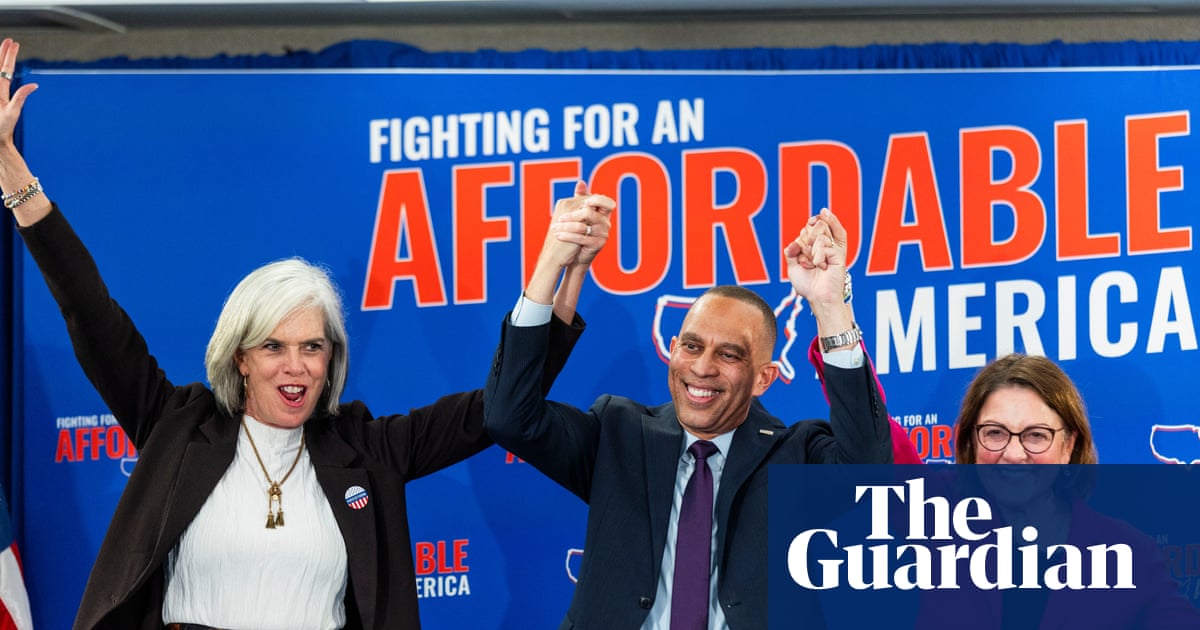
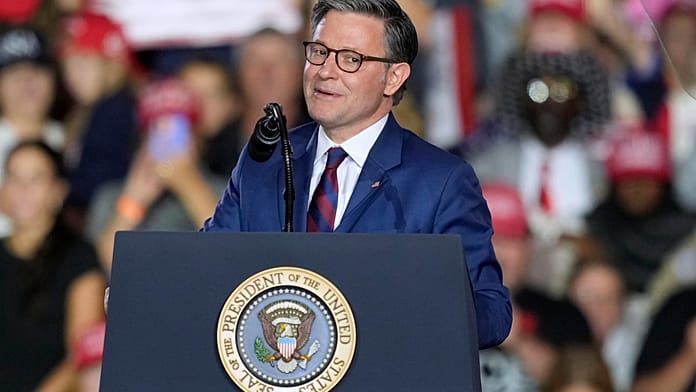
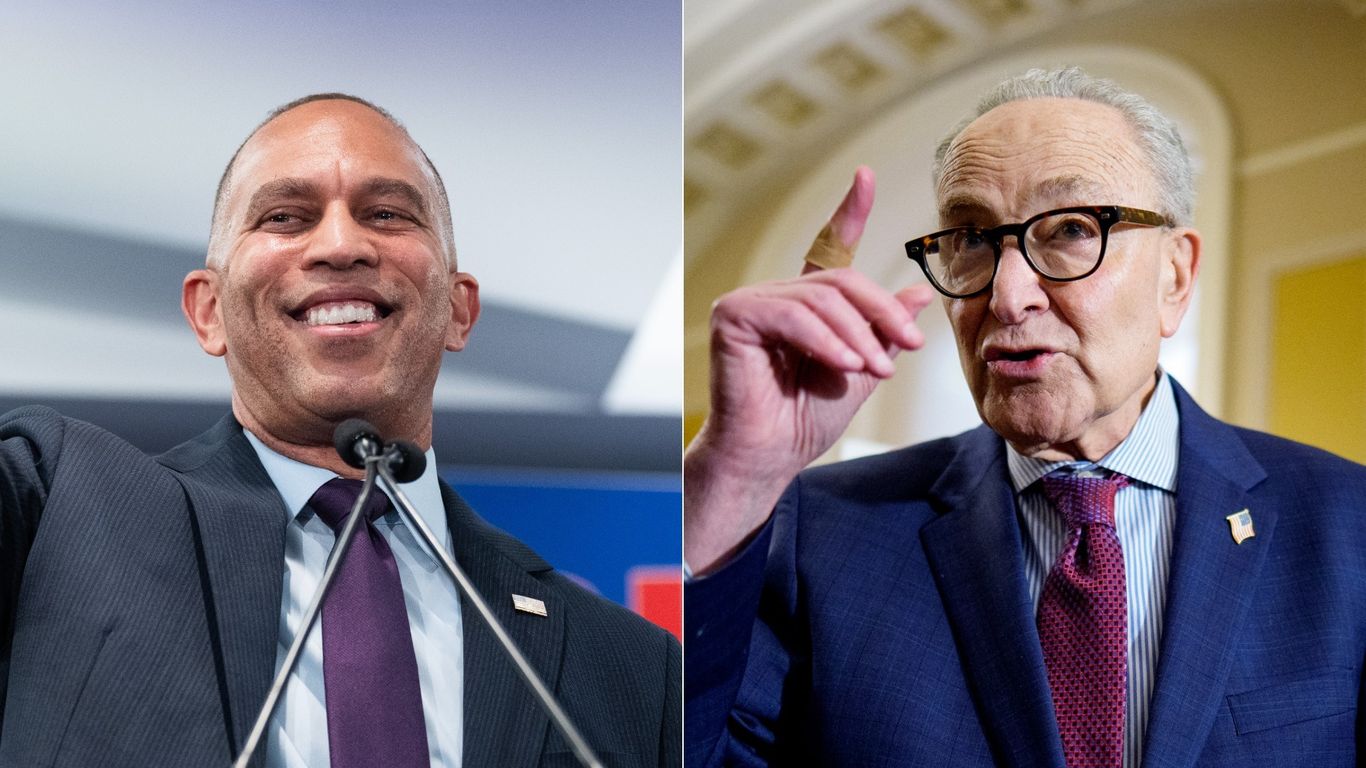
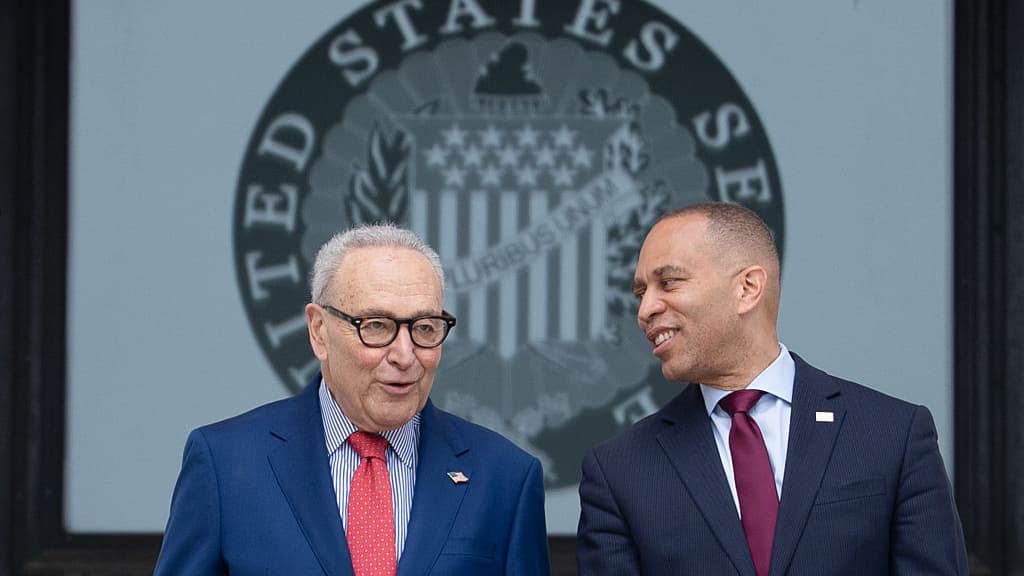
Democrats’ projected House victory will end Republican control of the chamber and open the way for a new speaker to replace Mike Johnson. House Democratic leader Hakeem Jeffries celebrated the result by declaring: “Today begins the great American comeback.”
Jeffries is positioned to seek the speakership, although the position will depend on the House’s leadership election rather than following automatically from the midterm result.
The precise scale of the House victory remains provisional. NBC News’s results page, at the time checked, estimated that Democrats would finish with a 53-seat majority over Republicans — a projection, not a completed count of every district.
Trump congratulates Democrats and says he will accept results
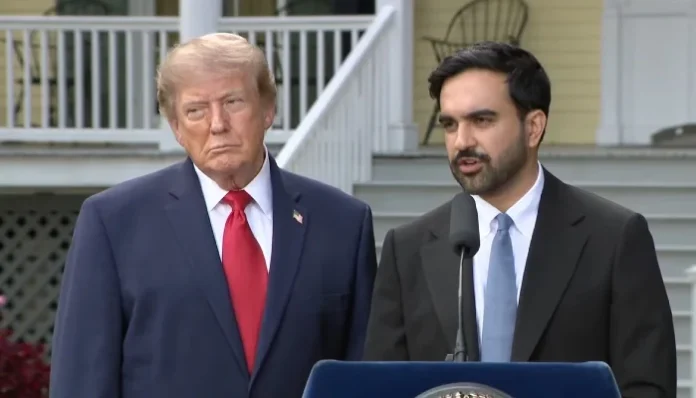
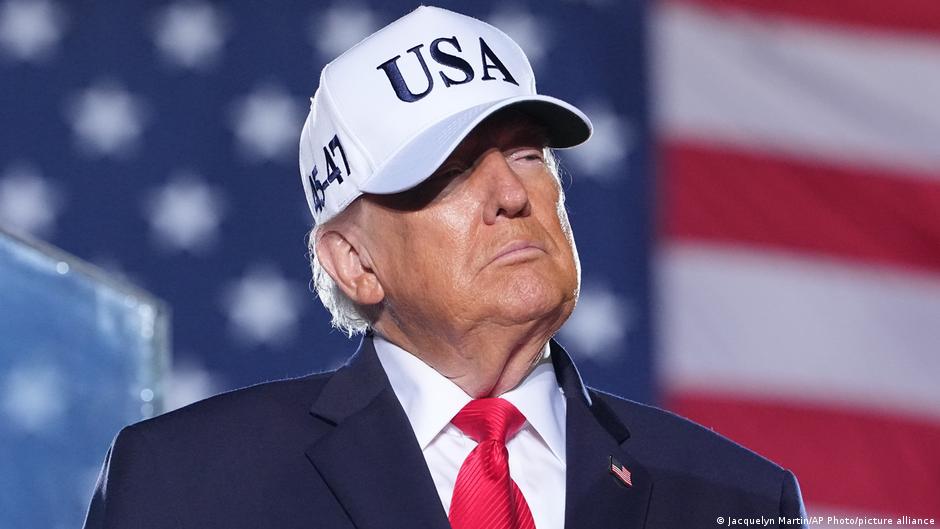
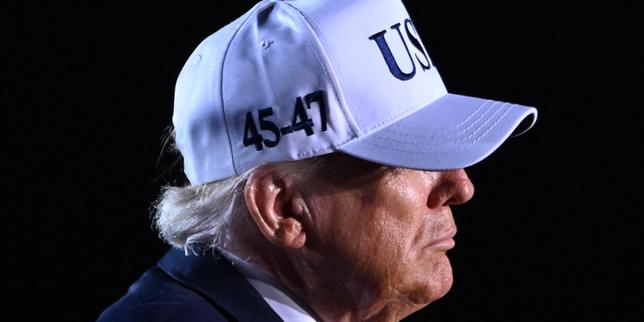
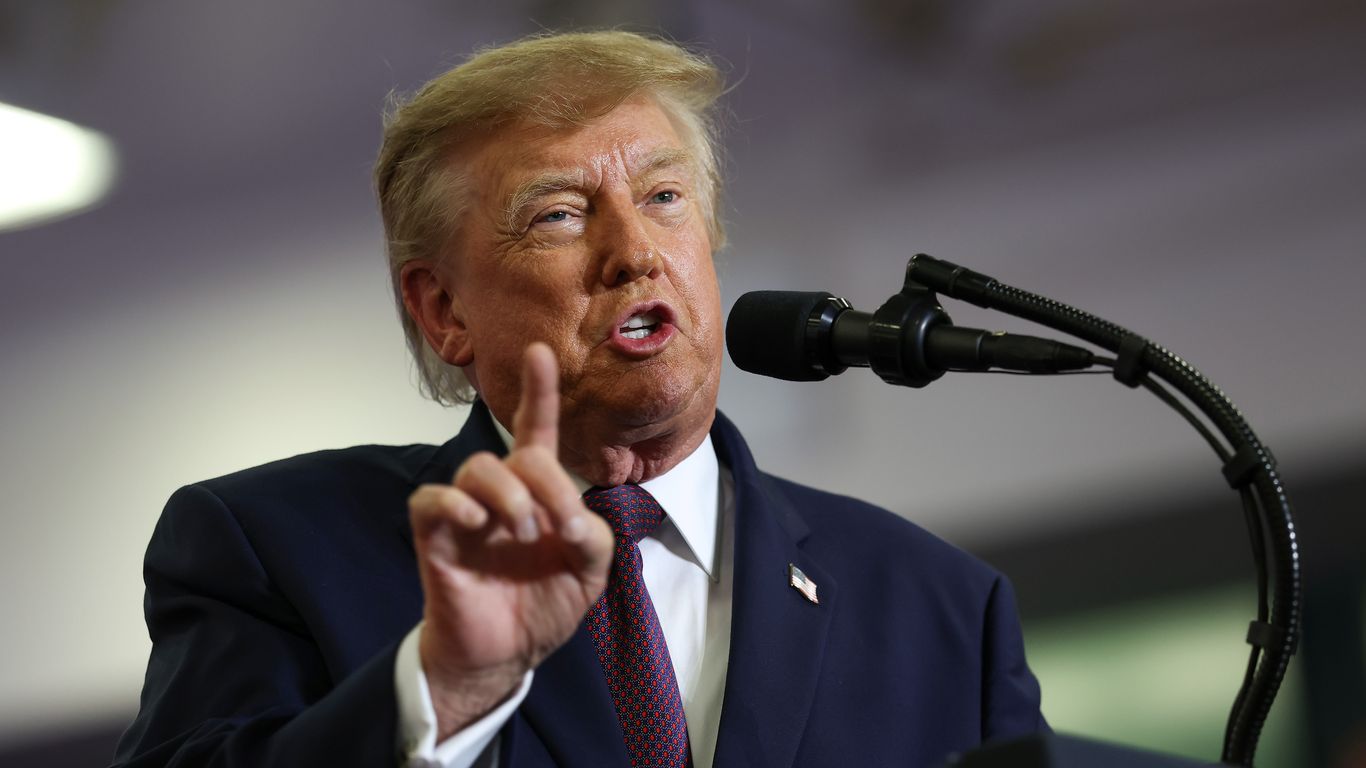
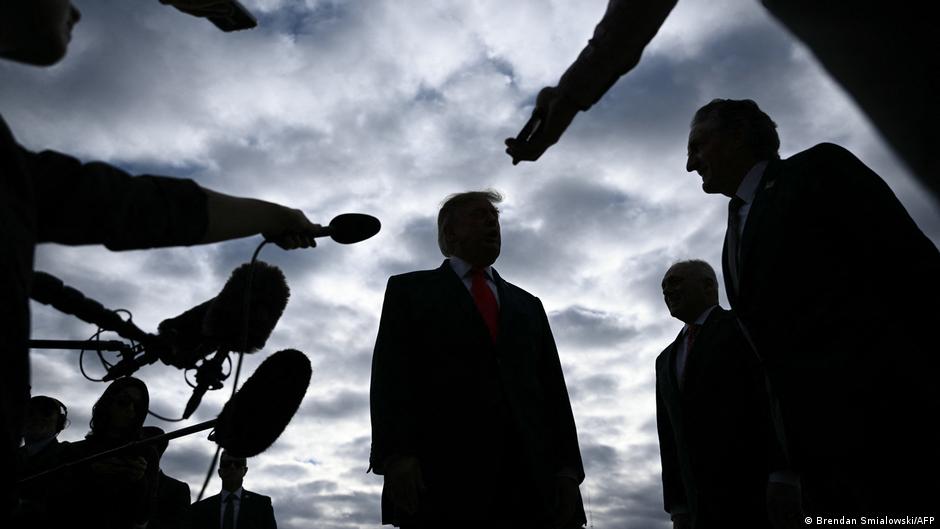
President Donald Trump congratulated Democrats on their election victories and said he was willing to accept the results, while rejecting suggestions that the Republican losses amounted to a personal rebuke.
I am absolutely willing to accept those results.
Trump told The New York Times in a telephone interview on Tuesday night.
He also expressed a willingness to cooperate with the incoming Democratic majority, saying: “We’ll, you know, look forward to working with them. We’ll probably work something out.”
In a separate telephone interview with Fox News, Trump praised his opponents’ campaign efforts. “Congratulations to the Democrats. They did a good job,” he said. “They’ve been looking for this one for 11 years, and they finally got it. But I don’t view it as a hit on me.”
His conciliatory remarks contrasted with a social media post distancing himself from the Republican defeats. “I wasn’t on the Ballot and if I was, we would have won IN A LANDSLIDE!” he wrote.
Trump also made clear that cooperation would have limits. While saying he could work with Democrats on “many things,” he warned that he was prepared to veto legislation he opposed — setting the stage for both negotiations and confrontation when the new Congress takes office.
World reaction mixes celebration with caution
The Democratic victory drew praise from several international leaders, while other governments stressed that their relationships with Washington would continue regardless of which party controls Congress. Reactions ranged from hopes for closer cooperation on climate and Ukraine to caution about how much US foreign policy would change while Trump remains president.
Spanish Prime Minister Pedro Sánchez welcomed the result as a rejection of policies that “only serve to impoverish people,” alongside hatred, sexism, climate denial and privileges for elites. He also linked the Democratic victory to his own political battle against the Spanish right ahead of an election later this month.
Norwegian Prime Minister Jonas Gahr Støre described the outcome as a “powerful political signal about a change of course among American voters.” He said voices were emerging in US politics that were closer to Norway’s positions on climate, the environment, foreign policy and development aid.
South African President Cyril Ramaphosa said the results would “introduce a new era in world relations.”
In Europe, European Parliament Vice President Christel Schaldemose said she was cautiously optimistic that the outcome could strengthen support for Ukraine, the green transition and international cooperation. She nevertheless warned that Europe should continue strengthening its own capacity rather than assume Washington’s political shift would resolve its challenges.
Other governments emphasised continuity. Japanese Chief Cabinet Secretary Minoru Kihara said the Japan–US alliance remained the cornerstone of his country’s foreign and security policy, regardless of the election outcome. China’s foreign ministry described the vote as an internal US matter and said Beijing would continue working with Washington to manage differences and pursue cooperation.
Russia responded more cautiously. Deputy Foreign Minister Sergei Ryabkov urged observers to await the final results and said the Democratic leadership’s approach to Moscow remained “sharply negative.”
Iran’s parliamentary speaker, Mohammad Bagher Ghalibaf, meanwhile, portrayed the Republican losses as a rejection of the conflict with Iran, writing that Americans had voted “NO TO WAR.” His comments reflected Tehran’s interpretation of the result, rather than an independently established explanation of voters’ motivations.
What changes when Democrats take control
A Democratic Senate will give the party a decisive role in considering Trump’s nominees for federal judgeships and senior administration posts. Both chambers will also be able to challenge the administration through congressional oversight and investigations.
Trump will retain the power to veto legislation. Overriding a presidential veto requires two-thirds majorities in both the House and Senate — a substantially higher threshold than the simple majorities needed to control the chambers.
The immediate consequence is therefore a transfer of congressional power, not a transfer of the presidency. The election gives Democrats new leverage over Trump’s remaining agenda while leaving both sides facing a choice between negotiated agreements and legislative confrontation.