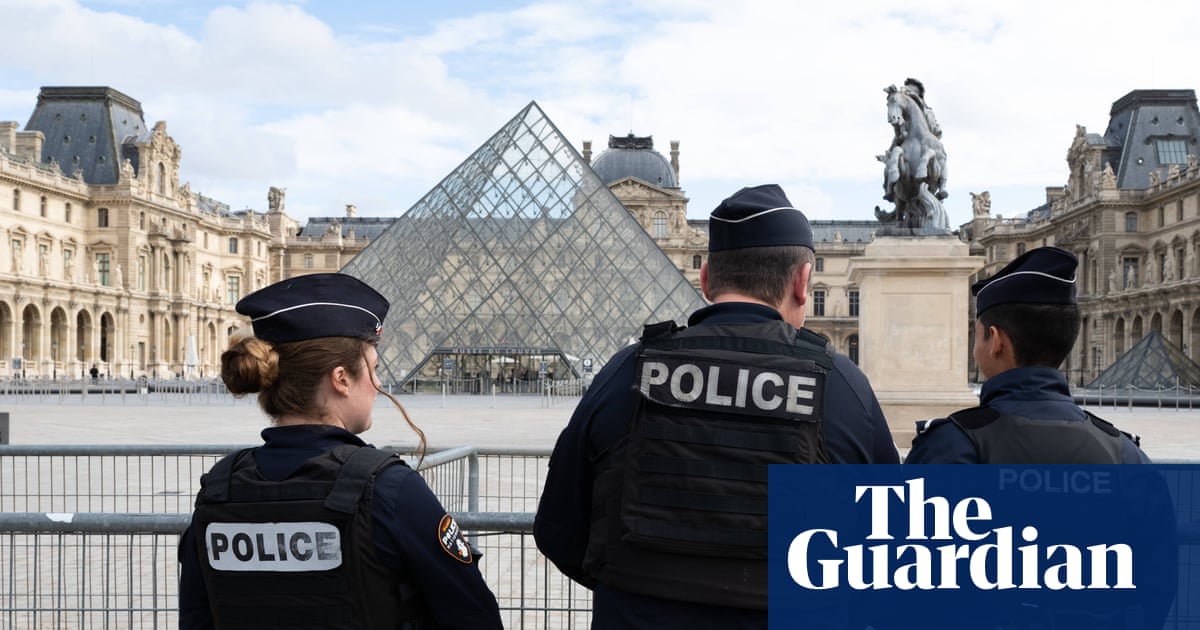
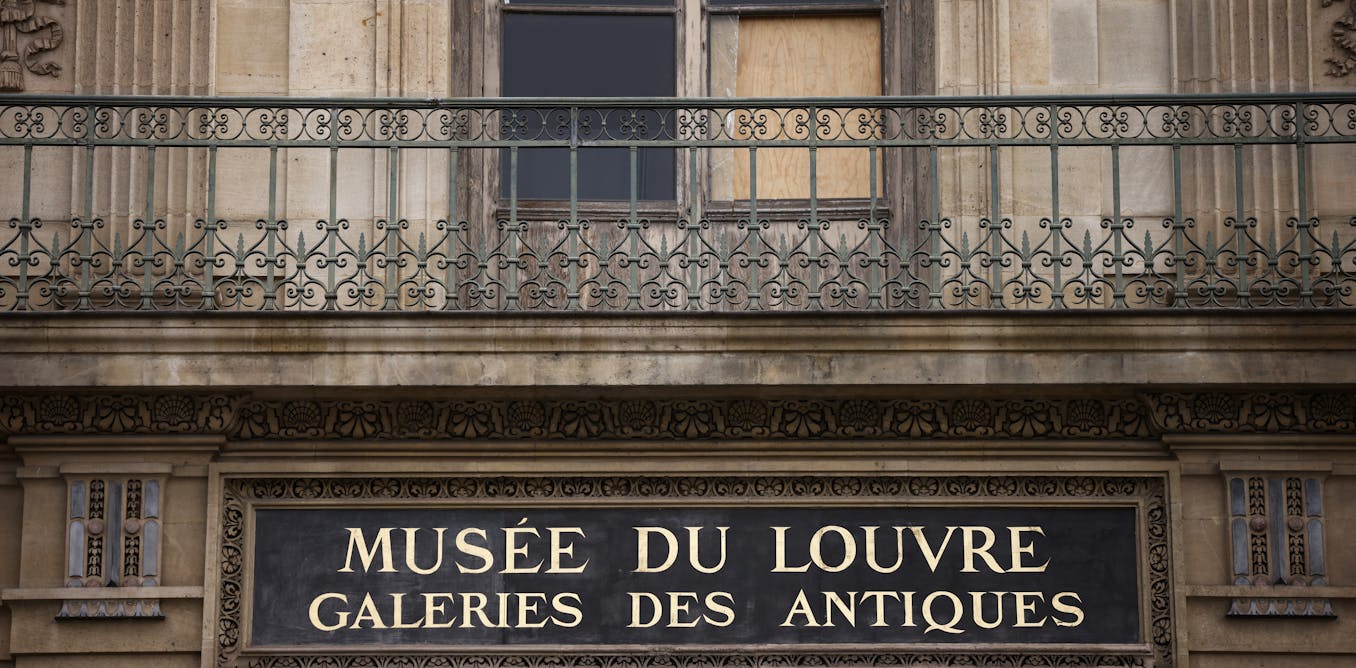
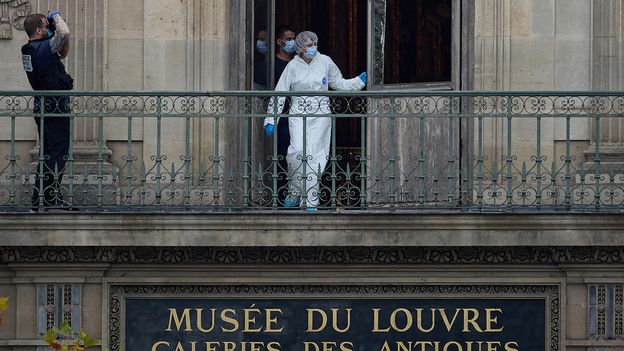
The Louvre has a long and storied history of art thefts, from the infamous 1911 Mona Lisa theft by a former employee to various smaller heists over the decades. This 2025 heist is considered one of the boldest in the museum’s history due to the daylight timing, speed, and precision exhibited by the thieves while the museum was open to the public.
On October 19, 2025, four thieves disguised as construction workers executed a highly audacious heist at the Louvre Museum’s Galerie d’Apollon in Paris. They stole eight pieces of the French Crown Jewels worth approximately €88million or USD 102million.
Initially, the thieves took nine items from Napoleonic royalty collections, including a tiara, necklace, and earrings from Queen Marie-Amalie’s sapphire set, an emerald necklace and earrings from Empress Marie Louise’s collection, a sapphire necklace and earrings from Queen Hortense’s set, a Reliquary brooch and a large corsage bow brooch, both significant Napoleonic-era pieces, and Empress Eugénie’s diamond-studded tiara, which was dropped and recovered damaged during their escape, thus partially lost to the thieves.
During their escape, they dropped Empress Eugénie’s diamond-studded crown, reducing the haul to eight items. The entire robbery took just under eight minutes, with the thieves spending only around four minutes inside the museum.
How did they pull it off?
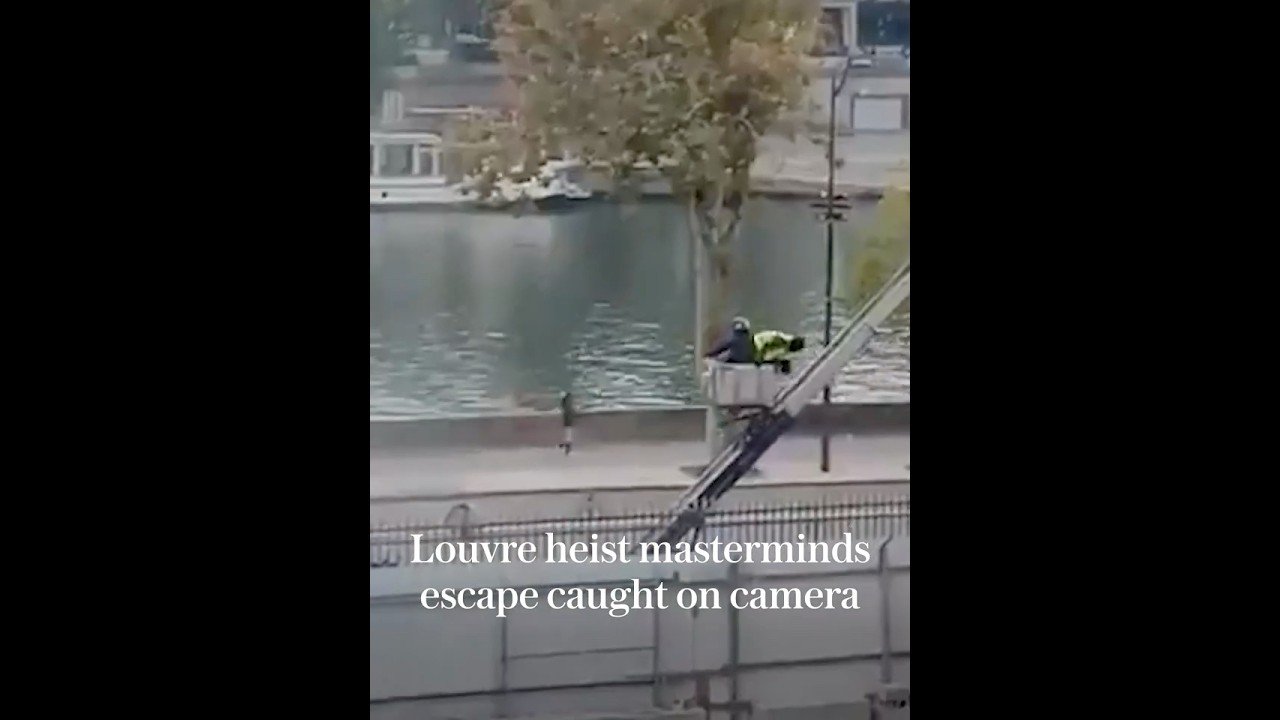
The criminals arrived around 9:30 a.m., about 30 minutes after the museum opened. They entered the building via a side balcony overlooking the Seine River using a truck with an electric ladder, or furniture lift. Two masked thieves climbed the ladder to the second-floor balcony. They used a disc cutter to cut through a glass window, triggering alarm systems, then broke into two display cases housing the jewels.
After exiting by the same route, they fled on motor scooters through chaotic Parisian traffic, disappearing along the Seine and heading south via major highways.
“Petty criminals”
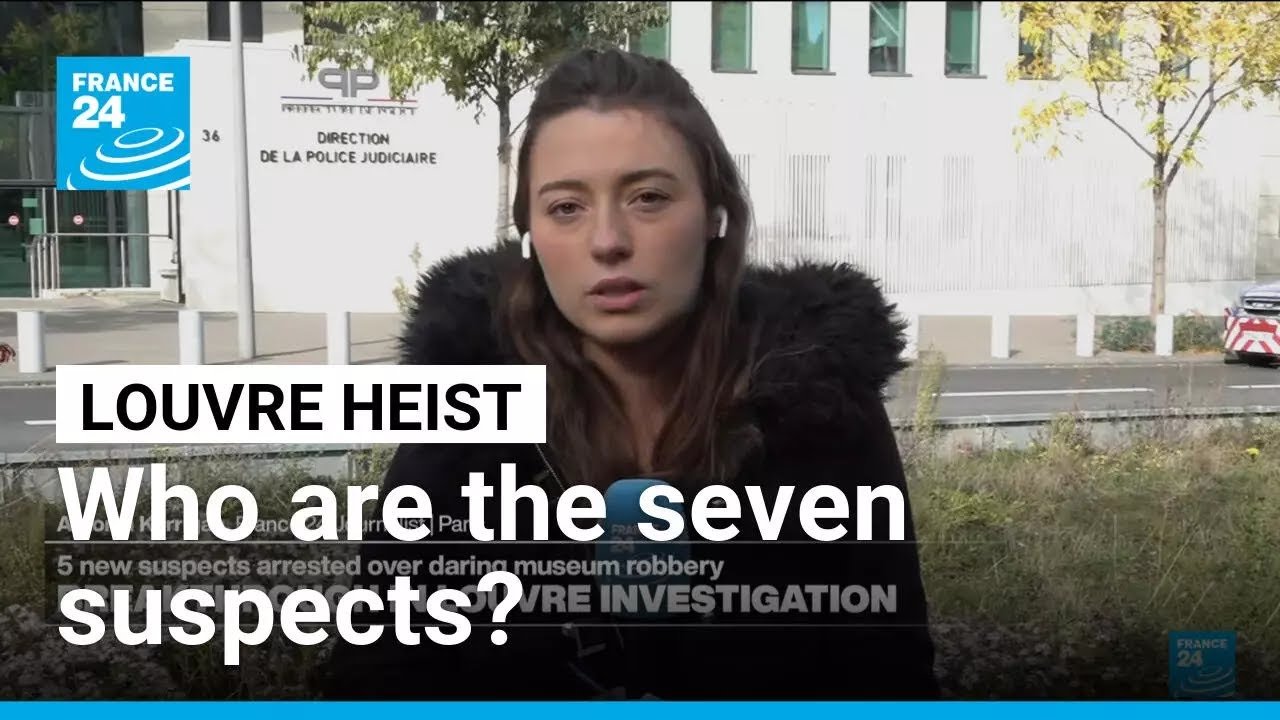
Following the heist, extensive investigations led to the arrest of multiple suspects connected with the robbery, including those who entered the museum and accomplices involved in the getaway. DNA evidence was crucial in identifying and charging suspects, though one suspect remains at large.
Prosecutors stated that the suspects were part of a loosely connected network of petty criminals, rather than members of highly organized international crime syndicates. The stolen jewels have not been recovered, and authorities continue their search. Meanwhile, the remaining unrecovered jewels were moved to the Bank of France for safekeeping.
This is not quite everyday delinquency… but it is a type of delinquency that we do not generally associate with the upper echelons of organised crime…These are clearly local people. They all live more or less in Seine-Saint-Denis
Paris prosecutor Laure Beccuau
Paris prosecutor Laure Beccuau said, This is not quite everyday delinquency, but it is a type of delinquency that we do not generally associate with the upper echelons of organised crime. These are clearly local people. They all live more or less in Seine-Saint-Denis.
Reactions
This heist is the first major theft at the Louvre since the painting Le chemin de Sèvres was stolen in 1998. The robbery has exposed significant security vulnerabilities at a world-renowned cultural institution, sparking debates and calls for enhanced museum security measures globally.
France’s culture minister declared the setup of anti-ramming devices around the Louvre by year’s end. The Louvre has transferred some of its most precious jewels to the Bank of France following the heist.
The event has inspired the making of documentaries: Louvre Heist: Minute by Minute by Discovery Channel, which premiered on November 26, and The Heist: The Louvre’s Stolen Crown Jewels by CNN, which premiered on October 26.
Why it matters
The Louvre heist represents one of the most audacious daylight robberies in museum history, exposing critical security gaps at one of the world’s most visited cultural institutions. The fact that thieves disguised as construction workers stole €88 million in crown jewels in under eight minutes while the museum was open to the public has triggered global scrutiny of museum security protocols.
With the jewels still unrecovered and prosecutors revealing the perpetrators were local petty criminals rather than organized crime syndicates, the case challenges assumptions about how major art heists are executed. France’s commitment to installing anti-ramming barriers and moving precious jewels to the Bank of France signals a major shift in how cultural institutions will protect their most valuable holdings going forward.


Read more: French Government Collapse 2025