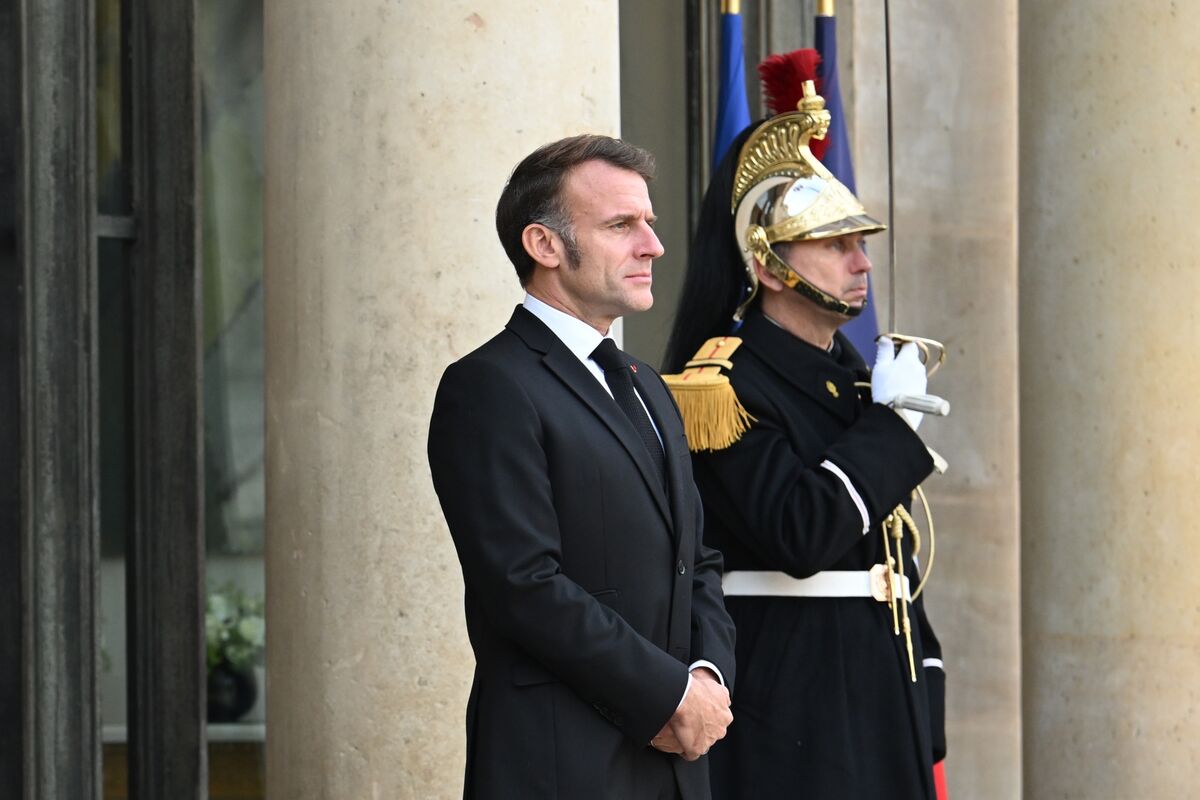
France’s political crisis began after President Emmanuel Macron called for a snap election in June to July 2024 following a bruising loss for his party in the European Parliament vote. It produced a hung parliament split between left-wing New Popular Front, Macron’s centrist Ensemble, and far-right National Rally, leading to four minority governments in 15 months. This made it difficult for any prime minister to garner the necessary support to pass bills and the yearly budget.
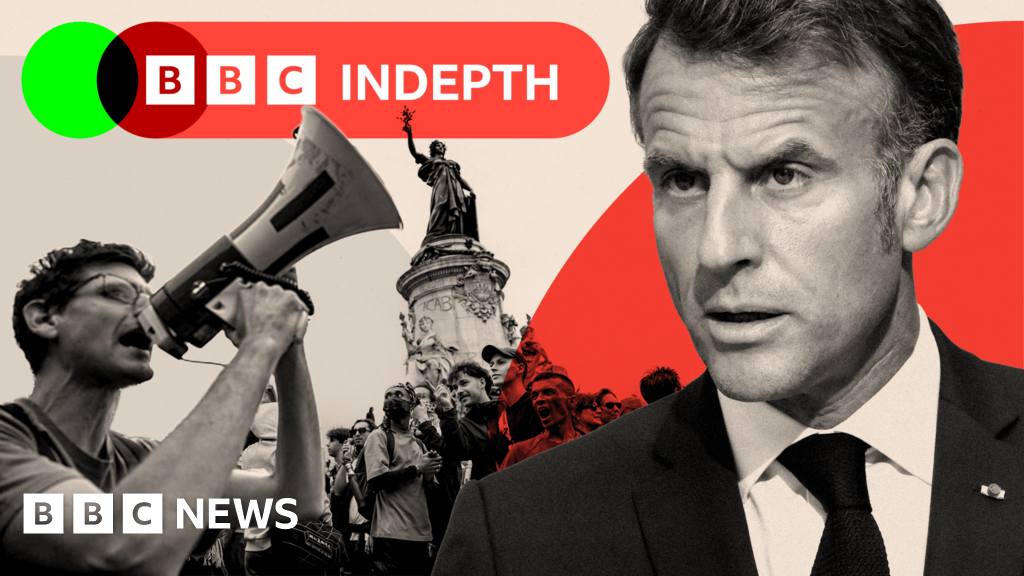
France’s President Emmanuel Macron confronts his gravest domestic crisis since taking office in 2017 amid relentless parliamentary gridlock and record-low approval ratings of 14%, according to an Elabe poll from October 2025.
Bayrou’s resignation
On September 8, 2025, Prime Minister François Bayrou’s minority government lost a crushing confidence vote (364-194) after nine months. He resigned on September 9 over failure to secure support for a €44billion to €52billion austerity budget to combat France’s mounting debt. In early 2025, France’s public debt amounted to approximately €3,345billion, or about 114% of GDP, making it the third highest in the eurozone after Greece and Italy, equivalent to nearly €50,000 per citizen.
Bayrou warned parliament pre-vote of an “inexorable swamp of debt” threatening France, urging compromise, but faced unified left-right opposition. Celebratory “Bye-bye Bayrou” parties erupted nationwide.
You have the power to bring down the government, but you do not have the power to erase reality… Reality will remain relentless: expenses will continue to rise, and the burden of debt, already unbearable, will grow heavier and more costly.
Bayrou to lawmakers
French Prime Minister François Bayrou, aged 74, was the fourth prime minister under President Emmanuel Macron in two years, amid ongoing political instability overshadowing Macron’s second term.
Lecornu’s appointment
After the resignation of his second PM François Bayrou in 12 months, Macron appointed loyalist Sébastien Lecornu, the former Defense Minister, as PM on September 9 to sustain pro-business reforms like tax cuts for firms and the wealthy and pension age hikes despite the hung parliament.
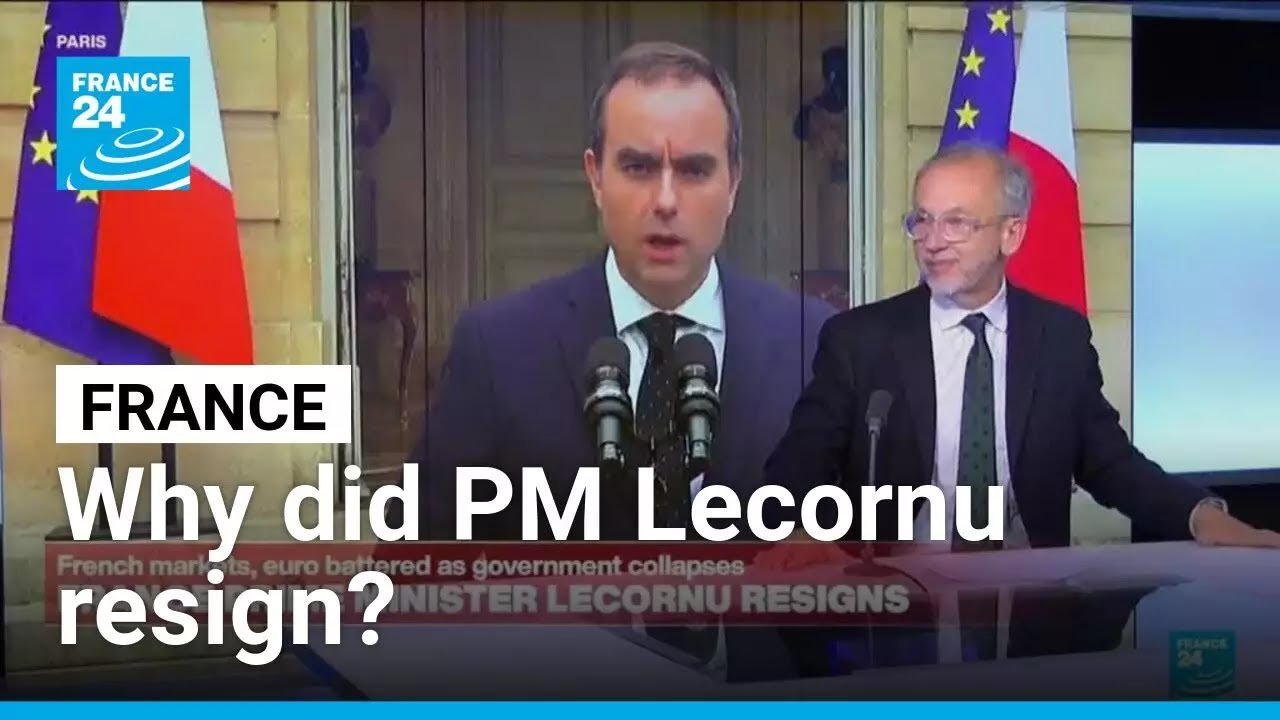
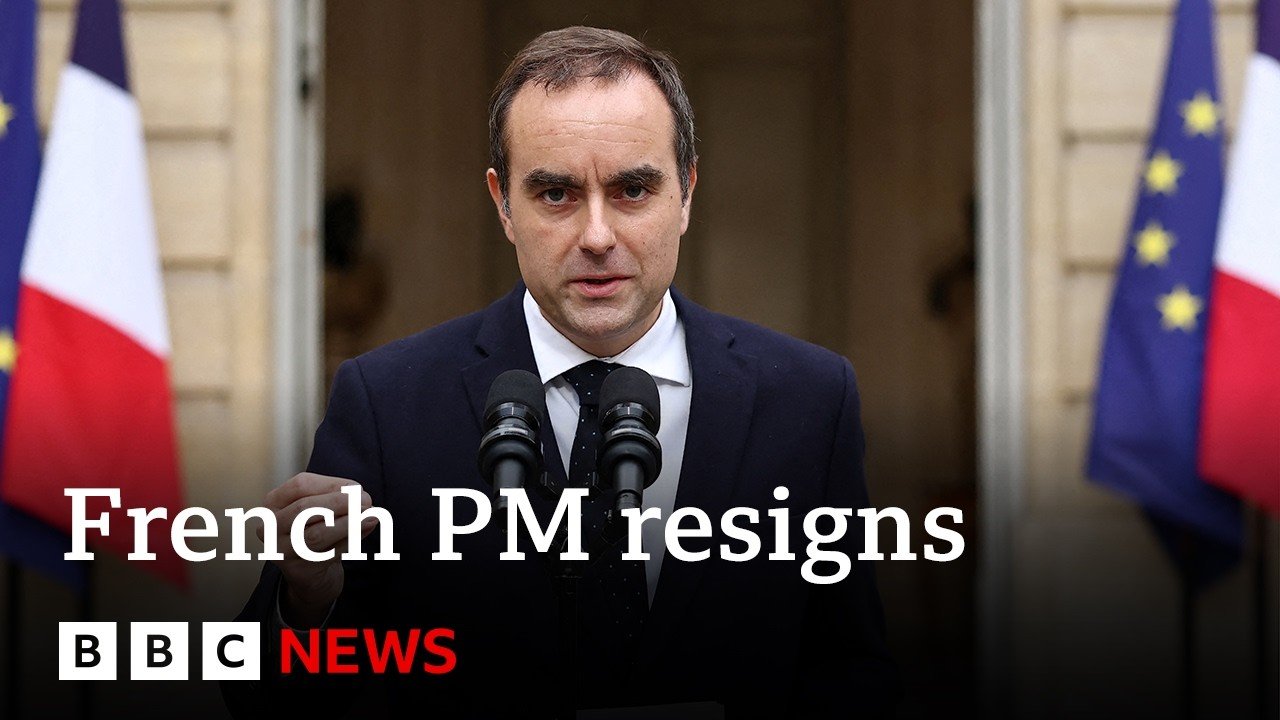
Lecornu resigned dramatically on October 6, approximately 26 hours after naming his cabinet, amid backlash for not expanding to opposition voices reflecting France’s divisions. Macron reappointed Lecornu as PM on October 10, 2025, after party talks excluding extremes, granting carte blanche for a new cabinet to pass the 2026 budget amid deadlock.
Lecornu pledged fiscal restoration and no 2027 ambitions for ministers, drawing far-left and far-right fury and no-confidence threats. Moody’s shifted France’s outlook to negative, with Aa2 affirmed, on October 24, 2025, citing fiscal credibility loss from serial instability and budget failures post-Bayrou.
Sébastien Lecornu joined Macron’s Renaissance government in 2017 as the youngest secretary of state focused on Ecological Transition and has held continuous cabinet positions since, including Minister for Local Authorities from 2018 to 2020, Overseas Territories from 2020 to 2022, and Armed Forces from 2022 to 2025.
Why it matters
France’s political instability represents one of the most severe governance crises in the country’s modern history, with four prime ministers in 15 months and a hung parliament unable to pass essential legislation including the yearly budget. The crisis has triggered a negative outlook from Moody’s, raising concerns about France’s fiscal credibility and debt sustainability at €3.3trillion.
French Socialist parliamentary leader Boris Vallaud described Macron as a defeated president, blaming him for impoverishing the poor, enriching the rich, and ignoring the future. Macron has consistently stated he will serve his full term and not resign before 2027.
With Macron’s approval ratings at record lows and both the far-left and far-right threatening no-confidence votes, the country faces the prospect of continued gridlock as it approaches the 2027 presidential election. The inability to pass a budget threatens France’s compliance with EU fiscal rules and could spark broader economic consequences across the eurozone’s third-largest economy.