2025 saw pivotal elections worldwide that reshaped governments amid economic pressures, security concerns, and geopolitical shifts. These races influenced global alliances, trade, and stability, drawing attention from major powers like the US under President Trump.
1. Australia’s Landslide Labor Win
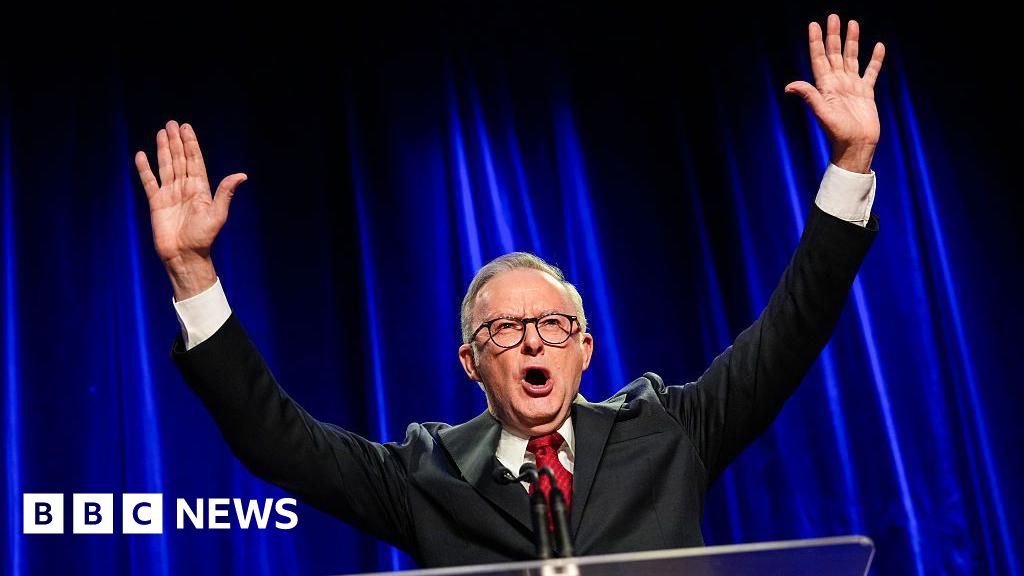
Australia’s federal election on May 3 delivered a historic second term for Prime Minister Anthony Albanese’s Labor Party, securing 94 House seats — the most ever by a single party — and a 55.22% two-party-preferred vote. Key issues included housing costs, energy policy, and defense amid US tariff threats, with Labor retaining every prior seat while opposition leader Peter Dutton lost his own. This boosted Labor’s Senate bloc to 28 seats, the largest since 1984, signaling continuity in climate action and China ties.
www.bbc.com
Australia federal election: Anthony Albanese wins in landslide
Donald Trump loomed large over the election, with comparisons drawn between the US president and defeated opposition leader Peter Dutton.
Read More
www.abc.net.au
Where things went right for Labor, and very wrong for the Coalition
Australian voters have delivered Anthony Albanese “a win for the ages” that should see Labor with more seats than at any point in its history.
Read More
www.abc.net.au
How Labor pulled off a landslide no one saw coming
Over four months, Labor clawed its way back from an uninspiring showing in the polls to a historic victory so unbelievable even the party’s most faithful servants couldn’t have imagined it.
Read More
2. Germany’s Conservative Surge
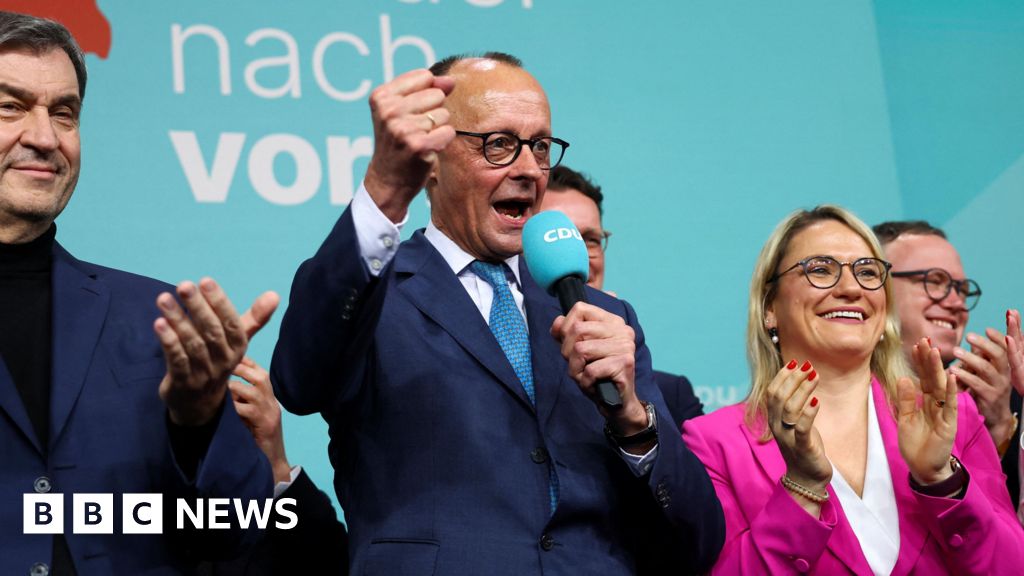
On February 23, Germany’s snap election followed Chancellor Olaf Scholz’s coalition collapse, handing the Christian Democratic Union (CDU) 164 seats amid economic woes and immigration debates post a deadly Christmas market attack. The far-right Alternative for Germany (AfD) rocketed to 152 seats, second place with 20.8% nationally, fueled by anti-immigration sentiment and Elon Musk’s endorsement. The Social Democrats crashed to 120 seats, down 86, complicating CDU coalition-building for reforms in Europe’s top economy.
www.bbc.com
German election: Merz’s conservatives celebrate, far right enjoys record result
Friedrich Merz will try to form a coalition after his Christian Democrats won less than 30% of the vote.
Read More
www.dw.com
German election results explained in graphics – DW – 02/27/2025
The conservative CDU led by Friedrich Merz won Germany’s 2025 election. Here’s a look at the wins and losses, seats in parliament, voter demographics and possible coalition outcomes.
Read More
www.politico.eu
Merz won the German election. Here’s what it means for Europe.
POLITICO breaks down what the conservatives’ victory means for EU policy and cooperation ― from nuclear weapons to cannabis.
Read More
3. Ecuador’s Security-Focused Re-election
President Daniel Noboa won Ecuador’s February-April presidential runoff with 55.63% against leftist Luisa González, exceeding polls by targeting youth voters on gang violence and economic woes. His National Democratic Action took 66 National Assembly seats, just behind Citizen Revolution’s 67, ensuring a slim legislative edge after González’s fraud claims were dismissed by observers. The outcome sustains Noboa’s tough-on-crime stance, vital for IMF ties and US anti-drug cooperation.
theconversation.com
Ecuador: can freshly re-elected Daniel Noboa govern a country in crisis?
Daniel Noboa has secured a full term in office as Ecuador’s president.
Read More
www.bbc.com
Daniel Noboa: Centre-right leader wins re-election in Ecuador
The sitting president’s challenger in the closely fought race, Luisa González, has claimed fraud without producing evidence.
Read More
foreignpolicy.com
Ecuador Sticks With Trump-Friendly President
Incumbent Daniel Noboa won a campaign roiled by transnational gang violence and an energy crisis.
Read More
4. Bolivia’s Rightward Shift
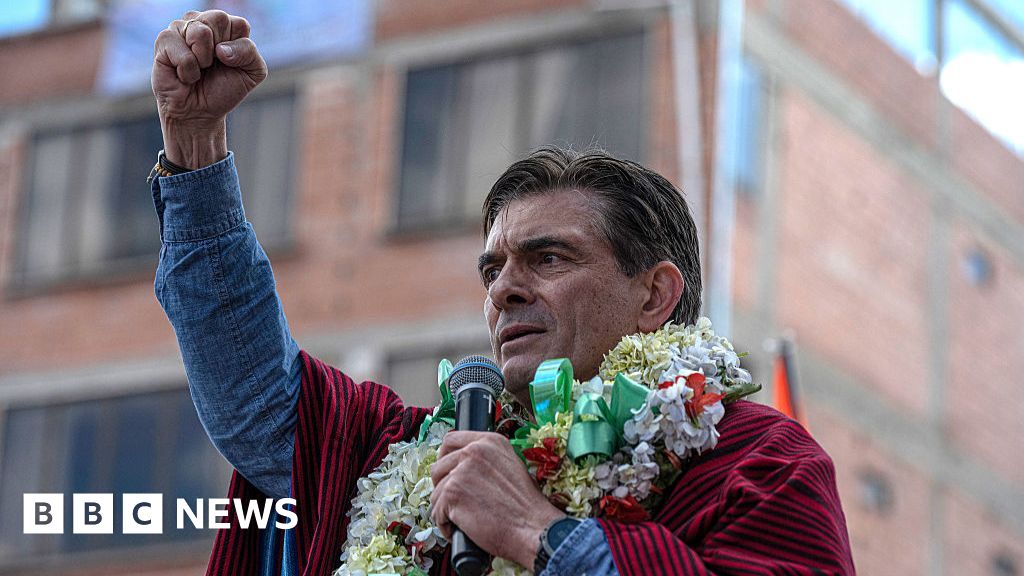
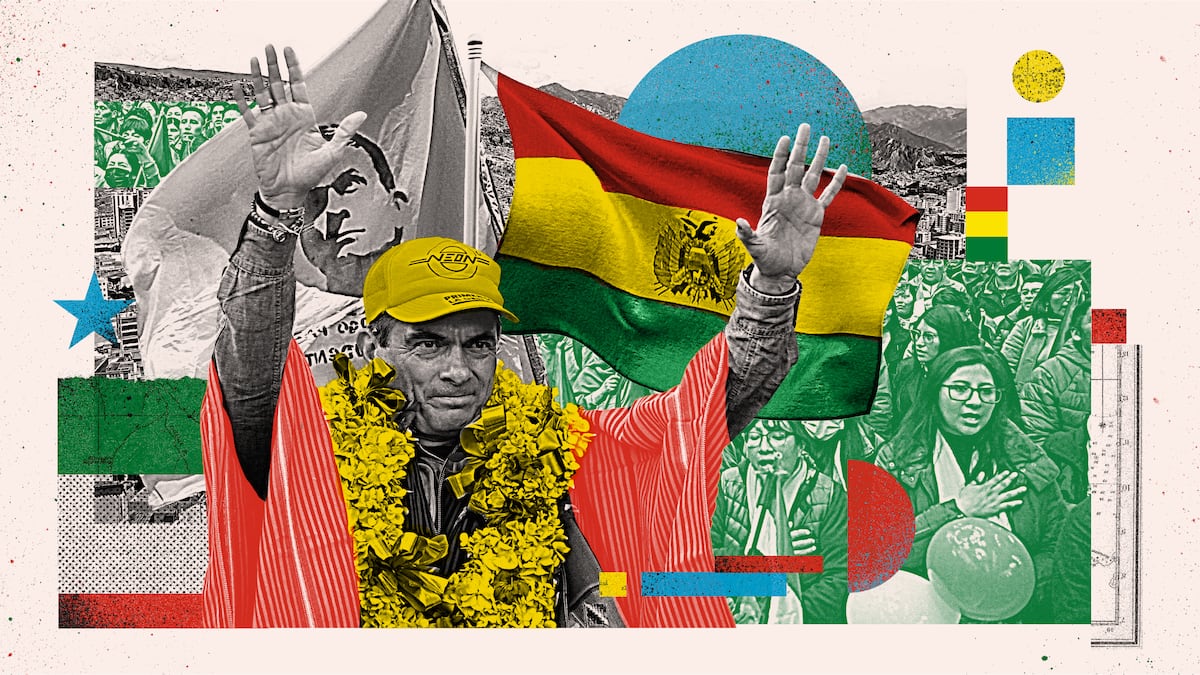
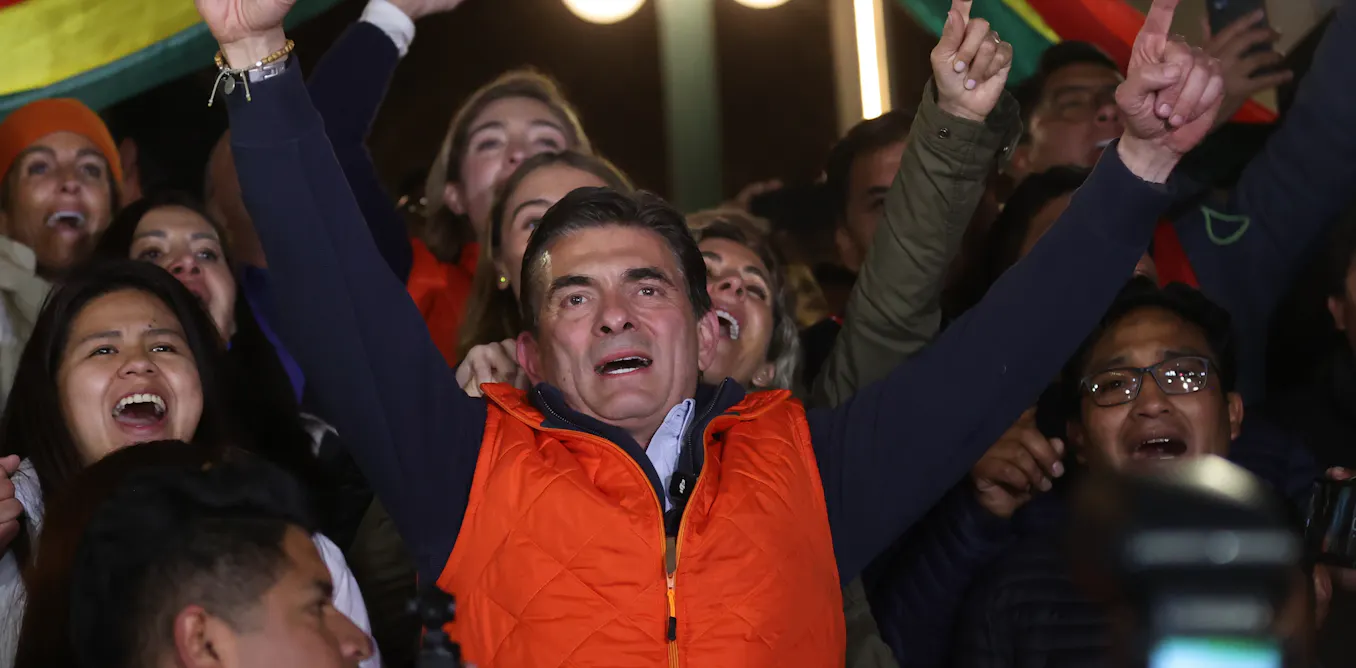
Centrist Rodrigo Paz Pereira claimed Bolivia’s October presidential runoff, ending nearly two decades of leftist MAS dominance amid fuel shortages and a coup attempt on President Luis Arce. Paz defeated conservative Jorge ‘Tuto’ Quiroga, capitalizing on economic crisis in South America’s poorest nation. This marks the first MAS-free ballot since 2005, promising market reforms over Morales-Arce infighting.
www.bbc.com
Bolivia election: Centrist Rodrigo Paz elected in shift to the right
Rodrigo Paz’s win shows Bolivians want change, but he faces economic challenges after almost 20 years of socialist rule.
Read More
english.elpais.com
Rodrigo Paz, the surprise president who promises ‘capitalism for all’
The son of the country’s former head of state, Bolivia’s election winner gained support among voters who abandoned Evo Morales’s MAS party
Read More
theconversation.com
Bolivia election: voters bring two decades of leftist politics to an end
Bolivia election heads to a run-off vote for the first time in history.
Read More
5. Chile’s Ideological Runoff
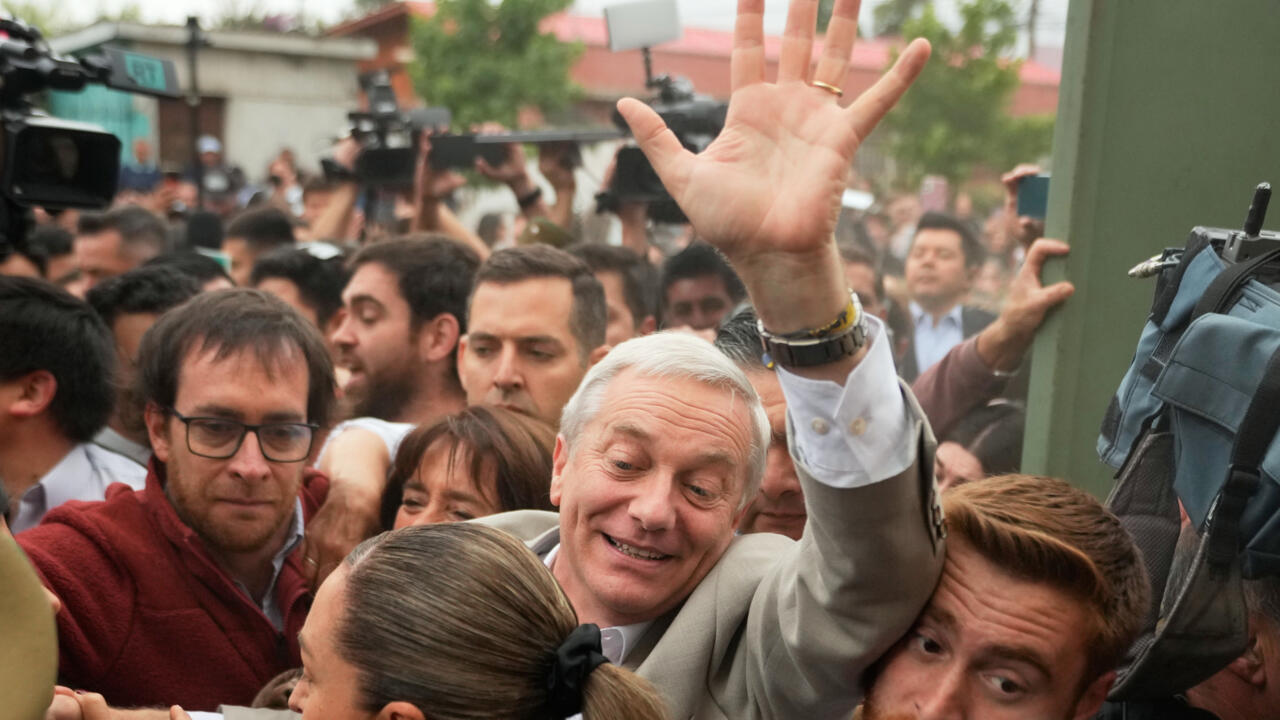
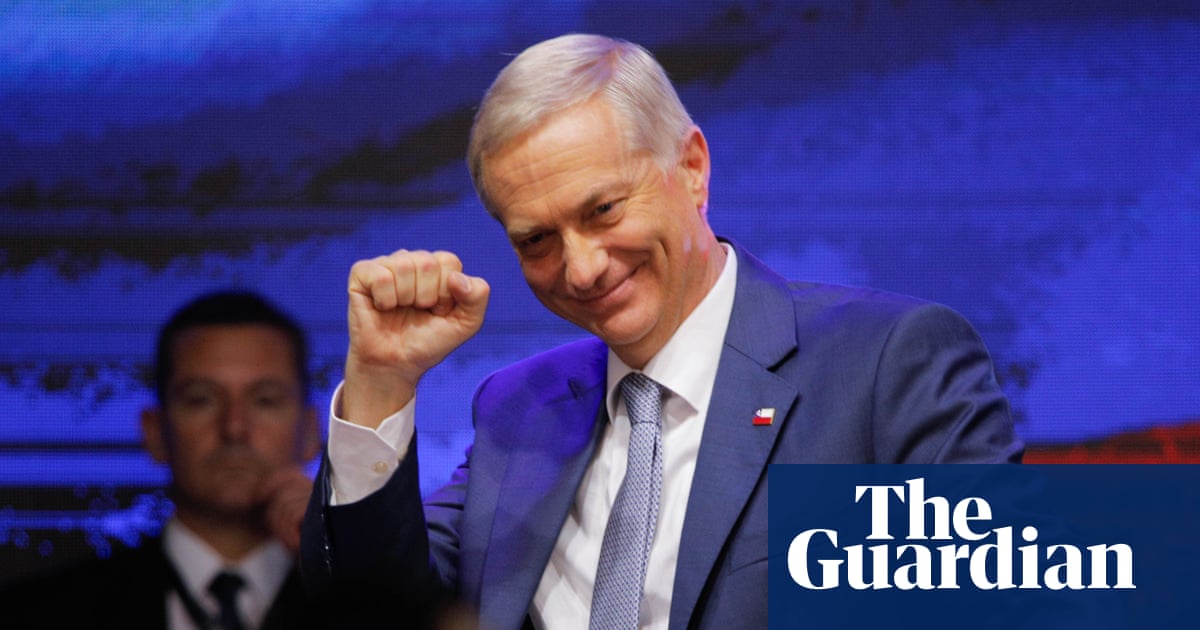
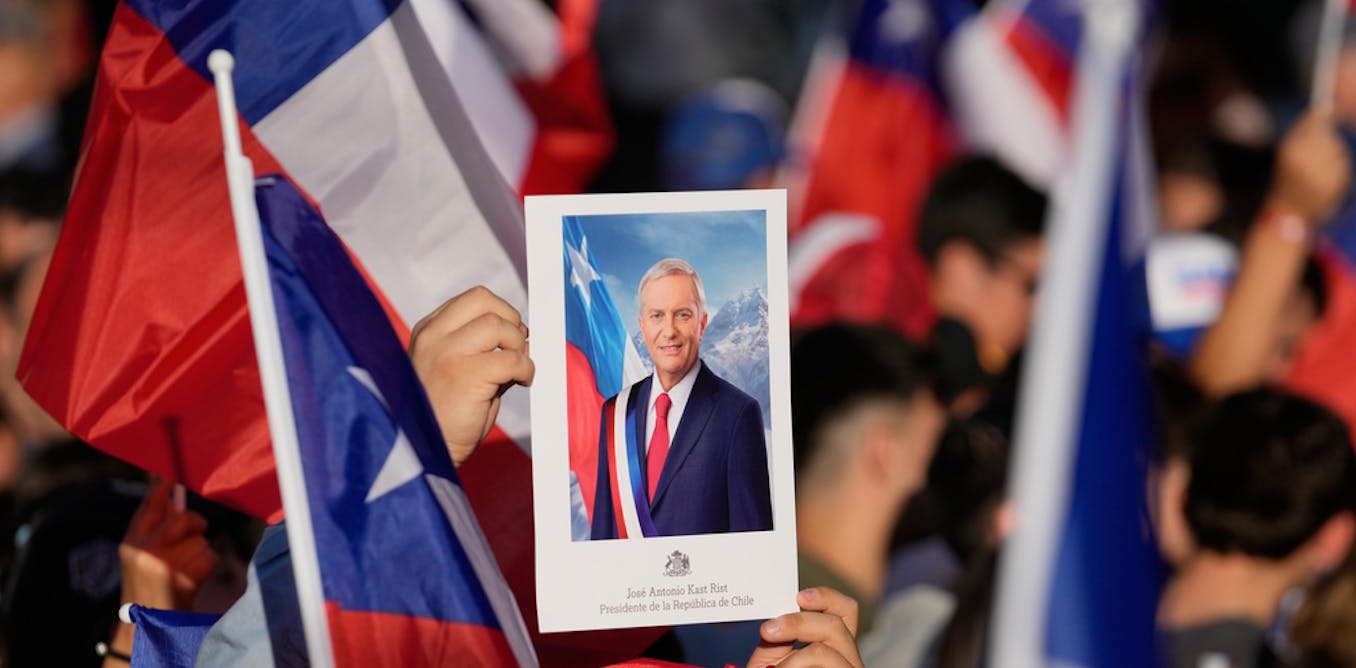
Chile’s November 16 first-round presidential vote set a December 14 runoff between leftist Jeannette Jara and far-right José Antonio Kast, amid drug violence and stalled reforms under term-limited Gabriel Boric. Right-wing opposition leads polls, reflecting global anti-incumbent trends and demands for growth in South America’s richest economy. Evelyn Matthei, once favored, trails Kast’s nationalist pitch on borders and crime.
www.france24.com
Hard-right candidate Jose Antonio Kast wins Chile presidential election
Chilean voters elected the most right-wing president in 35 years of democracy on Sunday, as official results showed Jose Antonio Kast with a thumping 58 percent of votes and his rival conceding defeat.…
Read More
www.theguardian.com
Chile’s new far-right head is latest Latin American leader to ride hardline wave to power
From the US to Hungary to Argentina, rightwing leaders are praising José Antonio Kast’s win in Chile’s presidential race
Read More
theconversation.com
Chile elects most right-wing leader since Pinochet – in line with regional drift, domestic tendency to punish incumbents
José Antonio Kast, who has run for the presidency several times, successfully seized on widespread dissatisfaction over issues like crime and immigration.
Read More
6. Philippines’ Dynastic Clash
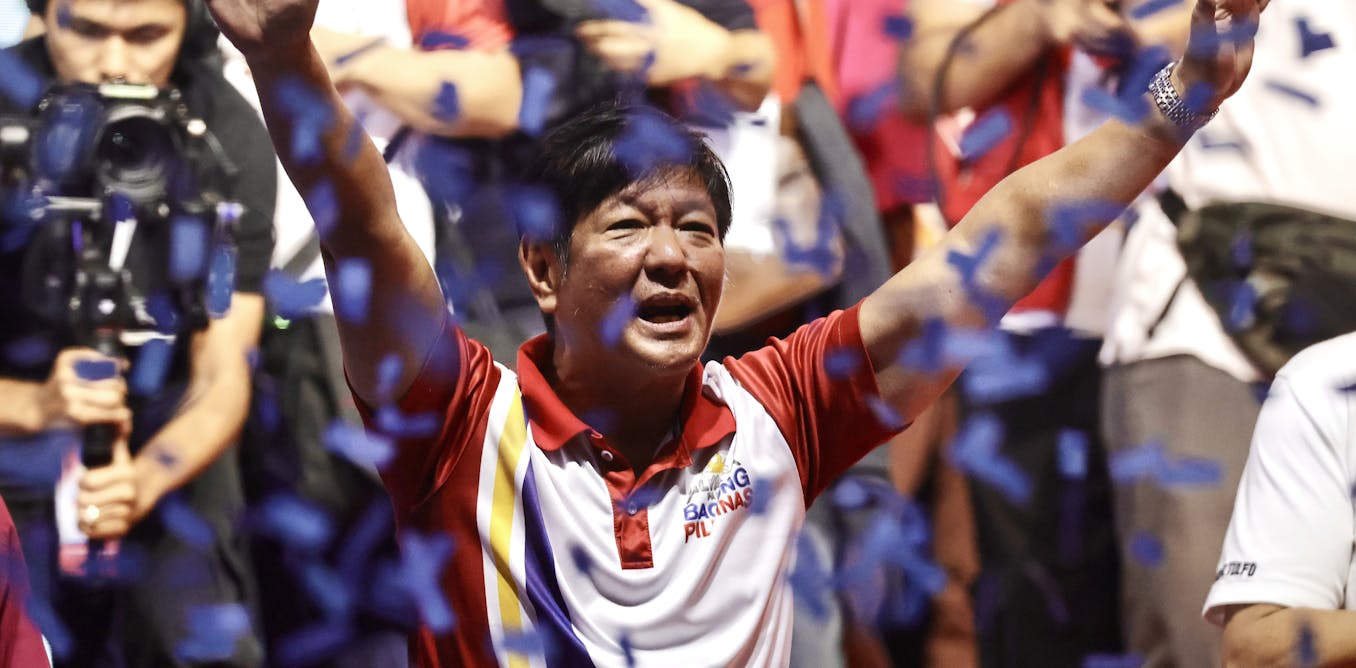
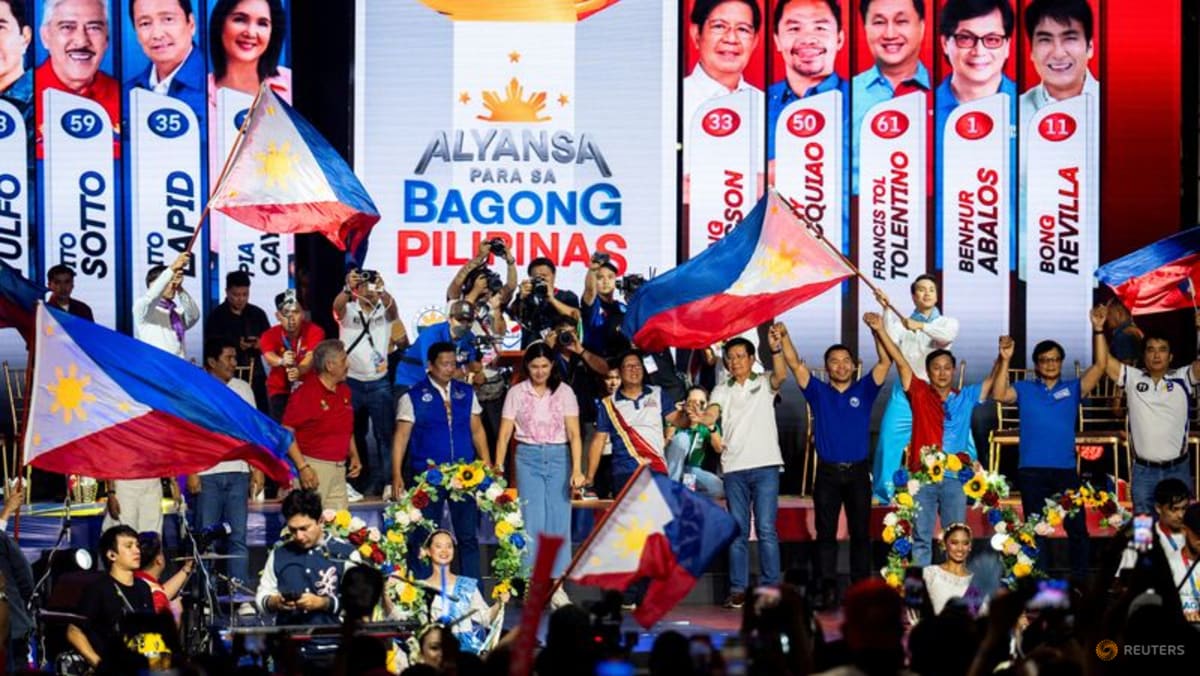
May 12 midterms tested President Ferdinand Marcos Jr.’s US pivot against the Duterte family’s China-leaning base, pitting Marcos against VP Sara Duterte amid impeachment threats and her father’s Davao mayoral run. The vote checks Marcos’ foreign policy shift and sets up Sara’s 2028 bid, echoing family power struggles.
theconversation.com
Philippine elections leaves the Marcos-Duterte family feud still dominating politics
The Philippine midterms served as a proxy war between two feuding families at the top of the nation’s politics.
Read More
time.com
Philippines Election Results 2025: Dutertes Assert Influence
Here’s what to know about the crucial midterms and the rival dynasties at the heart of the Southeast Asian nation’s politics.
Read More
www.channelnewsasia.com
China takes centre stage in Philippines’ feisty midterm election
As the Philippines’ two most prominent political clans flex their muscles in the usually low-key process to pick senators and local government leaders, relations with China have emerged as a political lightning rod.
Read More
7. Canada’s Leadership Crisis
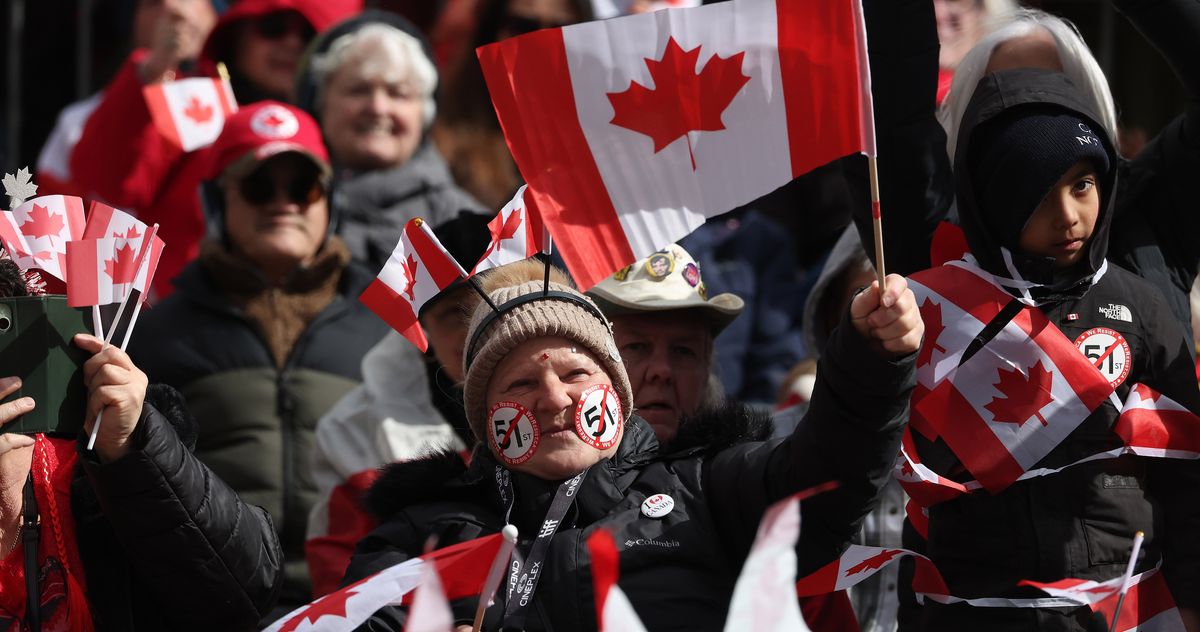
Canada faces polls by October 25, or sooner via no-confidence after Finance Minister Chrystia Freeland’s exit and NDP withdrawal from propping PM Justin Trudeau. Conservatives lead by 23 points on inflation, housing, and Trump tariffs, potentially ousting Liberals after a decade.
www.theglobeandmail.com
Six charts that reveal the story of the 2025 election
The race was overshadowed by the threats to Canada’s sovereignty from U.S. President Donald Trump
Read More
theconversation.com
Can Keir Starmer learn anything from Mark Carney’s near-miraculous election win in Canada?
The Liberal party turned around its fortunes with vocal resistance to Donald Trump.
Read More
nymag.com
Trump Is a Triple Loser in Canada’s Election
His threats to sovereignty helped defeat his allies there without rallying Americans, who were reminded of his unpopular and inflationary tariffs.
Read More
8. Czech Populist Comeback
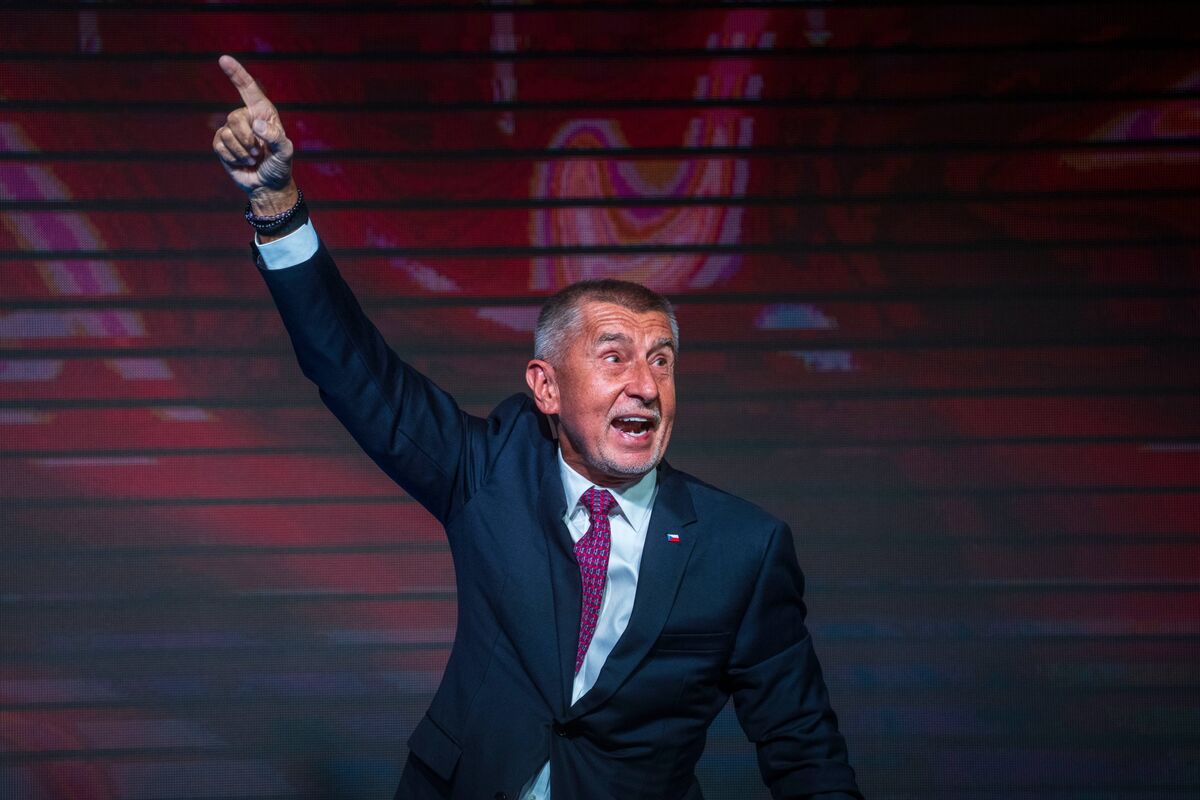
Fall parliamentary elections favor Andrej Babiš’ ANO party at 30% support, targeting the center-right coalition amid “Ukraine fatigue” and post-communist disillusionment. A win aligns Czechia with euroskeptic neighbors like Hungary, challenging EU unity.
www.economist.com
The Comeback of Andrej Babis
Andrej Babis is often called the Czech Donald Trump. Like the American president, he is a billionaire with a penchant for populist stunts
Read More
www.ft.com
The billionaire politician making a Trump-like comeback in the Czech Republic
Former Czech prime minister Andrej Babiš is seeking a second tilt at power, with potentially serious ramifications for Europe.
Read More
www.bloomberg.com
Czech Billionaire’s Comeback a Boon to Europe’s Populist Right
Billionaire Andrej Babis set about forging a new Czech government hours after scoring his best-ever election victory, with his return to power poised to bolster the ascendant ranks of populist leaders in the European Union.
Read More
9. Japan’s Coalition Setback
Japan’s July 20 upper house election saw Prime Minister Shigeru Ishiba’s Liberal Democratic Party (LDP) drop to 101 seats total after losing 13, ceding control amid inflation and immigration backlash. The anti-immigrant Sanseitō surged to 15 seats, while Democratic Party for the People gained 13 to become third-largest, prompting Ishiba’s resignation and a snap LDP leadership race won by Sanae Takaichi.
Read more: Sanae Takaichi becomes Japan’s first female PM
10. South Korea’s Liberal Triumph
A June snap presidential election post-martial law chaos installed opposition leader Lee Jae-myung with 49-51% of votes, defeating conservative Kim Moon-soo by nearly three million amid economic pledges and anti-coup fervor. Turnout hit a 1997 peak, shifting policy toward domestic revival over prior US-South Korea alignment strains.
Read more: Lee Jae-myung elected South Korea President
Read: Former South Korean President Yoon indicted
11. Thailand’s Power Shift
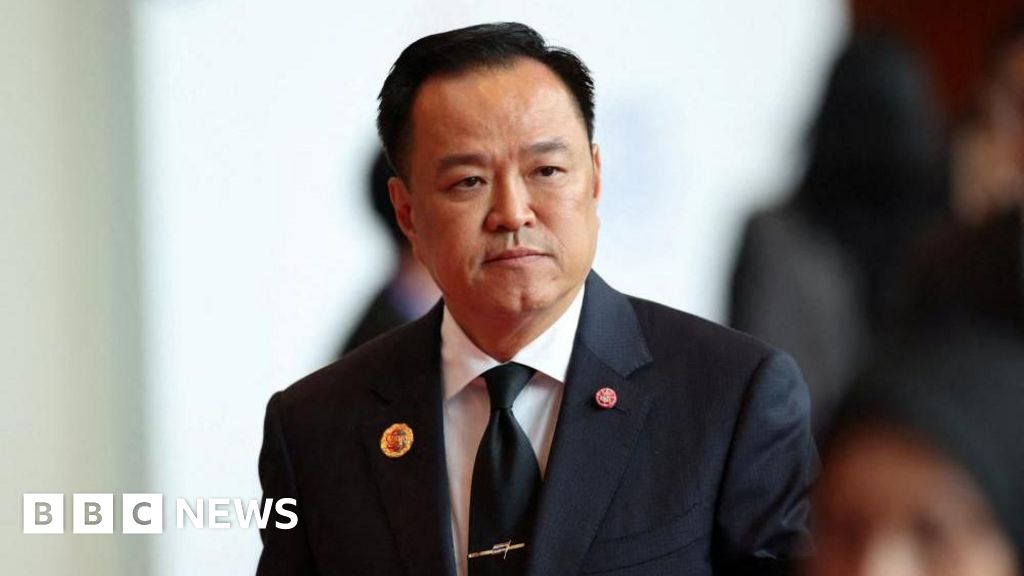
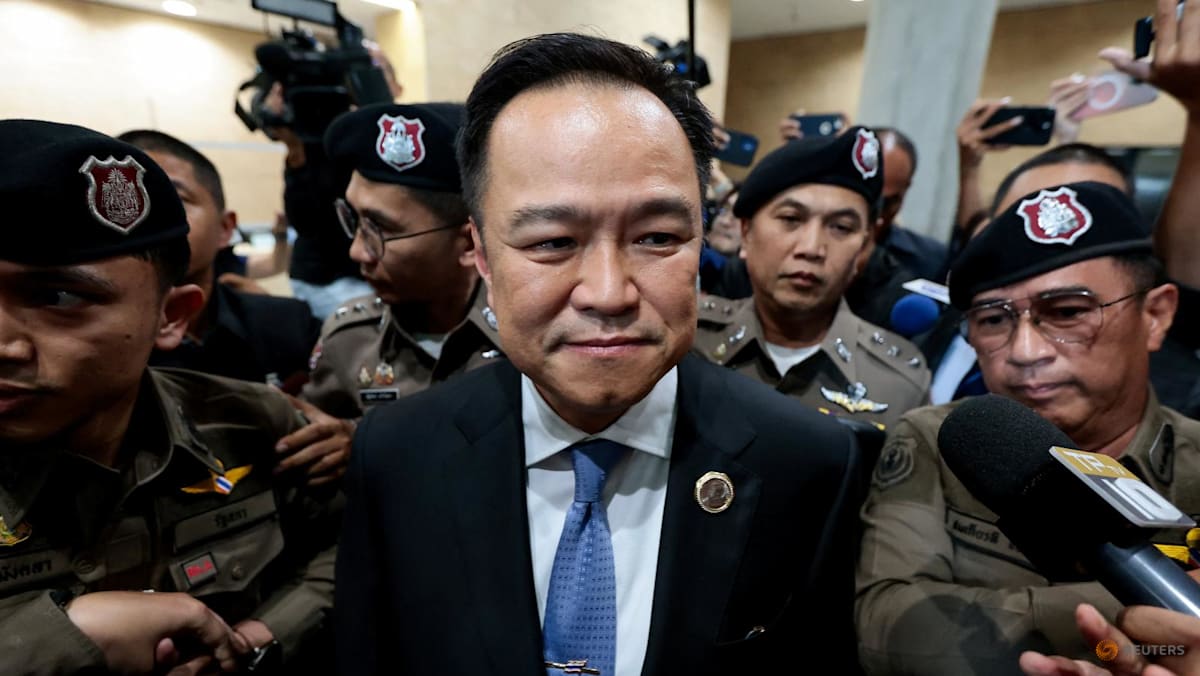
Parliament elected Anutin Charnvirakul prime minister on September 5 with 311 votes, routing Pheu Thai’s Shinawatra-backed candidate after coalition chaos and border tensions. Backed by liberals demanding polls within four months, Anutin ended two decades of Shinawatra dominance, eyeing a snap February 2026 general election.
Read: Thai court removes PM Paetongtarn Shinawatra
www.bbc.com
Thai PM dissolves parliament to ‘return power to people’
The dissolution order comes after Anutin Charnvirakul lost the support of the largest opposition bloc.
Read More
www.channelnewsasia.com
Thailand’s Anutin Charnvirakul: From construction scion to prime minister
The 58-year-old’s rise has been decades in the making, starting with his entry into politics with the Thai Rak Thai party founded by Thaksin Shinawatra.
Read More
asia.nikkei.com
Thailand set for early election: 5 things to know
PM Anutin dissolves parliament amid Cambodia conflict and weak economy
Read More