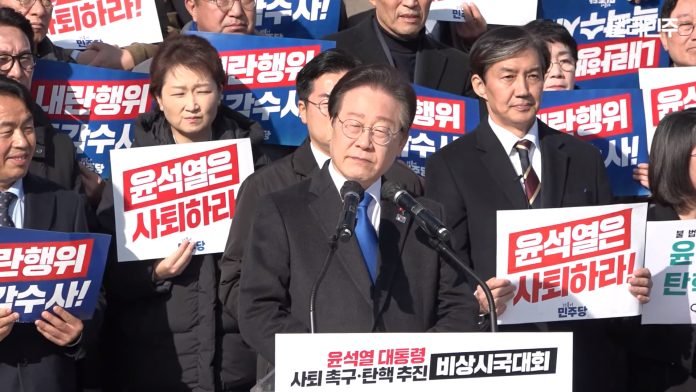
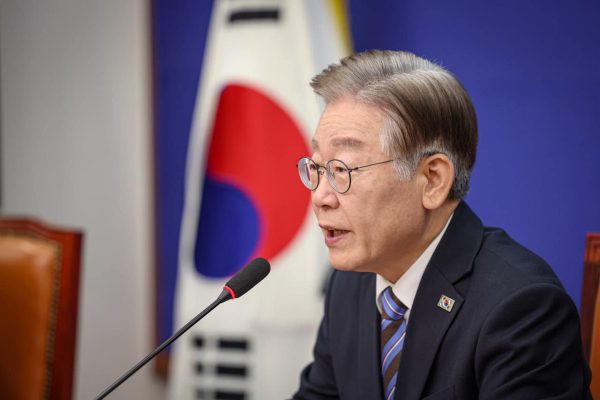
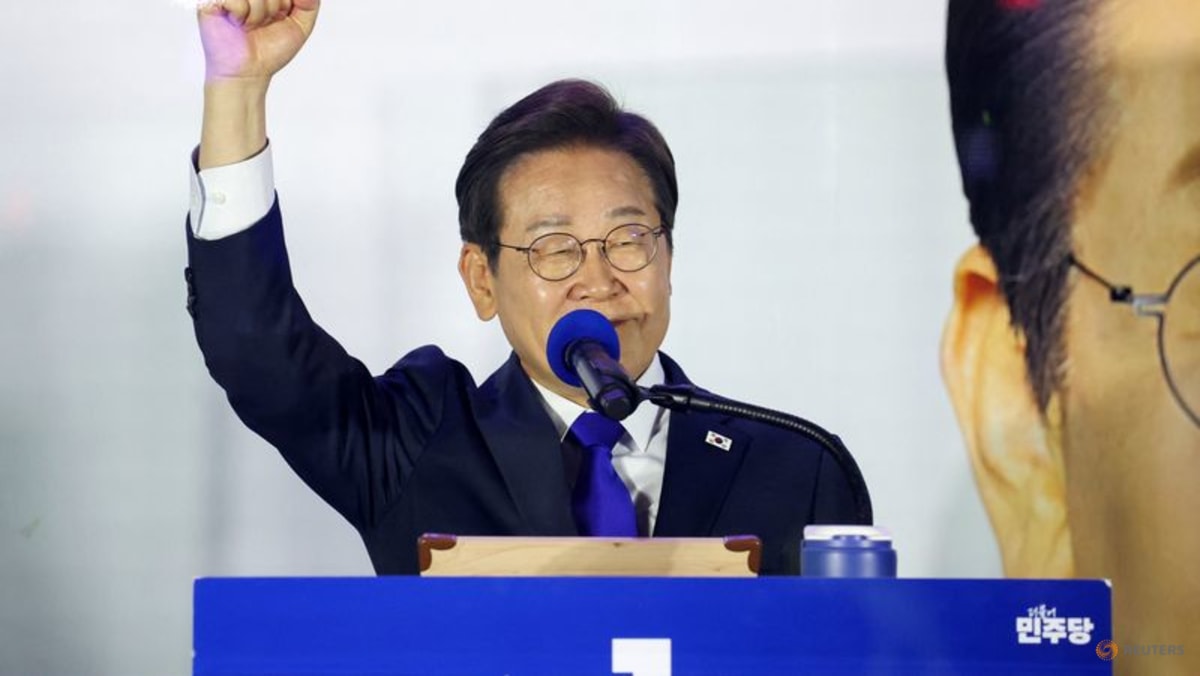
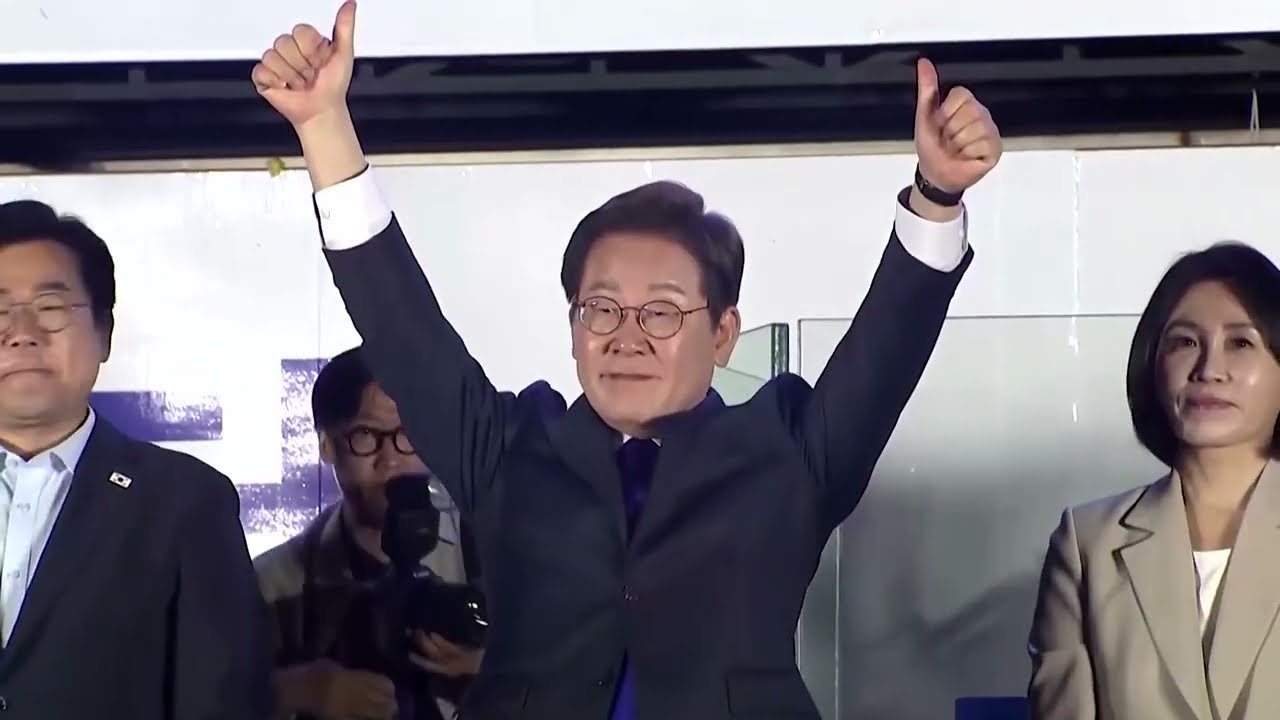
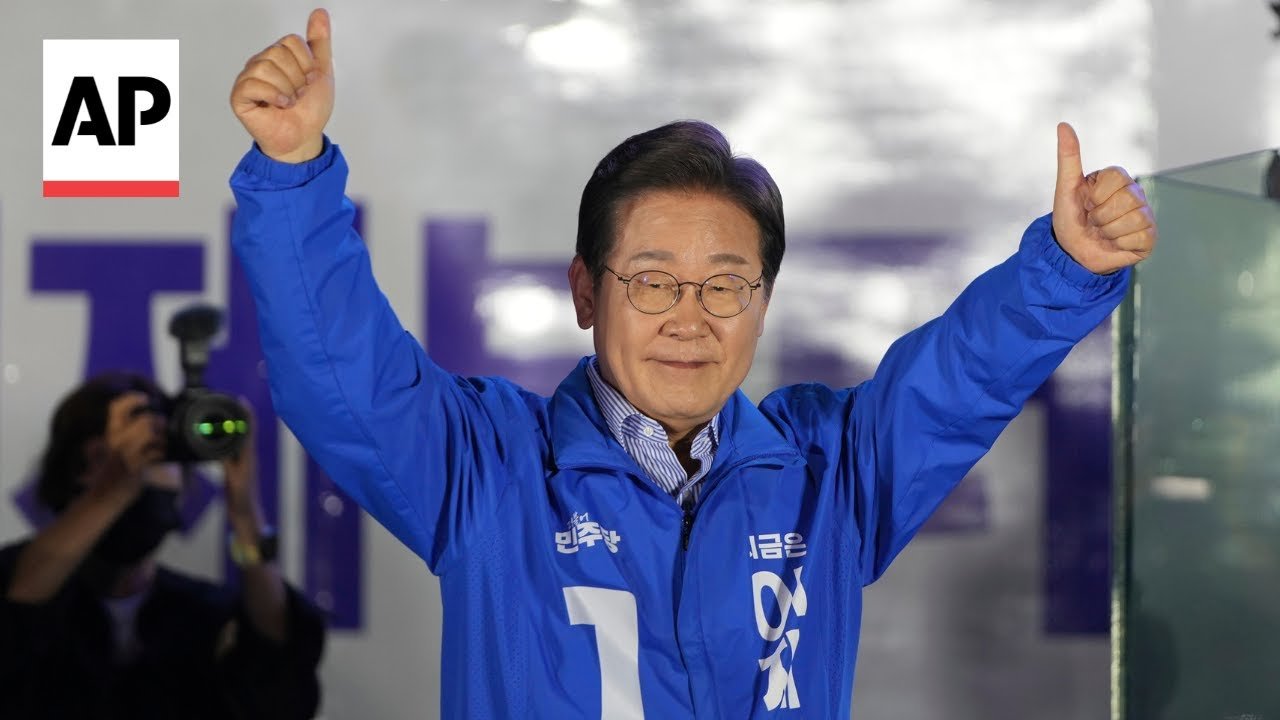
Lee Jae-myung was elected as the 14th President of South Korea in a snap election held on 3 June 2025, winning with nearly 50 percent of the vote following the impeachment of former President Yoon Suk Yeol after his unsuccessful attempt to impose martial law in December 2024.
Lee, representing the liberal Democratic Party, won with 49.42 percent of the vote amounting to over 17.2million votes, defeating conservative rival Kim Moon-soo who received 41.15 percent and Lee Jun-seok who received 8.34 percent.
Voter turnout reached 79.4 percent, the highest in South Korea since 1997. Due to the leadership vacuum, Lee was sworn in the day after the election on 4 June 2025 at the National Assembly.
Policy agenda
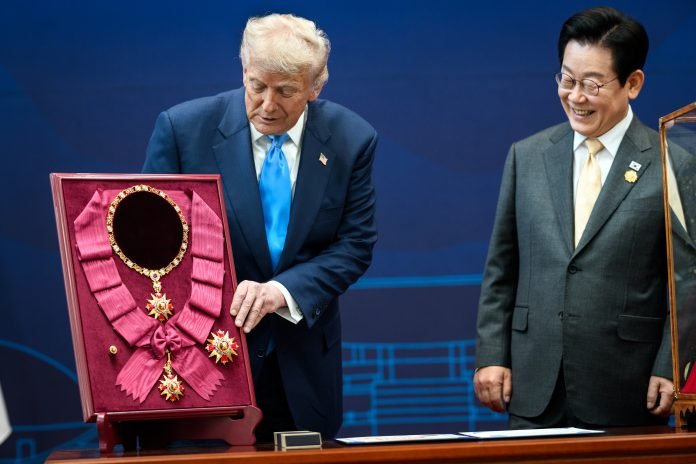
Lee has shifted toward a more centrist foreign policy under what he calls pragmatic diplomacy, seeking to balance a strong US alliance with a stable economic partnership with China.
His administration has prioritised national-interest-centered growth including major investments in AI with a goal of building 500 AI factories by 2030, and addressing the Korea discount by increasing the fiduciary duty of company managers to shareholders.
On inter-Korean relations, Lee has vowed to promote peace by suspending border loudspeaker broadcasts and urging civic groups to stop leaflet-balloon launches to reduce tensions with North Korea.
It is better to win without fighting than to win in a fight, and peace with no need to fight is the best security.
President Lee Jae-myung
For domestic governance, Lee introduced livestreamed presidential policy briefings to boost transparency and direct democracy, contrasting his style with his predecessor’s.
Criminal trials and legal challenges
Lee faced five separate criminal trials involving his tenure as Mayor of Seongnam and Governor of Gyeonggi Province. These include election law violation charges for making false claims during his 2022 presidential bid to distance himself from corruption scandals, and subornation of perjury for allegedly pressuring a former secretary to give false testimony in 2019 to cover up a 2002 conviction for impersonating a prosecutor.
Prosecutors also allege Lee colluded with private developers in four cases to help them reap billions in profits during the Daejang-dong scandal, inflicting massive losses on Seongnam City. Additionally, prosecutors claim that while governor, Lee arranged for the Ssangbangwool Group to pay $8million to North Korea. Lee was also indicted for breach of trust regarding the misuse of Gyeonggi Province corporate credit cards for personal expenses including food and laundry, and personal use of official vehicles.
As a sitting president, Lee’s ongoing criminal trials including those related to election law violations and breach of trust were indefinitely suspended by the Seoul High Court on 9 June 2025 due to his presidential immunity.
Personal background
Lee often cites his hardscrabble upbringing as a child factory worker who suffered a permanent arm disability as the inspiration for his suppress the strong, help the weak political philosophy. This background has shaped his populist approach to economic reform and social welfare policy.
Broader implications
Lee’s election marks a significant liberal comeback in South Korean politics following the constitutional crisis triggered by Yoon’s martial law attempt. His pragmatic foreign policy approach and focus on economic reform signal an attempt to stabilise domestic politics while navigating complex regional dynamics between the US, China and North Korea.
Read more:
Former South Korean President Yoon indicted
Japan-China Diplomatic Crisis 2025