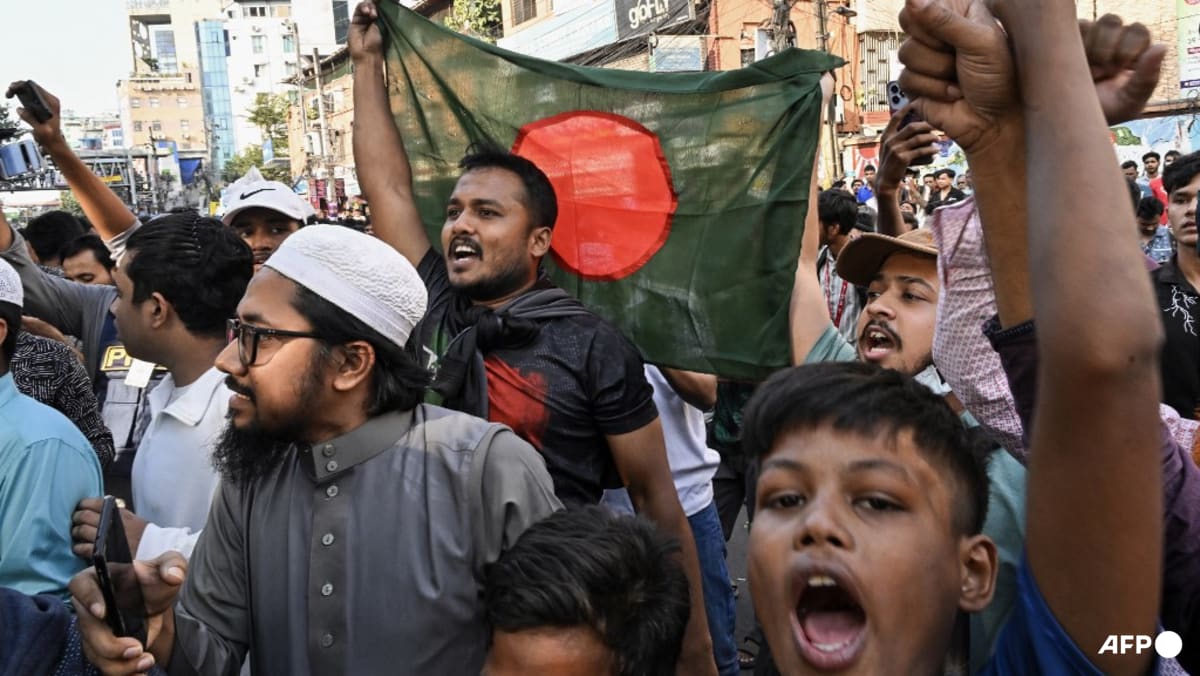
Bangladesh former PM Sheikh Hasina sentenced to death

Jump to Timeline

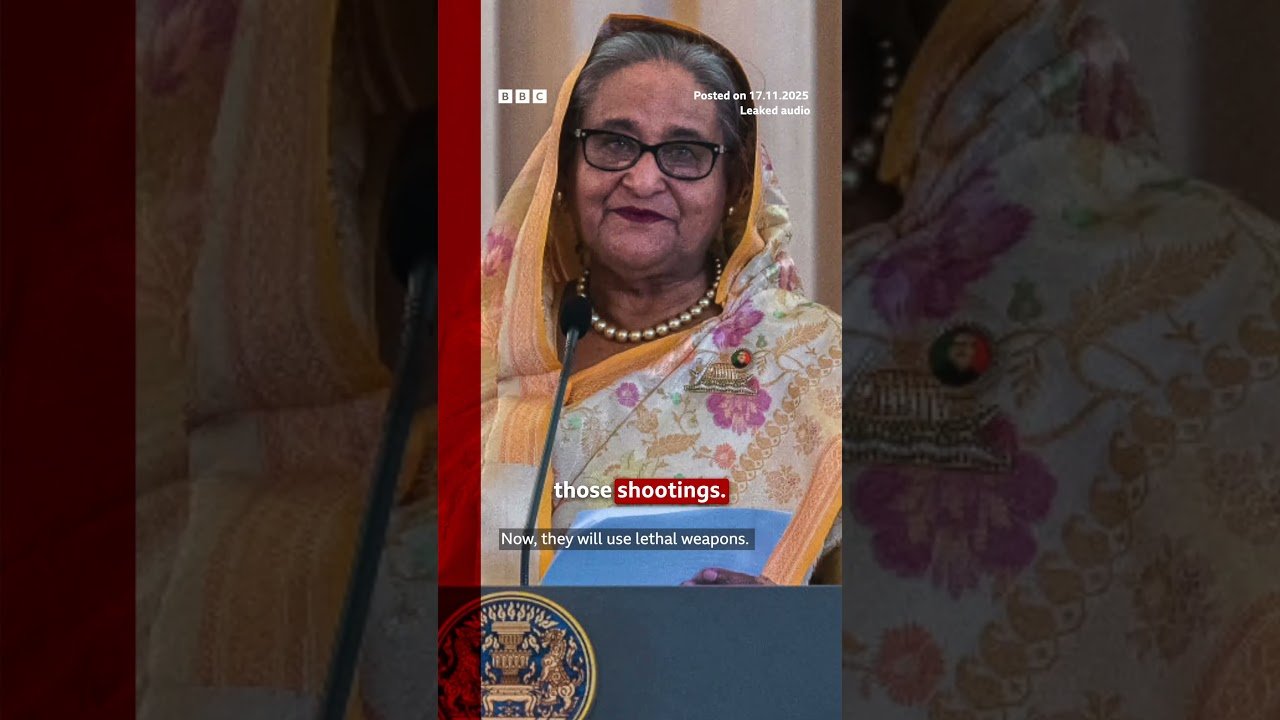
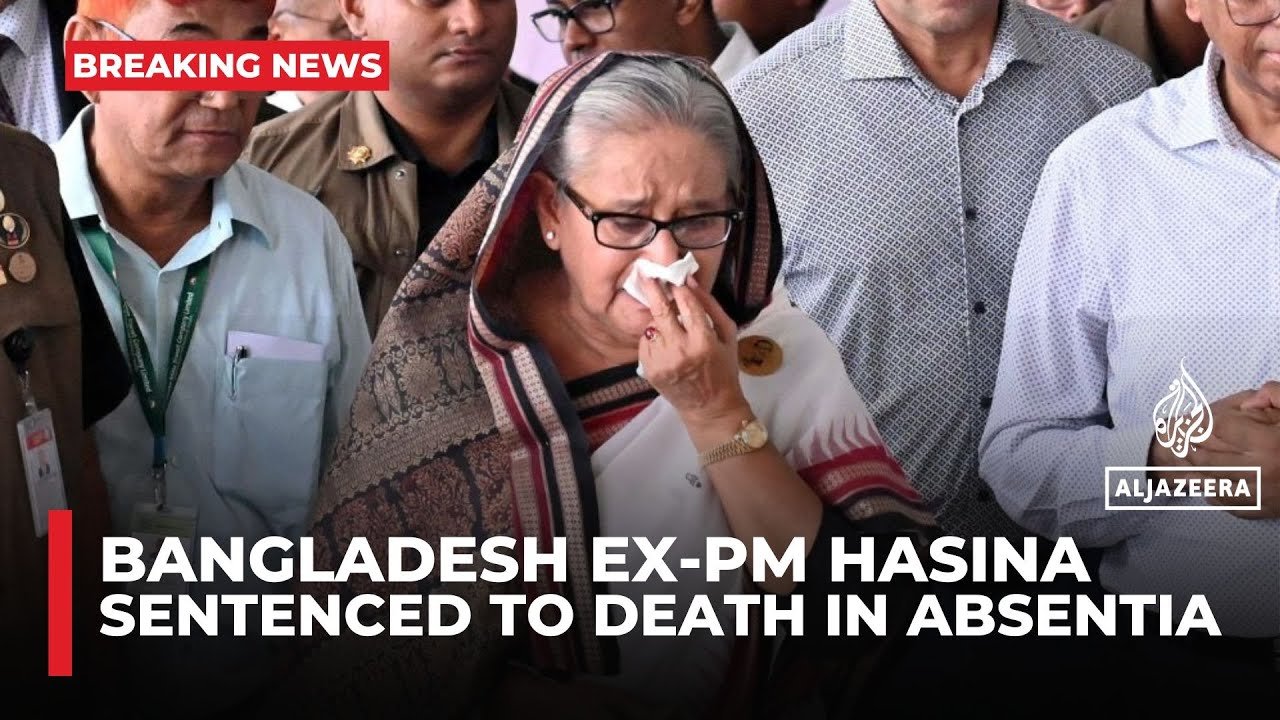
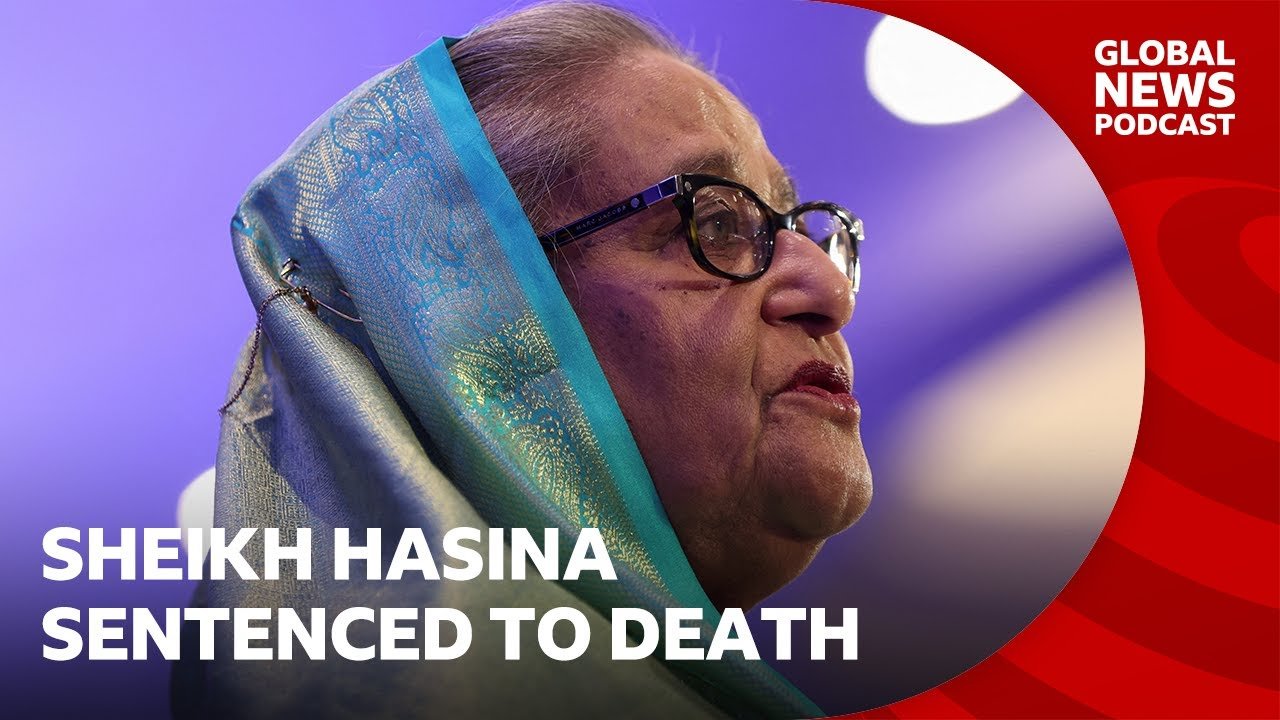
On November 17, 2025, a special tribunal in Dhaka sentenced Bangladesh’s former prime minister Sheikh Hasina to death in absentia for crimes against humanity, saying she ordered a deadly crackdown on protesters during the 2024 uprising. The court linked her to violence that killed an estimated 1,400 people.

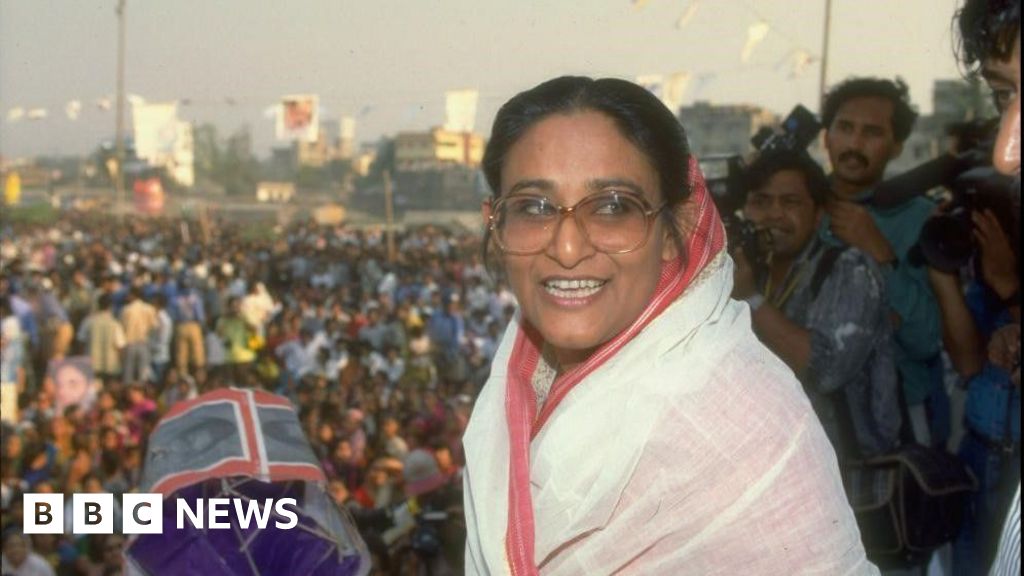
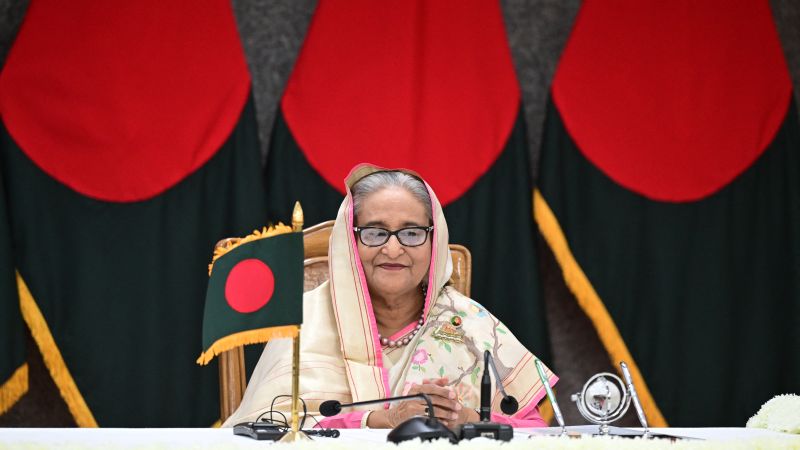
Hasina served as for more than 20 years across two stretches in office, making her the country’s longest-serving leader. Her rule ended abruptly on August 5, 2024, when she resigned and fled to India after a student-led uprising swept the country.

A separate set of corruption cases followed soon after. On November 27, 2025, she was sentenced to 21 years in prison across three land-related corruption cases. The UN welcomed accountability for victims but said the death penalty was the wrong punishment.

Self-imposed exile

Hasina remains in self-imposed exile in India, while Bangladesh’s interim government continues to seek her extradition. India has not publicly acted on those requests.

In January 2026, Hasina re-emerged with warnings that Bangladesh was sliding toward “radical Islamic extremism,” reflecting her continued attempt to shape the political narrative from abroad.

Family members hit

The legal and political fallout has also reached her relatives. Her niece, Tulip Siddiq, stepped down as the UK’s minister for financial services and anti-corruption after scrutiny over links to Hasina’s circle, and she later faced conviction in absentia in Bangladesh over a land-allocation case.

Hasina’s daughter, Saima Wazed Putul, has also been placed on indefinite leave from her WHO regional post after Bangladesh’s Anti-Corruption Commission filed fraud- and forgery-related charges against her.

What comes next

After Hasina’s ouster, Nobel laureate Muhammad Yunus was named chief adviser of the interim government. National elections are scheduled for February 2026, though the Awami League remains barred from political activity.

The new central bank leadership has also opened investigations into the alleged theft of billions from Bangladesh’s banking system under Hasina’s rule, adding another layer to the broader reckoning over her legacy.

Bangladesh will move forward with a comprehensive process of truth-telling, reparation and justice as the pathway to national reconciliation and healing.

UN rights chief Volker Turk
youtube placeholder image

Read more: Bangladesh’s central bank investigates loss of billions

Key widely reported facts from verified sources including BBC, Al Jazeera, CNA, TIME, The Straits Times, Financial Times, The Business Standard

Rahman-led BNP wins landslide in Bangladesh’s first election since Hasina’s ouster

In the first general election since the 2024 uprising that ended the 15-year rule of Sheikh Hasina, the BNP swept to a landslide victory.
Read more

Bangladesh’s central bank investigates loss of billions
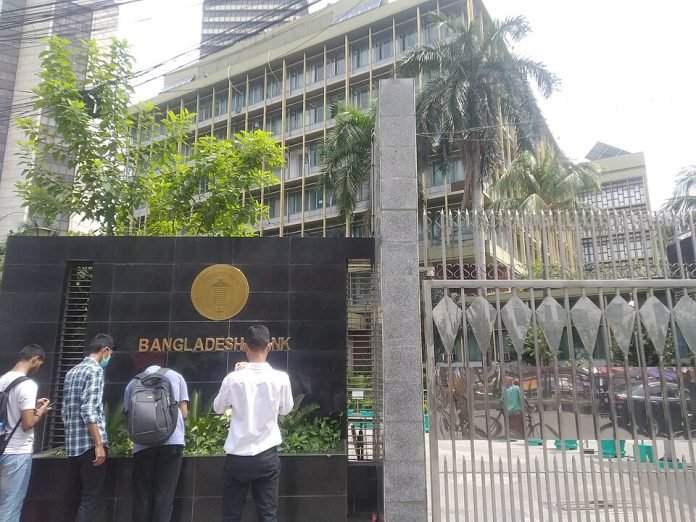
Bangladesh Bank's new Governor Ahsan H. Mansur has launched probes into billions allegedly siphoned from banks under ex-PM Sheikh Hasina's regime.
Read more
Timeline

2024

5 Jun: The High Court Division reinstates a 30% civil service job quota for descendants of 1971 war veterans, triggering initial student protests.

1–15 Jul: Protests intensify with the “Bangla Blockade,” disrupting major roads and railways.

16 Jul: Violence escalates after a pro-government student wing attacks protesters; the first six deaths are recorded, including that of student activist Abu Sayed.

18–19 Jul: The government imposes a near-total internet blackout and a nationwide curfew with “shoot-on-sight” orders.

21 Jul: The Supreme Court drastically reduces the quota from 30% to 5%, but protesters pivot to demanding Hasina’s resignation.

4 Aug: Nearly 100 people are killed in a single day of clashes between protesters and security forces.

5 Aug: Thousands march on Dhaka, defying the curfew. Sheikh Hasina resigns and flees to India via helicopter as protesters storm her residence.

8 Aug: Nobel laureate Muhammad Yunus is sworn in as Chief Adviser of the interim government.

17 Oct: The International Crimes Tribunal (ICT) in Bangladesh issues arrest warrants for Hasina and 45 others for “crimes against humanity”.

2025

1 Jun: The trial against Hasina opens formally in absentia.

2 Jul: Hasina receives her first conviction: a six-month prison sentence for contempt of court.

17 Nov: The ICT finds Hasina guilty of crimes against humanity for the 2024 crackdown and sentences her to death. 

27 Nov: Hasina is sentenced to an additional 21 years in prison across three separate corruption cases involving illegal land allocations.

2026

6 Jan: A Dhaka court sets 21 January for charge framing in a separate sedition case against her.

Feb: General elections are scheduled to be held in Bangladesh. 

Opinion & Analysis


You may also be interested in

LEAVE A REPLY

Please enter your comment!
Please enter your name here