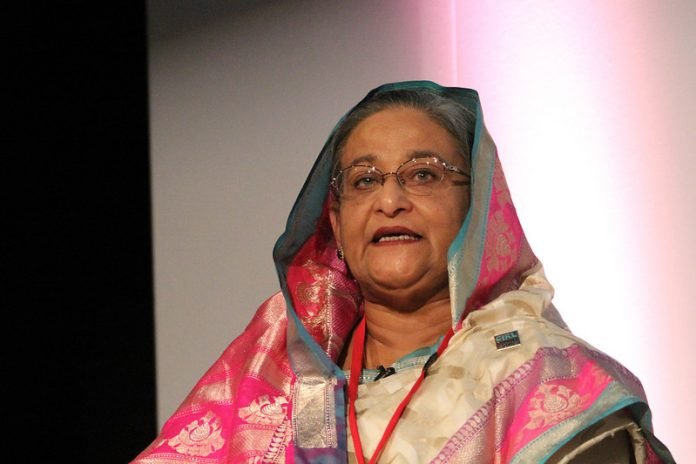
Bangladesh’s new central bank governor, Ahsan H. Mansur, has launched investigations into the alleged siphoning of billions of dollars from the banking system during Sheikh Hasina’s rule. Mansur says the scandal reflects a broader pattern of state-enabled corruption that allowed politically connected business groups to drain the sector for years.
Mansur has described the estimated $17billion loss as a state-backed operation carried out through collusion between business tycoons linked to the Hasina government and powerful security interests. He said the top political leadership understood that banks were a prime target for embezzlement and helped place compliant directors on bank boards, enabling fraudulent loans that were never meant to be repaid.
The IMF has also raised concerns about why nearly two dozen loss-making banks are still paying salaries and bonuses despite severe capital shortfalls.
Who is under scrutiny
Several members of Hasina’s family have also come under investigation. Among them are her niece, UK MP Tulip Siddiq, and her son, Sajib Wazed Joy, both of whom face separate corruption allegations tied to major projects such as the Rooppur nuclear power plant.
Hasina, who is now in exile, has denied the allegations and called them politically motivated witch-hunts by the interim government.
Major cases
The crackdown has widened to powerful business and political figures. Mohammed Saiful Alam, chairman of S Alam Group, has challenged the government at international arbitration and says he is the target of arbitrary asset freezes and fabricated investigations. Mansur, however, says Alam diverted about $12billion through fraudulent loans and fake invoices.
Former land minister Saifuzzaman Chowdhury is also under pressure after reports that he accumulated nearly 500 properties worldwide worth about $295million while declaring only $2.3million in assets. A Chattogram court issued an arrest warrant for him, his wife and others in January 2026.
How the probe is unfolding
Bangladesh’s central bank is pursuing the recovery effort on several fronts. It has hired major international accounting firms to audit banks, formed joint investigation teams with domestic agencies, and sought help from countries including the UK, US, Singapore and the UAE, where officials believe some of the money may be held.
Courts have also frozen bank accounts and seized properties linked to people and companies accused of benefiting from the looting. The investigations remain ongoing as the interim government tries to trace the missing funds and bring suspects to justice.
Why it matters
The case has become a test of whether Bangladesh can recover stolen assets and confront the political networks that enabled the losses. It also shows how deeply the banking scandal is tied to the country’s wider battle over corruption, accountability and the legacy of Hasina’s long rule.
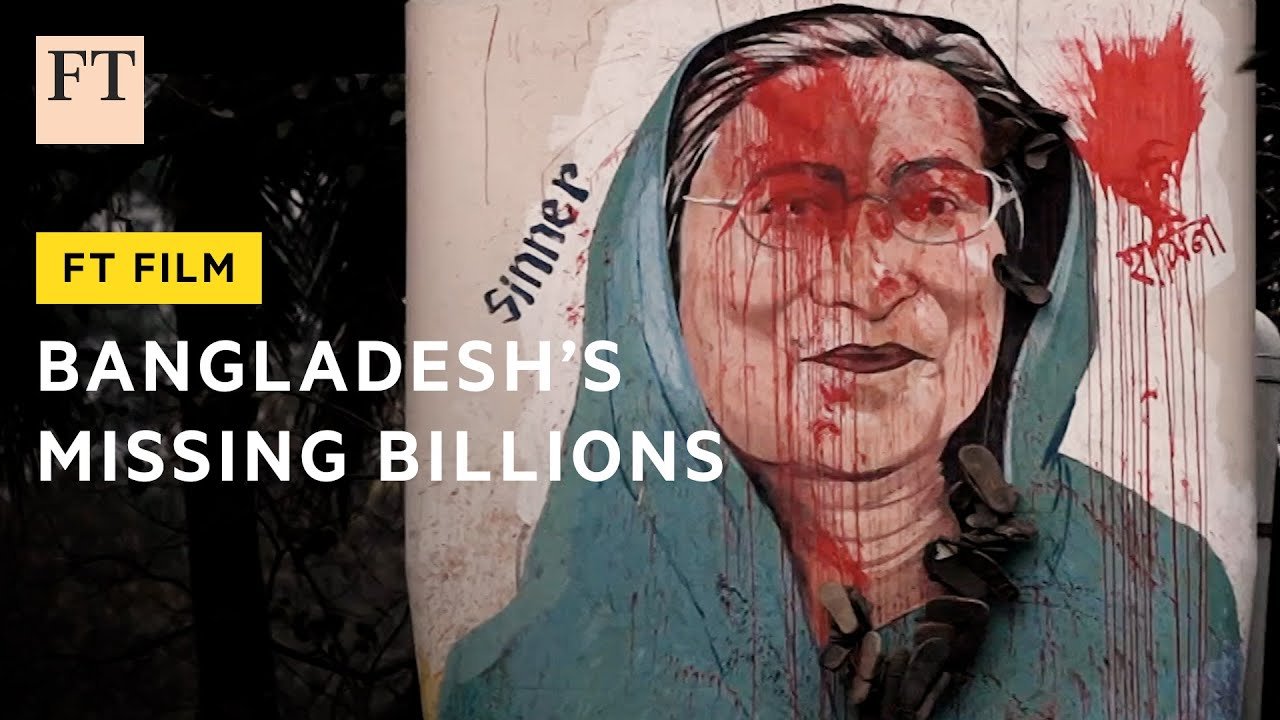
Read more: Bangladesh former PM Sheikh Hasina sentenced to death