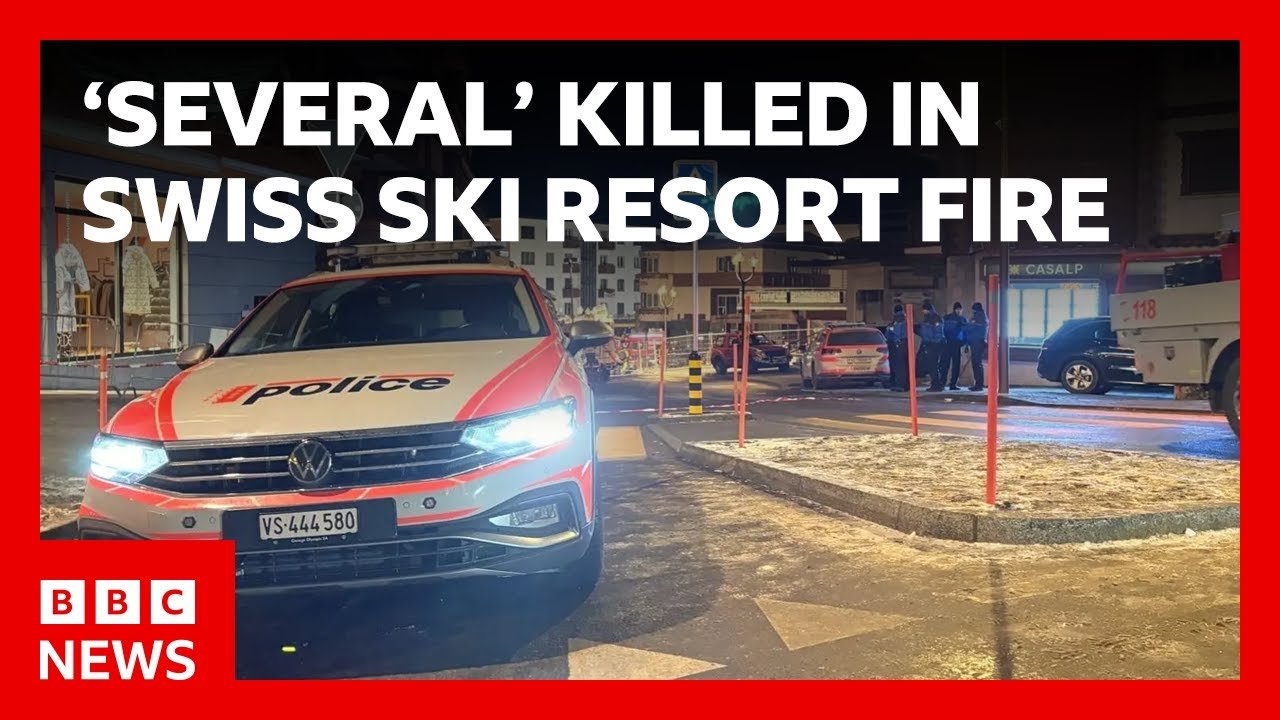
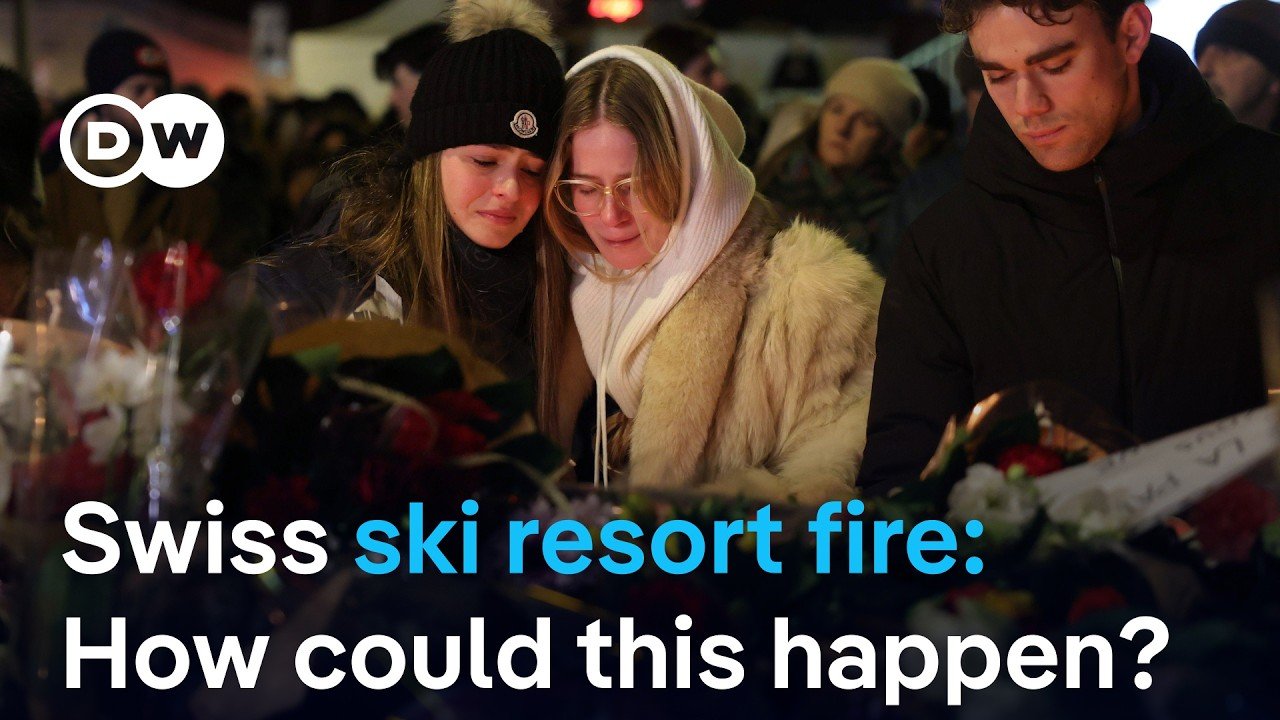
A catastrophic fire at the Le Constellation bar in the Swiss ski resort of Crans-Montana killed 40 people and injured 119 others during New Year’s celebrations on January 1, 2026, marking one of the deadliest nightlife disasters in Switzerland in recent years.
The blaze broke out at approximately 1:26 a.m. in the basement of the venue, where more than 100 people had gathered to ring in the new year. Investigators believe the fire was likely triggered by sparklers attached to champagne bottles, which ignited flammable acoustic foam lining the venue’s low ceiling.
The flames spread with extraordinary speed, engulfing the space in as little as 10 seconds. Thick, toxic smoke rapidly filled the confined basement, leaving patrons disoriented and with little time to escape.
Safety failures
In the aftermath, authorities acknowledged serious lapses in fire safety oversight. The bar had not undergone a formal inspection since 2020, raising questions about regulatory enforcement in a crowded nightlife setting.
Investigators are also examining whether escape routes were compromised. One of the bar’s owners has claimed that a service door may have been locked from the inside during the fire, a factor that could have significantly hindered evacuation efforts.
Casualties and victims
The fire claimed 40 lives and left 119 people injured, many with severe burns requiring treatment in specialized units across Switzerland and neighboring countries.
Most of those killed were young, ranging in age from 14 to 39, and notably, 20 of the victims were minors. The fatalities included 21 Swiss nationals, along with nine French and six Italian citizens, as well as individuals from Belgium, Portugal, Romania, and Turkey.
Investigation and legal action
Swiss authorities have launched a criminal investigation into the incident, focusing on potential negligence by the venue’s management. Bar owners Jacques and Jessica Moretti are under investigation for negligent homicide, bodily harm by negligence, and negligent arson.
Jacques Moretti was placed in pretrial detention on January 12, with prosecutors citing concerns over a possible risk of flight.
National response
The scale of the tragedy prompted a nationwide response. Switzerland observed a national day of mourning on January 9, during which church bells rang across the country for five minutes in tribute to the victims.
In the wake of the fire, local authorities moved to tighten safety regulations. Indoor pyrotechnics, including sparklers commonly used in bottle service, have now been banned in public venues across the municipality.
Wider implications
Beyond its immediate human toll, the disaster has drawn attention to Crans-Montana’s international role. The resort is a key part of Switzerland’s bid to host the 2038 Winter Olympics and is expected to stage Alpine skiing events under a decentralized hosting model.
The incident is likely to intensify scrutiny of safety standards in hospitality venues, particularly as Switzerland seeks to position itself on the global stage.