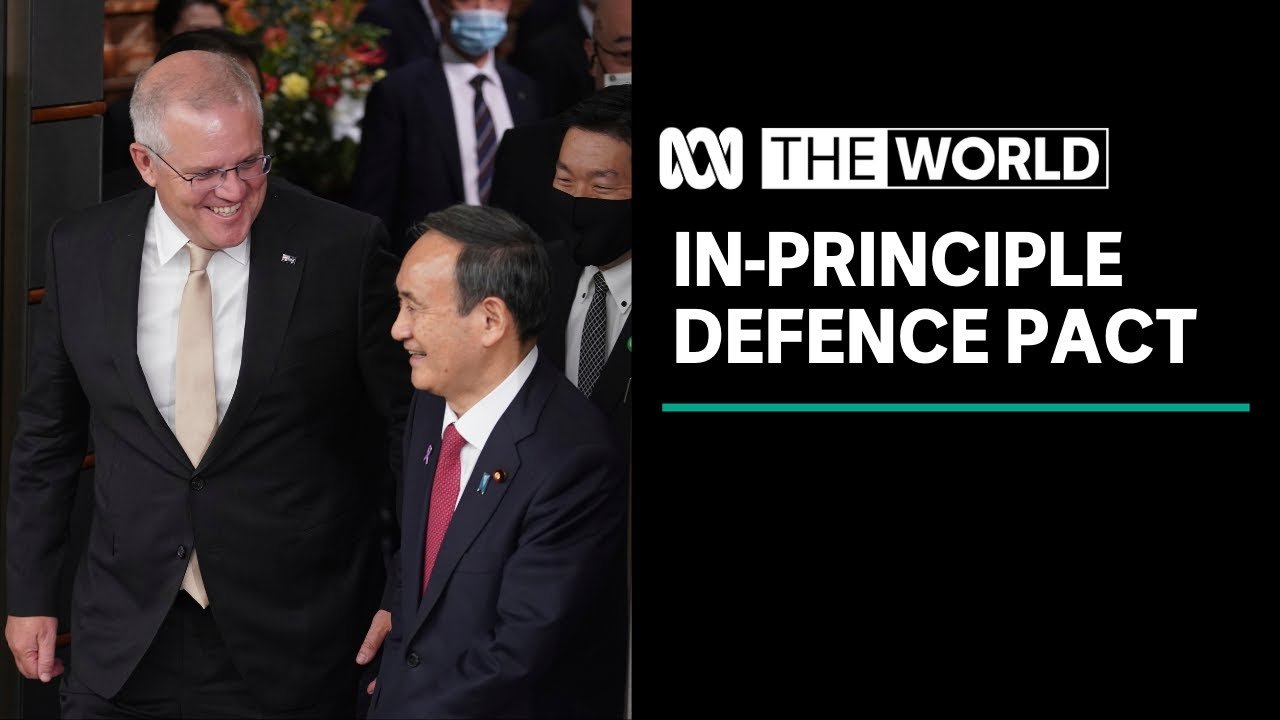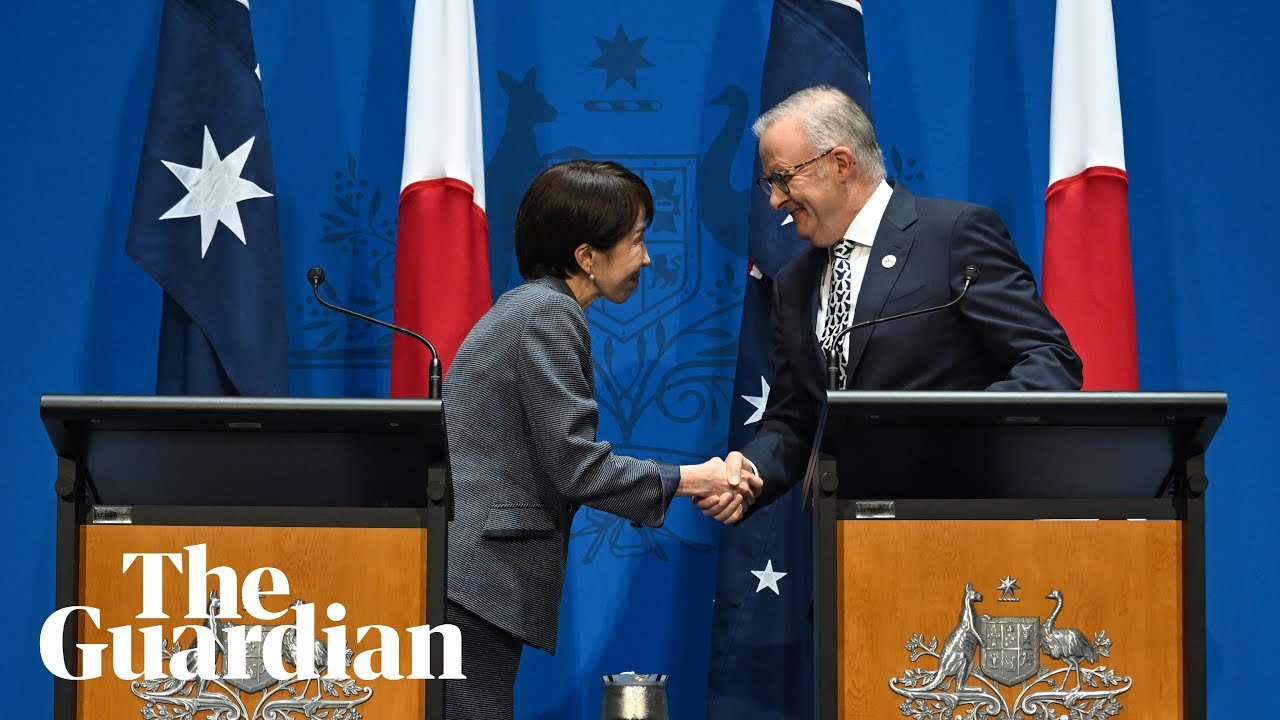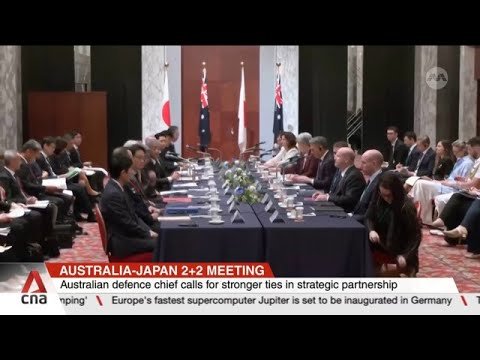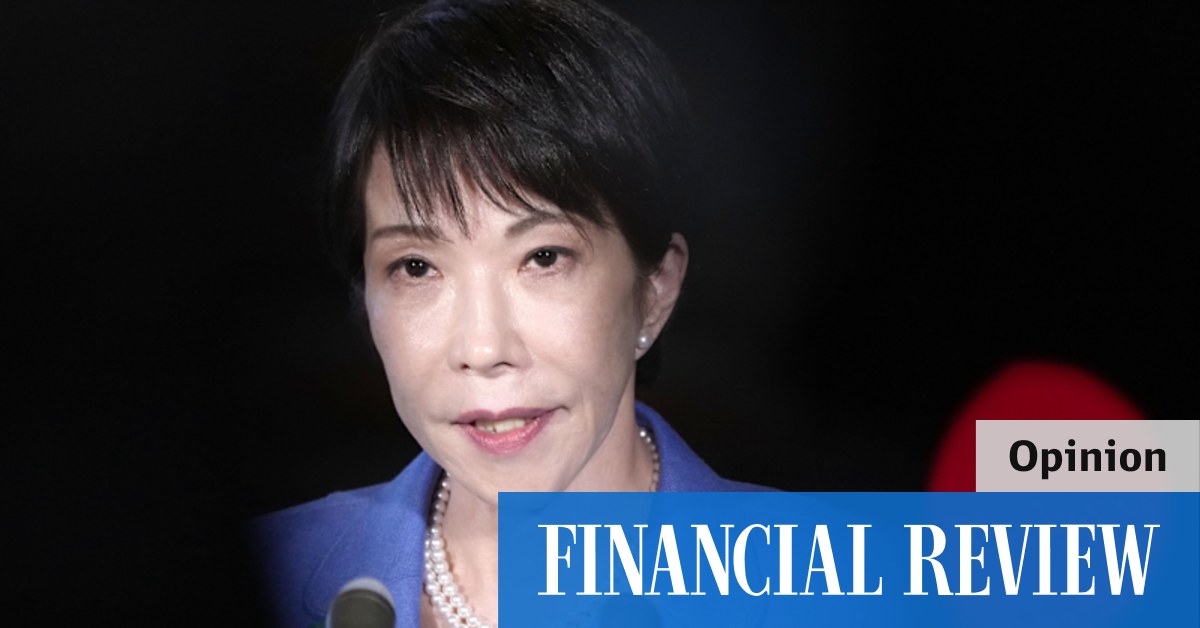

In early May 2026, Australia and Japan marked the 50th anniversary of the Basic Treaty of Friendship and Cooperation by unveiling a sweeping set of agreements spanning critical minerals, energy security, and defence. Japanese Prime Minister Sanae Takaichi visited Australia from 3th to 5th May 2026 and signed new agreements on critical minerals, energy security and defence in Canberra on 4th May.
The agreements highlight a shared urgency to insulate both economies from external shocks, stabilise supply chains, and respond to rising tensions across the Indo-Pacific. As global competition intensifies over resources, technology, and energy, Canberra and Tokyo are positioning their long-standing partnership as a cornerstone of regional resilience.
Critical minerals as a strategic pillar
In a joint statement, Canberra and Tokyo elevated critical minerals to a “core pillar” of their bilateral relationship, underscoring the central role these resources play in advanced manufacturing, clean energy, and defense technologies.
Australia committed up to A$1.3billion to support critical mineral projects involving Japanese partners, with a focus on diversifying supply chains for materials such as gallium, nickel, graphite, and fluorite. These resources are essential for semiconductors, batteries, and renewable energy systems, industries where supply remains heavily concentrated in a handful of countries, particularly China.
The move signals a deliberate effort by both nations to reduce strategic vulnerabilities and build alternative supply ecosystems among trusted partners.
Economic security and energy resilience
The agreements also introduce a more explicit framework for responding to economic coercion. Both governments pledged to consider coordinated action in the event that either country’s economic security is threatened—language that reflects increasing concern over the weaponisation of trade and resources.
Energy security remains a central pillar of the partnership. Australia currently supplies around 40% of Japan’s liquefied natural gas (LNG), making it one of Tokyo’s most critical energy partners. The new commitments formalise cooperation mechanisms to manage supply disruptions and maintain stable energy flows during periods of crisis.
Both sides also reaffirmed their commitment to keeping trade routes open for essential energy commodities, including LNG and liquid fuels, even amid broader geopolitical instability.
Expanding into advanced technologies and defence
Beyond resources and energy, the agreements extend into next-generation technologies and defence integration. Australia and Japan committed to deeper collaboration in areas such as artificial intelligence, quantum computing, cyber defence, and space technologies, domains increasingly seen as decisive in both economic competitiveness and military capability.
This builds on a landmark A$10billion defence agreement signed in April 2026, under which Japan will supply the Royal Australian Navy with 11 Mogami-class stealth frigates. The deal marks one of Japan’s most significant defence exports in recent years and reflects a broader shift in its security posture.
Together, these initiatives are accelerating what analysts often describe as a “quasi-alliance” between the two countries. Plans for closer operational integration include joint development of unmanned systems, enhanced intelligence-sharing, and interoperability across naval and digital domains.
Strategic projects underpinning the partnership
Several major mining and refining projects form the backbone of the economic component of the partnership, translating policy alignment into tangible supply chain capacity.
Among the most prominent is the Goongarrie Kalgoorlie Nickel Project, a large-scale joint venture involving Sumitomo Metal Mining and Mitsubishi. The project is expected to become one of Australia’s sources of nickel and cobalt, both critical for electric vehicle batteries.
The Speewah Fluorite Project is another key initiative, focused on producing acid-grade fluorite used in semiconductor manufacturing and battery technologies—sectors where demand is projected to surge over the coming decade.
In New South Wales, the Copi Critical Minerals Project, backed by JX Advanced Metals and Marubeni, aims to strengthen rare earth supply chains, while a collaboration between Alcoa and Sojitz is advancing gallium recovery at a Western Australian refinery. Gallium is a vital input for LEDs, solar panels, and high-performance electronics.
A strategic alignment for an uncertain era
Taken together, the agreements reflect a broader shift in how Australia and Japan view their partnership not just as a trade relationship, but as a strategic alignment designed to navigate an increasingly fragmented and contested global economy.
As supply chains become geopolitical fault lines and energy security remains under pressure, the two countries are positioning themselves as anchor partners in a more resilient Indo-Pacific economic architecture.