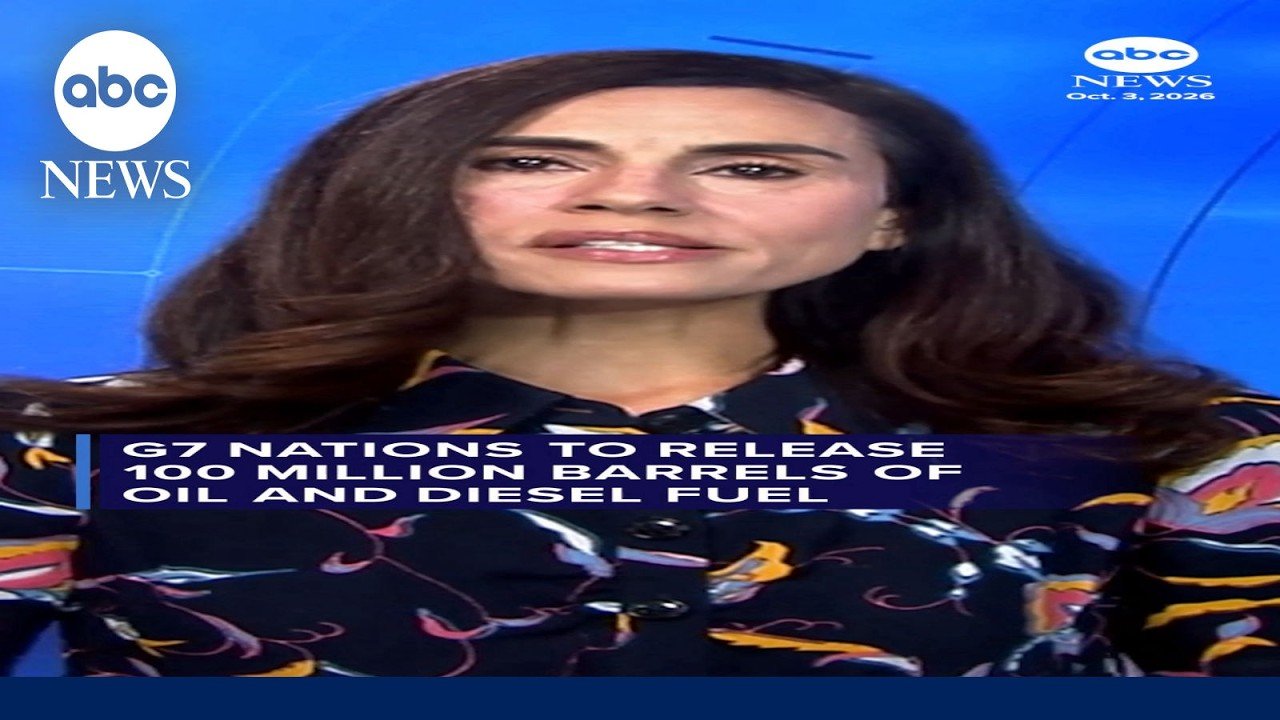







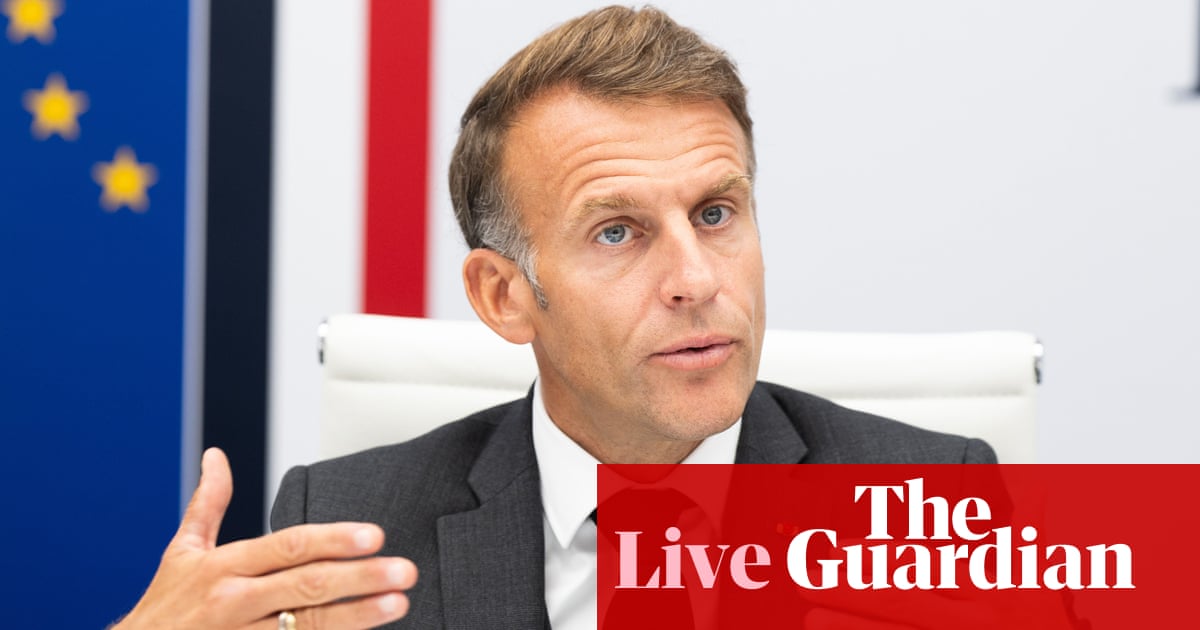



The Group of Seven has agreed to release up to 100 million barrels of crude oil and diesel from emergency reserves over the next four months, in a coordinated effort to cool record fuel prices and ease supply disruptions linked to the Iran war. The deal, announced after an emergency video conference chaired by French President Emmanuel Macron, also commits G7 members not to restrict energy exports to one another.
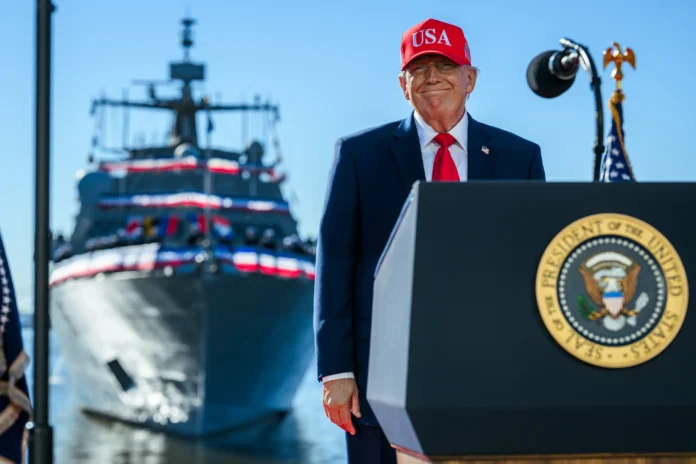
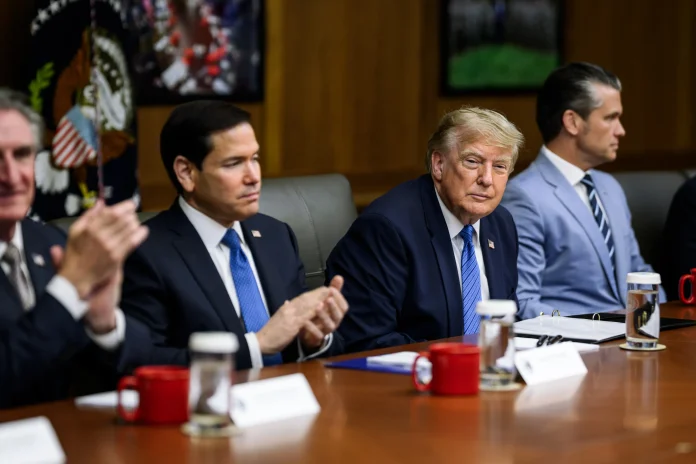
The agreement followed direct pressure from US President Donald Trump, who had threatened to ban American diesel exports unless European allies released more fuel from their stockpiles. After the announcement, Trump said the threatened ban was off the table.
What was agreed
In a joint statement issued through Macron’s office, the G7 said it would implement its commitments through a coordinated release managed by the International Energy Agency (IEA). The release is intended to begin immediately, run for four months, and include a “front-loaded substantial diesel release within the first 20 days” by G7 members and partners.
The G7 also reaffirmed that there would be “no restrictions or bans on exports” of energy and energy products among its members. The statement called on producers more broadly to avoid export bans that could worsen market tensions.
Leaders additionally said they would make fuel production “more flexible,” language that includes efforts to reduce refinery disruptions and keep more diesel and other refined products flowing to market.
What remains unclear
Despite the headline figure, several central details had not been settled when the agreement was announced.
The G7 did not specify how the 100 million barrels would be divided between crude oil, diesel and other refined products, nor did it identify which countries would contribute which volumes. Reuters reported that the IEA’s governing board was expected to determine those operational details at meetings on October 14–15.
Reports that the package would consist of exactly 50 million barrels of diesel and 50 million barrels of crude reflect a proposal discussed ahead of the summit, rather than a confirmed final allocation. Reuters said France had proposed that European countries release 50 million barrels of diesel, while IEA members release 50 million barrels of crude; the final G7 statement described only a “mix of diesel and crude oil.”
IEA Executive Director Fatih Birol said the agency’s members would accelerate the remaining releases under its March collective action and prioritise diesel where possible. He said about 325 million barrels of the original 400-million-barrel pledge had already reached the market, and that completing the remaining commitments could add roughly 100 million barrels.
The IEA stands ready to release more of these stocks to the market if and when required.
IEA Executive Director Fatih Birol said.
The phrase “up to 100 million barrels” also matters. The IEA later said that accelerating and completing releases already announced in March could bring roughly 100 million barrels to market, but analysts and some governments cautioned that this did not necessarily represent an entirely new intervention of that size.
A new release—or old promises?
The most significant complication is whether the announcement will add fresh supply beyond Europe’s existing commitments.
In March, the IEA’s 32 member governments agreed to a coordinated release of 400 million barrels of strategic oil reserves in response to the Iran war—described by Reuters as the largest such release in history. The latest G7 agreement appears, at least in part, to accelerate and prioritise the remaining portion of that earlier programme rather than create a wholly separate 100-million-barrel release.
EU officials broadly agreed that any further releases should remain within the amounts pledged in March, according to a memo seen by Bloomberg. The memo said front-loading diesel releases would be possible, but only in low volumes, and that no EU country had explicitly committed to a release within the 20-day window.
France and Germany indicated that their contributions would largely draw on barrels already committed under the March pledge. Germany has released 600,000 tonnes of the 2.65 million tonnes of oil, diesel and jet fuel it promised, while France signalled that it could release about 2 million barrels of diesel beyond its March commitment—though it stopped short of a firm pledge.
Why prices surged
The intervention comes amid a global fuel squeeze driven by the war involving Iran and its consequences for shipping and refining.
Disruption around the Strait of Hormuz, a critical route for Gulf energy exports, has strained supply chains and reduced refinery output in the Gulf and China. At the same time, Ukrainian strikes on Russian fuel infrastructure have reportedly pushed Russian fuel production to its lowest level in two decades, tightening the global market for diesel and other refined products.
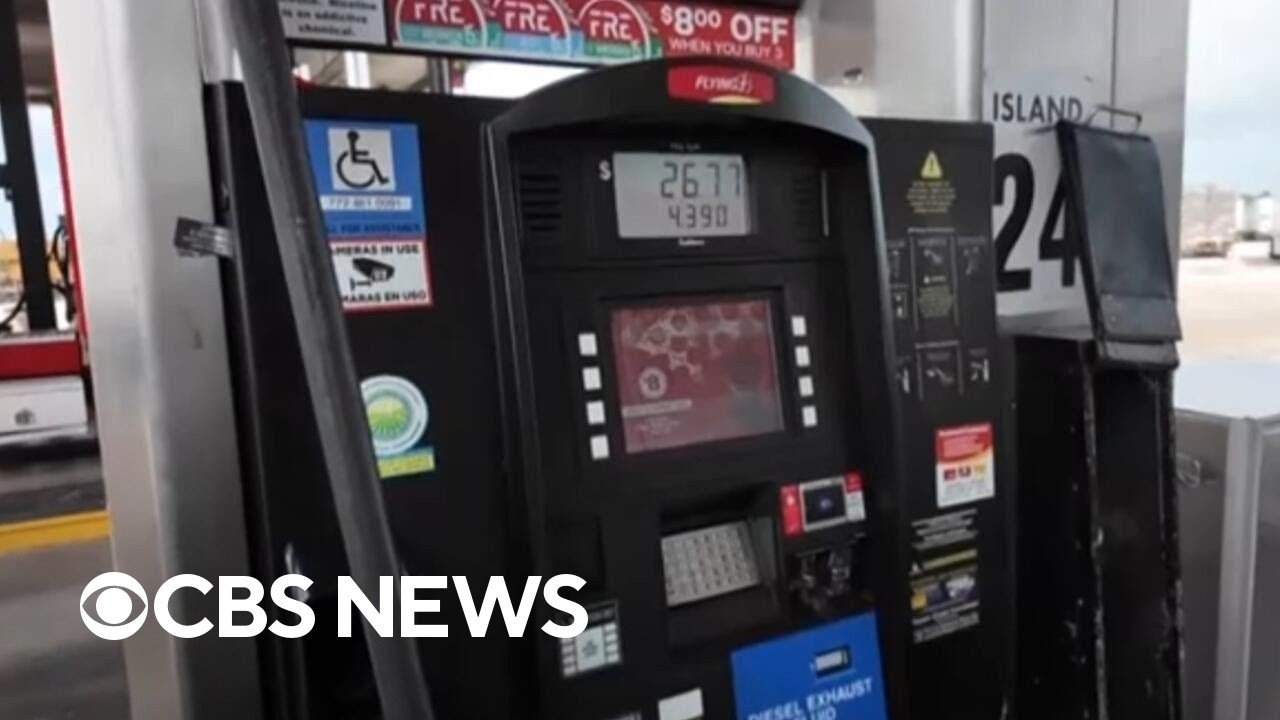
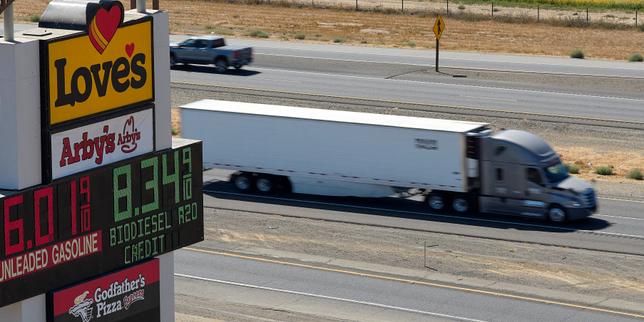
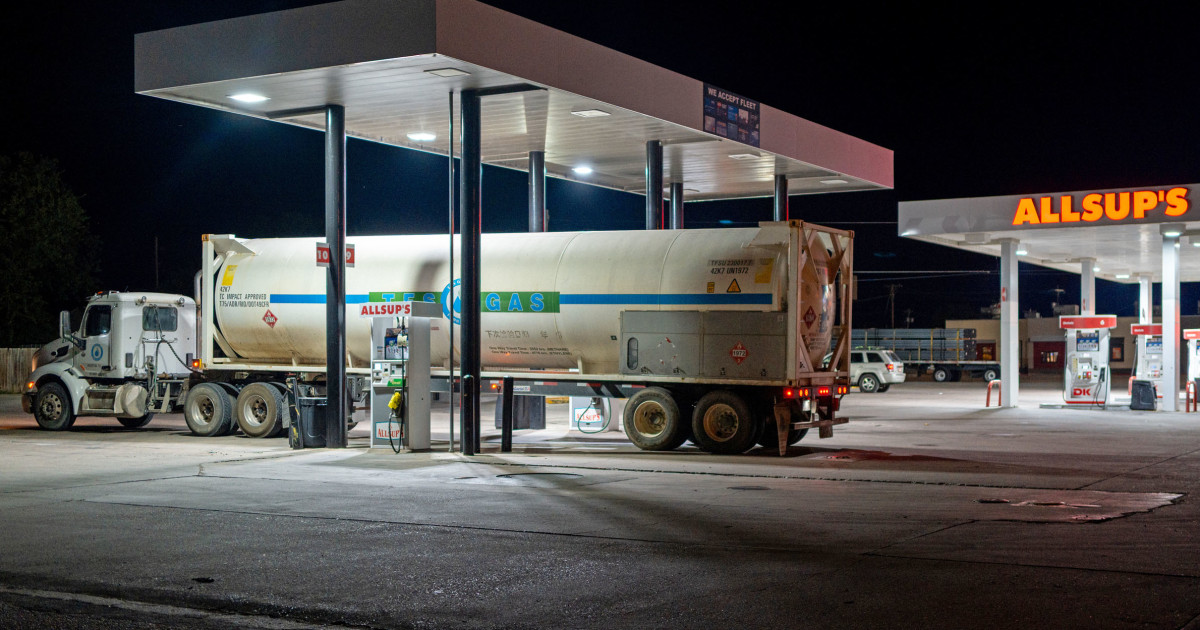
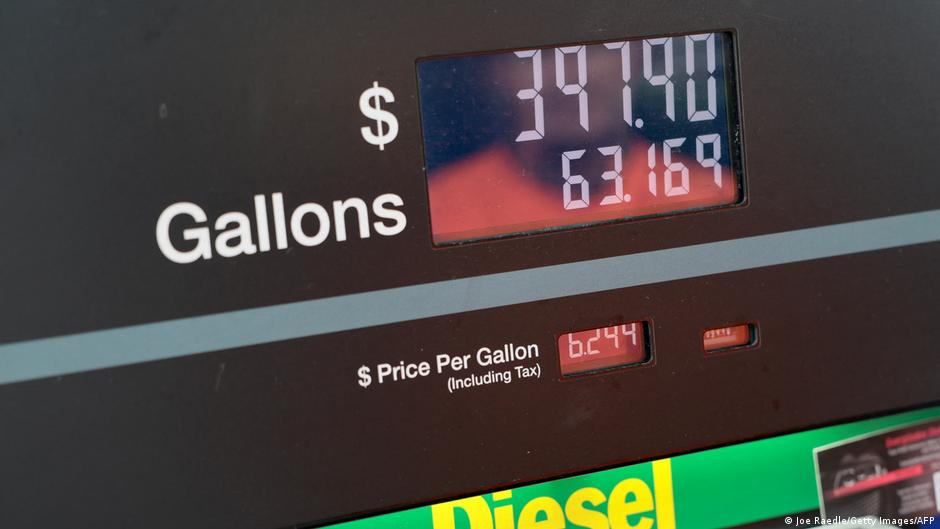
The pressure has been especially acute in diesel, which is used across transport, farming, construction, logistics and heating. The G7 said the move was designed to counter supply concerns that had caused prices to “skyrocket,” while US officials had pressed European allies to unlock emergency diesel stocks.
Markets and politics
Energy markets initially responded positively to signs of coordinated action. Brent crude briefly fell below $100 a barrel before recovering to around $102 by Friday evening, according to the BBC.
But the announcement is also political. Trump’s export-ban threat put acute pressure on European governments to act, and the G7’s commitment against intra-group export restrictions appears designed to remove the immediate risk of a transatlantic fuel dispute. Macron said the agreement meant there would be no ban or restrictions on exports between G7 members.
Critics argue that the headline number may deliver less new supply than it suggests. With national allocations unresolved, prior pledges accounting for much of the total, and the IEA still to finalise the mechanics, the plan’s effectiveness will depend on whether governments actually move diesel into the market quickly enough to affect prices.
What happens next
The immediate test is the promised early diesel release. G7 members and partners are expected to prioritise diesel over the next 20 days, while the IEA determines country-by-country contributions, product mix and timing.
The IEA said its members still hold publicly held emergency oil stocks equivalent to roughly 1.1 billion barrels, including more than 200 million barrels of diesel. That provides a substantial buffer—but it does not resolve the underlying risks from war, shipping disruption and refinery outages.
For now, the G7 has bought itself a measure of political unity and sent a signal to markets. Whether it delivers tangible relief at the pump will depend on execution: not the announcement of 100 million barrels, but the speed, volume and additionality of the fuel that reaches consumers.