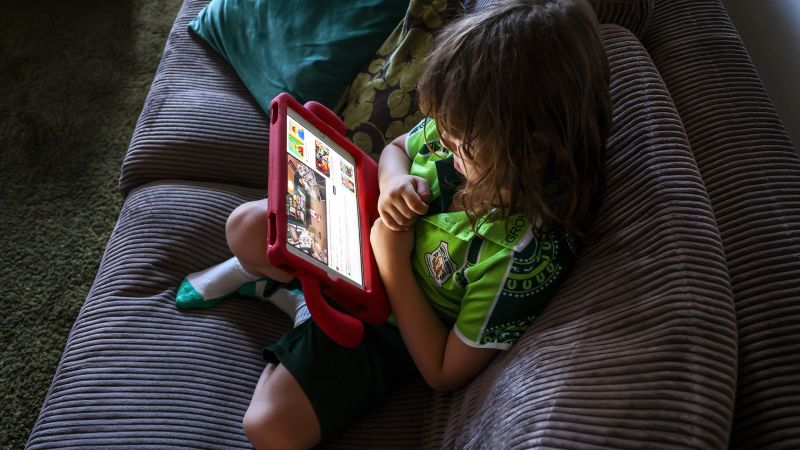
Australia has enacted a world-first law banning children under 16 from holding social media accounts on designated platforms from December 10, 2025. The measure is designed to curb harmful content, toxic engagement and excessive screen time, and it will affect an estimated 2.6 million users under 16.
What the law covers
The law amends the Online Safety Act 2021 and defines age-restricted social media platforms as services that allow users to post, interact and link with others. It excludes some services, including education and health tools, and targets ten major platforms: Facebook, Instagram, Threads, TikTok, Snapchat, YouTube, X, Reddit, Kick and Twitch.
Gaming services like Roblox and Discord are not currently included but have started voluntary age checks amid pressure to expand the rules.
How enforcement works
Platforms must deactivate underage accounts or face fines of up to A$49.5million. They cannot rely only on self-reported ages or parental consent and must take reasonable steps to verify users’ ages using more robust checks.
Meta says it will start shutting down underage accounts on December 4 using ID or video selfie verification. The eSafety Commissioner will monitor compliance through weekly reports and use a gradual penalty process rather than immediate full enforcement.
Political backing
Communications Minister Anika Wells has defended the law as a stand for parents over platforms. She said the government would not be intimidated by legal threats or by big tech pressure.
The Albanese government has framed the policy as a response to families who say social media has helped fuel bullying, self-harm and suicide among children and teenagers. The Online Safety Amendment (Social Media Minimum Age) Bill 2024 passed in late 2024 after advocacy from parents like Emma Mason and Mia Bannister, whose children died by suicide linked to social media bullying.
The Albanese government remains steadily on the side of parents and not of the platforms. We will not be intimated by threats. We will not be intimidated by legal challenges. We will not be intimated by big tech. On behalf of Australian parents, we will stand firm.
Communications Minister Anika Wells
Pushback and risks
Critics warn the ban could push young users toward lesser-known apps, VPNs and fake profiles, potentially making them less safe online. They also say it may increase phishing and other scams as children look for workarounds.
There has already been a surge in downloads of alternative platforms such as Yope and Lemon8 in Australia, driven in part by underage influencers encouraging followers to move before the ban takes effect.
Legal challenge
The Digital Freedom Project is challenging the law in the High Court, arguing that it infringes young teens’ constitutional freedom of political communication. The case is backed by NSW Libertarian Party MLC John Ruddick, who says the ban is disproportionate and could affect the rights of all Australians.
This issue should concern every Australian. This ban is disproportionate and will trespass either directly or indirectly upon the rights of every Australian.
NSW Libertarian Party MLC John Ruddick, president of the Digital Freedom Project
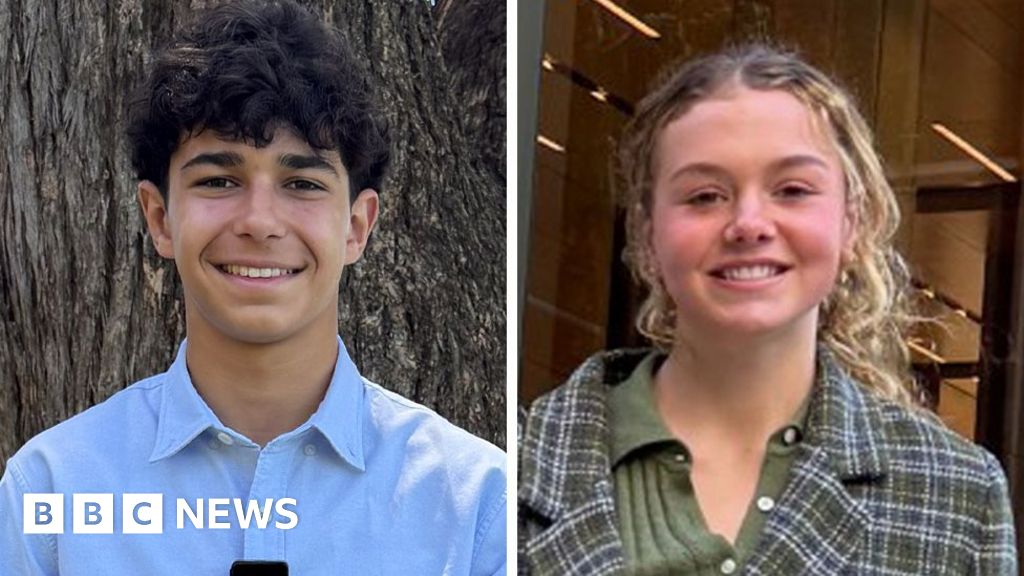
Noah Jones from Sydney’s Sutherland Shire and Macy Neyland from NSW’s Hunter Valley, both 15-year-olds, serve as the teenage plaintiffs in the legal challenge.
We’re disappointed in a lazy government that blanket bans under-16s rather than investing in programs to help kids be safe on social media. They should protect kids with safeguards, not silence.
Plantiff Noah Jones
Driving us to fake profiles and VPNs is bad safety policy. Bring us into safer spaces with rules that work: age‑appropriate features, privacy‑first age assurance, and fast takedowns. We shouldn’t be silenced. It’s like Orwell’s book 1984, and that scares me.
Plantiff Macy Neyland
The law marks one of the most aggressive government interventions yet in youth online safety. Supporters say it is overdue protection for children, while opponents argue it treats symptoms rather than causes and may simply move the problem elsewhere.
Read more:
Netflix acquires Warner Brothers Discovery
UK, Canada & Australia recognise State of Palestine