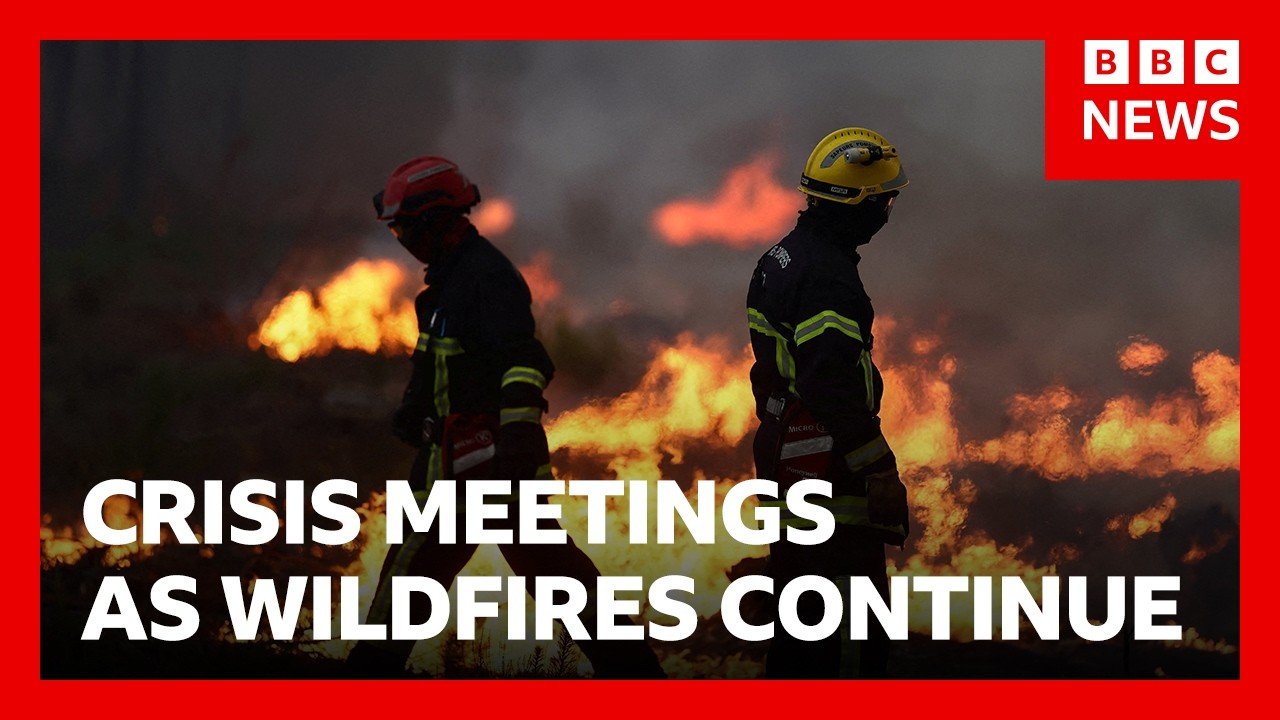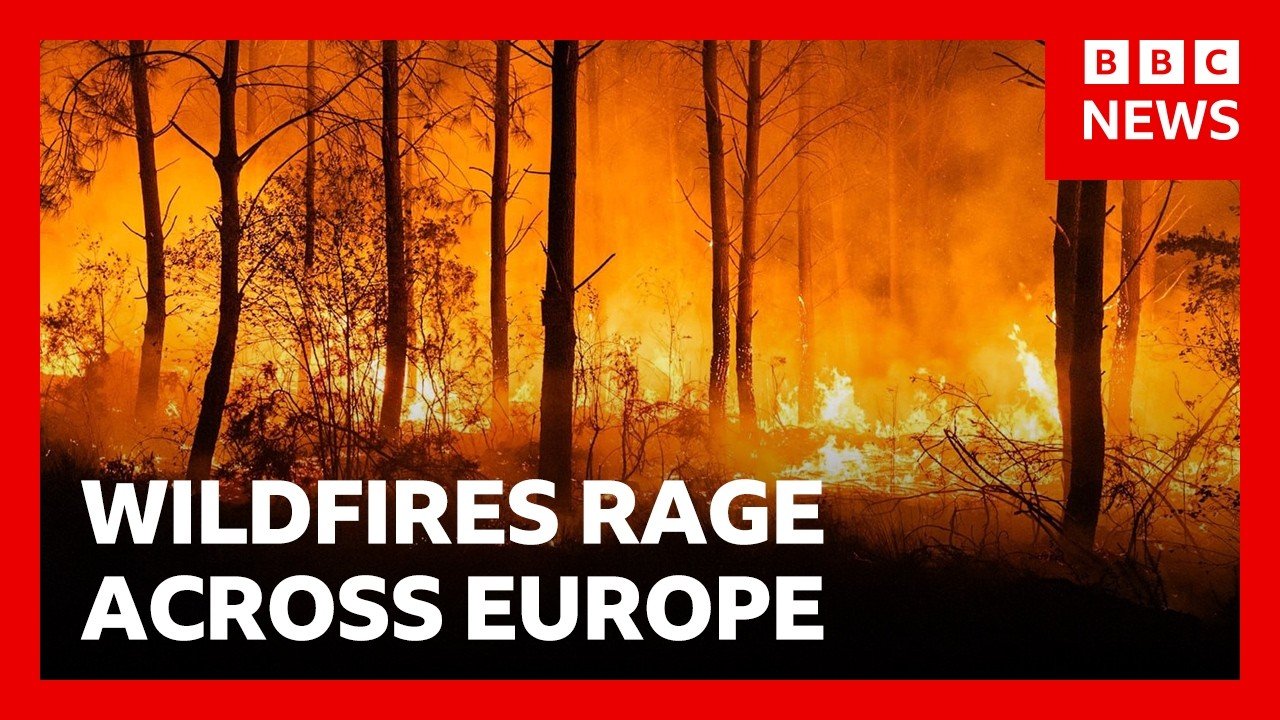

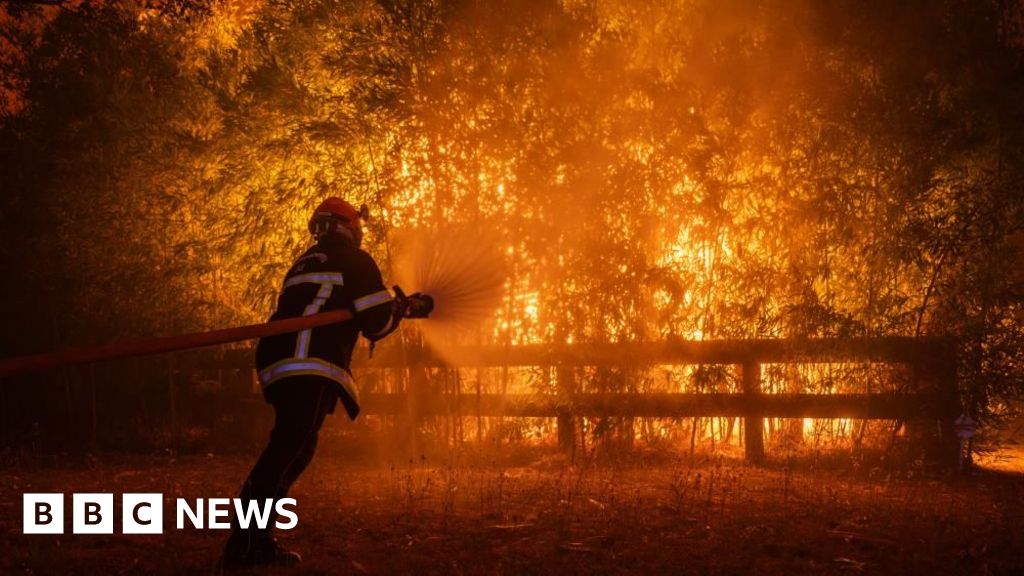


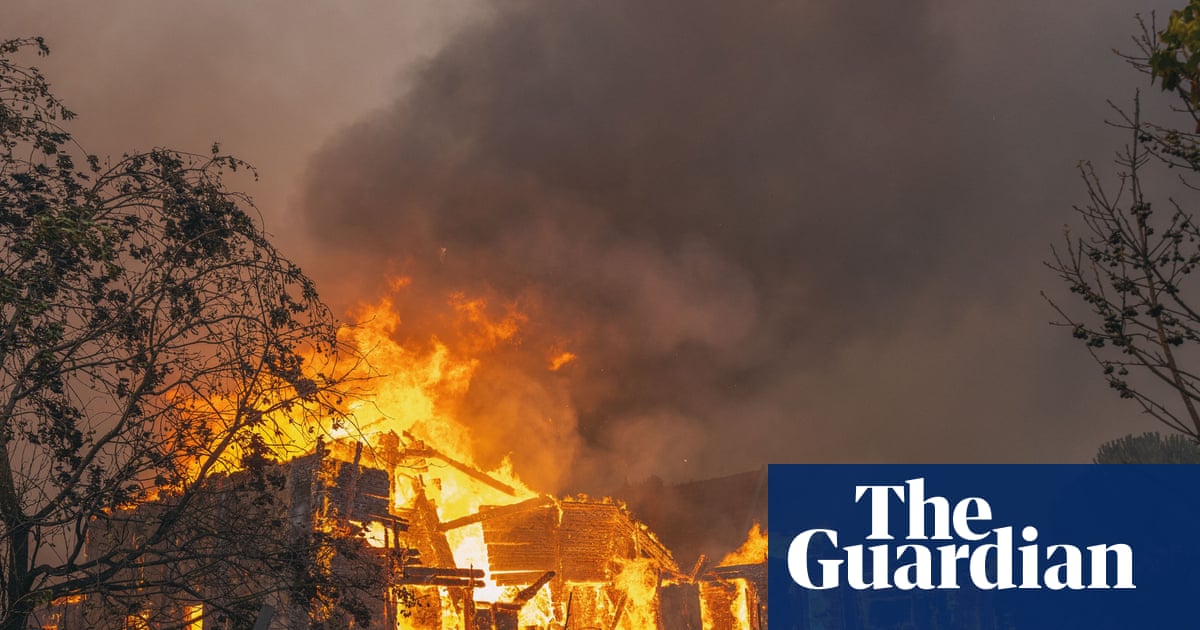




Wildfires are tearing through large parts of France and Spain, forcing hundreds of thousands of people from their homes as firefighters struggle to contain blazes spread by searing heat and prolonged drought. Officials in both countries say the fires are among the most severe Europe has seen in modern times.
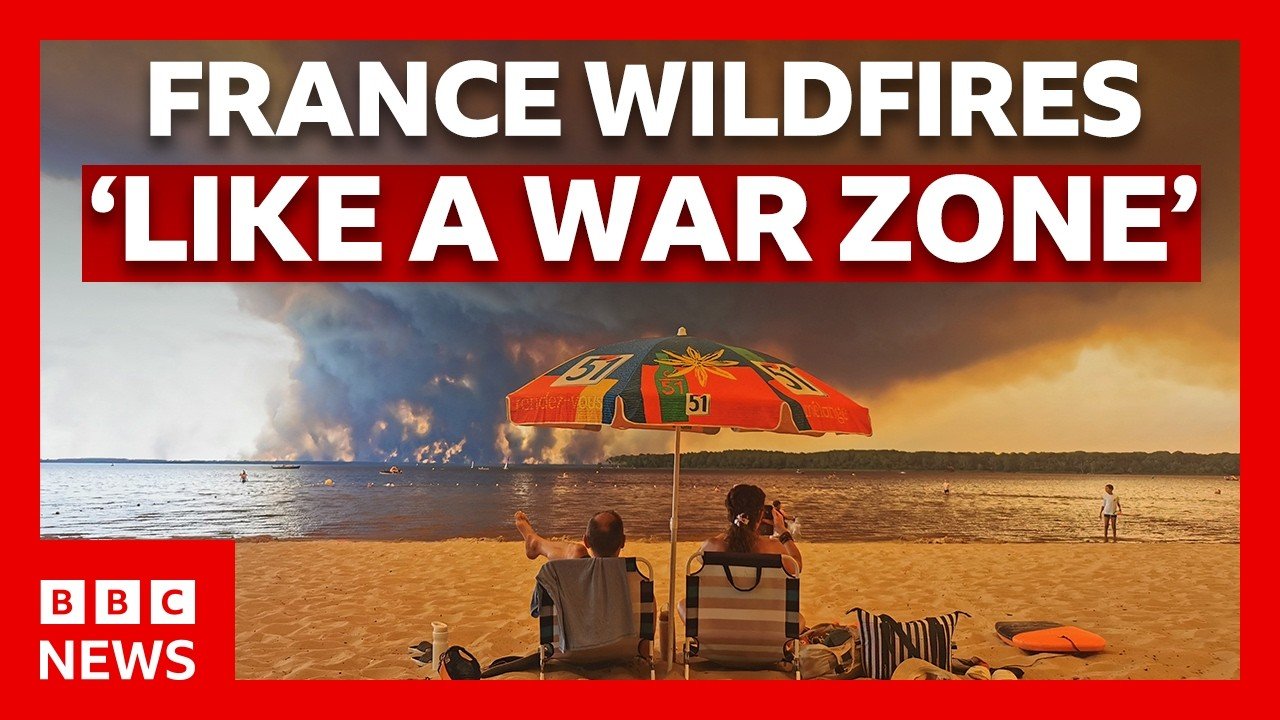
In southwestern France, a huge fire in the Gironde region has burned tens of thousands of hectares and threatened the outskirts of Bordeaux, where the blaze was still being fought just 9 to 15 kilometres from the city. French authorities have evacuated more than 220,000 people in Gironde and another 30,000 in neighbouring Landes, while the fire has also sent up pyrocumulonimbus clouds that made its spread harder to predict.
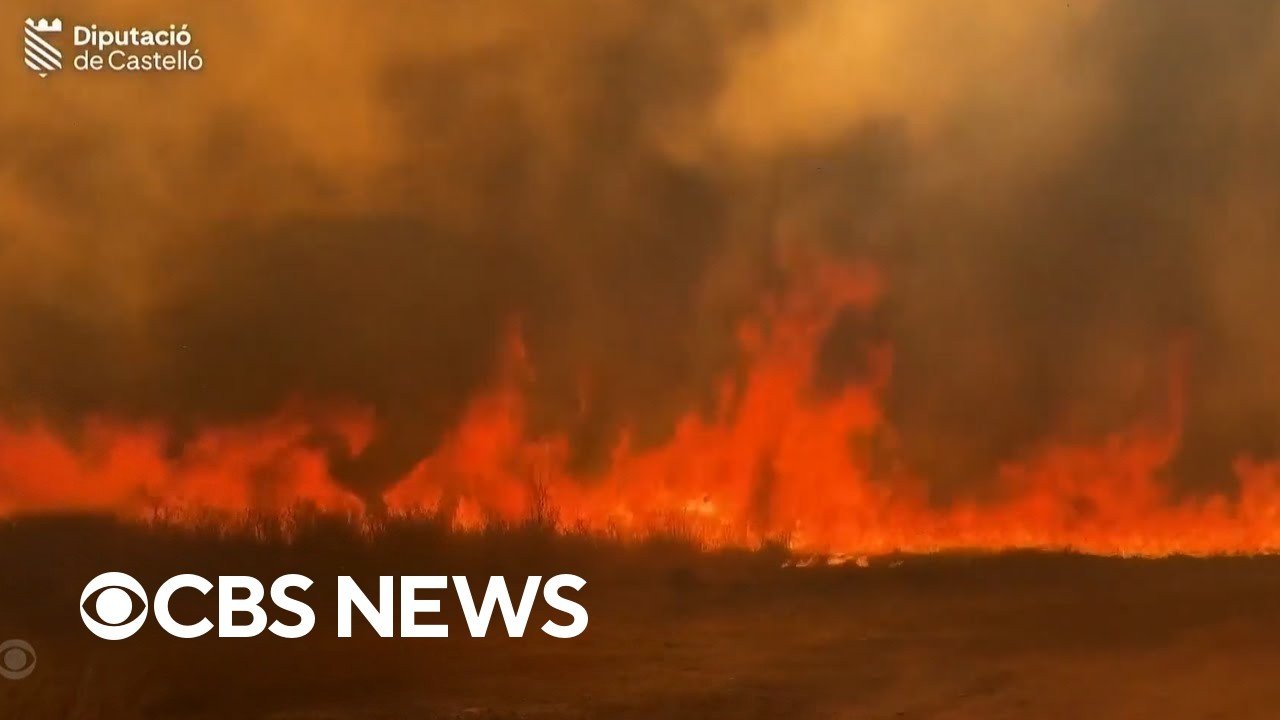
Spain is also battling a fast-moving and widening emergency. The government has declared its first national wildfire emergency, with major fronts burning in central and eastern regions, including fires near Madrid and Ávila that have driven more than 90,000 evacuations, and a new blaze in the Castellón area that forced another 15,000 to 16,000 people to flee.
France: Bordeaux under threat
The fire in France’s Gironde region has become the most alarming front in the country’s current crisis. It has burned more than 42,000 hectares, and emergency crews have warned that sensitive sites near Bordeaux, including facilities linked to hazardous chemical processing and military equipment, are at risk.
President Emmanuel Macron has described the situation as France’s most severe fire crisis since World War II, underscoring the scale of the emergency. Two firefighters have died in the disaster, adding to the human toll of a season that has already stretched local and national resources.
Dans ces heures où les flammes éprouvent durement notre pays, la France révèle ce qu’elle est : un peuple uni, qui se serre les coudes.
— Emmanuel Macron (@EmmanuelMacron) July 25, 2026
Merci à nos sapeurs-pompiers, à nos militaires, aux forces de sécurité civile, à nos gendarmes et policiers, ainsi qu’aux agriculteurs… pic.twitter.com/DFzPt8vSYM
Spain: First national emergency
Spain’s wildfire emergency has become national in scope, with multiple regions overwhelmed at once. Fires northwest of Madrid and in Ávila have scorched roughly 770 square kilometres, an area larger than Madrid itself, while authorities have moved tens of thousands of people out of harm’s way.
In the east, new flames in the Castellón province have created another evacuation crisis, compounding the pressure on already stretched firefighting teams. Spanish Prime Minister Pedro Sánchez has said more than 150,000 hectares have burned nationwide since January, a total far above the same period last year.
Nuestra prioridad es defender la vida de la gente, proteger los nucleos poblacionales y luchar contra el fuego.
— Pedro Sánchez (@sanchezcastejon) July 27, 2026
Estaremos en la respuesta y en la recuperación. Y debemos estar también en la prevención.
Hago un nuevo llamamiento a acordar un Pacto de Estado frente a la… pic.twitter.com/VuUjalRGPI
Why this is happening
Officials and climate scientists are linking the outbreak of fires to a broader climate emergency. Western Europe has endured an exceptionally dry June and repeated heatwaves with temperatures reaching around 40°C, leaving forests, fields and brush tinder-dry.
That combination is making fires more aggressive and less predictable, especially when they generate their own weather. In France, the appearance of pyrocumulonimbus clouds has helped intensify the blaze and complicated suppression efforts.
International response
The European Union has activated a multinational response, sending aircraft and crews from several countries to reinforce local firefighters. Czechia, Croatia, Greece, Italy, Portugal, Slovakia, Sweden and Turkey are among the countries contributing support.
Travelers and residents in affected areas are being told to stay clear of evacuation routes, keep windows shut where smoke is heavy and follow local emergency instructions. With another severe heatwave forecast, officials say conditions could worsen quickly before they improve.