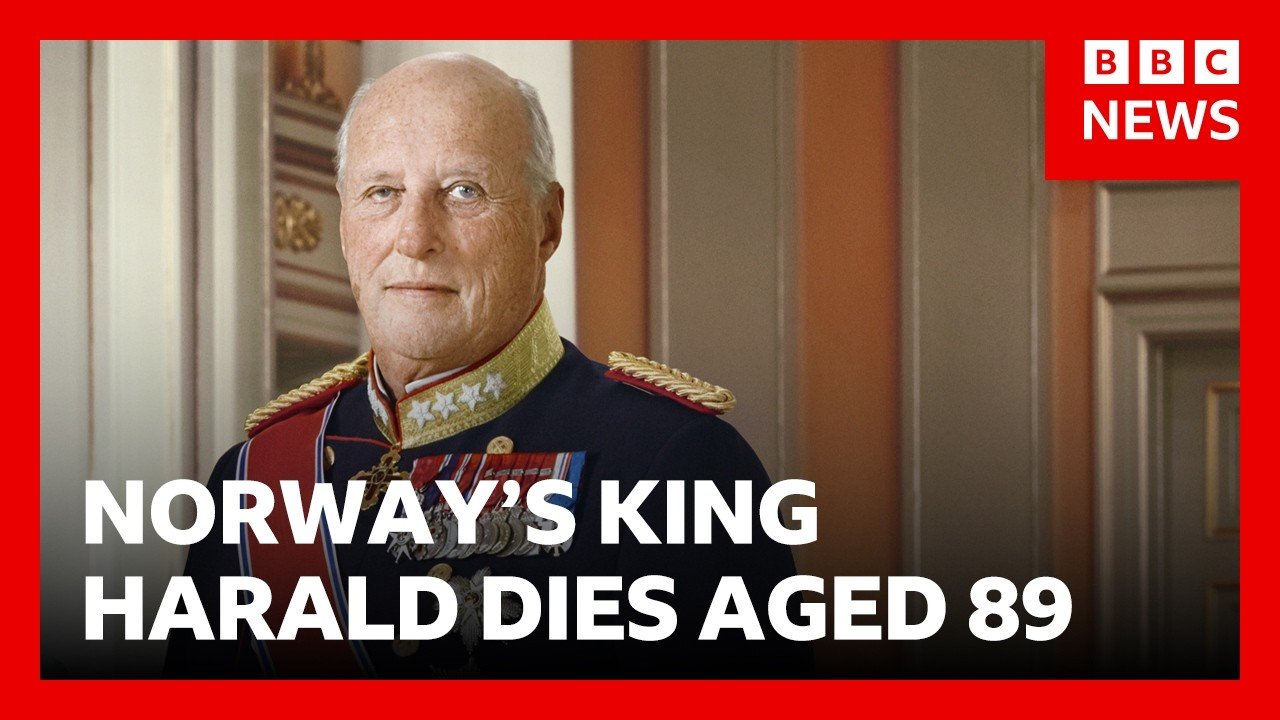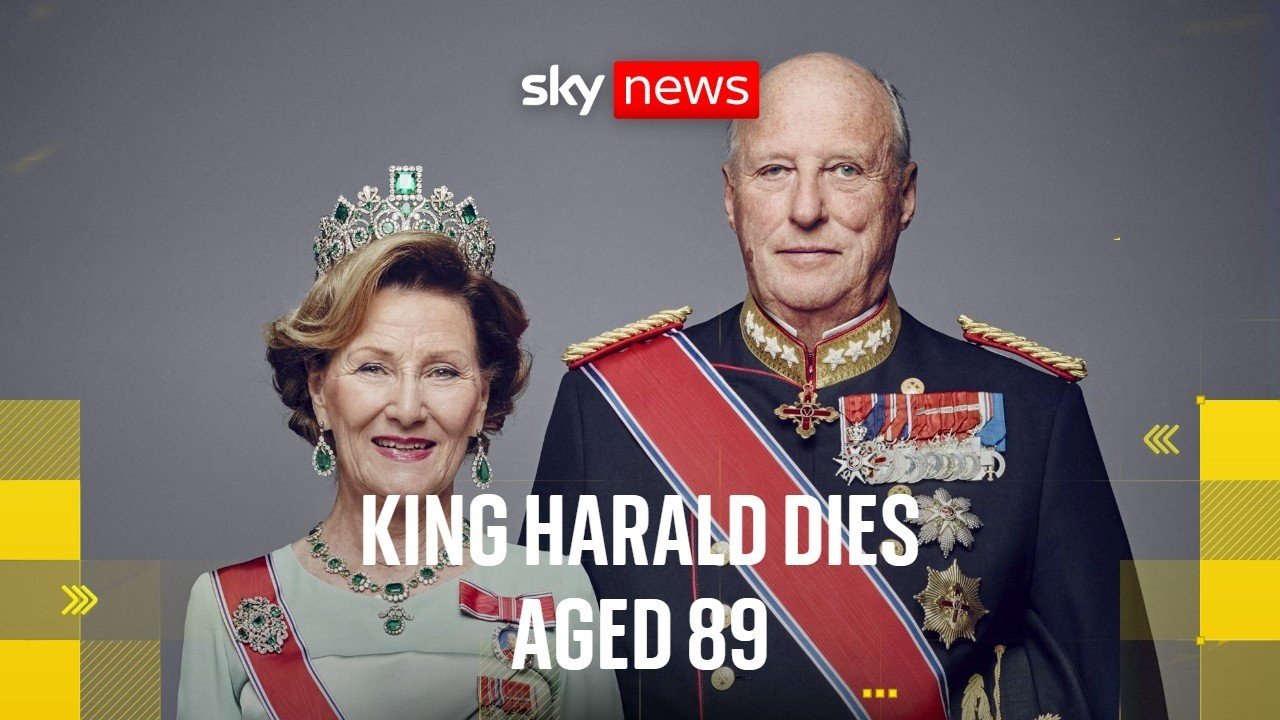







Norway’s King Harald V, Europe’s oldest reigning monarch and a widely admired moderniser of the Norwegian monarchy, has died at the age of 89. The Royal House of Norway announced that he passed away peacefully at Oslo University Hospital (Rikshospitalet) at 6:35 a.m. local time on Friday, 28 August 2026, surrounded by family, after his health deteriorated in hospital.
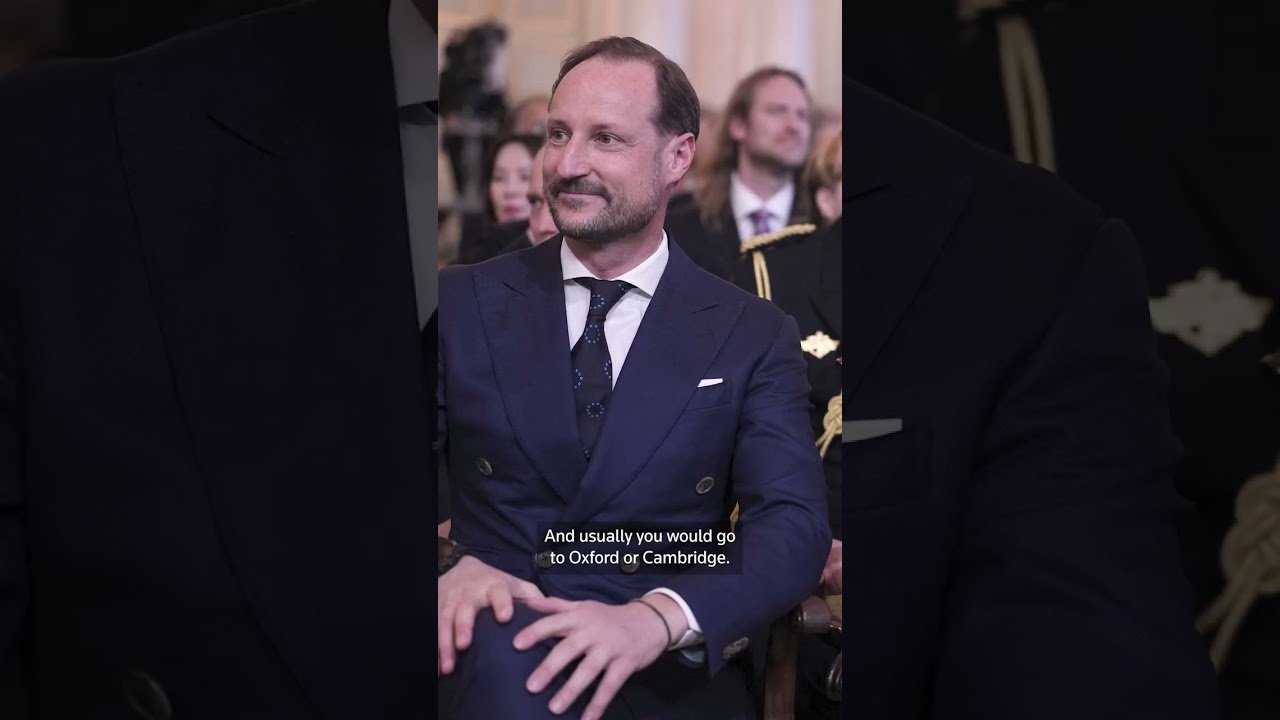
Under Norway’s constitutional rules of succession, Crown Prince Haakon, 53, immediately became king upon his father’s death, with his daughter Princess Ingrid Alexandra now heir apparent to the throne.
It is with deep sadness that we announce that His Majesty King Harald passed away today. King Harald passed away peacefully at Oslo University Hospital on Friday, August 28 at 6:35 a.m.
The Palace announced in a statement.
King Harald had been admitted to hospital on 17 August after a medical examination. The Royal House previously disclosed that he was being treated for haemolytic anaemia, a blood disorder in which red blood cells are destroyed faster than they can be replaced, and that cortisone treatment for the condition had led to fluid accumulation in his body.
During his hospitalisation he also received antibiotics for a bacterial infection in his bloodstream, and by Thursday the palace had warned that his condition was “very serious”.
A 35‑year reign defined by modernisation and unity
Harald V ascended the throne on 21 January 1991, following the death of his father, King Olav V, and reigned for 35 years. Born on 21 February 1937 in Asker, near Oslo, he was the first Norwegian‑born prince in 567 years, a fact that became a symbol of national continuity after centuries of foreign dynasties.
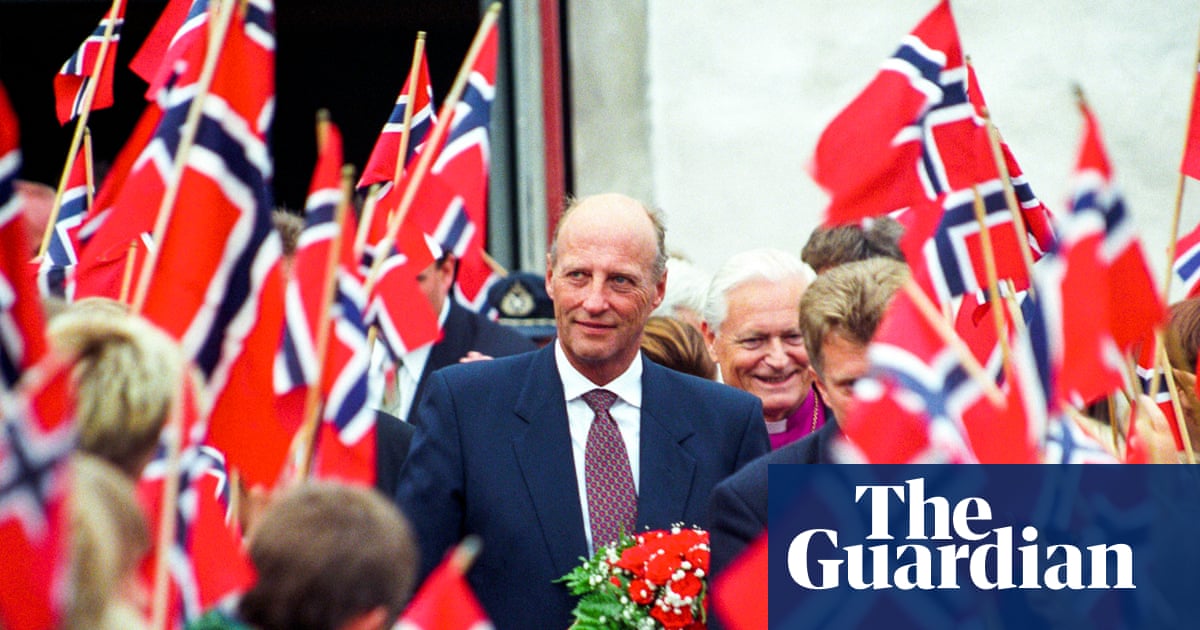
Widely described as reform‑minded and humble, Harald worked to modernise the monarchy while keeping it largely ceremonial in a parliamentary democracy where political power rests with elected officials. He repeatedly ruled out abdication, insisting that his royal oath was for life, even as he updated royal communications, opened the palace to more public scrutiny, and emphasised a “king for all Norwegians” style of leadership.
One of the defining moments of his reign came after the 2011 terrorist attacks that killed 77 people, when he played a unifying role in national mourning and publicly stressed inclusion and democratic values.
From Olympic sailor to head of state
Before becoming king, Harald was known internationally as an accomplished sailor. As Crown Prince, he represented Norway in sailing at the 1964 Tokyo Olympics, serving as the country’s flag bearer at the opening ceremony, and later won a gold medal at the 1987 World Championships as skipper of his yacht.
He married Sonja Haraldsen in 1968 after a long courtship that challenged royal conventions, and the couple remained together for 57 years until his death. They have two children: Crown Prince Haakon and Princess Märtha Louise.
Succession: King Haakon VIII and a historic heir apparent
With Harald’s death, Crown Prince Haakon automatically succeeded as Norway’s new monarch. Norwegian media reported that an extraordinary Council of State was convened at the Royal Palace later on 28 August to formalise aspects of the transition.
His regnal name and motto had not been officially announced at the time of early reports, but he is widely referred to in initial coverage as King Haakon VIII. Haakon’s eldest child, Princess Ingrid Alexandra, now becomes crown princess and heir apparent, marking a historic moment as the first female heir to the Norwegian throne in around 600 years; the last woman to rule was Queen Margaret in the late 14th century.
National and international reaction
The royal flag was lowered to half‑staff following the announcement, and Norwegian public broadcaster NRK and other outlets carried extensive special coverage as the country entered a period of mourning. International leaders and European institutions quickly paid tribute, with some describing Harald as a “true European” and praising his warmth, humility, and commitment to democratic values.