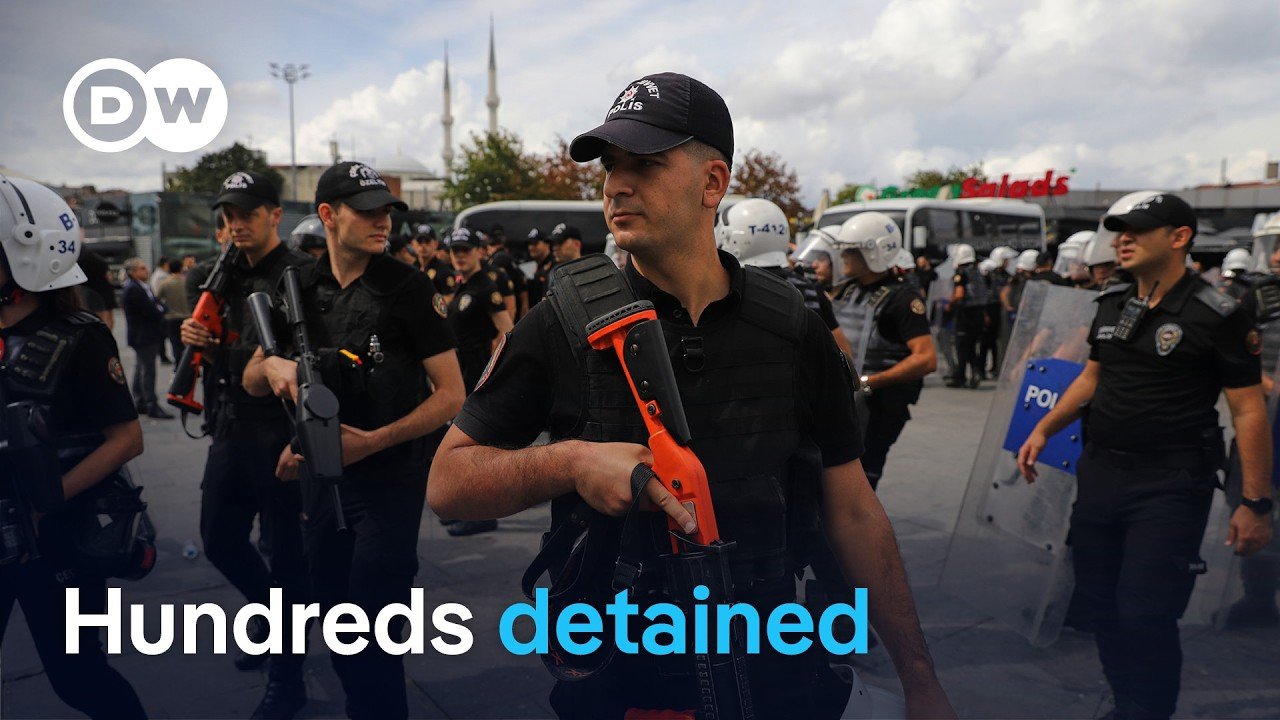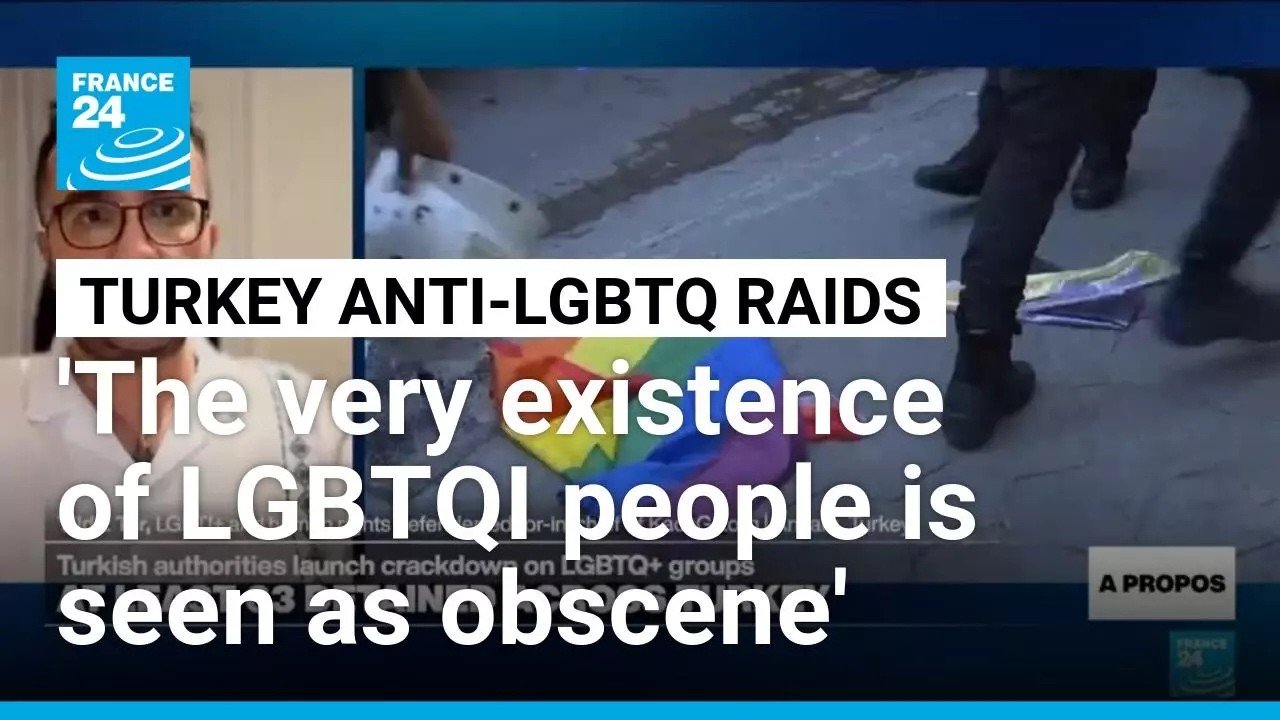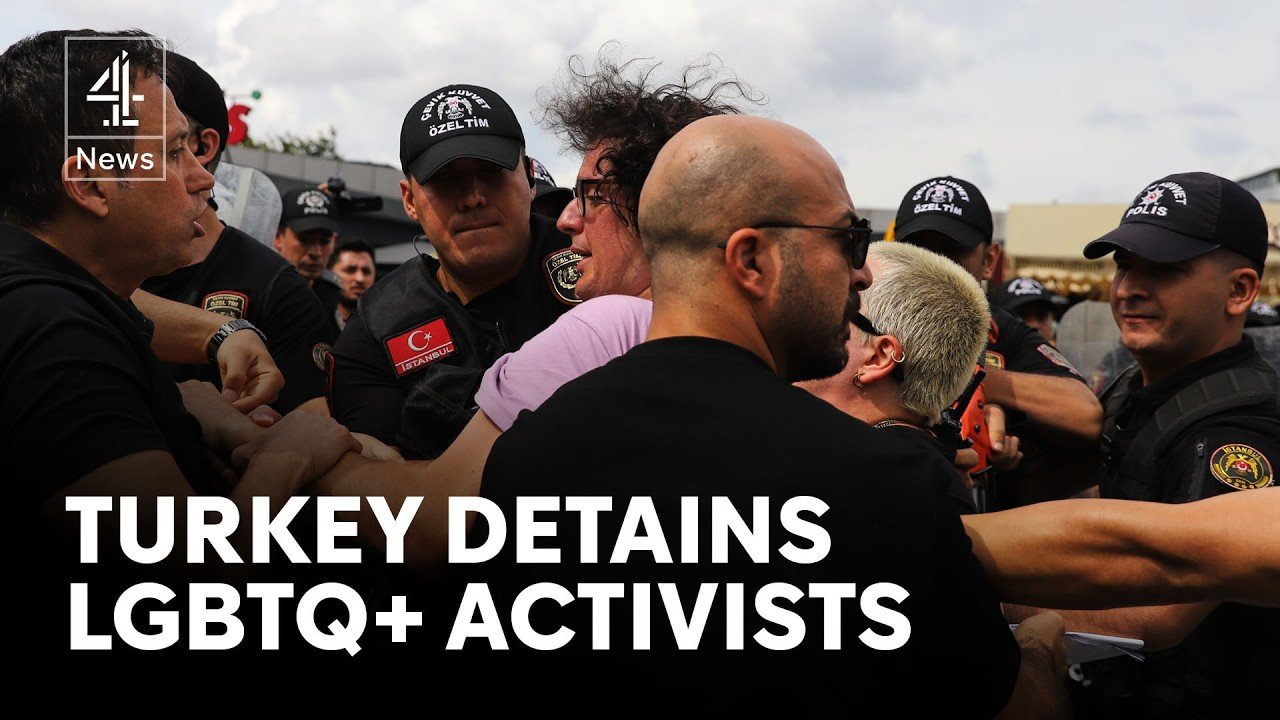





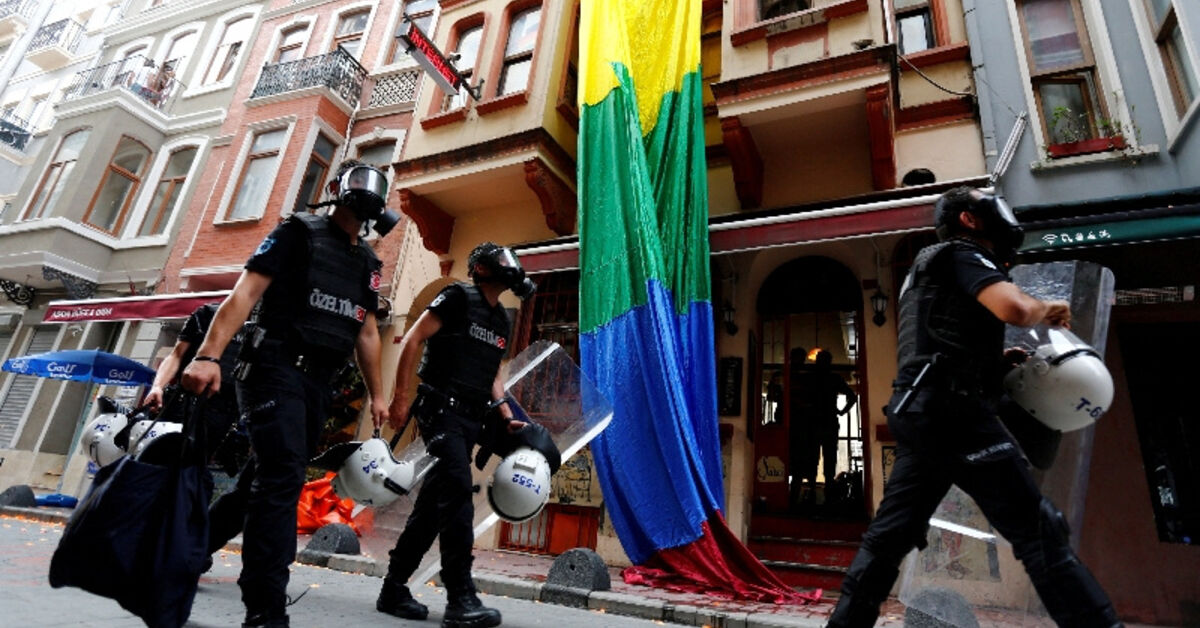
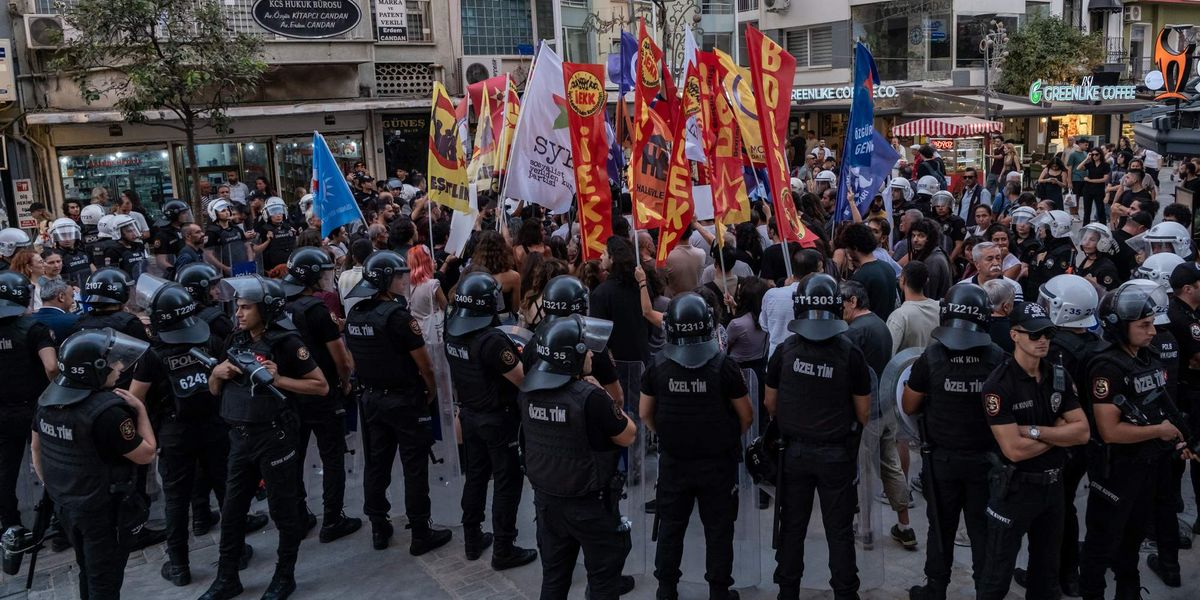

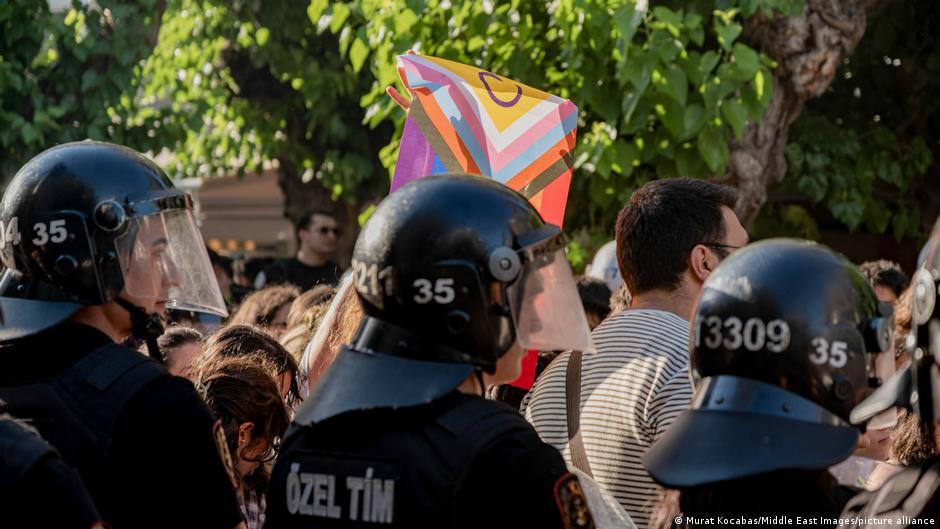


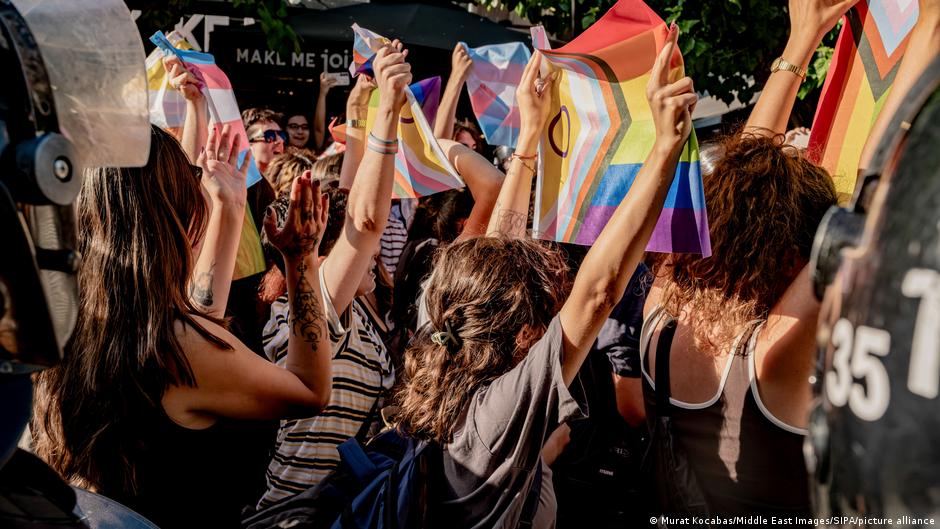





Turkish authorities have launched one of the country’s broadest recent crackdowns on LGBTQ+ people and civil-society groups, detaining activists, raiding homes and venues, restricting online accounts, and arresting demonstrators who protested the operation.
The campaign, which officials have called “My Family is Safe,” has been presented by President Recep Tayyip Erdoğan’s government as an effort to defend family values, protect children and address Turkey’s declining birth rate. Rights groups, opposition figures and European officials say the operation is instead using vague morality and obscenity laws to criminalise LGBTQ+ identity, advocacy and peaceful protest.
Raids across 15 provinces
Justice Minister Akın Gürlek said investigations involve 162 individuals, nine associations and 13 businesses across 15 provinces. The proceedings are being coordinated by prosecutors in Istanbul, Ankara, İzmir, Aydın and Mersin, according to officials cited by Reuters and the BBC.
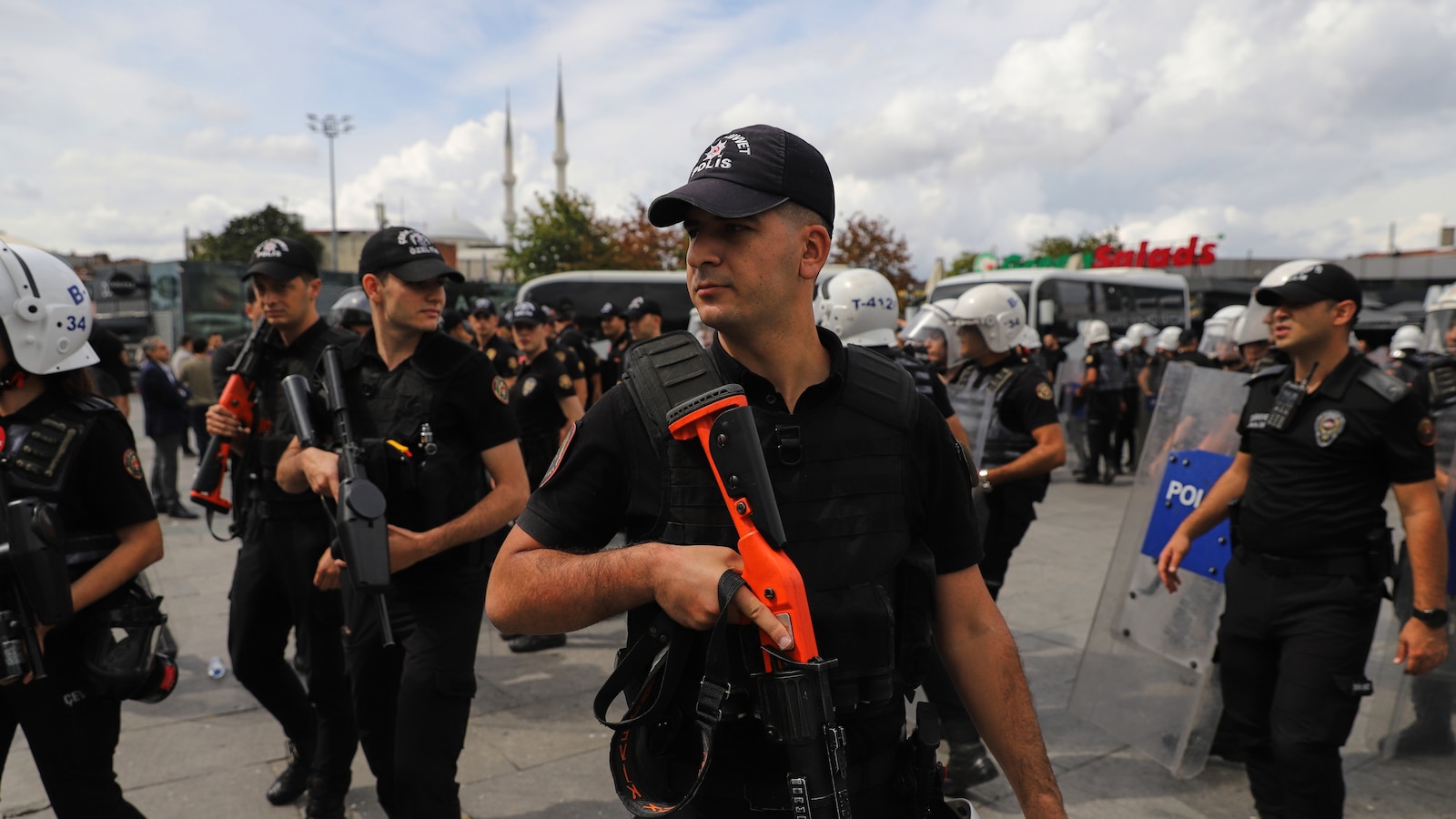
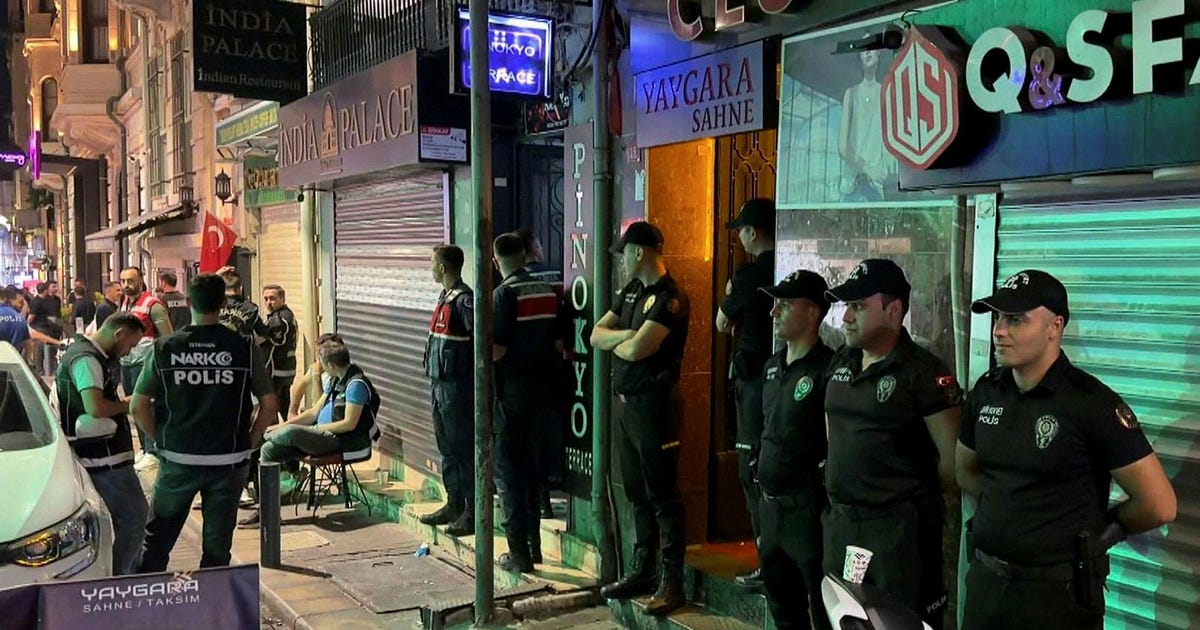
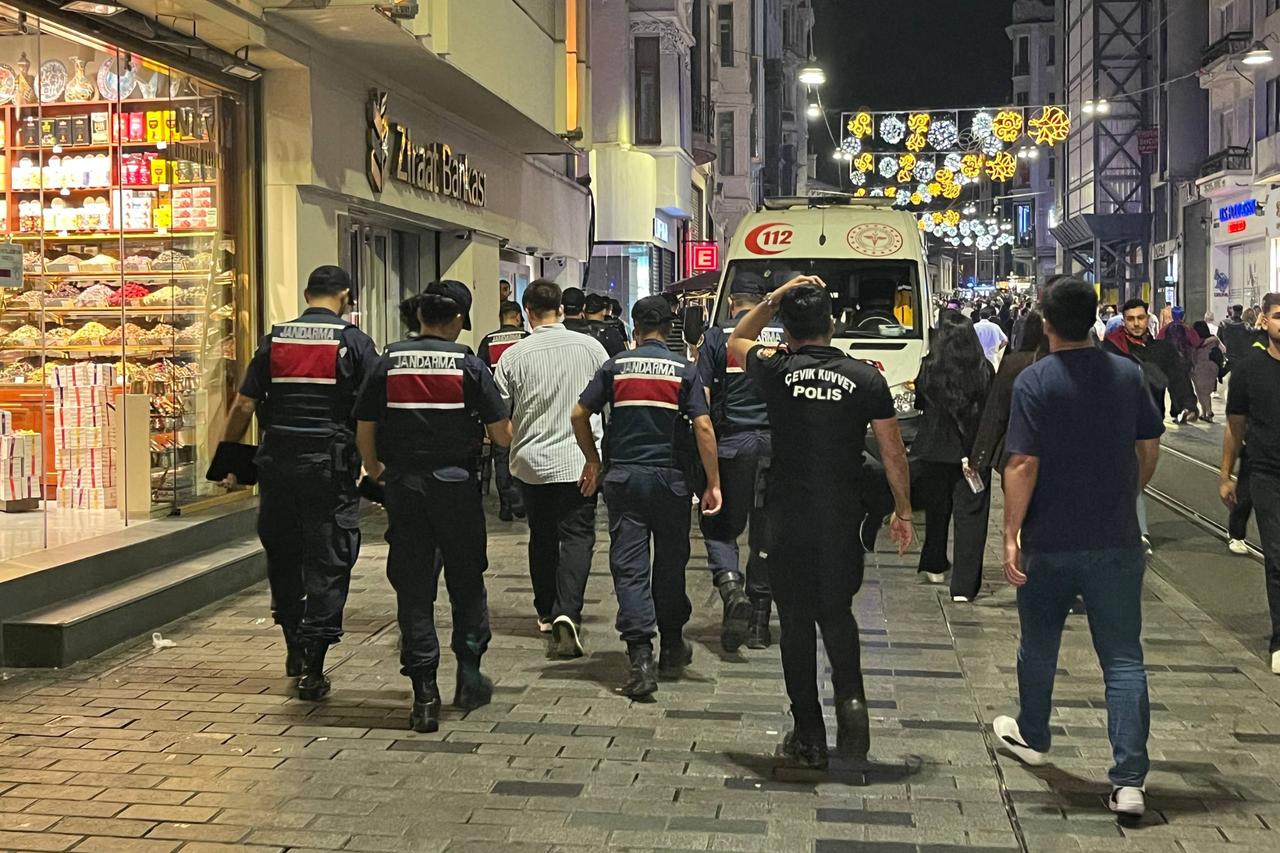
Police carried out coordinated raids on the homes of activists, LGBTQ+ organisations, HIV-advocacy groups and nightlife venues. The operation covered Istanbul, Ankara, İzmir, Aydın and Mersin, among other locations.
Footage released by Turkey’s Interior Ministry showed officers searching filing cabinets, removing rainbow flags and escorting people away in handcuffs. Prosecutors said police seized digital equipment, drugs and a firearm during some of the raids, although the legal status of individual detainees and the precise allegations against them have remained unclear.
The offices of Kaos GL, one of Turkey’s oldest LGBTQ+ rights organisations and a prominent source of community journalism, were among those targeted. A press-freedom organisation said seven members of the group’s executive board were arrested or detained during the operation. Journalist Tuğba Tekerek was also arrested at her home and taken to Ankara for questioning after co-publishing an article with Kaos GL about the LGBTQ+ community in neighbouring Georgia.
Obscenity laws used
Same-sex relations are not illegal in Turkey. However, authorities have increasingly relied on broad laws concerning “obscenity,” public morality and the regulation of nongovernmental organisations to pursue LGBTQ+ people and groups.
Prosecutors in Ankara accused LGBTQ+ rights organisations of violating obscenity provisions and NGO regulations. Officials also claimed that some raided venues were linked to prostitution, the distribution of obscene material or activities that allegedly exposed children to such content. Formal charges in many cases have not been clearly disclosed.
The crackdown follows a period of heightened government rhetoric against LGBTQ+ people. Erdoğan has repeatedly portrayed LGBTQ+ rights as a threat to traditional values, while government officials have connected the issue to Turkey’s falling fertility rate and a broader campaign to strengthen families and increase births.
Gürlek linked the latest operation to a presidential initiative described as a “decade of the family and population.” He said weakening family ties, rising marriage ages, increasing divorce rates and declining fertility had created an urgent national concern.
Critics reject the suggestion that LGBTQ+ communities are responsible for Turkey’s demographic problems. Human Rights Watch said the government’s references to children and family values could not justify sweeping restrictions on civil society, freedom of expression and association.
Protesters also detained
The arrests expanded after demonstrations were organised in response to the raids.
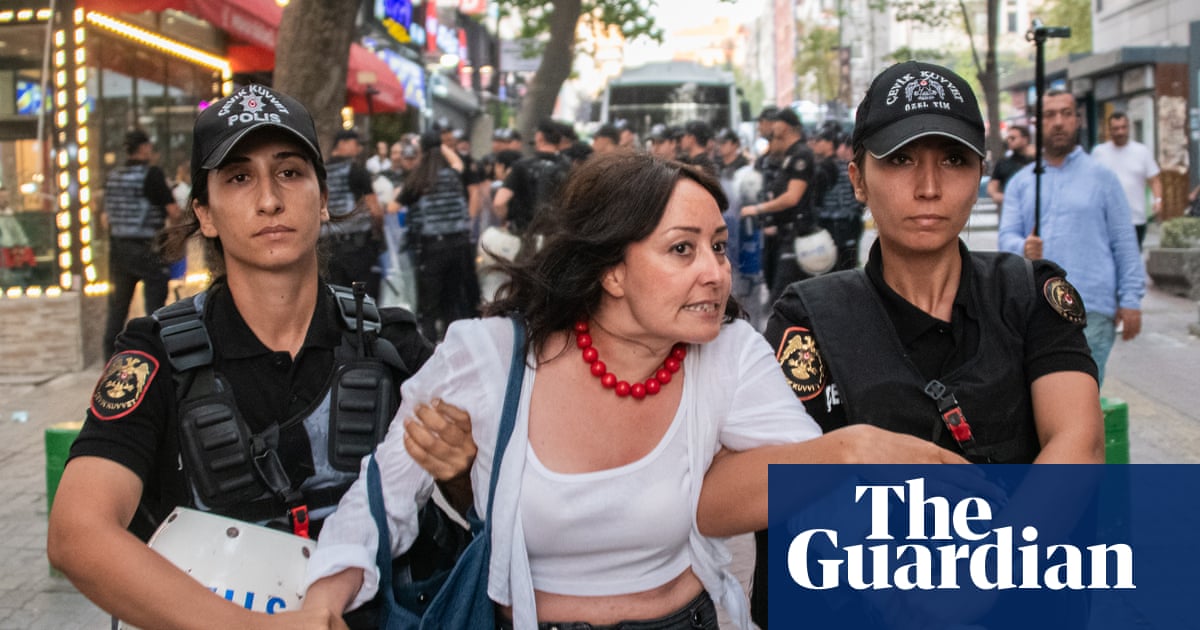
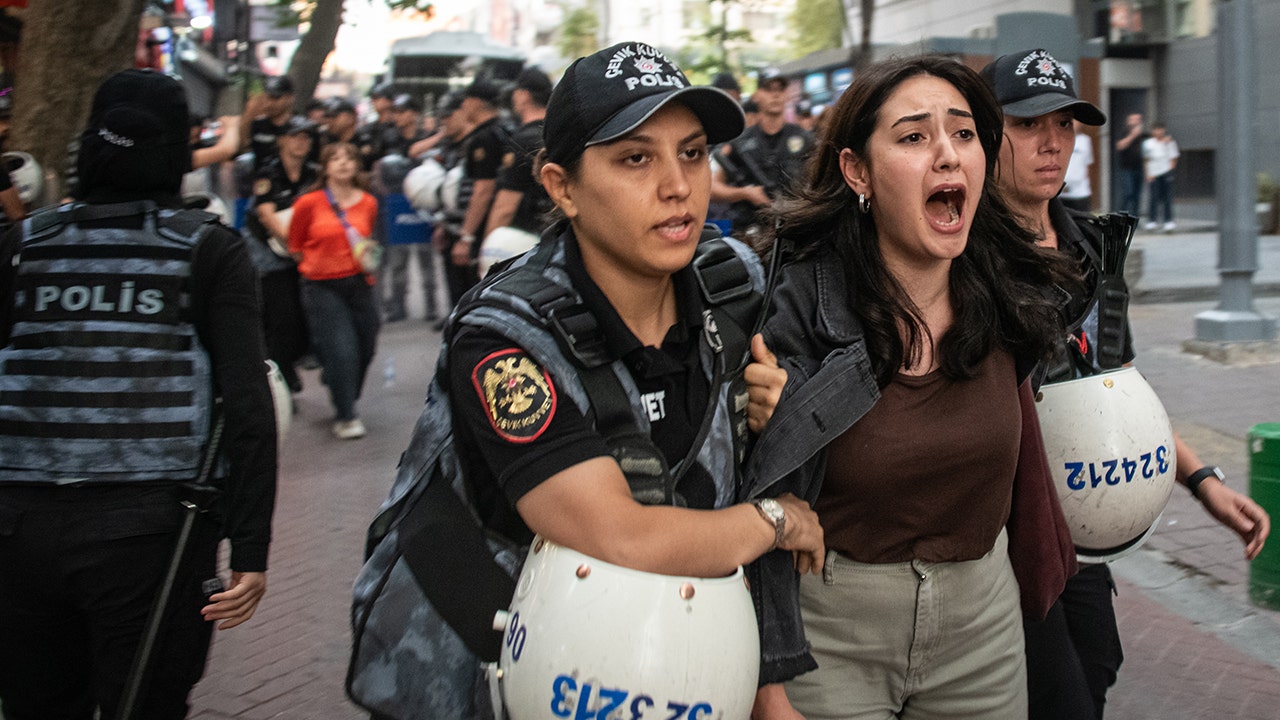
On Tuesday, police detained at least 126 people in Ankara and Istanbul, according to lawyers quoted by Reuters. The figure included five transgender women detained in Ankara and 26 people in the southern province of Mersin. A further 18 people were jailed pending trial in İzmir on Monday, lawyers said.
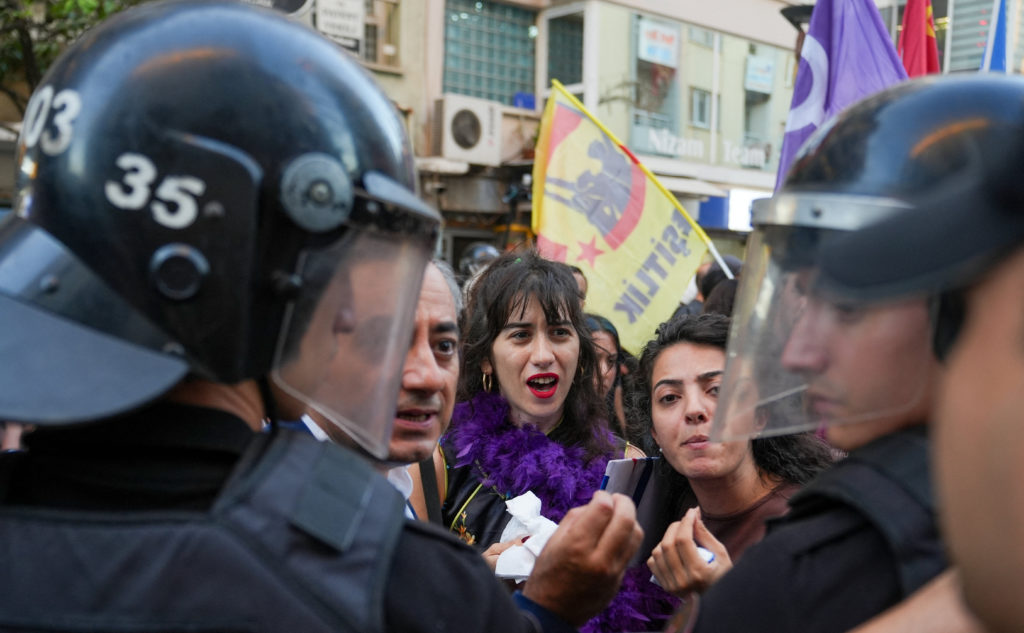
The Guardian reported that at least 150 protesters were detained in Istanbul, while dozens more were arrested or detained during demonstrations in Ankara and İzmir. Police reportedly used tear gas against protesters in İzmir and prevented demonstrators from making a statement outside an Istanbul courthouse.
At one Istanbul protest, demonstrators unfurled a banner reading “Being LGBTQ+ is not a crime” and chanted, “Long live the struggle for freedom.” Police made several arrests after the banner appeared, according to AFP reports cited by the BBC and Guardian.
The latest arrests followed the detention of LGBTQ+ activists over the weekend and the transfer of some suspects to pre-trial detention. Reuters reported that at least 31 people had been jailed pending trial as of September 15, while lawyers said other legal proceedings were continuing.
Online restrictions widen
The government has also restricted access to the online networks used by LGBTQ+ groups, independent media and human-rights organisations.
According to Human Rights Watch, Turkish authorities blocked or restricted hundreds of social-media accounts and websites associated with LGBTQ+ organisations, journalists, independent outlets and rights advocates. The restrictions reportedly included the X account of Amnesty International’s Turkey branch.
The online measures have raised concerns that the operation is not limited to arrests and criminal investigations, but is also intended to disrupt public communication, prevent organisations from documenting abuses and limit access to independent reporting.
Kaos GL operates both as an advocacy organisation and a news publisher. The targeting of its staff and offices has therefore prompted particular concern among press-freedom groups, which say the crackdown threatens both LGBTQ+ rights work and independent journalism.
European officials express concern
Michael O’Flaherty, the Council of Europe’s commissioner for human rights, said he was concerned by reports of arrests, raids and the blocking of websites and social-media accounts targeting LGBTQ+ civil-society organisations and human-rights defenders.
He called for the release of anyone detained solely for human-rights or civil-society work, warning that references to family values and child protection could not, by themselves, justify restrictions on fundamental rights.
Human Rights Watch described the operation as an attempt to smear and criminalise LGBTQ+ advocacy. Emma Sinclair-Webb, the organisation’s Turkey representative, called it the widest crackdown on LGBTQ+ people in the country in recent years.
Rights groups have also warned against treating arrests made during the raids as evidence of criminal activity without transparent charges and due process. The Guardian reported that some detainees may have been held under separate allegations involving drugs or prostitution, making it difficult to establish how many people were arrested specifically for LGBTQ+ activism or association with targeted organisations.
A broader legal campaign
The latest operation follows other efforts to restrict LGBTQ+ expression and organising in Turkey. A proposed amendment to the penal code that would have punished LGBTQ+ people for promoting behaviour deemed contrary to “biological sex” and “general morality” was withdrawn last year. Authorities have nevertheless continued to use existing obscenity and public-morality provisions against LGBTQ+ groups.
Eleven leaders of the Youth LGBTI+ organisation went on trial in August over allegations linked to constitutional provisions concerning family values and the publication of images showing same-sex couples kissing. The charges carry potential prison sentences of up to three years, according to the Guardian.
For activists, the concern is that the government may not need to formally outlaw homosexuality to make LGBTQ+ life and advocacy increasingly difficult. Raids, online censorship, pre-trial detention and broad morality charges can restrict organisations’ ability to operate while creating a climate of fear around public expression.
The government maintains that its campaign is about protecting children and preserving the family. But rights groups argue that those goals cannot be used to justify collective punishment or the suppression of peaceful civil-society work.
As the legal proceedings continue, the central question is whether Turkey’s courts will establish transparent, individualised charges—or whether “family values” and “obscenity” will become broad instruments for suppressing an entire community.