




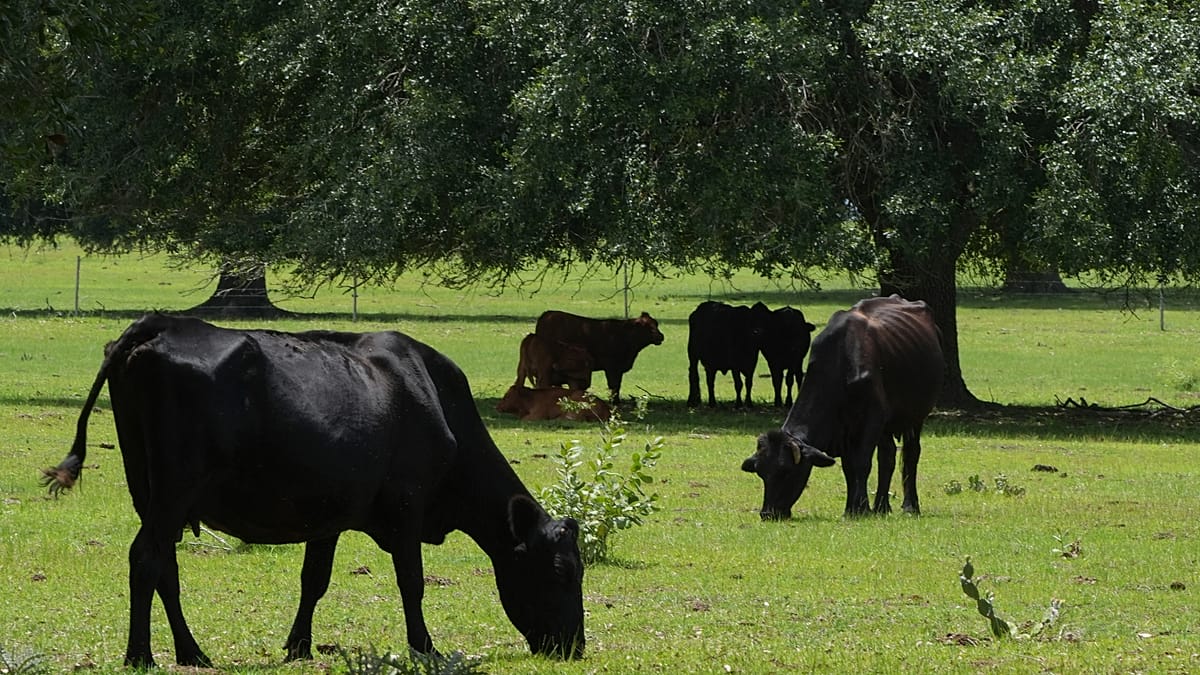




The infection was detected in a severely immunocompromised patient in Lyon. Authorities have identified no evidence of human-to-human transmission or a health risk to the general population.
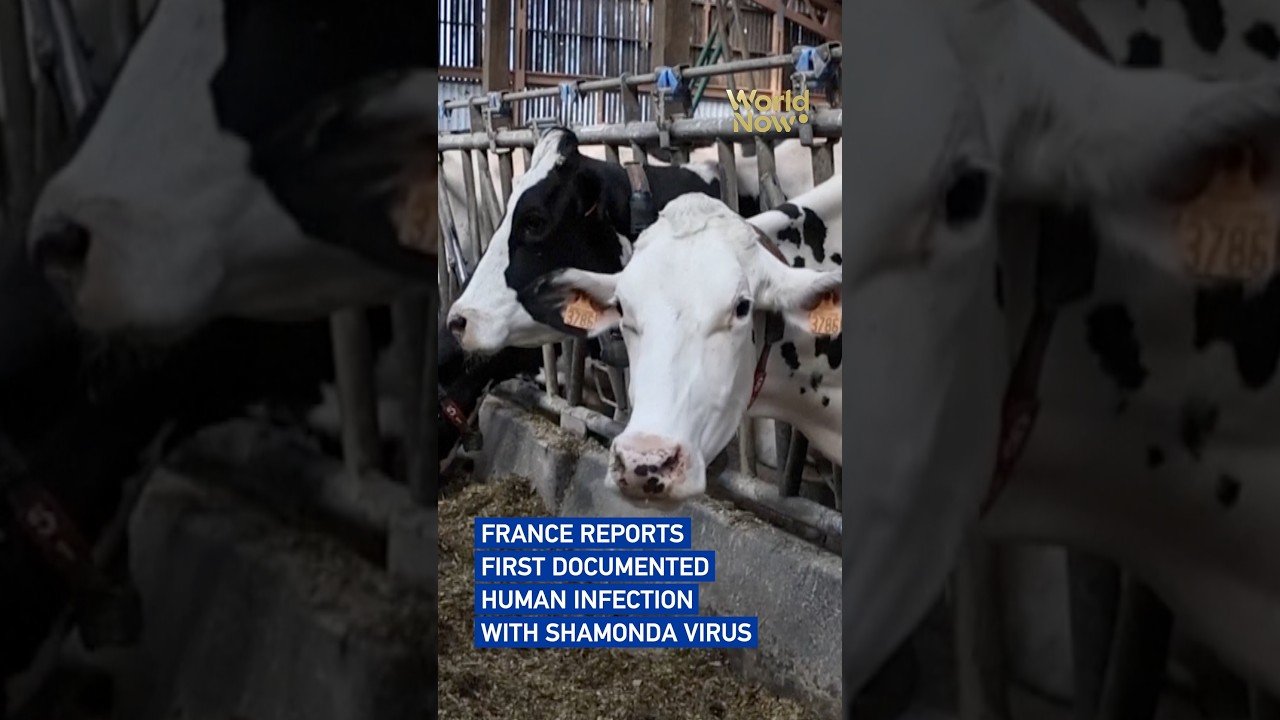
France has reported the world’s first documented human infection with Shamonda virus, a pathogen previously associated with animals, after a severely immunocompromised patient treated in Lyon died in early October. Investigators are still determining how the patient became infected and whether the virus caused or contributed to the death.
The case, publicly announced on October 22, comes after the virus was detected in European livestock for the first time this year. French public-health authorities say no human-to-human transmission or health risk to the general population has been identified on the evidence available so far.
The discovery establishes that Shamonda virus can infect a person, but significant questions remain about the circumstances of this exceptional case and its implications for human health.
What happened in Lyon?
French health authorities were notified of the infection on October 7, according to Santé publique France, the country’s national public-health agency. The patient had a severely weakened immune system and was receiving care for a serious neurological condition at the Hospices Civils de Lyon. Investigators detected the virus in several biological samples, confirming the infection.
The World Health Organization said the patient was already seriously ill and developed additional brain-related symptoms considered to be linked to Shamonda virus. French authorities similarly reported that the cerebral complications observed before the patient’s death were very likely associated with the infection.
However, that does not establish the virus as the confirmed cause of death. The European Centre for Disease Prevention and Control, or ECDC, said investigations into whether it caused or contributed to the death remain ongoing.
An insect bite is the leading explanation
Investigators’ leading hypothesis is that the patient became infected through the bite of an infected Culicoides midge, a small biting insect. French authorities have identified eastern France, where the virus had been circulating among animals, as the suspected area of exposure.
That route has not been conclusively established. Santé publique France said investigators are examining the patient’s environment, recent travel and possible exposure to animals or insect vectors while continuing to explore other potential sources of infection.
Shamonda virus spreads among animals through biting midges, but researchers still need to establish which precise insect species are involved in transmission. The ECDC said the specific midge species implicated in the French case is unknown.
A livestock virus newly detected in Europe
Shamonda virus was first isolated from cattle in Nigeria in 1965 and was subsequently reported in animals elsewhere in Africa and in Japan. It belongs to the genus Orthobunyavirus, within the family Peribunyaviridae, and is closely related to Schmallenberg virus.
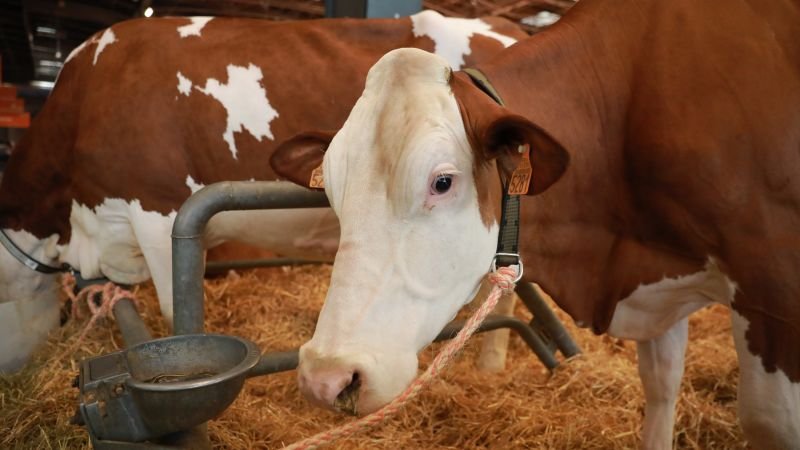
In livestock, infection can cause transient fever, diarrhea and reduced milk production. It can also cause reproductive complications, including abortions and congenital malformations. The virus has been detected in the central nervous system of horses with neurological disorders, as well as in alpacas.
European animal cases emerged this year. According to the ECDC, clinical signs were reported from June and the virus was identified in late July. By its October 22 update, the agency reported detections in farm animals across 12 European countries, including France, Germany, Spain and Switzerland, as well as Jersey.
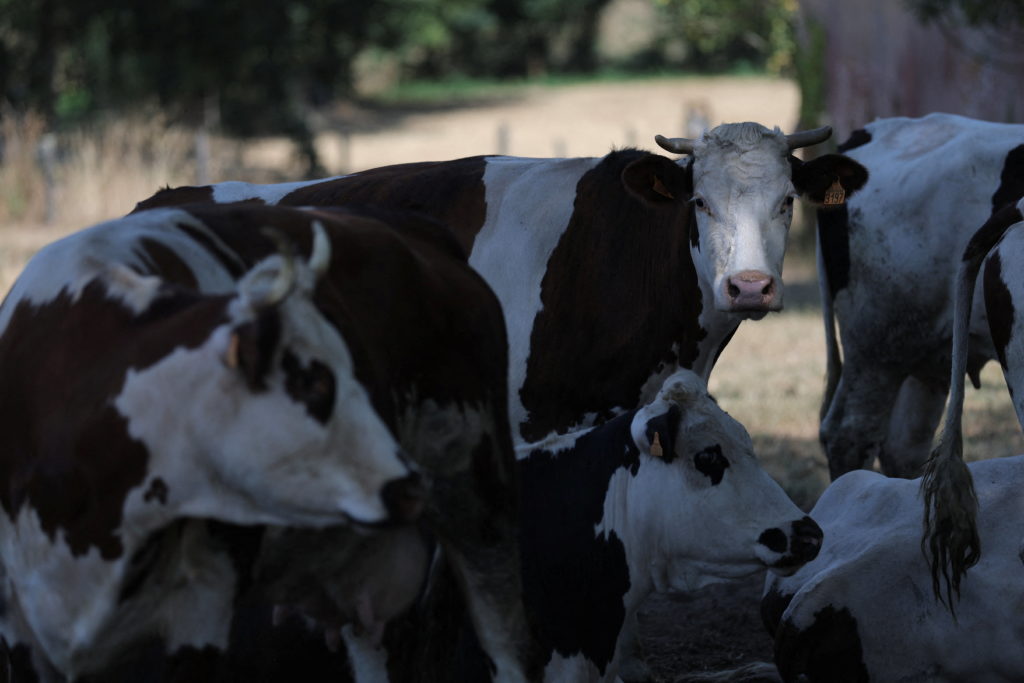
In France, the spread has been geographically extensive. As of October 20, the virus had been detected in cattle in 52 departments, in sheep in Oise and Aveyron, and in a horse in Hérault, according to Santé publique France. The agency described a newly circulating strain called Shamonda-Europe that had spread rapidly across Europe during the summer.
Those animal detections provide important context for the human investigation, but they are distinct from evidence of transmission between people, which authorities have not identified.
What does the case mean for public health?
French authorities describe the infection as exceptional because of the patient’s profound immunosuppression. Their assessment remains that no health risk to the general population has been identified based on current knowledge.
The crucial qualification is uncertainty: only one human case has been reported, leaving information about illness in people extremely limited. WHO has not established a general human symptom profile, and the available evidence does not justify predicting that otherwise healthy people would necessarily experience mild illness or no symptoms if infected.
WHO also says there are currently no treatments or vaccines for Shamonda virus. The patient’s neurological symptoms are an important finding, but one case cannot establish the full range or likely severity of disease in other people.
What investigators are doing next
French researchers are sequencing the virus’s complete genome and comparing it with strains circulating in animals to better understand the origin of the infection. They are also conducting epidemiological and immunological investigations into the patient’s exposure and susceptibility.
The work extends beyond the hospital. Veterinary and environmental teams are monitoring viral genomes in ruminants, investigating neurological illness in horses and analysing collections of midges gathered during the season. France’s National Reference Center for Arboviruses is also improving laboratory methods for detecting the virus in humans.
The ECDC is coordinating with French authorities, European partners and the relevant EU reference laboratory to strengthen testing capacity and help identify any additional cases. It noted that cooling temperatures were reducing the activity of most biting midge species in Europe, although seasonal patterns vary by species, location and weather.
The investigation follows a “One Health” approach, combining human, animal and environmental expertise. Its immediate aims are to establish how this patient acquired the infection, clarify the virus’s role in the illness and determine whether the current public-health assessment needs to change