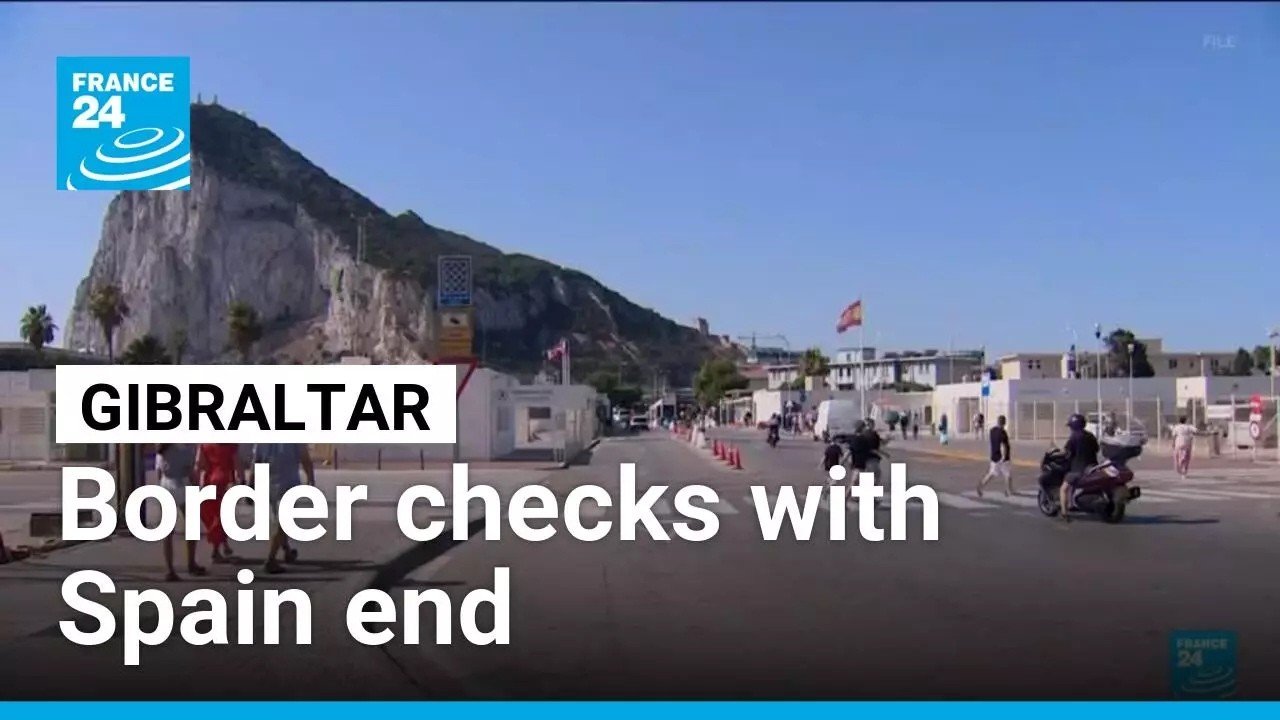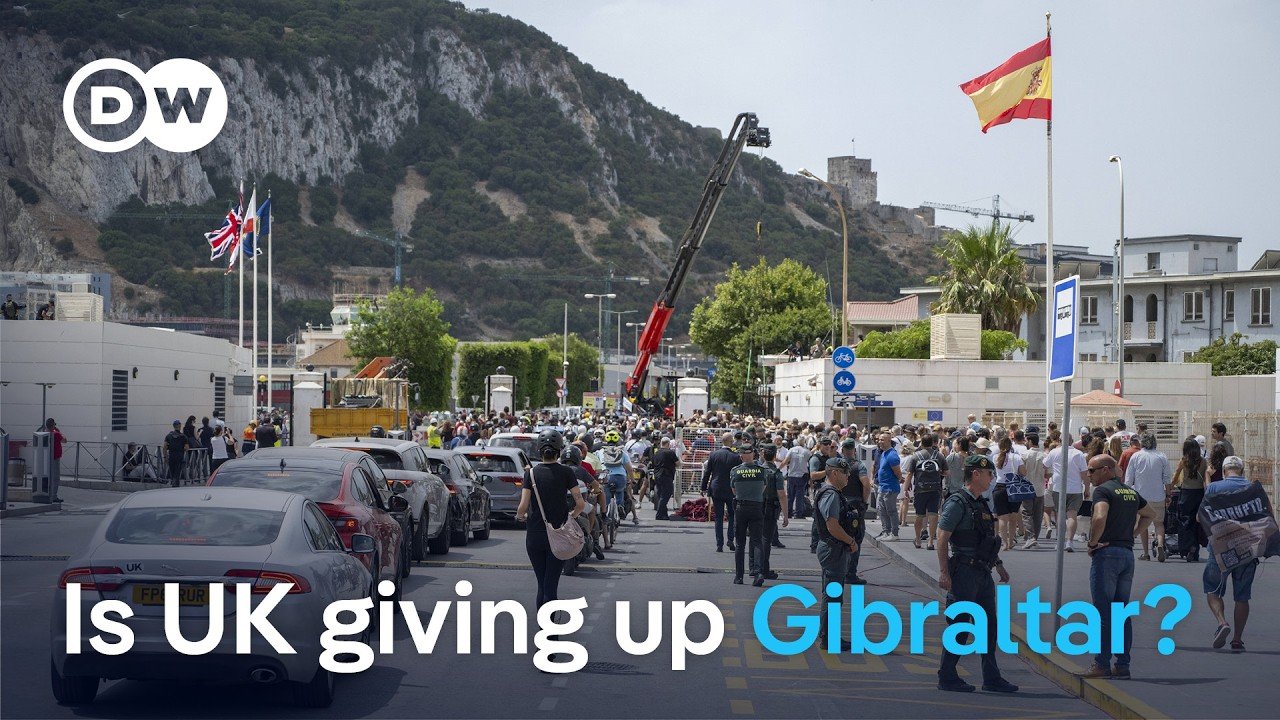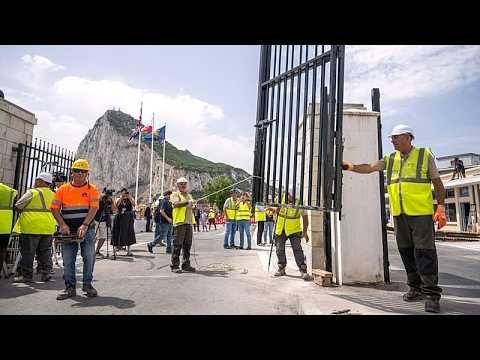


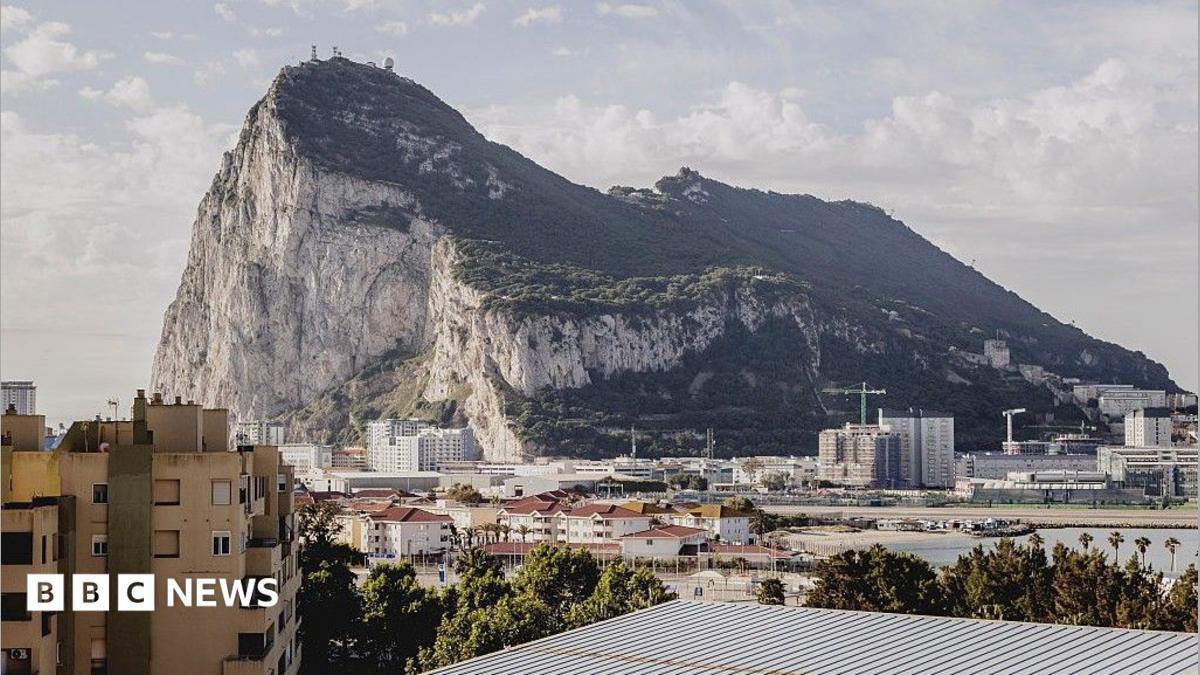

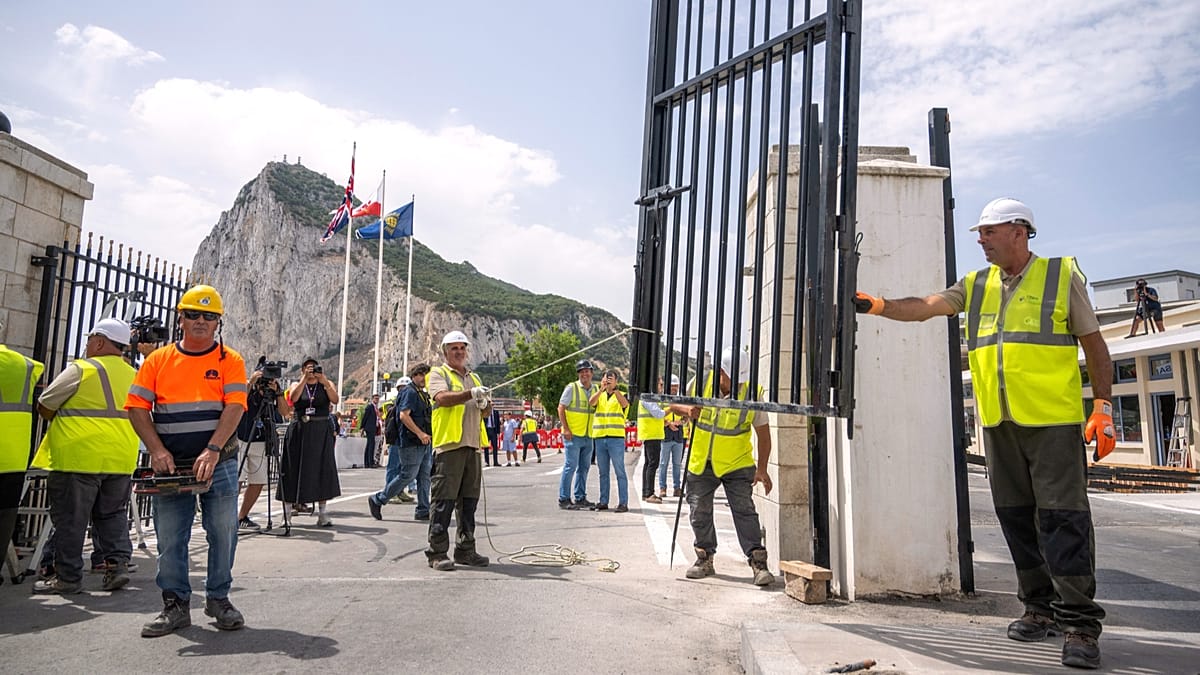


Spain and Gibraltar officially ended routine land border checks on 15 July 2026, dismantling the physical frontier fence that has separated the British Overseas Territory from mainland Europe for 118 years.
The breakthrough follows a landmark treaty between the European Union, the United Kingdom, and Spain that integrates Gibraltar into the EU’s Schengen free-travel zone while shifting passport and customs controls to the territory’s airport and seaport.
The agreement at a glance
- Schengen integration: Gibraltar has joined the EU’s passport-free travel area, allowing commuters and tourists to walk or drive across the land border without routine passport control.
- Shifted controls: Physical immigration and customs checks now take place entirely at Gibraltar International Airport and commercial seaports, managed jointly by Gibraltarian and Spanish officers acting on behalf of the EU.
- Economic alignment: To enter the EU Customs Union, Gibraltar replaced its import duty system with a new Transaction Tax on goods and committed to align excise duties on tobacco, alcohol, and fuel with Spanish rates by 2029.
The time is here.
— Fabian Picardo (@FabianPicardo) July 14, 2026
The UK EU Treaty on the future relationship between the EU and the UK in relation to Gibraltar has been signed today.
This is a historic treaty. pic.twitter.com/2uAWp1NFPw
Midnight ceremony: “The last wall of continental Europe” falls
Crowds gathered on both sides of the frontier at midnight on 15 July to watch Gibraltar’s Chief Minister Fabian Picardo pull down the fence with a rope, prompting flag-waving celebrations as the first pedestrians and vehicles crossed without stopping.
Spanish Prime Minister Pedro Sánchez hailed the event as the fall of “the last wall of continental Europe”, saying it closed an open historical wound. Picardo triumphantly announced that “Europe is back”, framing the opening as a post-Brexit reconciliation milestone.
Who would have thought a Chief Minister of Gibraltar would ever retweet a Prime Minister of Spain?
— Fabian Picardo (@FabianPicardo) July 15, 2026
With @SDoughtyMP @jmalbares and @MarosSefcovic we have changed the narrative and made the right sort of history @sanchezcastejon
Today is a day to be proud of. https://t.co/5yhzoI3xim
Voices from the ground
- Local commuters and residents: More than 15,000 daily cross-border workers celebrated immediate relief from hours-long rush-hour queues, with many describing the change as “freedom”.
- Political leaders: Sánchez and Picardo both struck celebratory tones, while British critics warned that giving Spain Schengen authority at Gibraltar’s airport and ports could weaken UK sovereignty.
- Business owners: Many welcome the boost to regional trade and tourism, though some remain cautious about the new 15% Transaction Tax and its potential impact on the local housing market.exteriores.
How the new Transaction Tax works
To join the EU Customs Union, Gibraltar replaced its old import duty system with a standardized Transaction Tax (TT) on goods.
- Tax trajectory: The TT launched on 10 April 2026 at a baseline rate of 15%. It is scheduled to rise to 16% in April 2027 and will freeze at 17% in April 2028 to match the lowest EU VAT rate.
- Application and scope: The tax applies strictly to tangible goods imported or manufactured for sale; services remain exempt. Payment occurs at the point of importation, so consumers do not pay a retail tax at cash registers.
- Exemptions and tiered rates: Essential items like food, water, pharmaceuticals, medical equipment, books, and solar panels are zero-rated. Children’s clothing, art, and agricultural goods are discounted to 5%.
- Sin taxes: Tobacco, alcohol, and fuel do not follow the standard TT. Instead, Gibraltar is phasing in heavy EU-minimum excise duties designed to align with Spain’s domestic rates by 2029.exteriores.
Airport and port controls: the new frontier
With the land border fence gone, the external boundary of Europe’s Schengen zone has officially shifted to Gibraltar International Airport and its commercial seaports.
- Layered checkpoint system: Arriving passengers pass through coordinated two-tiered screening—first by local Gibraltarian border agents, then by Spanish border guards operating in a designated second-line European zone.
- Enforcement powers: Spanish guards have full legal authority to use automated facial recognition, scan European biometric databases, and conduct interviews, searches, or arrests if justified during a border check.
- Rules for British travelers: Passengers arriving from the UK must submit to full biometric processing via the EU’s Entry/Exit System (EES), replacing ink passport stamps with digital fingerprinting. Any time spent physically inside Gibraltar now counts toward a UK citizen’s 90-day Schengen tourist limit.
- Exemptions for locals: Official residents holding a valid Gibraltar identity card or local civilian registration card are exempt from EES tracking and can pass seamlessly into Spain via the airport.
What it means for Nousworthy readers
For global news watchers and media monitors, the Gibraltar opening is a live test case for post-Brexit EU–UK treaty implementation, hybrid border governance, and Schengen expansion at a sensitive geopolitical chokepoint. Expect continued scrutiny from London, Madrid, and Brussels as the provisional application runs through the European Parliament’s consent process later this year.