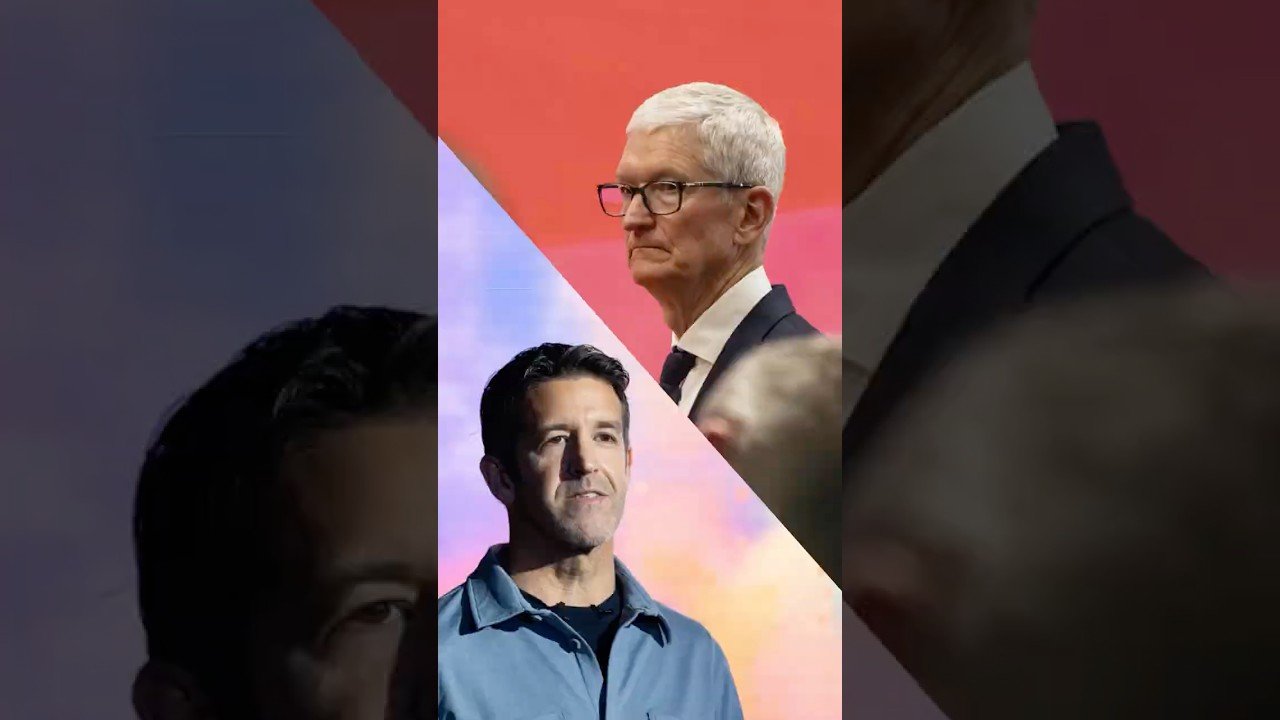
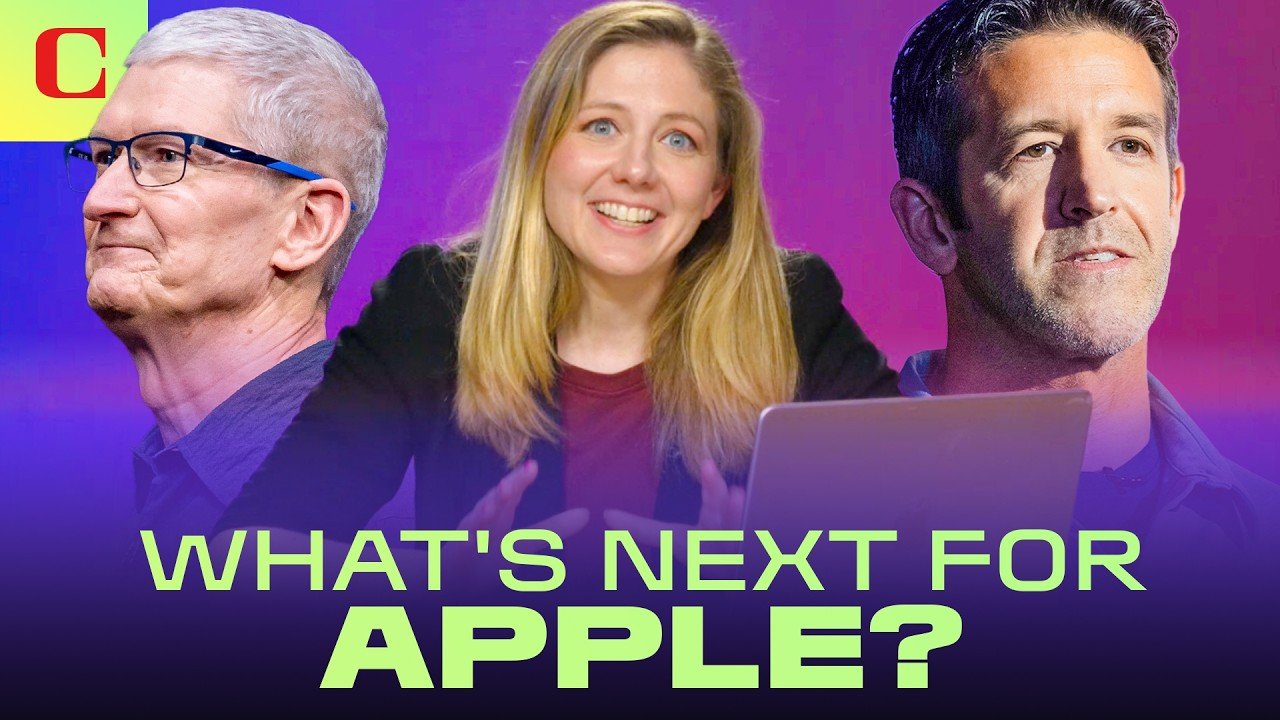
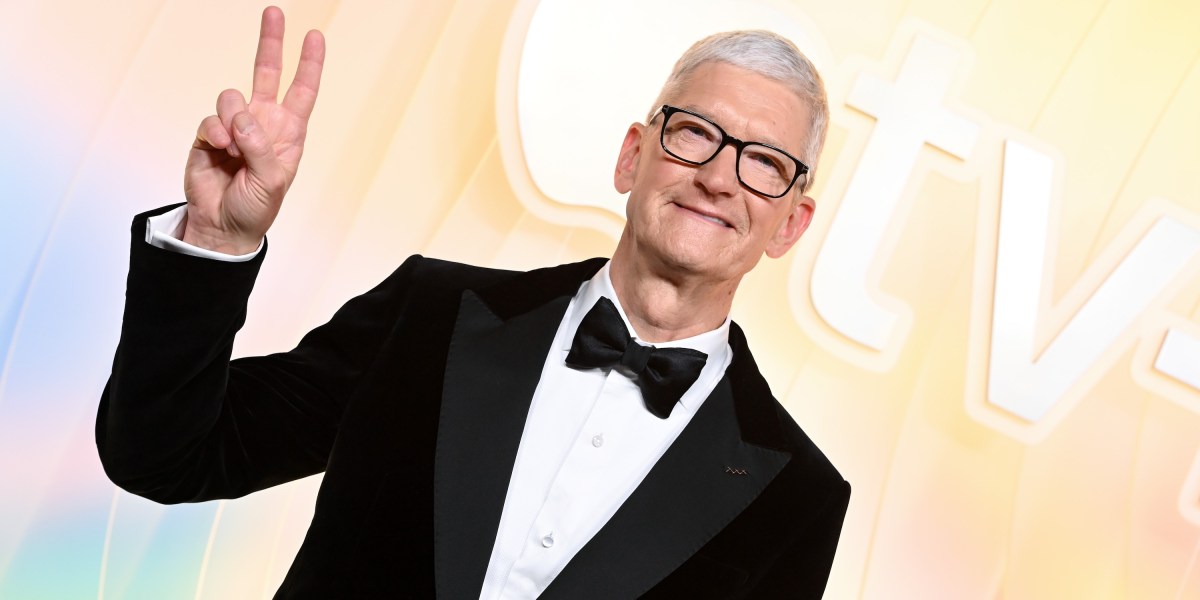
Apple announced on April 20, 2026, that Chief Executive Officer Tim Cook will step down from his role effective September 1, marking the end of a transformative 15-year tenure that reshaped the company into the world’s most valuable firm.
Cook will transition to Executive Chairman of Apple’s board, where he is expected to focus on external affairs, including government relations and global policy engagement. He will remain CEO through the summer to oversee a structured leadership handover.
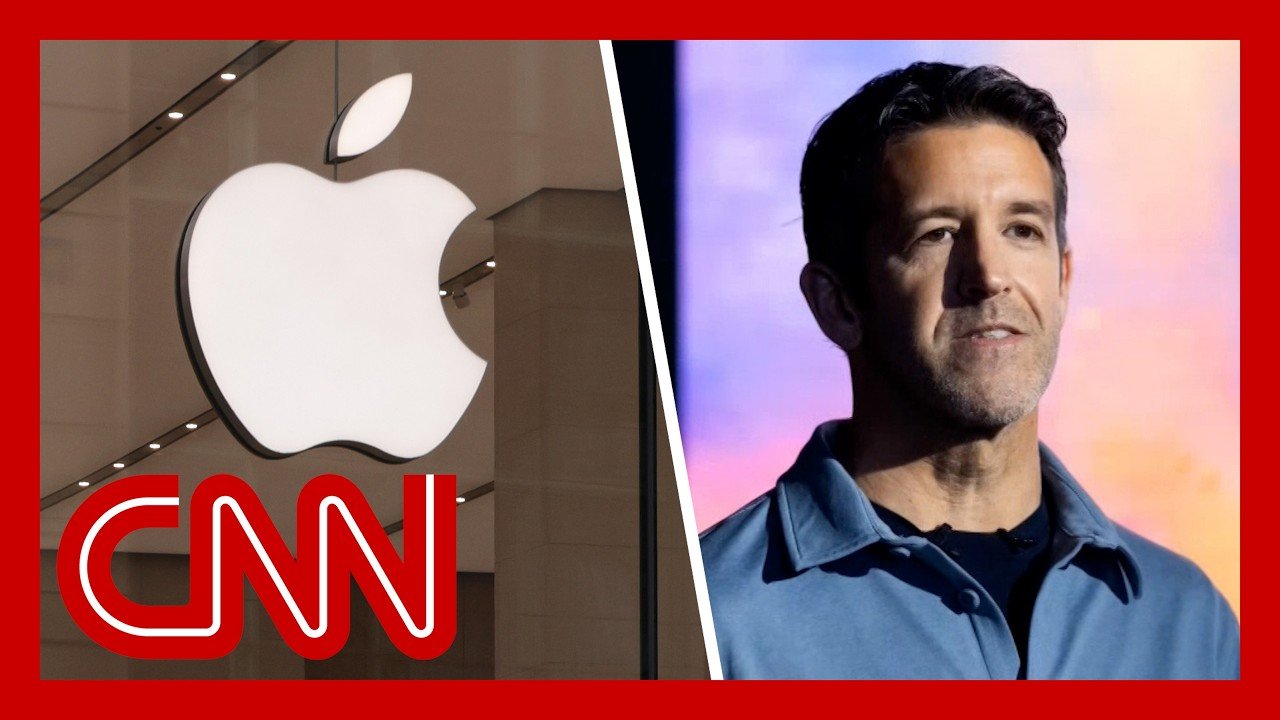
John Ternus, Apple’s Senior Vice President of Hardware Engineering, will succeed Cook as CEO. Meanwhile, Johny Srouji, currently Senior Vice President of Hardware Technologies, has been elevated to Chief Hardware Officer, consolidating Apple’s silicon and hardware roadmap under a single leadership structure.
A transformational era ends
The leadership transition comes at a pivotal moment for Apple, as the company faces mounting pressure to define its position in the rapidly evolving artificial intelligence landscape while managing increasingly complex geopolitical risks tied to its global supply chain.
Cook’s departure signals both continuity and recalibration: a steady internal successor in Ternus, paired with structural changes that elevate hardware and chip integration as strategic priorities.
When Cook took over from co-founder Steve Jobs in 2011, Apple’s market capitalization stood at roughly $350 billion. Under his leadership, Apple expanded its ecosystem, scaled its services business, and introduced new product categories including Apple Watch and AirPods.
By 2026, Apple’s market value has reached approximately $4 trillion, cementing its position as a cornerstone of global equity markets.
Cook’s tenure was defined less by disruptive product launches than by operational mastery, supply chain optimization, and ecosystem expansion. He also deepened Apple’s presence in China, both as a manufacturing base and a critical consumer market, ties that now present both opportunity and vulnerability.
Who Is John Ternus?
Ternus, a longtime Apple executive, has led hardware engineering across flagship products including the iPhone, iPad, and Mac. Known internally for execution discipline and product-focused leadership, he represents a continuation of Apple’s engineering-driven culture.
His appointment suggests Apple is doubling down on hardware innovation as a core differentiator, particularly as competitors integrate AI more deeply into devices and platforms.
At the same time, Srouji’s promotion reflects the growing importance of Apple’s custom silicon strategy, which underpins everything from iPhones to Macs and increasingly, AI capabilities.
Why now?
The timing of the transition is notable.
Apple is under intensifying scrutiny to articulate a clearer artificial intelligence strategy, as rivals such as Microsoft, Google, and emerging AI-native firms push aggressively into generative AI and platform integration.
While Apple has taken a more measured, privacy-focused approach to AI, investors and analysts have raised concerns about whether the company risks falling behind in the next major computing paradigm.
At the same time, geopolitical tensions—particularly between the United States and China, are complicating Apple’s supply chain and market access. Cook’s shift to Executive Chairman, with a focus on external engagement, suggests Apple sees policy navigation as a top-tier strategic priority.
What were the reactions?
Though Tim Cook’s exit is historic, markets treated it as a managed transition, not a disruption—leaving the bigger question whether Apple’s next CEO can accelerate its AI and geopolitical playbook.
Apple shares traded down less than 1% after the April 20 announcement and quickly recovered to roughly flat levels around the mid‑$270s per share. Several outlets describe this as a “surprisingly muted” reaction, especially compared with earlier, more volatile leadership‑related swings in Apple’s history.
Some strategists pointed out that Cook’s farewell was “sooner than expected,” but still framed the orderly handover as a net positive for governance. Others stressed that the real test for Ternus will come in how decisively Apple moves on AI, regulatory headwinds, and China‑linked supply‑chain and market risks, as reported by SCMP.
What comes next
Ternus will inherit a company that is financially dominant but strategically at an inflection point.
The leadership reshuffle indicates Apple is preparing for a new phase — one where hardware, silicon, and AI integration will define its competitive edge.
For Tim Cook, the move to Executive Chairman allows him to remain influential while stepping back from day-to-day operations. For Apple, it marks the beginning of its first post-Cook era, one that will test whether its next generation of leadership can match the scale of its ambitions.