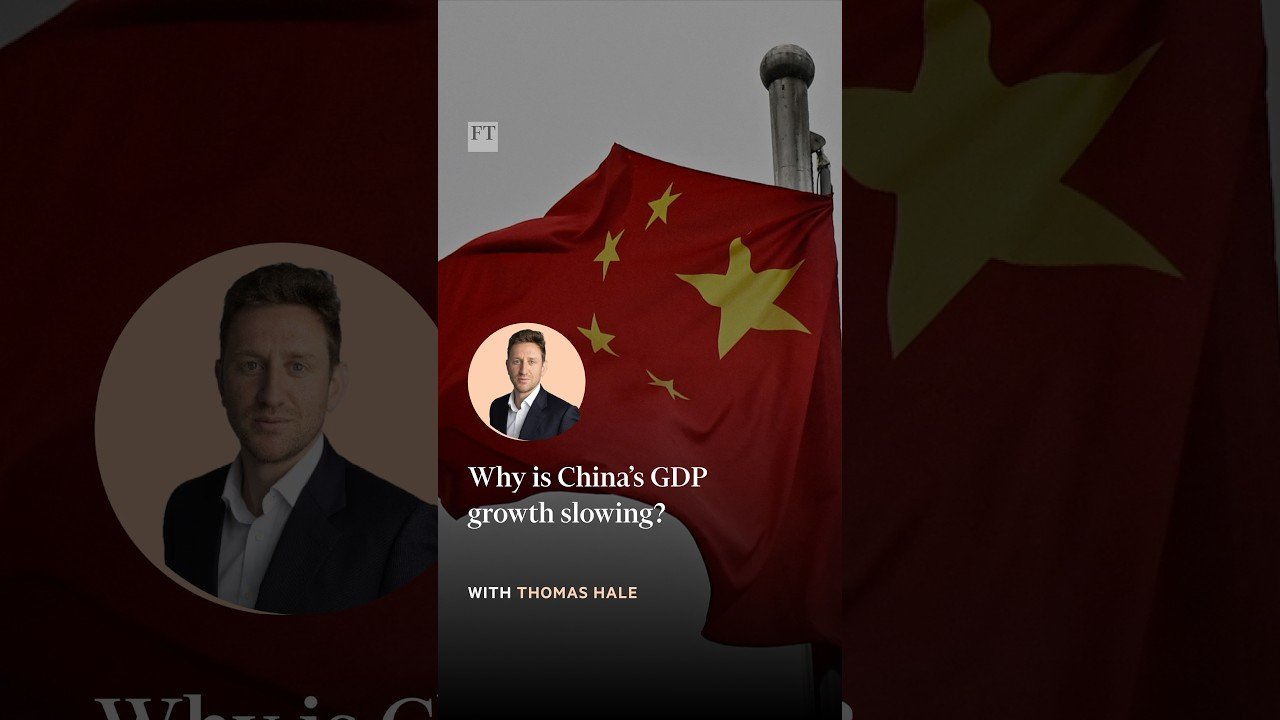






China’s economy grew 4.3% year-on-year in the second quarter of 2026, its slowest pace since late 2022, according to data released by the National Bureau of Statistics (NBS). The figure missed market expectations of around 4.5% and marked a notable deceleration from the 5.0% expansion recorded in the first quarter.
The latest reading places growth near the lower bound of Beijing’s full-year target range of 4.5% to 5.0%, raising pressure on policymakers to introduce further stimulus in the second half of the year.
Industrial output holds up, led by high-tech manufacturing
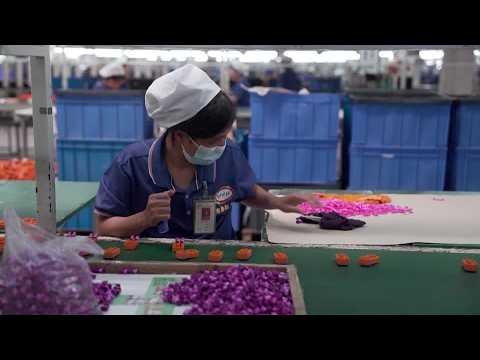
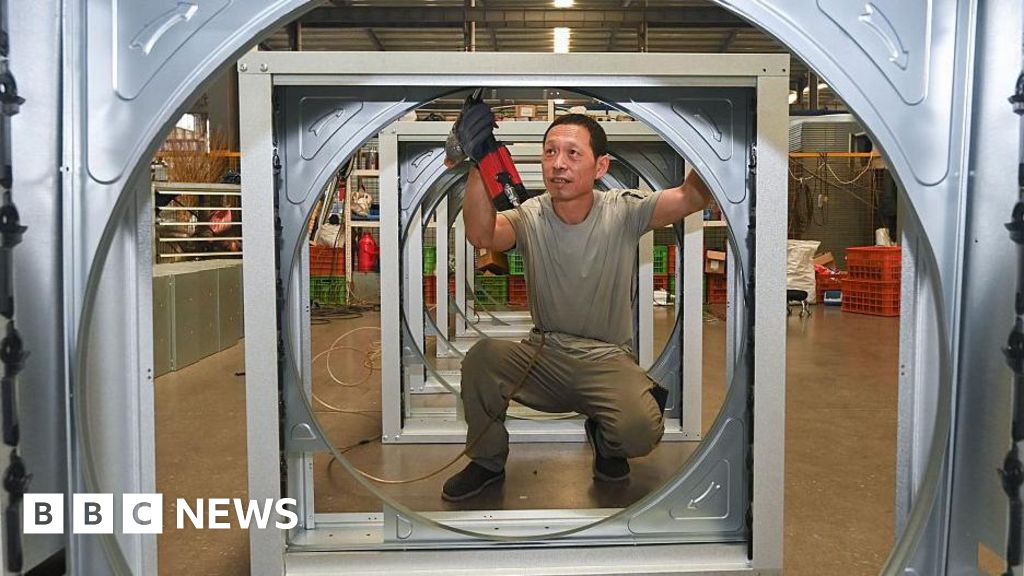
Despite broader economic weakness, industrial production remained relatively resilient. Output rose 5.3% in June, supported by continued state-backed investment in advanced manufacturing sectors such as semiconductors, artificial intelligence, electric vehicles, and robotics.
Exports of high-tech goods have also provided a buffer, as Chinese manufacturers benefit from global demand for electronics and clean energy components. However, analysts note that this strength remains uneven and heavily policy-driven, rather than reflective of broad-based economic momentum.
Investment slumps as local governments pull back
Fixed-asset investment contracted by 5.7% year-on-year in the first half of 2026, highlighting a sharp reversal from previous years when infrastructure spending was a key growth engine.
The decline is largely attributed to fiscal strain at the local government level. Many municipalities are grappling with high debt burdens and reduced land-sale revenues, limiting their ability to finance new infrastructure projects. Private sector investment has also remained subdued amid weak business confidence and regulatory uncertainty.
Property sector continues to deteriorate
China’s prolonged real estate downturn remains one of the most significant drags on the economy. Real estate investment fell by approximately 18% in the first half of the year, extending a multi-year contraction in the sector.
The property slump has had cascading effects across the economy, including:
- Reduced construction activity and job losses in related industries
- Declining household wealth due to falling home prices
- Weak land sales, further straining local government finances
Efforts by authorities to stabilize the housing market—such as easing mortgage restrictions and supporting developer financing—have so far had limited impact on restoring buyer confidence.
Consumption remains weak amid job market concerns
Household consumption continues to lag, with retail sales rising just 1% in June. The sluggish growth reflects a combination of factors, including:
- Wage stagnation and limited income growth
- Elevated youth unemployment, which remains a structural concern
- Precautionary saving behavior amid economic uncertainty
While services consumption has shown some recovery since the pandemic era, it has not been sufficient to offset weakness in goods spending.
Policy outlook: pressure mounts for stimulus
The weaker-than-expected Q2 data increases the likelihood of further policy support in the coming months. Economists expect a combination of targeted fiscal measures, monetary easing, and sector-specific interventions.
Potential policy actions include:
- Additional infrastructure funding through special government bonds
- Interest rate cuts or liquidity injections by the People’s Bank of China
- Expanded support for the property sector and local government financing vehicles
However, policymakers face a delicate balancing act between supporting growth and avoiding a buildup of financial risks, particularly in the debt-laden property and local government sectors.
Broader context
China’s slowdown comes amid a complex external environment, including uneven global demand, ongoing trade frictions, and supply chain realignments. While exports have provided some support, they are unlikely to fully offset domestic weaknesses.
Taken together, the latest data underscores the structural challenges facing the world’s second-largest economy as it attempts to transition from investment-led growth toward a more consumption-driven model.