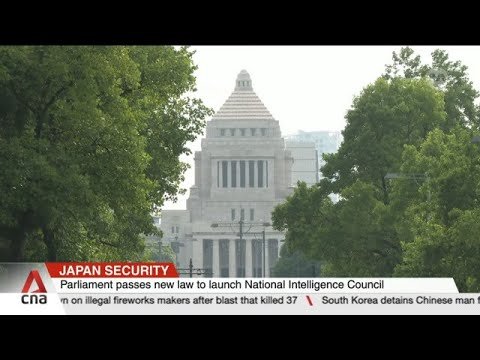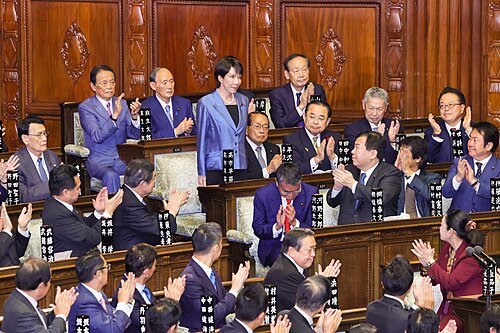



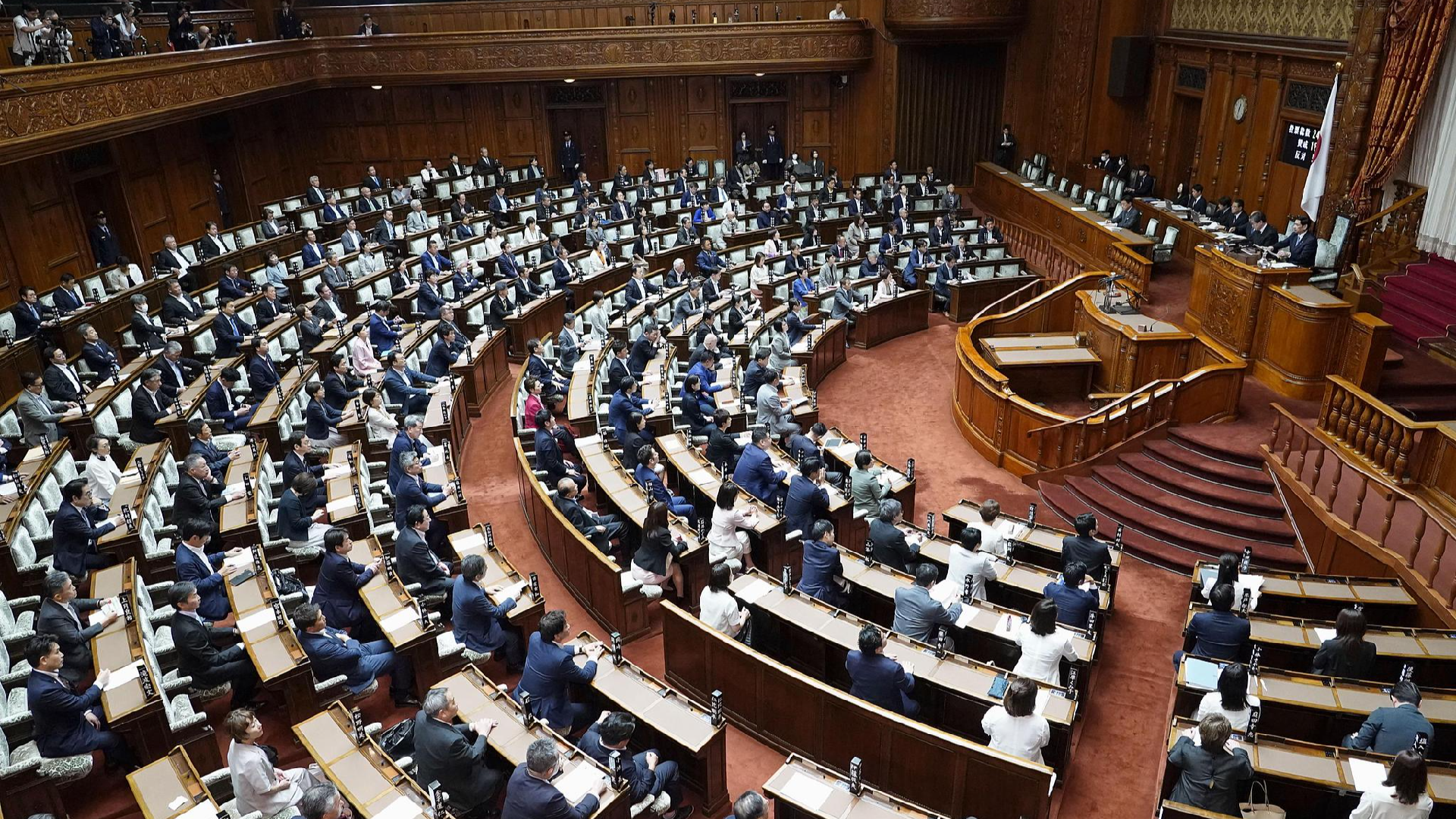


Japan has formally established a new National Intelligence Bureau, a sweeping overhaul that gives the country its first centralized intelligence agency since World War II and places a renewed focus on security, cyber defense and foreign threats.
The move marks a major shift in how Tokyo gathers and shares classified information across government.
The bureau is overseen by a newly created National Intelligence Council chaired by Prime Minister Sanae Takaichi, and it replaces the long-standing Cabinet Intelligence and Research Office. Officials say the new structure is designed to improve coordination among ministries and strengthen Japan’s ability to respond to espionage, cyberattacks and disinformation campaigns.
Security concerns
Japan’s intelligence reform comes amid rising concern over regional security pressures from China, Russia and North Korea. Reports say the bureau was shaped with advice from intelligence experts in the United States, Australia and Germany, reflecting Tokyo’s effort to align more closely with Western intelligence practices.
Staffing and reach
The agency is expected to employ about 700 people, with recruitment exams planned for next year. The government has also signaled that this is only the first step in a broader security overhaul that could eventually include tougher anti-spy laws and a dedicated external intelligence service.
International reactions
China has been the loudest critic so far, with its Foreign Ministry calling Japan’s new National Intelligence Bureau another negative move in Tokyo’s security policy and warning that Japan’s growing “remilitarization” threatens regional peace and stability. Chinese state-linked commentary has also framed the reform as a revival of prewar-style security thinking and urged Japanese leaders to learn lessons from history.
Regional concern
Beyond China, the move has drawn concern from some analysts and opposition figures inside Japan who worry the new bureau and the National Intelligence Council could become too politically powerful or too intrusive on privacy.
Reports also say the broader intelligence overhaul has triggered protests in Tokyo, with critics arguing the reforms may erode civil liberties under the banner of national security.
Wider reforms
One important reported detail is that the bureau is being tied to a broader legislative package, including possible future counterespionage laws and a wider intelligence architecture centered on the prime minister’s office. That suggests the new bureau is not just an administrative upgrade, but part of a larger push to centralize Japan’s security and intelligence functions.
The debate is not just international, but also about whether Japan can build a stronger intelligence system without repeating historical mistakes or weakening privacy protections. Critics warn that the reforms could revive uncomfortable comparisons with Japan’s prewar security apparatus, while supporters say the changes are necessary to close long-standing vulnerabilities.
Western involvement
The United States, Australia and Germany have reportedly been advising Japan as it builds the agency, which suggests at least quiet support from key Western partners for Japan’s stronger counterespionage and intelligence-sharing capacity. That consultation has been presented by supporters as evidence that the bureau is meant to modernize Japan’s defenses rather than simply expand state power.