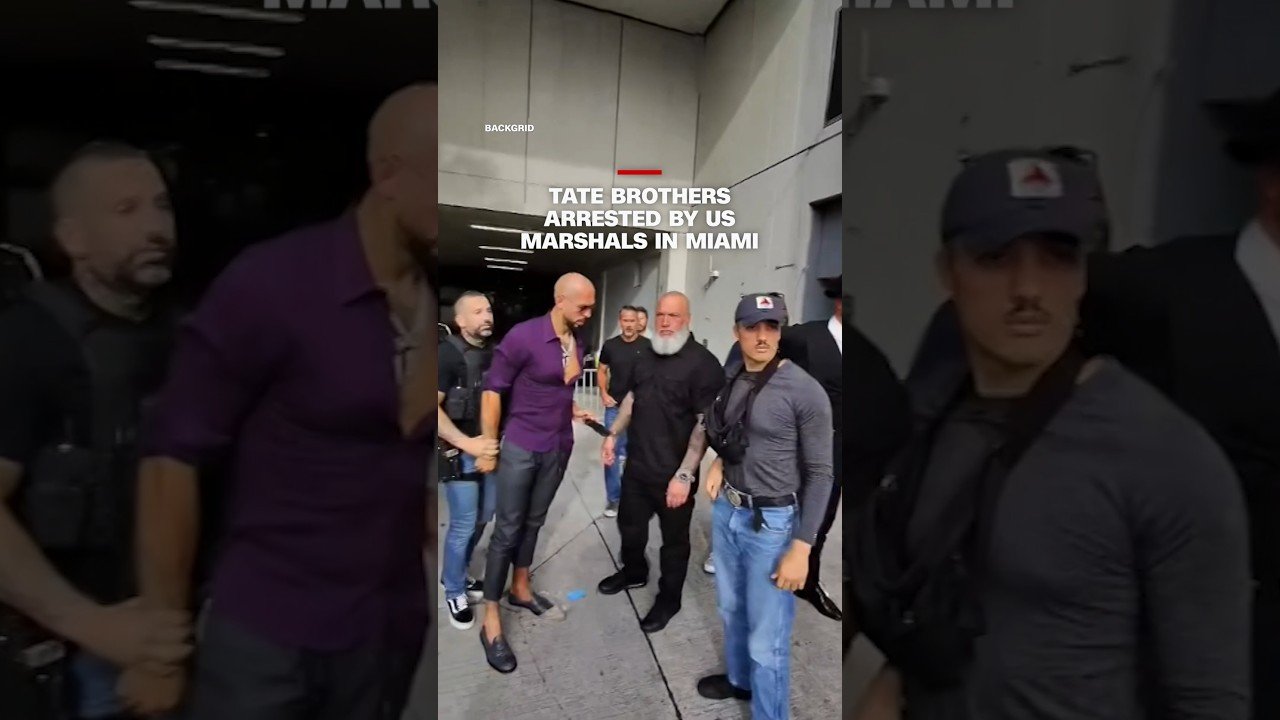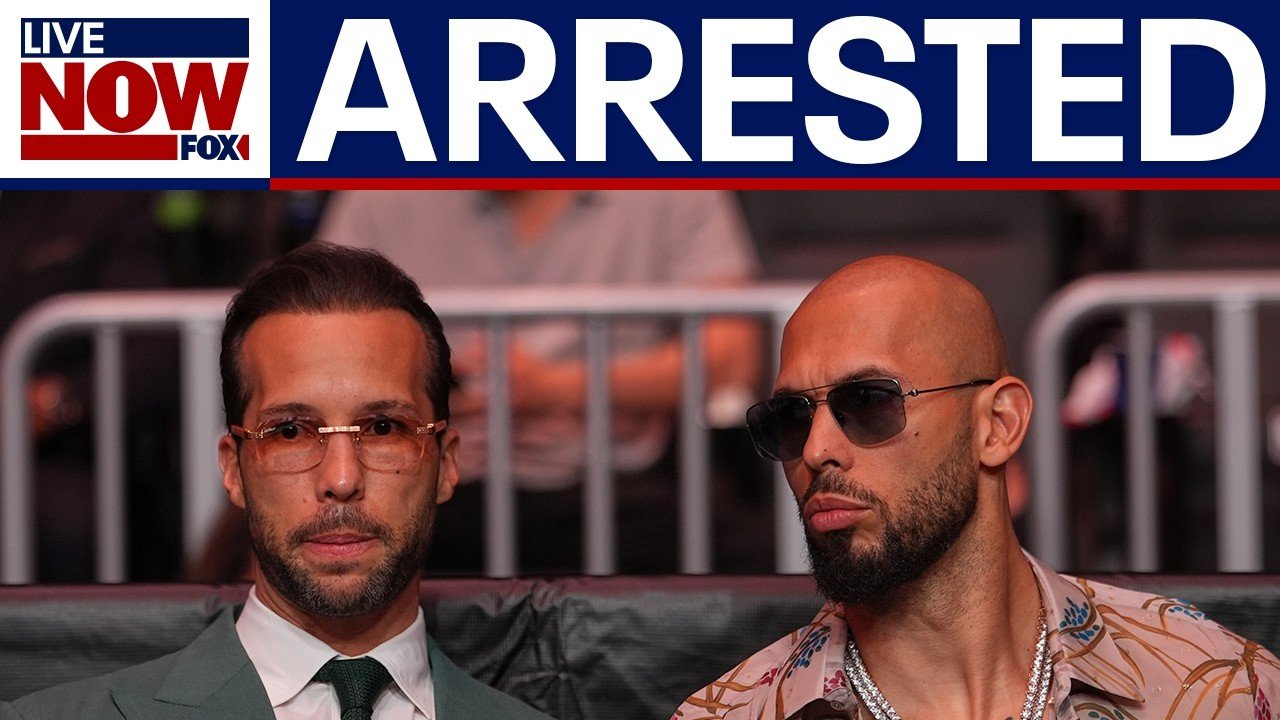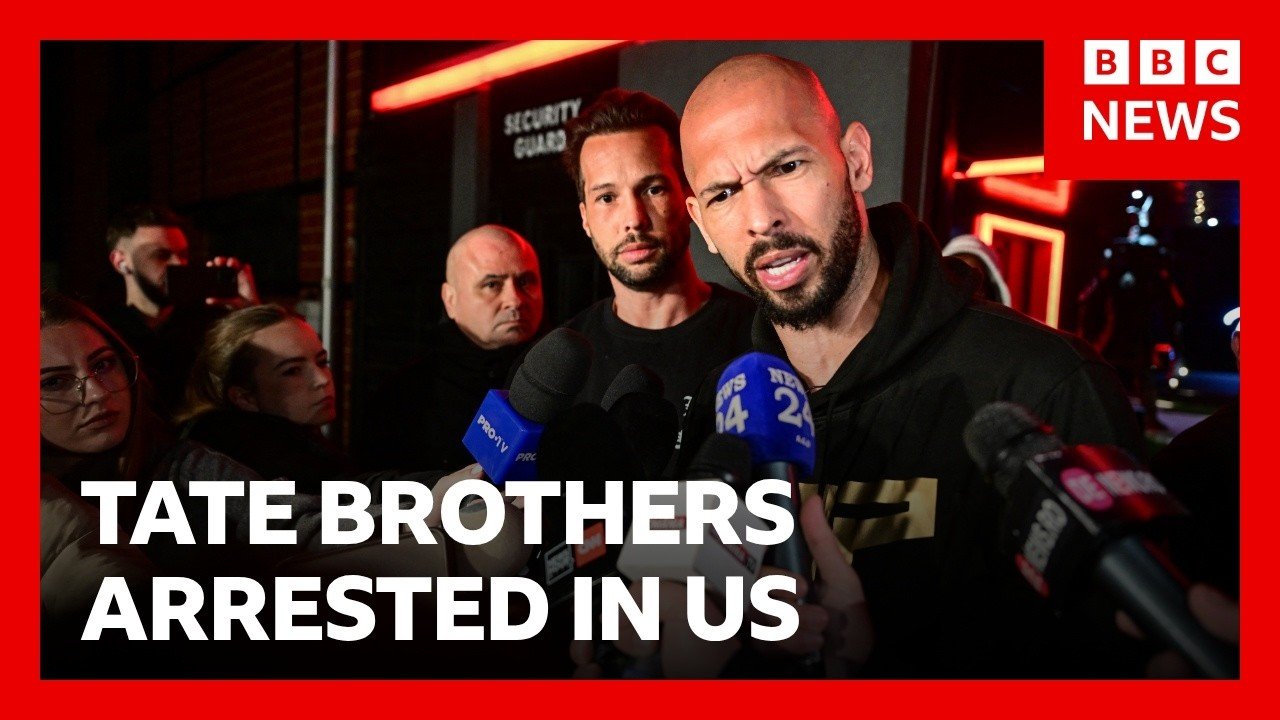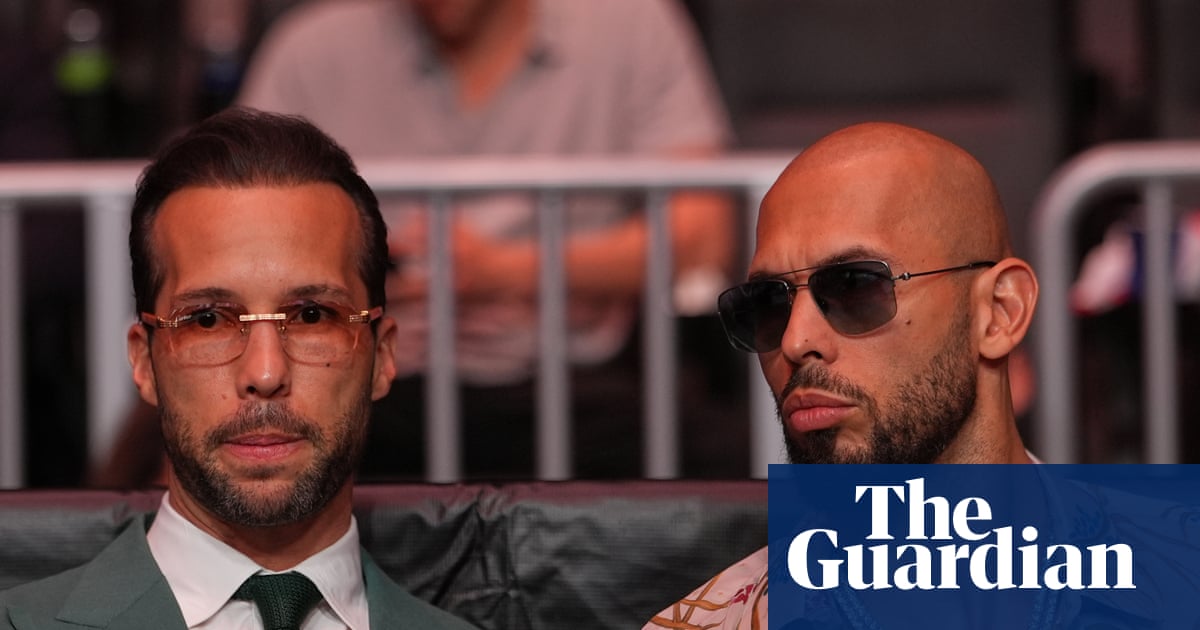


Social media influencers Andrew and Tristan Tate were arrested by US Marshals in Miami on Saturday, 18 July 2026, following an extradition request from the United Kingdom’s Crown Prosecution Service (CPS) over newly filed rape and sex trafficking charges.
The arrest marks a dramatic escalation in a multi‑jurisdictional legal saga that now spans the UK, Romania and the United States, with the brothers facing a combined 59 criminal charges linked to alleged offences between 2010 and 2017.
What happened in Miami
- Arrest details: US Marshals took the brothers into custody in Miami on a sealed warrant executed under US–UK extradition treaties and law‑enforcement agreements.
- Timing and context: The arrest came days after the Tates arrived in Florida from Romania, where they had been under judicial supervision while awaiting trial on separate human trafficking investigations.
- Court appearance: Both men are expected to appear in a Miami federal court early in the week following their arrest, where a magistrate will hear the formal extradition complaint and consider detention arguments.
The new UK Charges: 38 additional counts, 7 alleged victims now
British prosecutors announced 38 new charges tied to four additional alleged victims, bringing the total to seven victims across both brothers.
- Andrew Tate (39): 42 total charges
7 additional counts of rape - 3 counts of arranging or facilitating trafficking for sexual exploitation
- 3 counts of assault occasioning actual bodily harm
- 19 charges relating to indecent images of a child and extreme pornography
- Plus earlier UK charges (including profiting from prostitution) that were filed in 2025
- Tristan Tate (38): 17 total charges
2 counts of rape - 1 count of sexual assault
- 3 counts of arranging or facilitating trafficking for sexual exploitation
- Plus earlier UK charges from the 2025 indictment
The CPS says the alleged offences occurred between July 2010 and August 2017, primarily in an area north of London, and that the new file of evidence was provided by Bedfordshire Police. Malcolm McHaffie, head of the CPS Special Crime Division, stated the decision to prosecute followed receipt of that new evidence.
Extradition process: What comes next in the US
The brothers are dual US–UK citizens, which adds procedural layers but does not block extradition. The US process typically unfolds as follows:
- Initial appearance: A Miami federal magistrate reads the extradition complaint and informs the defendants of their rights.
- Detention hearing: US prosecutors are expected to argue the Tates are high flight risks and seek detention without bond.
- Extradition hearing: A federal judge reviews whether the UK submission establishes probable cause for each charge; the judge does not determine guilt.
- Secretary of State sign‑off: If the judge certifies extraditability, the US Secretary of State makes the final decision to issue a surrender warrant.
Romania previously approved a UK extradition request in March 2024 but ruled it would take effect only after Romanian proceedings conclude, creating a potential jurisdictional clash now that the US is involved.
Romania: Parallel cases still looming
The Tates left Romania in early 2025 after travel restrictions were lifted, but they remain defendants in at least two active criminal investigations in Bucharest:
- 2023 human trafficking indictment: They are charged with human trafficking, rape and forming an organised criminal group to sexually exploit women. The case has been sent back to prosecutors twice by the Bucharest Court of Appeal over alleged irregularities in the indictment, delaying trial.
- 2024 second investigation: A newer probe involves allegations of trafficking of minors, sexual acts with a minor and money laundering.
- Extradition priority: In March 2024, the Bucharest Court of Appeal granted the UK’s extradition request but suspended its effect until Romanian trials conclude, a ruling that complicates the current US extradition track.
Defense response and broader context
The brothers’ US attorney, Joseph McBride, has denied all allegations and called the extradition push a “political hit”, arguing it is intended to disrupt their US defamation litigation. The Tates have consistently denied wrongdoing in both the UK and Romania.
Their arrest intensifies scrutiny of their online empire, which has promoted a hyper‑masculine, wealth‑focused brand to millions of followers and has been repeatedly banned or restricted on major platforms over hate‑speech and policy violations.