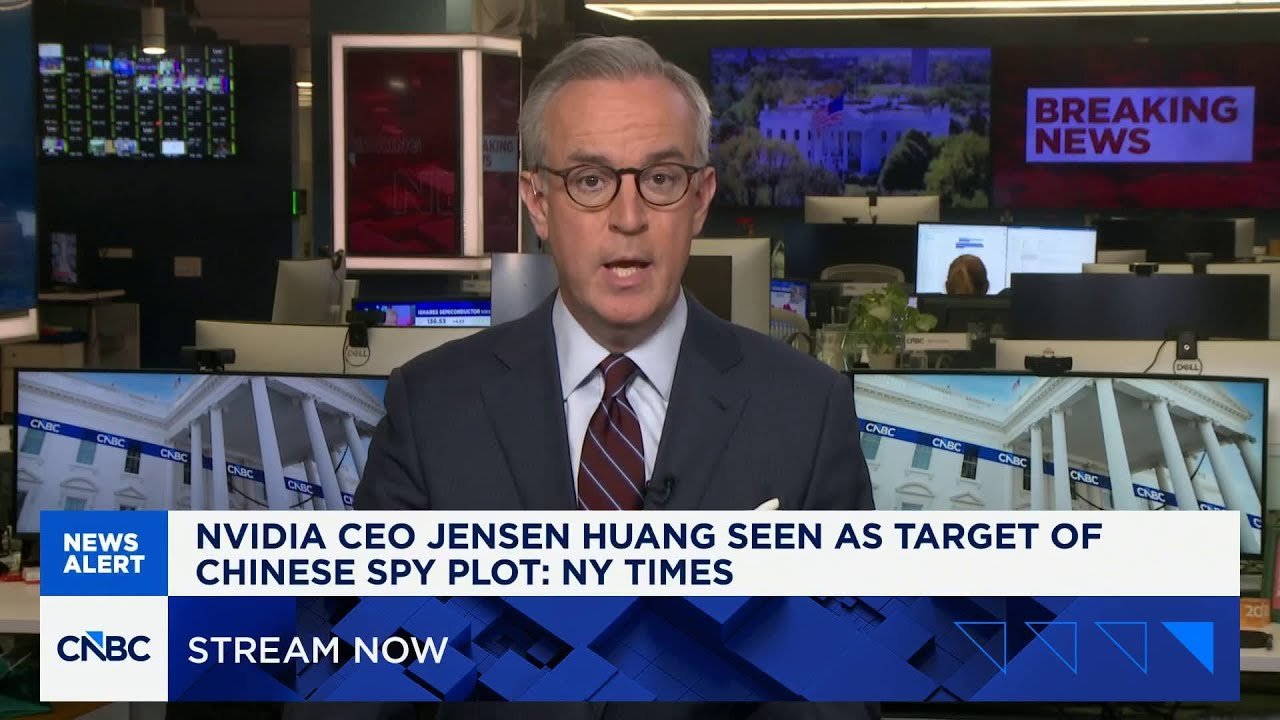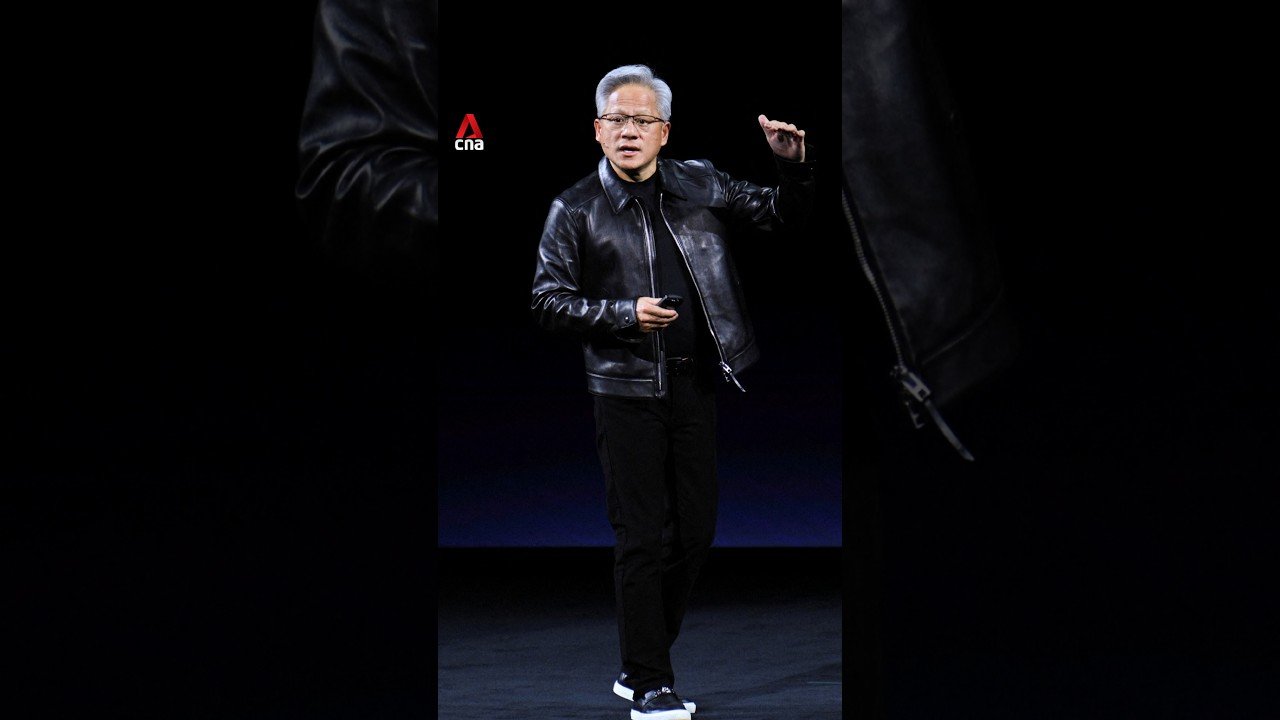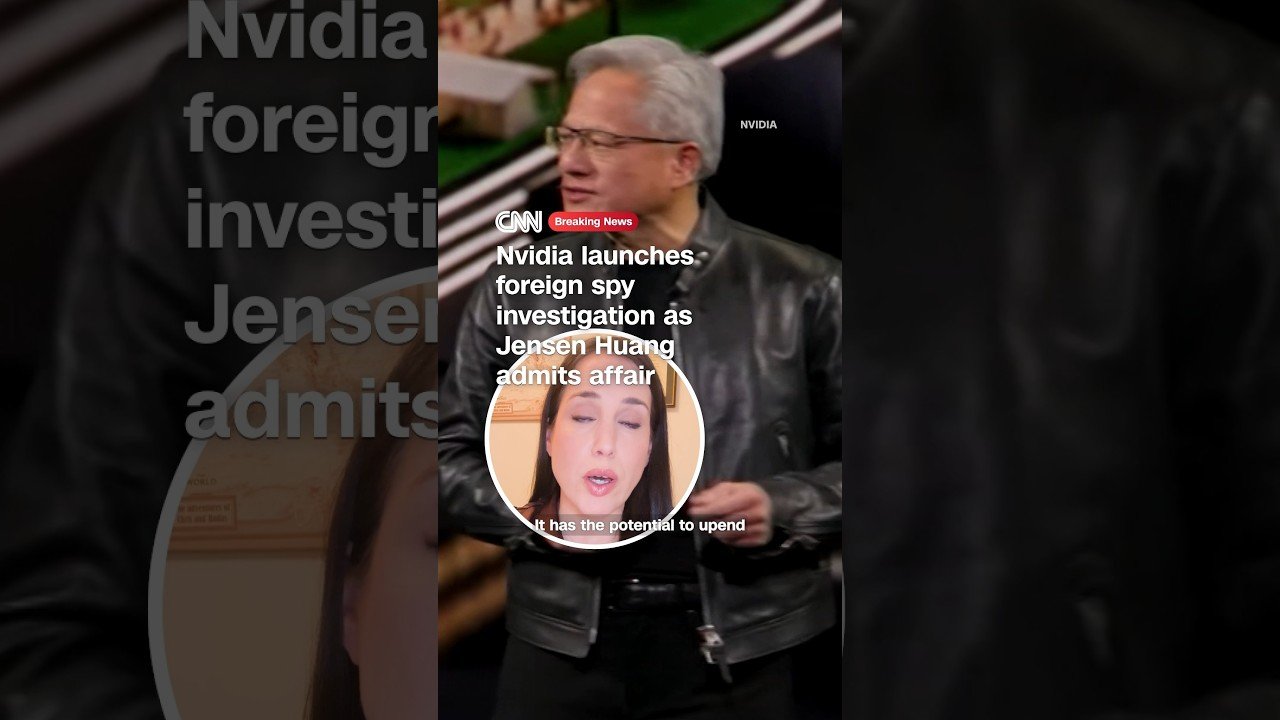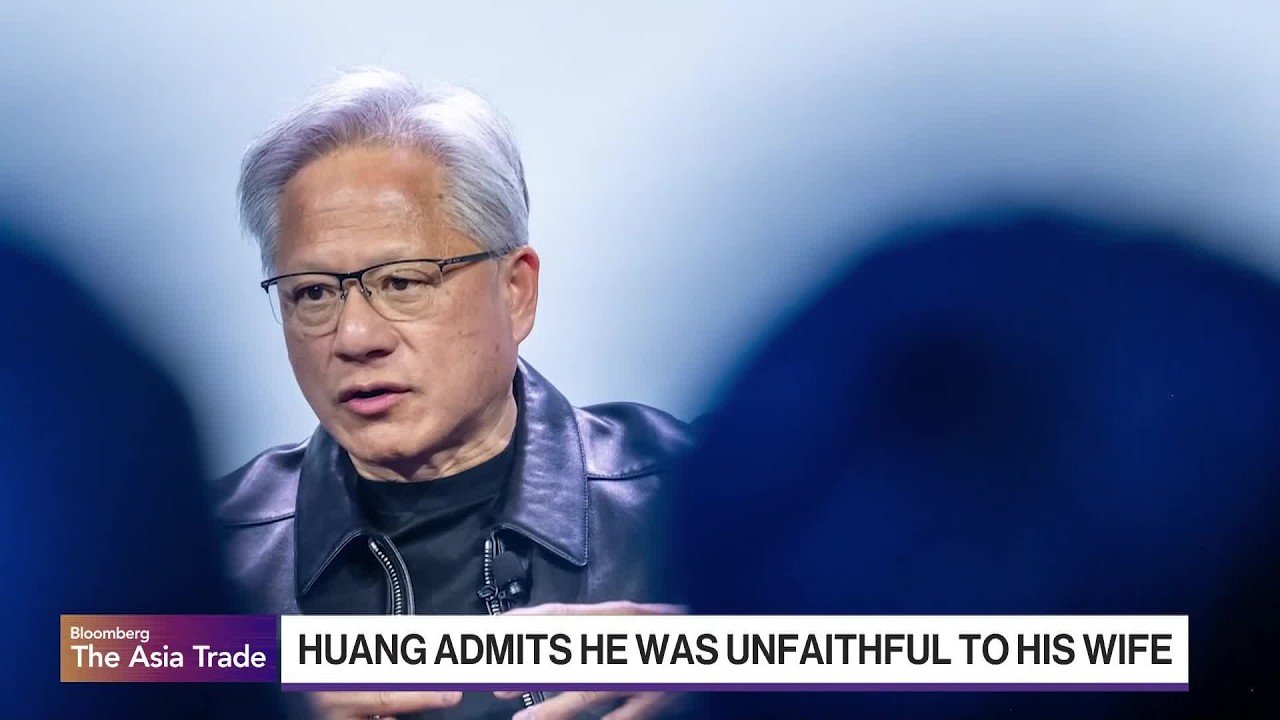




















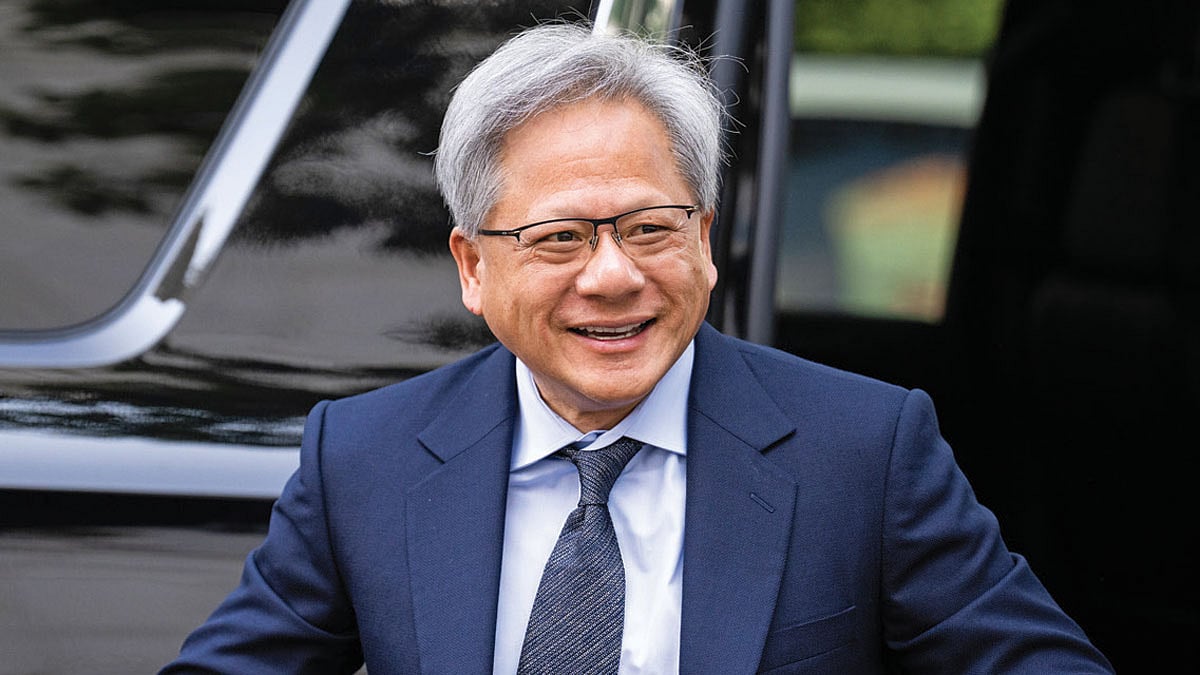

Nvidia’s board has launched an independent investigation after chief executive Jensen Huang acknowledged an extramarital affair amid reports that US intelligence agencies believed the woman involved was gathering information for Beijing. Huang will remain CEO while the inquiry proceeds, the company said.
The investigation, announced Sunday, November 8, will be overseen by a committee of independent directors assisted by outside legal counsel. Nvidia said it currently had “no reason to believe that either national security or Nvidia secrets were compromised,” but pledged to examine all available information.
The case brings together two distinct issues: Huang’s admission of infidelity and allegations of an intelligence operation targeting the leader of one of the world’s most important artificial intelligence companies. The affair has been acknowledged; whether sensitive information was obtained or company security was compromised remains unresolved.
Huang apologises as board begins independent review
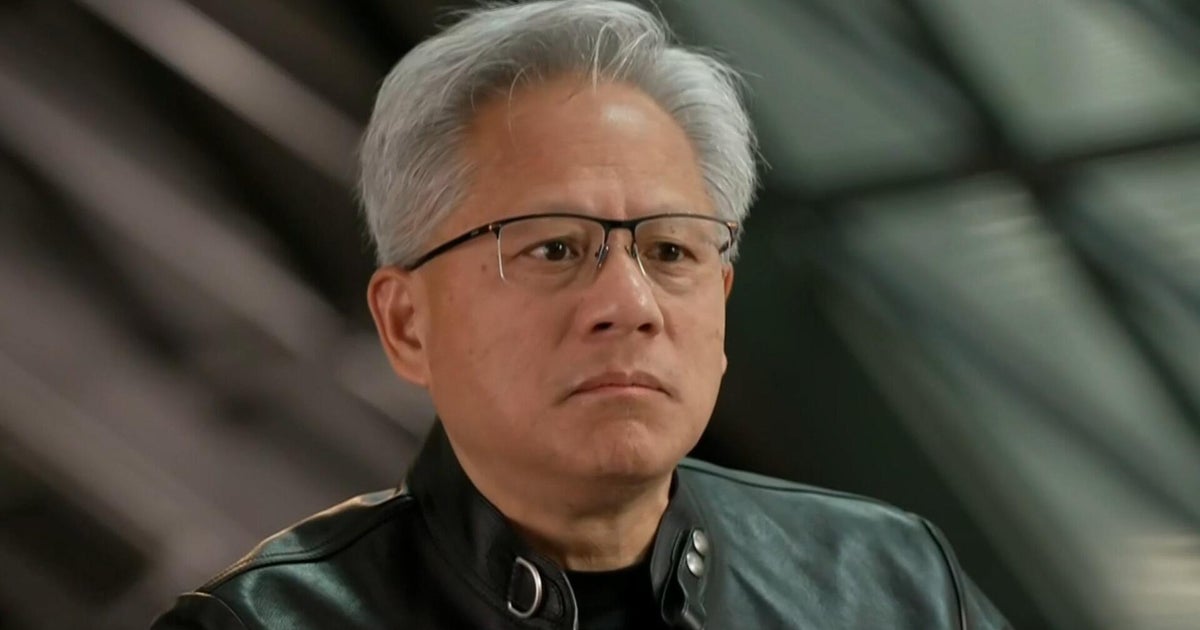
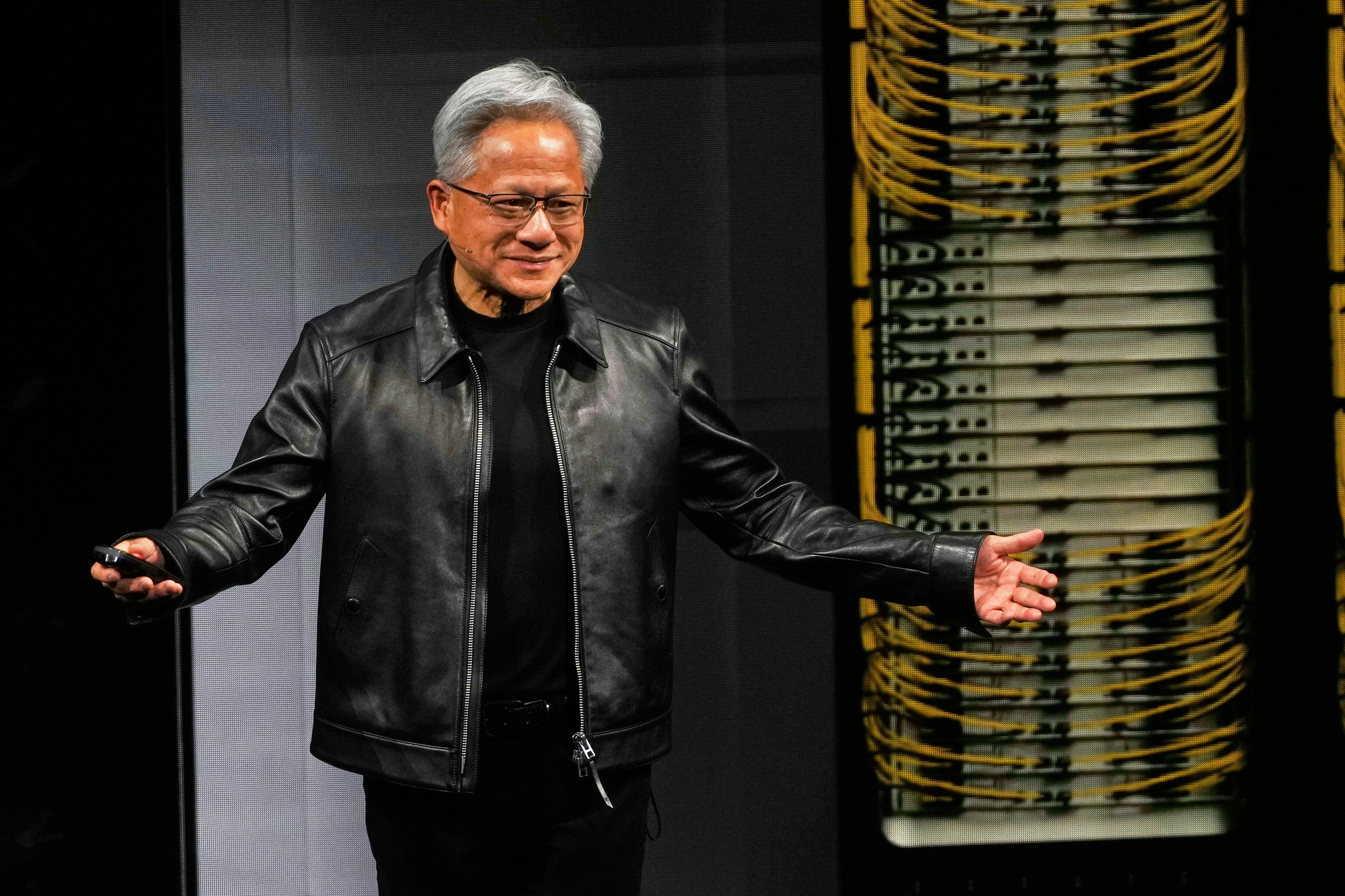
In a message to Nvidia employees, Huang, 63, apologised to his wife and children and said he had fallen short of his responsibilities to the company.
I was unfaithful to my wife. My actions hurt her and our children. There is no excuse for what I did. I am deeply sorry
Huang wrote.
Huang also said he supported the board’s investigation and would cooperate fully. “I am committed to protecting Nvidia and supporting America’s national security,” he said in the statement reported by the BBC.
Nvidia spokesperson John Rizzo told The New York Times that Huang would have no say in the inquiry. The board has not disclosed a timetable for completing its work or provided further details about its scope.
Jensen is committed to continuing to lead Nvidia as CEO without interruption.
Rizzo said.
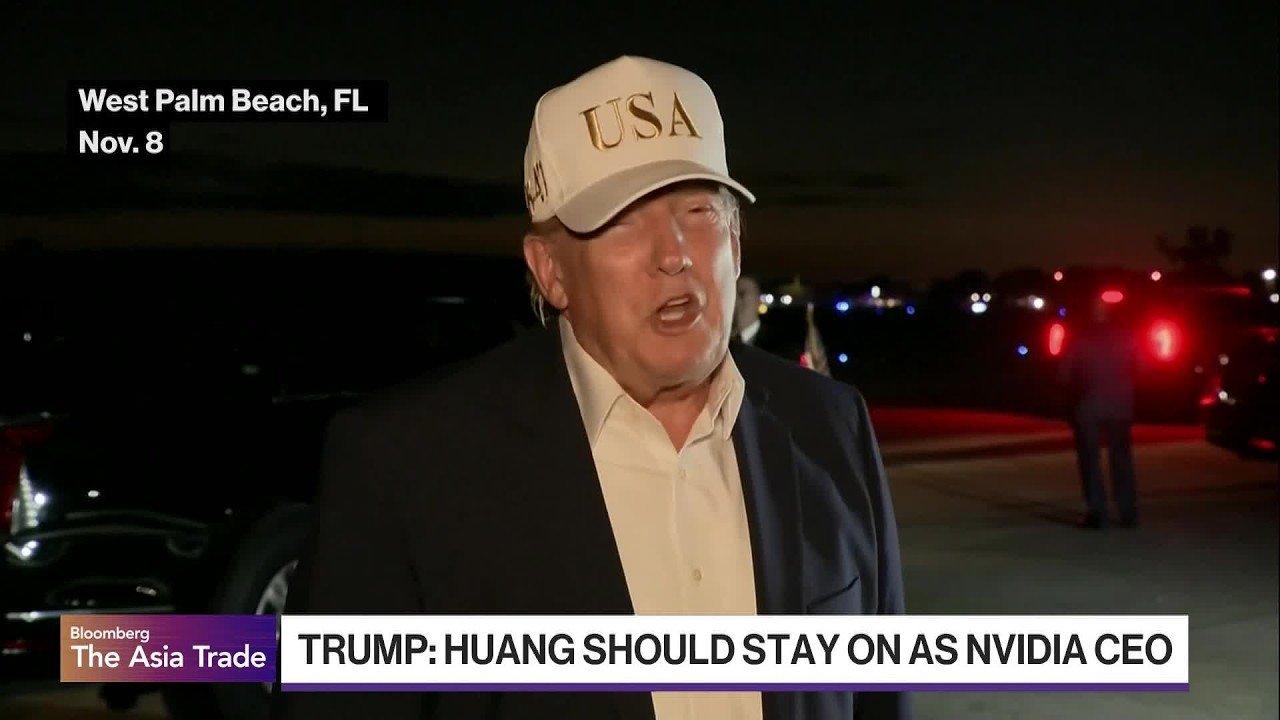
The admission followed earlier explanations that characterised Huang’s contact with the woman as ordinary business dealings. In an interview with Bloomberg News last month, Huang said their interactions were “related to Megaspeed” and were “all completely normal and not unusual”.
Who is Alice Huang?
The woman was identified in the reporting as Alice Huang, also known as Huang Le, a Chinese business executive associated with Singapore-based data centre company Megaspeed. She and Jensen Huang are not related.
According to The New York Times, her biography described earlier work as a television reporter in China. She was listed as Megaspeed’s managing director when the company was established and later described herself as its CEO.
The Times reported, citing officials familiar with US intelligence, that surveillance indicated she was passing information to Beijing. It also reported that a classified memorandum described her recruitment by China’s Ministry of State Security to target Jensen Huang.
Important details remain unknown, including what information she allegedly provided, how valuable it was and when any intelligence gathering began. Alice Huang did not respond to the Times’ request for comment, according to the BBC.
China has rejected allegations of an espionage operation targeting Nvidia’s chief, describing them as “groundless speculation”.
Megaspeed’s chip purchases draw separate scrutiny
Megaspeed’s business relationship with Nvidia adds an export-control dimension to the case. The Singapore-based company has purchased more than $4.8billion in Nvidia chips since June 2024, according to The New York Times.
The newspaper reported that the US Commerce Department had separately been investigating whether Megaspeed helped divert restricted artificial intelligence chips to China. Nvidia continued doing business with Megaspeed after that investigation was reported, the Times said. The suspected diversion remains an allegation, not an established finding in the reporting cited here.
Megaspeed was formed in 2023 when a Chinese online gaming company separated its Singaporean subsidiary, according to the Times. Its emergence followed the introduction of broad US restrictions on advanced AI-chip sales to China.
The two inquiries concern different questions. The Commerce Department investigation concerns the destination of restricted chips; Nvidia’s newly announced board review concerns reports that its chief executive was targeted by foreign intelligence. The publicly available reporting has not established whether Huang’s relationship affected chip sales or enabled any export-control violations.
How the relationship became an intelligence concern
According to the Times, US authorities began monitoring Alice Huang while investigating whether Megaspeed was steering advanced Nvidia chips to China. During that surveillance, officials identified communications with an American citizen who was subsequently determined to be Jensen Huang.
The BBC reported that his identity was established through a process known as “unmasking.” Officials familiar with the intelligence told the Times they believed the relationship was romantic.
The two had also appeared together publicly. The Times reported that Jensen Huang joined Alice Huang and other technology executives at a Taipei bar in June 2024. A year later, Taiwanese media recorded her kissing him on the cheek during another gathering with executives in the city. Those public encounters provide a chronology of their contact, but do not establish the espionage allegations.
Congressional scrutiny grows
US lawmakers have called on Huang to brief Congress about the reports. Sky News reported that senior House Republicans sought a briefing this month, while Senator Elizabeth Warren said Huang and Nvidia’s board “owe Congress answers” about the relationship.
The Times also reported that President Donald Trump was briefed roughly a year ago about US surveillance of Alice Huang. Secretary of State Marco Rubio later oversaw the preparation of a highly classified memorandum addressing the alleged intelligence operation, according to the newspaper.
The scrutiny reflects Nvidia’s central position in the AI industry. Its processors provide computing infrastructure used by leading AI developers, making the company’s technology—and access to it—a significant issue in US-China competition.
For now, Nvidia’s statement that it has no reason to believe secrets or national security were compromised is an initial assessment, not the conclusion of the independent review. The board says its inquiry will examine all available information, while Huang continues to lead the company.