





Nicaragua has formally abandoned electoral democracy after President Daniel Ortega declared that the country will no longer hold elections, marking a decisive shift toward entrenched authoritarian rule.
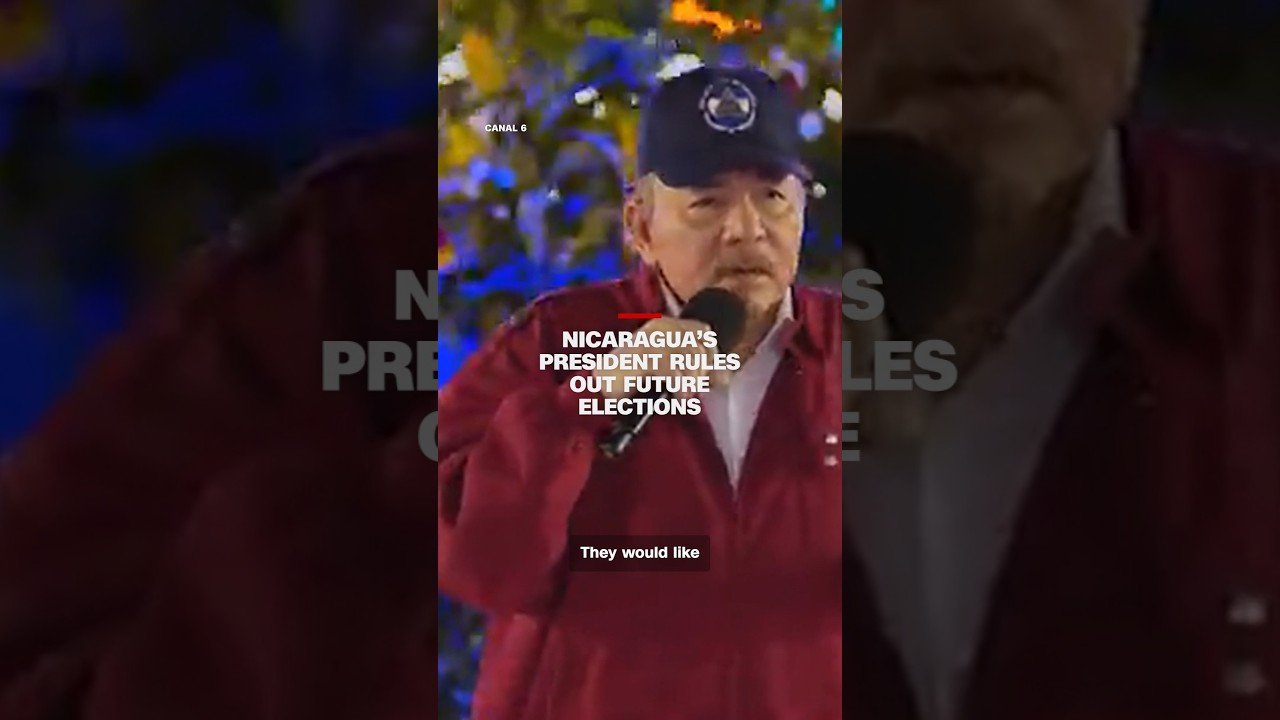
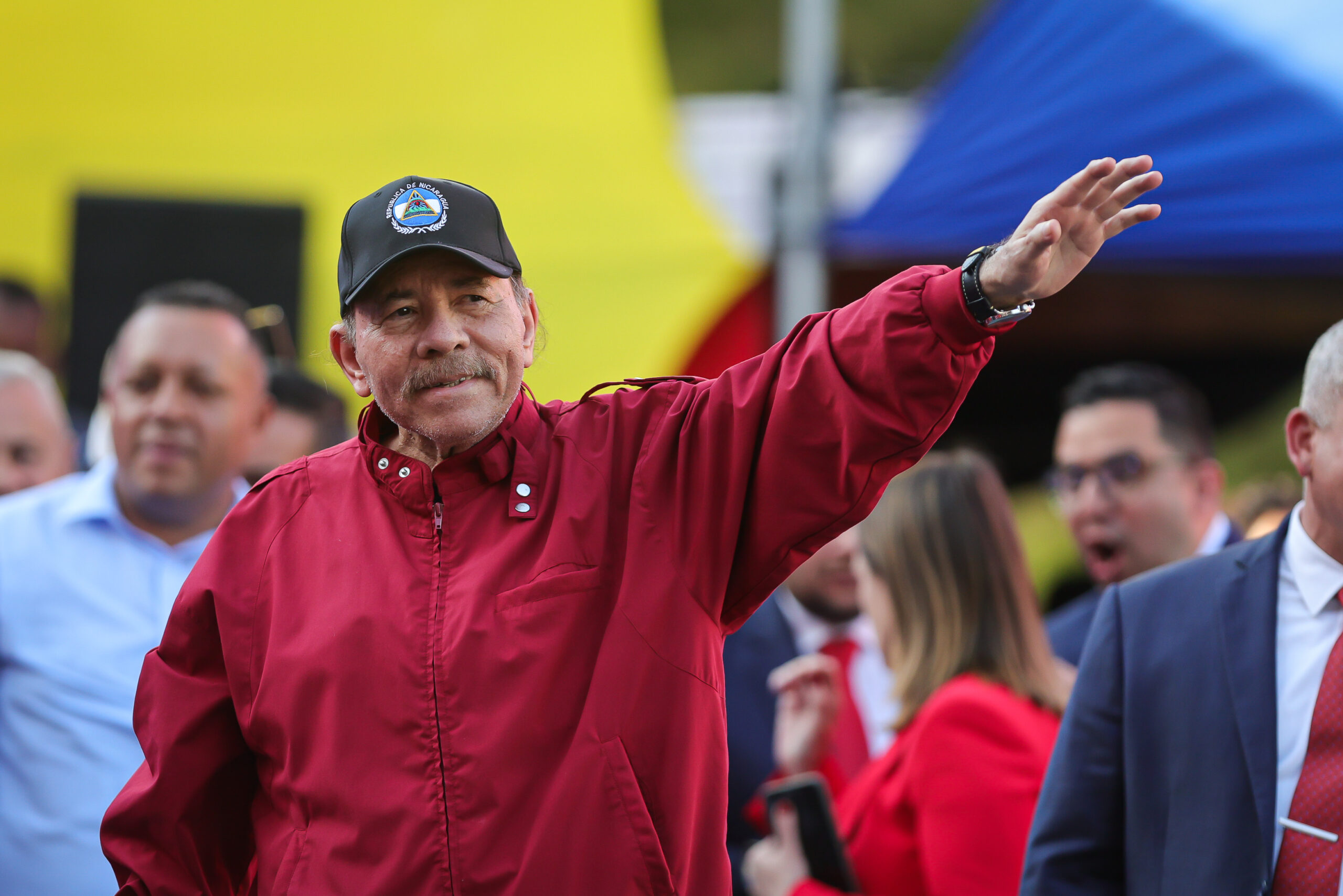
Speaking at a July 19 rally in Managua commemorating the 47th anniversary of the Sandinista Revolution, Ortega told supporters, “There will never be elections here again.” He accused opposition groups of attempting to use voting as a mechanism “to seize the government”.
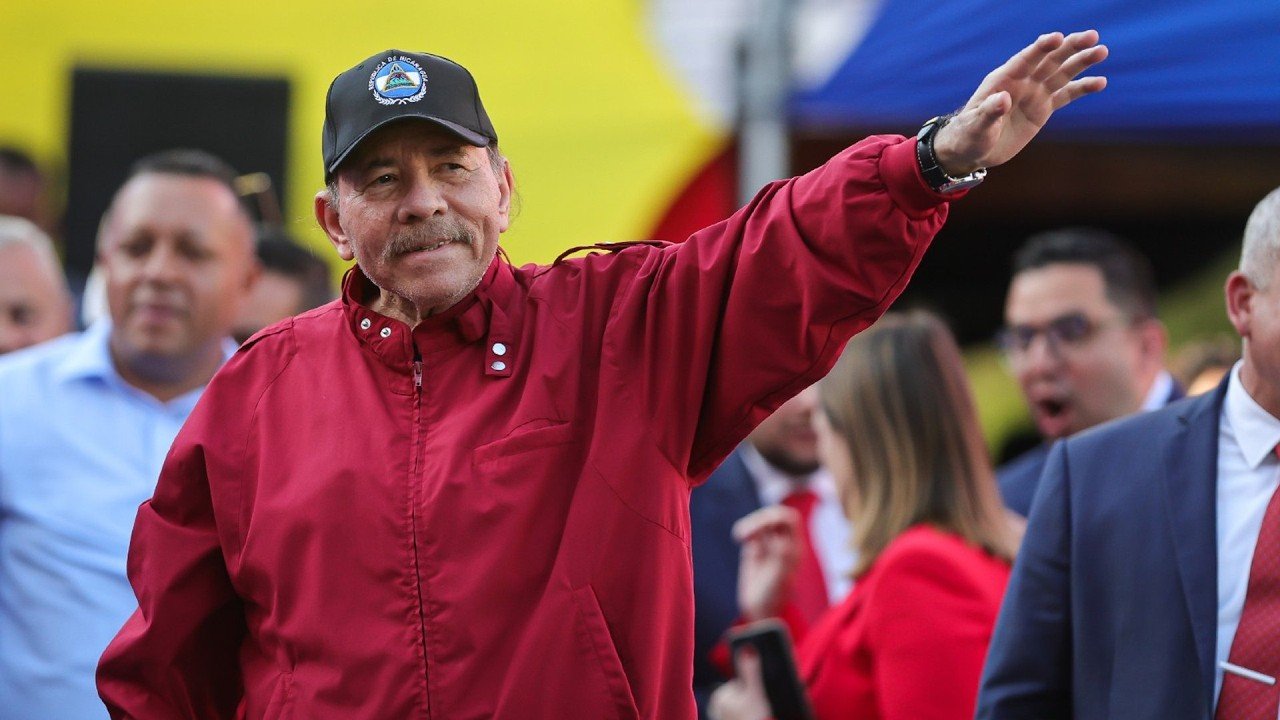
The statement represents the clearest and most explicit rejection yet of democratic governance by the 80-year-old leader, who has steadily consolidated power over nearly two decades.
Legal moves to eliminate elections
Within days of Ortega’s remarks, Nicaragua’s National Assembly — firmly controlled by the ruling Sandinista National Liberation Front (FSLN) — moved to formalize the announcement through constitutional amendments that would eliminate elections as a mechanism for political transition.
The decision effectively cancels the next presidential vote, previously scheduled for November 2027. That election had already been delayed; in January 2025, lawmakers extended the presidential term from five to six years, signaling early intentions to prolong Ortega’s hold on power.
The latest measures are widely seen as the final legal step in dismantling electoral competition altogether, replacing periodic voting with indefinite rule under the current leadership.
Consolidation of family rule
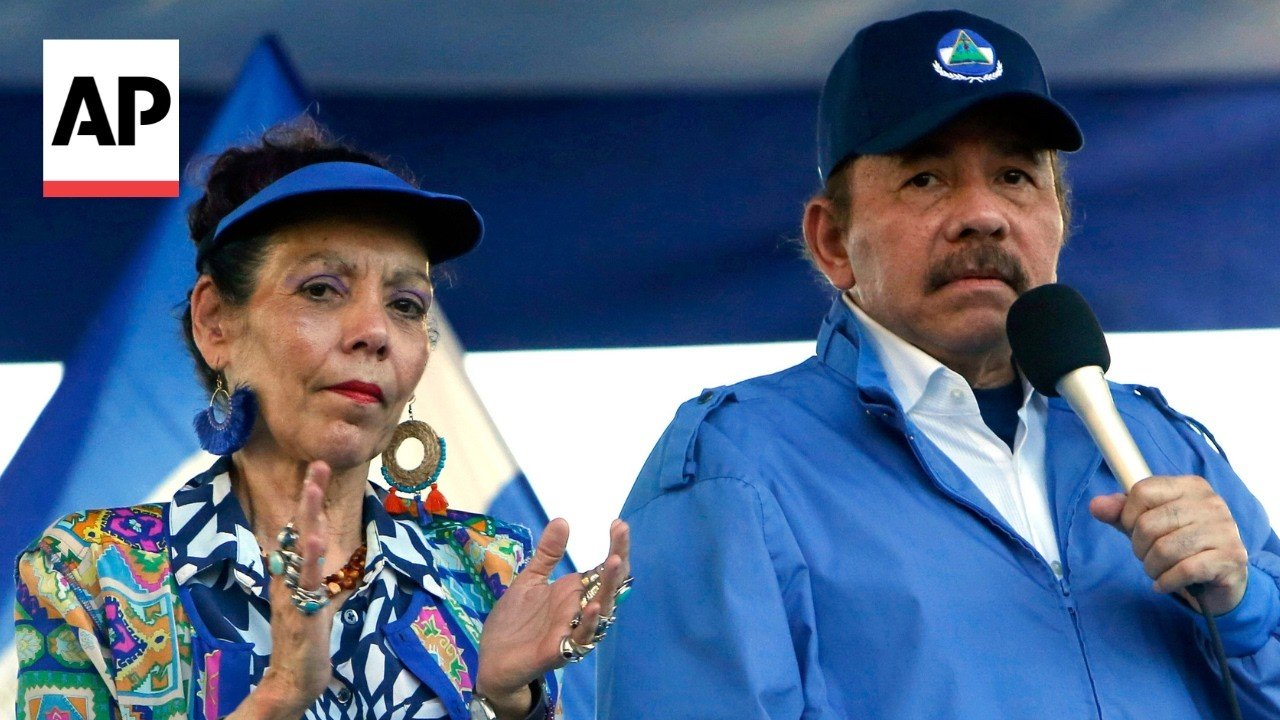
Ortega’s grip on power has increasingly centered on a family-based governing structure. His wife, Rosario Murillo, was elevated to the role of “co-president”, formalizing her longstanding influence over government communications, internal security, and party operations.
Together, Ortega and Murillo now preside over all branches of government, including the legislature, judiciary, police, and military apparatus. Critics argue that this arrangement effectively transforms Nicaragua into a dynastic regime, with no institutional checks remaining.
Years of democratic erosion
The abolition of elections follows years of systematic dismantling of democratic institutions.
Since returning to power in 2007, Ortega has overseen sweeping changes that weakened judicial independence, restricted press freedom, and curtailed political opposition. The crackdown intensified after mass anti-government protests in 2018, which were met with lethal force and mass arrests.
Ahead of the 2021 presidential election—widely condemned by international observers as neither free nor fair—the government detained leading opposition figures, including potential presidential candidates. Many were later imprisoned, expelled from the country, or stripped of their citizenship.
Beyond political repression, the government has shut down thousands of civil society organizations, including NGOs, universities, religious groups, and independent media outlets. New laws have enabled authorities to confiscate property and revoke nationality from critics, forcing large segments of the opposition into exile.
International backlash
The announcement has drawn swift condemnation from the international community.
United Nations High Commissioner for Human Rights Volker Türk warned that the move “further deepens the severe restrictions on fundamental freedoms” and accelerates the “erosion of the rule of law.” He emphasized that all citizens, regardless of political affiliation, must retain the right to participate in free and fair elections.
Nicaragua: I deplore severe restrictions on fundamental freedoms, including threats to prohibit those with dissenting political views from participating in elections.https://t.co/KOY9ew3OKT
— Volker Türk (@volker_turk) July 22, 2026
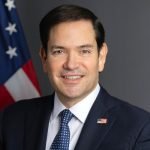
The United States also criticized the decision. Secretary of State Marco Rubio said the declaration “lays bare [the government’s] true authoritarian nature” and called on the international community to reconsider diplomatic and economic engagement with Nicaragua.
The Trump Administration and the international community will not stand by as the Murillo-Ortega dictatorship deepens repression at home and manufactures instability that threatens U.S. national security. Ortega’s pledge to abolish elections in Nicaragua proves his cowardice and…
— Secretary Marco Rubio (@SecRubio) July 21, 2026
Regional organizations and human rights groups have echoed these concerns, warning that the elimination of elections could trigger further isolation, sanctions, and economic consequences for the country.
Government response
Nicaraguan authorities have largely declined to engage with international criticism. In response to media inquiries, the government issued a brief statement that said “Thank you for your interest”, offering no further clarification or justification.
A definitive break from democracy
While Nicaragua’s elections had long been criticized as manipulated or symbolic, Ortega’s declaration removes any remaining ambiguity about the country’s political system.
By formally abolishing elections, the government has moved from controlled democracy to outright permanent rule — an inflection point that analysts say places Nicaragua among a small group of states where leadership is no longer subject to public mandate.