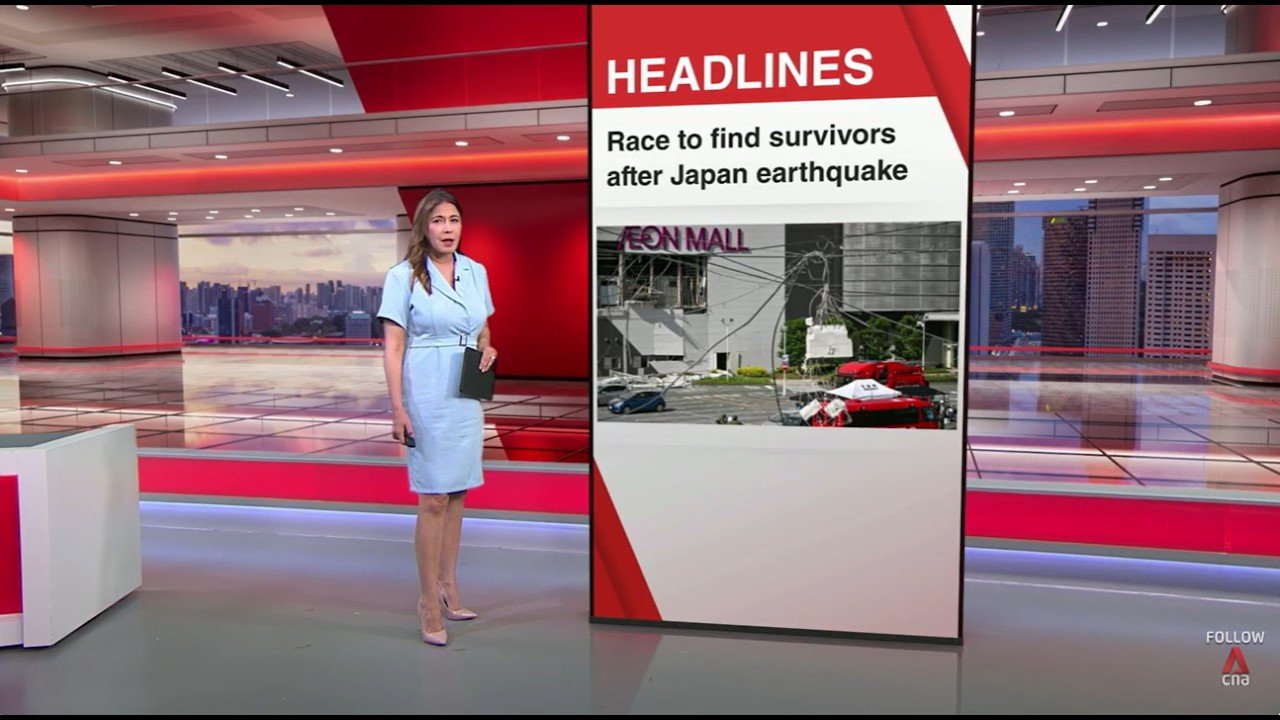


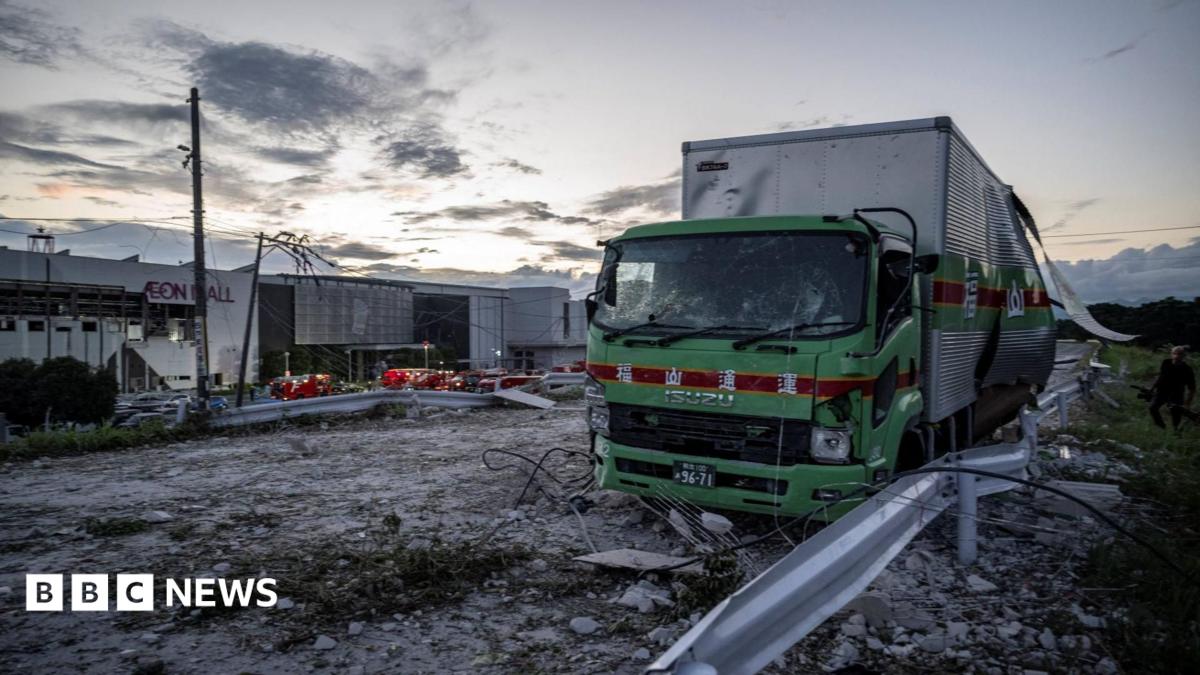


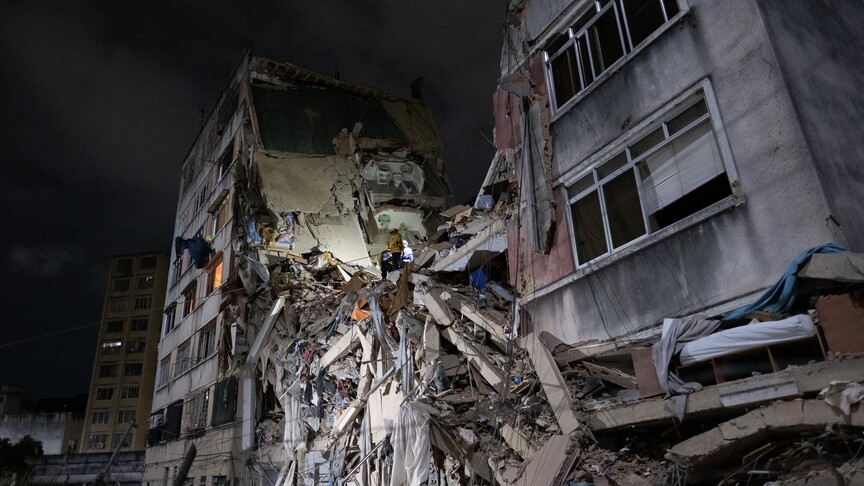


Japan’s southwestern island of Kyushu is facing a mounting disaster after a powerful earthquake struck Kumamoto prefecture on Tuesday, leaving at least 30 people dead and many more injured or missing as rescue teams work in punishing summer heat.
The quake devastated homes, damaged infrastructure and disrupted transport across the region, while officials warned that dangerous temperatures and prolonged outages could worsen the humanitarian toll.
The earthquake was initially reported as magnitude 7.1 by Japan’s Meteorological Agency, but the U.S. Geological Survey later revised it to 6.8. Reuters reported the epicenter was near Uto in Kumamoto prefecture, at a shallow depth that likely intensified the shaking and damage. A tsunami advisory was issued soon after the quake but was later lifted.
Death toll and rescues
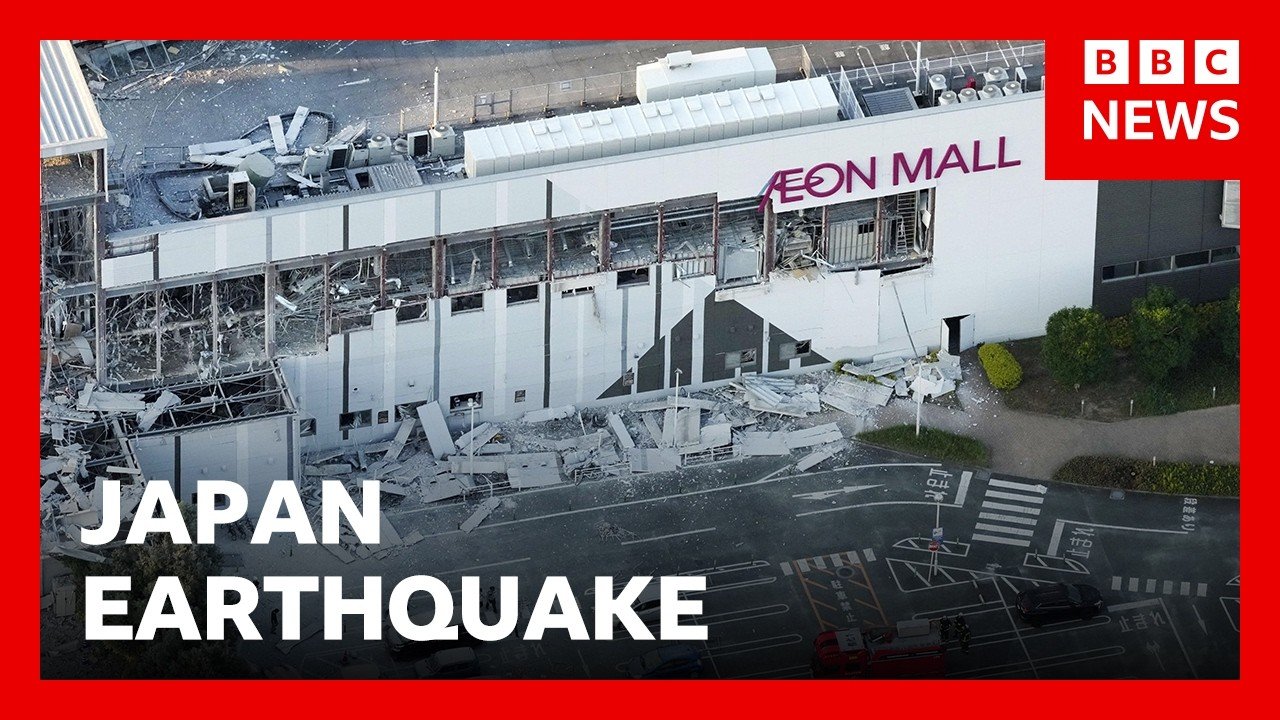
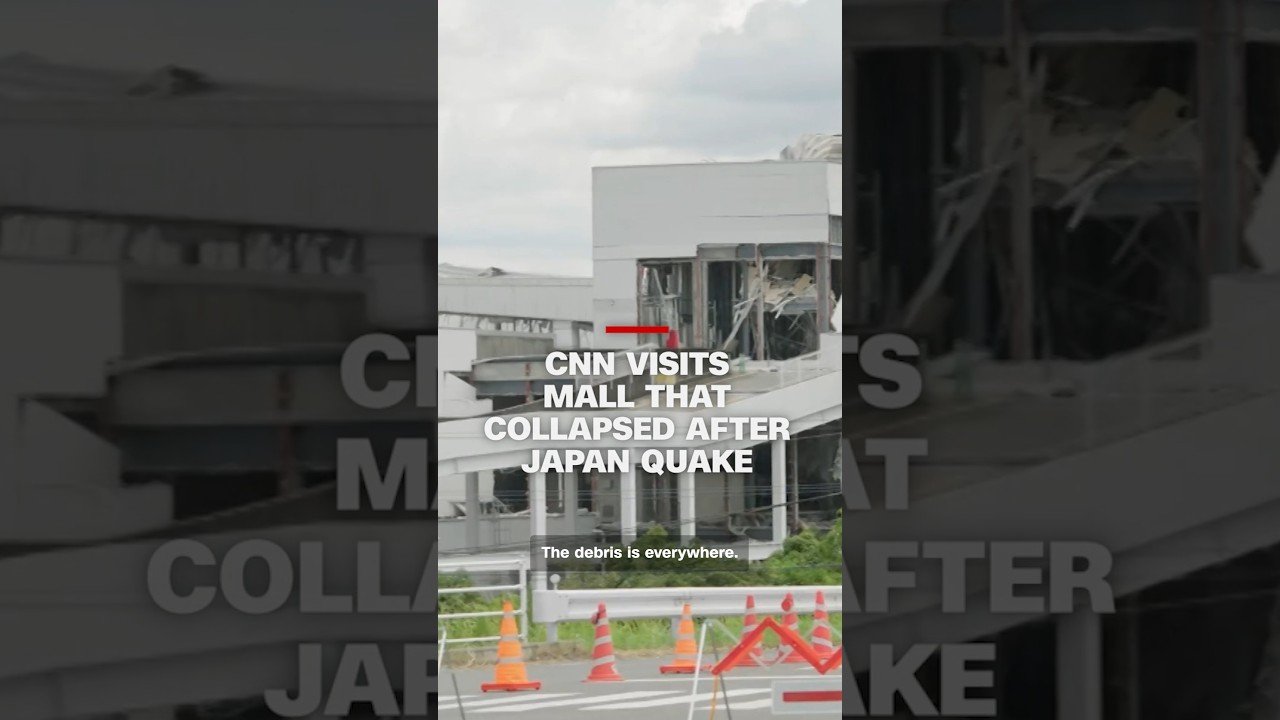
Emergency crews have been searching collapsed buildings, a damaged shopping mall and industrial sites for survivors since the quake hit. Several of the dead were found at the Aeon shopping mall in Kashima and at the Nippon Paper Industries facility in Yatsushiro, where a chimney collapse caused fatalities.
Officials said the death toll has continued to rise as more bodies are recovered and some cases remain under investigation for possible quake-related causes.
Damage across Kyushu
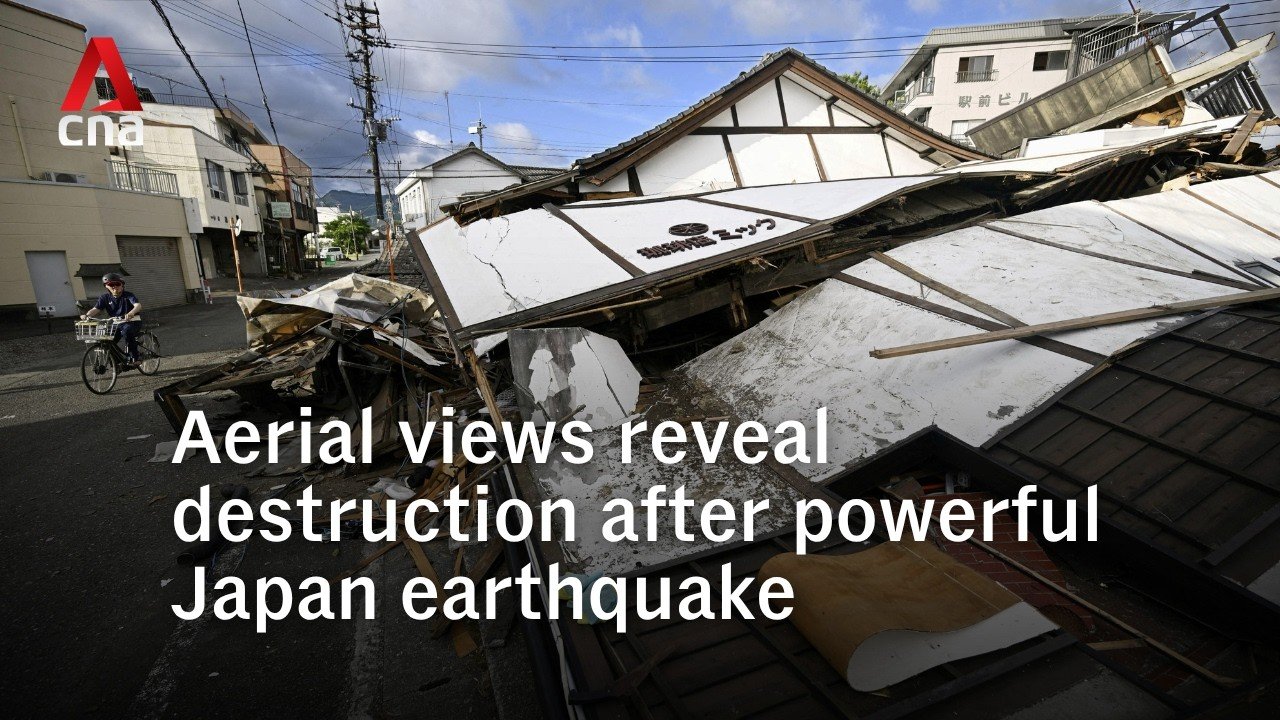
The earthquake caused widespread structural damage, including collapsed houses, cracked roads and damaged bridges. Historic walls at Kumamoto Castle also suffered partial collapse, adding to the list of major losses in the prefecture.
Transport systems were heavily disrupted, with bullet train and local rail services suspended and Kumamoto Airport closing its runway after the quake.
Tens of thousands of homes and facilities were left without power or running water, compounding the challenge for residents already facing oppressive summer heat.
Authorities warned of heatstroke risks as temperatures were forecast to approach 38C, and the Self-Defense Forces reportedly deployed air-conditioning units to evacuation centers and other key sites. Rescue workers and displaced residents have been urged to remain vigilant as aftershocks continue.
International responses
International reporting has focused on the scale of the disaster, the changing casualty figures and the continuing rescue effort.
The International Atomic Energy Agency said it was monitoring the situation after Japan’s nuclear regulator reported no abnormalities at nearby facilities, including Sendai, easing fears of any nuclear emergency. Regional and international media also highlighted Japan’s tsunami advisory, transport shutdowns and the strain on emergency services as global attention turned to the developing crisis.
What comes next
The immediate focus remains on finding survivors, restoring utilities and preventing heat-related deaths among evacuees. Officials have also warned of further aftershocks over the next several days, which could complicate rescue operations and threaten already weakened structures.