








Syria and Israel have held high-level, US-mediated security talks in Jordan aimed at halting cross-border strikes and reviving a broader security framework, following a series of Israeli air and drone attacks on Syrian territory in mid‑August 2026 that nearly triggered a direct Turkey–Israel confrontation.
The meetings, which included Syrian Foreign Minister Asaad al‑Shaibani and Israeli Mossad Director Roman Gofman, come as Washington seeks to contain escalating friction between Damascus, Jerusalem, and Ankara over Turkish military activity inside Syria.
The August strikes: from Idlib to the Damascus countryside
Abu al‑Duhur airbase, Idlib (18 August 2026)
On 18 August 2026, Israeli aircraft carried out eight airstrikes on the Abu al‑Duhur military airbase in eastern Idlib, hitting the runway and storage facilities and causing material damage but no casualties, according to Syrian state media and military sources.
Syria condemned the attack as an “unjustified act of aggression” and a violation of its sovereignty, while Jordan’s foreign ministry also denounced the strikes as a “flagrant violation” of Syria’s territorial integrity.
Analysts and regional trackers say the operation was intended as a warning against rebuilding Syria’s air capabilities and, more specifically, against Turkish military entrenchment at the site; satellite imagery reportedly showed damage to runways and hangars that were being refurbished with Turkish assistance.
Israeli officials have framed such operations as preventive measures to block the deployment of advanced air‑defence systems that could threaten Israel’s freedom of aerial action.
Beit Jinn drone strike, Damascus countryside (22 August 2026)
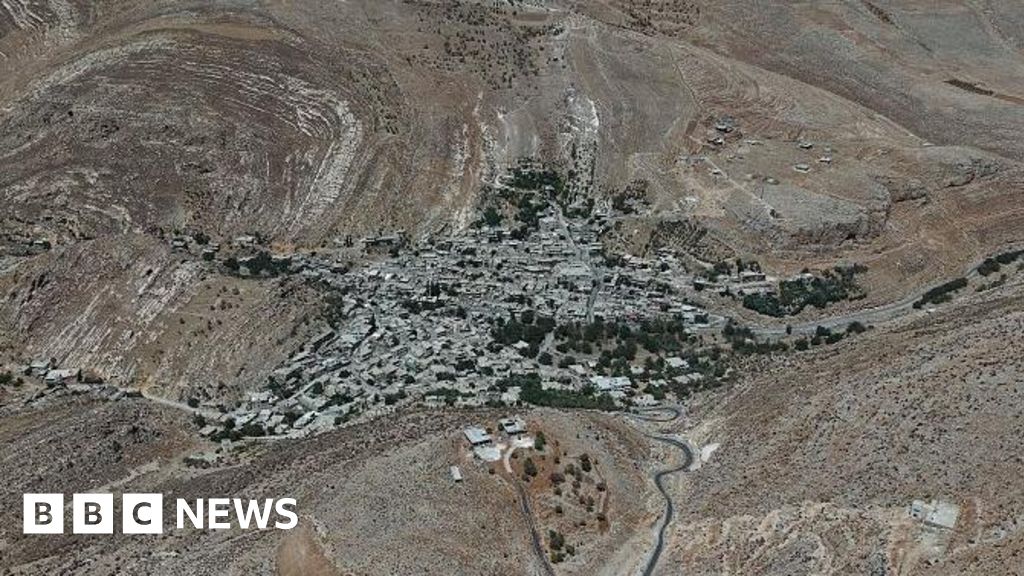
Four days later, on 22 August, an Israeli drone struck a vehicle near the town of Beit Jinn, about 10 km (6 miles) from the Israeli border in southwestern Syria, injuring one person, Syrian media reported. Syria’s foreign ministry called it a “blatant violation” of its sovereignty and international law, holding Israel fully responsible for the consequences.
The Israel Defense Forces said it targeted “a terrorist” who was in the final stages of planning attacks and posed an imminent threat to Israeli troops stationed in the southern buffer zone. Local reports described the target as a civilian vehicle on a main road near Beit Jinn farmland, underscoring the gap between Damascus’ narrative of civilian harm and Israel’s claim of a counter‑terror operation.
The Jordan talks: who met and what was discussed
Syrian state news agency SANA, citing a diplomatic source, said the talks in Jordan were mediated by the United States and involved a “high‑level Israeli delegation”, with discussions focused on establishing practical mechanisms to halt Israeli attacks, arrests, and targeting operations, as well as reviving negotiations for a lasting security agreement.
AFP reported that al‑Shaibani met Mossad chief Roman Gofman in person, marking one of the most direct senior‑level contacts since the December 2024 overthrow of Bashar al‑Assad.
Reporting also indicates that Gofman had held an urgent warning call with al‑Shaibani on 14 August, four days before the Abu al‑Duhur strike, reiterating Israel’s “red lines” on Turkish military presence on Syrian soil. The Jordan meeting therefore appears to be both damage control after the airbase bombing and an attempt to codify understandings around foreign troop deployments and air operations near Israel’s borders.
Turkey’s central role in post‑Assad Syria
Ankara as Damascus’s primary backer
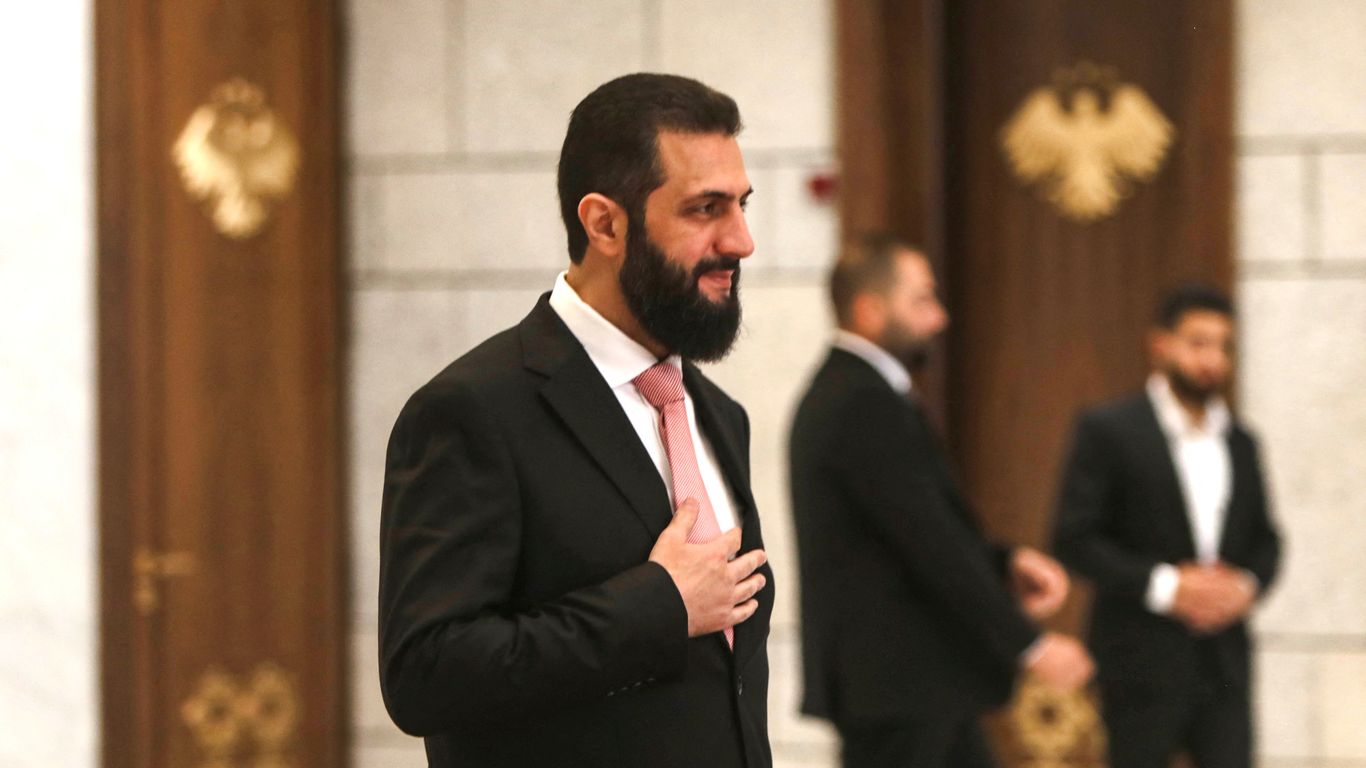
After the fall of Bashar al‑Assad in December 2024, Turkey emerged as the primary international backer of Syrian President Ahmed al‑Sharaa’s administration, which has sought to re‑integrate Damascus into regional diplomacy and security architectures. Al‑Sharaa, a former HTS leader who rebranded as a statesman, has cultivated close ties with Washington and Ankara while publicly saying he wants a security agreement with Israel that avoids turning Syria into a client of any single patron.
Military integration and footprint
- Troop presence: Turkish media and Israeli press reports estimate that Ankara maintains more than 20,000 military and security personnel across northwestern Syria, backed by integrated logistics, air cover, and advanced equipment.
- Army rebuilding: Under a 2025 military cooperation agreement, Turkish advisers are helping modernize the Syrian army’s command structures, doctrine, and training infrastructure, with regular delegations meeting Syria’s defence ministry and a Turkish military attaché posted in Damascus.
- Equipment and systems: Turkey has supplied training, surveillance and communications systems, armoured vehicles, Bayraktar drones, light weapons, and short‑range rocket systems as part of a broader security‑sector reform drive.
The Abu al‑Duhur flashpoint
The 18 August Israeli strike targeted the Abu al‑Duhur airbase in Idlib, a site where Syrian forces were reconstructing infrastructure with Turkish assistance, according to trackers of Turkish military activity in Syria.
Netanyahu’s office claimed the operation was meant to block Turkey from deploying advanced air‑defence systems and drones at the base, thereby bringing Turkish military power closer to Israel’s border. Both Damascus and Ankara rejected that narrative, saying Turkish officials had visited for routine training exchanges and denying plans for a permanent Turkish base.
The direct Turkey–Israel friction
Risk of accidental war
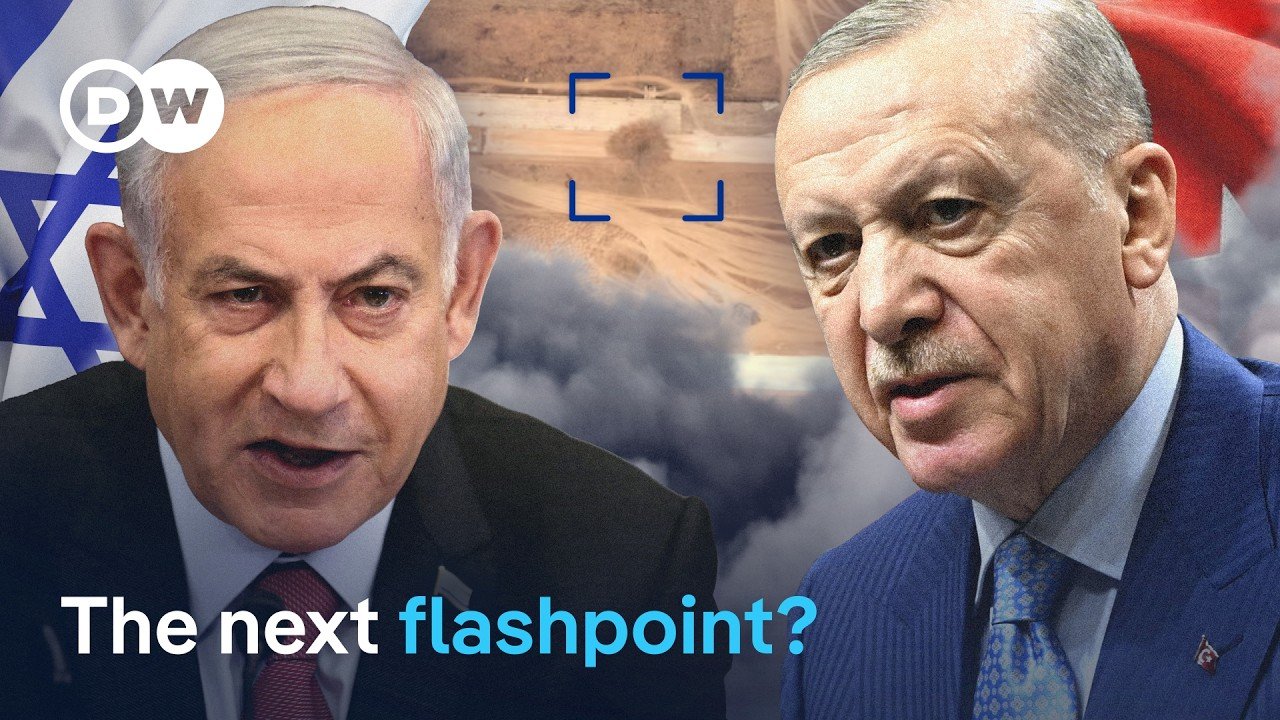
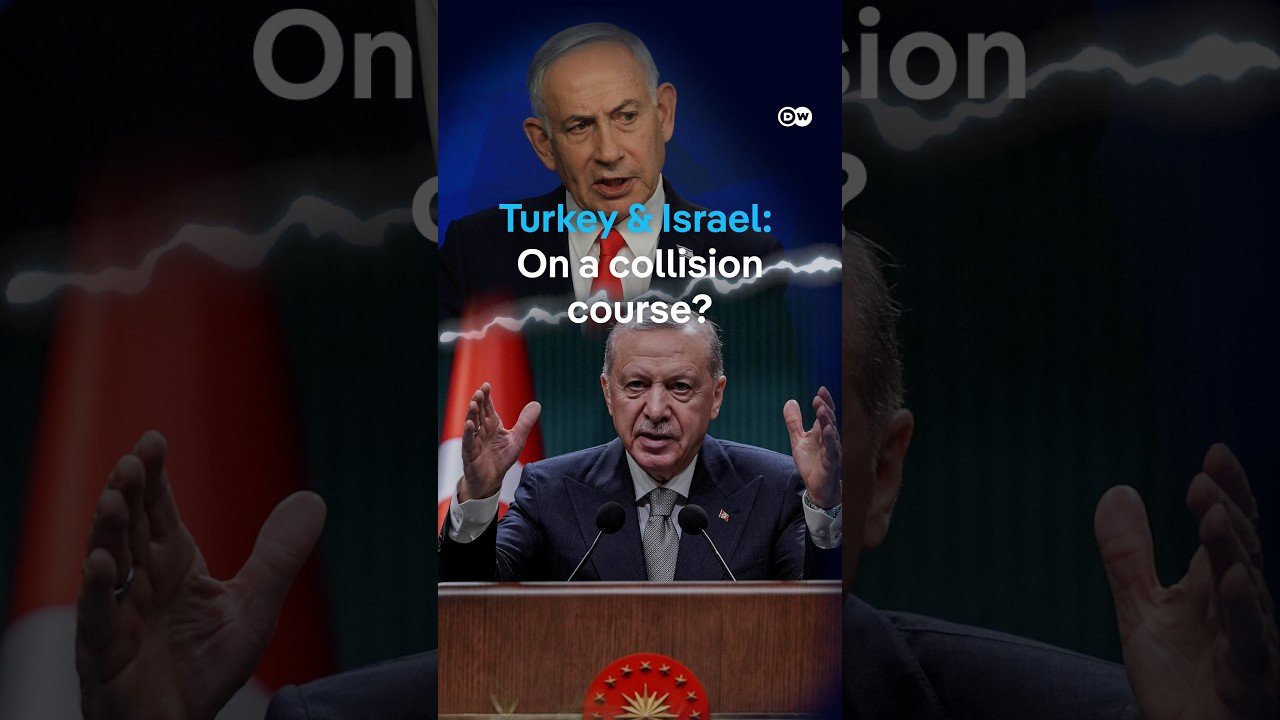
Military analysts warn that Turkish forces received no warning before Israeli jets struck Abu al‑Duhur, and because Ankara’s military operates heavily in northern Syria, the unannounced attack came “one bad decision away” from a direct shootout between two of the region’s most capable air forces. The incident transformed what had been a series of Israeli strikes on Syrian territory into a potential Turkey–Israel confrontation, with each side accusing the other of expansionism.
Opposing red lines
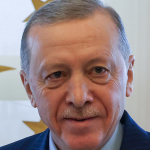
- Turkey: President Recep Tayyip Erdoğan views Israeli aggression in Syria as a direct threat to Turkish national security and to Ankara’s vision of a stable, sovereign Syrian state integrated with its northern neighbour.
- Israel: Israeli Foreign Minister Gideon Sa’ar explicitly stated on 22 August 2026 that Israel “will not accept the establishment of Turkish bases in Syria,” underscoring Jerusalem’s red line against any permanent Turkish military footprint that could project power toward the Golan Heights.
New regional alliances
Compounding Israel’s unease, Turkey signed a major collective defence pact with Saudi Arabia and Pakistan on 7 August 2026, establishing a large new security alignment as Turkey–Israel relations hit a breaking point over Syria. While the pact does not name Israel, it signals Ankara’s ambition to anchor a broader Sunni security architecture that could counterbalance Israeli and Iranian influence in the Levant.
Geopolitical fault lines: Israel, Syria, Turkey, and the US
- Israel: Prime Minister Benjamin Netanyahu’s office has argued that Israel will not allow hostile forces to entrench themselves on its borders, and has linked the airbase strike to Syrian breaches of security understandings by permitting Turkish troops to deploy there. The military maintains a buffer “security zone” in southern Syria and the Golan Heights, arguing that the post‑Assad landscape creates both opportunities and risks for hostile actors to rearm near Israel’s border.
- Syria: Damascus denounces the strikes as violations of international law and sovereignty, demanding a complete Israeli withdrawal to pre‑December 2024 positions and full restoration of the 1974 disengagement agreement framework. The foreign ministry has repeatedly warned that Israel is confronting not only Damascus but also Syria’s allies, implicitly referencing Turkey and other backers of the post‑Assad government.
- Turkey: Ankara has provided military assistance to Syria’s post‑Assad authorities and, according to analysts, the Abu al‑Duhur attack came hours after a Turkish delegation inspected the site—sending a direct signal against extending Turkish air capabilities southward. Turkish officials have condemned Netanyahu’s “expansionist” policies in the context of the strike.
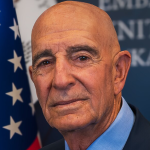
- United States: Washington has positioned itself as a mediator, hosting emergency talks in Jordan, but US Special Envoy for Syria Tom Barrack publicly criticized the airbase strike as an “unnecessary escalation,” suggesting it may have been intended to “bait” Turkey into a conflict ahead of upcoming Israeli elections. Barrack has also said Washington is working on a formal mechanism to prevent direct confrontation among Israel, Turkey, and Syria.
Context: a transformed Syria and Israel’s security doctrine
Since the overthrow of Bashar al‑Assad’s regime in December 2024, Israel has conducted hundreds of strikes across Syria, targeting military infrastructure, airfields, and weapons storage sites, according to regional reporting.
The Israeli military has maintained troops in a buffer zone in southern Syria and the Golan Heights, arguing that the post‑Assad order creates both opportunities and risks for hostile actors to rearm near Israel’s border.
The Abu al‑Duhur operation appears to be Israel’s first attack on Syrian government assets since March 2026, marking a shift from earlier patterns focused largely on non‑state militias and Iranian‑linked sites. That timing—alongside the reported Turkish inspection of the base and prior Mossad warnings—suggests Jerusalem is testing and enforcing new red lines around state‑level military cooperation between Damascus and Ankara.
Current status: emergency deconfliction and technical talks
In the wake of the airbase strike and subsequent drone attack near Beit Jinn, a Turkish official confirmed that Ankara and Jerusalem are holding “technical talks” mediated by third parties to establish a deconfliction mechanism aimed at preventing undesirable incidents in Syria.
These backchannel negotiations, running in parallel to the US‑mediated Syria–Israel talks in Jordan, seek to formalize where Turkish trainers and advisers can operate without triggering further pre‑emptive Israeli airstrikes.
US Special Envoy Tom Barrack has called the Abu al‑Duhur strike an “unnecessary escalation” and said Washington is working on a formal mechanism to prevent direct confrontation among Israel, Turkey, and Syria.
We are deeply concerned that the confirmed Israeli airstrikes on Abu al-Duhur Airbase constitute an unnecessary escalation that does not advance regional stability.
— Ambassador Tom Barrack (@USAMBTurkiye) August 18, 2026
The Al-Sharra government has neither adopted a predatory posture nor maintained proxy forces. It has, in fact,…
The emerging order appears to be one of managed rivalry: limited cooperation against shared threats, intense competition over Syria’s security architecture, and pressure for clearer red lines on troop deployments, air operations, and weapons systems.
Why this matters for the region
The August 2026 flare‑up underscores how the post‑Assad order in Syria has redrawn Israel’s security calculus: with a new government in Damascus open to Turkish security cooperation, Jerusalem is signaling that it will act preemptively against airbase reconstruction and foreign troop deployments it deems threatening.
At the same time, the US‑mediated Jordan talks and parallel Turkey–Israel deconfliction channels show that all parties—Israel, Syria, Turkey, and Washington—have an interest in avoiding an unintended broader confrontation, even as they jockey over influence in a reconfigured Syria.
For now, the immediate goal appears to be crisis management: freezing further strikes, clarifying red lines around Turkish involvement, and laying groundwork for a more formal security arrangement that can survive the next round of political and military shocks in the Levant.