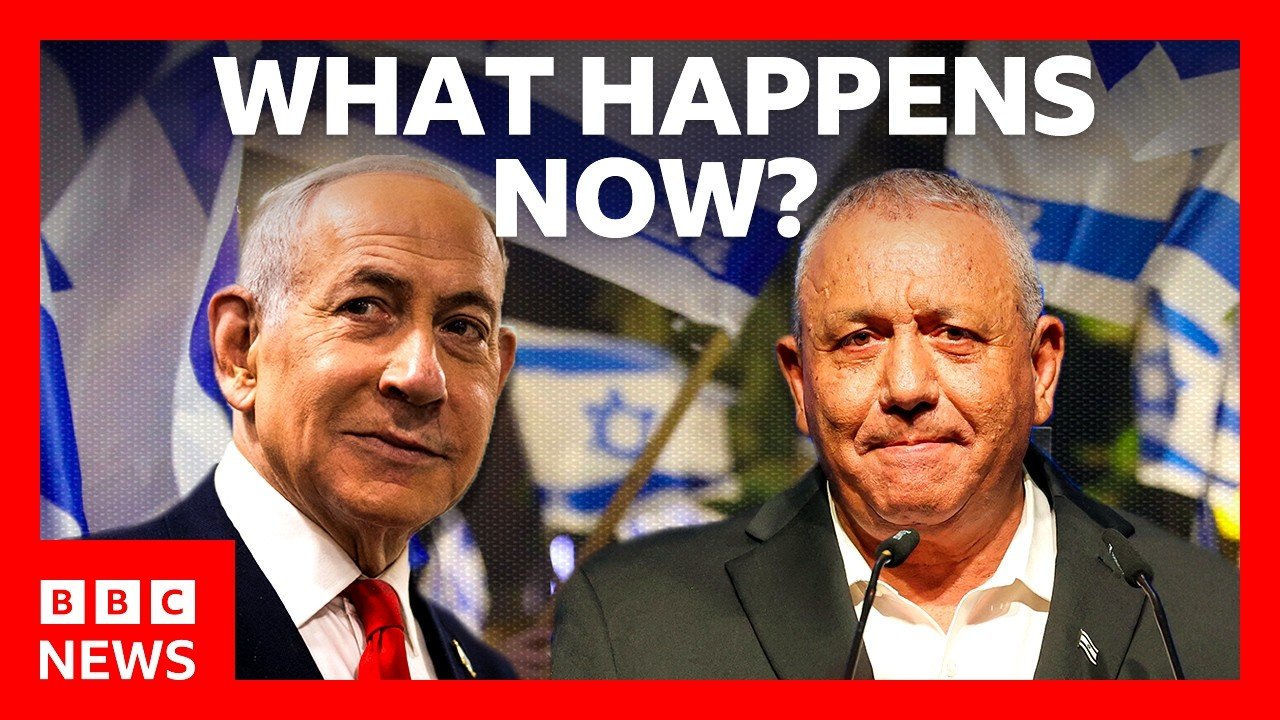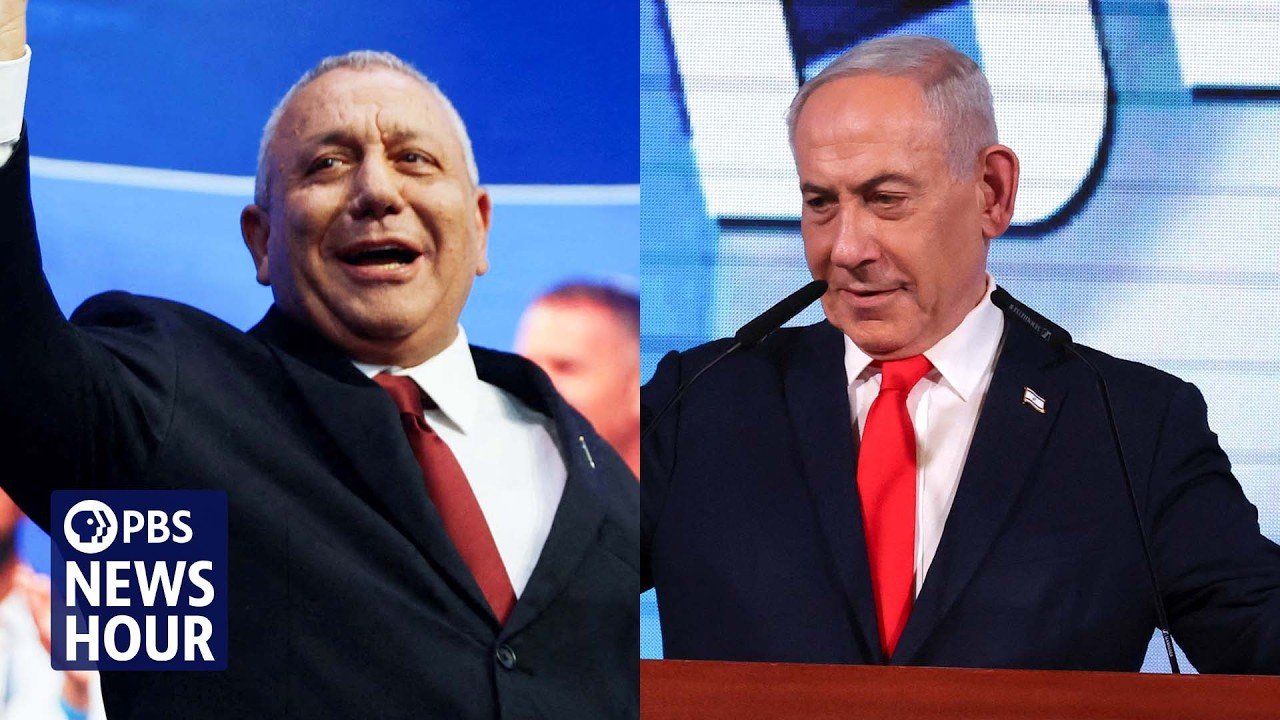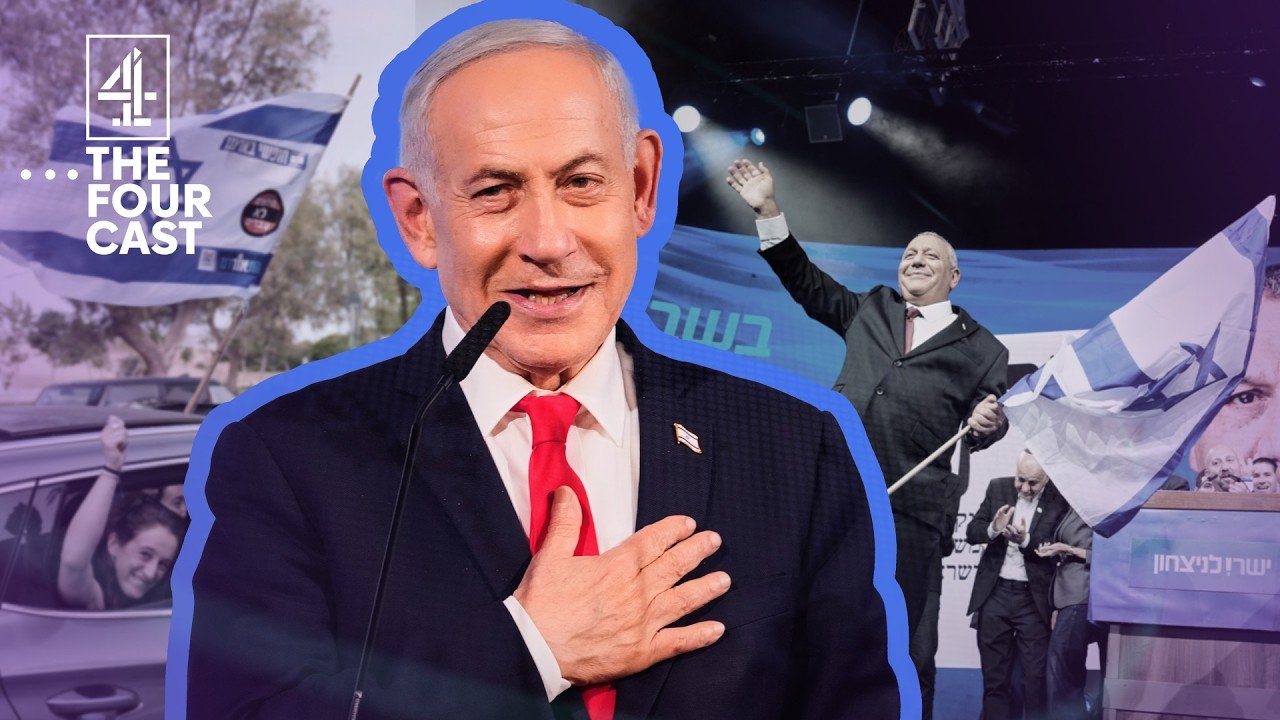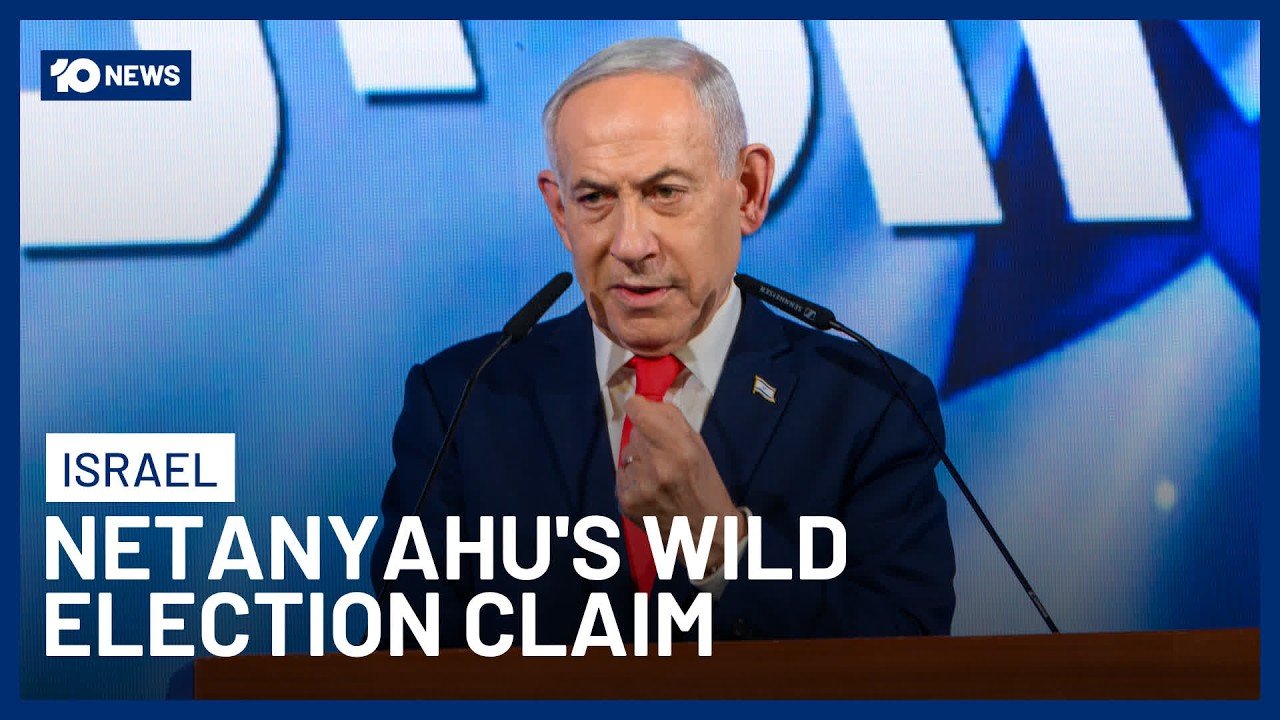





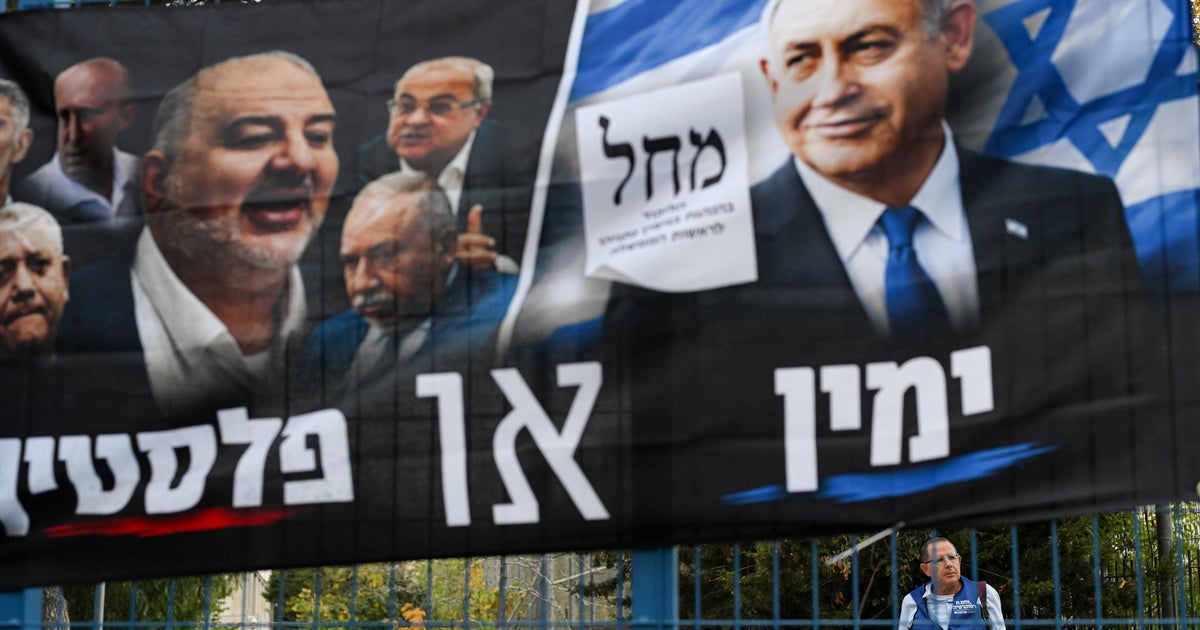

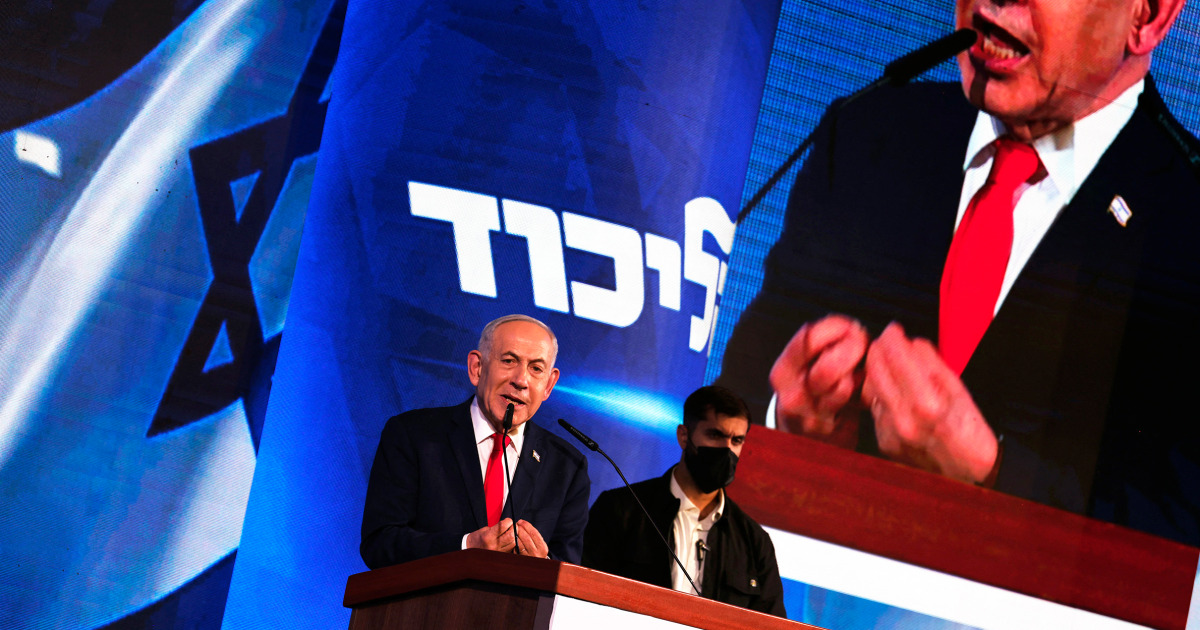





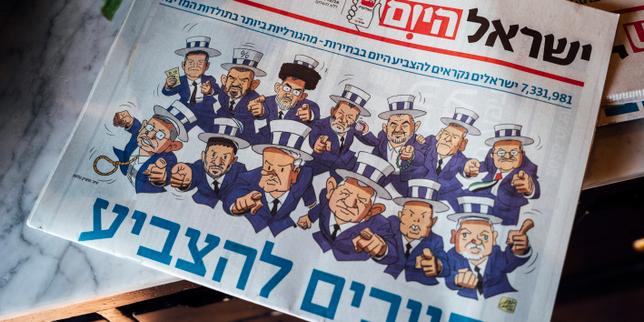
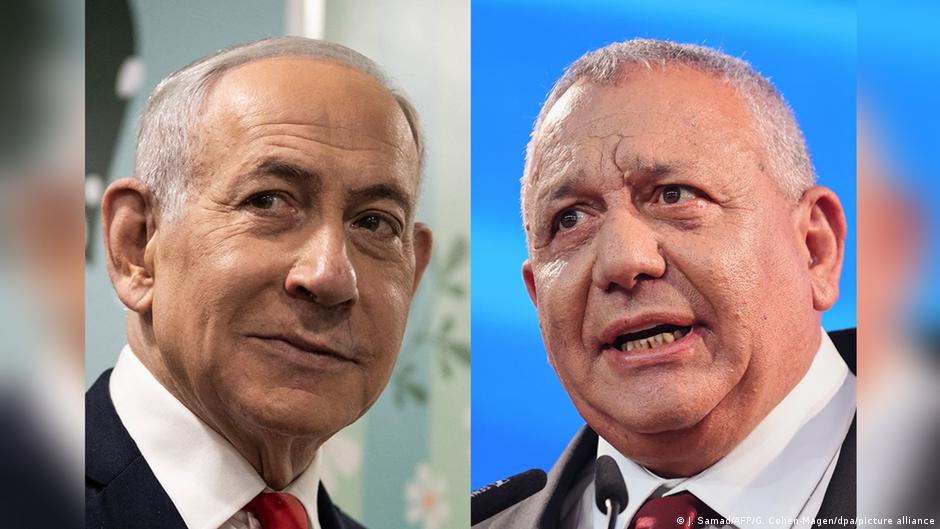
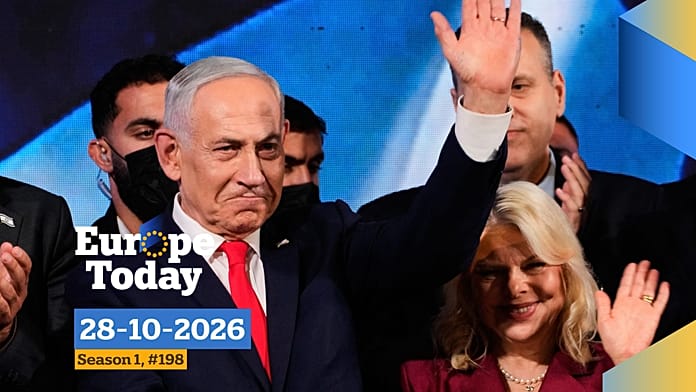




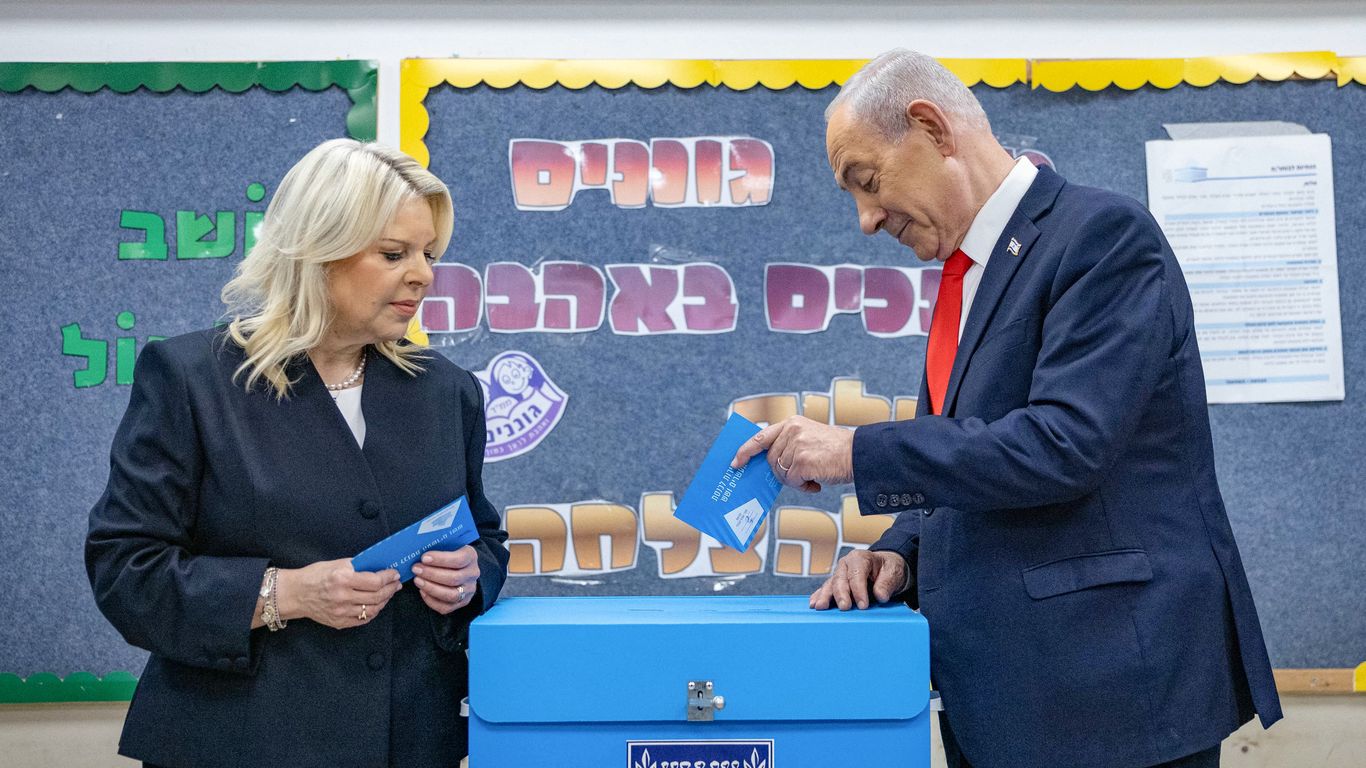



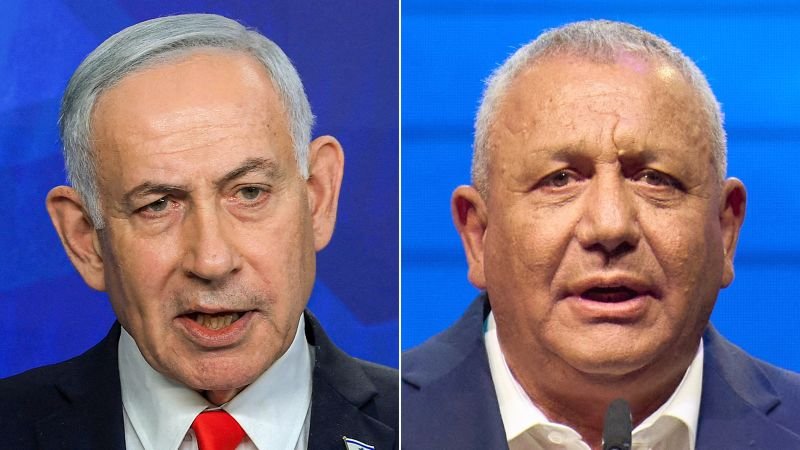

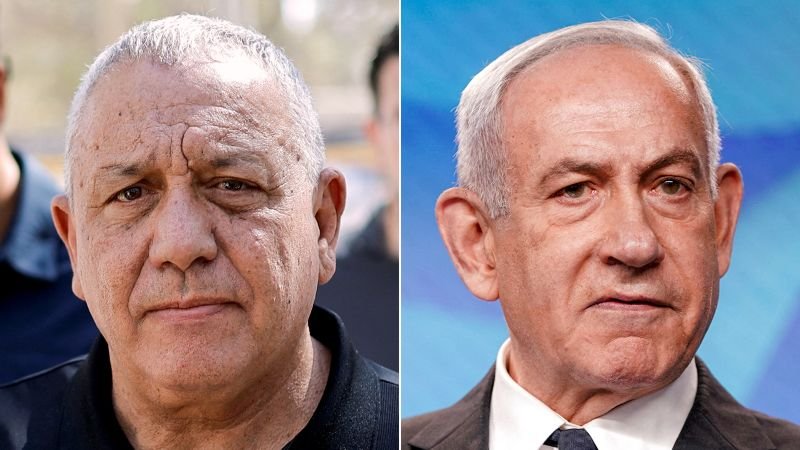
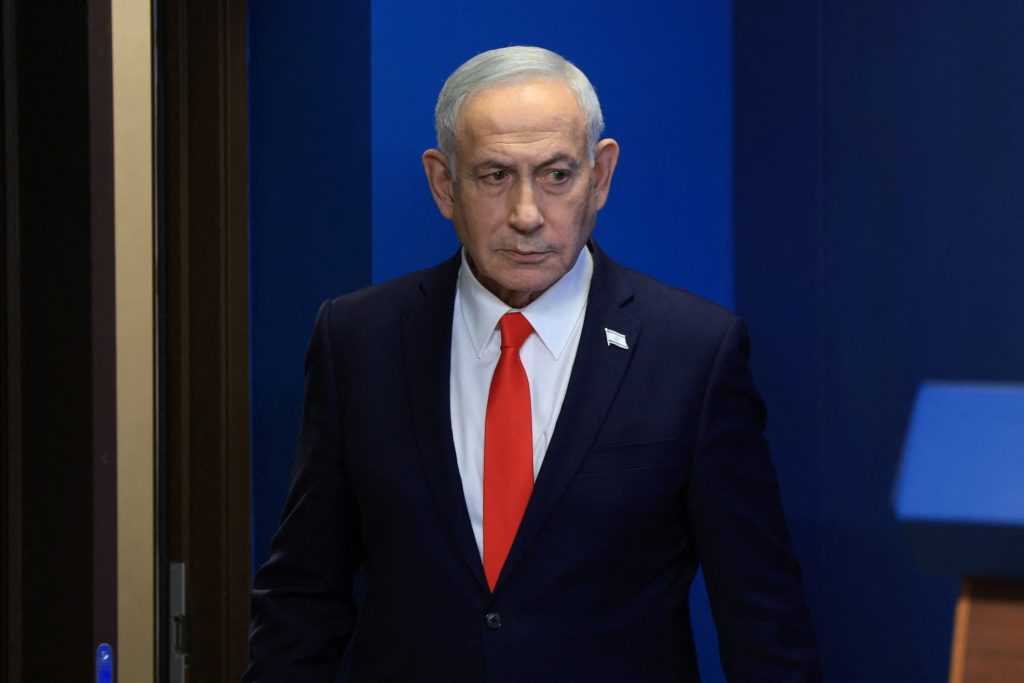



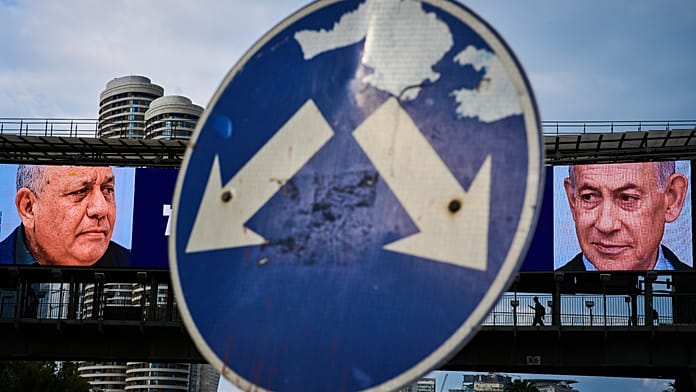
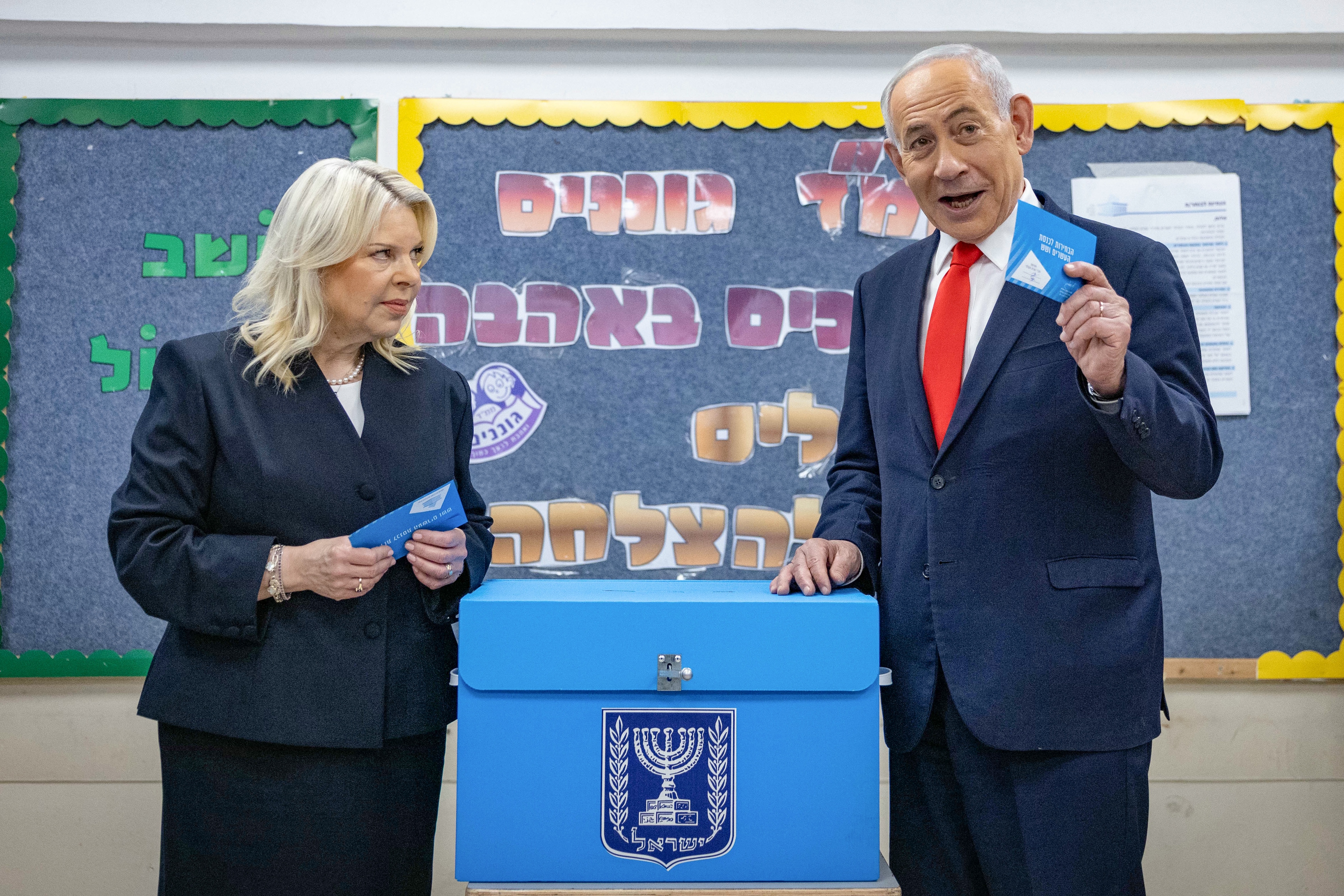



Israel’s prime minister remains in office, but preliminary results leave neither his allies nor his main challenger with a clear route to a government.
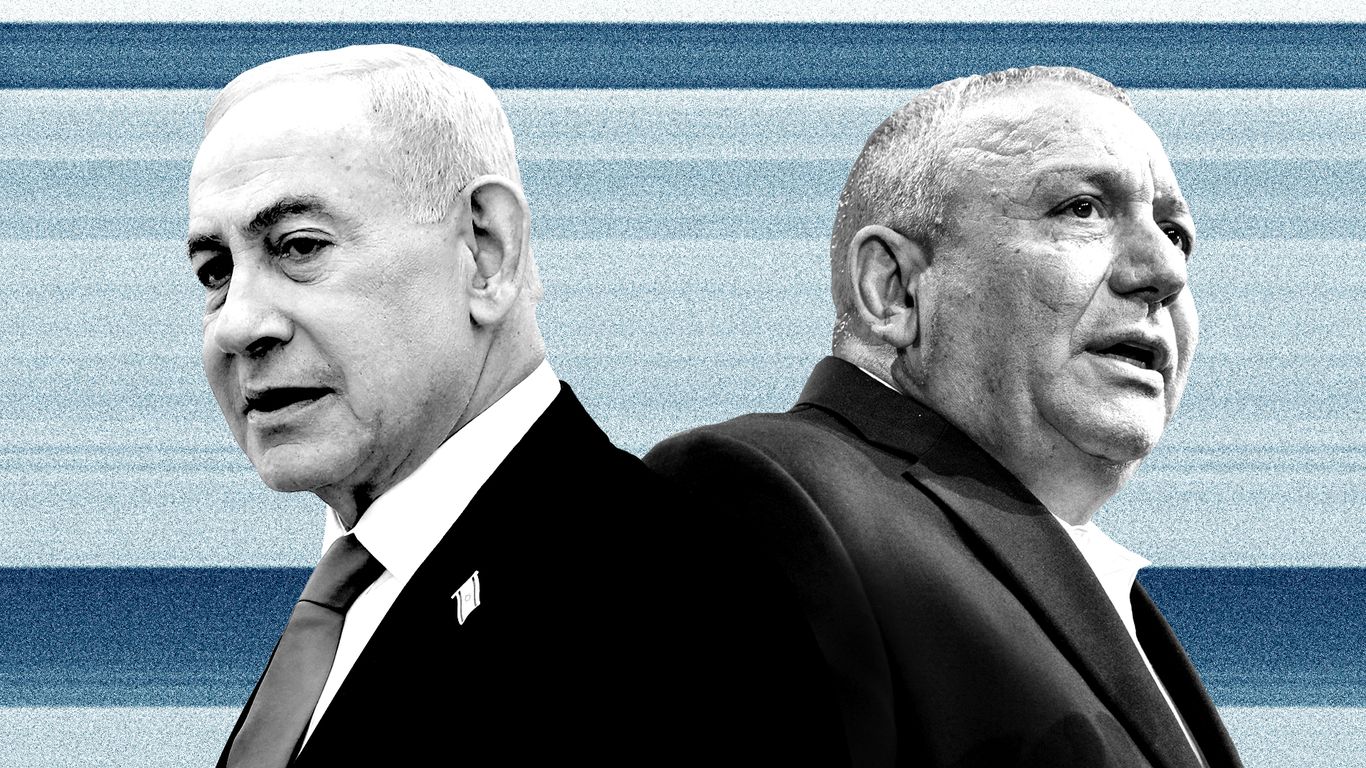
Benjamin Netanyahu’s right-wing and ultra-Orthodox allies were on course to lose their parliamentary majority after Israel’s October 27 election, leaving the prime minister facing difficult coalition negotiations — but not an immediate departure from office. With 93% of ballots counted, his bloc was projected to take 53 of the Knesset’s 120 seats, eight short of a majority.
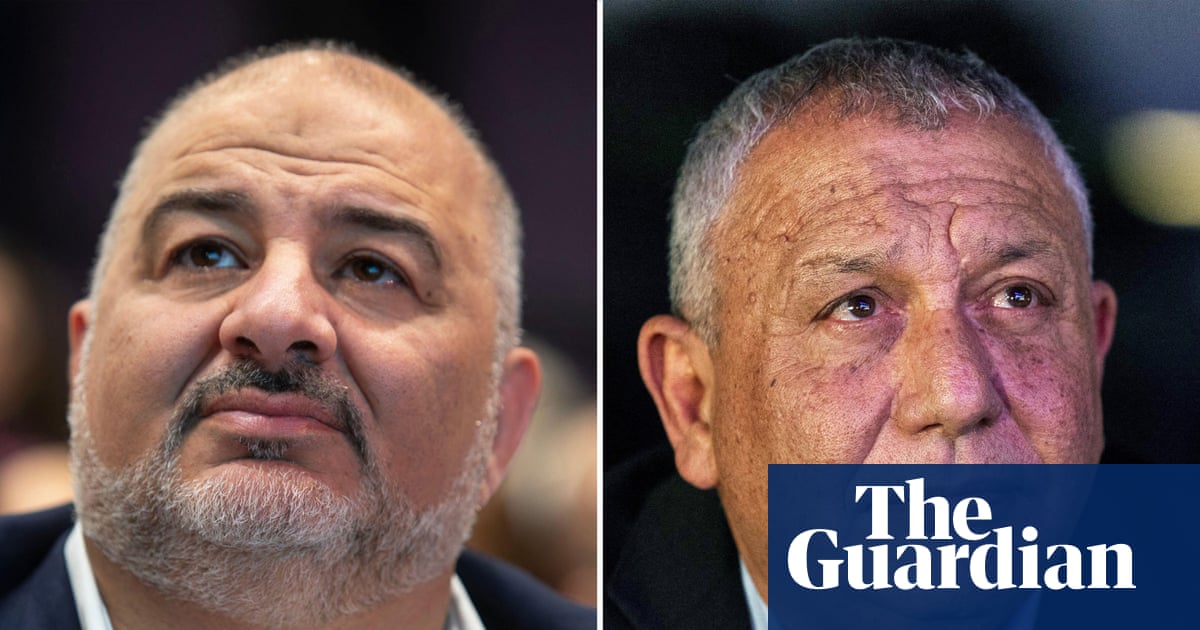
The four-party Jewish opposition bloc led by former military chief Gadi Eisenkot was projected to win 48 seats. Two Arab-led lists were heading for a combined 19, potentially giving them decisive influence over the next government — provided opposition leaders can overcome their resistance to relying on Arab parties.
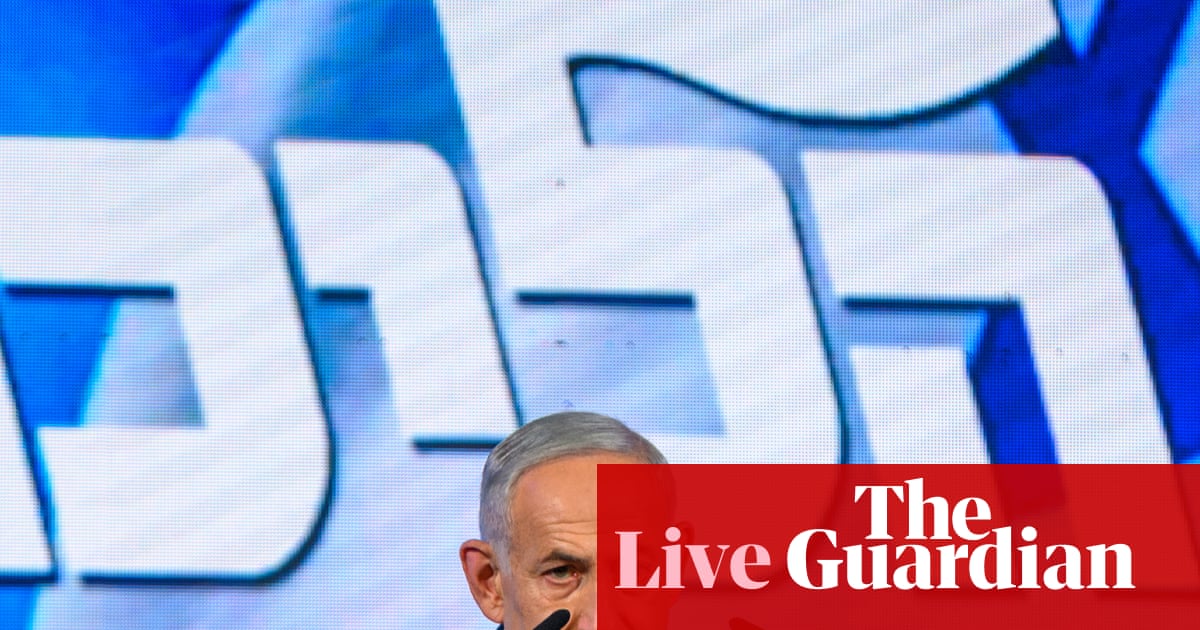
The emerging result points to deadlock, rather than a clear transfer of power. Netanyahu remains caretaker prime minister while his rivals try to turn their combined parliamentary numbers into a workable governing arrangement. If those negotiations fail, another election could follow.
A lead for Netanyahu, but no governing majority
Netanyahu’s Likud was projected to remain the largest individual party, with approximately 26 seats, ahead of Eisenkot’s Yashar on 21. But the size of a single party does not determine who becomes prime minister: the decisive question is who can assemble sufficient parliamentary support for a government.
The preliminary distribution was:
| Political grouping | Projected seats |
|---|---|
| Netanyahu’s right-wing and ultra-Orthodox bloc | 53 |
| Eisenkot’s Jewish opposition bloc | 48 |
| Arab-led parties: Ra’am and the Joint List | 19 |
| Total | 120 |
These projections reflect the count reported with 93% of ballots processed and remain subject to change.
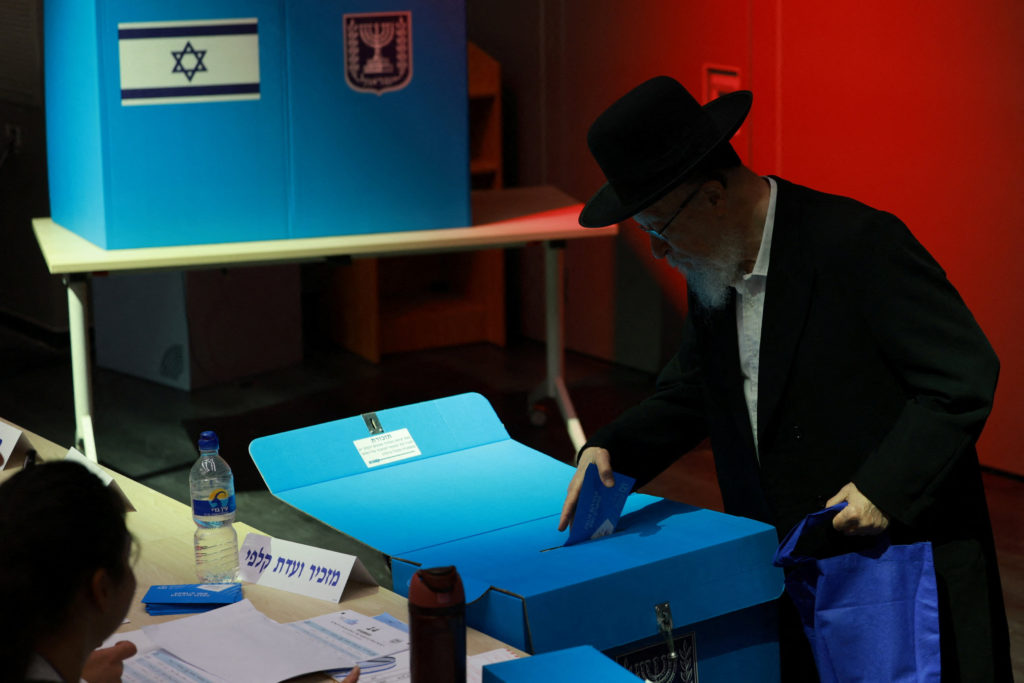
Election officials began counting as many as 480,000 absentee ballots on Thursday, including votes cast by soldiers, diplomats and hospital patients unable to attend their regular polling stations. Those ballots could change the allocation of seats under Israel’s proportional representation system.
The latest count also differed from the first election-night exit polls, which had suggested Eisenkot’s bloc could finish ahead. Netanyahu’s allies subsequently gained ground as actual ballots were counted, without reaching the 61 seats needed for an outright majority.
Arab parties gain leverage — and face resistance
The strongest potential route to replacing Netanyahu runs through cooperation between Eisenkot’s bloc and the Arab-led parties. Together, their projected 67 seats would constitute a parliamentary majority. But they are not a single political alliance, and agreement on removing Netanyahu does not automatically translate into agreement on governing.
Ra’am, also known as the United Arab List, and the Joint List were projected to win an unprecedented combined 19 seats following a surge in turnout among Arab citizens. Arab citizens account for about a fifth of Israel’s population, and many identify as Palestinian citizens of Israel.
Joint List leader Yousef Jabareen told the BBC that voters wanted both to remove far-right National Security Minister Itamar Ben-Gvir and to improve conditions in their communities. He identified equal citizenship and an end to discrimination as central demands, while campaigning in Arab communities also highlighted crime, housing and education.
Both Arab-led lists have signalled willingness to cooperate with Eisenkot’s camp. One possibility is a minority government: Eisenkot’s parties would hold cabinet positions while Arab parties supplied parliamentary support from outside the coalition.
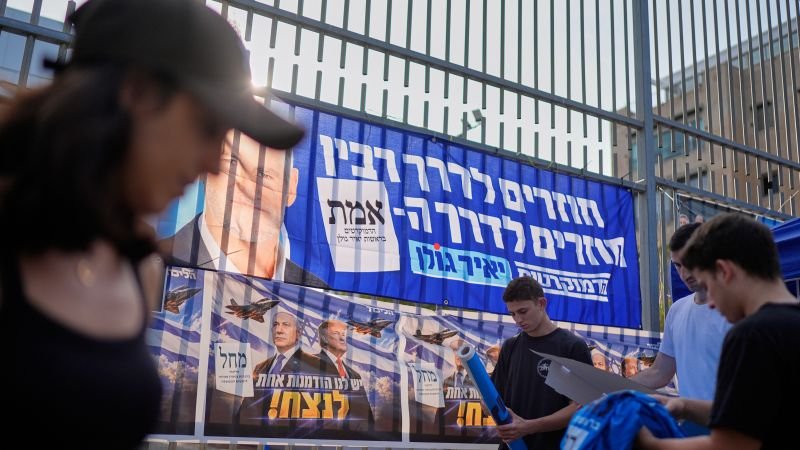
The obstacle is political rather than numerical. Naftali Bennett and Avigdor Lieberman, whose parties belong to Eisenkot’s bloc, have opposed a government dependent on Arab parties. Eisenkot has also raised objections or conditions. Of the four Jewish opposition parties, only Yair Golan’s Democrats had publicly called for partnership with the Arab-led lists.
There is a precedent for cooperation. Ra’am joined the coalition formed under Bennett in 2021, becoming the first independent Arab party to enter an Israeli governing coalition. That government subsequently collapsed.
Accountability and military service shaped the campaign
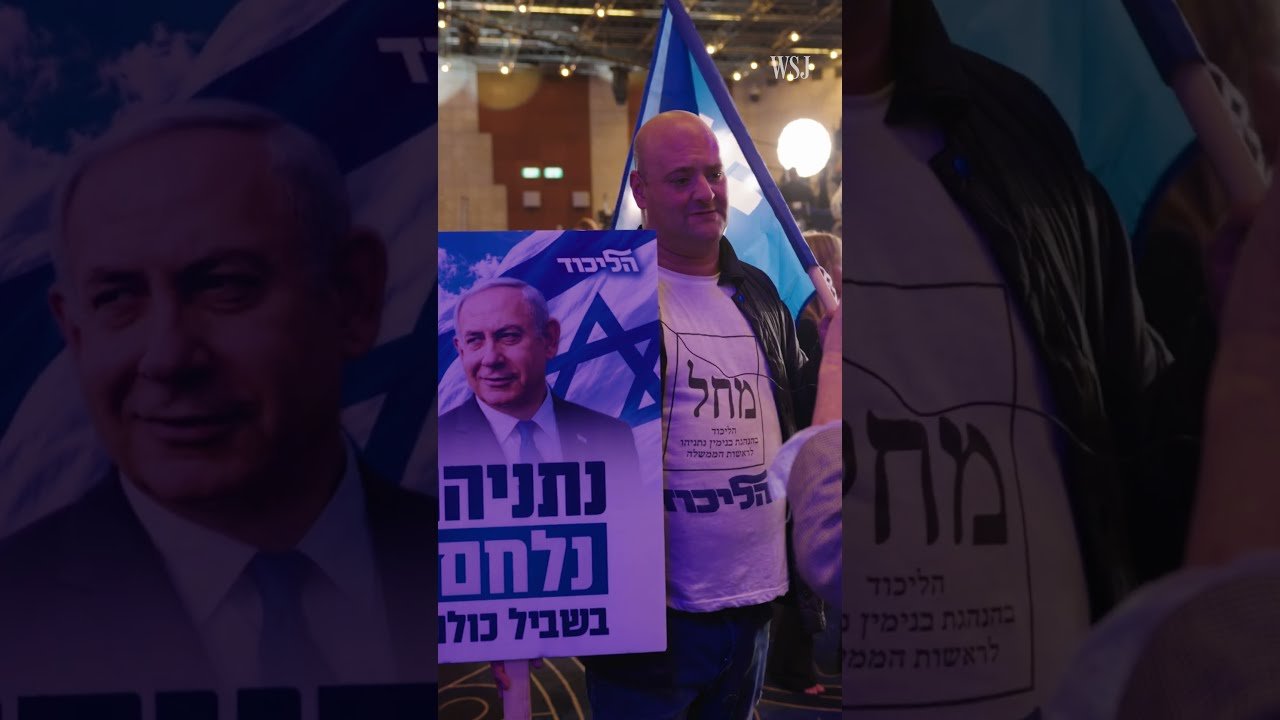
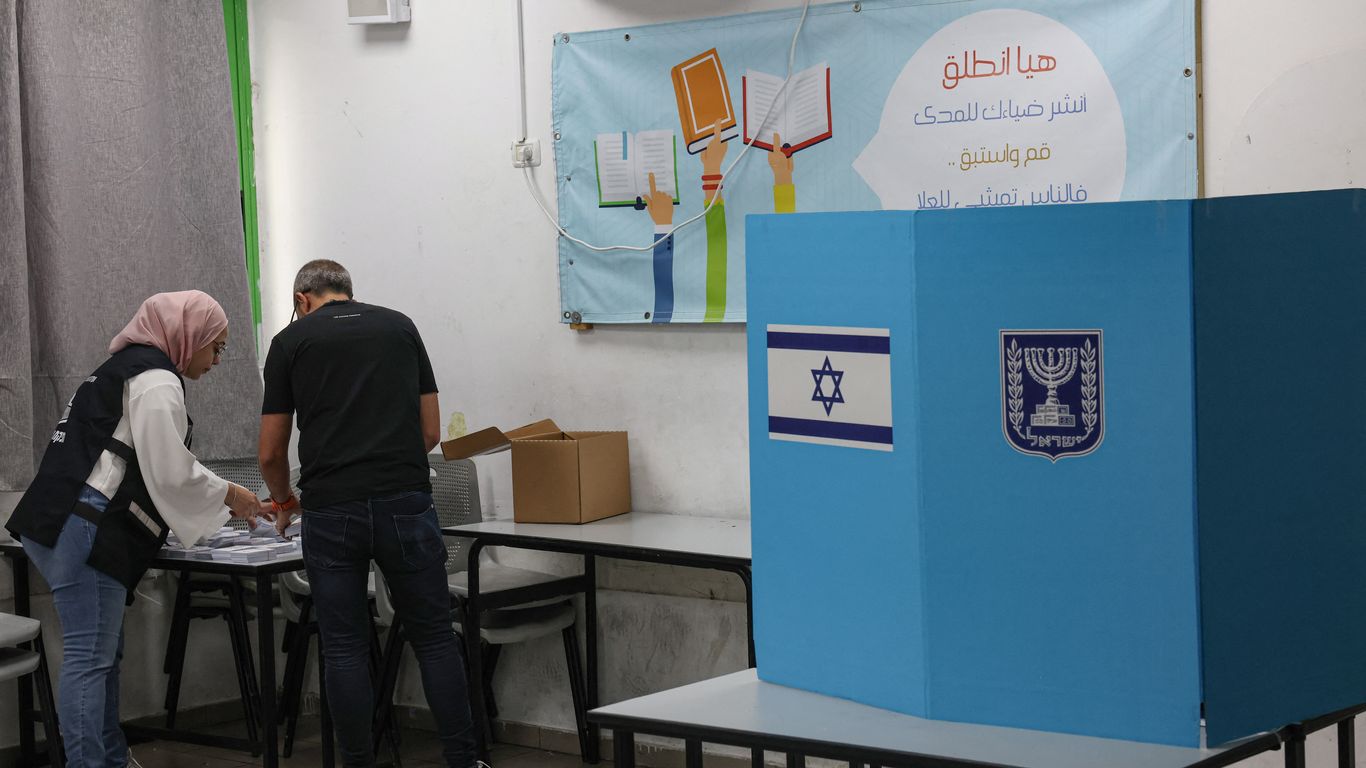
Tuesday’s vote was Israel’s first general election since the Hamas-led attacks of October 7, 2023, and the subsequent wars in Gaza, Lebanon and Iran. The campaign centred on competing judgments about Netanyahu’s leadership, national security and the country’s political direction.
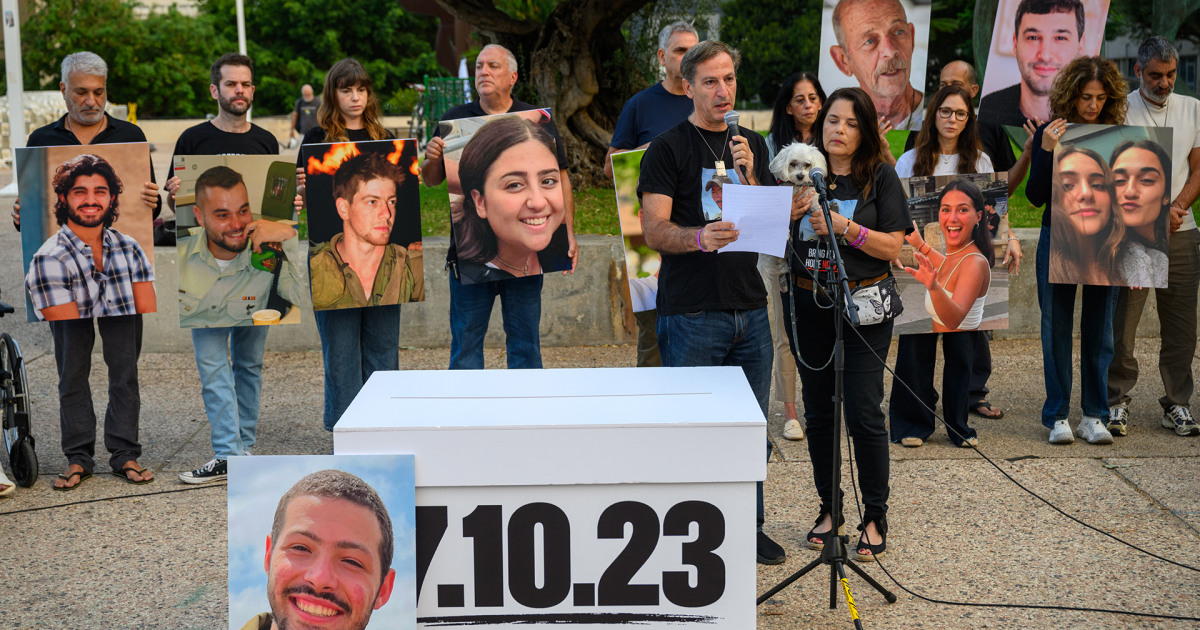
Major issues included accountability for the security failures preceding October 7, the conduct of the regional wars, military conscription for ultra-Orthodox Jewish men, judicial changes and Israel’s international standing.
The result exposed the limits of both camps’ appeals. Netanyahu retained enough support to keep his bloc ahead of Eisenkot’s, but not enough to preserve its majority. His opponents, meanwhile, won a potential parliamentary majority only when counted alongside Arab parties that several opposition leaders had ruled out as governing partners.
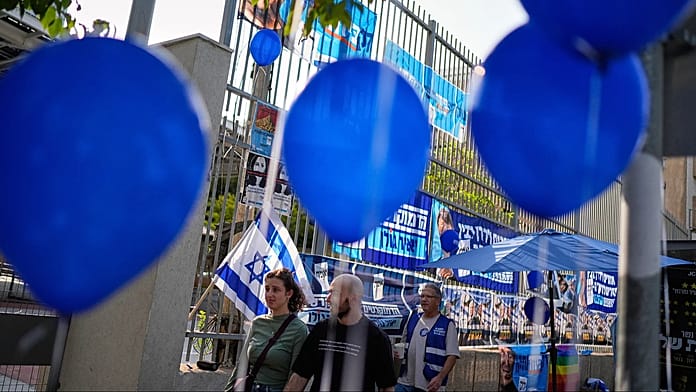
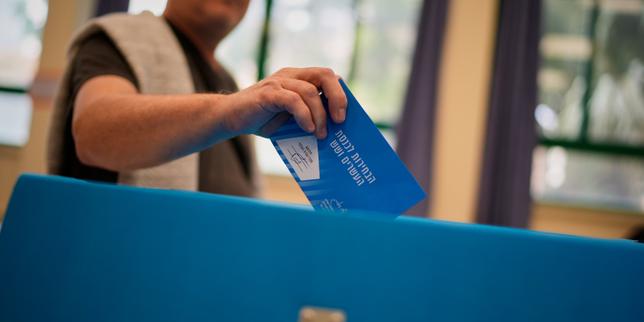
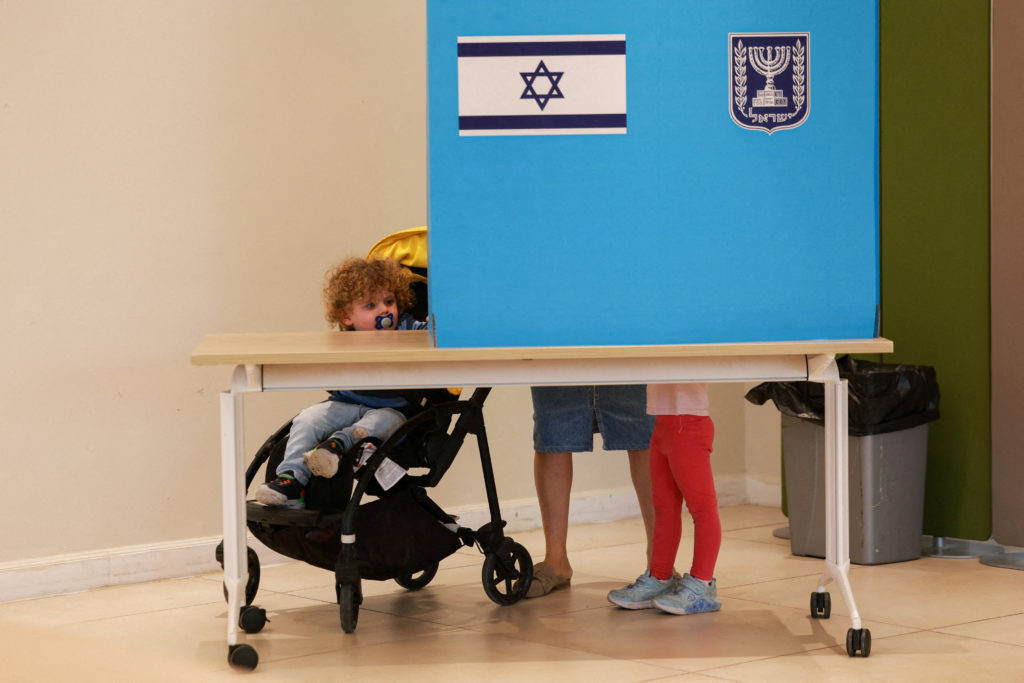
Overall turnout reached 77.7%, the highest in more than two decades, according to the BBC. President Isaac Herzog praised participation while urging political leaders to avoid another election.
Likud’s fraud allegations add to tensions
As the results emerged, Likud accused Arab parties of electoral wrongdoing, including bribery, threats and fraud. The party did not provide evidence supporting those allegations, according to reporting by the BBC and Politico.
The Central Elections Committee said it would examine the complaints as part of its post-election review. On Thursday, committee chairman Justice Noam Sohlberg separately instructed the Shin Bet domestic security service to investigate what he described as suspicions of improper foreign-funded influence. He did not publicly provide further details. An investigation does not establish that wrongdoing occurred.
Arab political leaders rejected Likud’s accusations. Balad chairman Sami Abu Shehadeh, whose party belongs to the Joint List, accused Netanyahu’s camp of trying to overturn the result through allegations targeting Arab voters.
Four routes out of the impasse
Coalition negotiations could develop along several paths, none straightforward.
- An Eisenkot-led government supported by Arab parties. The projected numbers would provide a majority, but Eisenkot would need to reconcile his partners’ opposition to that arrangement with the Arab parties’ demands for substantive influence.
- A broad unity government. Reuters calculated that Likud, Yashar, Bennett’s Together faction and Lieberman’s Israel Our Home could together command 66 seats. Such a deal would require opposition leaders to retreat from their pledge to remove Netanyahu and would likely require him to abandon his far-right and ultra-Orthodox allies.
- Netanyahu attracting opposition support. The prime minister could try to persuade parties or individual lawmakers to cross over. His projected bloc would need eight additional seats to reach an outright majority. Reuters noted his history of exploiting divisions among political rivals, although the current gap presents a substantial challenge.
- Another election. If successive attempts to form a government fail within the prescribed process, Israel would return to the polls, with Netanyahu remaining caretaker prime minister in the meantime.
What happens next
Herzog said he expected to receive the official results the following week, after which he would consult every parliamentary faction and select the candidate he considered best placed to form a government. That candidate need not be the leader of the largest party.
The first candidate normally receives 28 days to negotiate, with a possible 14-day extension. If that attempt fails, another candidate can receive a mandate, followed by a further opportunity for lawmakers to nominate an alternative before an election becomes necessary. Reuters described the overall process as potentially lasting around 100 days.
“We must do everything we can … to avoid another round of elections,” Herzog said, urging parties to approach consultations “with an open mind.”
For Netanyahu’s opponents, the immediate challenge is therefore not simply demonstrating that his existing coalition has lost its majority. It is agreeing on a replacement — while the incumbent continues to hold office.