



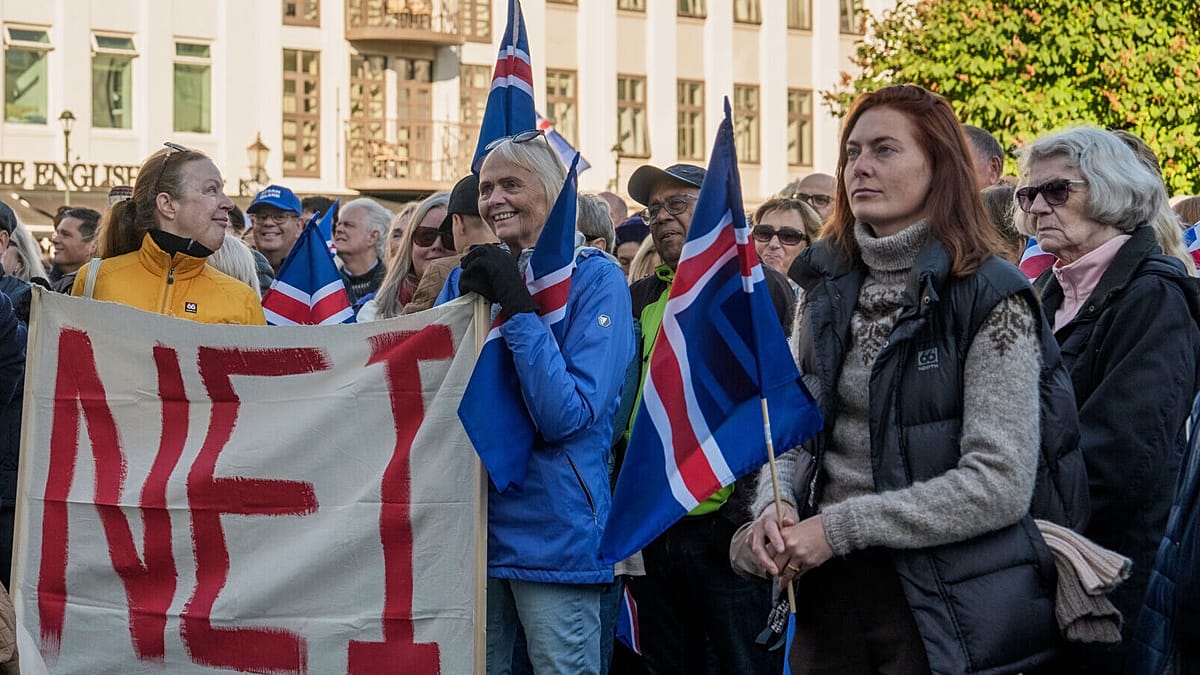


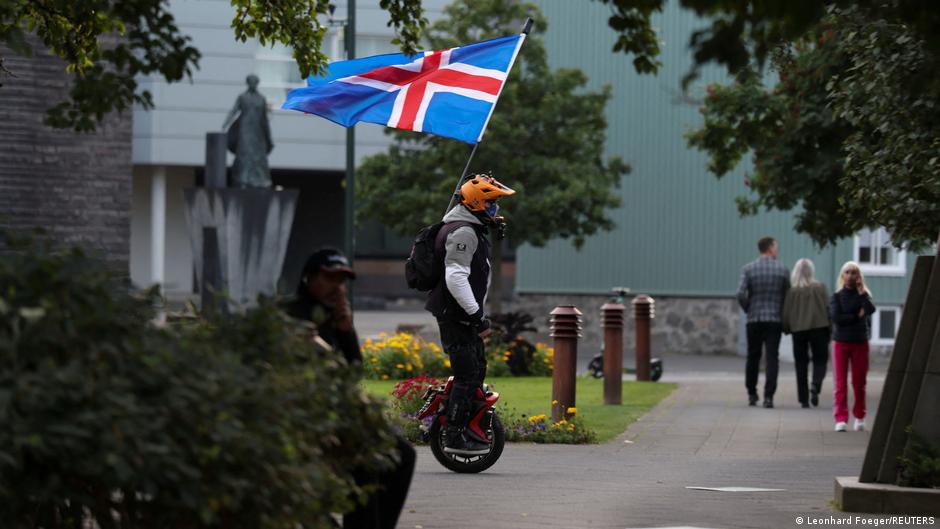



Iceland has voted against reopening negotiations to join the European Union, with 52.8% rejecting the proposal in a closely contested referendum on 29 August 2026. The result—decisive enough to settle the question, yet far from a landslide—keeps Iceland outside the EU while preserving its deep integration through the European Economic Area (EEA) and Schengen.
What the vote asked—and how it broke down
The ballot posed a single yes-or-no question: “Should Iceland resume accession negotiations with the European Union?” Final results published by Iceland’s public broadcaster RÚV showed:
- No: 52.8% (about 121,600 votes)
- Yes: 47.2%
- Turnout: 82.5% of eligible voters—the highest in any Icelandic election since 2009, when roughly 270,000 people were eligible to vote and more than 225,000 ballots were cast this time.
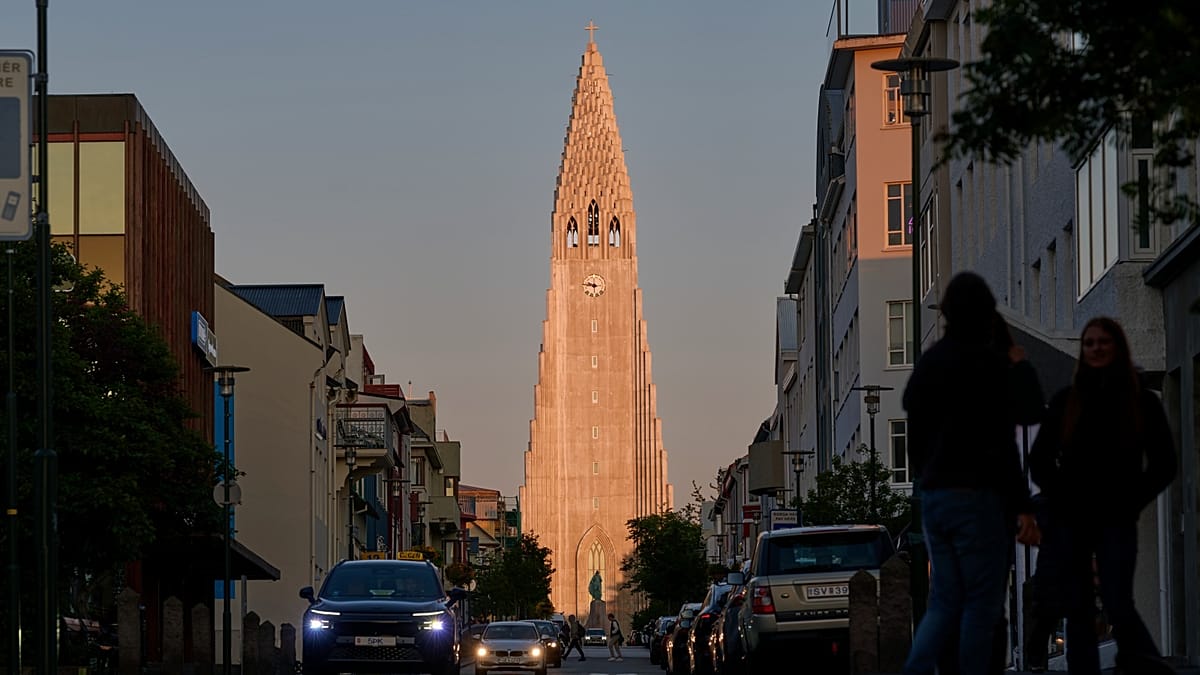
Geographically, support for restarting talks was concentrated in central Reykjavík. Of Iceland’s six constituencies, only Reykjavík North and Reykjavík South returned “Yes” majorities; rural areas and Reykjavík’s suburbs voted “No.” Reported constituency splits included Reykjavík North (Yes 57.5%) and Reykjavík South (Yes 54.5%), with the rest of the country ranging from roughly 37–47% in favour.
Why voters said no: fisheries, sovereignty, and risk
The campaign pitted geopolitical and economic security arguments against fears of losing control over Iceland’s most valuable natural asset: its fishing grounds.
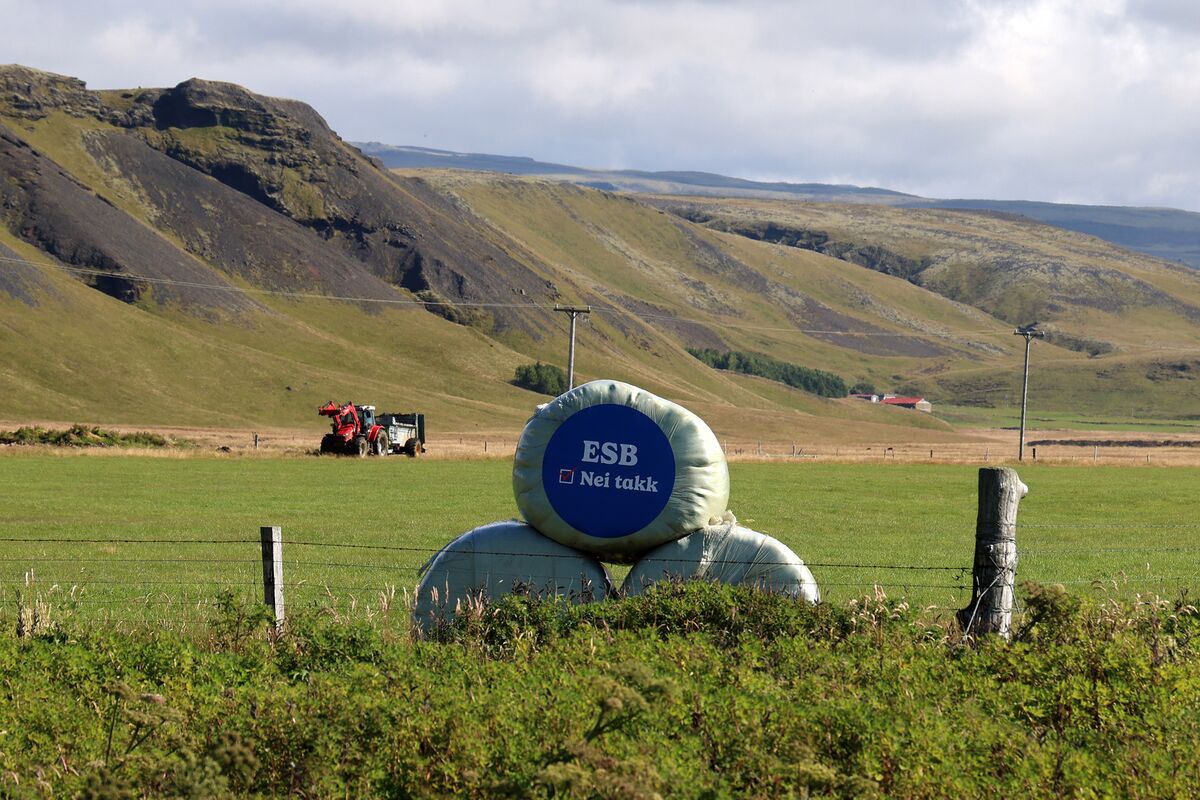
- Fisheries as the flashpoint. Opponents warned that EU membership could eventually expose Iceland’s waters to the bloc’s Common Fisheries Policy. Marine products account for a large share of Iceland’s exports—commonly cited around 40%—making fishing rights a potent sovereignty issue.
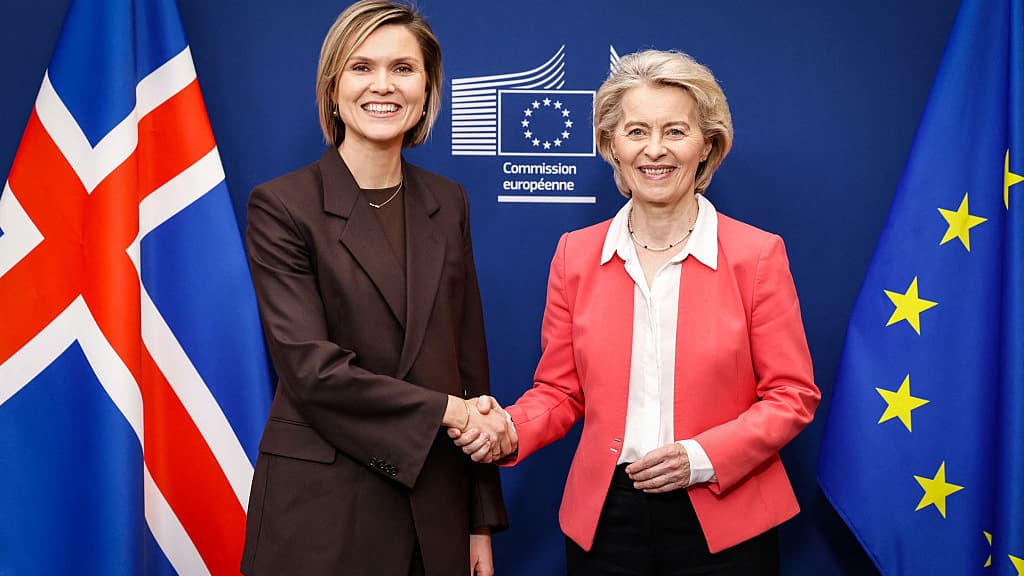
- Geopolitical shield vs. independence. The centre-left coalition government, led by Prime Minister Kristrún Frostadóttir, had framed membership talks as a “now or never” hedge against global trade instability and Arctic security rivalry. Voters ultimately judged those risks insufficient to justify ceding autonomy.
- A narrow but clear margin. The “No” camp won by about 5.6 percentage points—just under 13,000 votes out of more than 225,000 cast—enough to close the debate for the near term.
What happens next politically
Although the referendum is technically non-binding, the government pledged to respect the outcome. Frostadóttir, who publicly backed the “Yes” side, said the result would be honoured and indicated the EU question would not be revisited while her administration remains in office. She also called for national unity, noting that 47% of voters had supported restarting talks and deserved to have their viewpoint respected in the months ahead.
In practical terms, the result shelves the EU membership debate in Icelandic politics for at least the remainder of this parliamentary cycle, with many analysts expecting the issue to lie dormant for years unless a major external shock resets the calculus.
Iceland’s Europe ties stay intact: EEA and Schengen
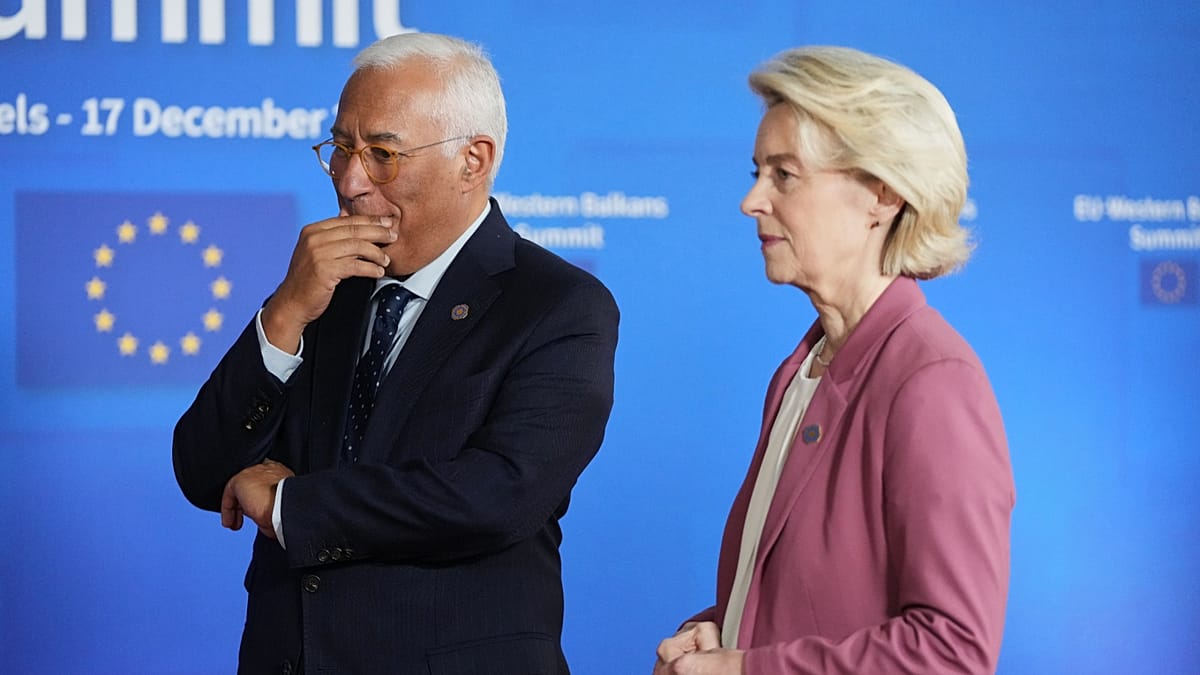
A “No” to accession talks is not a “No” to Europe. Iceland remains deeply embedded in the EU’s orbit through two frameworks that are unaffected by the vote:
- European Economic Area (EEA): Grants Iceland tariff-free access to the EU Single Market and free movement of goods, capital, services, and people.
- Schengen Agreement: Enables passport-free travel across most of continental Europe.
The trade-off is well known in Reykjavík: Iceland implements a large portion of EU rules—often estimated around three-quarters—without holding a vote or a seat in Brussels. That arrangement, which has long allowed Iceland to reap many single-market benefits while keeping fisheries and certain policy levers under national control, remains the cornerstone of its relationship with the EU.
Historical context: from crisis application to frozen talks
Iceland first applied for EU membership in 2009, in the immediate aftermath of its banking collapse during the global financial crisis. Negotiations advanced for several years before a more eurosceptic government put them on hold in 2013, leaving the application effectively frozen.
The 2026 referendum marked the first time since then that the question was returned to voters, reviving a debate that has periodically resurfaced in Icelandic politics without ever crossing the accession threshold.