



































President Donald Trump’s October 9 agreement to reopen trade in Russian diesel has drawn criticism from Ukraine, European allies and US lawmakers, who warn that lowering fuel costs through purchases from Moscow could undermine efforts to pressure Russia over its war. A subsequent announcement of an energy ceasefire added to the dispute after Kyiv said it had not agreed to the arrangement beforehand.
Trump presented the diesel agreement as a way to bring down fuel prices for American consumers, farmers and truckers. But questions remain over how much fuel Russia can deliver, how quickly it could reach buyers and whether any savings would substantially reduce prices at US pumps.
What the diesel agreement includes
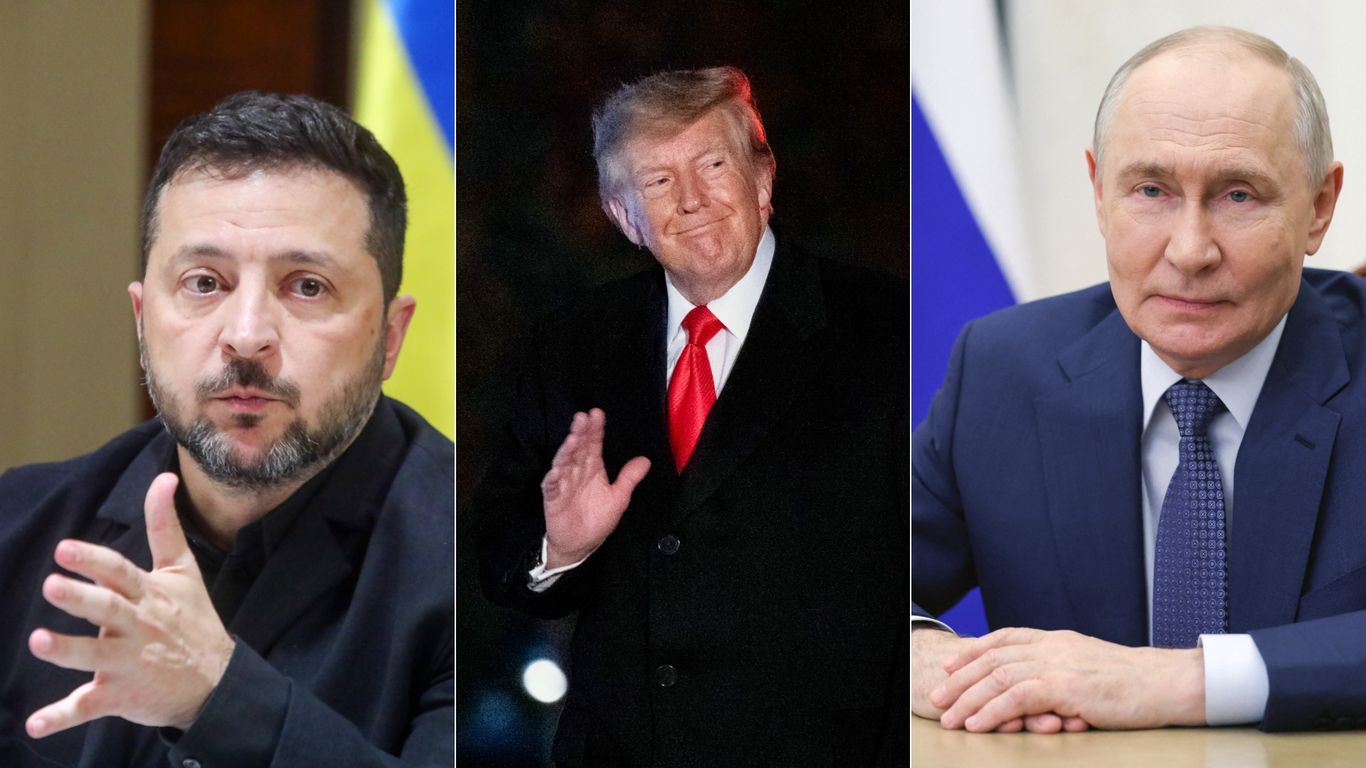
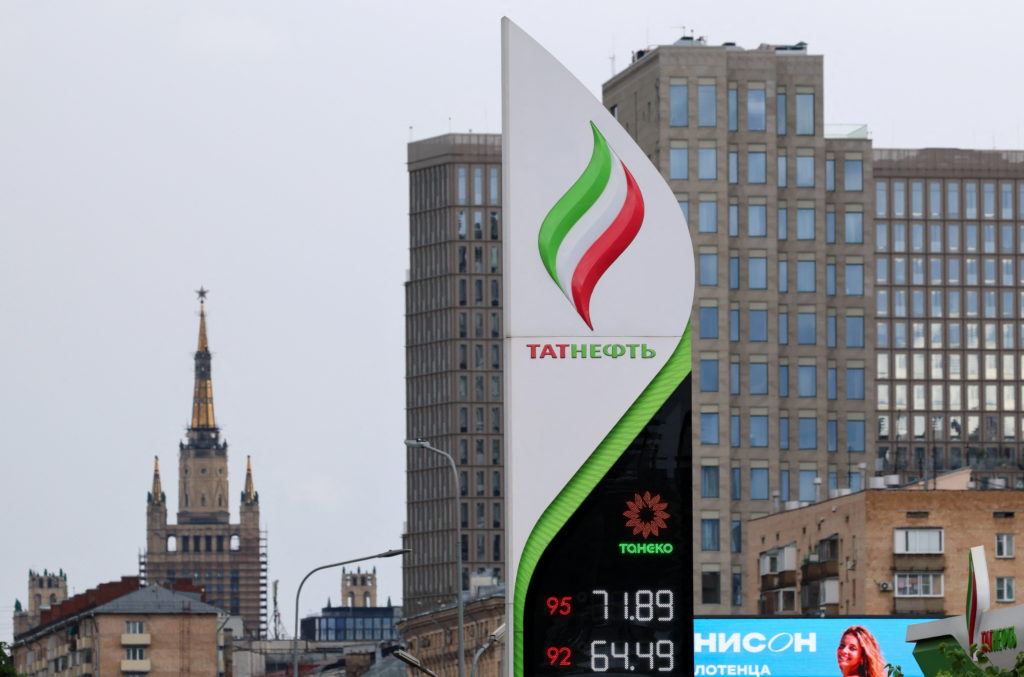
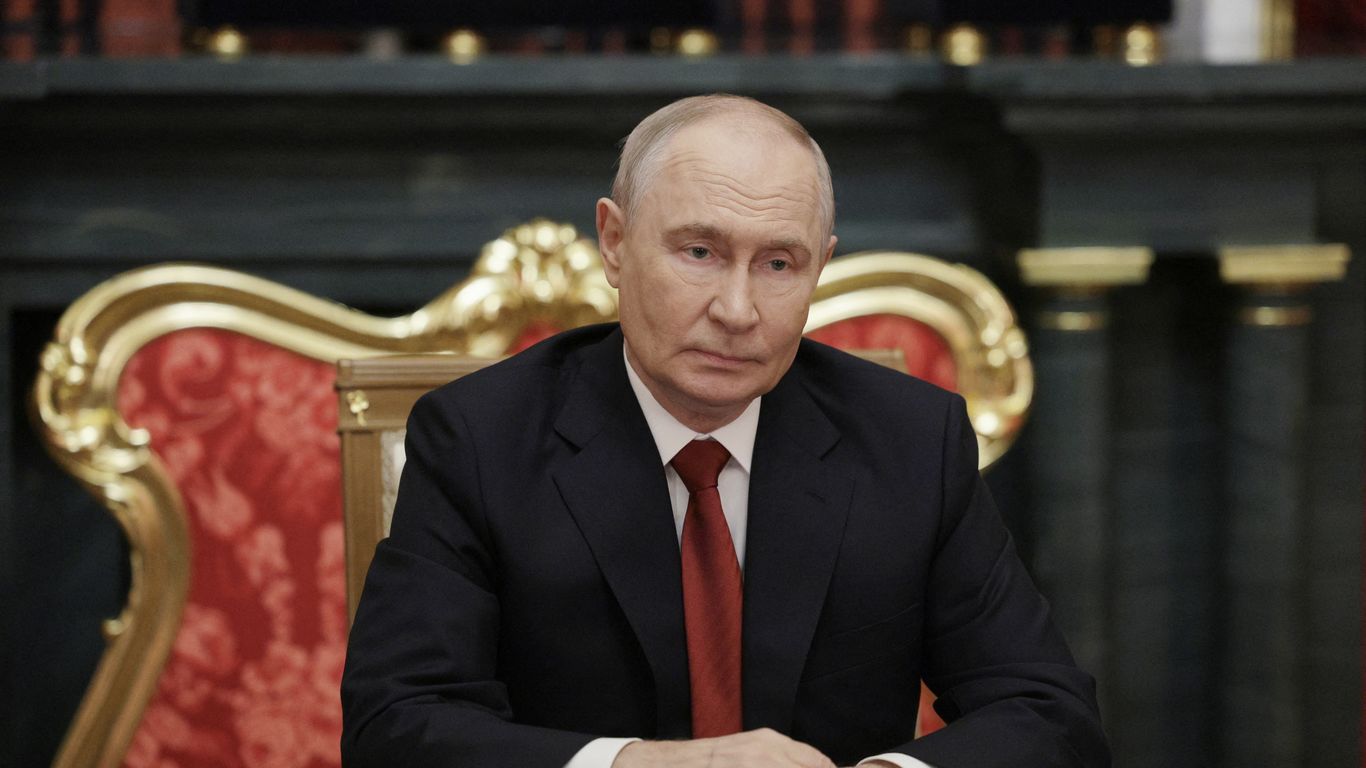
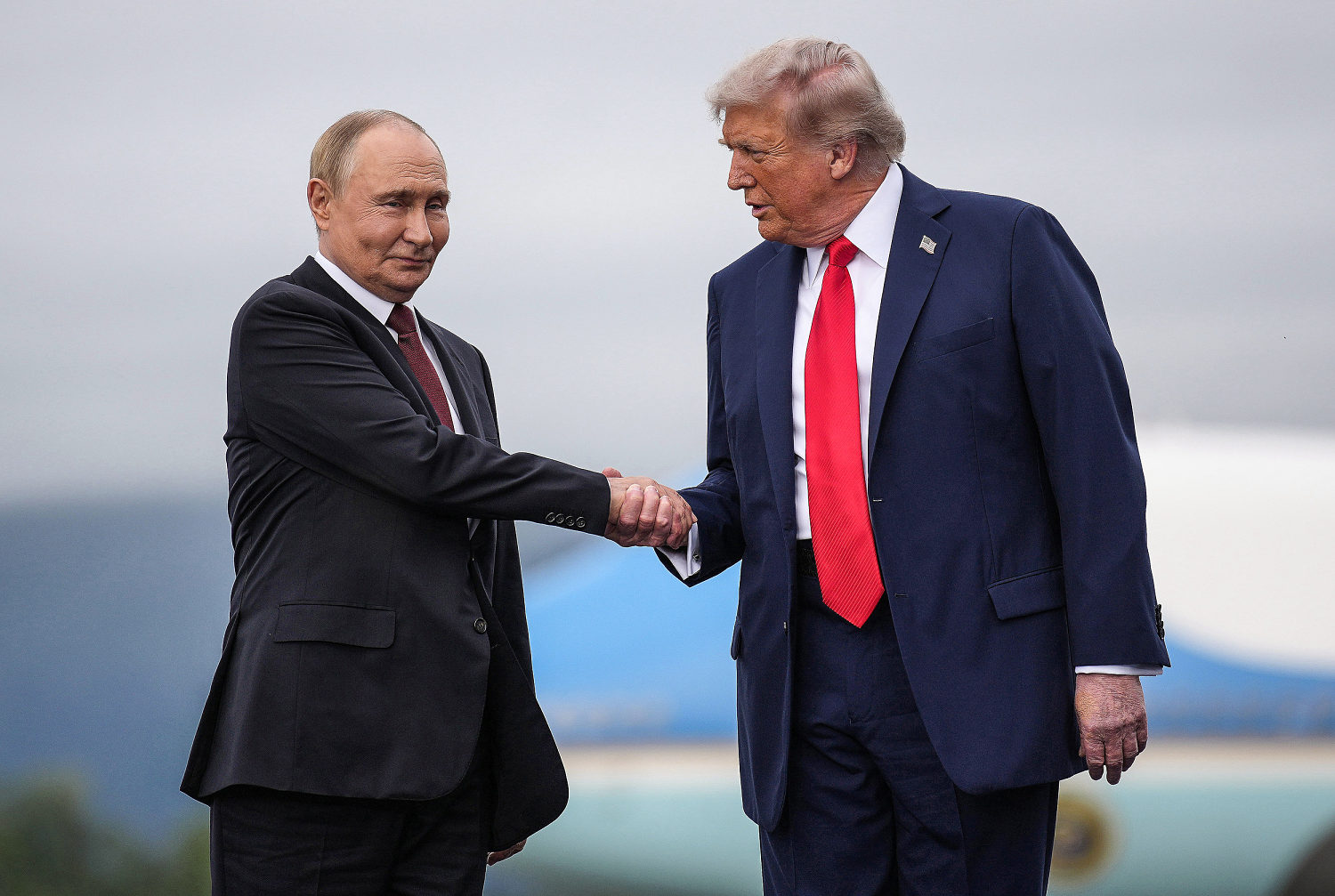
Following discussions with Russian President Vladimir Putin, Trump announced that Russia would immediately supply more than 300,000 tons of diesel—approximately 2.25 million barrels—to U.S. and global markets. He outlined another 500,000 tons in November and one million tons “immediately thereafter,” followed by a further three million tons within a short period, depending on the condition of Russia’s refineries.
Those figures represent announced commitments, not confirmation that the shipments have been delivered. The US Treasury subsequently issued a temporary license authorizing transactions involving Russian diesel, including imports into the United States, through April 7, 2027, according to TIME.
The arrangement reverses restrictions on Russian fuel imports introduced in 2022. It also creates a policy divide with European allies seeking to maintain economic pressure on Moscow over its invasion of Ukraine.
Why Trump is seeking Russian fuel
The agreement comes amid sharply higher diesel prices ahead of the November 3 US midterm elections. The Council on Foreign Relations, citing the US Energy Information Administration, reported that American diesel prices averaged $6.18 a gallon on October 12, compared with $3.48 at the beginning of the year.
Diesel costs affect more than motorists. The fuel powers machinery and vehicles used in farming, construction and freight transport, making price increases consequential for businesses and the movement of goods.
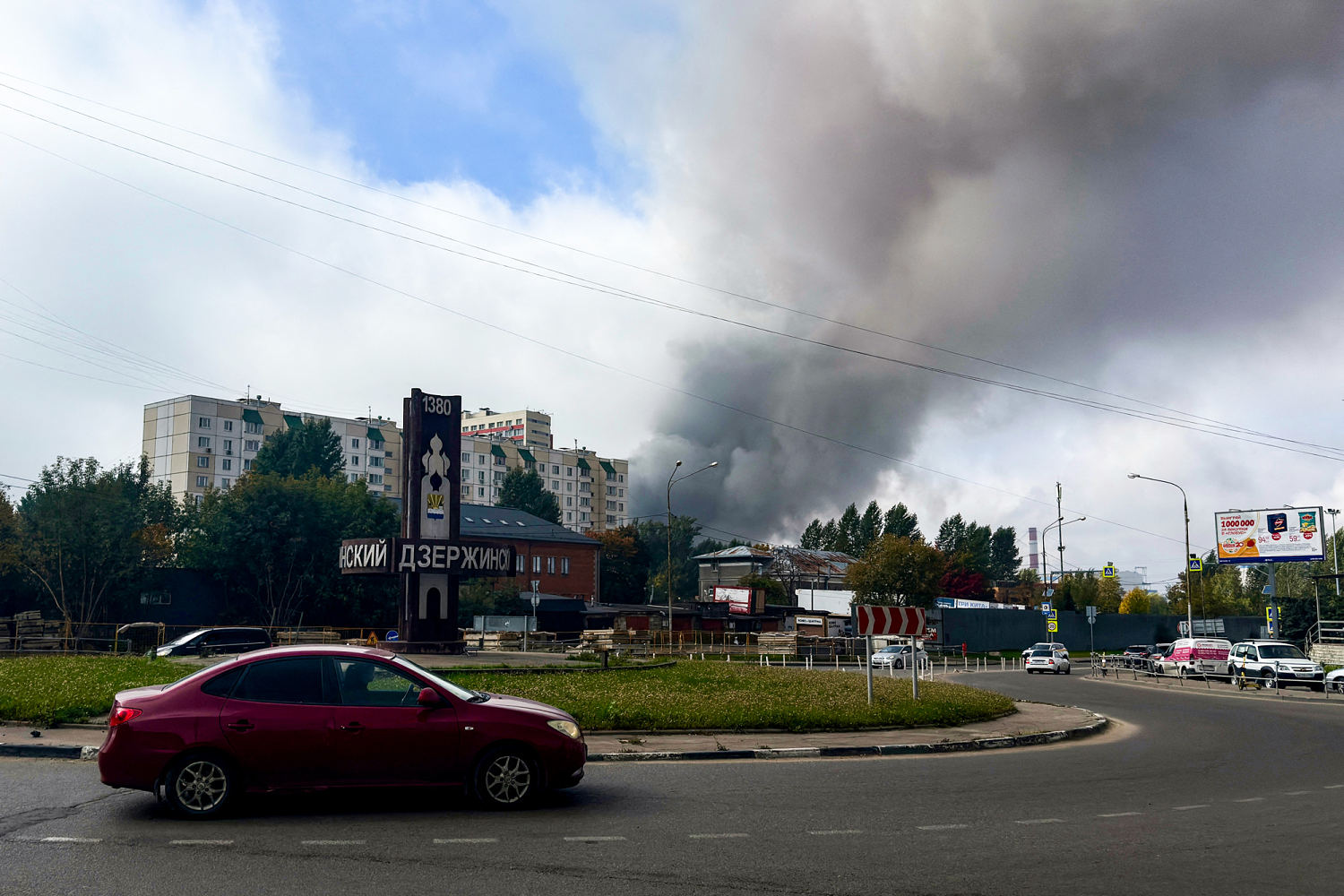
Reporting by Reuters and TIME identifies disruptions associated with the war against Iran as a major source of pressure on global energy supplies. Ukrainian attacks on Russian refineries have added strain to the diesel market, but are not the sole explanation for rising prices.
Will the deal lower prices?
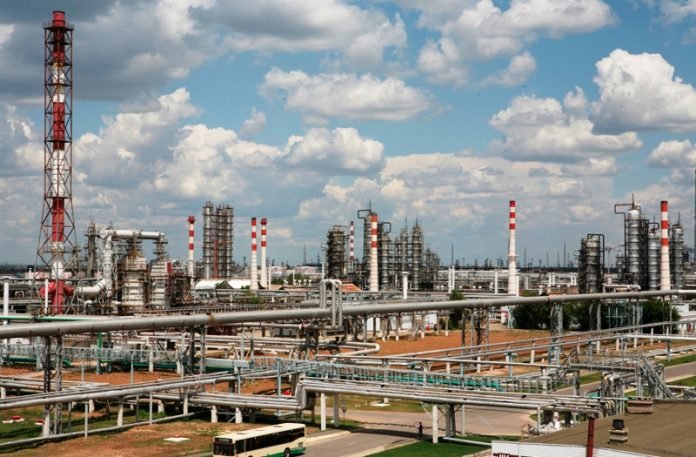
The immediate impact could be limited. According to calculations cited by the Council on Foreign Relations, the initial 300,000-ton release would cover less than one day of US diesel consumption. Later deliveries depend partly on Russia’s ability to operate refineries damaged by Ukrainian attacks.
“There could be a modest short-term effect on wholesale prices, but only a small and delayed benefit, if any, would reach consumers at the pump,” Tatiana Mitrova, a fellow at Columbia University’s Center on Global Energy Policy, told TIME.
The distinction is between announcing additional fuel and delivering enough of it to change market conditions. The promised volumes could offer some relief, but their timing and availability remain important limitations.
The disputed energy ceasefire
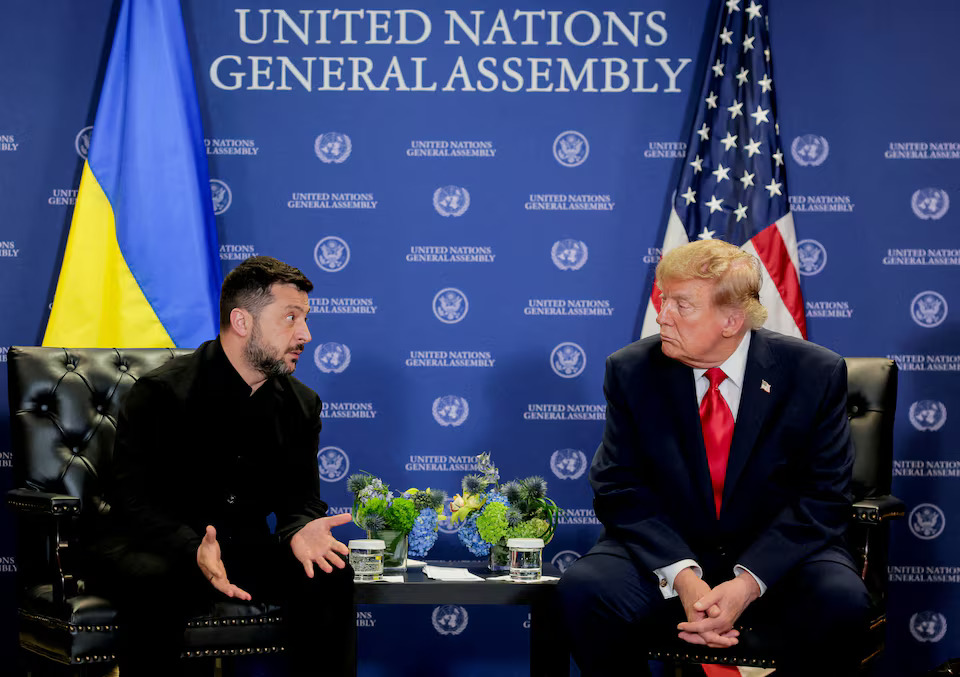
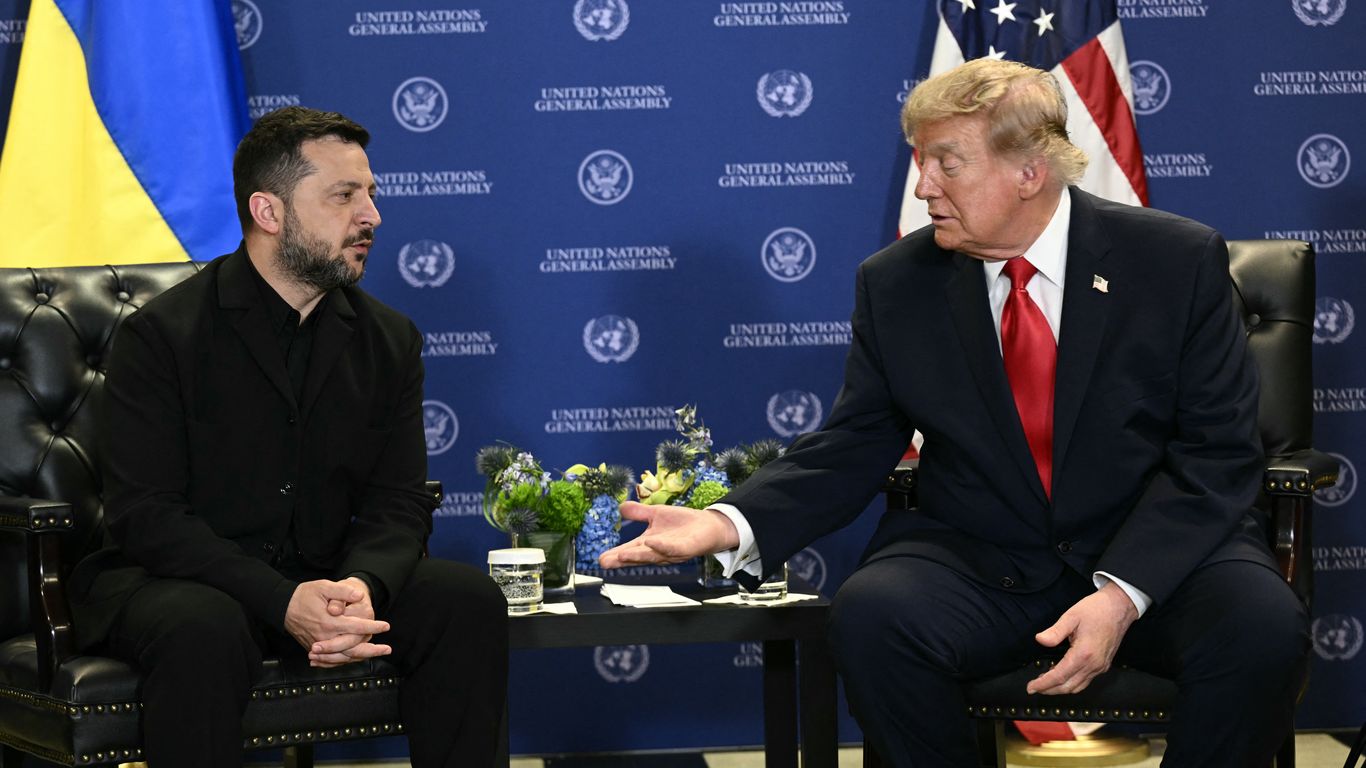
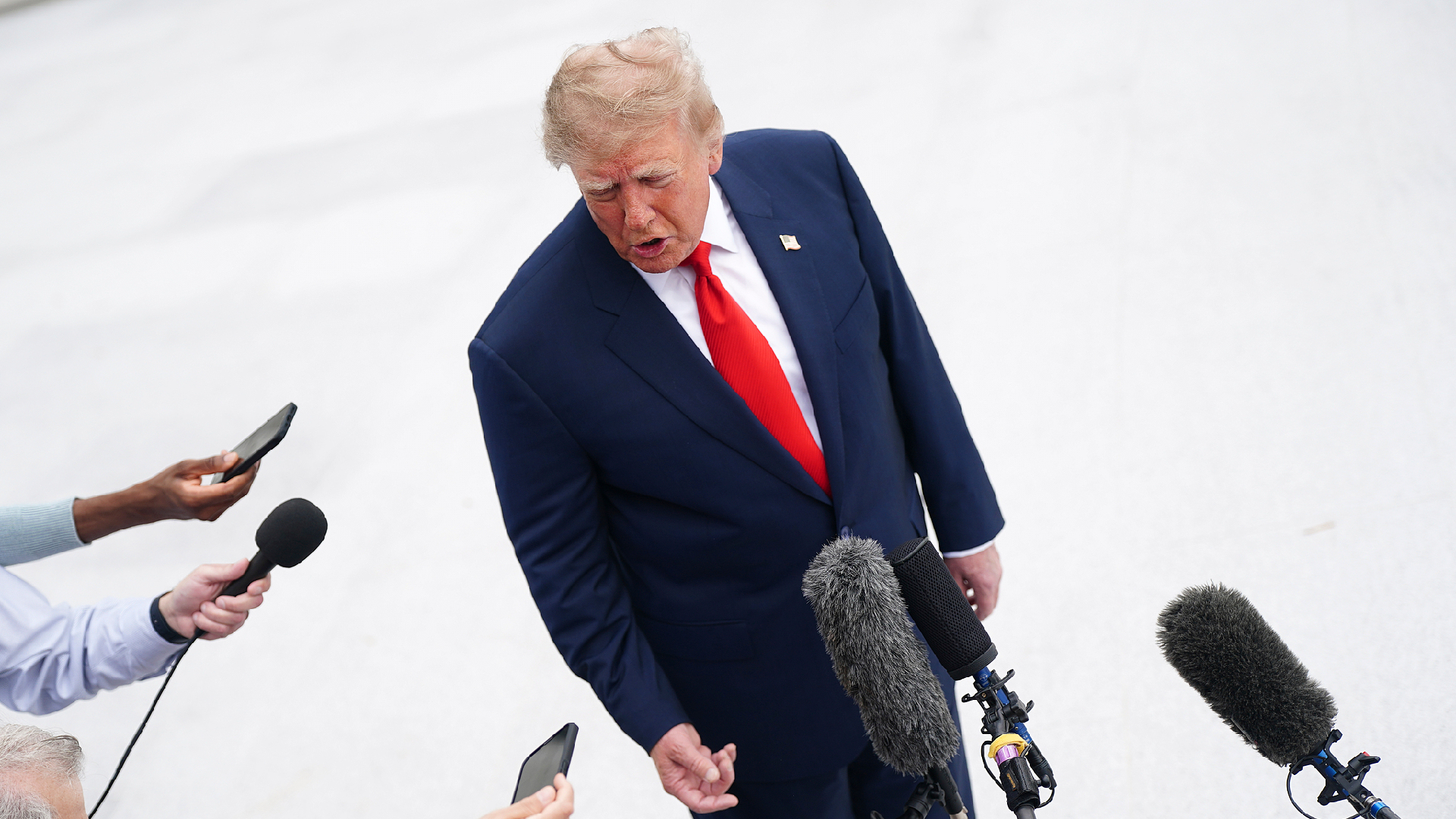
On October 11, two days after announcing the diesel agreement, Trump claimed that Russia and Ukraine had agreed to an immediate “energy ceasefire.” Ukrainian President Volodymyr Zelenskyy said the purported agreement was news to him, while Ukrainian officials reported further Russian attacks on energy infrastructure hours after Trump’s announcement.
Kyiv said it was prepared to stop attacking Russian energy facilities if Moscow reciprocated. Ukraine paused its attacks for three days before resuming them in response to continuing Russian strikes, according to the BBC and the Council on Foreign Relations.
The disagreement exposed competing priorities. Washington has pressed Ukraine to stop attacks on Russian diesel infrastructure as it seeks to ease fuel prices. Kyiv views its long-range campaign as a response to Russia’s bombardment and a means of weakening Moscow’s ability to sustain the war.
The dispute also produced conflicting accounts of U.S. military support. Zelenskyy said Ukrainian military officials had been warned that continued energy strikes could lead to a cutoff in American intelligence sharing. A US official familiar with the situation disputed Kyiv’s account, Reuters reported.
Criticism and continuing diplomacy
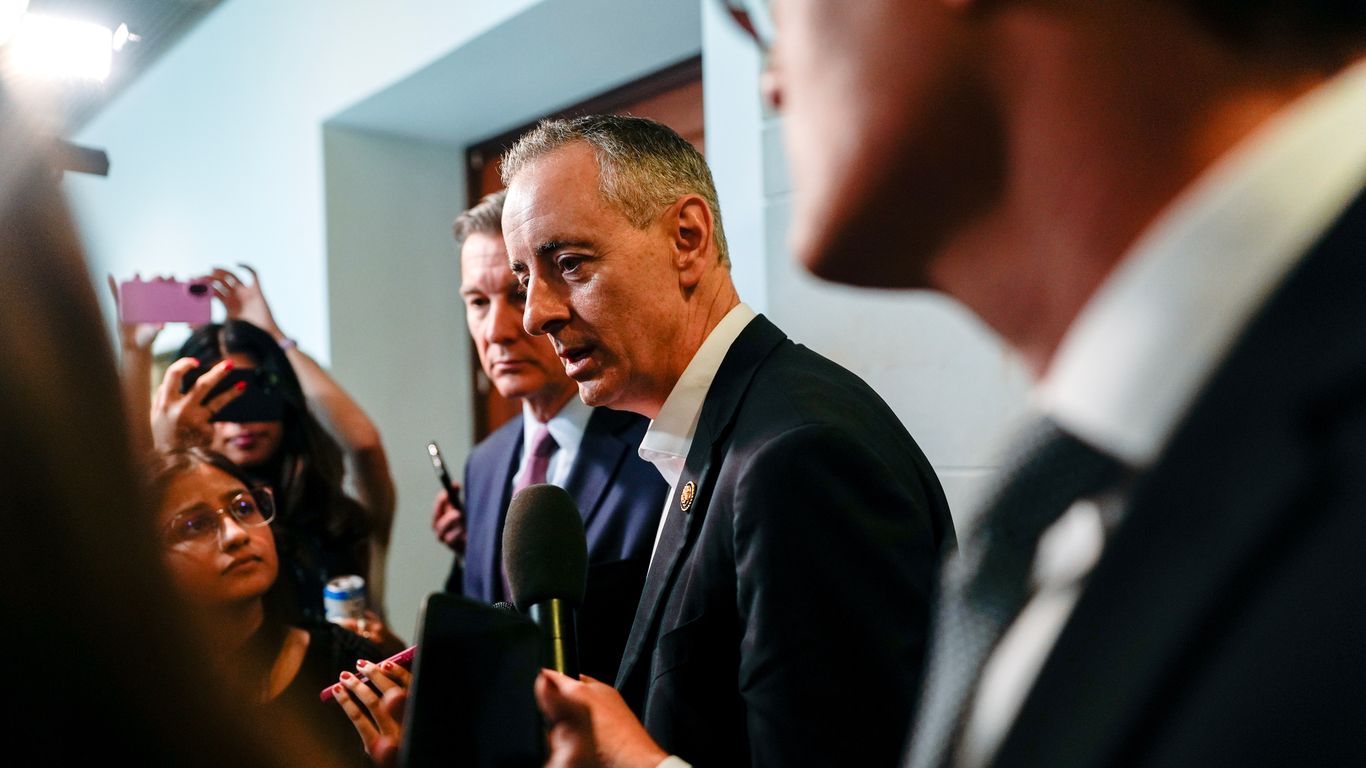
The diesel agreement prompted objections in Washington as well as Europe. The Council on Foreign Relations reported that 12 senators on the Foreign Relations Committee urged Trump to reverse the arrangement on October 13. Another 22 House members subsequently asked the administration to explain how its actions complied with existing law.
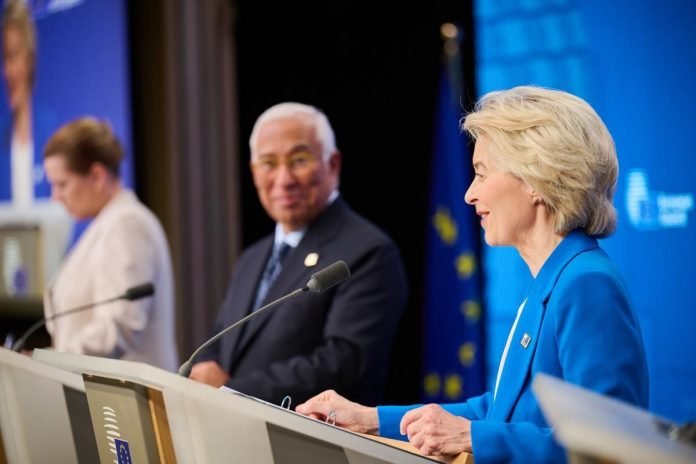
EU foreign policy chief Kaja Kallas also argued against easing pressure, saying on October 12 that ending the war required “putting more pressure on Russia.”
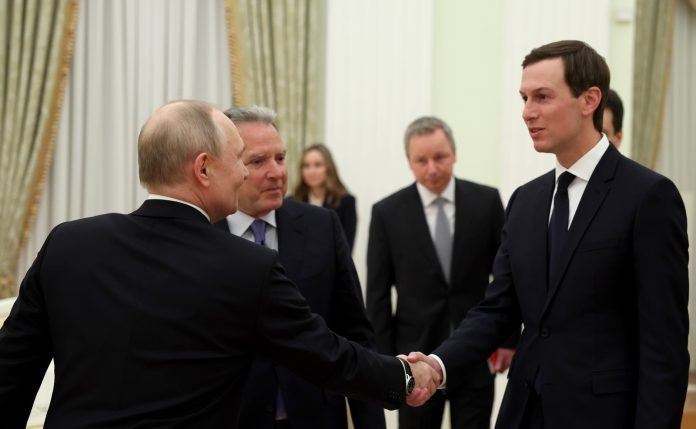
Diplomatic contacts nevertheless continued. Reuters reported that Ukraine presented new proposals at talks in Oslo on October 20, where US envoy Jared Kushner repeated Trump’s demand that Kyiv stop attacking Russian diesel refineries. US envoy Steve Witkoff met Putin in St Petersburg the following day.
As of October 25, the announced fuel supplies had not resolved the underlying dispute: Washington was pursuing lower prices and a negotiated halt to energy attacks, while Ukraine was demanding a reciprocal end to Russian strikes. The claimed ceasefire had not produced a sustained halt to attacks on energy infrastructure.