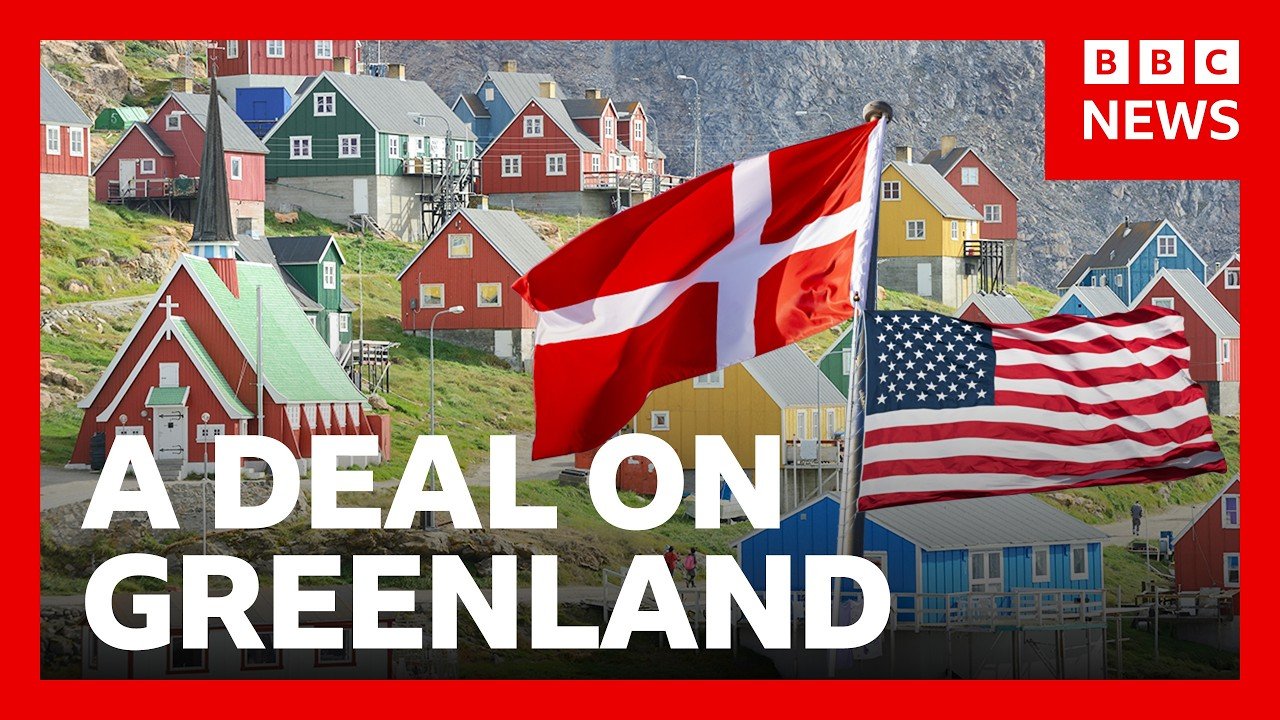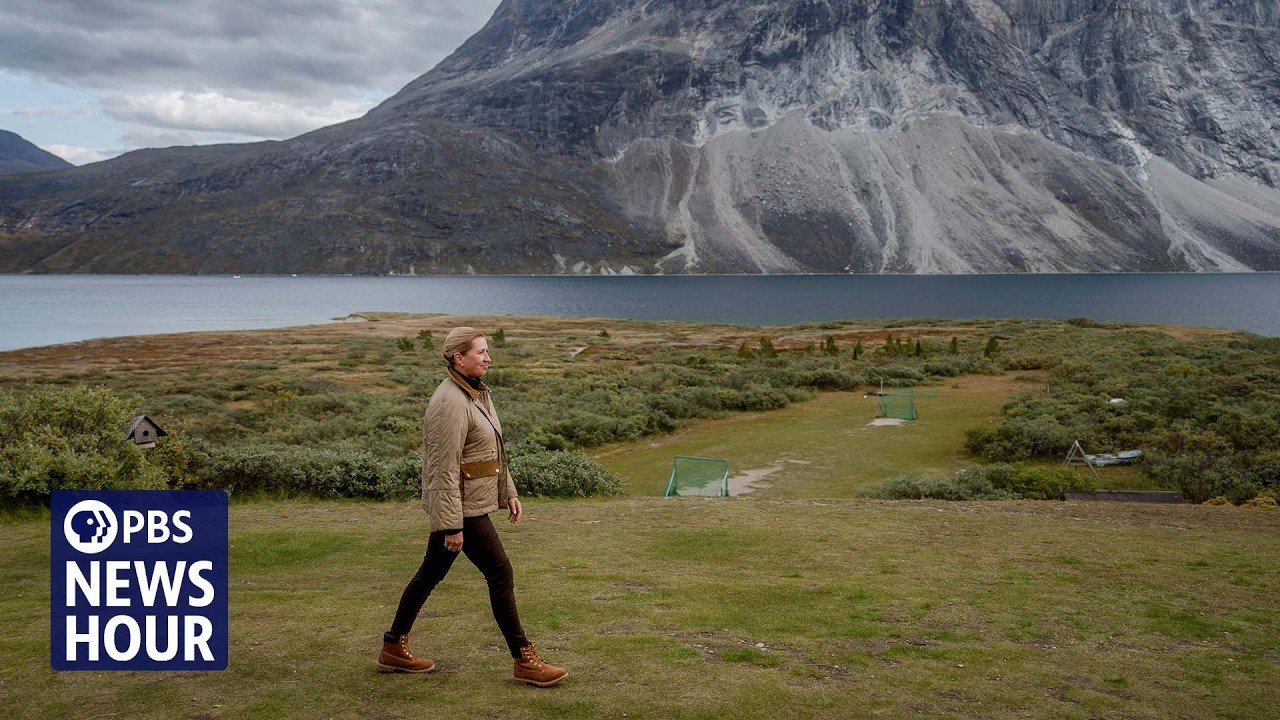




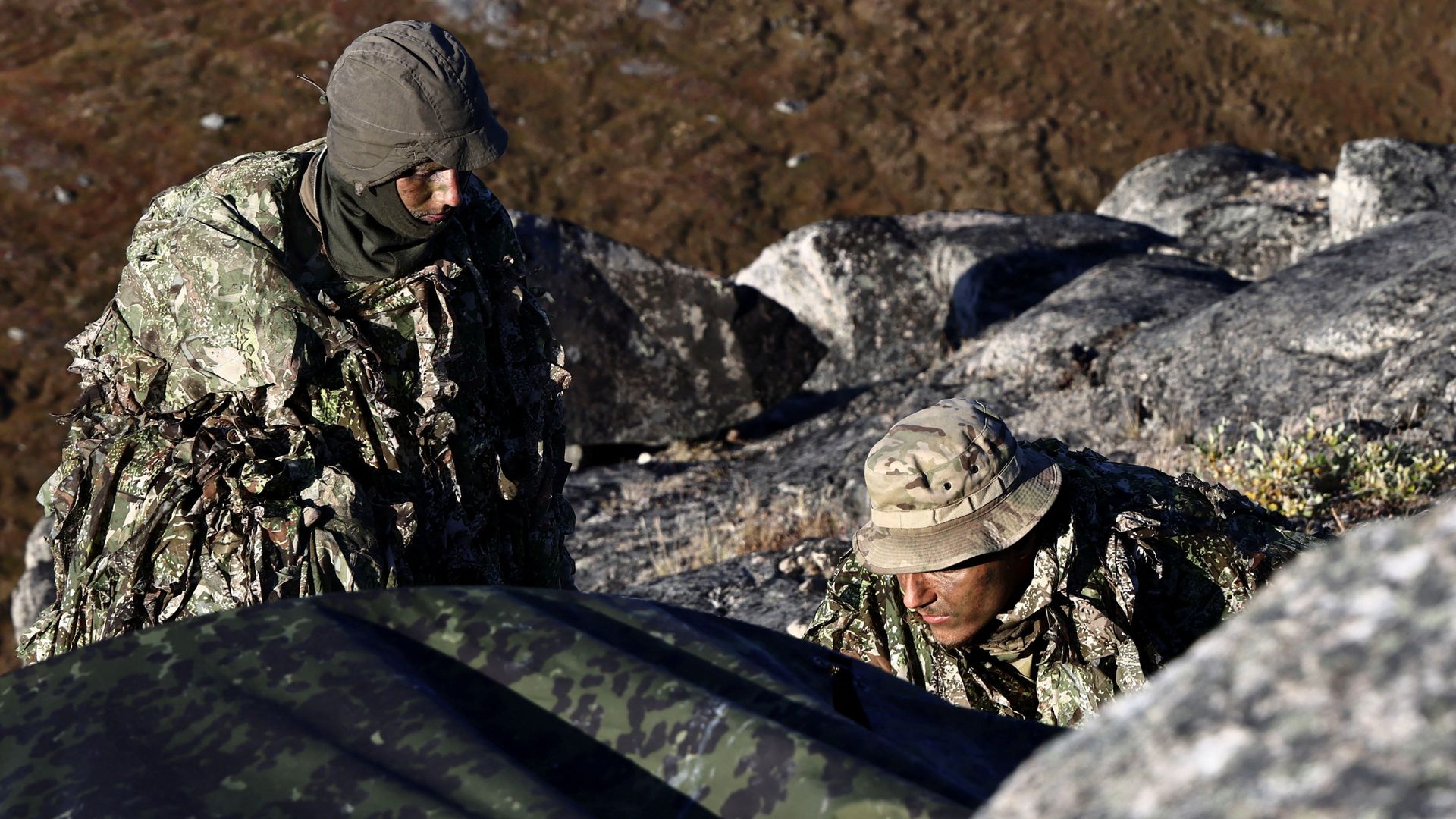
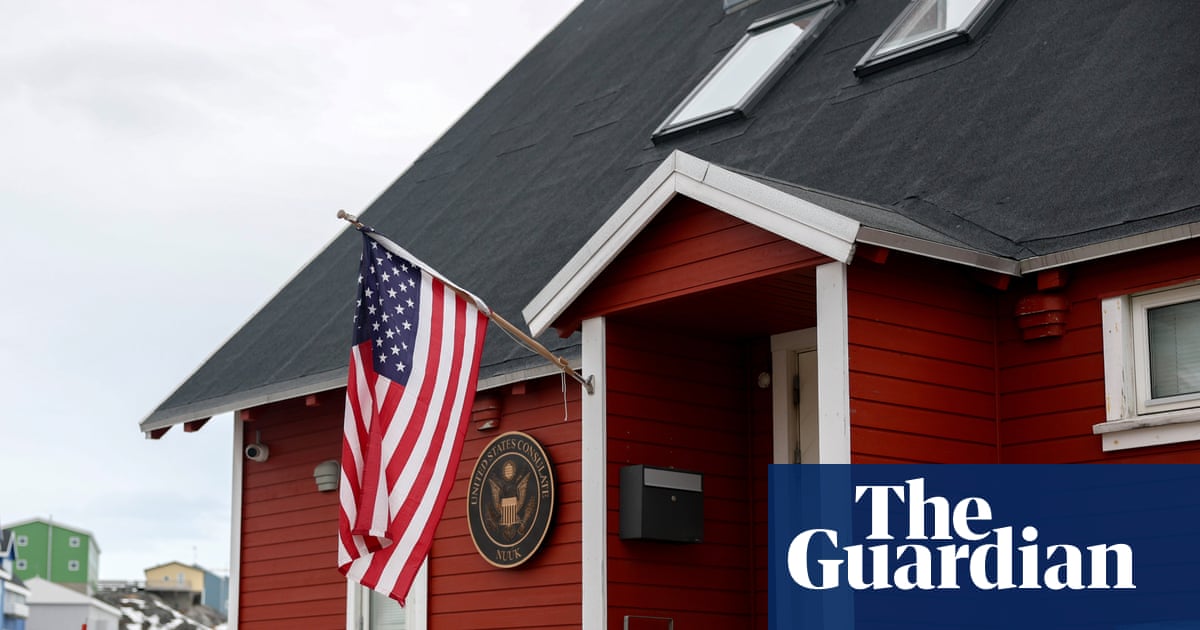


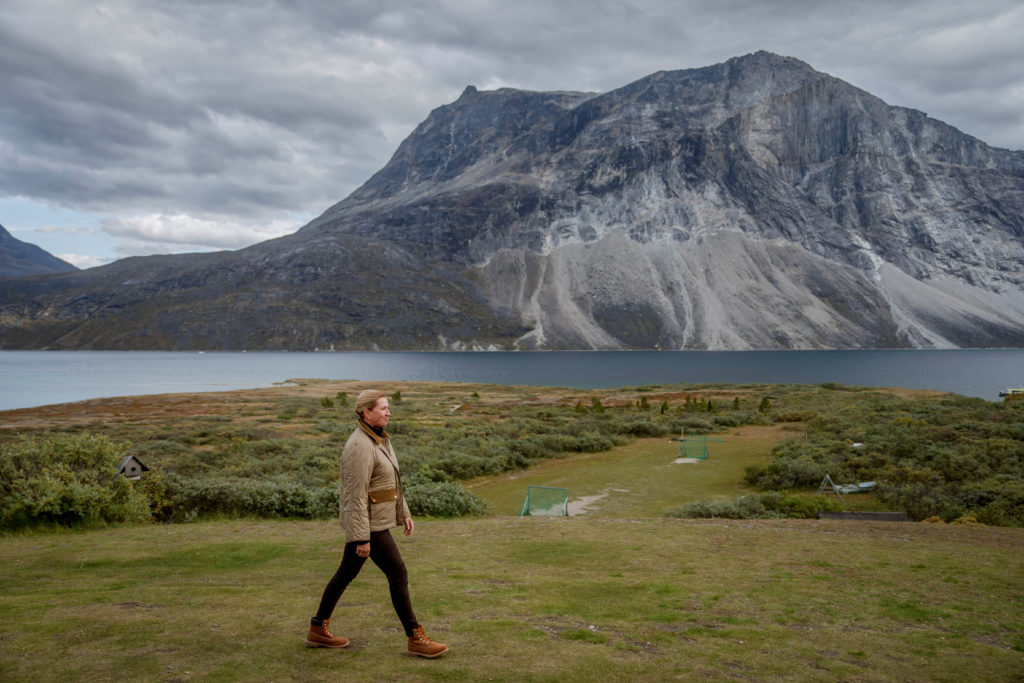




The United States, Denmark and Greenland have reached an agreement that would give Washington expanded and potentially permanent military rights on the strategically important Arctic island, while leaving Greenland’s sovereignty and territorial status unchanged.
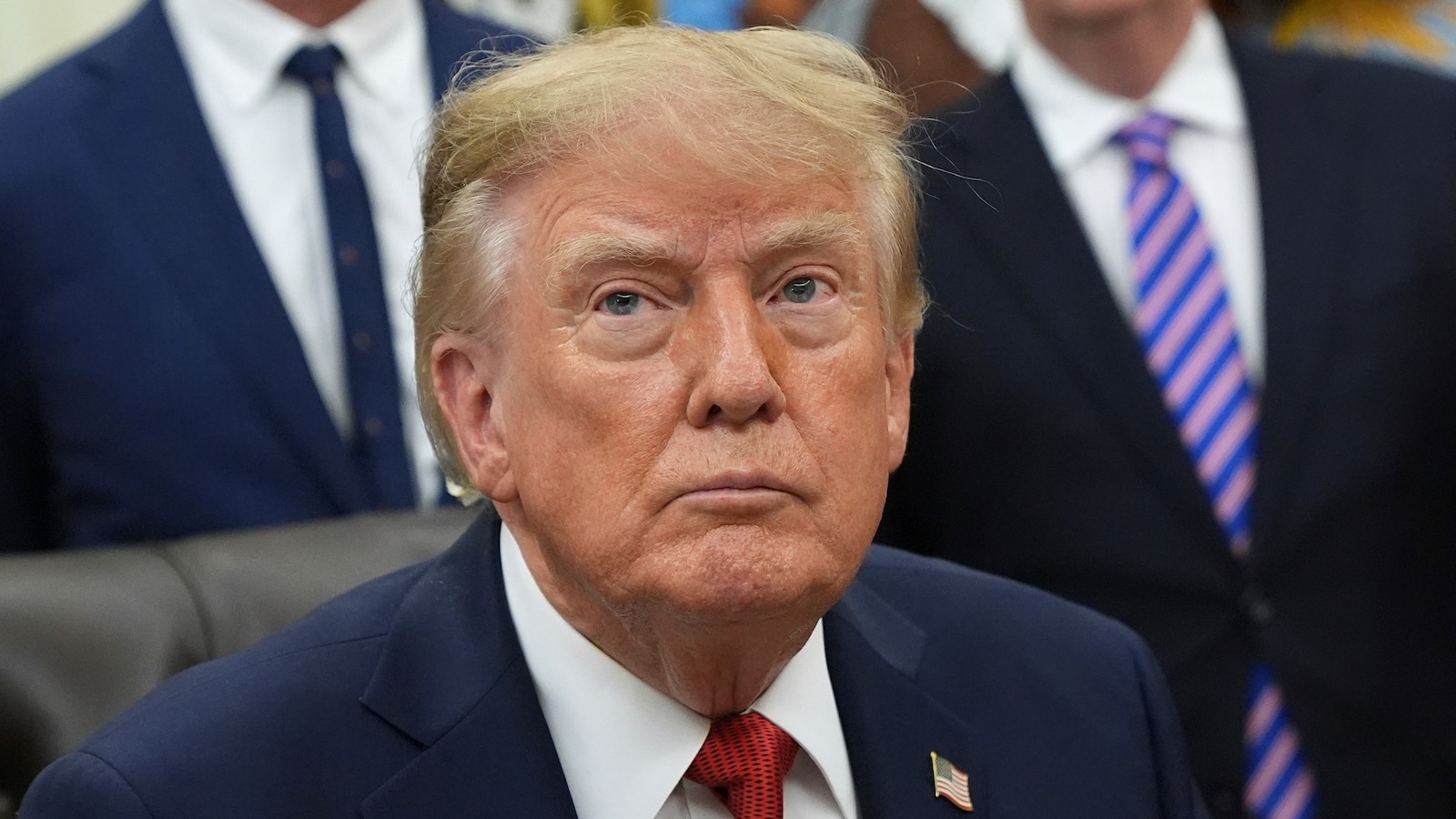
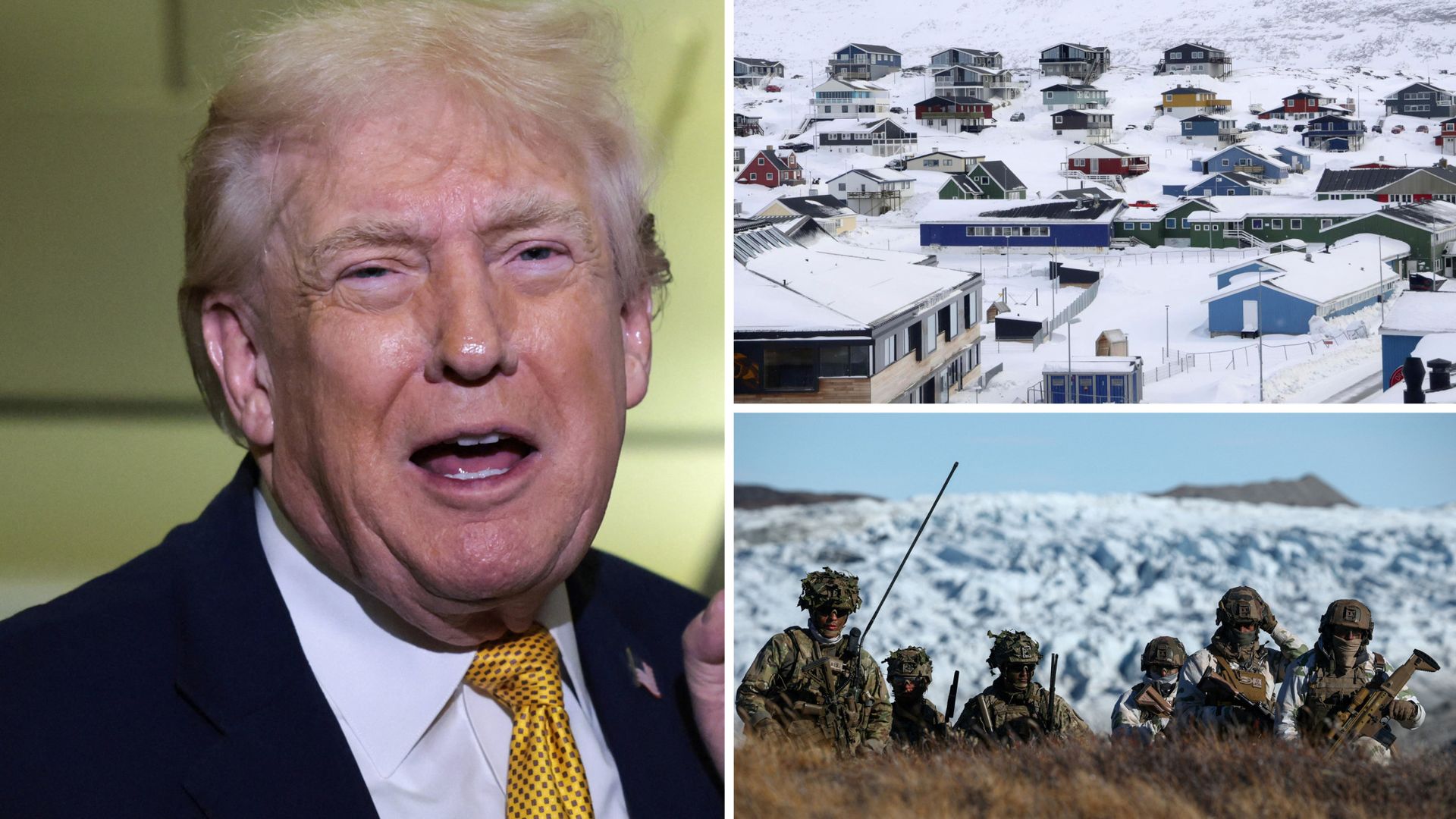
US President Donald Trump announced the agreement on September 18, describing it as a pact granting the United States “permanent control over security” and other defence-related needs in Greenland. The full text has not been released, however, and the arrangement must still be signed and approved through parliamentary procedures before it can take effect.
The deal marks a sharp change in tone after months of diplomatic tension caused by Trump’s repeated threats to acquire or forcibly take control of Greenland, an autonomous territory within the Kingdom of Denmark. It appears to fall short of his earlier ambition to bring the island under US ownership, but would give Washington extensive military and strategic privileges.
What the agreement would do
According to US officials cited by Reuters and the BBC, the agreement would provide the United States with permanent access, basing and overflight rights in Greenland. It would also allow Washington to construct additional military facilities without requiring further approval from Denmark or Greenland, although the precise scope of that authority remains unclear because the agreement has not been published.reuters+1
The reported provisions include:
- Permanent US access, basing and overflight rights.
- The ability to expand military infrastructure on the island.
- A prohibition on non-NATO countries establishing bases or stationing troops in Greenland.
- Restrictions on sensitive investments by adversarial states, particularly Russia and China.
- Continued application of the agreement if Greenland later becomes independent.
- No transfer of Greenlandic territory or sovereignty to the United States.
Trump said the arrangement would have “no cost to the United States,” although it is not yet clear how new construction, expanded operations or infrastructure maintenance would be financed. Nor has Washington disclosed whether the agreement includes financial commitments, investment packages or other concessions for Denmark or Greenland.
A senior US official said the pact would permit only the United States and its allies to make certain sensitive investments. The restrictions are expected to cover sectors such as critical minerals, telecommunications, ports and undersea cables—areas considered important to both national security and Greenland’s economic future.
Sovereignty remains with Denmark
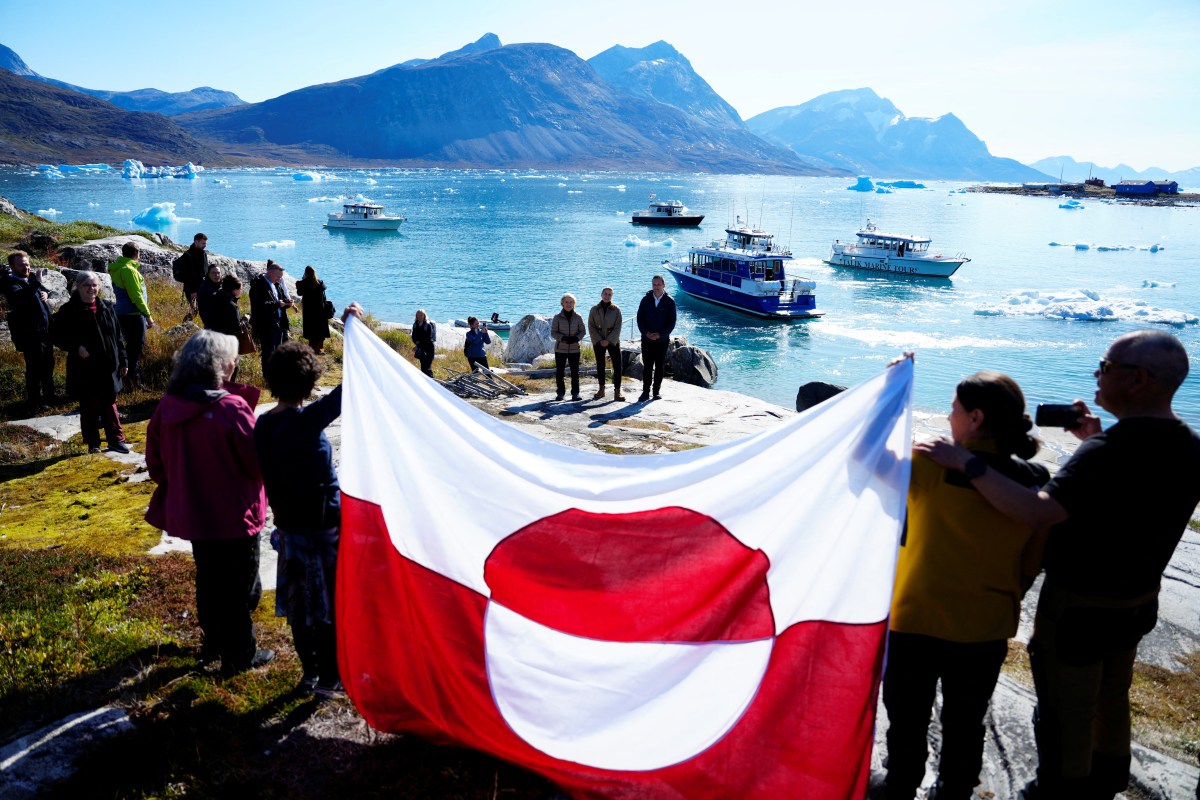
The agreement does not transfer Greenland to the United States. Denmark and Greenland have maintained that the island’s sovereignty and territorial integrity are not negotiable, and their statements on the agreement explicitly recognise both the Kingdom of Denmark’s sovereignty and the Greenlandic people’s right to self-determination.
That distinction is central to the deal. Greenland has broad self-government but remains part of the Danish kingdom, and independence has long been an important political objective for many Greenlanders. Under the reported terms, a future decision by Greenland to become independent would not automatically end US military rights.
That provision could become one of the agreement’s most consequential—and controversial—elements. It would mean that Greenland’s constitutional future could change while the United States retained rights negotiated under the existing arrangement.
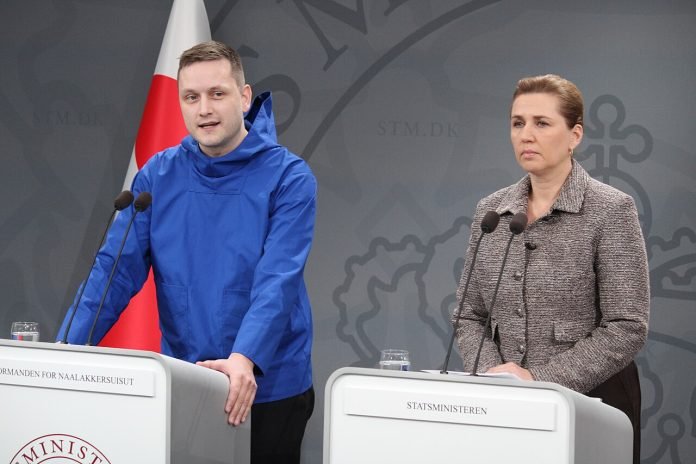
Greenland Prime Minister Jens-Frederik Nielsen said the agreement recognised Greenland’s interests and its place in international cooperation. Danish Prime Minister Mette Frederiksen said it would strengthen security in the Arctic and North Atlantic while respecting sovereignty and self-determination.
The statements have helped present the agreement as a security partnership rather than a transfer of control. But Greenlandic politicians have also expressed caution. Some have welcomed the prospect of greater security while insisting that any final agreement must preserve the island’s right to determine its own political future.
A new pact—or an expansion of existing rights?
The practical difference between the new agreement and the existing US-Danish defence framework remains difficult to assess.
A 1951 treaty already gives Washington broad rights to operate militarily in Greenland. Reuters reported that the United States has nearly total overflight and basing rights under that arrangement, while the BBC said the existing framework allows the United States to send large numbers of troops to the island.
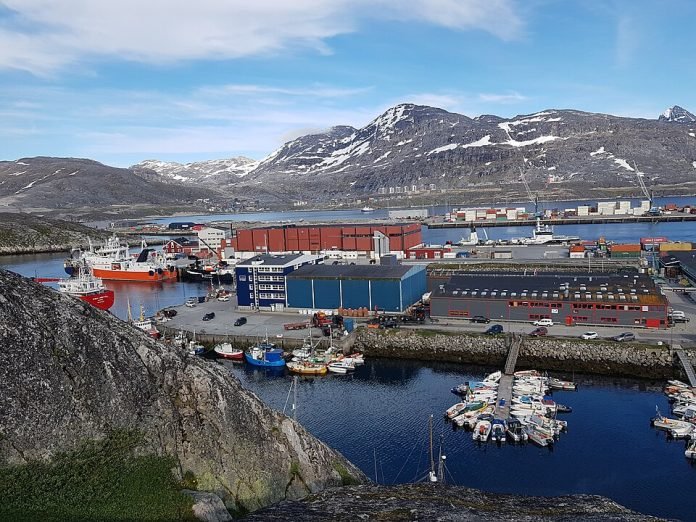
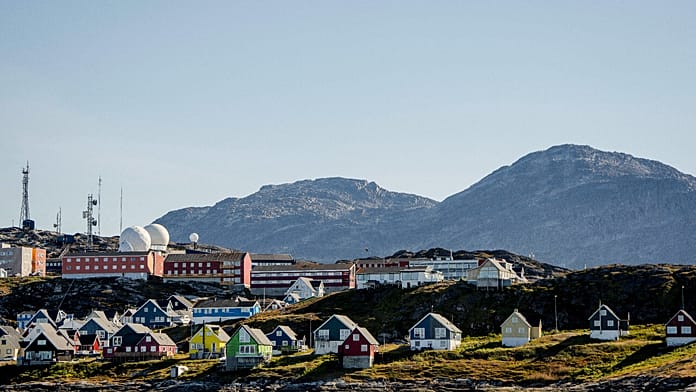
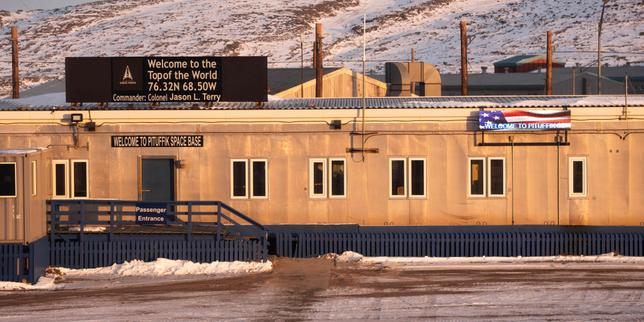
The United States already operates Pituffik Space Base in northwestern Greenland, formerly known as Thule Air Base. The facility has more than 100 permanently stationed US personnel and supports missile warning, missile defence and space surveillance activities. Greenland’s location makes it valuable for monitoring the air and maritime approaches between North America, Europe and Russia.
The new agreement’s significance therefore may lie less in granting Washington its first military foothold than in formalising broader rights to expand that presence. The reported unilateral construction provision would be particularly significant if it means future facilities could be built without consent from Greenlandic or Danish authorities.
Imran Bayoumi, a former Pentagon official now with the Atlantic Council, told Reuters that such a provision would be a major development. He also questioned whether Washington could have achieved many of its objectives through conventional diplomacy without placing such strain on its relationship with other NATO members.
Why Greenland matters
Greenland occupies a strategically important position between North America, the North Atlantic and the Arctic. Its geography makes the island useful for early-warning systems, missile tracking, space surveillance and monitoring military activity across the region.
The island is also becoming more important economically. Melting sea ice is gradually opening new Arctic shipping routes and increasing access to mineral deposits, including rare earth elements used in electronics, electric vehicles and advanced defence systems. Greenland possesses significant mineral potential, although difficult terrain, limited infrastructure and environmental concerns have made large-scale extraction challenging.
The agreement’s investment restrictions appear designed to prevent China and Russia from gaining influence through commercial projects rather than military bases alone. The reported provisions would give the United States a role in screening or blocking investments in sectors considered strategically sensitive.
For Washington, the pact also fits into Trump’s wider arguments about Arctic defence and the proposed “Golden Dome” missile-defence system. Trump has argued that Greenland is essential to protecting North America from potential missile threats originating from Russia or China.
The agreement would also reinforce Greenland’s place inside what US Secretary of State Marco Rubio called the strategic defence area of North America, while excluding rival powers from establishing a military or economic foothold there.
The diplomatic cost
The agreement may reduce an immediate crisis in US-Danish relations, but it follows an unusually damaging period for the transatlantic alliance.
Trump’s threats to purchase or seize Greenland alarmed Denmark, Greenland and other European governments. The threats were especially sensitive because Denmark and the United States are NATO allies, and Greenland is constitutionally part of the Danish kingdom. European officials feared that a US attempt to take the island by force would undermine the alliance’s basic principles regarding sovereignty and territorial integrity.
The reported agreement gives both sides an opportunity to claim success. Trump can present the expanded military rights and investment restrictions as a fulfilment of his security demands. Denmark and Greenland can point to the absence of any territorial transfer and the continued recognition of Greenland’s right to self-determination. Danish media have described the arrangement as a possible diplomatic victory for Copenhagen because Trump did not obtain ownership of the island.
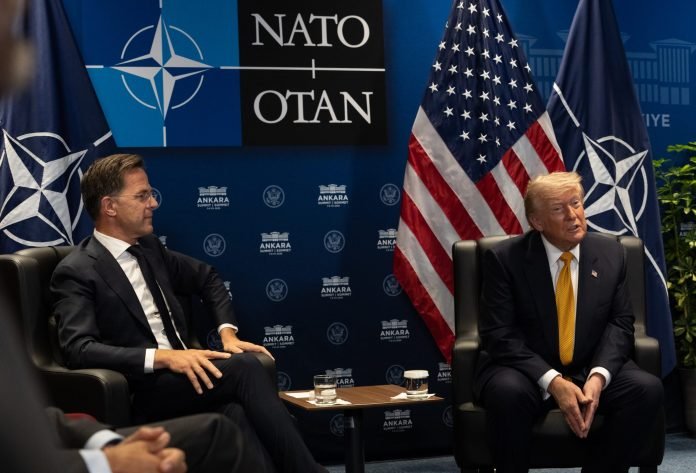
NATO has welcomed the agreement, saying it could support security, stability and cooperation in the Arctic. The alliance’s response reflects the strategic importance of the region as competition among the United States, Russia and China expands northward.
What happens next
The three governments are expected to sign the agreement during the United Nations General Assembly in New York next week. It would then have to pass through the necessary parliamentary procedures in Denmark and Greenland before entering into force.
Until the text is published, several important questions remain unanswered:
- What exactly qualifies as a “sensitive” investment?
- Who will pay for new US bases and military infrastructure?
- How will Greenlandic and Danish authorities participate in construction decisions?
- What legal mechanism would preserve US rights if Greenland becomes independent?
- How would disputes over the agreement be resolved?
- Will Greenland receive economic or infrastructure benefits in return?
For now, the agreement appears to have settled the question of US ownership while expanding Washington’s military position. It is therefore not a sale of Greenland, nor a transfer of sovereignty—but it could give the United States a more durable role in the island’s defence, infrastructure and strategic economic policy than it has previously held.
Editor’s note: This article reflects information available on September 19, 2026. The agreement’s full text had not been publicly released at the time of publication.