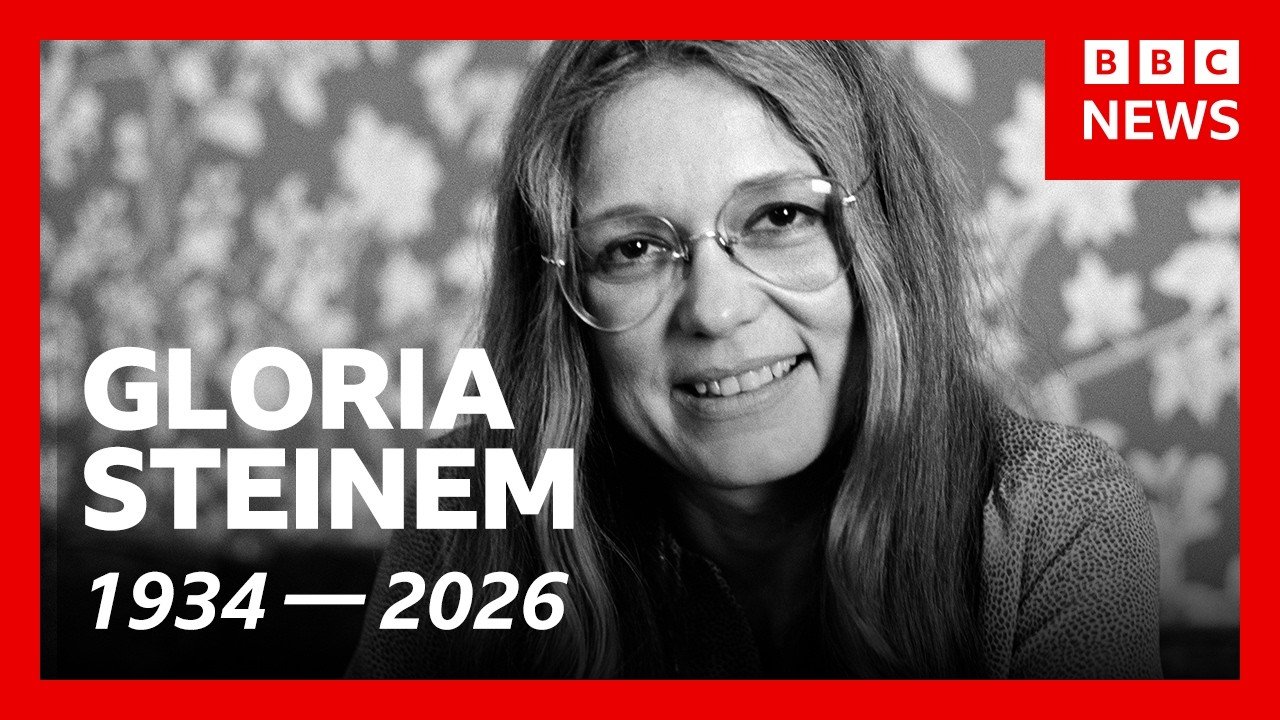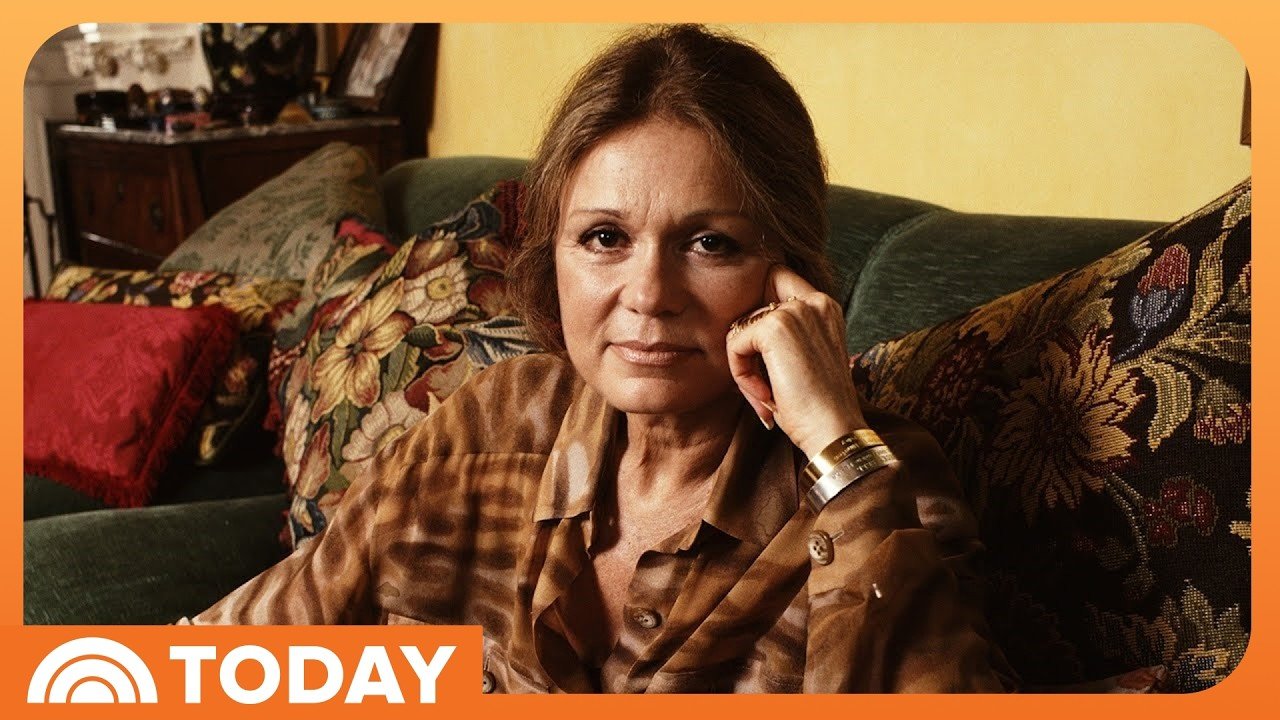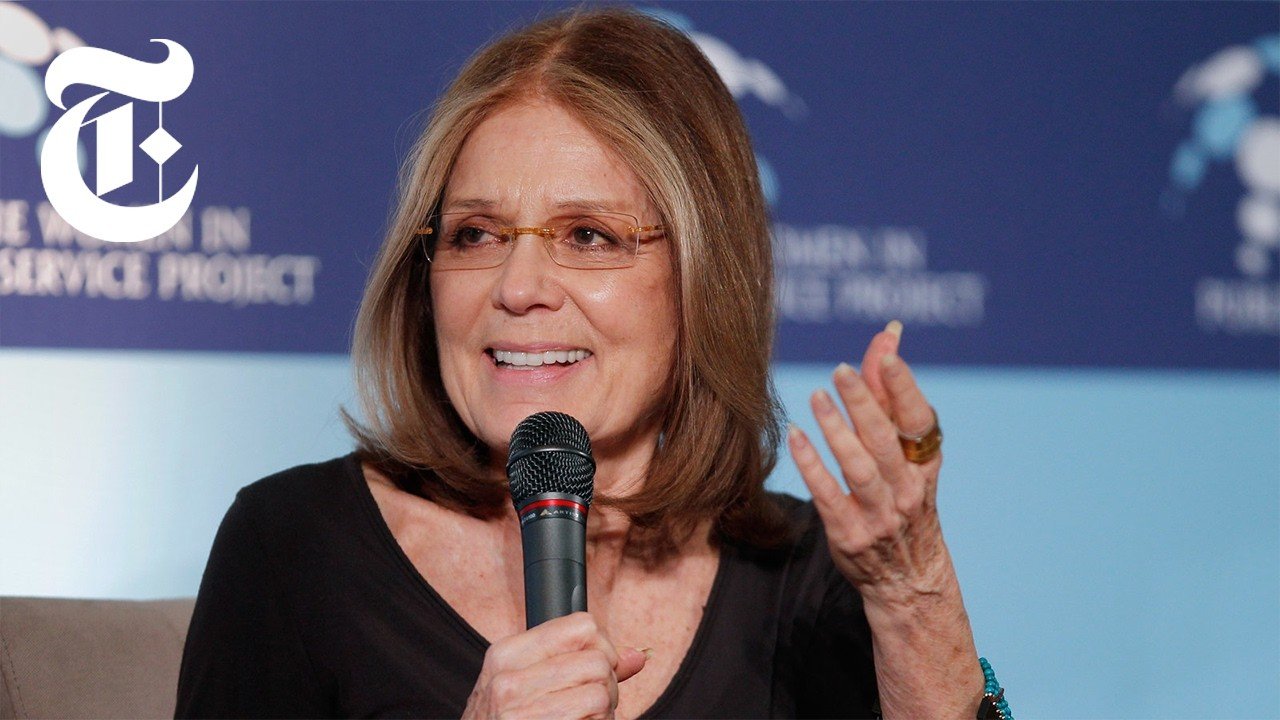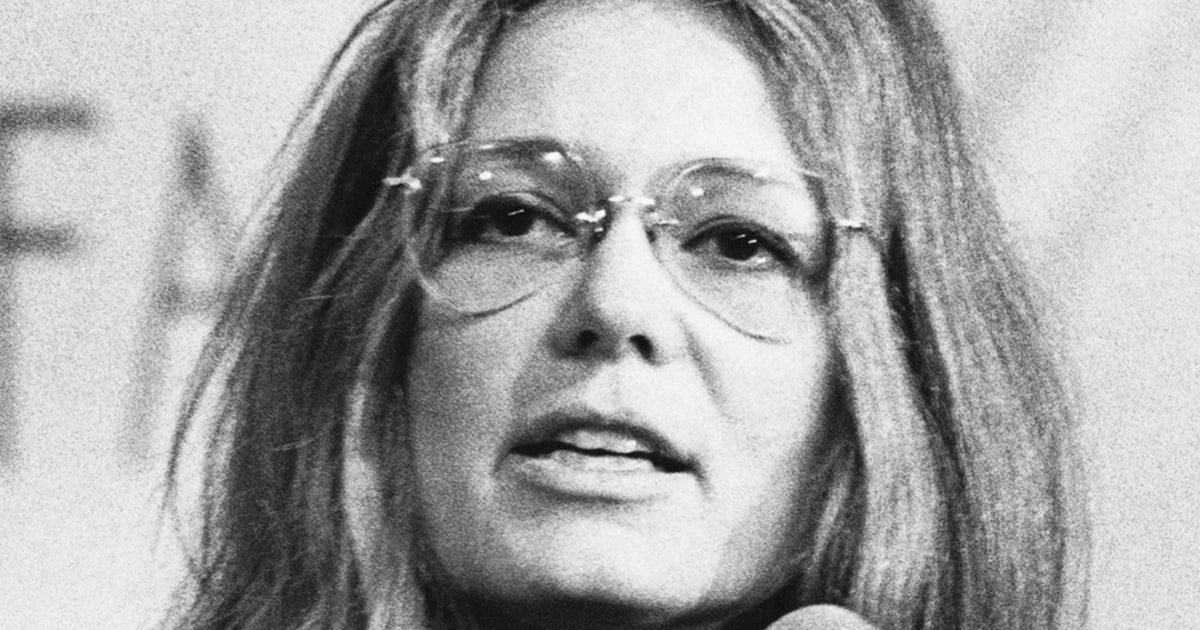


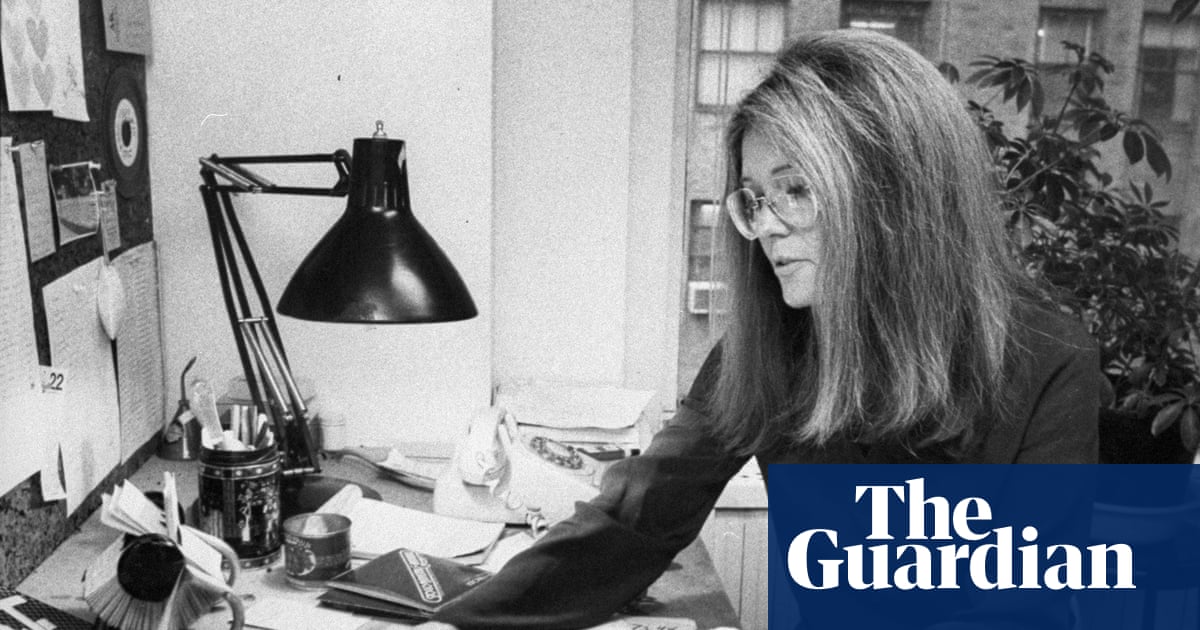



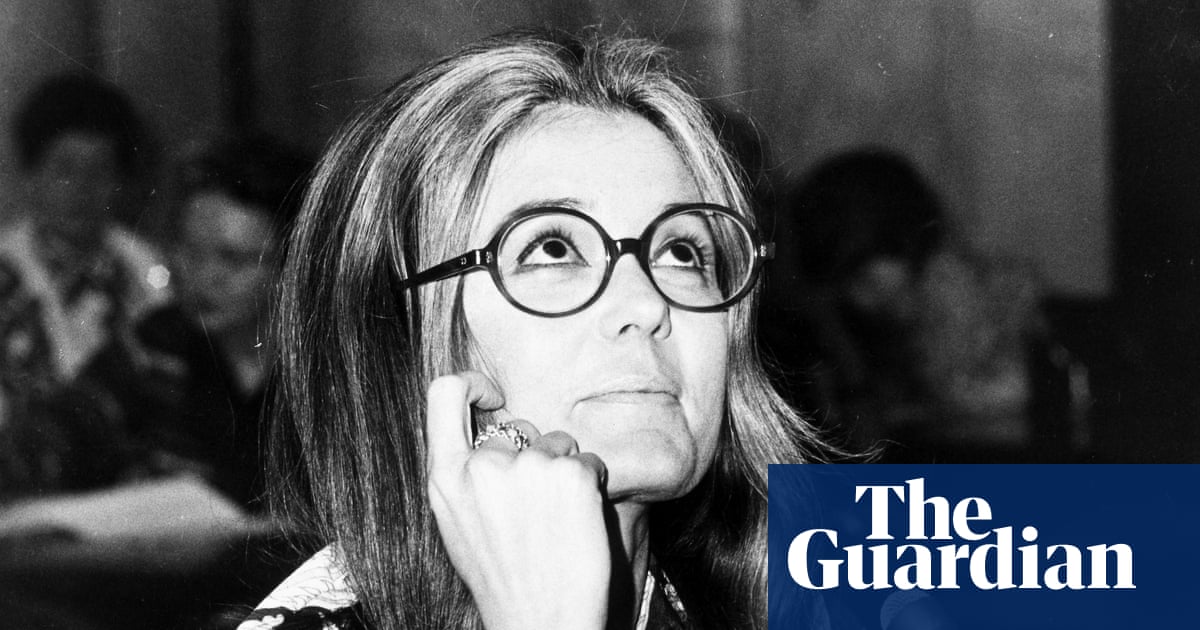
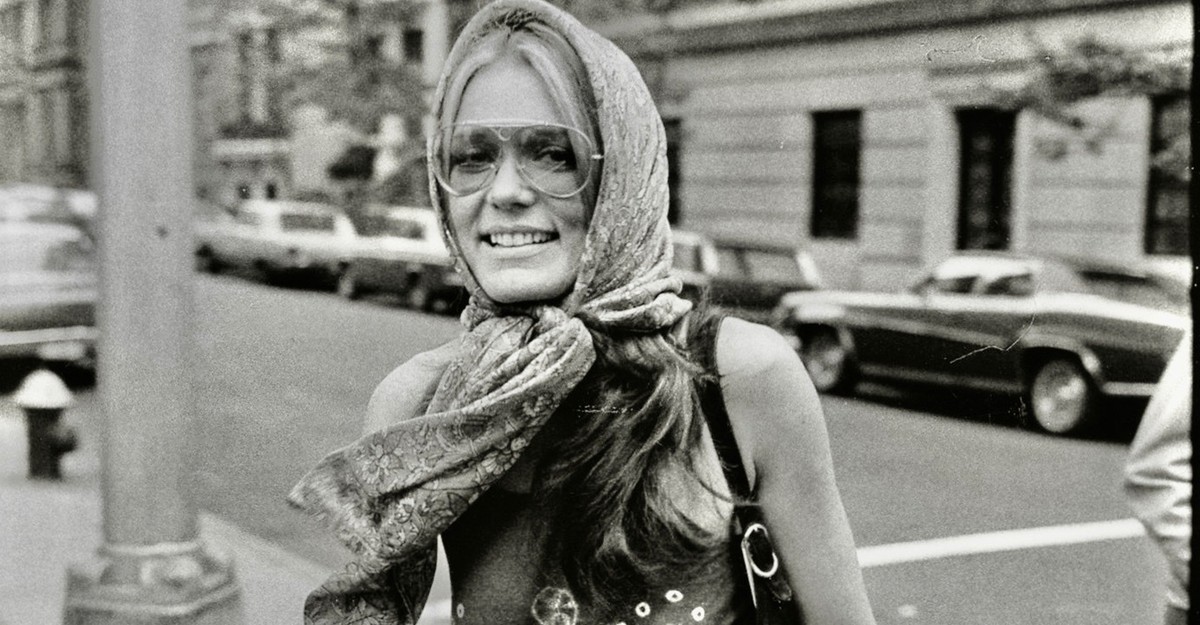
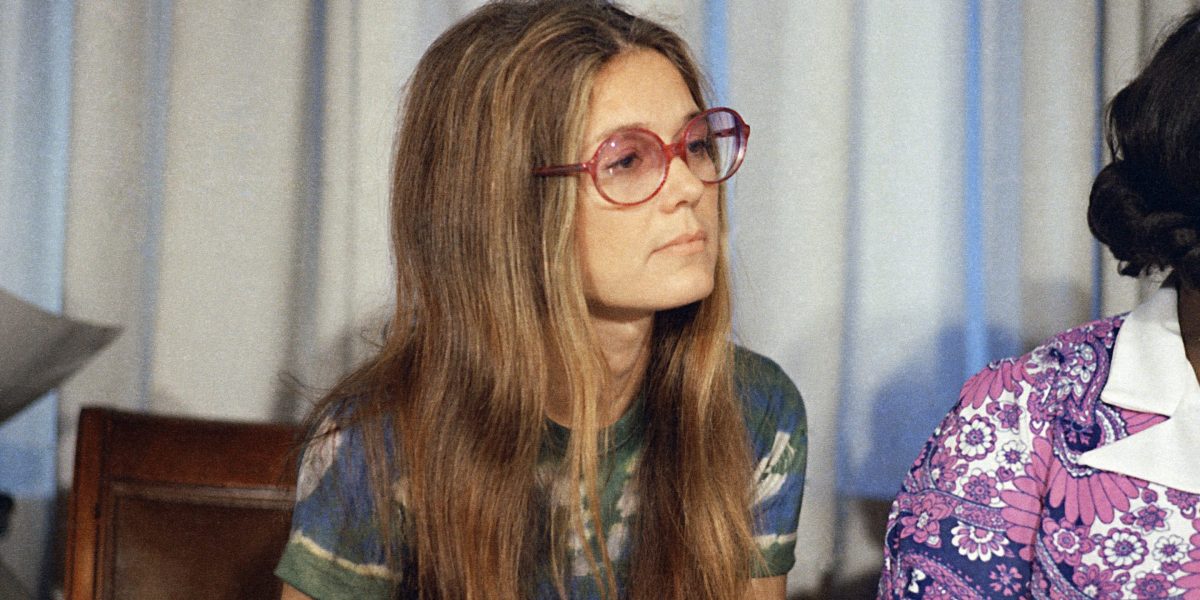

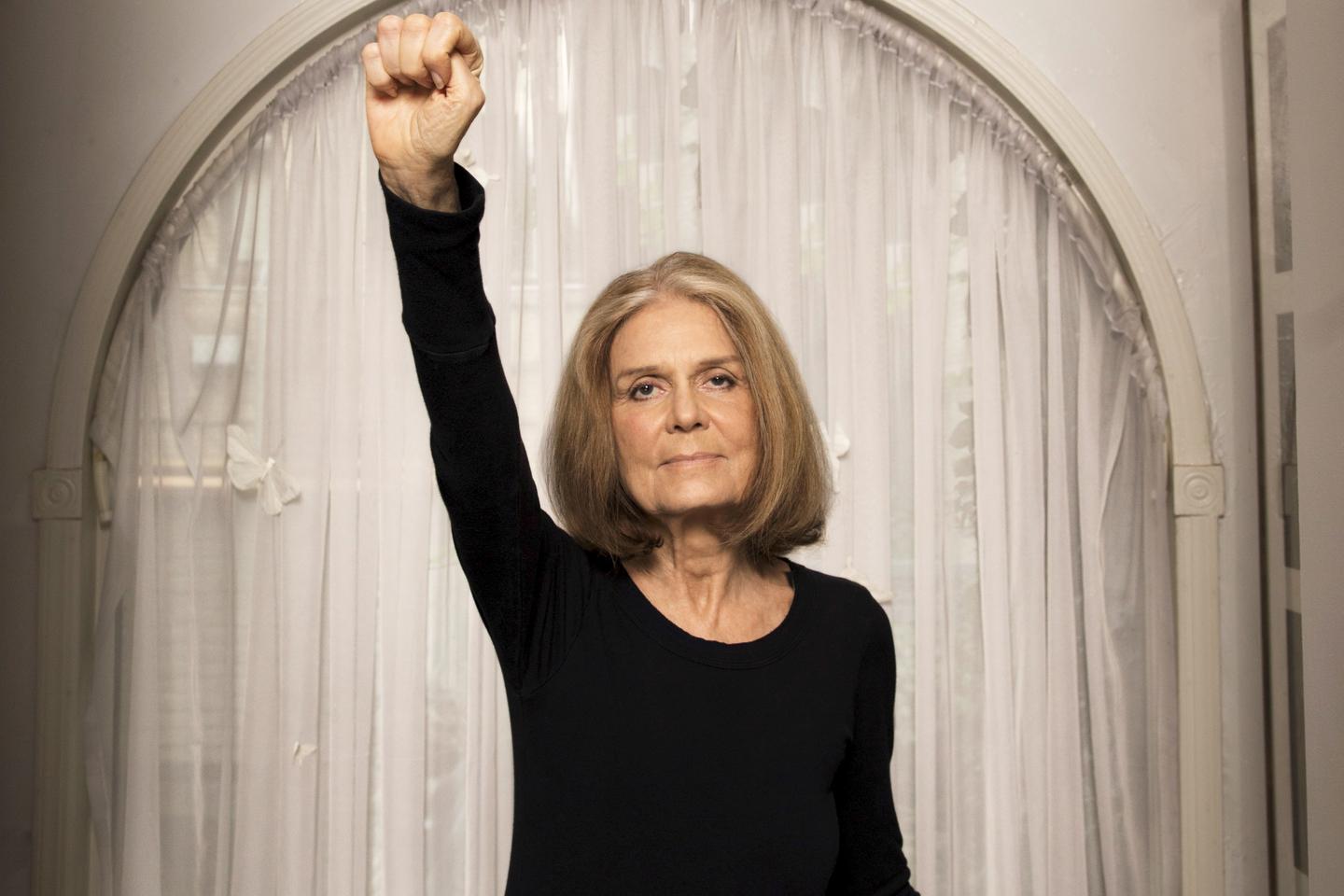

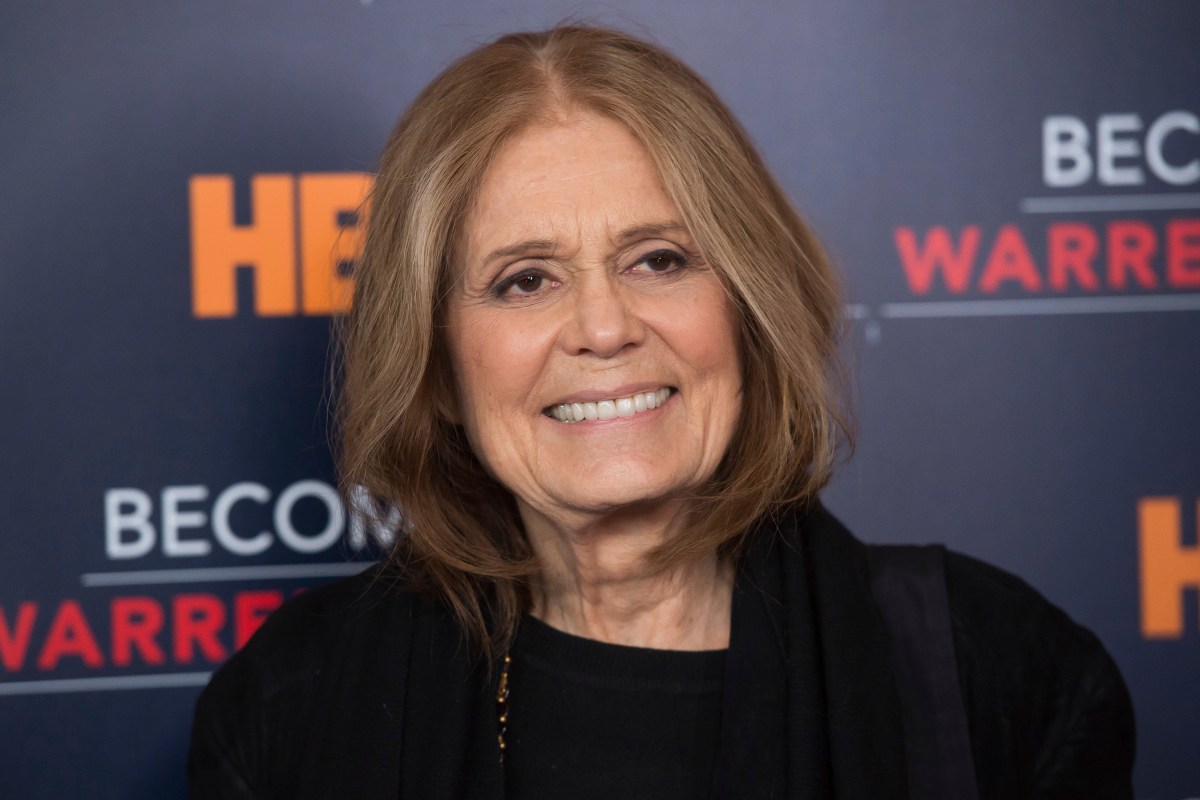


Gloria Steinem, the journalist‑turned‑organizer who became the most recognizable face of second‑wave feminism in the United States, died peacefully at her home in New York City on Wednesday, September 2, 2026. She was 92. Her foundation announced the death on Instagram, saying she was surrounded by loved ones; no cause of death was disclosed.
A reporter who became a movement architect
Born Gloria Marie Steinem on March 25, 1934, in Toledo, Ohio, she grew up in a peripatetic household; her father was a traveling antique dealer and the family moved often, disrupting her schooling until about seventh grade.
Her parents separated when she was around 10 or 11, and she spent much of her adolescence caring for her mother, who suffered from depression and spent time in sanatoriums—an experience she later cited as formative in her understanding of how social structures constrained women’s choices.
Steinem graduated Phi Beta Kappa from Smith College in 1956, then spent two years in India on a Chester Bowles Fellowship, writing for Indian publications and absorbing Gandhian organizing tactics that would later inform her own approach to activism.
At 22, in 1957, she had an abortion in London—then illegal there—an experience she would later speak about publicly as part of her advocacy for reproductive rights.
Undercover exposé that launched a public profile
Early in her journalism career, Steinem gained national attention with a 1963 undercover investigation for Show magazine in which she worked for 11 days as a “Playboy Bunny” at the New York Playboy Club. Her two‑part piece, “A Bunny’s Tale,” documented low pay, grueling hours, and sexist treatment of the women who served as the club’s front‑of‑house staff, turning a glamorous brand image into a labor story. The exposé helped establish her reputation as a reporter willing to use immersive methods to reveal power dynamics.
By 1968, she had helped found New York magazine, where her essay “After Black Power, Women’s Liberation” positioned her as a leading voice in the emerging feminist movement. She has said her life as a feminist activist truly began after attending an abortion speak‑out at a New York church in 1969, where she publicly shared her own experience and connected personal stories to political demands.
Building institutions: Ms. magazine and the women’s political pipeline
In 1972, Steinem co‑founded Ms. magazine, the first national U.S. women’s magazine created and operated by women, designed to treat women’s issues with journalistic seriousness rather than as lifestyle filler. The debut issue sold out within a week and drew roughly 26,000 subscribers, defying skeptics who predicted the title would fold within months. As consulting editor and public face, she used the platform to amplify reporting on equal pay, workplace discrimination, domestic violence, and reproductive freedom.
Alongside pioneers such as Shirley Chisholm and Bella Abzug, Steinem co‑founded the National Women’s Political Caucus to recruit, train, and support women running for office—a strategic move to convert cultural momentum into political power.
Her 1971 address to the caucus’s founding convention—“This is no simple reform. It really is a revolution.”—became a shorthand for her belief that gender equality required structural change, not just policy tweaks.
Intersectional alliances and a lifetime on the road
Steinem frequently collaborated with Black feminists and civil rights organizers, including Dorothy Pitman Hughes, arguing that sex and race caste systems were deeply intertwined and had to be challenged together. She spoke out for abortion rights, same‑sex marriage, and equal pay, even as her visibility drew backlash from critics who dismissed feminism as unnecessary or divisive.
Her personal life mirrored her itinerant activism: she had no children and did not marry until age 66, when she wed South African businessman and environmentalist David Bale, father of actor Christian Bale. In later years, she described herself as an “entrepreneur of social change,” continuing to write, speak, and organize into her 80s and 90s.
Honors, health, and final chapters
In 2013, President Barack Obama awarded Steinem the Presidential Medal of Freedom, the nation’s highest civilian honor, recognizing her decades of advocacy for gender equality and civil rights.
Public accounts of her health in the period before her death noted a history that included breast cancer and trigeminal neuralgia, a chronic pain condition, though her foundation did not link these to her passing.
Her literary legacy includes multiple bestsellers and memoirs, among them My Life on the Road (2015), a road‑trip memoir reflecting on life as a perpetual traveler and organizer. At the time of her death, she was associated with a final book project, An Unexpected Life, framed as a capstone reflection on her decades at the center of the movement.
Why Steinem mattered to newsrooms—and to readers
For digital publishers and newsrooms, Steinem’s career offers a template for turning reporting into infrastructure: she used investigative pieces to build public consciousness, then created institutions—Ms., the caucus, coalitions—to sustain pressure over decades.
Her work also underscores the value of first‑person testimony in policy fights, from abortion speak‑outs to op‑eds that connected individual stories to systemic reform.
Steinem’s death closes a chapter in American feminism, but the organizations she helped build and the norms she helped shift—women in leadership, reproductive autonomy, and the expectation that women’s issues deserve hard news coverage—remain part of the media and political landscape.