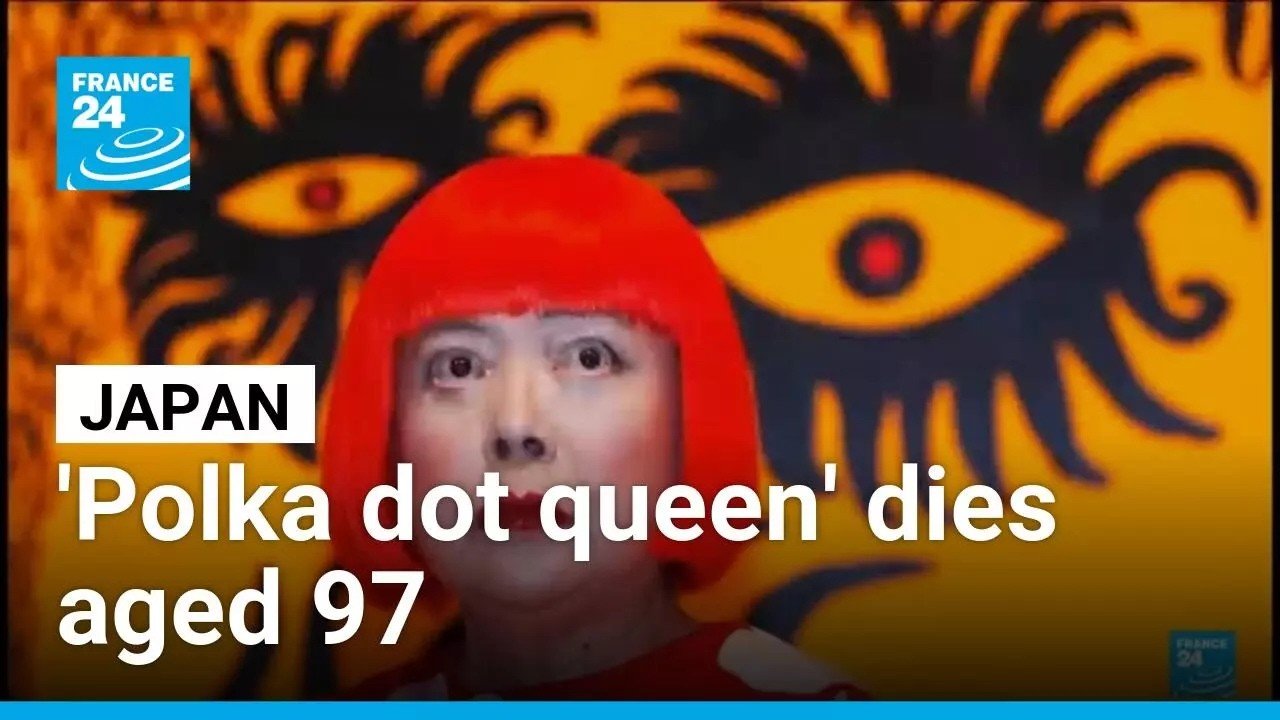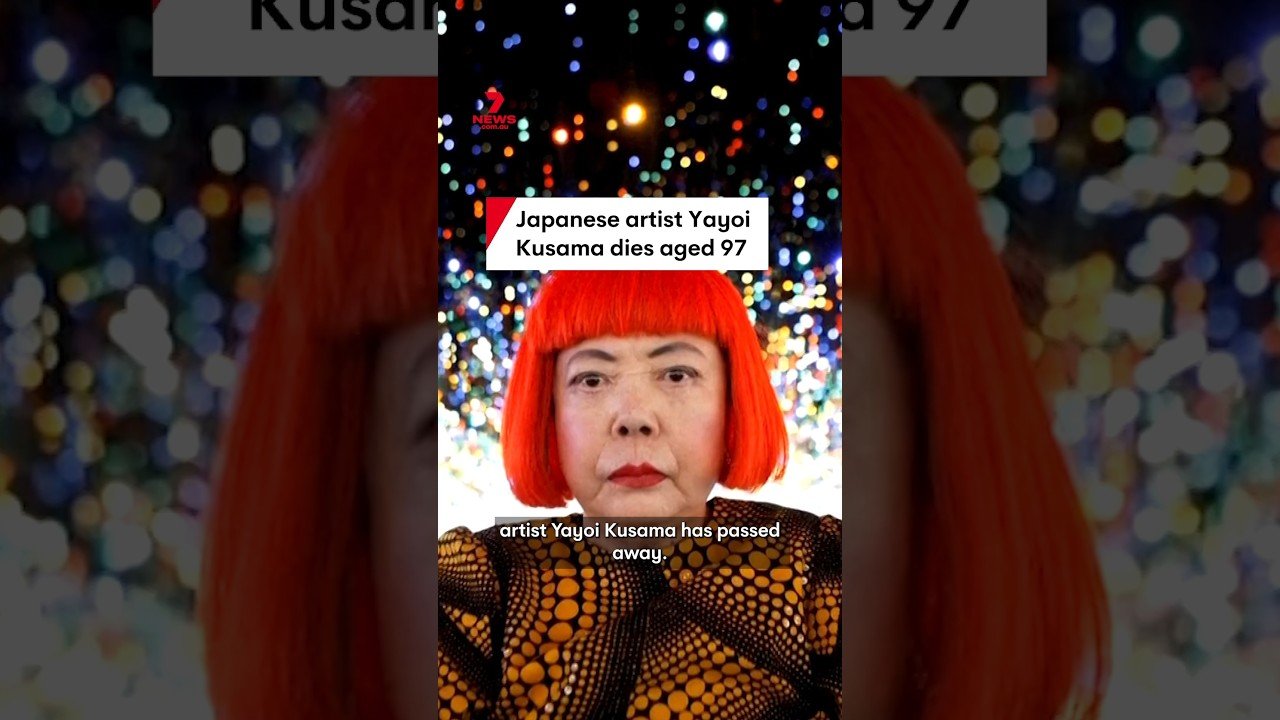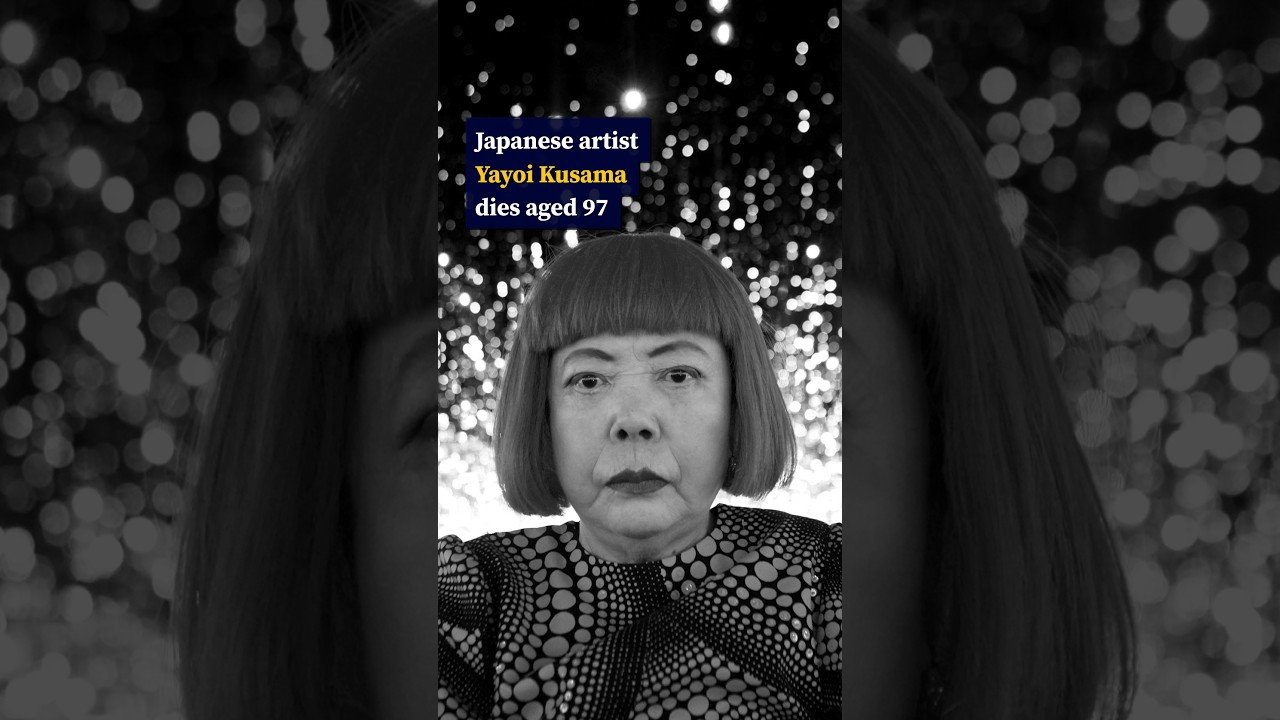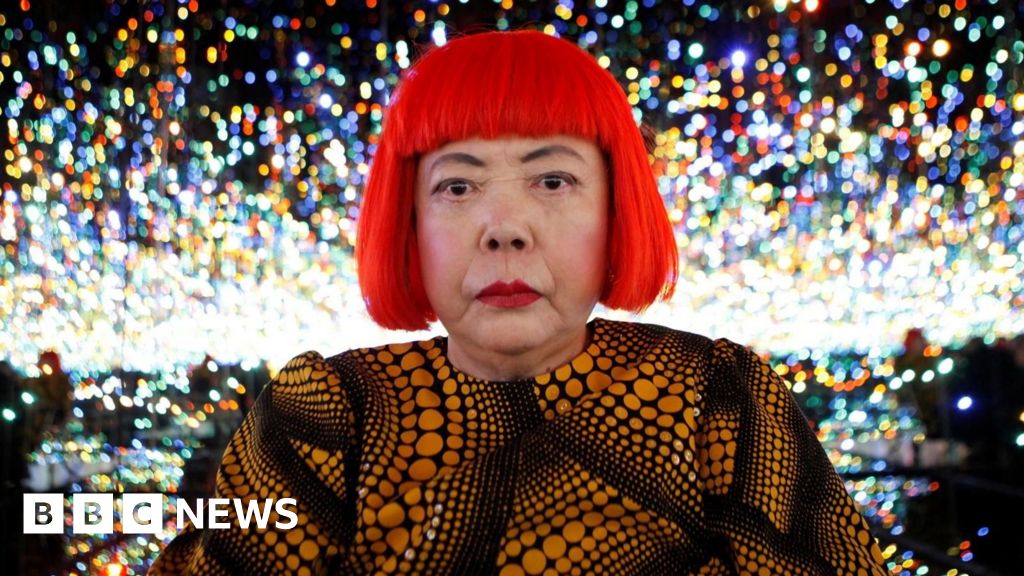
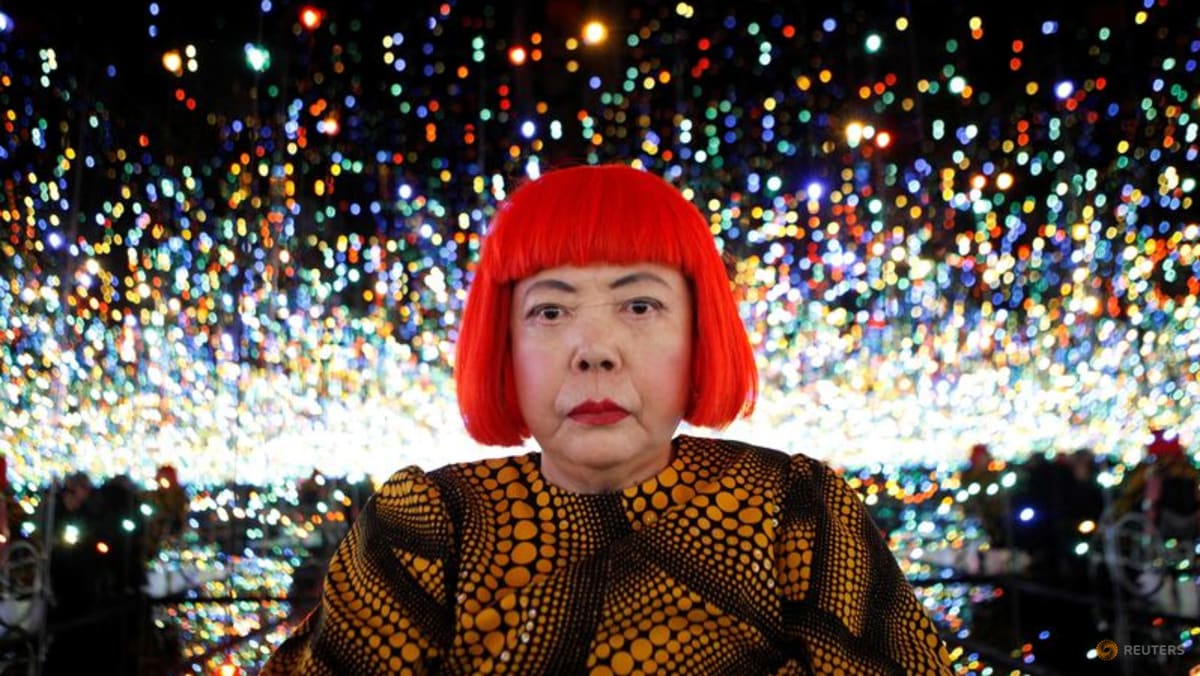

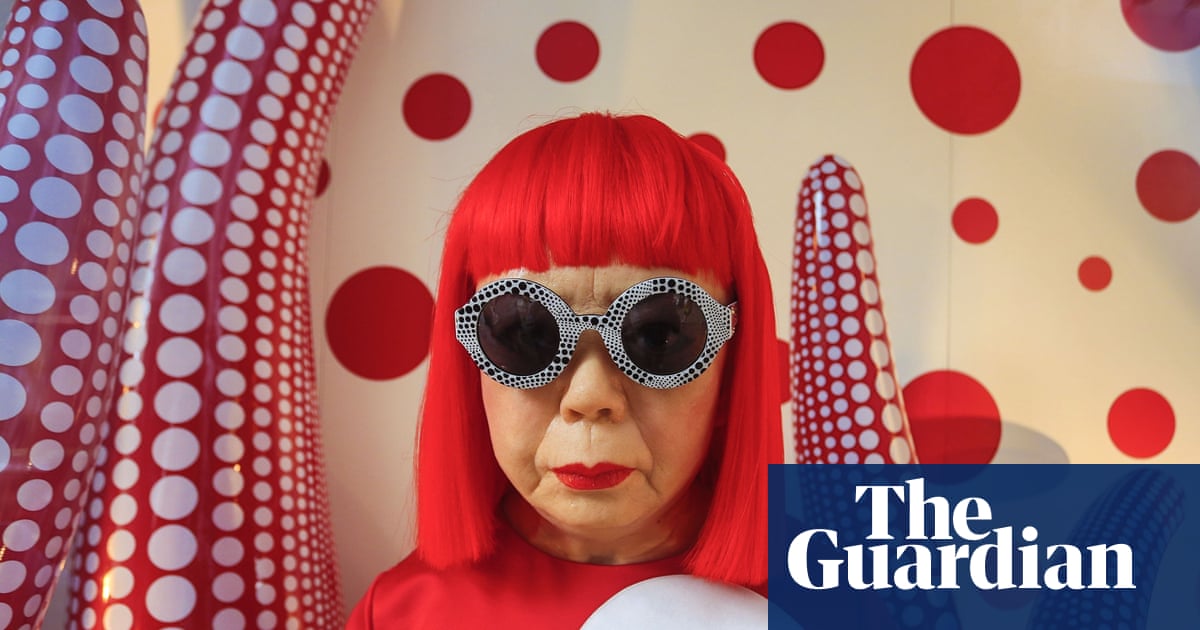



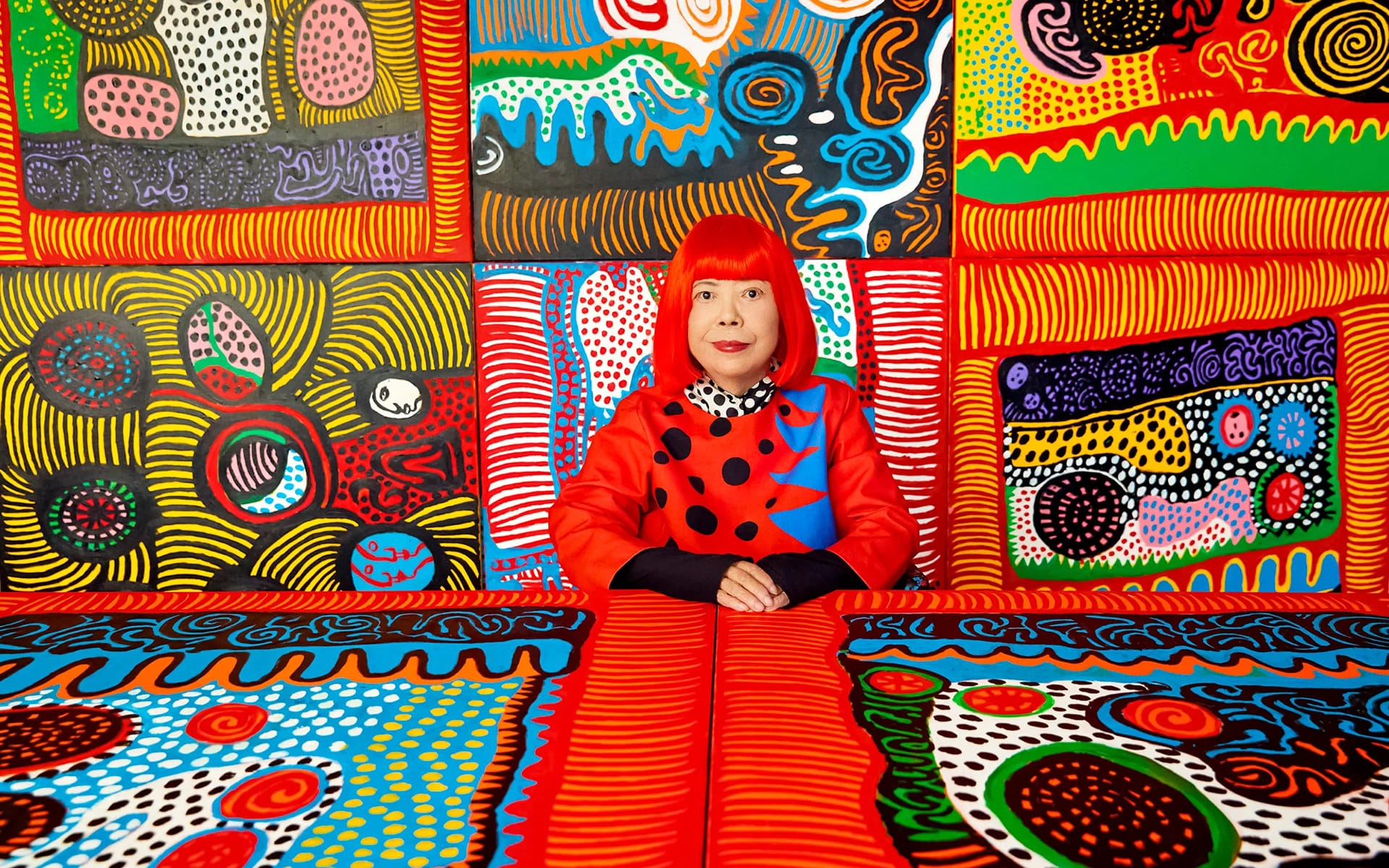

Yayoi Kusama, the Japanese avant-garde artist whose hallucination-inspired dots, pumpkins and Infinity Mirror Rooms made her one of the most recognizable and commercially successful contemporary artists in the world, died on 14 August 2026 at a Tokyo hospital. She was 97.
Her studio and foundation, Yayoi Kusama Inc., announced her death on 27 August 2026 via her official website, saying she had “continued to paint until her final days, never setting aside her brush” and had kept exploring themes of “forever love and eternal soul”.
A life shaped by hallucinations and defiance
Kusama’s art grew directly out of her mental health experiences. From childhood she had vivid hallucinations of fields of dots and nets that seemed to engulf everything around her; she later described these as “self-obliterations.” Rather than hide them, she turned them into a visual language: endless dots, looping nets, phallic protrusions and, later, the mirrored rooms that would become her global signature.
She first gained serious attention in the late 1950s and early 1960s with large abstract canvases she called “Infinity Nets”—dense, repetitive patterns that suggested both obsession and infinity. After moving to New York in the late 1950s, she became a fixture of the downtown art scene, staging provocative performances, happenings and anti-war actions that often involved nudity and polka-dotted bodies, drawing both fascination and controversy.
In 1973, she returned to Japan and, from 1977 onward, lived voluntarily in a psychiatric hospital in Shinjuku, Tokyo, while working daily in her nearby studio. That choice—often summarized as “living in a hospital, working in a studio”—became part of her mythos: an artist who used structure and routine to manage her condition while producing an enormous body of work.
From cult figure to global superstar
For decades Kusama was a respected but under-recognized figure outside specialist circles. Then, in the 2000s and 2010s, a series of major retrospectives and the rise of social media transformed her into a global brand.
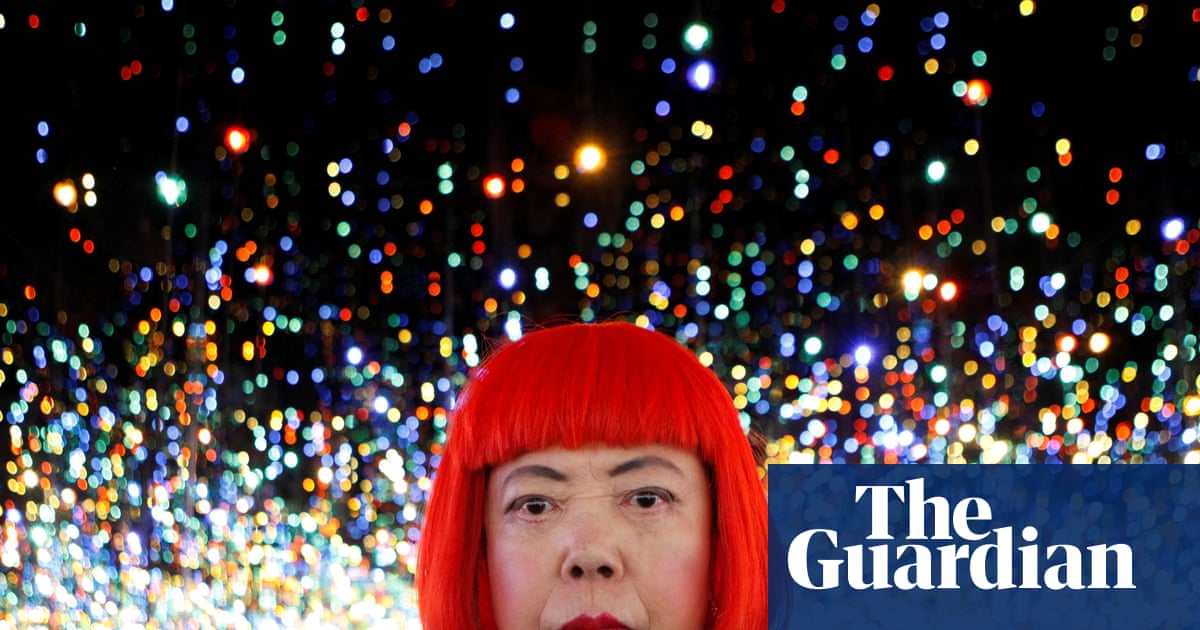
Her Infinity Mirror Rooms—small, mirrored chambers filled with LED lights, pumpkins or dot-covered forms—became some of the most photographed and queued-for installations in contemporary art. Museums from New York to London, Singapore to Dubai staged Kusama exhibitions that drew record crowds and long online waitlists.
At the same time, her market value soared. She became one of the highest-selling living female artists, with works fetching tens of millions at auction and her imagery licensed for collaborations with fashion and luxury brands. The “Polka Dot Queen” label, once slightly tongue-in-cheek, became a shorthand for an artist whose visual vocabulary was instantly recognizable worldwide.
Legacy: art as coping, protest and hope
Kusama’s legacy sits at the intersection of several narratives:
- Mental health and creativity: She is often cited as a rare example of an artist who openly framed her hallucinations and neuroses as the engine of her work, helping to destigmatize conversations around mental illness in the arts.
- Feminist and outsider status: As a Japanese woman who forced her way into a male-dominated, Western-centric art world in the 1960s, she is now read as a pioneer who endured marginalization before being fully recognized.
- Pop culture and commerce: Her dots and pumpkins are now part of global visual culture, reproduced on everything from tote bags to phone cases, raising ongoing debates about art, branding and accessibility.
Her studio’s statement emphasized that her work was meant to bring “hope and strength for the future to people around the world,” and pledged to carry forward her wishes through continued exhibitions and projects.