







The United Kingdom has enacted a sweeping ban on trade with illegal Israeli settlements in the occupied West Bank, marking one of the sharpest diplomatic and economic break with Israel by a major Western ally in decades.
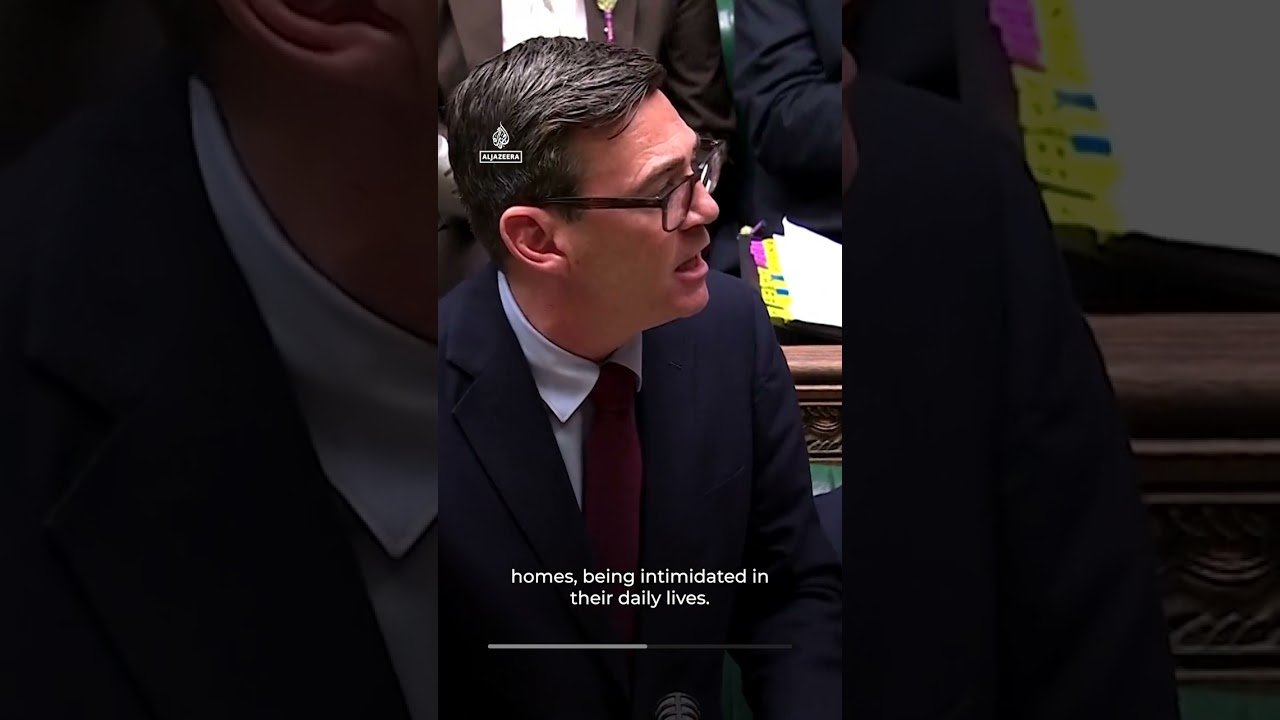
Prime Minister Andy Burnham told parliament Britain must 'stand for fairness against injustice' in defense of the UK's new ban on imports from Israeli West Bank settlements https://t.co/qXlhJxyXaW pic.twitter.com/2GO6QjhmXW
— Reuters (@Reuters) September 9, 2026
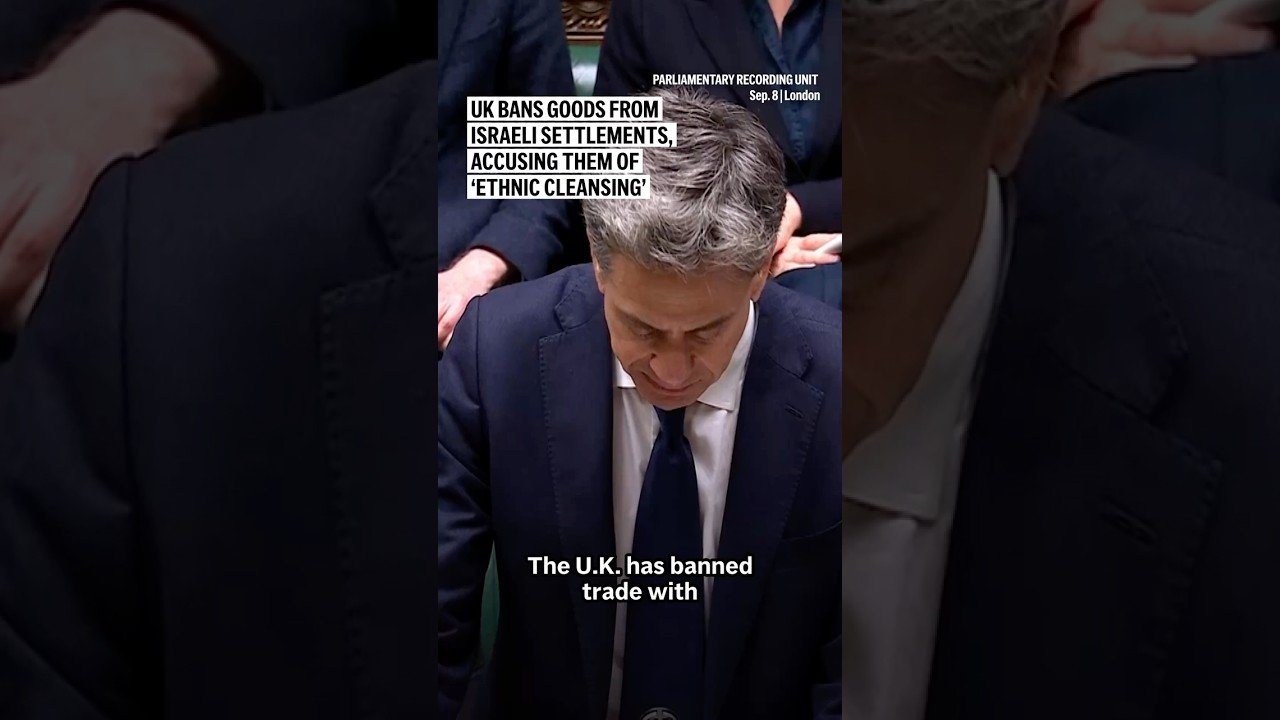
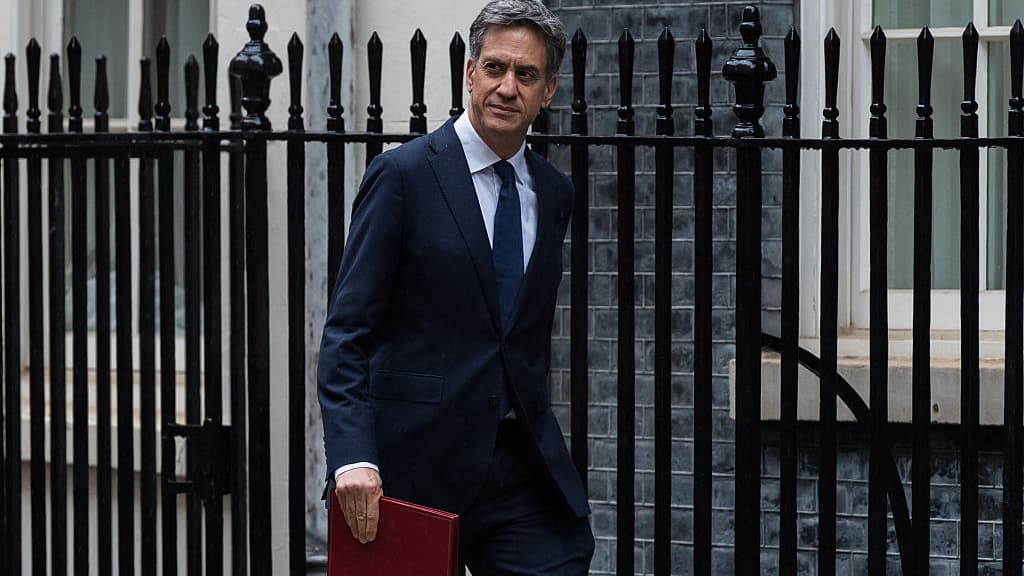
Announced on 8 September 2026 by Foreign Secretary Ed Miliband in the House of Commons, the measures target the entire settlement economy—goods, services, finance and advertising—rather than only individual violent actors.
The UK package, coordinated with Canada and France and backed by a wider group of European states, rests on several pillars:
- Import ban on settlement goods: All agricultural, processed and manufactured products originating in Israeli settlements across the occupied West Bank, including East Jerusalem, will be barred from the UK market. In practice this affects Medjool dates, citrus, herbs, wine from settlement vineyards and Dead Sea mineral products, which together make up only a tiny share of Israel’s total exports.
- Services and corporate restrictions: British firms will be prohibited from providing construction, infrastructure, real estate, advertising and financing services that facilitate settlement expansion
- Advertising ban on settlement property: UK-based advertising for the sale of residential properties located in illegal West Bank settlements will be outlawed.
- Arms export controls: The government will refuse new export licences for weapons and dual-use equipment that “materially contribute to the occupation”.
- Targeted sanctions on people and entities: Asset freezes and travel bans will be expanded against settler organisations and individuals implicated in violence and in financing or enabling settlement growth.
The measures are expected to take six to nine months to come into force as the necessary statutory instruments are drafted and laid before Parliament.
Why the UK escalated now
The immediate trigger was Israel’s push to advance the E1 settlement plan east of Jerusalem, a long-contested zone that would add thousands of housing units and effectively bisect the West Bank, severing it from East Jerusalem. UK officials warned that E1 would make a contiguous, viable Palestinian state all but impossible and thus “bury” the two-state solution.
In his statement, Miliband went further than previous British governments by declaring the entire Israeli occupation of the West Bank unlawful and accusing extremist settlers of carrying out “ethnic cleansing” of Palestinians with the tacit backing of the Israeli government. He framed the sanctions as a last-ditch effort to preserve the prospect of a two-state outcome before it became irreversible.
The foreign secretary has told Sky News that he is 'proud' of the action the British government has taken over Israel.
— Sky News (@SkyNews) September 9, 2026
Safety of British jews is of great importance, and the issue is with the Israeli government, "not its people", says Ed Miliband.https://t.co/W9MZsAqjy5 pic.twitter.com/PdZMOhG2SR
Israel’s response and the diplomatic fallout
The announcement sparked an immediate and severe rift between London and Jerusalem:
- Consulate closure: Israel’s Foreign Minister Gideon Saar ordered the closure of the British consulate in East Jerusalem within 30 days, calling the UK’s accusations “outrageous lies”.
- Entry bans on UK politicians: Israel banned 11 British MPs from entering the country and said it was reviewing restrictions on major UK-linked humanitarian groups operating in the West Bank.
- Rhetorical escalation: Senior Israeli ministers, including Bezalel Smotrich and Itamar Ben Gvir, floated expelling the UK ambassador and urged formal recognition of Israeli sovereignty over parts of the West Bank in retaliation
On the UK side, Prime Minister Andy Burnham and Miliband defended the move as consistent with international law and Britain’s support for a two-state solution, while rejecting claims that it would endanger Jewish communities in Britain.
Allied coordination and the US position
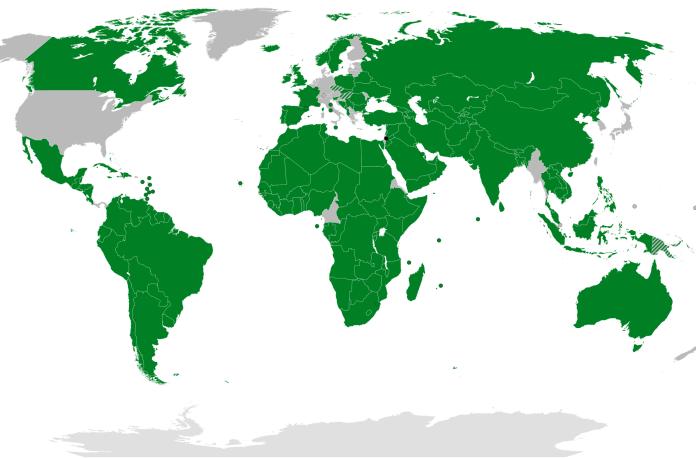
The UK did not act alone. In a joint statement, 12 countries—the UK, Canada, Denmark, Finland, France, Iceland, Ireland, Norway, Poland, Portugal, Spain and Sweden—said they would introduce or actively consider national and/or EU-level restrictions on trade in goods with settlements deemed illegal under international law. France and Canada moved in lockstep with London on import bans and related measures.
For more than 70 years, successive Canadian governments have held the position that a two-state solution is the way forward for long-term peace that also addresses Israel’s legitimate security concerns. Illegal settlements in the West Bank significantly undermine these… pic.twitter.com/geteRLuLWk
— Anita Anand (@AnitaAnandMP) September 8, 2026
Statement | Qatar Welcomes UK Trade Ban on Israeli Settlement Goods
— Ministry of Foreign Affairs – Qatar (@MofaQatar_EN) September 8, 2026
Doha | September 8, 2026
The State of Qatar welcomes the United Kingdom's imposition of a trade ban on goods originating from Israeli settlements in the occupied West Bank, and considers such move as an… pic.twitter.com/mZ98yEYF0y
This coordination leaves the United States in a delicate position: Washington has long opposed settlement expansion but has resisted broad economic sanctions on settlement trade and warned of possible repercussions for allies that go too far.
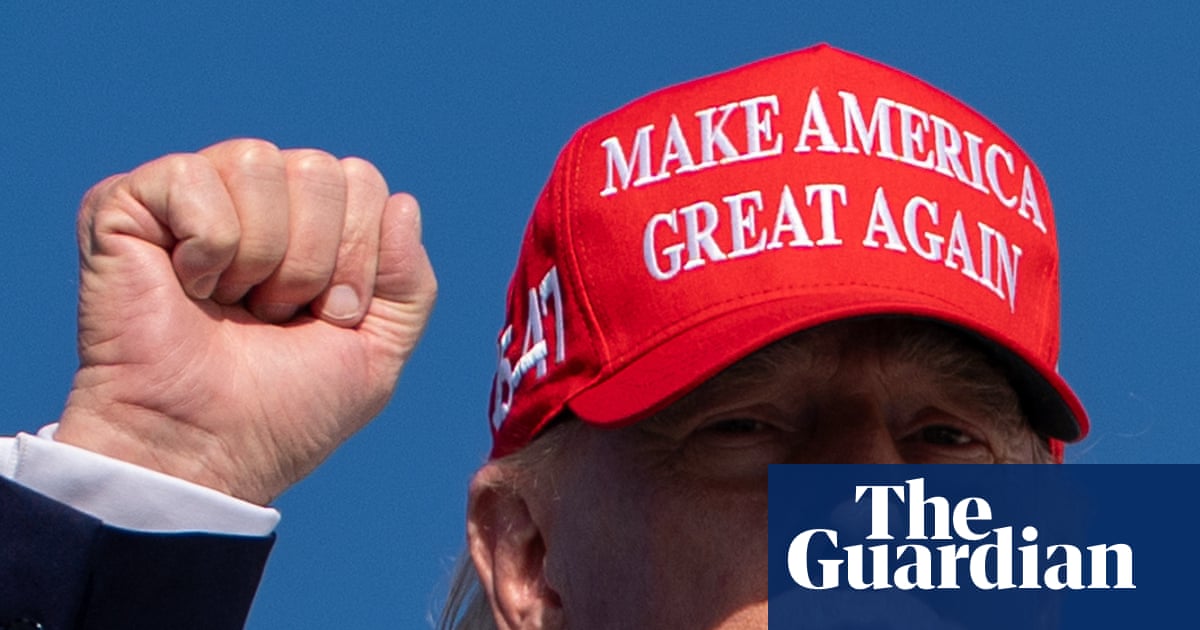
US officials reportedly cautioned the UK about potential economic consequences, yet the British government proceeded alongside its European and Canadian partners. US President Donald Trump has notably remained silent on the sudden economic isolation of Israel by its closest Western partners.
What the ban means in practice
- For UK businesses and consumers: Importers, retailers and online platforms will need to audit supply chains to ensure goods originating in West Bank settlements—particularly dates, wines and certain cosmetics using Dead Sea minerals—are excluded once the rules take effect.
- For settlement producers and enablers: Companies and individuals providing construction, finance, real estate marketing or advertising services to settlements will face loss of access to the UK market and potential asset freezes.
- For the peace process: The UK is betting that economic pressure on the settlement enterprise, combined with diplomatic isolation, can slow or halt projects like E1 and reopen space for negotiations—though Israel’s retaliatory steps suggest the opposite dynamic may intensify in the short term.
The UK’s move signals a structural shift from targeted sanctions on violent settlers to a broader policy that treats the settlement system itself as unlawful and subject to comprehensive economic restrictions.