A wave of new recognitions of the State of Palestine in 2025 coincided with the Gaza peace deal and growing pressure to anchor a political horizon in a two-state framework. By mid-year, a cluster of Western and US-aligned governments that had long held back shifted position, arguing that recognition was needed both to support the Trump-brokered ceasefire and to signal that Palestinians must have a viable state alongside Israel.
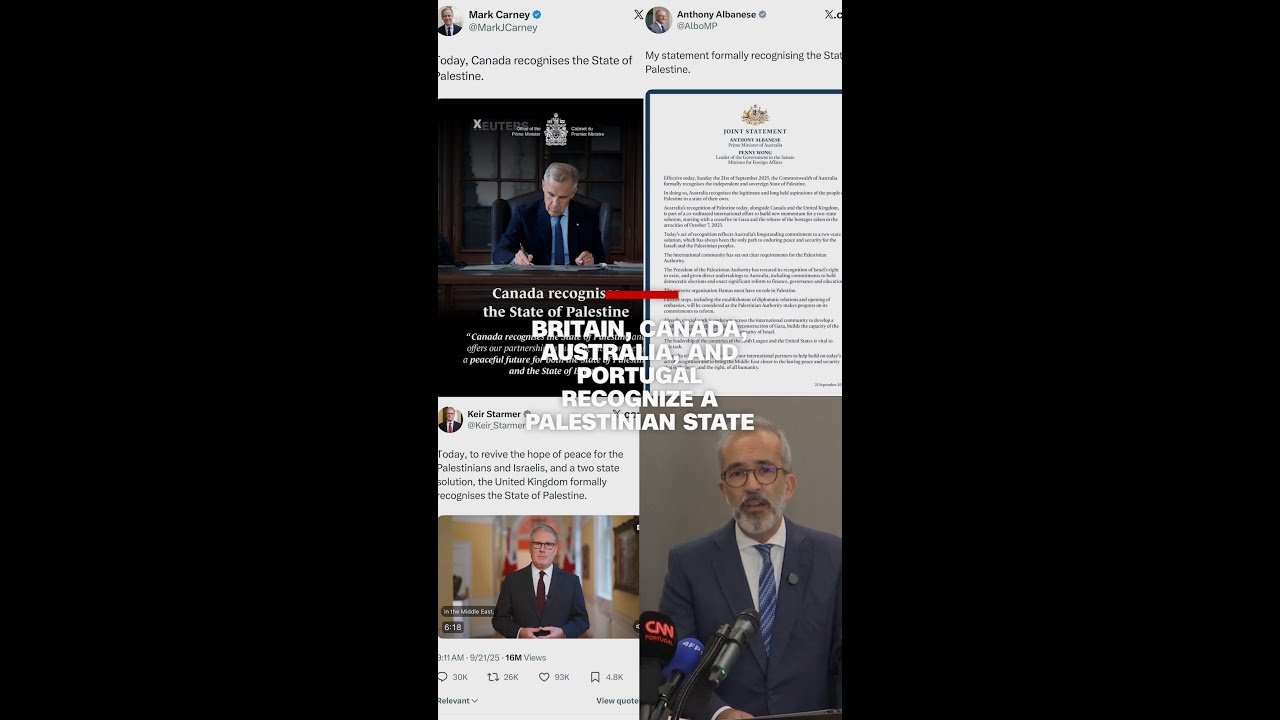
On September 12, 2025, the UN General Assembly endorsed the New York Declaration by a vote of 142 in favour, with 10 against and 12 abstentions, backing the outcome of the two-state solution conference held in New York. In parallel, the UK, Canada, and Australia issued coordinated announcements formally recognising the State of Palestine, becoming the first G7 economies to take that step, with Portugal following soon after.
Israel’s Ambassador Danny Danon denounced the text as a one-sided declaration, warning that Hamas is the biggest winner of any endorsement here today.
I have a clear message to those leaders who are recognizing a Palestinian state after the horrendous October 7 massacre: You are rewarding terror with an enormous prize.
Israel Prime Minister Benjamin Netanyahu
What happened next
A broader wave of US-aligned and European countries then moved to recognition as part of a strategy to isolate Hamas and push back against Israeli moves that critics say are erasing the prospect of a Palestinian homeland. Belgium, France, Luxembourg, Malta, and several smaller states, including likely New Zealand and Liechtenstein, also joined the list of UN members recognising Palestine, taking the total from roughly 147 recognisers to the mid-150s.
By late 2025, around 156 to 157 of the UN’s 193 member states had recognised Palestine, meaning close to four out of five countries worldwide now treat it as a state. Even after this surge, several influential states, notably the United States, Germany, Italy, Japan, South Korea, and Israel, continue to withhold formal recognition of Palestine, maintaining that statehood should come at the end of direct negotiations rather than being granted in advance.
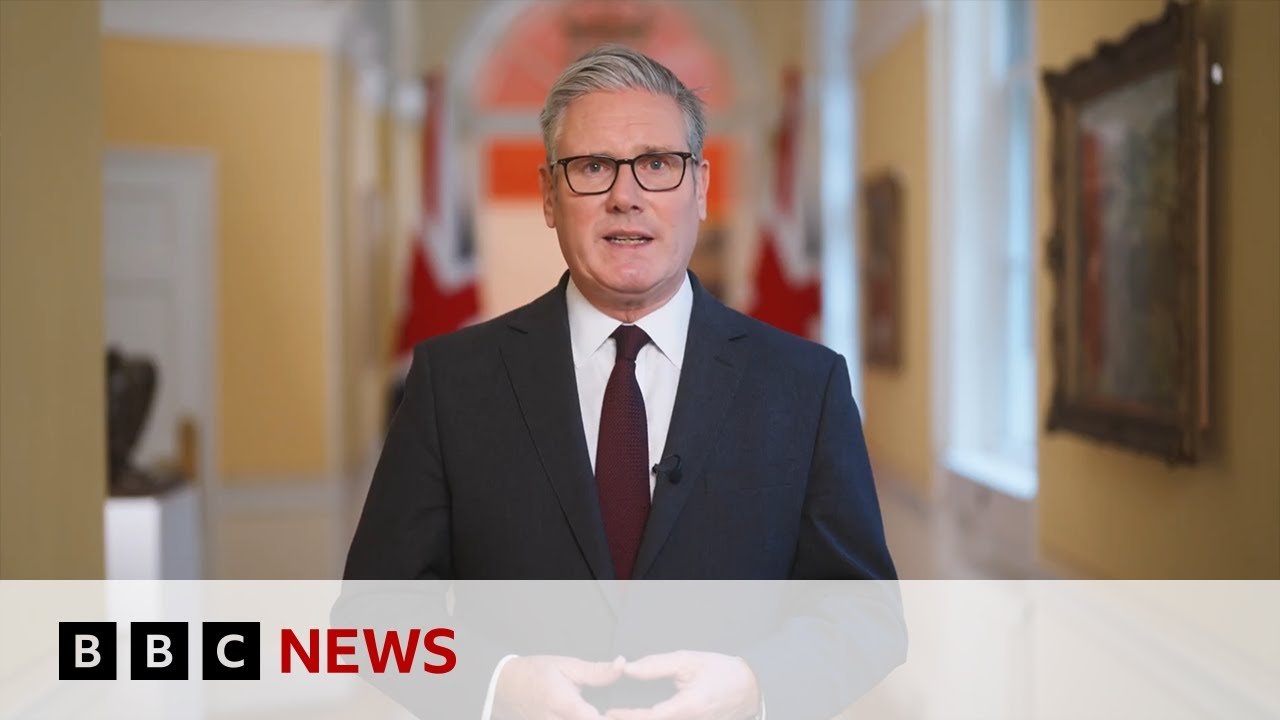
In the face of the growing horrors in the Middle East we are acting to keep alive the possibility of peace and a two-state solution. That means a safe and secure Israel, alongside a viable Palestinian state. At the moment we have neither.
UK Prime Minister Keir Starmer
Support for recognition
Many governments explicitly linked their 2025 recognitions to the Gaza ceasefire and Trump’s peace plan, arguing that locking in a credible Palestinian state is essential if the deal is to hold and if Palestinians are to have a genuine political stake in peace rather than seeing the ceasefire as a cover for open-ended occupation.
Other thinktanks such as the Carnegie Endowment for International Peace frame the wave of UK-France-Canada-Australia recognitions as a sign that parts of the Global North are slowly moving closer to long-standing Global South positions on Palestine. They note that most of Asia, Africa, and Latin America recognised Palestine years ago; the novelty is that core Western powers are now joining, partly due to public anger over Gaza and the ICJ advisory opinion on Israel’s occupation.
They view the move as a belated acknowledgment that decades of process without peace have failed, and that Western credibility on international law was being shredded by Gaza.
Today’s act of recognition reflects Australia’s longstanding commitment to a two-state solution, which has always been the only path to enduring peace and security for the Israeli and the Palestinian peoples.
Joint statement by Australia PM Anthony Albanese and Foreign Affairs Minister Penny Wong
Criticism of recognition
Several commentaries, especially from Al Jazeera and critical academics, argue that Western leaders are also using recognition to save face after backing Israel through two years of devastating war. They have pointed out that many of the same governments continued arms sales and security cooperation with Israel while only moving to recognition once images of mass civilian suffering in Gaza became politically toxic at home.
Commentators at pro-Israel or security-focused institutes describe the recognitions as misguided or even dangerous. They argue that recognising Palestine before a final-status deal rewards Palestinian leaders without requiring firm commitments on disarmament, governance reform, or recognition of Israel as a Jewish state.
Canadian Prime Minister Mark Carney said, recognising the State of Palestine, led by the Palestinian Authority, empowers those who seek peaceful coexistence and the end of Hamas. This in no way legitimises terrorism, nor is it any reward for it.
Recognising the State of Palestine, led by the Palestinian Authority, empowers those who seek peaceful coexistence and the end of Hamas. This in no way legitimises terrorism, nor is it any reward for it.
Canadian Prime Minister Mark Carney
Why it matters
The 2025 wave of Western recognitions of Palestinian statehood represents a historic shift in international diplomacy, with the UK, Canada, Australia, and other traditionally US-aligned powers breaking with decades of hesitation to formally recognise Palestine.
This movement, reaching 157 of 193 UN member states, reflects growing frustration with the failed peace process, public pressure over Gaza’s humanitarian crisis, and the belief that recognition is essential to support the Trump-brokered ceasefire and preserve the two-state solution. However, the opposition from key players including the United States, Germany, and Israel highlights deep divisions over whether recognition should come before or after final-status negotiations.
As Canadian Prime Minister Mark Carney argued, recognition empowers those seeking peaceful coexistence, while critics like Netanyahu warn it rewards terrorism. The debate over Palestinian statehood now stands at a critical juncture, with the international community increasingly divided on whether recognition will advance peace or undermine negotiations.
Read more: Trump brokers multi-phase Gaza Ceasefire