






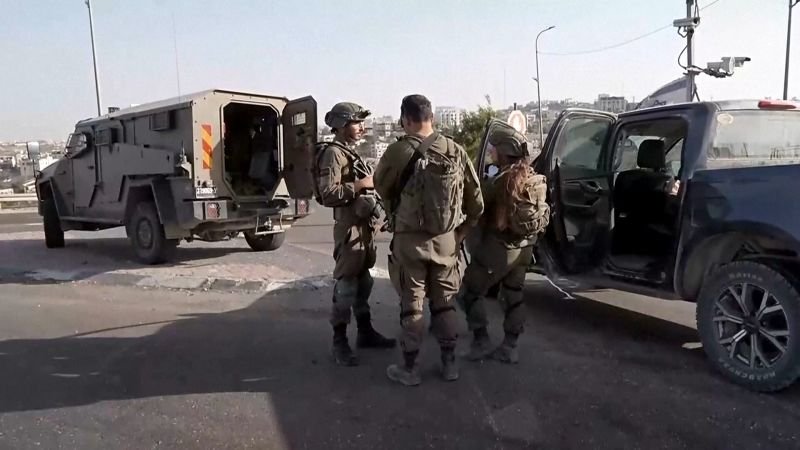
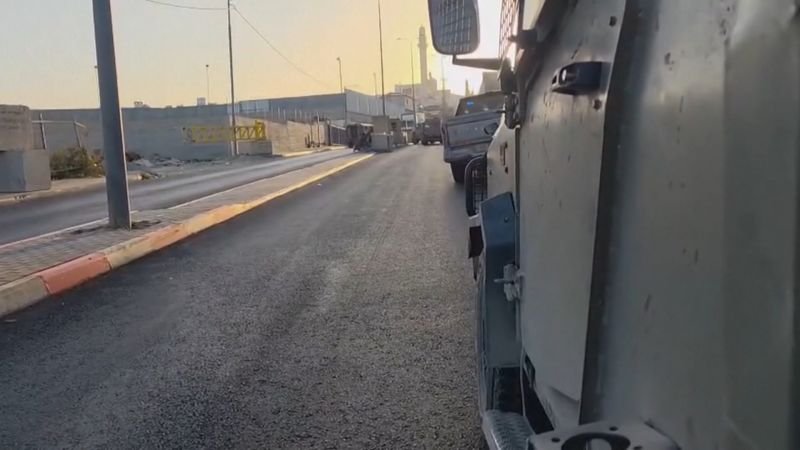

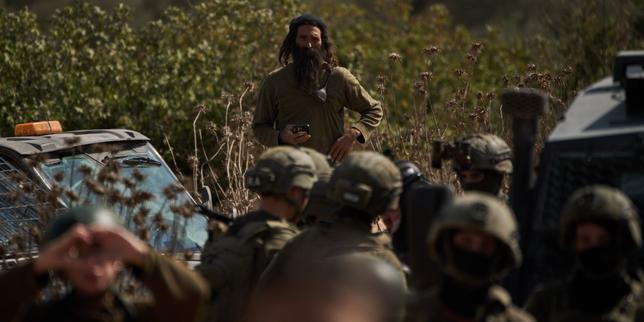

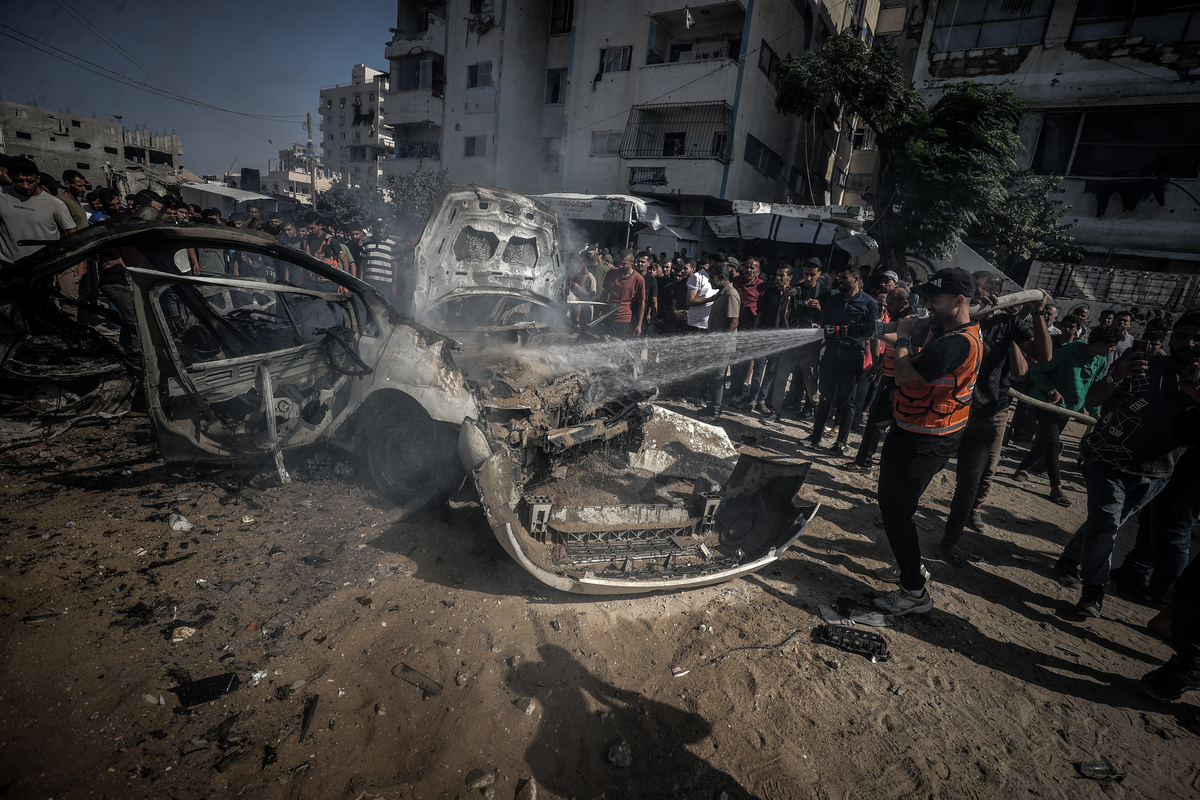

Israeli forces have bulldozed Palestinian homes and businesses in Hebron and forced about 2,000 residents from their homes during a military operation launched after two Palestinian gunmen killed two Israeli soldiers near the occupied West Bank city. The demolitions have accompanied neighborhood evacuations, house searches and sweeping movement restrictions ahead of Israel’s October 27 election.
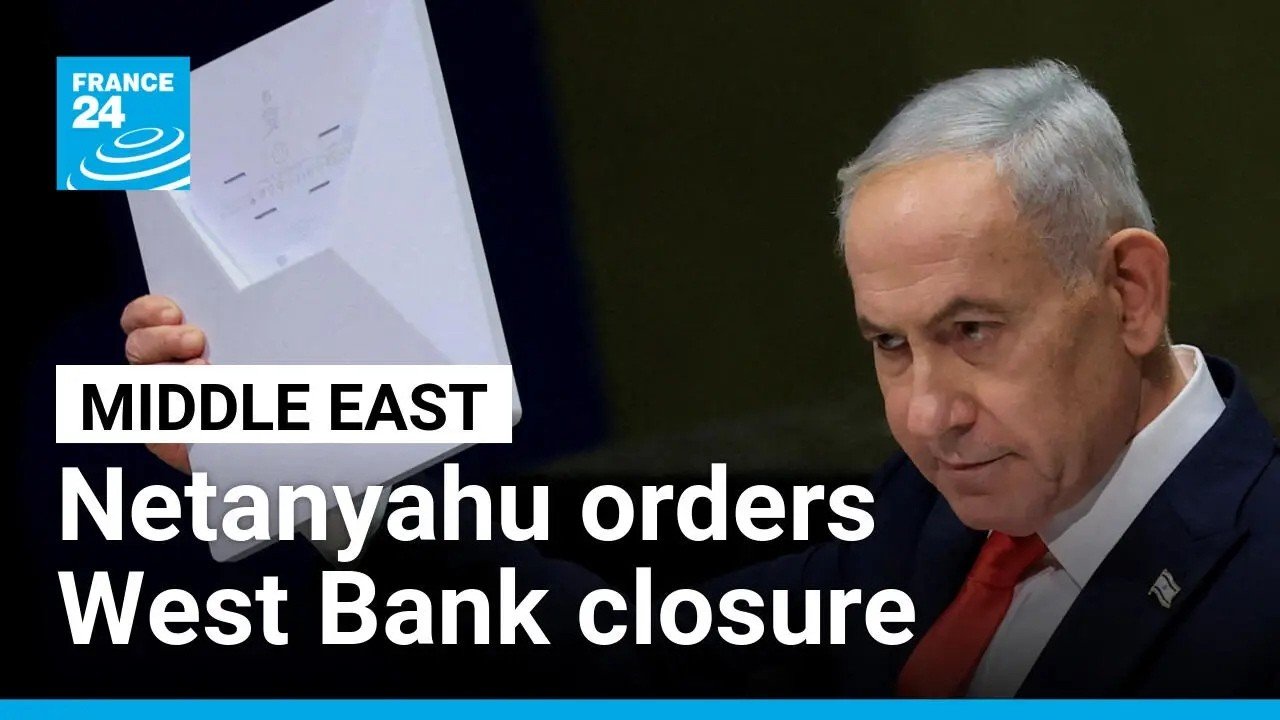
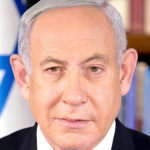
Prime Minister Benjamin Netanyahu ordered preparations for a “full lockdown” of the West Bank following the October 23 attack. But the measures announced so far involve distinct operations: a military cordon and neighborhood evacuations around Hebron, restrictions affecting Palestinian workers, and a broader closure of crossings scheduled for election day.
The Israeli military says its operation is intended to find weapons and dismantle militant infrastructure. Palestinian officials have condemned the displacement, demolitions and restrictions as collective punishment, warning that residents are being forced from their homes without adequate time to prepare.
Two soldiers killed in attack near Hebron
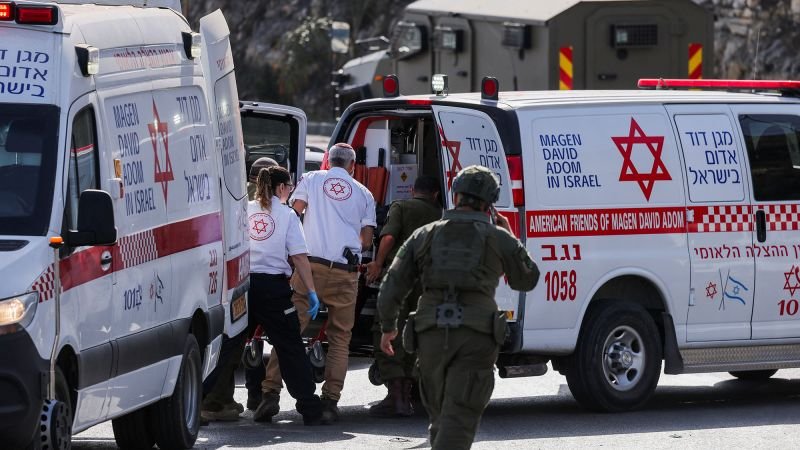
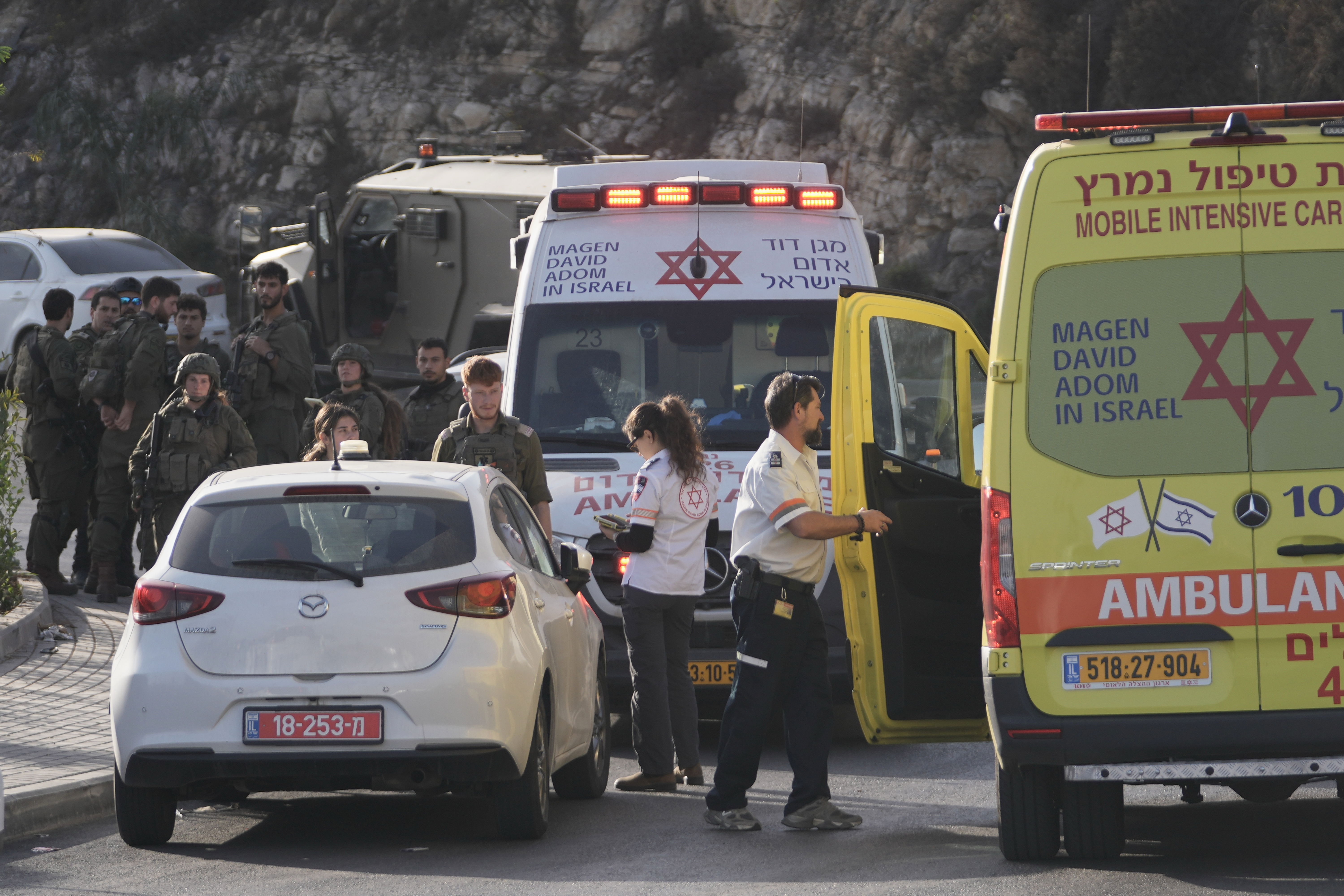
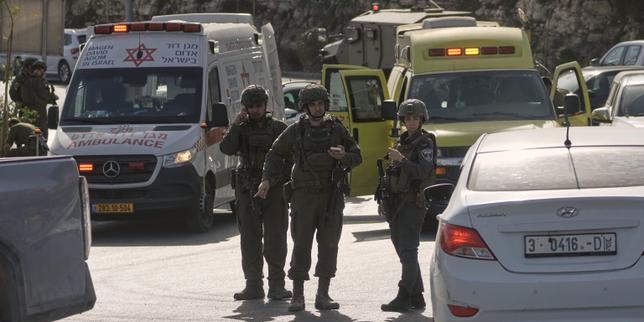
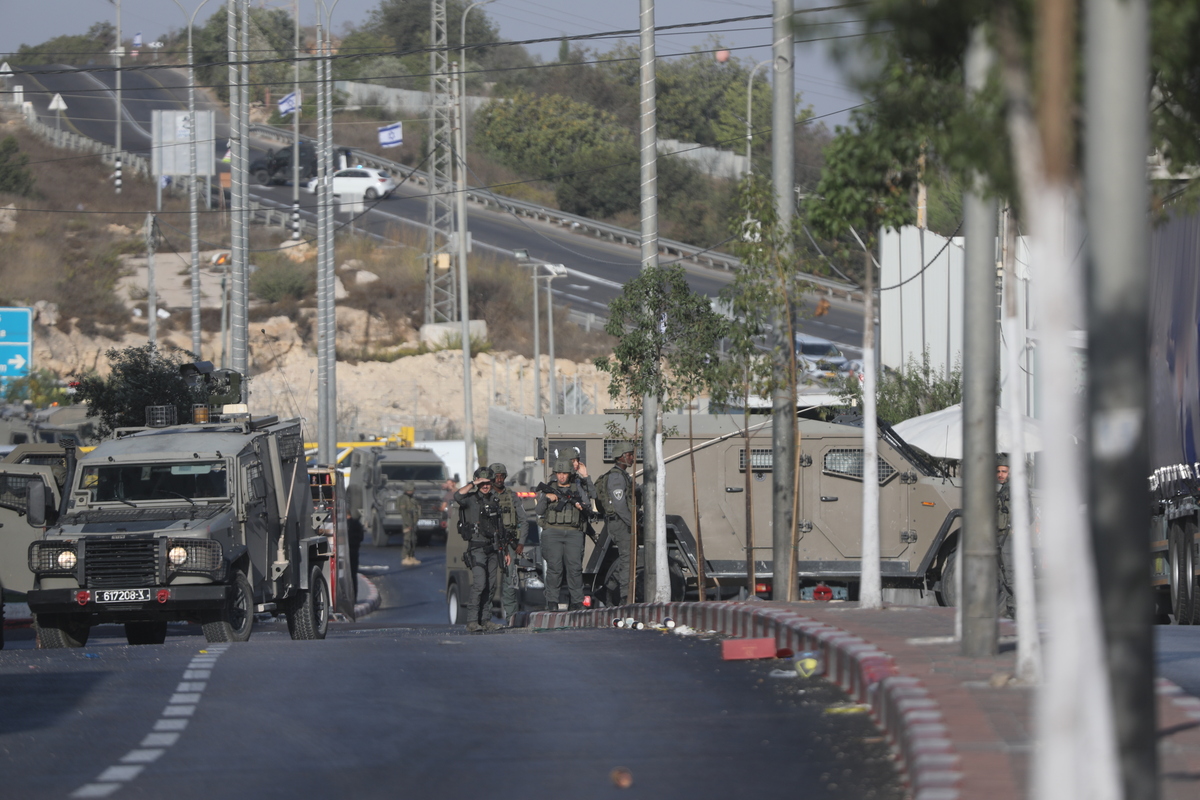
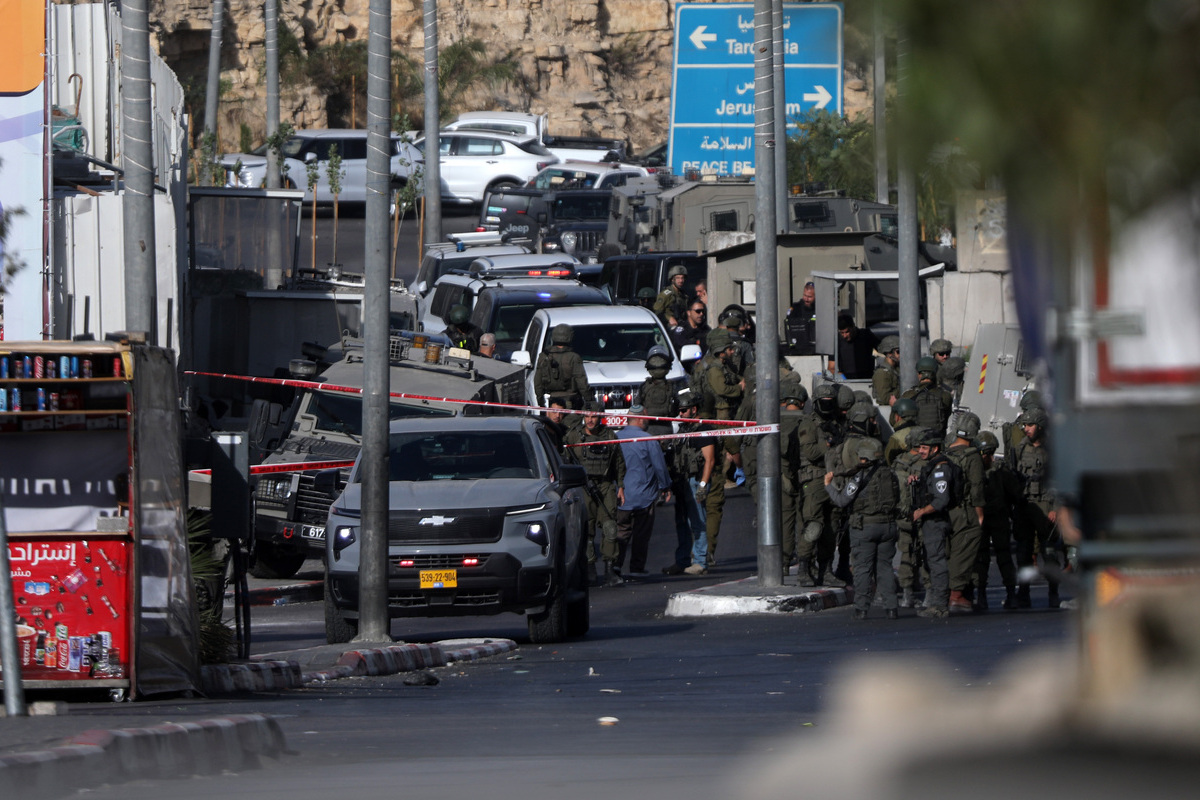
The shooting took place on Friday morning near Yehuda Junction, close to Hebron. Israeli emergency service Magen David Adom said it received a report of casualties at approximately 7:15 a.m. The military subsequently confirmed that two soldiers had been killed and three others lightly wounded. Both Palestinian gunmen were killed.
Israeli authorities said the attackers were Palestinians from Hebron and carried an M16 rifle and a handgun. Netanyahu blamed Hamas and said the discovery of weapons and ammunition indicated preparations for a larger attack against civilians. That account is an Israeli government assessment; the reporting reviewed for this article does not independently establish the attackers’ organizational affiliation or their intended next target.
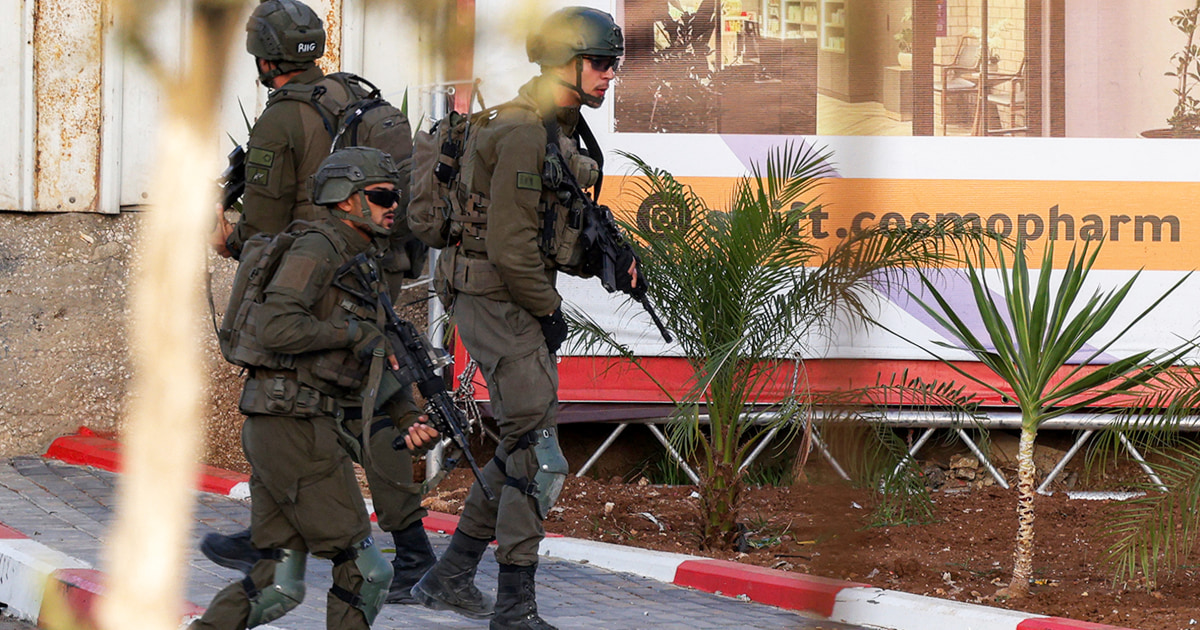
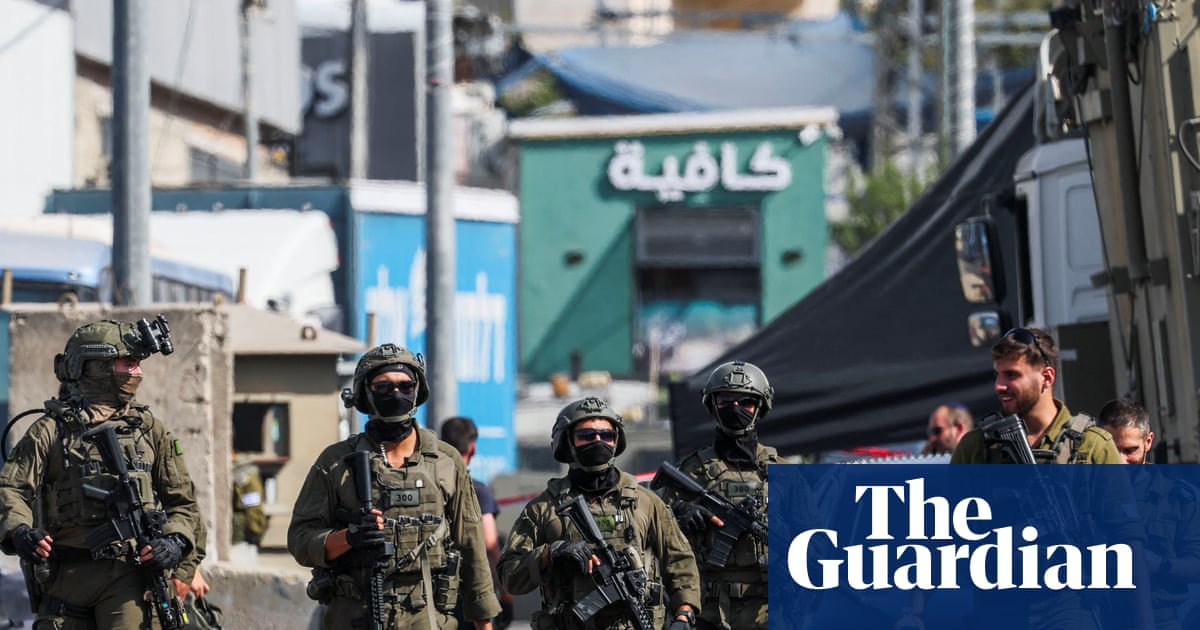
The Israeli military and the Shin Bet domestic security agency announced a joint operation later that day, describing searches for weapons and militant infrastructure in the area from which the attackers had operated. They said the operation was expected to continue for several days.
Thousands displaced as troops search neighborhoods
The scale of displacement became clearer over the weekend, although estimates differed. Defense Minister Israel Katz said “about 2,000” people had been displaced, while Hebron Mayor Yousef al-Ja’bari put the figure at approximately 2,200. An earlier municipal estimate cited about 1,500 residents. These figures describe successive or differing estimates, not separate groups that should be added together.
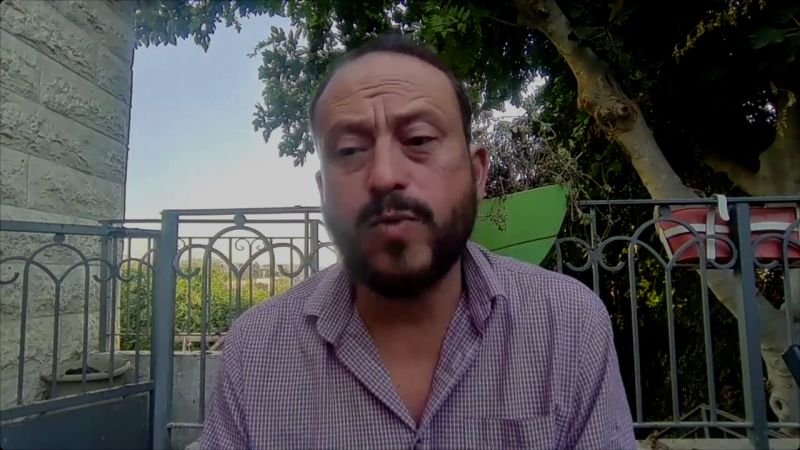
Residents said soldiers issued evacuation orders over loudspeakers late at night, leaving families little time to gather belongings or arrange somewhere to stay. Katz said those displaced would not be allowed to return until the military had finished addressing what he called “all the Hamas issues in Hebron.”
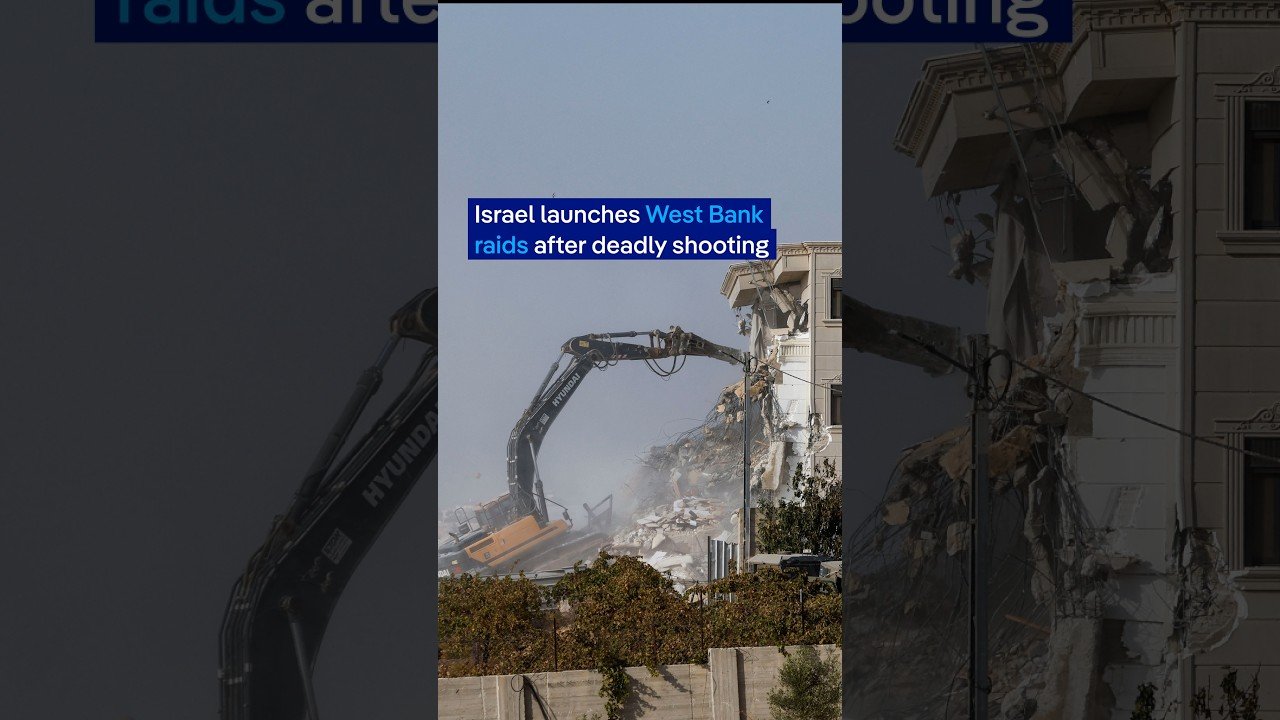
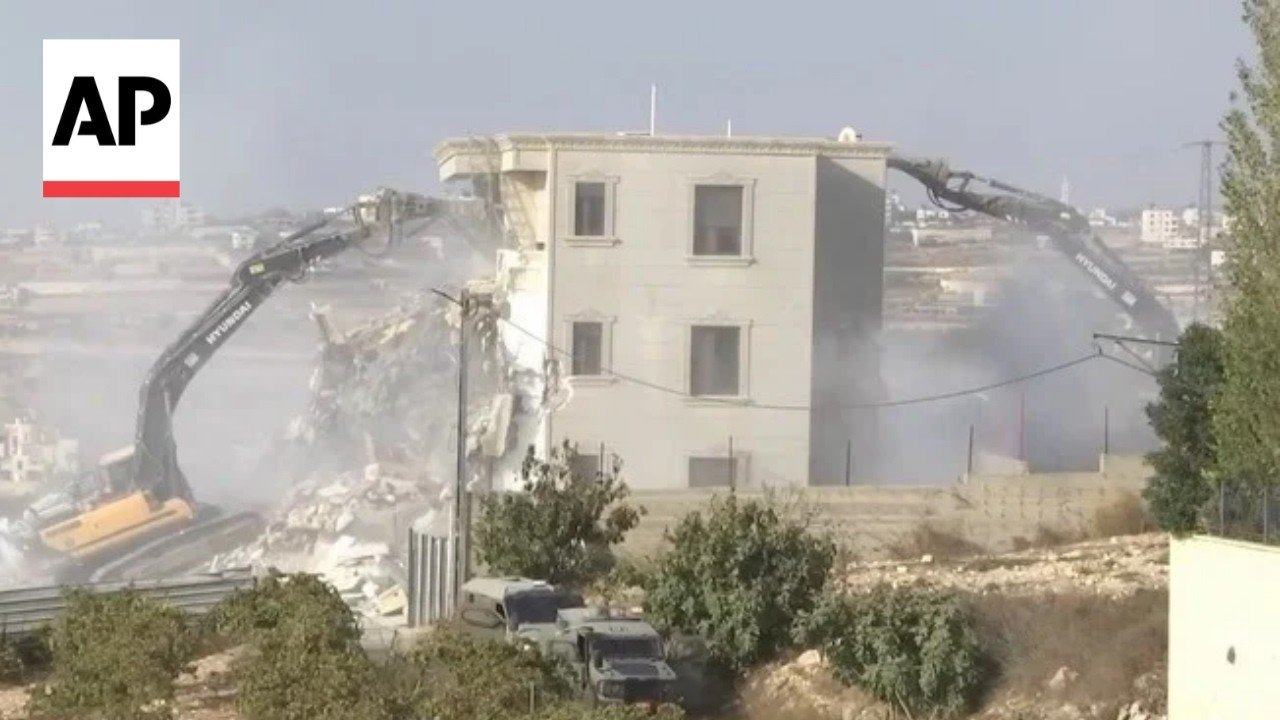
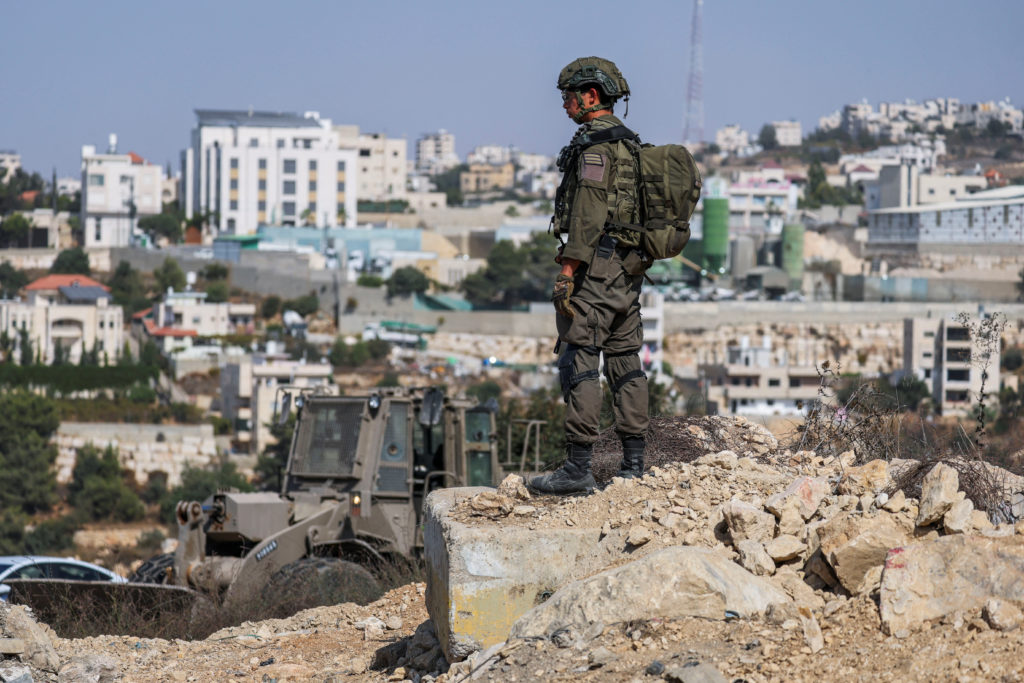
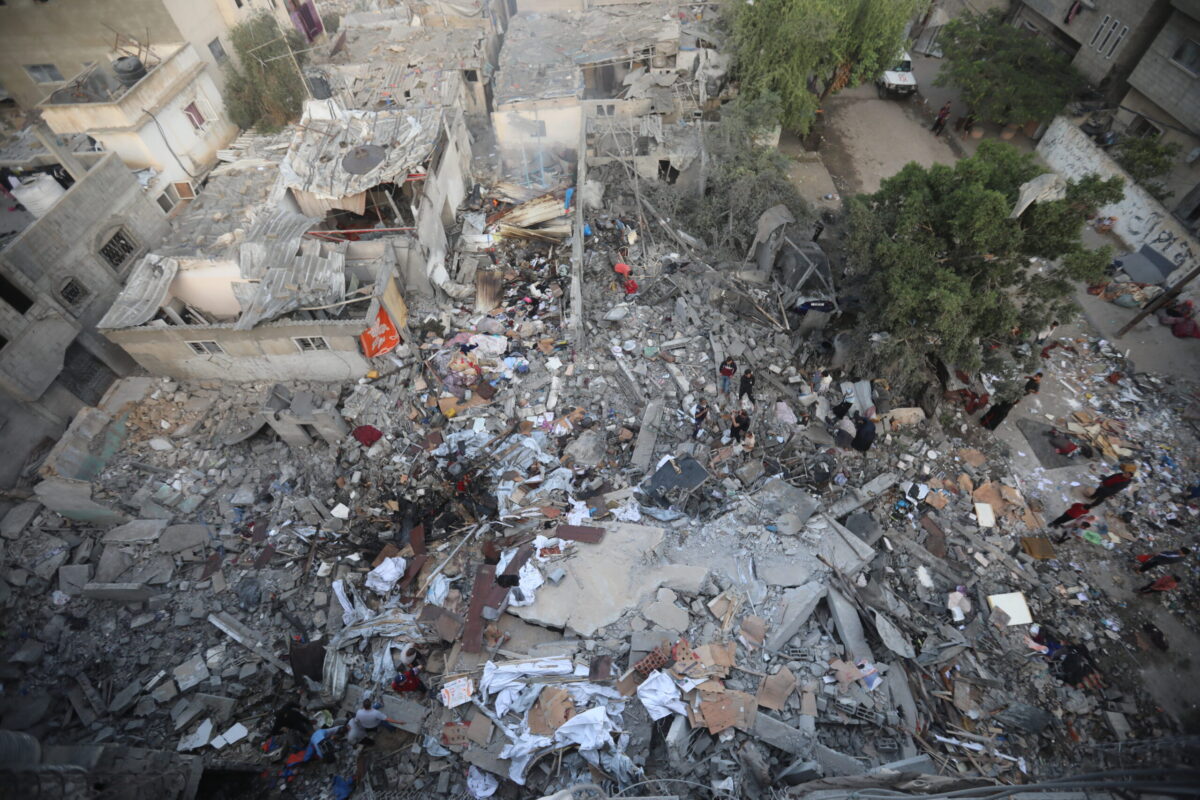
Photographs showed Israeli bulldozers demolishing at least one Palestinian building. The military said it would demolish structures it described as illegal and potentially threatening to security near the scene of the attack. The Hebron municipality separately said about 35 hectares, or 86 acres, had been destroyed or marked for demolition—a figure that combines reported damage with threatened demolition rather than measuring completed destruction alone.
Demolitions began on Friday, October 23, hours after the shooting. Video obtained by CNN showed an Israeli soldier telling residents of a housing complex that they had five minutes to evacuate. The Israeli military said it was demolishing “illegal structures that could pose a security threat,” while Palestinian authorities condemned the destruction and displacement as collective punishment.
Netanyahu said troops would go “house to house,” evacuate residents and destroy what he called “terrorist infrastructure.” He also said “infrastructure for settlement” would be built, placing settlement-related plans alongside the announced security response.
The destruction has extended beyond the attackers’ residences. The Palestinian Centre for Human Rights, cited by The New Arab, documented the demolition of a three-storey house, a car-parts business and walls surrounding the yard of a tile and ceramics business. The reporting identified Ein Deir Baha and the nearby Farsh al-Hawa area among the locations affected by the operation.
Hebron’s municipality estimated that approximately 35 hectares, or 86 acres, had been destroyed or marked for demolition. That figure includes property threatened with destruction and should not be presented as the amount already bulldozed. Reporting reviewed for this article does not establish a verified total number of buildings demolished.
Hebron cordon and election-day closure are separate measures
Al-Ja’bari described Hebron and several surrounding communities as being under a “complete blockade.” Netanyahu said a cordon would encompass Hebron and nearby Halhul, with the possibility of extending that approach to other cities.
The military’s initial account nevertheless described limited exit arrangements for residents in the operational area: people would be able to leave through three designated checkpoints after questioning, with some potentially referred for additional questioning. That provision differs from the mayor’s description of residents being unable to enter or leave the city, underscoring the differing accounts of access on the ground.
Separately, the army announced restrictions on Palestinian workers for Sunday and Monday and said all land crossings into and out of the West Bank would close on Tuesday, October 27, when Israel holds its general election. The reports reviewed did not specify humanitarian exemptions or detailed reopening arrangements.
Israeli forces also conducted raids in at least 15 West Bank areas and arrested about 70 Palestinians, according to The National News Desk. Those reported arrests extended the security sweep beyond the immediate Hebron operation.
Palestinian officials condemn measures as collective punishment
The Palestinian Authority called for international intervention to protect Hebron’s residents, condemning the demolition of homes, displacement of neighborhoods and closure of Palestinian cities as “collective punishment”.
The National News Desk reported that United Nations Secretary-General António Guterres criticized restrictions on Palestinians’ movement and access to services and livelihoods. It also reported that the Israeli rights organization B’Tselem said the measures could constitute war crimes. Those are attributed criticisms and legal assessments, not findings by a court.
The operation comes days before an election in which Netanyahu has made security a central campaign issue. NBC News reported that his government had warned of possible attacks ahead of the vote without providing supporting evidence for those warnings. The timing gives the response political significance, but does not by itself establish an electoral motive for individual military measures.
For displaced residents, the most immediate uncertainty is when they will be permitted to return. Israeli authorities have described the operation as lasting several days, while Katz has tied their return to the completion of its security objectives rather than announcing a fixed date.