






















President Donald Trump has rejected an Iranian proposal that would have reopened the Strait of Hormuz and paused fighting across the Middle East within seven days, dealing another blow to diplomatic efforts to end a conflict that has disrupted energy shipments and drawn in regional powers.
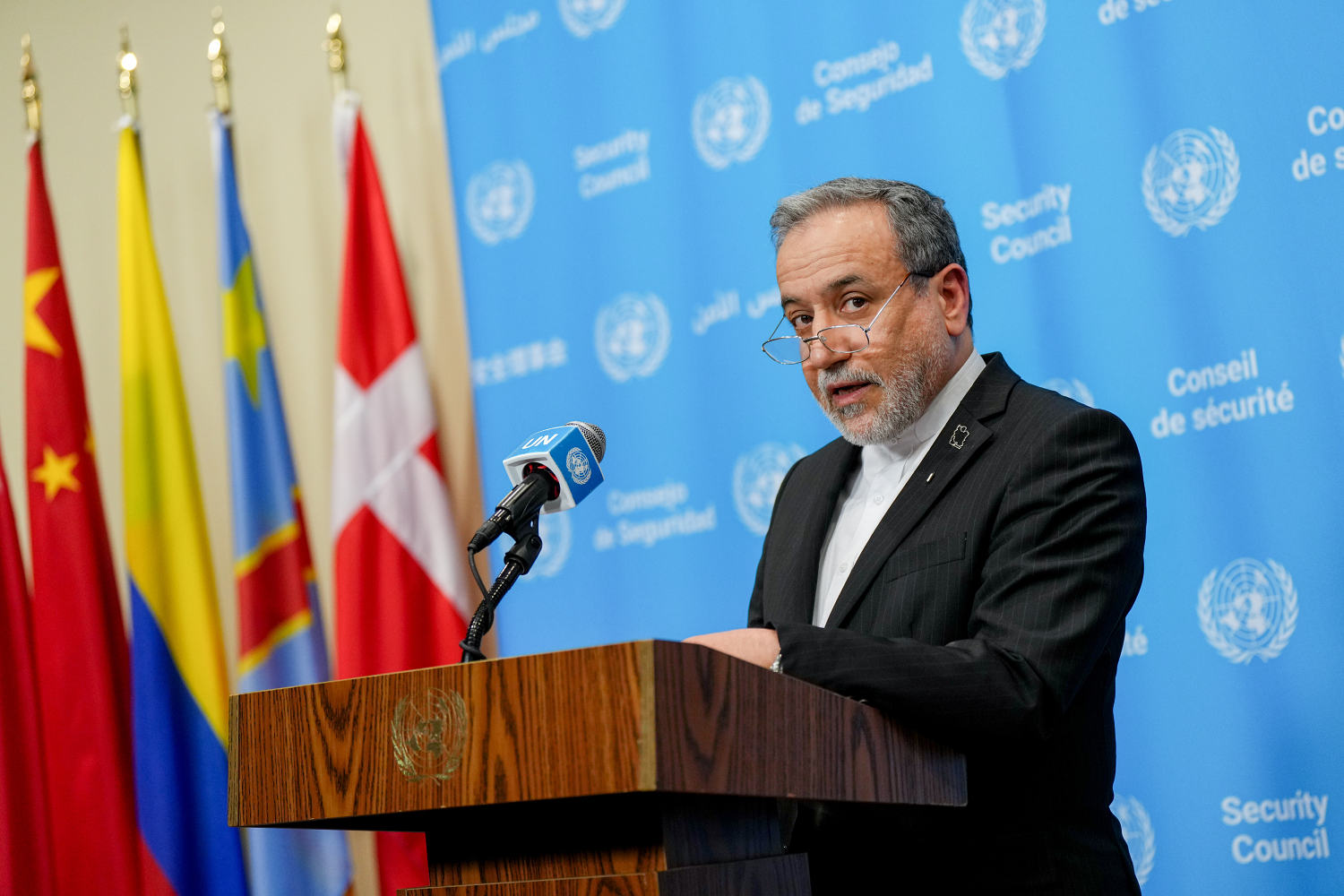
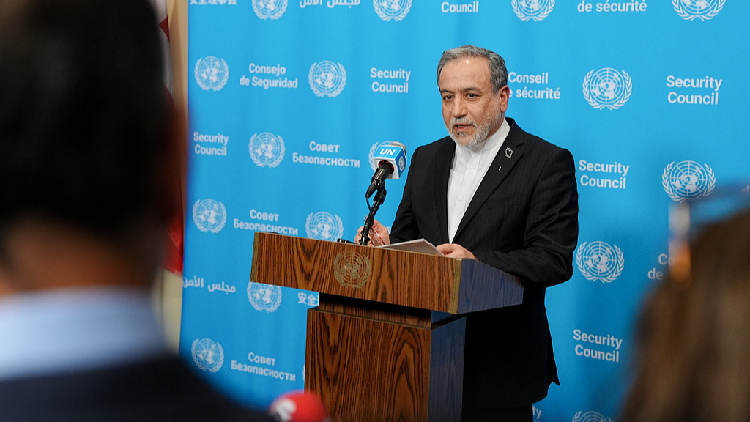
Iranian Foreign Minister Abbas Araqchi said on the sidelines of the United Nations General Assembly that Tehran had transmitted the proposal to Washington through Qatari mediators. Under the plan, the United States would lift its naval blockade of Iranian ports, waive sanctions on Iranian oil exports and release some frozen Iranian assets. Iran would then reopen the strategic waterway, while hostilities would pause across the region, including in Lebanon.
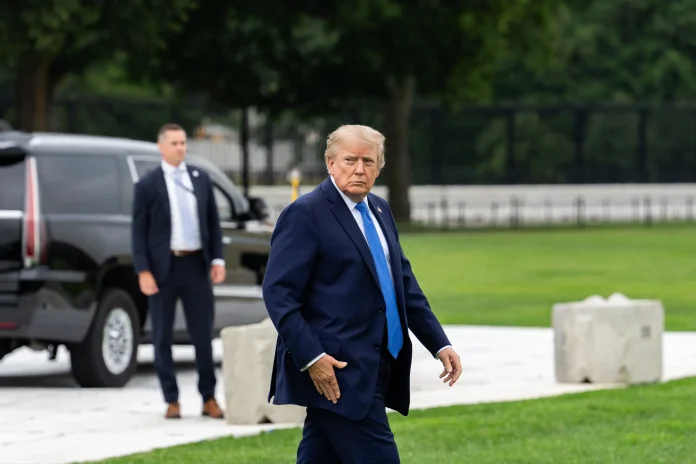
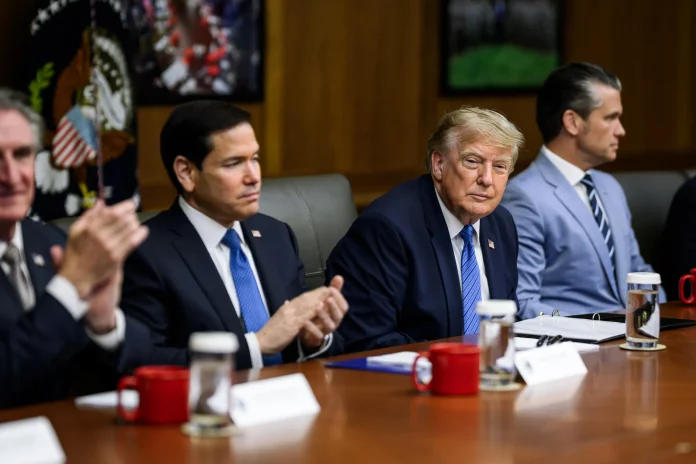
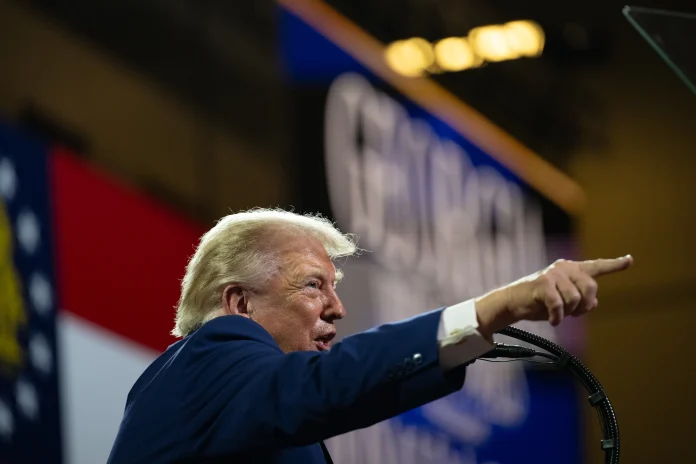
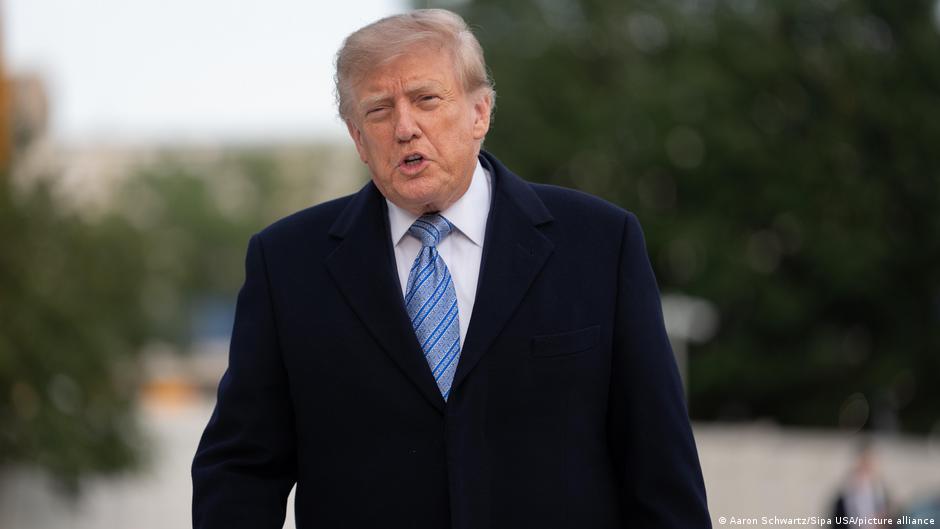
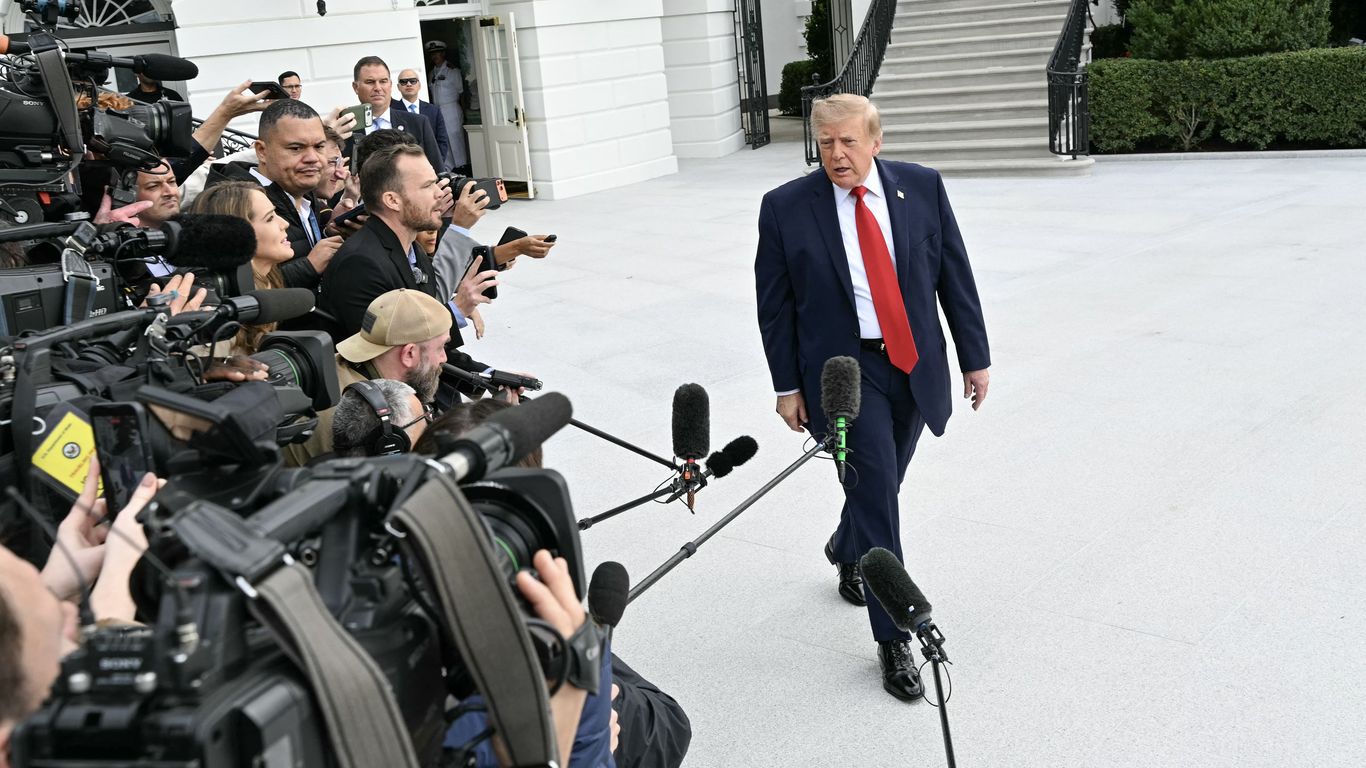
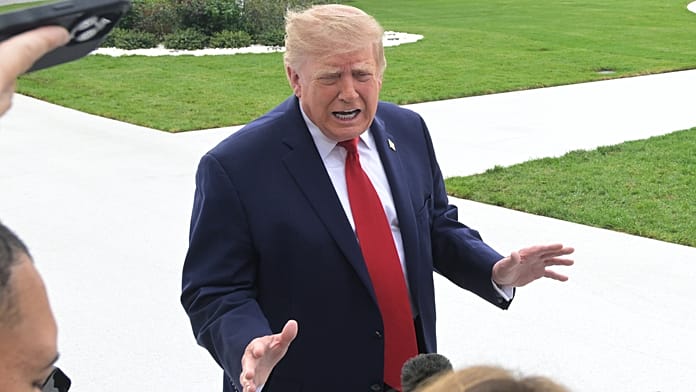
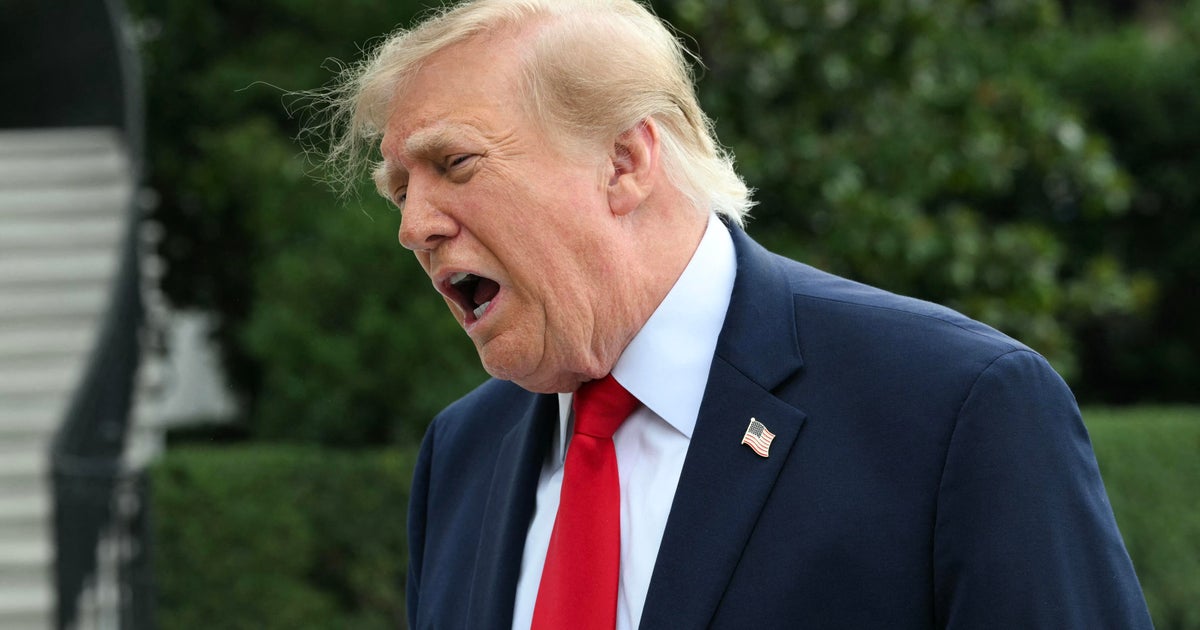
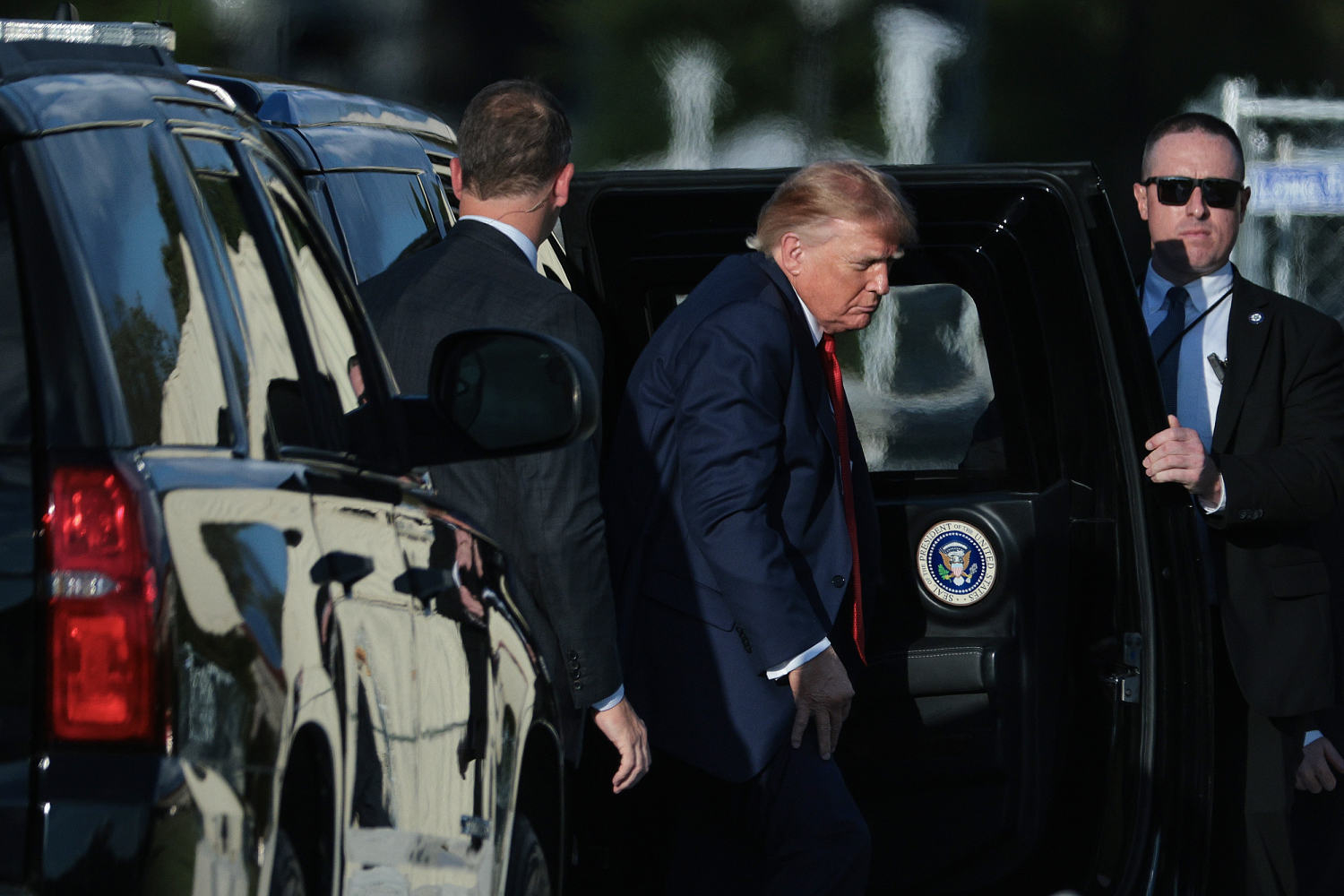
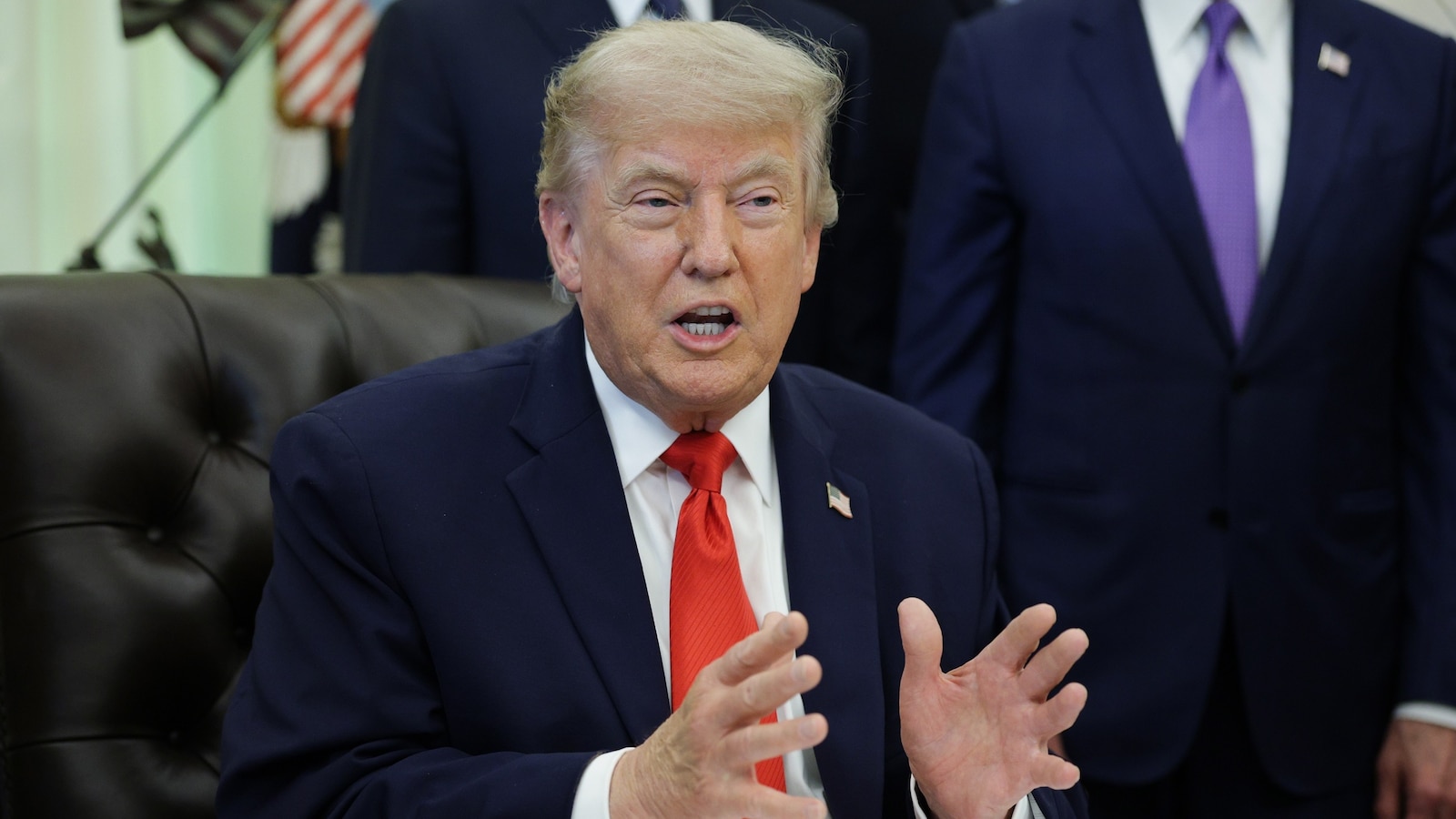
Trump confirmed the rejection on Saturday but offered few details about the proposal’s specific provisions. “I reject their proposal,” he told reporters before leaving Washington. The president argued that Iran was seeking an urgent agreement because its economy had been severely damaged and its ability to generate revenue through the Strait of Hormuz had been curtailed.
Iran has so far declined to respond directly to Trump’s rejection, instead waiting for mediators to report back on Washington’s position. Iranian officials are expected to assess whether the proposal can be revised or whether further diplomatic channels remain open, keeping the initiative in the hands of intermediaries rather than escalating the public confrontation with the White House.
The White House has not publicly released the full text of the Iranian offer. Its reported terms have emerged through Iranian officials, US officials cited by the media and diplomatic intermediaries.
What Iran proposed
According to Araqchi, the seven-day timetable would begin once Washington accepted the framework. Iranian officials said the plan would require several immediate American steps, including:
- Ending the US maritime blockade of Iranian ports.
- Restoring Iran’s ability to sell oil internationally.
- Releasing or permitting access to a portion of Iran’s frozen overseas assets.
- Observing a ceasefire covering the broader regional conflict, including Lebanon.
- Beginning negotiations on a longer-term settlement, including Iran’s nuclear programme.
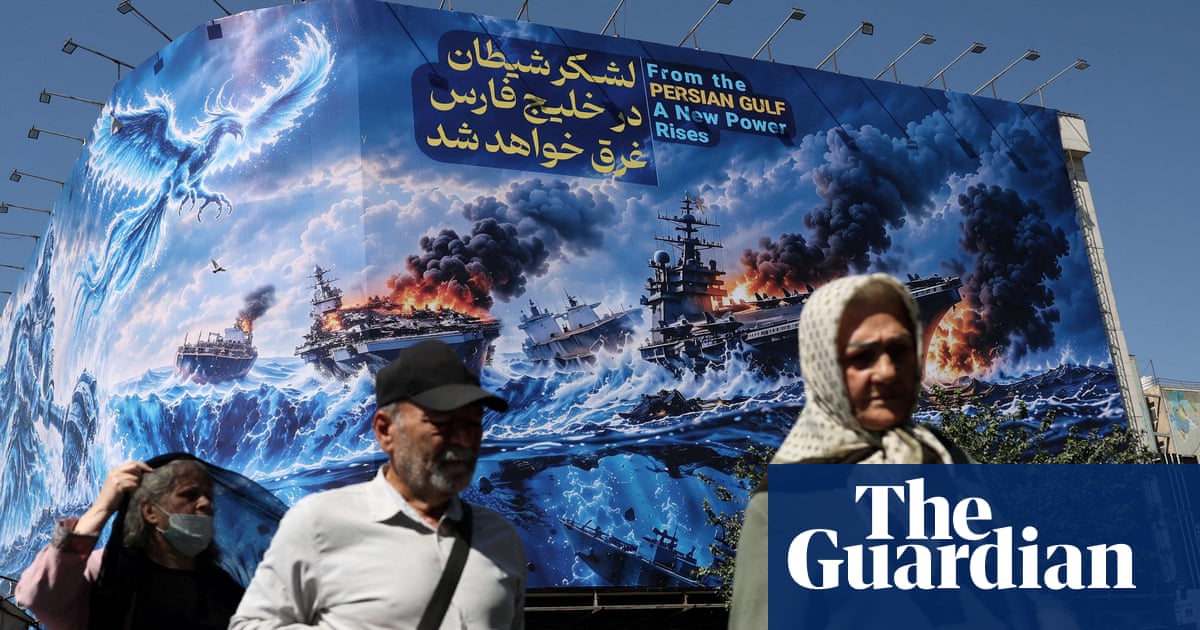
The Strait of Hormuz would be reopened after the initial implementation period, with normal maritime traffic resuming before formal negotiations began. One account of the proposal said Iran and Oman had prepared a designated route for shipping through the strait.
The proposal was designed to address the immediate economic and security crisis without first requiring Iran to accept a comprehensive nuclear settlement. That sequencing is important: the June memorandum between Washington and Tehran had allowed a much longer period for negotiations on Iran’s nuclear activities, while the new plan reportedly sought to begin those talks after only seven days.
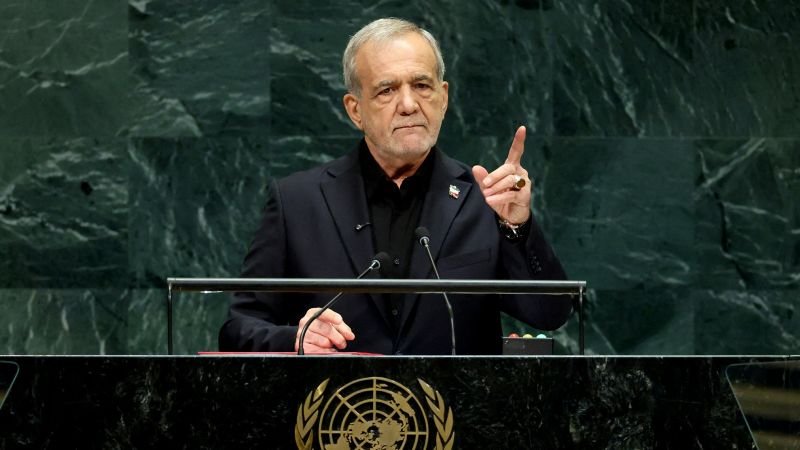
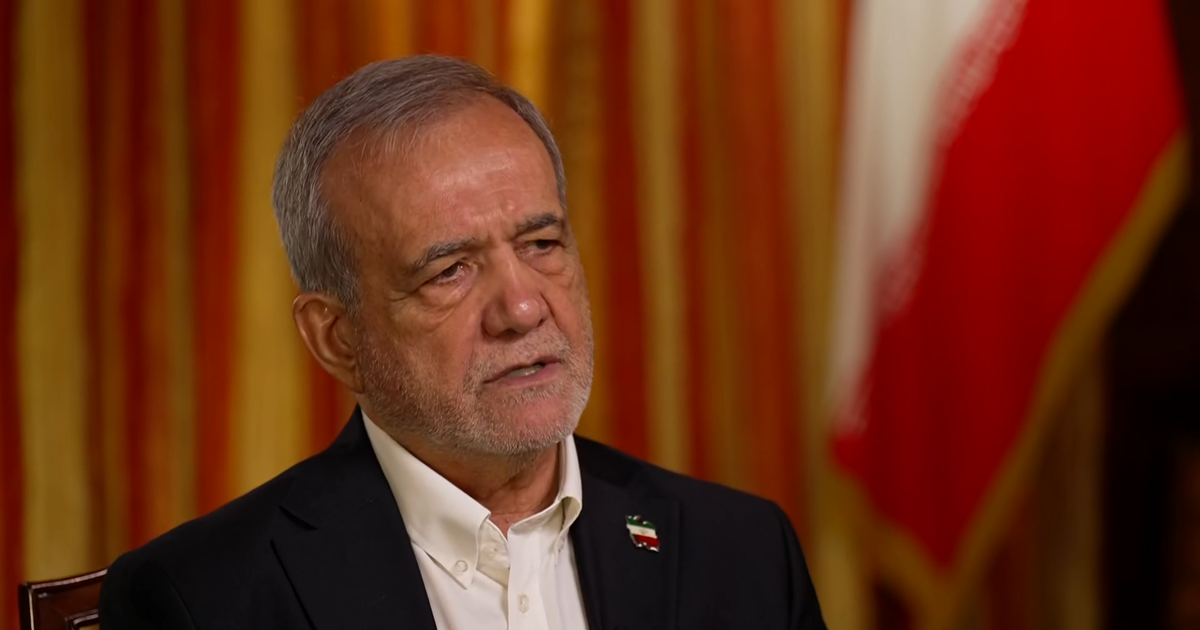
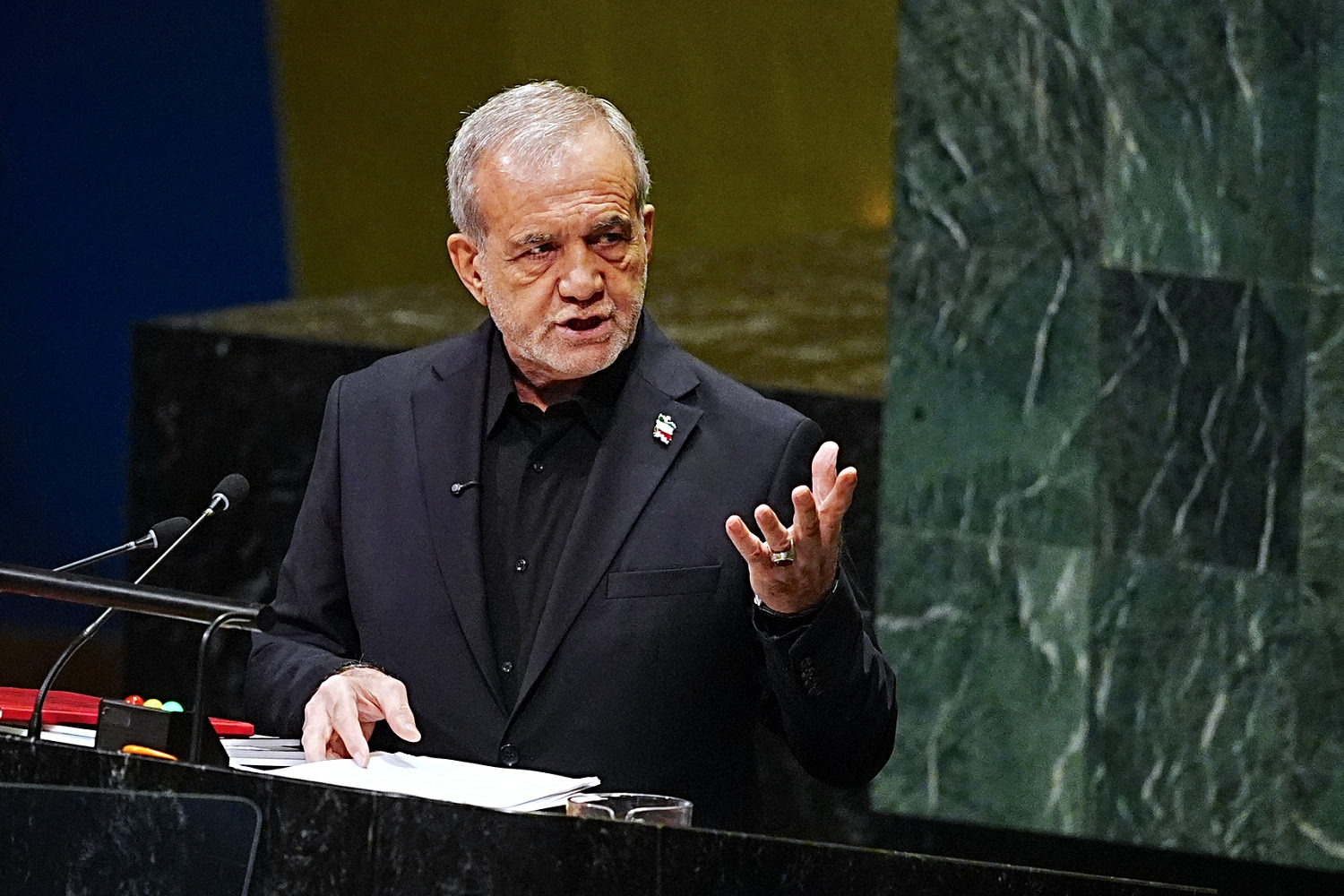
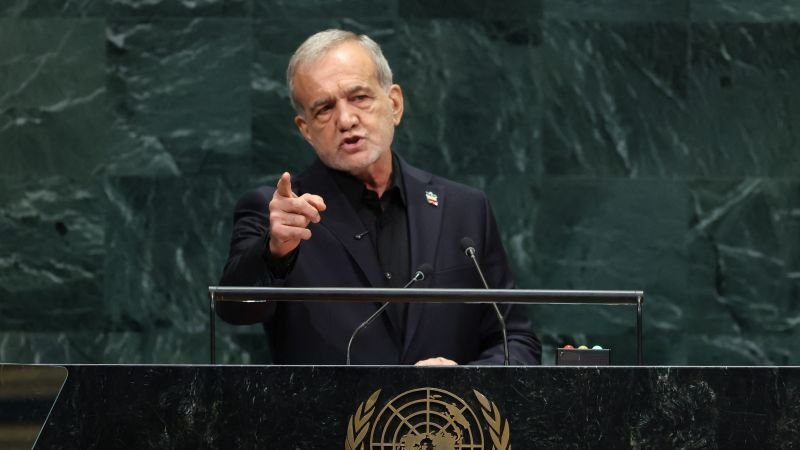
Iranian President Masoud Pezeshkian said Tehran remained willing to negotiate but would not accept what he described as “bullying or coercion.” A senior Iranian official separately told Reuters that Iran would not compromise on its claimed rights to enrich uranium or on the disposition of its highly enriched uranium stockpile.
Why Hormuz matters
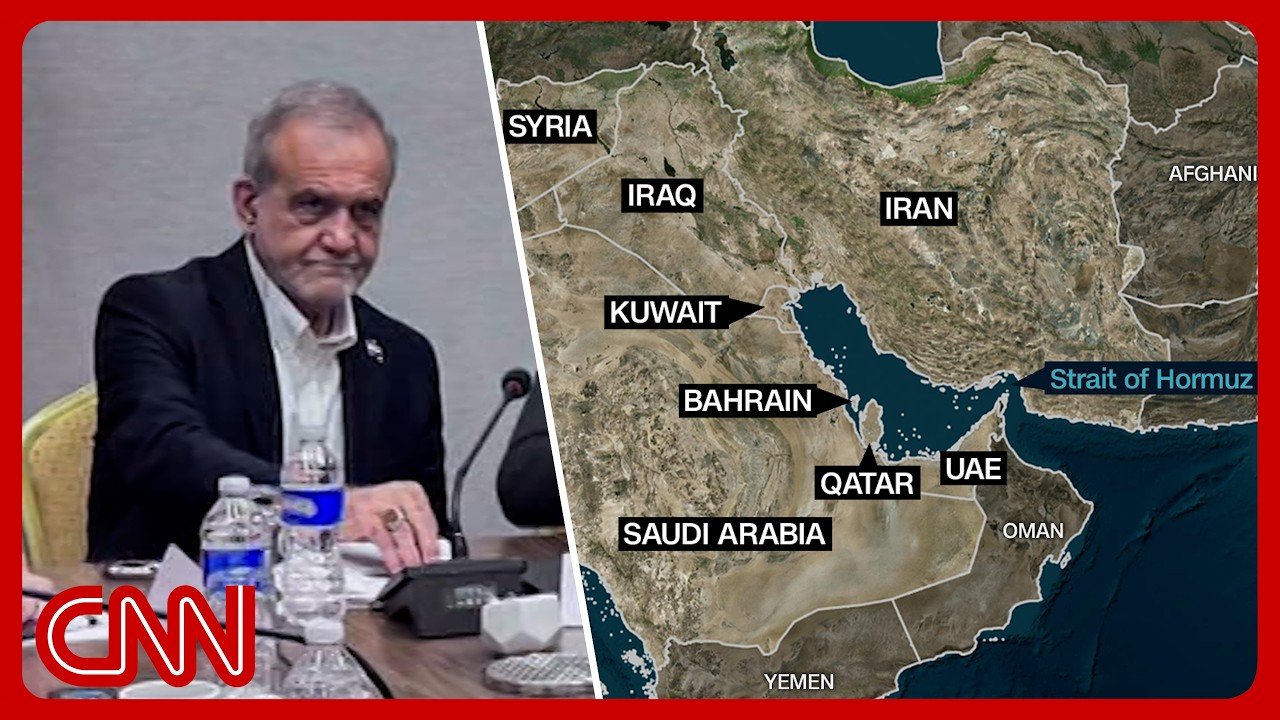
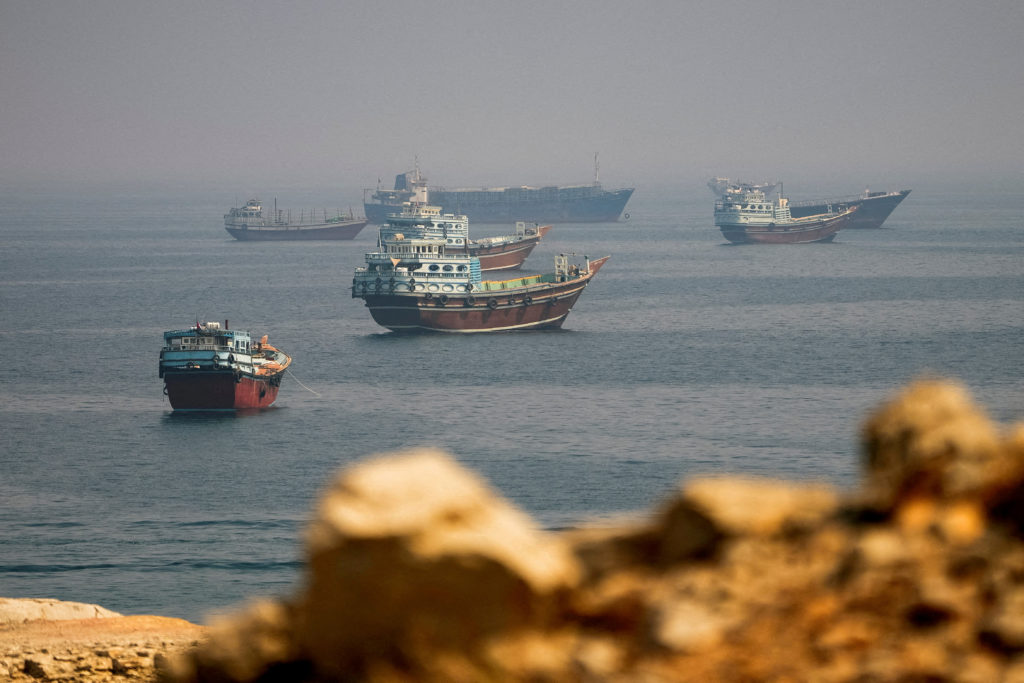
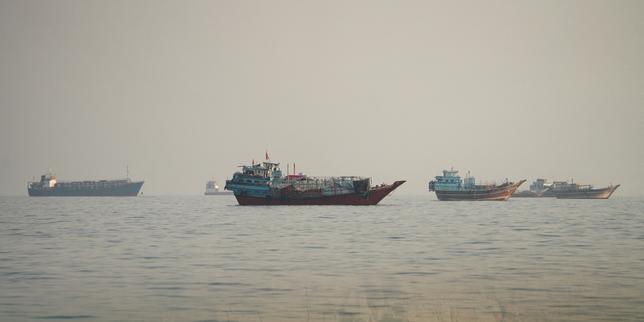
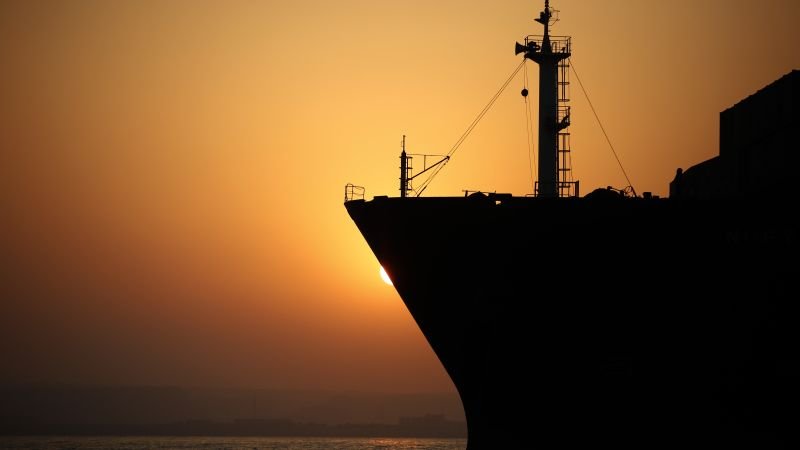
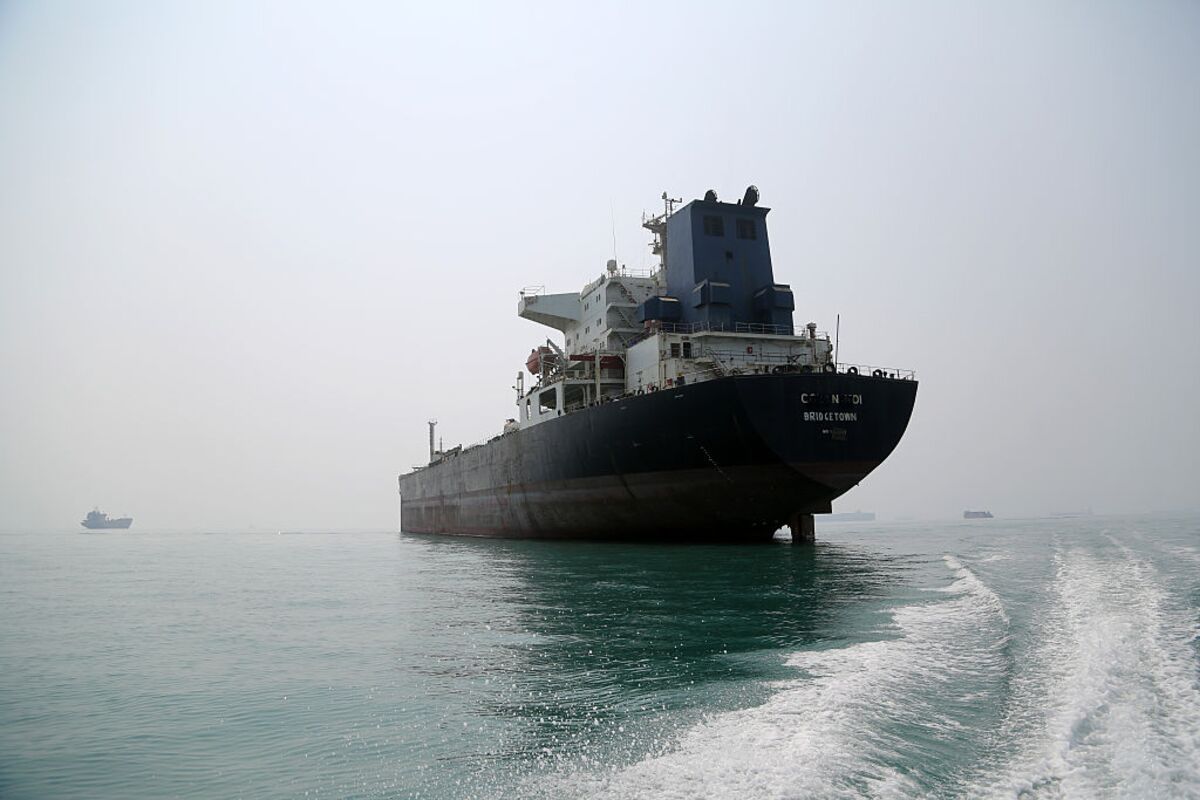
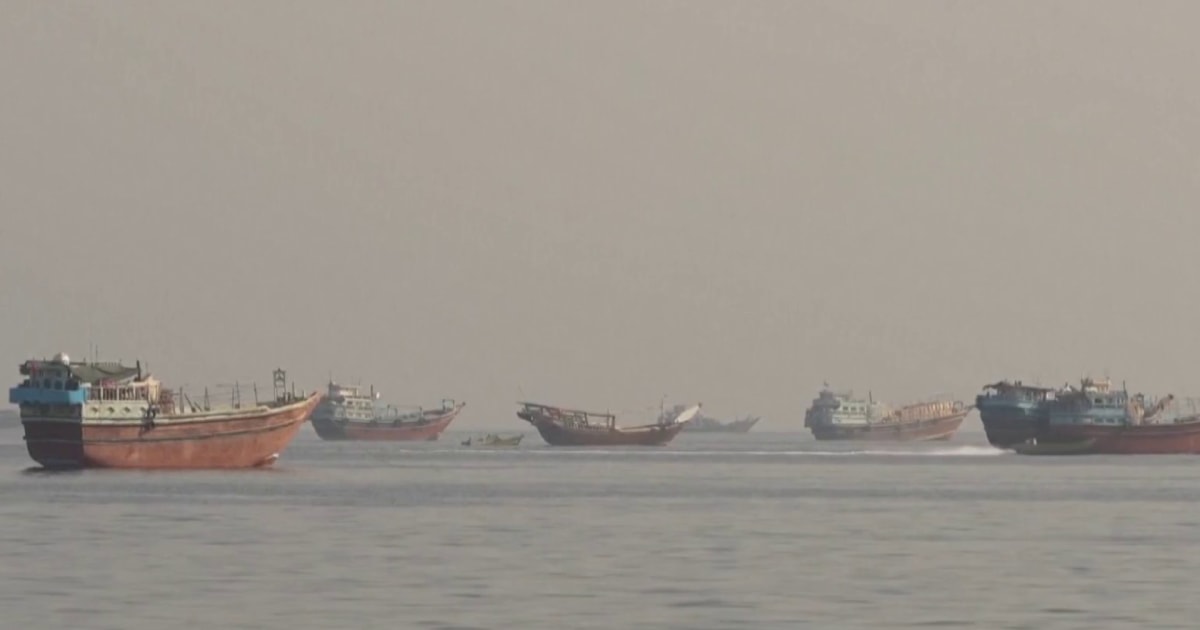
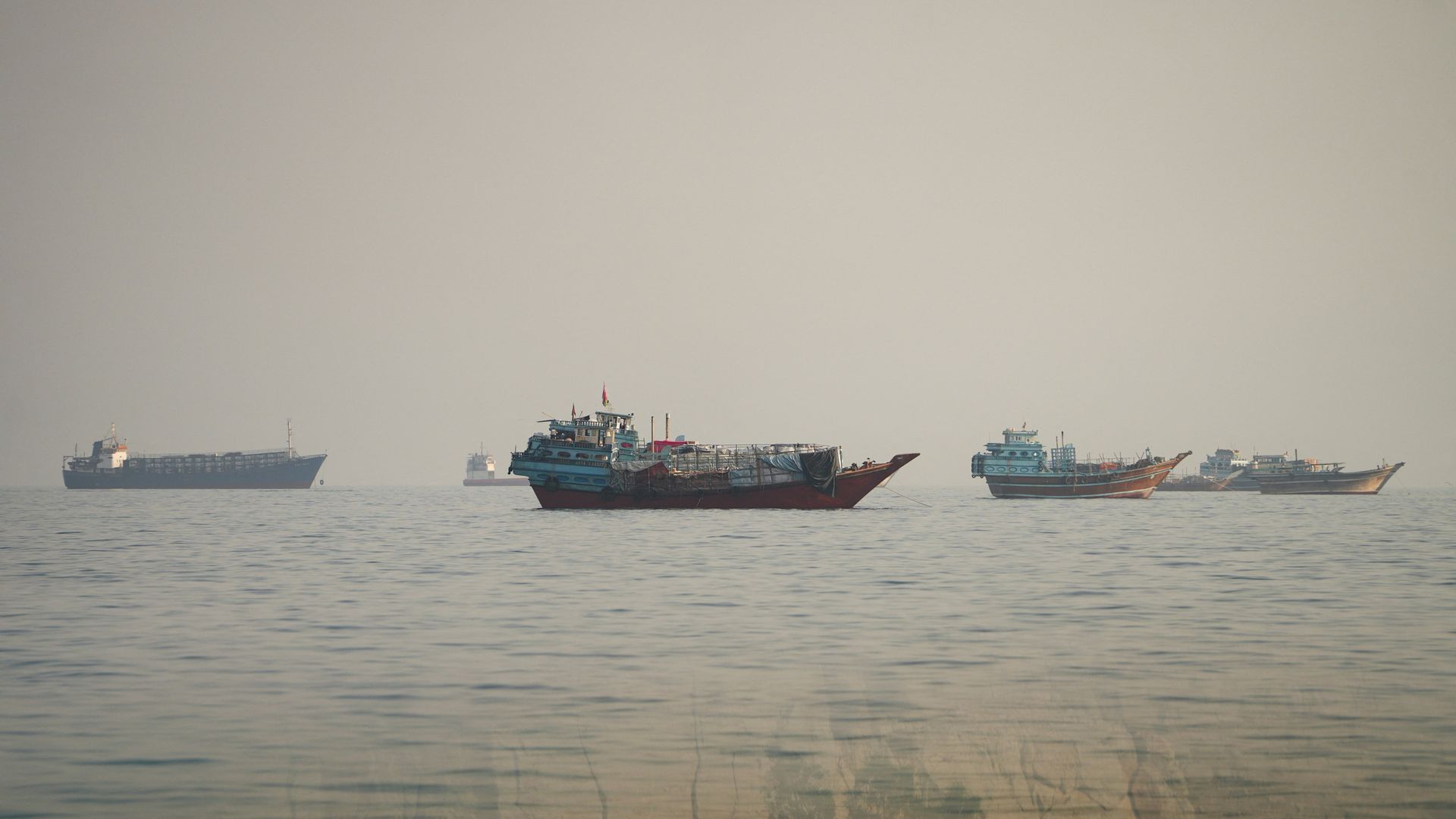
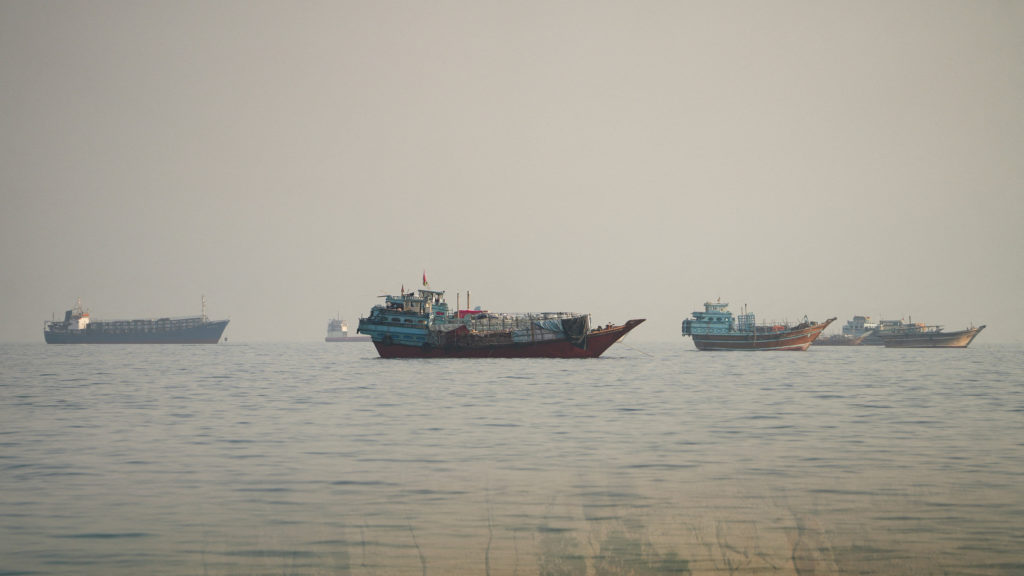
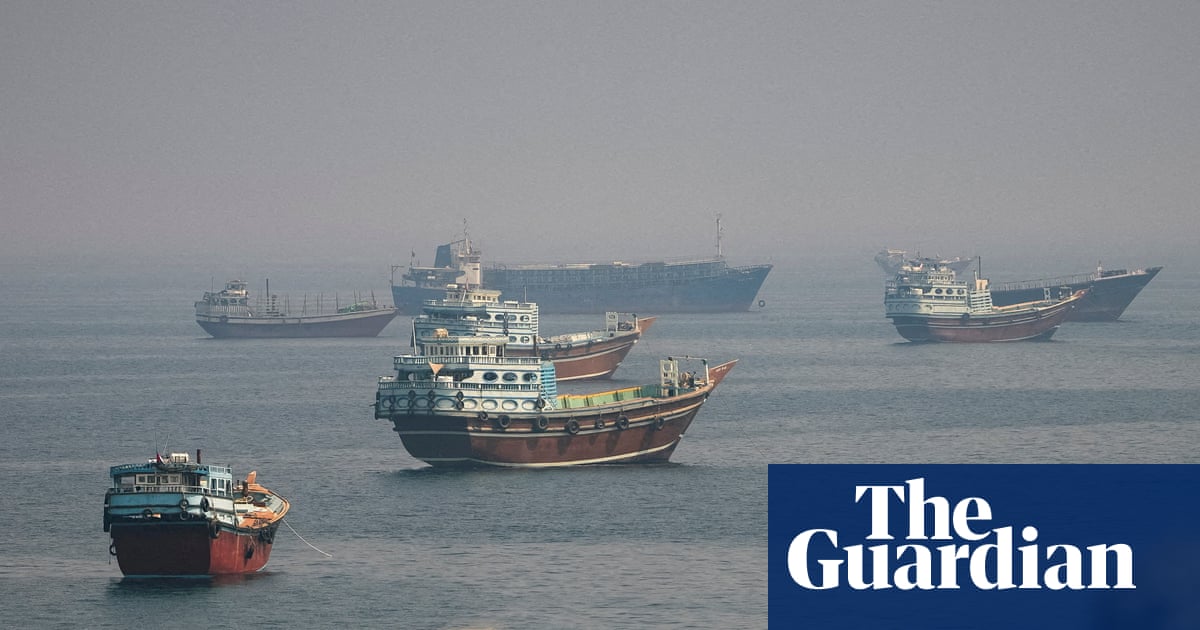
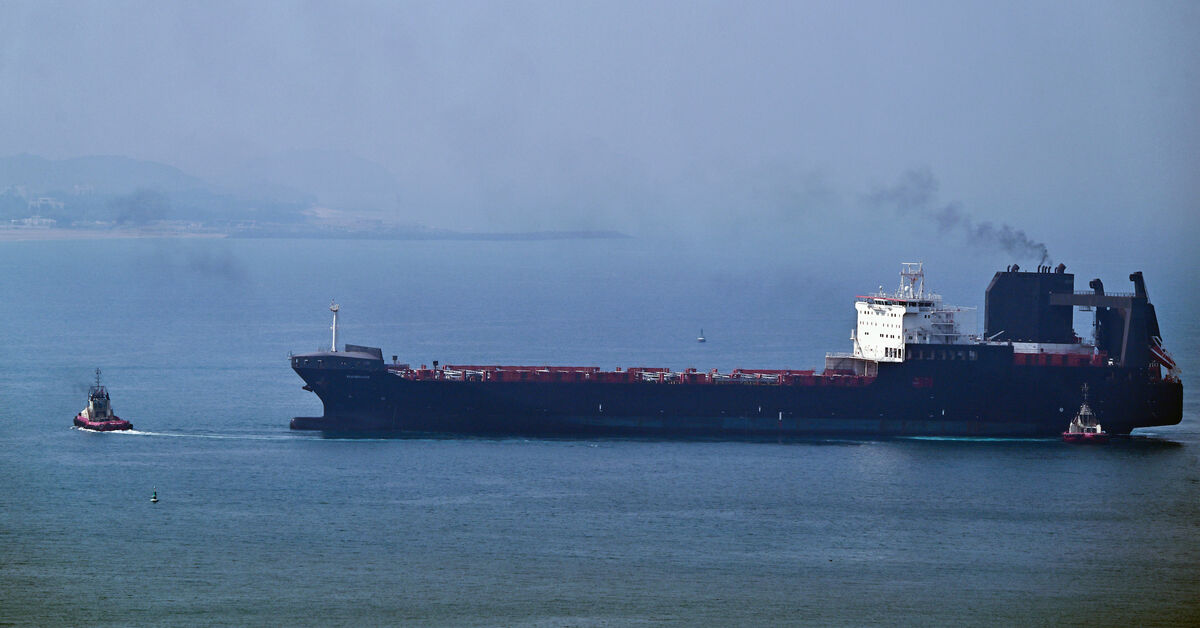
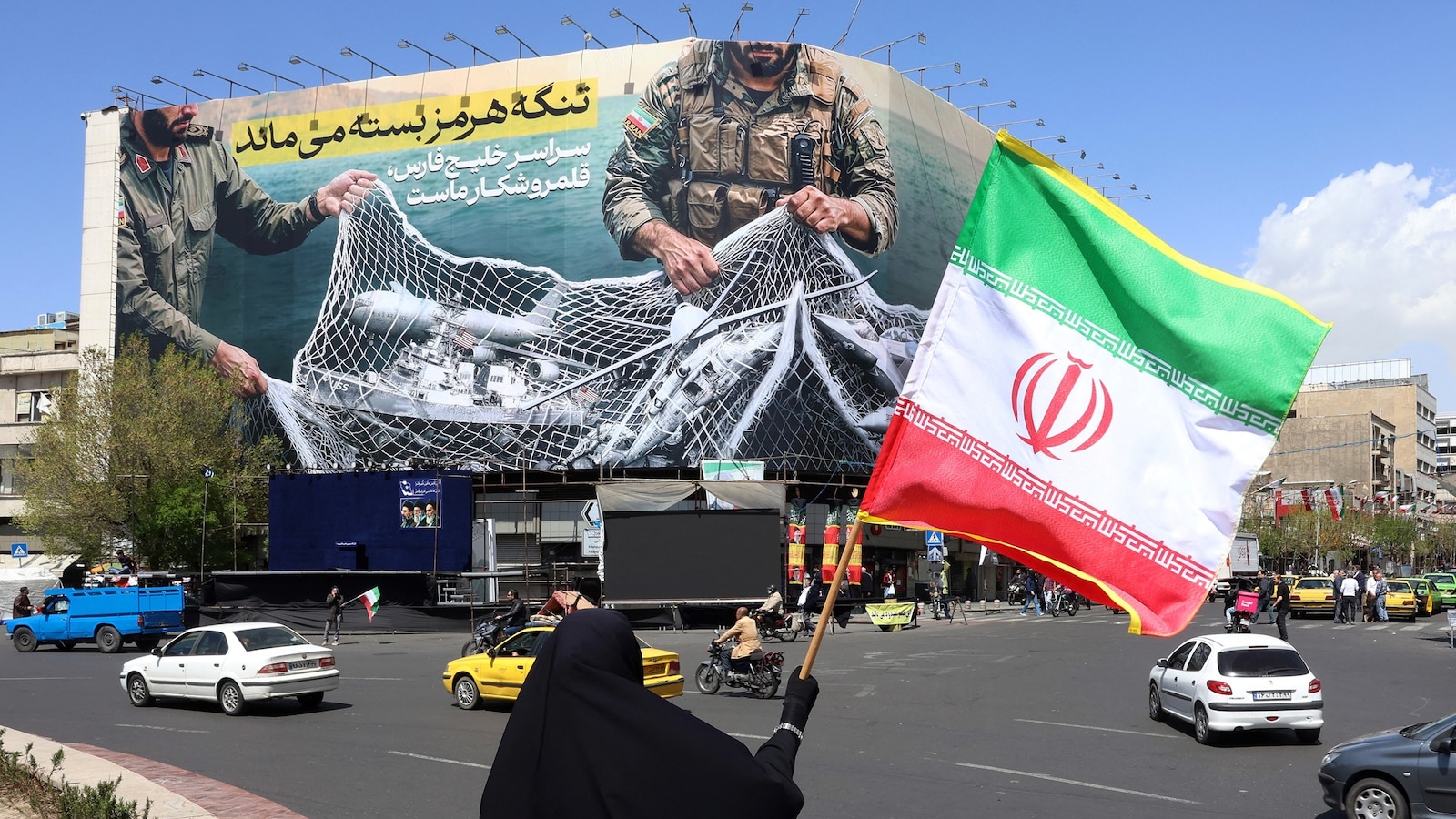
The Strait of Hormuz is one of the world’s most important energy chokepoints. Around 20 million barrels of oil per day have passed through the waterway in recent years, representing roughly one-quarter of global seaborne oil trade. Most of those shipments are destined for Asian markets, making any prolonged disruption particularly significant for economies across Asia.
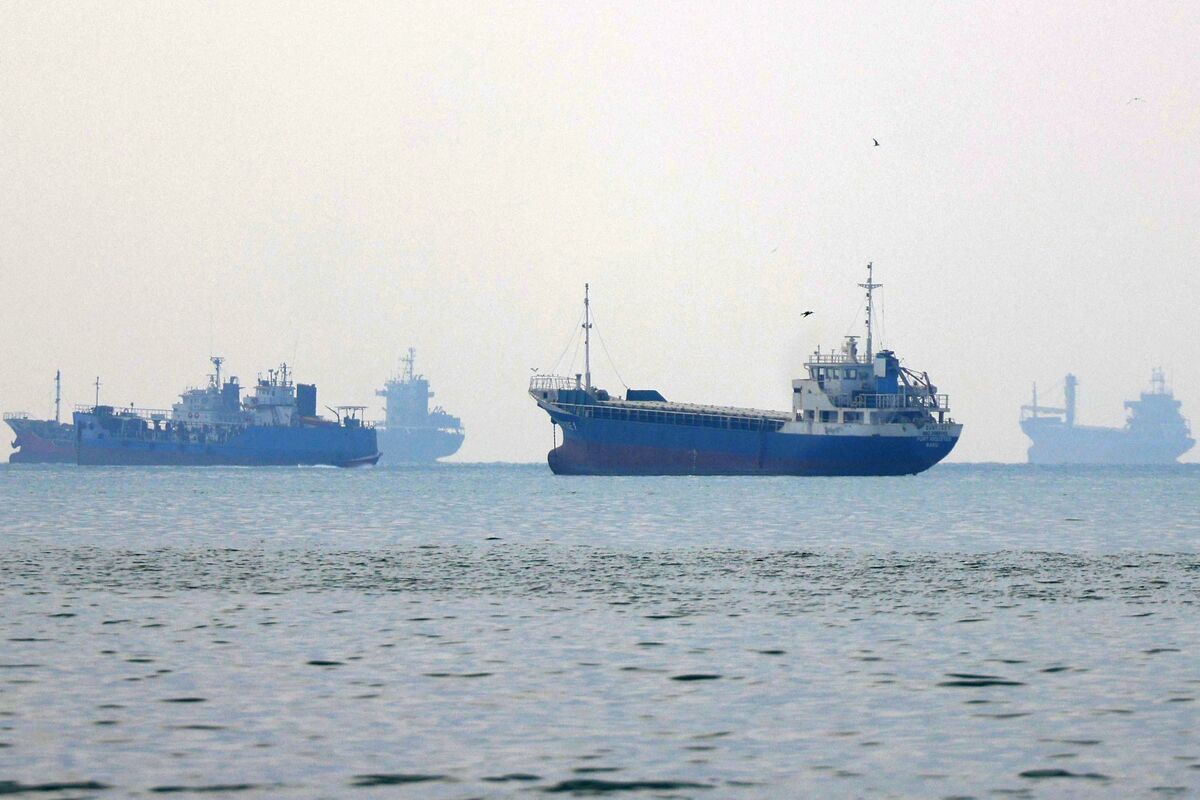
The conflict has already reduced shipping through the strait and disrupted oil flows. A full reopening could ease pressure on global energy markets, but the effect would depend on whether insurers, shipping companies and major oil traders considered the route safe enough to use.
The waterway is narrow, and alternative export routes through pipelines and other ports cannot fully replace its capacity. That leaves Gulf producers, Asian energy importers and global shipping companies exposed to any renewed military confrontation.
Washington chooses pressure
Trump’s rejection signals that his administration continues to view economic and military pressure as leverage rather than as a cost that must be reduced through an interim agreement.
The president has previously demanded that Iran accept more extensive restrictions on its nuclear programme and make broader concessions before receiving sanctions relief. According to a Wall Street Journal report cited by Reuters, Trump has also told aides that he expects renewed US bombing after the November congressional elections, although Reuters said it could not independently confirm that account.
The reported US position is that Tehran is seeking relief because the conflict has damaged its economy and restricted its access to oil revenue. Iranian officials, by contrast, have presented the proposal as a reciprocal arrangement: Washington would reduce military and economic pressure, while Tehran would restore maritime access and enter negotiations.
Earlier US-Iran discussions through mediators were described by one American official as “positive and constructive,” but Trump has reportedly remained doubtful that Iran would meet American demands.
The June agreement
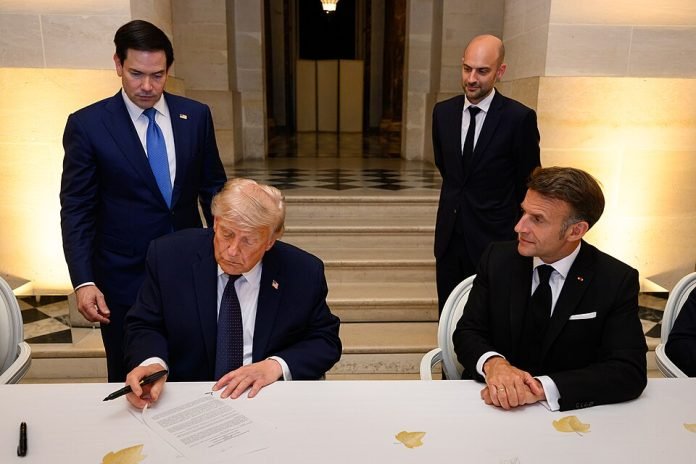
The latest diplomatic impasse follows a preliminary US-Iran memorandum signed in June at the G7 summit in France. The 14-point framework extended an earlier ceasefire for 60 days and was intended to create time for negotiations on a permanent settlement.
The memorandum reportedly included:
- A halt to fighting across the main theatres of the conflict.
- The resumption of maritime traffic through the Strait of Hormuz.
- The lifting or easing of US sanctions.
- The release of some Iranian assets held abroad.
- A proposed $300billion reconstruction and development fund backed by regional and international investors.
The fund was not an immediate cash transfer. Reuters reported that it would become operational only after a final agreement was reached, with more than half of the proposed amount described as already committed by potential investors.
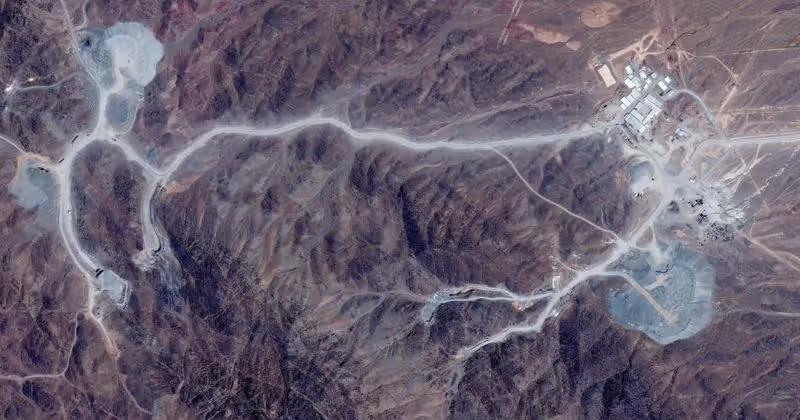
The central unresolved issue was Iran’s nuclear programme. The June framework left that question for a separate 60-day negotiation, including discussions over enrichment, Iran’s enriched-uranium stockpile and the terms under which international inspectors could return to damaged nuclear facilities. That process failed to produce a permanent settlement.
The Iranian seven-day proposal would therefore have accelerated the timetable while seeking to preserve Tehran’s negotiating position on nuclear rights.
A conflict with regional consequences
The war began on February 28 with US and Israeli attacks, according to Reuters, and has since moved through periods of escalation and temporary pauses. Thousands of people have been killed, Iran’s conventional military capabilities have been damaged and its already weak economy has come under further pressure.
Iran and groups aligned with Tehran have expanded the conflict beyond the Gulf. Iranian drones and missiles have targeted US partners in the region, while Houthi forces in Yemen have attacked Saudi interests. Iranian-aligned militias have also been blamed for an attack on a Saudi pipeline that temporarily removed additional oil from the market. Hezbollah has continued fighting Israeli forces in Lebanon.
The fighting has also prompted closer security coordination among countries concerned about the conflict spreading. Defense chiefs from Saudi Arabia, Turkey and Pakistan met in Riyadh to discuss intelligence cooperation, military coordination and the possible integration of forces under a joint defense framework.
The humanitarian effects are mounting as well. UNICEF has reported a rise in acute malnutrition among children in Yemen, where renewed violence has deepened an already severe crisis.
What happens next
Trump’s rejection leaves the immediate future of the Strait of Hormuz uncertain. Iran has not indicated that it will reopen the waterway without reciprocal US action, while Washington appears unwilling to lift the blockade or provide sanctions relief before securing stronger commitments from Tehran.
The pause suggests that Tehran may still be assessing whether the United States is open to a revised arrangement. It also allows Iran to avoid publicly closing the diplomatic channel while Washington weighs whether to maintain its blockade and broader pressure campaign.
The failure of the proposal also narrows the space for indirect diplomacy. Qatar has served as a channel between Washington and Tehran, while Iran has engaged Saudi Arabia over the security of the strait despite their longstanding rivalry. Those contacts may continue, but the current positions remain far apart.
The key questions are whether Iran will submit a revised offer, whether the United States will reconsider an interim arrangement and whether renewed military action follows the US midterm elections. Until those questions are answered, the conflict will continue to threaten oil supplies, shipping routes and the wider stability of the Middle East.